Metabolism

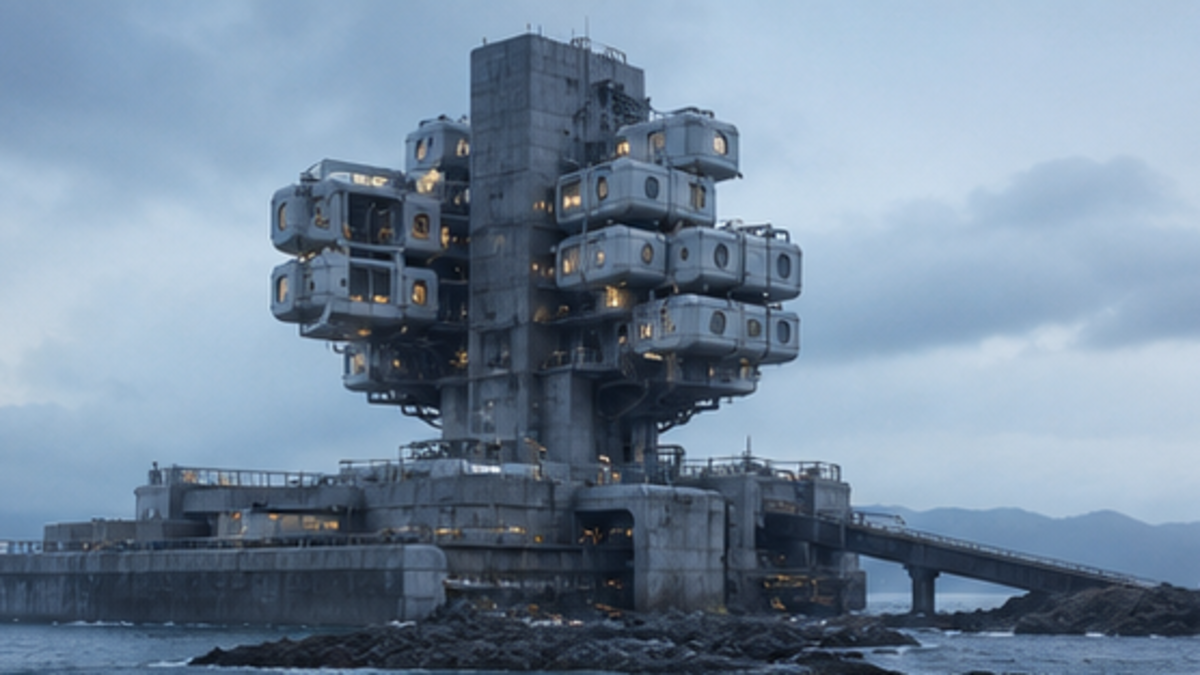
Buildings imagined as living organisms - Japan's Metabolists designed megastructures that could grow, adapt, and shed parts, with plug-in capsule units clipped onto service cores, a radical post-war vision of the city as biology.

Compare Metabolism with another style →See the Metabolism typefaces →On the timeline · 1960s
Record020-AM
AestheticMetabolism
ClassExpressive / Maximal
StatusINGESTING
Metabolism aesthetic archive image
Archive plate · Metabolism
Metabolism aesthetic: World dossier scene
Dossier sceneWorld · 1/6
01
The record

What it is, when it works, who it is for, and where it already exists.

How to use it

Record 020-AM - when it works, who it is for, what it looks like

FIELD 01

When to use it

  • Brand identity around modularity, growth, and systems thinking
  • Tech and infrastructure brands expressing adaptive architecture
  • Editorial on urbanism, futurism, and Japanese design history
  • Campaigns built on repeatable, clip-on modular units
FIELD 02

Perfect for

  • Modular construction, prefab, and infrastructure companies
  • Tech platforms framing themselves as living, growing systems
  • Cultural institutions covering Japanese post-war design
  • Futurist and speculative-design practices

In the wild, Metabolism aesthetic real-world examples

Where this aesthetic shows up in the real world · ↗ opens the source site

Omoro Style GuideEvery aesthetic, every field on this page, in one PDF.
$8Get the guide →
02
The anatomy

Where Metabolism came from, what makes it recognisable, and the fingerprint it leaves.

History, Metabolism aesthetic history

1960-1975 · Japan

Metabolism was launched at the 1960 World Design Conference in Tokyo, where a group of young Japanese architects (Kenzo Tange, Kisho Kurokawa, Fumihiko Maki, and others) presented a manifesto proposing that cities and buildings should be designed as living organisms capable of growth and transformation. Post-war Japan was rebuilding at extraordinary speed, and these architects believed that traditional static urbanism could not keep pace. Their proposals replaced fixed buildings with megastructural frameworks into which individual capsules, pods, and modules could be plugged, replaced, and rearranged.

Kisho Kurokawa's Nakagin Capsule Tower in Tokyo (1972) remains the movement's most famous built work: 140 prefabricated capsules bolted onto two interconnected concrete towers, each capsule a complete living unit that was theoretically replaceable. Kenzo Tange's Tokyo Bay Plan (1960) proposed a linear city extending across the bay on a megastructural spine. Arata Isozaki's City in the Air (1961) imagined buildings as branching tree structures. The ambition was extraordinary, even if the technology and economics of capsule replacement never materialized.

Metabolism faded as a movement by the mid-1970s, its utopian ambitions confronting practical realities: capsules were never actually replaced, megastructures proved inflexible rather than adaptable, and the oil crisis (1973) dampened Japan's expansionist mood. The Nakagin Capsule Tower was demolished in 2022 after decades of deterioration. But Metabolism's ideas about modular construction, prefabrication, and architecture that anticipates change have been absorbed into contemporary practice, from modular housing to adaptable office buildings.

The city that grows like a cell divides.

Omoro dossier · 020-AM

Visual markers, Metabolism aesthetic visual markers

The visual DNA: what makes it recognisable

typography

See the fonts
  • Bold geometric sans-serifs: DIN, Univers, Futura
  • Japanese typography (kanji, kana) in modernist compositions
  • Technical and diagrammatic lettering styles
  • Modular, grid-based type systems

grid

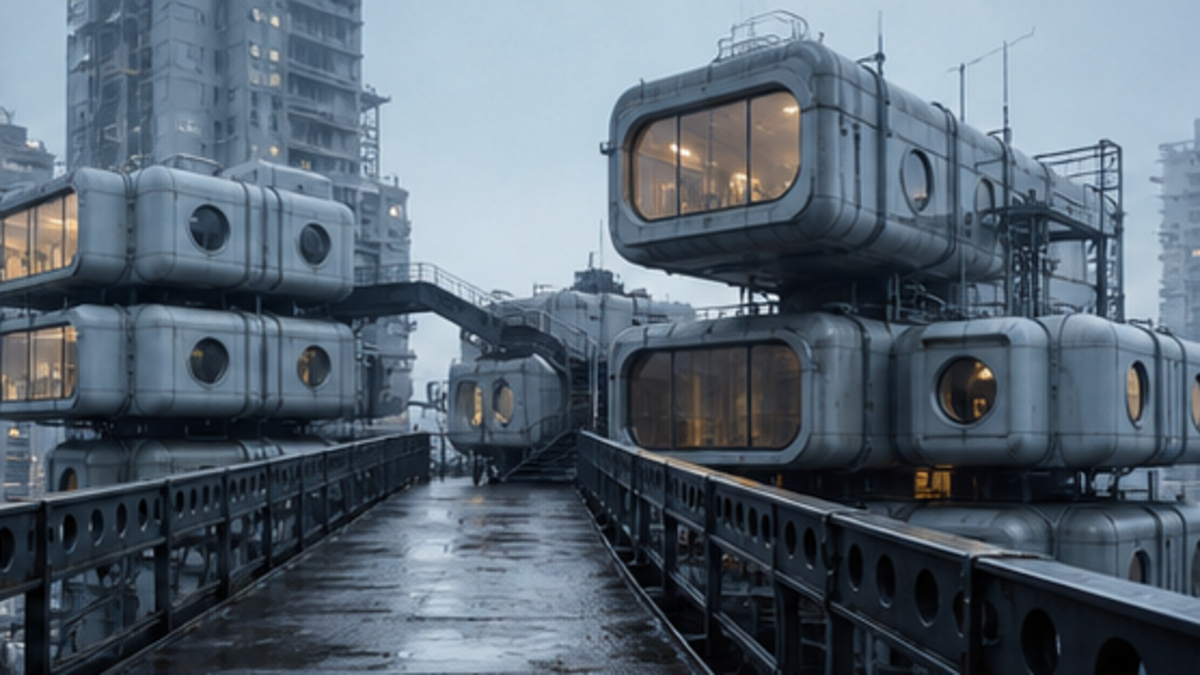
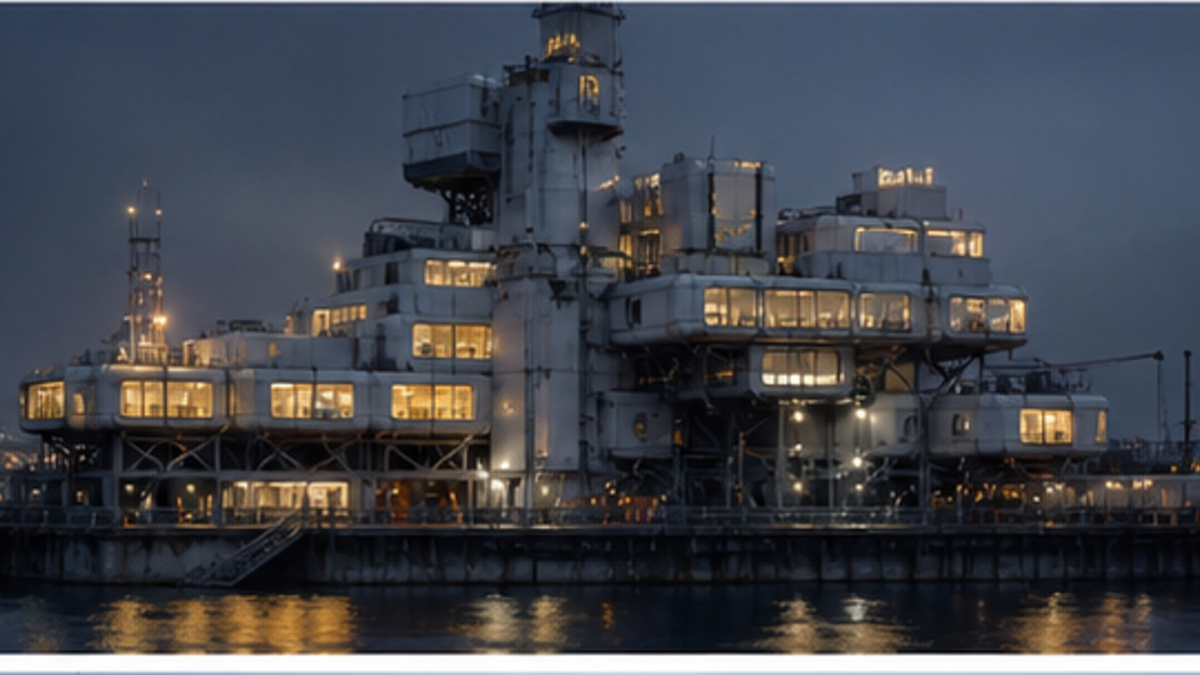
  • Megastructural frameworks with plug-in modular units
  • Branching or tree-like structural systems
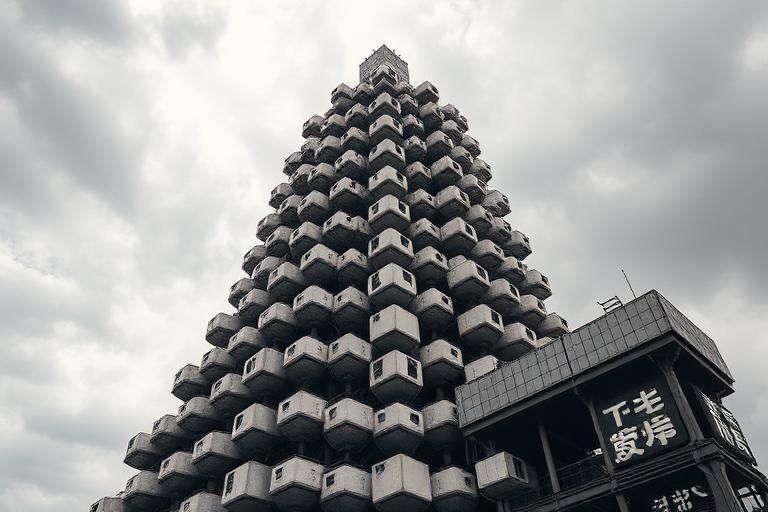
  • Capsule modules repeated in regular arrays
  • Infrastructure spines with habitable units attached

materials

  • Prefabricated concrete and steel modules: #A0A0A0, #909090
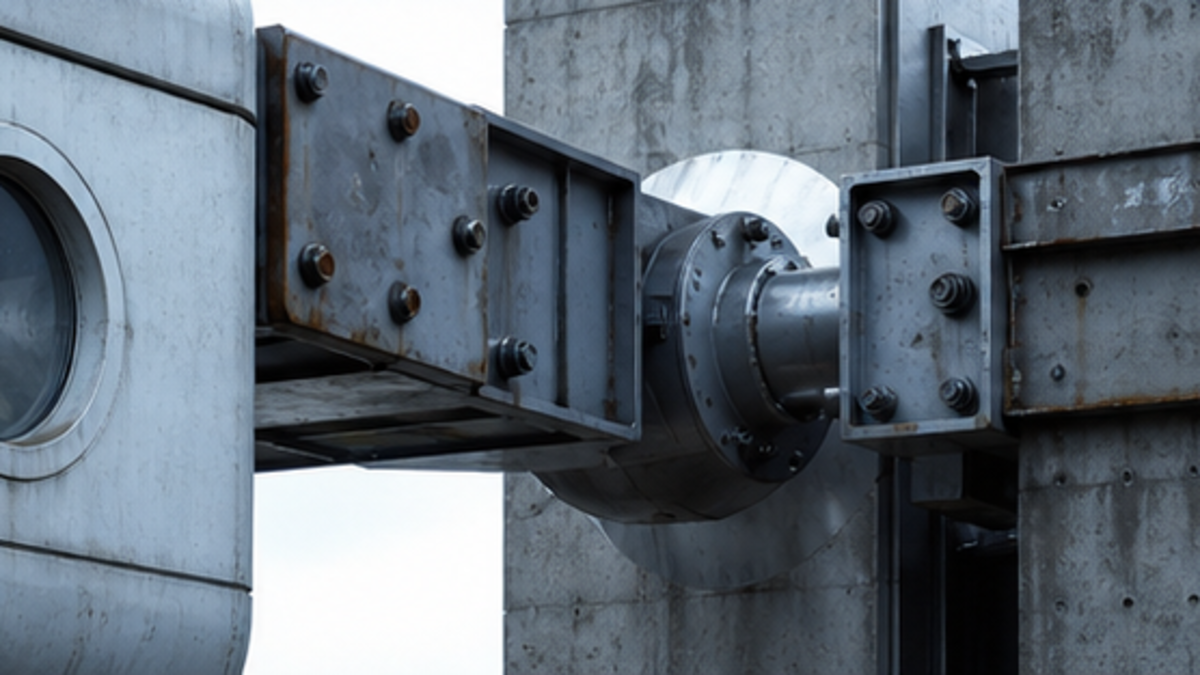
  • Exposed steel frame connections: #6B6B6B, #5C5C5C
  • White and grey capsule cladding: #E0E0E0, #D0D0D0
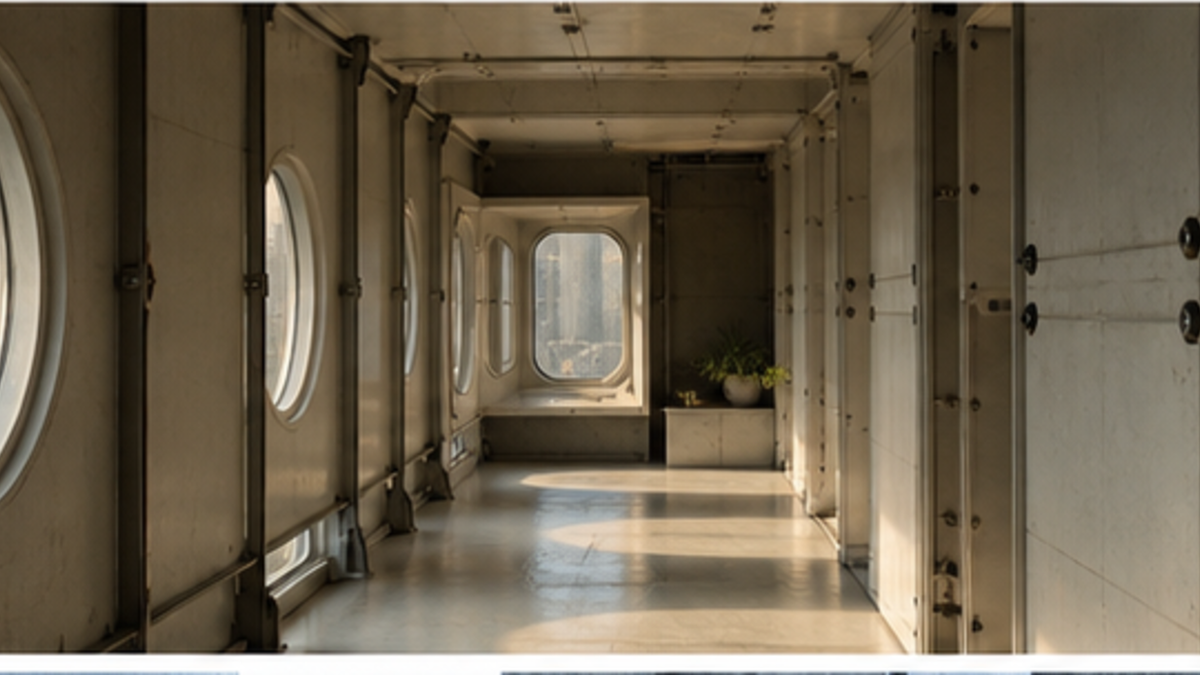
  • Circular porthole windows in capsule units: #C8D0D8, #B0B8C0

motifs

  • Capsule and pod forms repeated as modular units
  • Visible plug-in connections between module and structure
  • Porthole windows on capsule facades
  • Elevated walkways and circulation cores as primary structure

Aesthetic profile

8-channel console with the fingerprint on its display. Save the card, or share the page

Aesthetic Profile
Metabolism
Postwar
1959–1975
Attribute console · 020-AM
leans expressive, maximal, cool
8 CH
FIG. 1
MaximalMinimalDigitalAnalogExpressiveRestrainedCoolWarmNostalgicFuturisticChaoticStructuredLightDarkOrganicGeometric
01Minimal
Maximal40%
02Analog
Digital20%
03Restrained
Expressive50%
04Cool
Warm30%
05Futuristic
Nostalgic30%
06Structured
Chaotic30%
07Dark
LightEVEN
08Organic
Geometric20%
ExpressiveMaximalCool4 materials
Omoro · Attribute console · 020-AM
omoro.io/styles/arch-metabolism

Material assembly

The style's primary materials, assembled bottom-up

Tap a stratum for material detail · Full catalog

Place in history

Postwar · 1959–1975 - tap any style to travel

Color Palettes, Metabolism color palettes and hex codes

4 color interpretations of this aesthetic

Metabolism
#5C5C5C · #909090 · #B0B8C0 · #D0D0D0 · #E0E0E0
The city that grows like a cell divides
Nakagin Capsule
#141414 · #383838 · #787878 · #B0B0B0 · #E0E0E0
Kurokawa's pod hotel: individual living cells plugged into a spine
Expo 70
#181828 · #C84020 · #2870C0 · #E8D830 · #E8E0D0
Osaka World Expo: festival plaza and capsule towers as future city
Sky House
#101010 · #3A3838 · #707068 · #A8A098 · #D8D0C4
Kiyonori Kikutake: house raised on four walls, rooms as pods
Omoro Palette Pack575 curated palettes across every aesthetic, 5 export formats.
$8Get the palettes →

Adjacent Palettes, styles related to Metabolism

The colour of the styles sitting closest to this one

Brutalist Architecture
Structuralism
Monolithic Architecture
Architectural Futurism
03
The direction

How to shoot it, how to prompt it, and how to board it.

Photo Direction

How to shoot this aesthetic

"A building imagined as an organism: modular, growing, alive"

Shot list

  • Wide shot of a modular capsule-style structure, repetition as the compositional subject
  • Detail shot of the seam where one prefabricated unit connects to the next
  • Symmetrical shot emphasizing the megastructure's stacked, modular geometry

Lighting

Even daylight that reveals the repeating modular geometry clearly avoid dramatic shadow that disguises the structure's systemic logic

Omoro Director's Briefs151 photo shot-lists like this one, ready to shoot from.
$8Get the briefs →

Generative Prompt

Drop this into Studio to generate in this aesthetic

Japanese Metabolism aesthetic with modular capsule units, megastructure thinking, Kisho Kurokawa and Kenzo Tange influence, plug-in city concepts

Paste as-is, or append your own subject

Mood Board

The record applied to your project. The record's kit is free; your brand, references and plates come with membership

Mood board
The Metabolism board
8 frames · 4 selected
FIG. 4
Exposed Steel Frame Conn5C5C5CPrefabricated Concrete909090Circular Porthole WindowB0B8C0Light WhiteD0D0D0Pale WhiteE0E0E0
Brand and references
IdleBrand and references open with membership
With membership: the brand's own facts and colours in every prompt, references carried into every frame, and the plates generated.
01 · Hero application
02 · Material and finish
03 · Palette in context
04 · Photography direction
05 · Pattern plate
06 · Object
07 · Environment
08 · Digital presence
Demo kit free, the rest with membershipThe record as a demo kit, free. Name a project and it is written for that
Omoro · Mood board · 020-AM
04
The judgement

Whether to use it, what it costs to do properly, and where it stands right now.

Creative verdict, Metabolism feasibility and strategic recommendation

Two written calls, seven meters, and when to walk away

Creative verdict
Should Metabolism be the call?
7 meters
FIG. 2
Assessment

The replaceability was the argument and it was never tested. Nakagin's capsules were designed to be swapped every twenty-five years and not one ever was, which is the honest lesson for any module-based proposal. Design the connection to actually disconnect. Servicing the core is the hidden cost, since everything plugged into it depends on that spine surviving longest.

Verdict

Right when adaptability must be built rather than promised, which is the whole lesson. Buildings as organisms with replaceable parts was the most original architectural thinking of post-war Japan, and modularity is urgent again for carbon reasons. The Nakagin Capsule Tower came down in 2022 with not one capsule ever replaced, which is the movement's defining irony and its warning.

Production cost
High

Megastructure scale. Among the most expensive references here.

Creative difficulty
High

Buildings that grow and shed parts. A radical premise, not just modular boxes.

Execution difficulty
High

Plug-in capsule systems at city scale are precise, unforgiving engineering.

Risk of misuse
Medium

Buildings that grow and shed parts. A radical premise, not just modular boxes.

Prevalence
Rare

A rare, mostly historical architectural reference.

Longevity
Enduring

The ideas behind it still influence architecture decades later.

Brand investment
High

Megastructure scale, among the most expensive references here.

Avoid if
The audience is unfamiliar with the underlying ideology
Without it, this just reads as boxes stacked on a core.
There's no budget for megastructure-scale ambition
Among the most expensive architectural references on this list.
Omoro · Creative verdict · 020-AM

Editorial Depth

A Pro feature: origins, practitioners, and pitfalls

Editorial depth
The Metabolism file
14 sections
FIG. 3
Context02Brands02Perception04Use04Index02
01Common MisconceptionThe principle beneath the surface
02Historical ContextOrigins, cultural moment, and reaction
03Brands That Accidentally Use This StyleNatural alignment, not category claims
04Brands That Perfectly Represent This StyleExceptional execution
05Psychological EffectHow visual decisions change perception
06Visual ChecklistInclude and avoid
07Creative FormulaThe visual system reduced to essentials
08Recognition SignalsHow to recognize it in two seconds
09When To Use This StyleContexts where the language performs
10Common Creative MistakesWhere imitation weakens the signal
11Best Brand ApplicationsIndustries with a natural advantage
12Creative Application AnalysisFit, feasibility, and production reality
13Related StylesClose languages and the key distinction
14Visual DNA SummaryThe sentence to remember
The editorial depth, with membershipOpening soon
Omoro · Editorial depth · 020-AM
05
The index

Neighbours, cross-references, blends, and the questions people ask.

Related concepts

Connected across the creative knowledge graph

Cultural relevance, Metabolism cultural relevance today

Where it stands now, and what it costs you to use it

Metabolism proposed buildings as living organisms with replaceable parts, and it was the most original architectural thinking to come out of post-war Japan.

The Nakagin Capsule Tower was demolished in 2022 with not one capsule ever replaced, which is the movement's defining irony.

Modularity and designed-in adaptability are urgent again for carbon reasons, which makes Metabolism a sixty-year-old answer to a current question.

Cross-references

StructuralismStructuralism shared Metabolism's interest in modular, additive spatial systemsBrutalist Architectureboth used raw concrete megastructures for social ambitionsArchitectural FuturismMetabolism inherited Futurism's visionary urbanism and technological optimism

Blend

Mix Metabolism with any style in the library

Metabolism×
50%50%
46% alike
Metabolism referenceBrutalist Architecture referenceMetabolism 50%Brutalist Architecture 50%

Merged palette

#5C5C5C

#2B2926

#909090

#5C5346

#B0B8C0

Leads expressive, cool, nostalgic

Typography · from Metabolism

Space Grotesk over Inter

Materials

  • Prefabricated concrete and steel modules: #A0A0A0, #909090
  • Exposed steel frame connections: #6B6B6B, #5C5C5C
  • Board-marked concrete showing formwork grain: #8A8682, #A09C98

The calls this blend forces

These two disagree on 3 things, and a blend cannot average them: you pick a side. At this mix:

Chaotic or Structured? Metabolism is chaotic, Brutalist Architecture is structured. This mix lands structured.

Organic or Geometric? Metabolism is organic, Brutalist Architecture is geometric. This mix lands geometric.

Maximal or Minimal? Metabolism is maximal, Brutalist Architecture is minimal. This mix lands maximal.

Use it

Japanese Metabolism aesthetic with modular capsule units, megastructure thinking, Kisho Kurokawa and Kenzo Tange influence, plug-in city concepts (50%), infused with Brutalist design with raw architectural mass and exposed concrete beton brut texture, monolithic volumes with zero applied decoration, Alison and Peter Smithson and Le Corbusier Unite d'Habitation reference, weight and gravity as aesthetic values, anti-ornament philosophy, color palette strictly #5C5C5C #2B2926 #909090 #5C5346 #B0B8C0, leaning chaotic over structured, organic over geometric, maximal over minimal, overall character: expressive, cool, nostalgic

One-click generation opens with the studio

About this aesthetic

What is Metabolist architecture?

Metabolism was a Japanese architectural movement (1960-1975) that designed buildings and cities as living organisms capable of growth and transformation. Architects proposed megastructural frameworks into which prefabricated capsules could be plugged, replaced, and rearranged. Kurokawa's Nakagin Capsule Tower (1972) is the iconic built example.

Did Metabolism's ideas actually work?

Partially. The capsule-replacement concept was never realized in practice (Nakagin's capsules were never swapped). But Metabolism's broader ideas about modular construction, prefabrication, and designing for change have influenced contemporary architecture, from modular housing to plug-in office systems.

What happened to the Nakagin Capsule Tower?

The tower was demolished in 2022 after years of deterioration. Its capsules, designed to be replaced every 25 years, were never swapped due to cost and logistical complexity. Some capsules were preserved for museums. The demolition highlighted the gap between Metabolism's visionary ideals and the practical challenges of building maintenance.

Build with the metabolism aesthetic

Every style in the library is broken down like this one: the palette, the typography, the materials and the lineage.

Explore the style library →