Art Nouveau

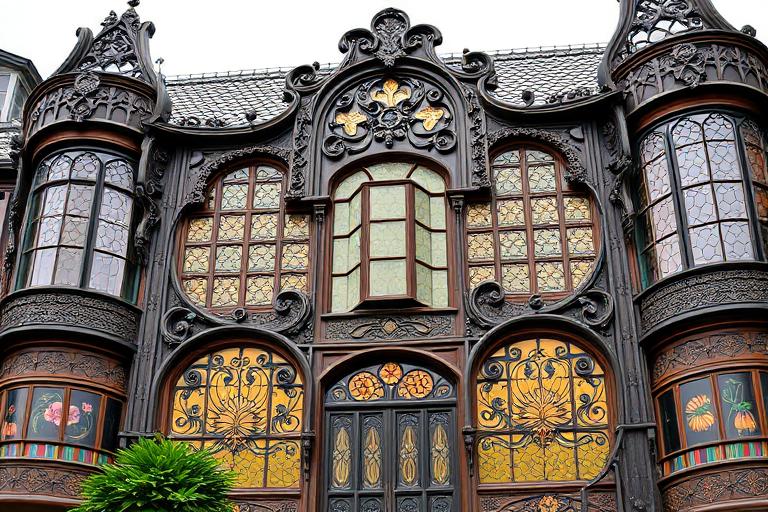
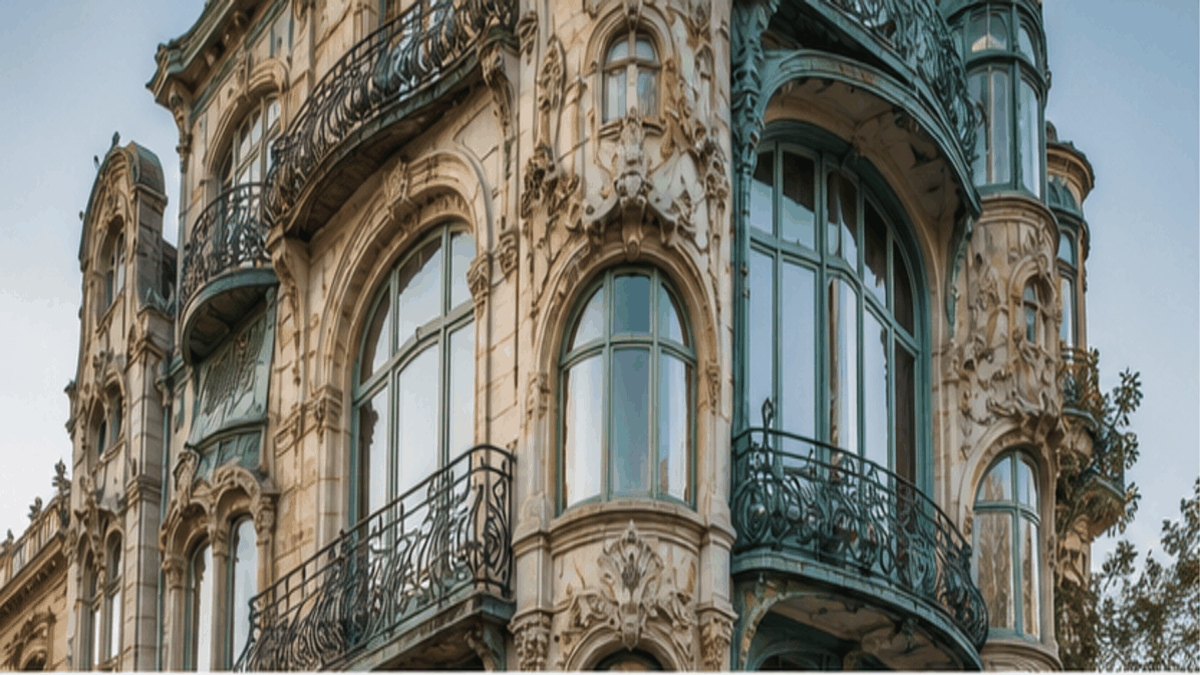
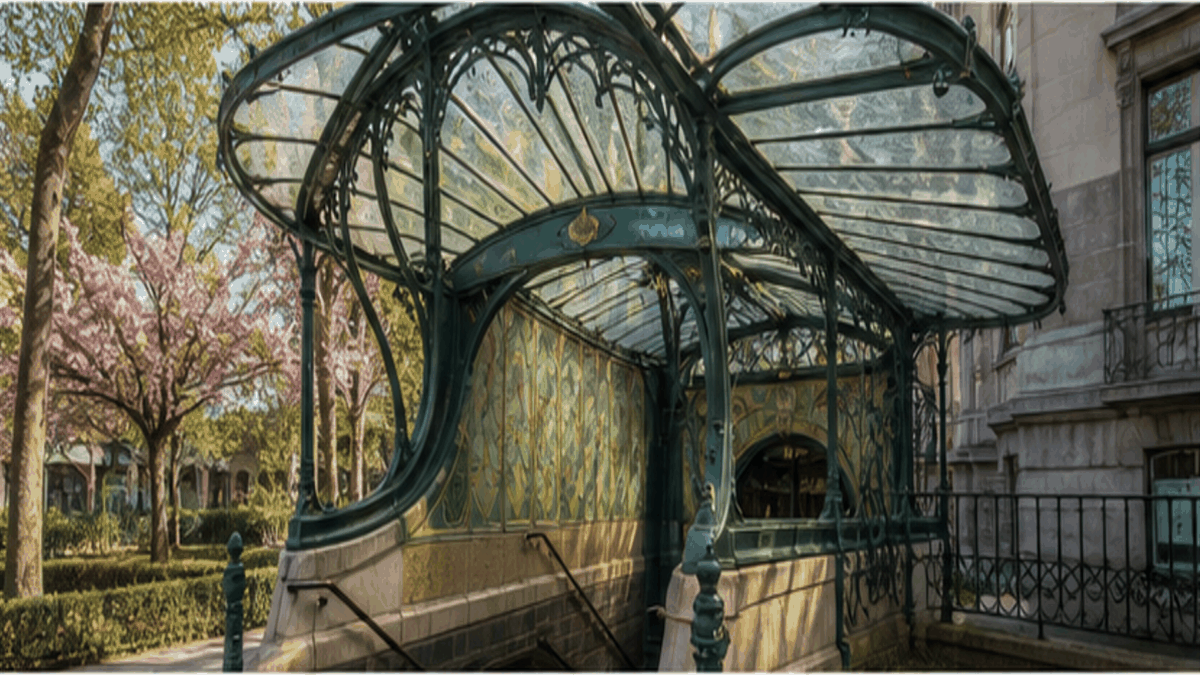
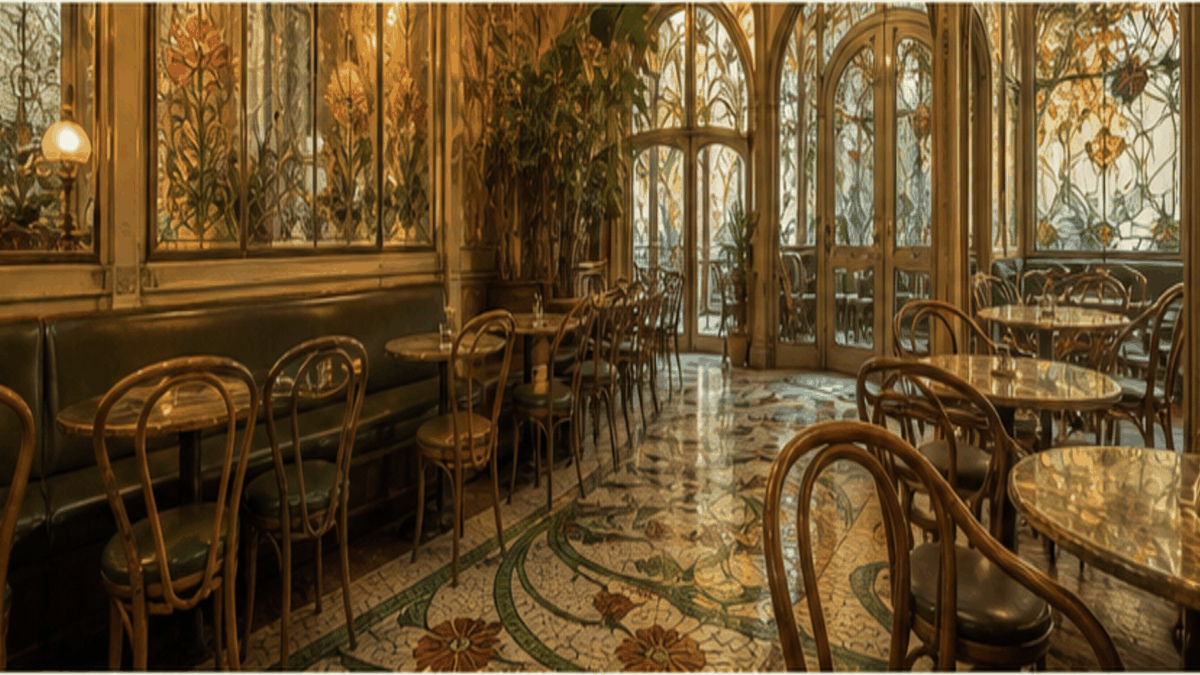
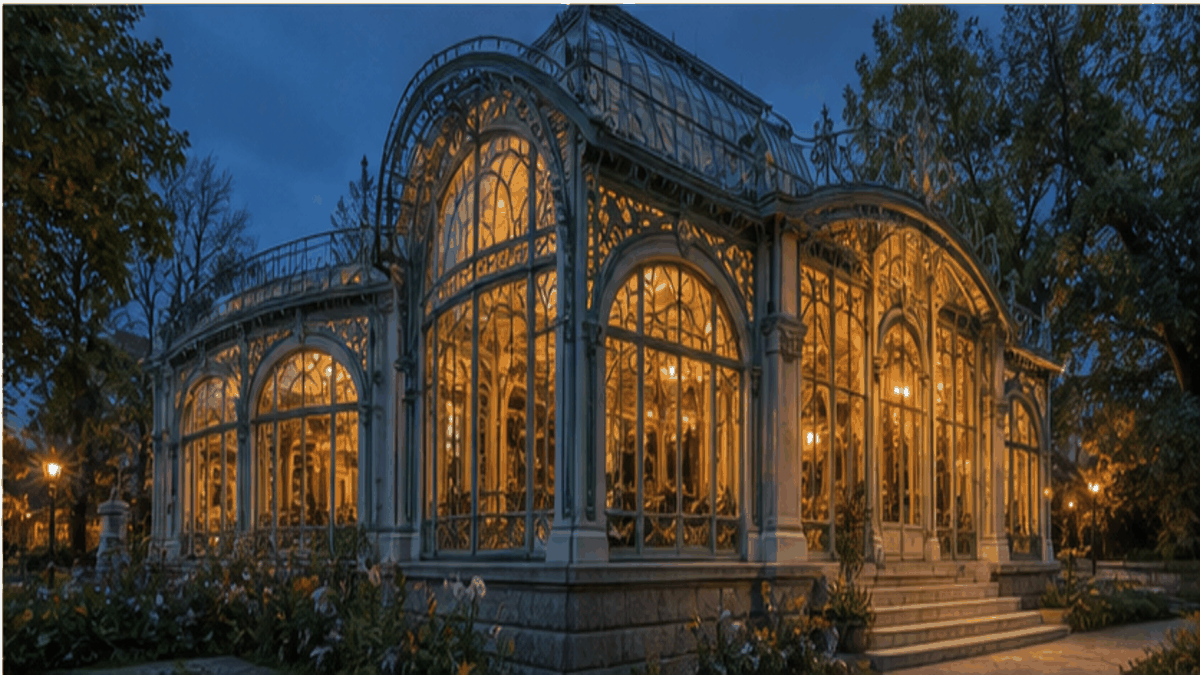
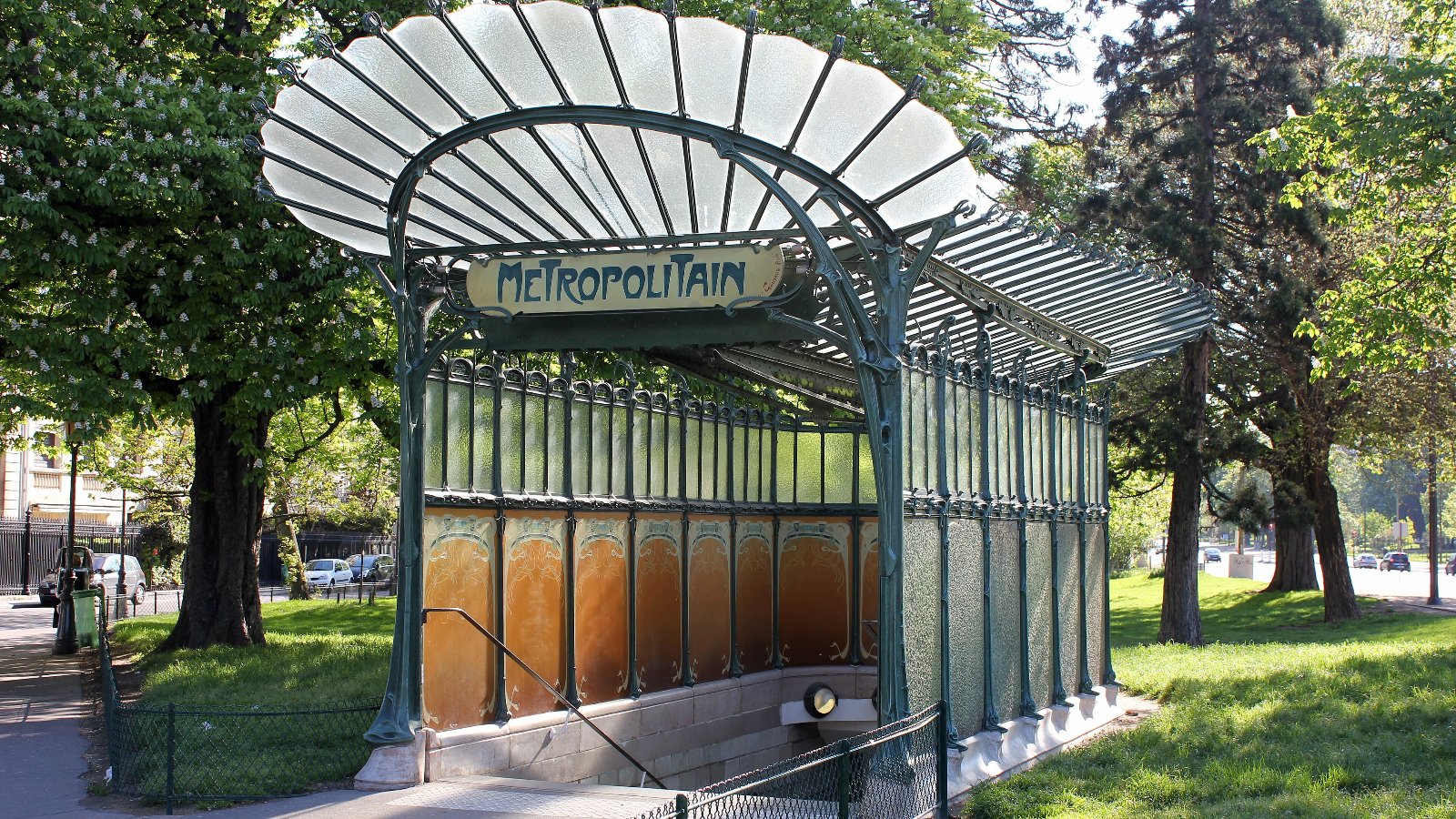
Nature set loose in iron and glass - Art Nouveau dissolved the straight line into whiplash curves, tendrils, and organic ornament, from Victor Horta's Brussels townhouses to Hector Guimard's Paris Métro entrances and Gaudí's molten Catalan facades.

Compare Art Nouveau with another style →See the Art Nouveau typefaces →On the timeline · 1890s
Record020-AA
AestheticArt Nouveau
ClassOrganic / Analog
StatusINGESTING
Art Nouveau aesthetic archive image
Archive plate · Art Nouveau
Art Nouveau aesthetic: Omoro scene dossier scene
Dossier sceneOmoro scene · 1/7
01
The record

What it is, when it works, who it is for, and where it already exists.

How to use it

Record 020-AA - when it works, who it is for, what it looks like

FIELD 01

When to use it

  • Brand identity built on organic elegance, craft, and the sinuous line
  • Editorial and packaging for beauty, fragrance, and botanical brands
  • Decorative systems where ornament is the message, not a crime
  • Poster and lettering work channeling fin-de-siècle romanticism
FIELD 02

Perfect for

  • Heritage luxury, beauty, and fragrance houses
  • Boutique hospitality with a decorative, sensual atmosphere
  • Craft studios, ceramicists, and decorative artists
  • Cultural institutions covering the decorative arts

In the wild, Art Nouveau aesthetic real-world examples

Where this aesthetic shows up in the real world · ↗ opens the source site

Omoro Style GuideEvery aesthetic, every field on this page, in one PDF.
$8Get the guide →
02
The anatomy

Where Art Nouveau came from, what makes it recognisable, and the fingerprint it leaves.

History, Art Nouveau aesthetic history

1890-1910 · Belgium and France, with variants across Europe

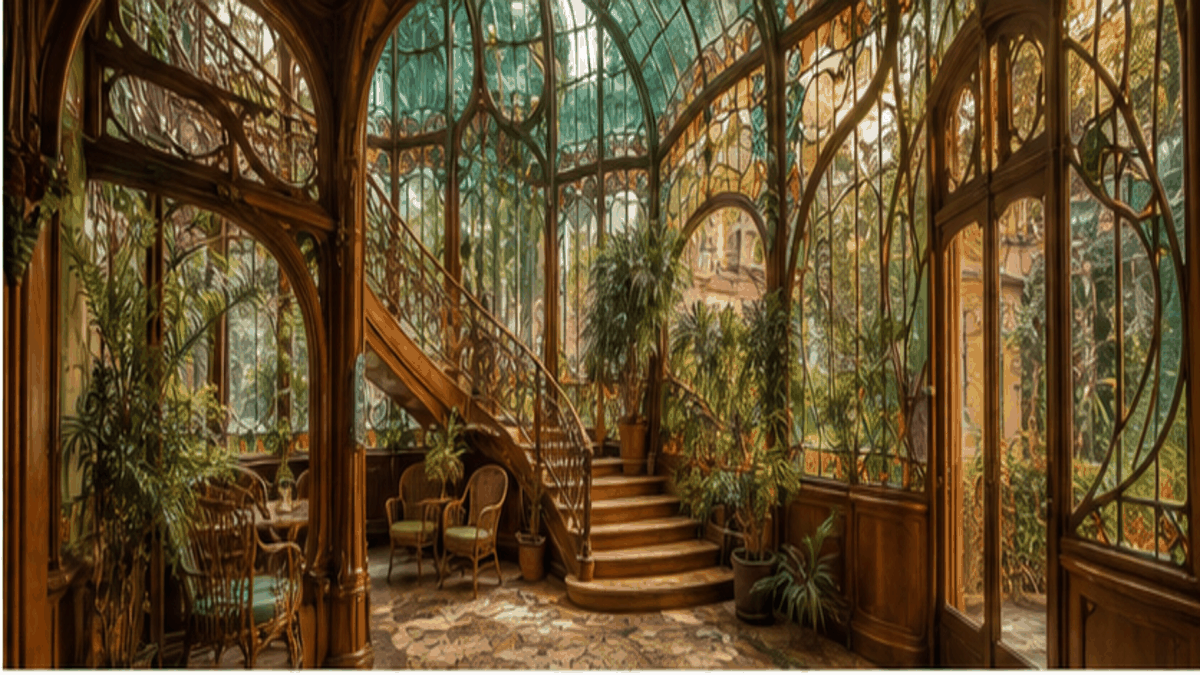
Art Nouveau erupted simultaneously across Europe in the 1890s under different names: Jugendstil in Germany, Stile Liberty in Italy, Modernisme in Catalonia, Secession in Austria. Victor Horta in Brussels fired the starting gun with the Hotel Tassel (1893), whose iron columns and staircases blossomed into organic curves that flowed from structure through railing through mosaic floor in a single continuous gesture. Hector Guimard's Paris Metro entrances (1900) made Art Nouveau the style of an entire city's infrastructure.

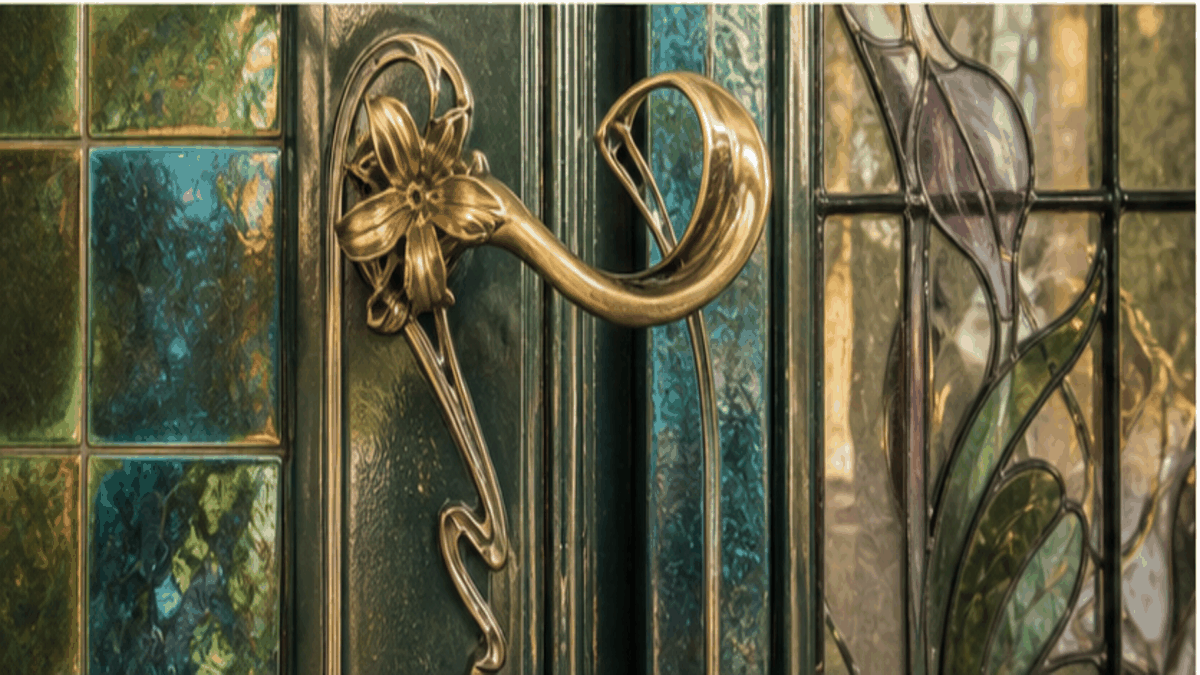
The movement's ambition was total design: building, interior, furniture, light fixtures, door handles, and tableware unified in a single organic language. Antoni Gaudi pushed this furthest in Barcelona. The Casa Batllo (1906), Casa Mila (1910), and the Sagrada Familia (begun 1882, still under construction) demonstrate an approach where structure, ornament, and natural form are inseparable. Gaudi's buildings do not have decoration applied to structure; the structure itself is decorative, deriving its geometry from catenary curves, hyperbolic paraboloids, and forms found in bones, shells, and trees.

Art Nouveau burned brightly and briefly. By 1910, the Viennese Secession (Josef Hoffmann, Adolf Loos) was already stripping away the ornament, preparing the ground for Modernism. The style's reliance on handcraft made it expensive and incompatible with industrialization. But its core insight, that modern buildings could draw on nature for structural and ornamental logic, persisted in organic architecture and returned in contemporary biomimetic design.

The building that wanted to be a flower.

Omoro dossier · 020-AA

Visual markers, Art Nouveau aesthetic visual markers

The visual DNA: what makes it recognisable

typography

See the fonts
  • Flowing, organic display faces: Arnold Bocklin, Eckmann, Art Nouveau faces
  • Hand-drawn letterforms with whiplash curves and floral terminals
  • Titles integrated into architectural decoration
  • Jugendstil-influenced geometric alternatives: Behrens Antiqua

grid

  • Asymmetric facades with organic, flowing compositions
  • Curved walls and windows following natural forms
  • Interiors organized around central staircases as sculptural events
  • Floor plans with rounded rooms and alcoves

materials

  • Wrought iron in organic curves: #3C3C3C, #4A4A4A
  • Colored and opalescent glass: emerald, amber, peacock blue
  • Ceramic tile and mosaic (trencadis in Gaudi's work): polychrome
  • Carved stone with floral and organic relief: #D8CCA8, #C8BC98

motifs

  • Whiplash curves and tendril forms in ironwork
  • Floral and vegetal ornament derived from specific plants
  • Dragonflies, peacocks, and other Art Nouveau fauna
  • Stained glass skylights and windows with nature motifs

Aesthetic profile

8-channel console with the fingerprint on its display. Save the card, or share the page

Aesthetic Profile
Art Nouveau
Early Modern
1890–1910
Attribute console · 020-AA
leans organic, analog, expressive
8 CH
FIG. 1
MaximalMinimalAnalogDigitalExpressiveRestrainedWarmCoolNostalgicFuturisticChaoticStructuredLightDarkOrganicGeometric
01Minimal
Maximal50%
02Analog
Digital60%
03Restrained
Expressive60%
04Cool
Warm30%
05Futuristic
Nostalgic50%
06Structured
Chaotic20%
07Dark
Light20%
08Organic
Geometric80%
OrganicAnalogExpressive7 materials
Omoro · Attribute console · 020-AA
omoro.io/styles/arch-art-nouveau

Material assembly

The style's primary materials, assembled bottom-up

Tap a stratum for material detail · Full catalog

Place in history

Early Modern · 1890–1910 - tap any style to travel

Color Palettes, Art Nouveau color palettes and hex codes

4 color interpretations of this aesthetic

Art Nouveau
#3C3C3C · #4A4A4A · #65A30D · #C8BC98 · #D8CCA8
The building that wanted to be a flower
Mucha
#1A1408 · #6A5020 · #C09838 · #8AA868 · #F0E4CC
Alphonse Mucha: flowing hair and stained-glass halo in muted gold
Métro
#0C1008 · #2A5828 · #4A8838 · #C09838 · #E8E0D0
Hector Guimard's Paris Métro: cast iron and green enamel
Tiffany Glass
#0C1018 · #1848A0 · #C89030 · #68A850 · #E8D8C0
Opalescent glass lampshade: dragonfly wing in amber and cobalt
Omoro Palette Pack575 curated palettes across every aesthetic, 5 export formats.
$8Get the palettes →

Adjacent Palettes, styles related to Art Nouveau

The colour of the styles sitting closest to this one

Architectural Expressionism
Art Deco Architecture
Organic Architecture
Gothic Architecture
03
The direction

How to shoot it, how to prompt it, and how to board it.

Photo Direction

How to shoot this aesthetic

"Iron and stone convinced to grow like a vine"

Shot list

  • Detail shot of wrought-iron entrance ornament, curling like a living plant
  • Wide shot of a facade where structural elements and decoration are indistinguishable
  • Interior shot through stained glass, fractured color across a stairwell

Lighting

Soft, diffused daylight filtered through stained or leaded glass, letting color fragments fall across interior stone and iron surfaces

Omoro Director's Briefs151 photo shot-lists like this one, ready to shoot from.
$8Get the briefs →

Generative Prompt

Drop this into Studio to generate in this aesthetic

Art Nouveau aesthetic with sinuous organic curves, whiplash lines, floral ornamentation, Gaudí and Horta lineage, handcrafted detail

Paste as-is, or append your own subject

Mood Board

The record applied to your project. The record's kit is free; your brand, references and plates come with membership

Mood board
The Art Nouveau board
8 frames · 4 selected
FIG. 4
Deep Wrought Iron3C3C3CDark Wrought Iron4A4A4AStained Glass Green65A30DLight Carved StoneC8BC98Pale Carved StoneD8CCA8
Brand and references
IdleBrand and references open with membership
With membership: the brand's own facts and colours in every prompt, references carried into every frame, and the plates generated.
01 · Hero application
02 · Material and finish
03 · Palette in context
04 · Photography direction
05 · Pattern plate
06 · Object
07 · Environment
08 · Digital presence
Demo kit free, the rest with membershipThe record as a demo kit, free. Name a project and it is written for that
Omoro · Mood board · 020-AA
04
The judgement

Whether to use it, what it costs to do properly, and where it stands right now.

Creative verdict, Art Nouveau feasibility and strategic recommendation

Two written calls, seven meters, and when to walk away

Creative verdict
Should Art Nouveau be the call?
7 meters
FIG. 2
Assessment

The curve has to be structural to work at building scale. Guimard and Horta bent iron because iron bends, and a curved form drawn without a material logic becomes unbuildable ornament, which is where most revivals fail. Let the metalwork generate the geometry. The craft trades are the cost: stained glass, wrought iron and carved stone are specialist work with long lead times.

Verdict

Right only where handwork can actually be funded, because the ironwork and glass were made by hand and no economy has been willing to pay for it since. It lasted barely twenty years. Note that the regional names are not interchangeable: Jugendstil, Secession, Modernisme and Liberty are distinct traditions, and Gaudi has absorbed attention that flattens a movement running from Brussels to Riga.

Production cost
High

Real ironwork and glass at this level of detail is genuinely expensive.

Creative difficulty
High

Nature dissolved into structure, not just curvy ornament applied after.

Execution difficulty
High

Whiplash curves in load-bearing iron are exacting structural craft.

Risk of misuse
High

Nature dissolved into structure, not just curvy ornament applied after the fact.

Prevalence
Common

A constant reference across luxury, beauty, and hospitality branding.

Longevity
Timeless

Over a century old and still visually vital.

Brand investment
High

Real ironwork and glass at this level of detail is genuinely expensive.

Avoid if
The budget doesn't cover real ironwork or detailed glass
This level of ornament detail is genuinely expensive to execute well.
The audience is unfamiliar with the historical movement
Curvy ornament without the nature-in-structure idea misses the point.
Omoro · Creative verdict · 020-AA

Editorial Depth

A Pro feature: origins, practitioners, and pitfalls

Editorial depth
The Art Nouveau file
14 sections
FIG. 3
Context02Brands02Perception04Use04Index02
01Common MisconceptionThe principle beneath the surface
02Historical ContextOrigins, cultural moment, and reaction
03Brands That Accidentally Use This StyleNatural alignment, not category claims
04Brands That Perfectly Represent This StyleExceptional execution
05Psychological EffectHow visual decisions change perception
06Visual ChecklistInclude and avoid
07Creative FormulaThe visual system reduced to essentials
08Recognition SignalsHow to recognize it in two seconds
09When To Use This StyleContexts where the language performs
10Common Creative MistakesWhere imitation weakens the signal
11Best Brand ApplicationsIndustries with a natural advantage
12Creative Application AnalysisFit, feasibility, and production reality
13Related StylesClose languages and the key distinction
14Visual DNA SummaryThe sentence to remember
The editorial depth, with membershipOpening soon
Omoro · Editorial depth · 020-AA
05
The index

Neighbours, cross-references, blends, and the questions people ask.

Related concepts

Connected across the creative knowledge graph

Cultural relevance, Art Nouveau cultural relevance today

Where it stands now, and what it costs you to use it

Art Nouveau architecture lasted barely twenty years and produced buildings that no economy has been willing to fund since, because the ironwork and glass were made by hand.

Its regional names are not interchangeable: Jugendstil, Secession, Modernisme and Liberty are distinct traditions with distinct logic.

Gaudi has absorbed most of the public attention, which flattens a movement that ran from Brussels to Riga with very different results in each city.

Cross-references

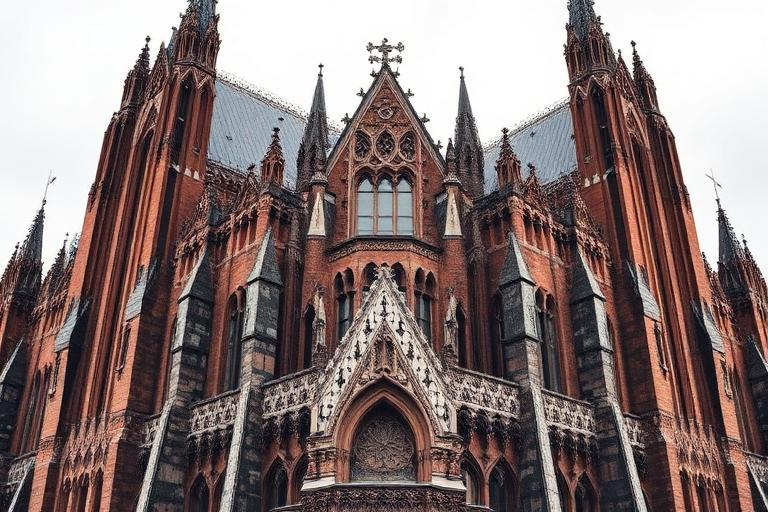
Art Nouveauthe graphic design and decorative arts tradition of the same movementGothic ArchitectureArt Nouveau revived Gothic's organic, nature-derived structural approachOrganic Architectureorganic architecture continued Art Nouveau's interest in nature-derived form

Compare

Art Nouveau vs Art Deco

Blend

Mix Art Nouveau with any style in the library

Art Nouveau×
50%50%
90% alike
Art Nouveau referenceArchitectural Expressionism referenceArt Nouveau 50%Architectural Expressionism 50%

Merged palette

#3C3C3C

#1E1008

#7A3A1A

#65A30D

#C4803A

Leads expressive, organic, maximal

Typography · from Art Nouveau

Lobster over Libre Baskerville

Materials

  • Wrought iron in organic curves: #3C3C3C, #4A4A4A
  • Colored and opalescent glass: emerald, amber, peacock blue
  • Brick in expressive bonding patterns: #8B4513, #A0522D, #6B3410

Use it

Art Nouveau aesthetic with sinuous organic curves, whiplash lines, floral ornamentation, Gaudí and Horta lineage, handcrafted detail (50%), infused with Expressionist architecture with emotionally charged sculptural form, Erich Mendelsohn's dynamic curved massing, brick and concrete used expressively rather than rationally, dramatic silhouette conveying feeling over function, color palette strictly #3C3C3C #1E1008 #7A3A1A #65A30D #C4803A, overall character: expressive, organic, maximal

One-click generation opens with the studio

About this aesthetic

What is Art Nouveau architecture?

Art Nouveau (1890-1910) dissolved the straight line into organic curves inspired by nature. Using iron, glass, ceramic, and carved stone, architects like Victor Horta, Hector Guimard, and Antoni Gaudi created buildings where structure and ornament were inseparable. The movement pursued total design, unifying building, interior, and object in a single organic language.

How is Art Nouveau different from Art Deco?

Art Nouveau (1890-1910) used flowing, asymmetric curves derived from nature. Art Deco (1925-1940) used geometric, symmetric patterns derived from machines and abstracted nature. Art Nouveau was handcrafted; Art Deco embraced industrial production. They represent successive attempts to create modern ornament.

Where can I see Art Nouveau architecture?

Brussels (Horta's townhouses, now UNESCO sites), Paris (Guimard Metro entrances), Barcelona (Gaudi's Casa Batllo, Casa Mila, Park Guell, Sagrada Familia), Riga (the largest collection of Jugendstil buildings in Europe), Vienna (Secession building), and Glasgow (Mackintosh's Glasgow School of Art).

Build with the art nouveau aesthetic

Every style in the library is broken down like this one: the palette, the typography, the materials and the lineage.

Explore the style library →