Googie

Space Age optimism in roadside form - Googie threw boomerang roofs, atomic starbursts, cantilevered canopies, and neon into the American car landscape, selling the future one coffee shop and gas station at a time.

Compare Googie with another style →See the Googie typefaces →On the timeline · 1940s
Record020-AG
AestheticGoogie
ClassExpressive / Maximal
StatusINGESTING
Googie aesthetic archive image
Archive plate · Googie
Googie aesthetic: Omoro scene dossier scene
Dossier sceneOmoro scene · 1/7
01
The record

What it is, when it works, who it is for, and where it already exists.

How to use it

Record 020-AG - when it works, who it is for, what it looks like

FIELD 01

When to use it

  • Brand identity channeling retro-futurist, atomic-age optimism
  • Signage and campaigns with bold neon, starbursts, and motion
  • Entertainment, food, and roadside hospitality with playful pop
  • Nostalgic mid-century Americana with a forward-looking twist
FIELD 02

Perfect for

  • Diners, drive-ins, bowling alleys, and roadside attractions
  • Entertainment and theme brands selling fun and spectacle
  • Retro product and toy brands with Space Age flair
  • Hospitality referencing 1950s–60s Southern California

In the wild, Googie aesthetic real-world examples

Where this aesthetic shows up in the real world · ↗ opens the source site

Omoro Style GuideEvery aesthetic, every field on this page, in one PDF.
$8Get the guide →
02
The anatomy

Where Googie came from, what makes it recognisable, and the fingerprint it leaves.

History, Googie aesthetic history

1945-1970 · Southern California, expanding across the United States

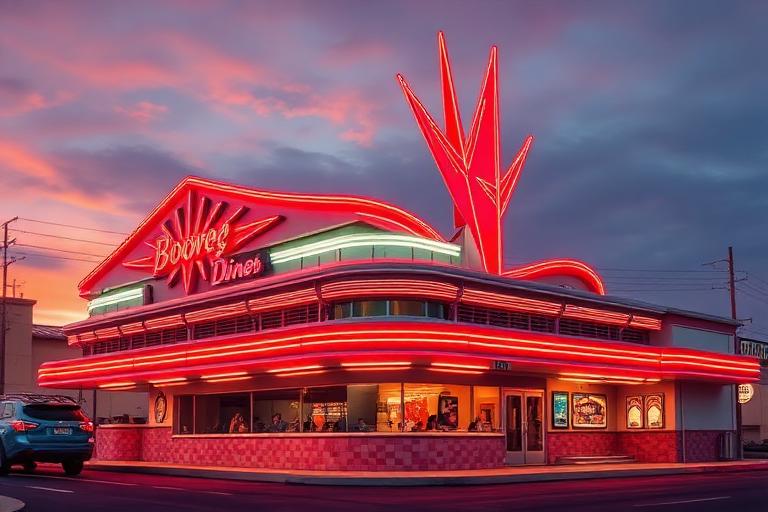
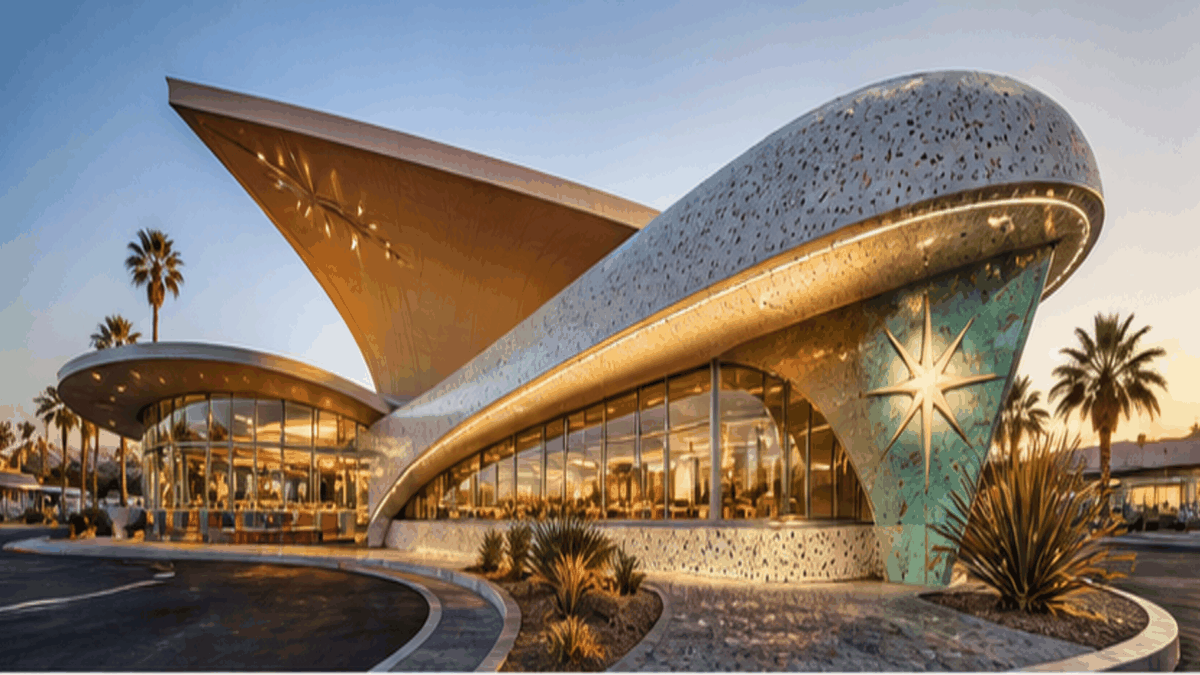
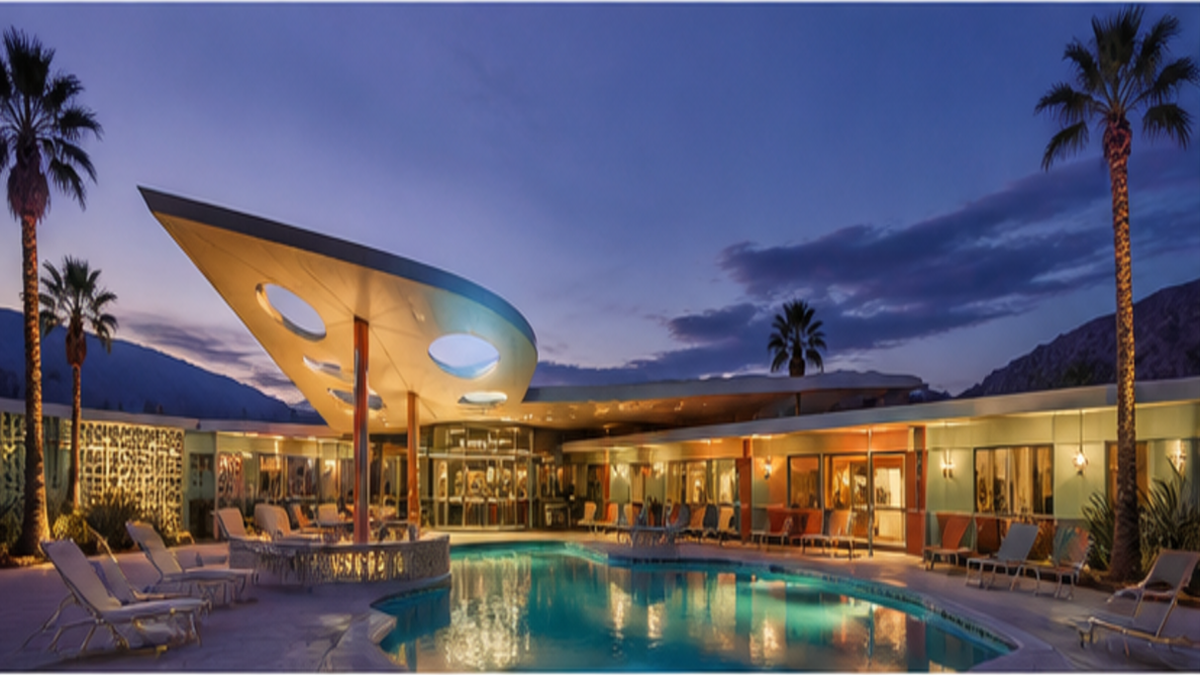
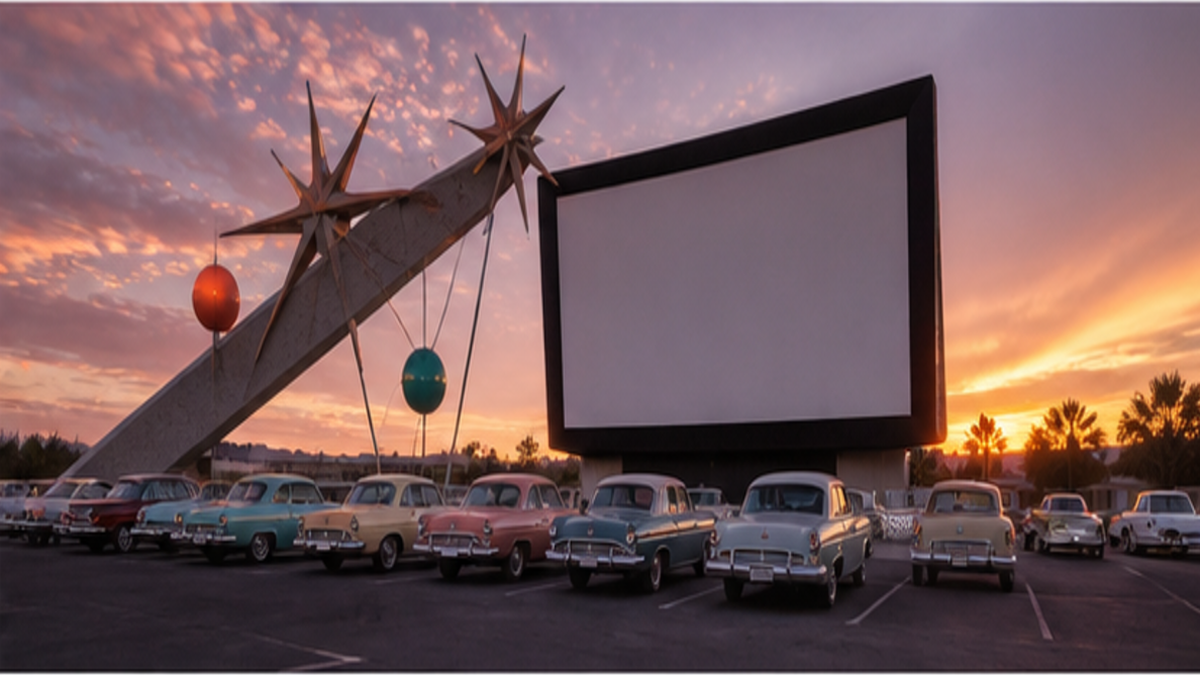
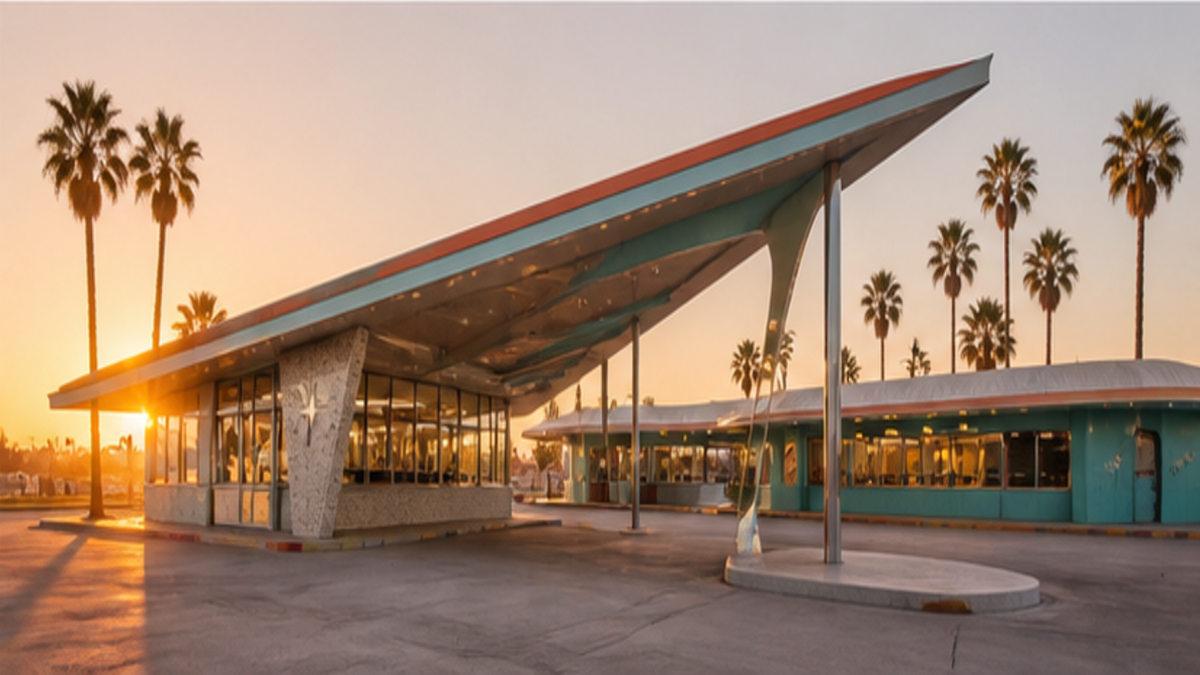
Googie architecture took its name from Googies coffee shop in West Hollywood (1949, demolished 1989), designed by John Lautner. The style emerged from Southern California's car culture: buildings needed to catch the eye of drivers passing at speed, and architects responded with exaggerated forms, bold signage, and structures that looked like they had just landed from another planet. Boomerang-shaped roofs, parabolic arches, starbursts, and amoebic shapes became the vocabulary of diners, car washes, gas stations, bowling alleys, and motels.

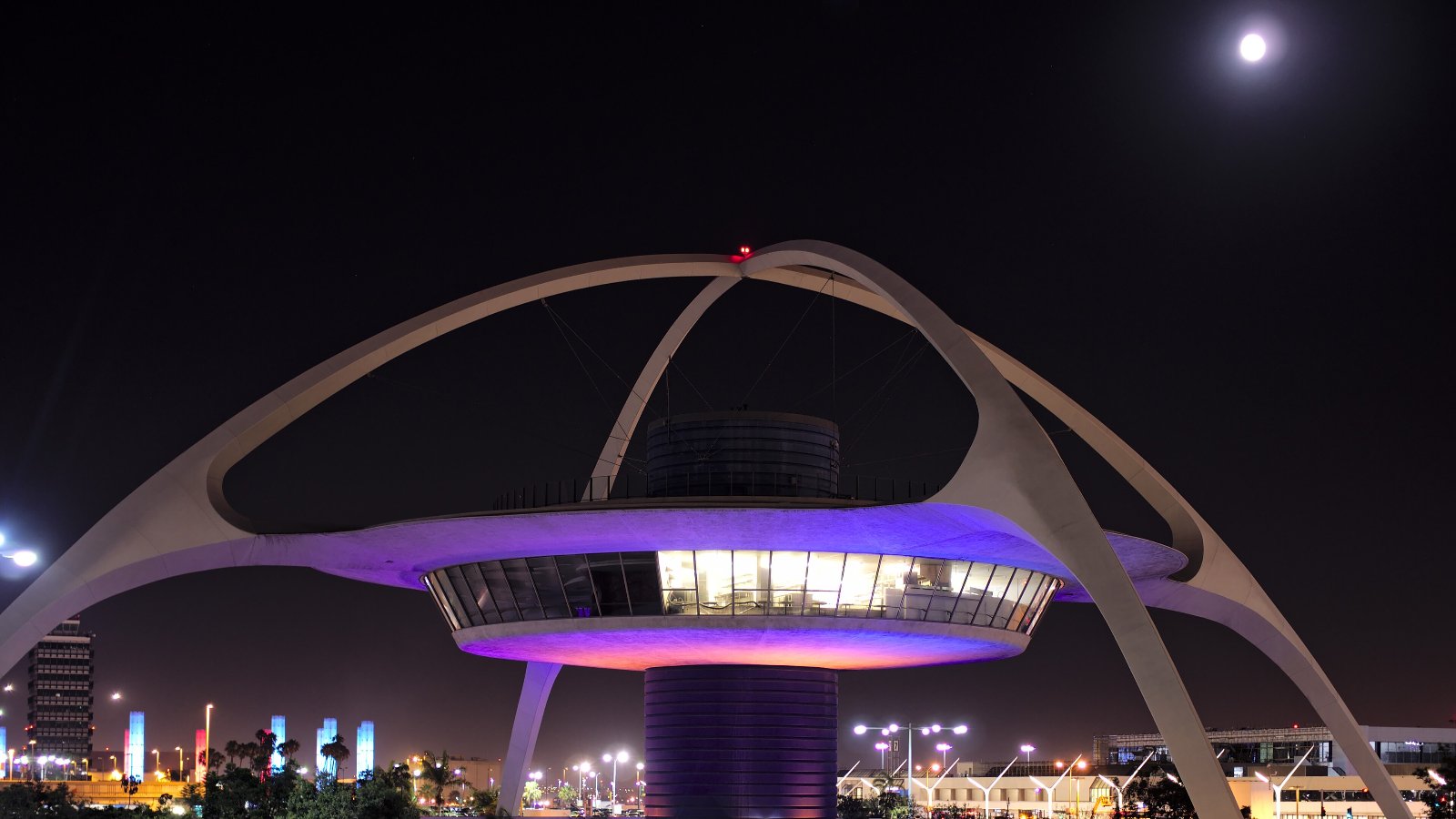
The Space Age gave Googie its thematic fuel. Sputnik (1957), the Mercury program, and the prospect of atomic-powered everything infused popular culture with futuristic excitement that architects translated into built form. The Theme Building at Los Angeles International Airport (1961), with its intersecting parabolic arches, is Googie at its most monumental. But the style's true habitat was the commercial strip: the signs of Las Vegas, the drive-in restaurants of Route 66, and the suburban coffee shops where waitresses served pie beneath boomerang ceilings.

Architecture critics dismissed Googie as vulgar commercial kitsch. Robert Venturi and Denise Scott Brown's 'Learning from Las Vegas' (1972) argued that this dismissal missed the point: Googie buildings communicated with their audiences more effectively than any Modernist icon. Preservation efforts beginning in the 1990s saved key examples, and Googie is now recognized as a significant expression of postwar American optimism and the architecture of the automobile landscape.

The coffee shop that wanted to be a spaceship.

Omoro dossier · 020-AG

Visual markers, Googie aesthetic visual markers

The visual DNA: what makes it recognisable

typography

See the fonts
  • Atomic-age display faces: Orbit, Space Age, Populaire
  • Script and brush faces for coffee shop informality: Brush Script, Mistral
  • Neon signage as primary architectural element
  • Angled, dynamic letterforms suggesting motion

grid

  • Dramatic roof forms as the building's primary gesture
  • A-frame, butterfly, and folded-plate roofs at exaggerated angles
  • Glass curtain walls beneath cantilevered roof planes
  • Drive-through and drive-up configurations

materials

  • Painted steel and aluminum in bright colors: #E4002B, #0057B8, #FFD100
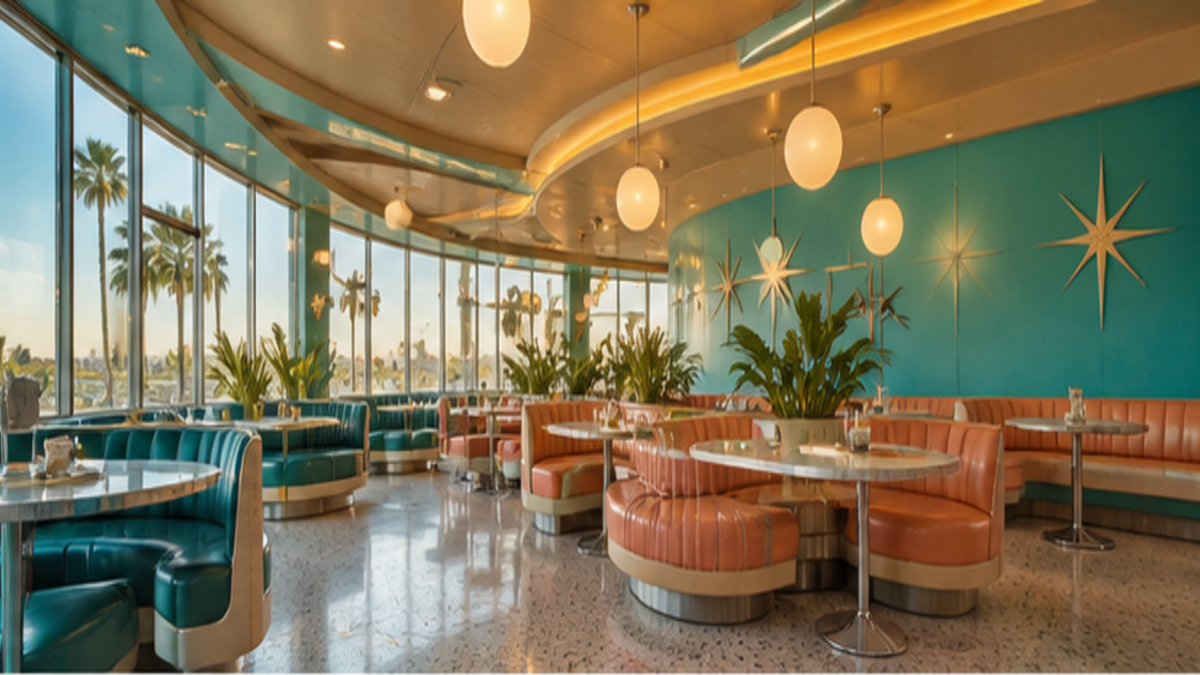
  • Terrazzo and aggregate flooring: #A09880, #B0A890
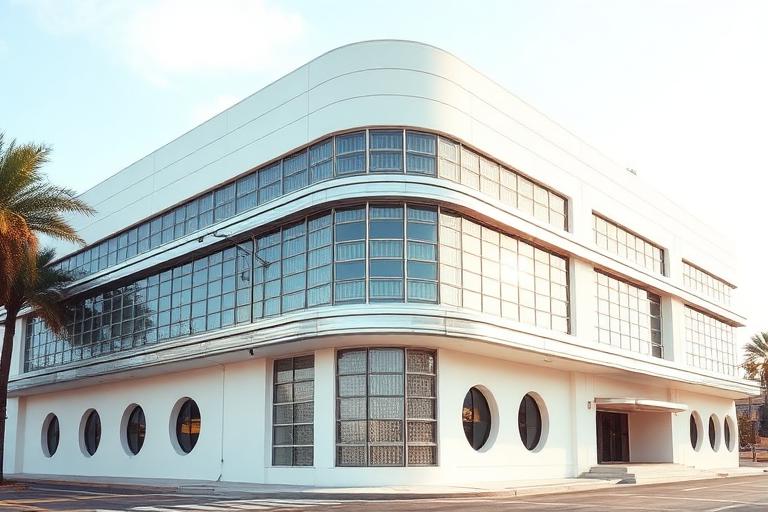
  • Glass block and plate glass: #D0D8E0, #C0C8D0
  • Neon tubing as both lighting and architectural decoration

motifs

  • Boomerang and parabolic roof shapes
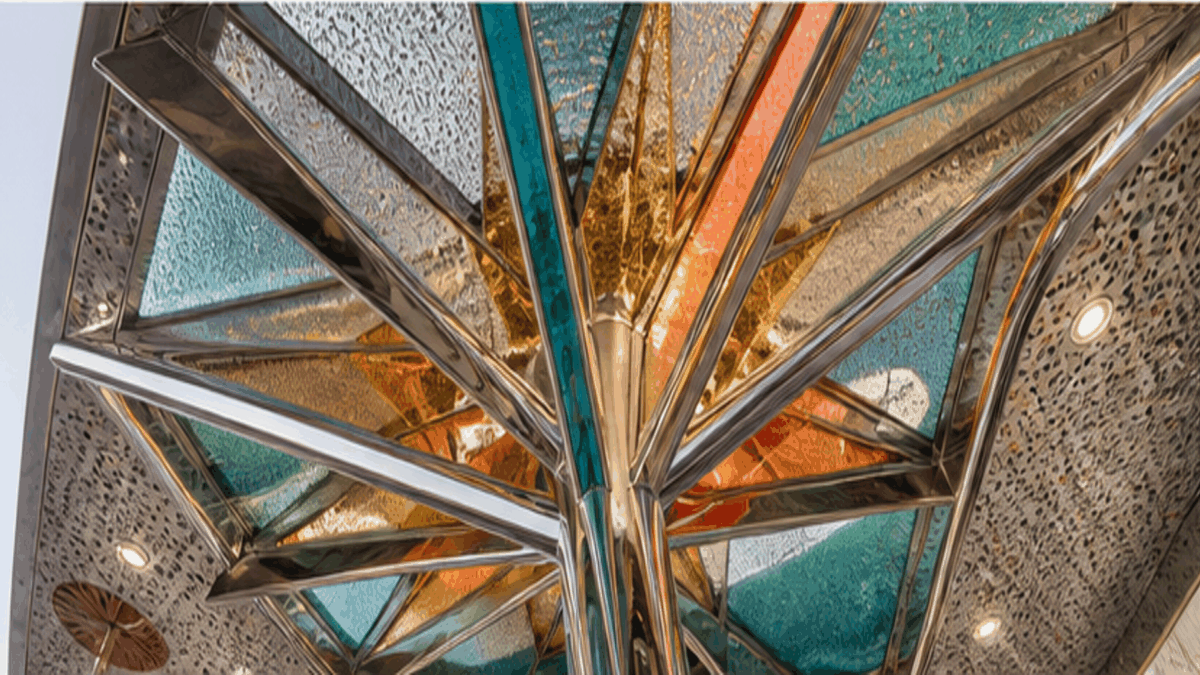
  • Starburst and atomic-orbit decorative elements
  • Cantilevered canopies over drive-up windows
  • Pylon signs taller than the buildings they advertise

Aesthetic profile

8-channel console with the fingerprint on its display. Save the card, or share the page

Aesthetic Profile
Googie
Postwar
1945–1969
Attribute console · 020-AG
leans expressive, maximal, nostalgic
8 CH
FIG. 1
MaximalMinimalAnalogDigitalExpressiveRestrainedWarmCoolNostalgicFuturisticChaoticStructuredLightDarkGeometricOrganic
01Minimal
Maximal60%
02Analog
Digital30%
03Restrained
Expressive70%
04Cool
Warm40%
05Futuristic
Nostalgic50%
06Structured
Chaotic30%
07Dark
Light40%
08Organic
Geometric20%
ExpressiveMaximalNostalgic4 materials
Omoro · Attribute console · 020-AG
omoro.io/styles/arch-googie

Material assembly

The style's primary materials, assembled bottom-up

Tap a stratum for material detail · Full catalog

Place in history

Postwar · 1945–1969 - tap any style to travel

Color Palettes, Googie color palettes and hex codes

4 color interpretations of this aesthetic

Googie
#0057B8 · #E4002B · #B0A890 · #FFD100 · #D0D8E0
The coffee shop that wanted to be a spaceship
Coffee Shop
#181818 · #D84020 · #1898B8 · #E8D040 · #F8F0E0
Atomic-age diner: boomerang counter and starburst clock
Car Hop
#0C0C10 · #E82040 · #2888C0 · #C0C8D0 · #F8F0E0
Drive-in neon: chrome bumpers reflecting roadside signs
Space Port
#0C1020 · #C84820 · #2070B8 · #E8E0D0 · #E0D030
LAX Theme Building: the flying saucer diner of the jet age
Omoro Palette Pack575 curated palettes across every aesthetic, 5 export formats.
$8Get the palettes →

Adjacent Palettes, styles related to Googie

The colour of the styles sitting closest to this one

Streamline Moderne
Architectural Futurism
Mid-Century Modern
Neo-Futurism
03
The direction

How to shoot it, how to prompt it, and how to board it.

Photo Direction

How to shoot this aesthetic

"The Space Age never left, and it's still serving coffee"

Shot list

  • Wide shot beneath a dramatic boomerang or starburst roofline
  • Detail shot lit by neon signage at dusk, sign glow as the primary color source
  • Detail shot of atomic-era ornament a starburst clock, a cantilevered canopy

Lighting

Golden hour into blue hour, when neon signage starts to dominate but daylight hasn't fully faded the crossover light is the signature moment

Omoro Director's Briefs151 photo shot-lists like this one, ready to shoot from.
$8Get the briefs →

Generative Prompt

Drop this into Studio to generate in this aesthetic

Googie architecture with space-age atomic-era optimism, upswept boomerang rooflines and starburst motifs, cantilevered dramatic angles, 1950s American diner and motel signage, futuristic populist mid-century exuberance

Paste as-is, or append your own subject

Mood Board

The record applied to your project. The record's kit is free; your brand, references and plates come with membership

Mood board
The Googie board
8 frames · 4 selected
FIG. 4
Deep Painted Steel0057B8Dark Painted SteelE4002BTerrazzoB0A890Light Painted SteelFFD100Glass BlockD0D8E0
Brand and references
IdleBrand and references open with membership
With membership: the brand's own facts and colours in every prompt, references carried into every frame, and the plates generated.
01 · Hero application
02 · Material and finish
03 · Palette in context
04 · Photography direction
05 · Pattern plate
06 · Object
07 · Environment
08 · Digital presence
Demo kit free, the rest with membershipThe record as a demo kit, free. Name a project and it is written for that
Omoro · Mood board · 020-AG
04
The judgement

Whether to use it, what it costs to do properly, and where it stands right now.

Creative verdict, Googie feasibility and strategic recommendation

Two written calls, seven meters, and when to walk away

Creative verdict
Should Googie be the call?
7 meters
FIG. 2
Assessment

The cantilever has to be real engineering. A dramatically upswept roof is a genuine structural problem, and the versions that look wrong are the ones where the support was added back in, visibly. Solve the span before styling it. It was built for car speed, so the composition should read at forty miles an hour rather than from the pavement.

Verdict

Its status has flipped: what was once embarrassing is now protected, because most of it has been demolished and scarcity did the work. Right for roadside commercial architecture that must be read from a moving car, which is what the extreme angles and structural signage were engineered for. Critics dismissed it as vulgar for decades, which is the standard arc for popular architecture.

Production cost
Medium

Real roadside architecture or detailed rendering, plus neon fabrication.

Creative difficulty
Medium

Selling the future one coffee shop at a time. The optimism has to be real.

Execution difficulty
High

Boomerang roofs and cantilevered canopies need real structural drafting.

Risk of misuse
Medium

Selling the future one coffee shop at a time. The optimism has to be real.

Prevalence
Rare

A niche Americana reference, not broadly current.

Longevity
Enduring

A stable nostalgia reference for decades now.

Brand investment
Medium

Real roadside architecture or detailed rendering, plus neon fabrication.

Avoid if
The audience is outside the American roadside nostalgia reference
This stays a niche Americana reference rather than a broad one.
There's no budget for neon fabrication or detailed rendering
A half-realized version undersells the optimism this style needs.
Omoro · Creative verdict · 020-AG

Editorial Depth

A Pro feature: origins, practitioners, and pitfalls

Editorial depth
The Googie file
14 sections
FIG. 3
Context02Brands02Perception04Use04Index02
01Common MisconceptionThe principle beneath the surface
02Historical ContextOrigins, cultural moment, and reaction
03Brands That Accidentally Use This StyleNatural alignment, not category claims
04Brands That Perfectly Represent This StyleExceptional execution
05Psychological EffectHow visual decisions change perception
06Visual ChecklistInclude and avoid
07Creative FormulaThe visual system reduced to essentials
08Recognition SignalsHow to recognize it in two seconds
09When To Use This StyleContexts where the language performs
10Common Creative MistakesWhere imitation weakens the signal
11Best Brand ApplicationsIndustries with a natural advantage
12Creative Application AnalysisFit, feasibility, and production reality
13Related StylesClose languages and the key distinction
14Visual DNA SummaryThe sentence to remember
The editorial depth, with membershipOpening soon
Omoro · Editorial depth · 020-AG
05
The index

Neighbours, cross-references, blends, and the questions people ask.

Related concepts

Connected across the creative knowledge graph

Cultural relevance, Googie cultural relevance today

Where it stands now, and what it costs you to use it

Googie was built to be read from a moving car, which is why the angles are extreme and the signage is structural. Architecture critics dismissed it for decades as vulgar roadside commerce.

Most of it has already been demolished, and preservation of mid-century commercial buildings is still an uphill argument.

Its scarcity has changed its status entirely. What was once embarrassing is now protected, which is the standard arc for popular architecture.

Cross-references

Googiethe graphic design and visual culture of the same Space Age momentStreamline ModerneStreamline Moderne's futurism was Googie's direct predecessorRetrofuturismGoogie's vision of the future is now Retrofuturism's primary source

Compare

Googie vs New WaveGoogie vs Mid-Century Modern

Blend

Mix Googie with any style in the library

Googie×
50%50%
69% alike
Googie referenceStreamline Moderne referenceGoogie 50%Streamline Moderne 50%

Merged palette

#0057B8

#D0C0B0

#E4002B

#C0C8D0

#B0A890

Leads nostalgic, expressive, light

Typography · from Googie

Caveat over Lora

Materials

  • Painted steel and aluminum in bright colors: #E4002B, #0057B8, #FFD100
  • Terrazzo and aggregate flooring: #A09880, #B0A890
  • Smooth stucco in white and cream: #F5F0E8, #EEECE8

The calls this blend forces

These two disagree on 2 things, and a blend cannot average them: you pick a side. At this mix:

Maximal or Minimal? Googie is maximal, Streamline Moderne is minimal. This mix lands maximal.

Chaotic or Structured? Googie is chaotic, Streamline Moderne is structured. This mix lands structured.

Use it

Googie architecture with space-age atomic-era optimism, upswept boomerang rooflines and starburst motifs, cantilevered dramatic angles, 1950s American diner and motel signage, futuristic populist mid-century exuberance (50%), infused with Streamline Moderne aesthetic with aerodynamic curved forms, horizontal speed-lines and porthole windows, nautical ocean-liner influence, 1930s-40s industrial-design optimism, sleek machine-age polish, color palette strictly #0057B8 #D0C0B0 #E4002B #C0C8D0 #B0A890, leaning maximal over minimal, chaotic over structured, overall character: nostalgic, expressive, light

One-click generation opens with the studio

About this aesthetic

What is Googie architecture?

Googie is a futuristic architectural style from postwar Southern California (1945-1970) characterized by boomerang roofs, starbursts, parabolic arches, and Space Age themes. Named after a Los Angeles coffee shop, it was designed to attract drivers' attention and expressed the atomic-age optimism of the American car culture era.

Is Googie the same as Mid-Century Modern?

Googie is a subset of Mid-Century design but is more exuberant and commercial than the residential Mid-Century Modern of the Case Study Houses. Mid-Century Modern tends toward refined understatement; Googie is deliberately loud, designed to compete for attention on the commercial strip. They share the same era and optimism but differ in temperament.

Why is Googie architecture disappearing?

Most Googie buildings were commercial structures (diners, gas stations, car washes) built cheaply for short functional lifespans. As businesses closed or remodeled, the buildings were demolished. Preservation efforts since the 1990s have saved key examples, but the majority have been lost. The surviving buildings are increasingly valued as cultural landmarks.

Build with the googie aesthetic

Every style in the library is broken down like this one: the palette, the typography, the materials and the lineage.

Explore the style library →