Making one kilo releases about 1.8 kg of CO₂: glass plus a coating; operational savings can repay it.
01The building that proves it
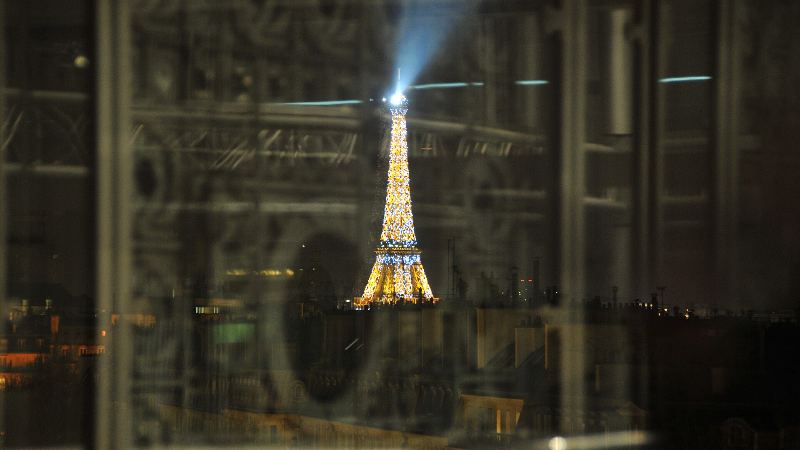
Electrochromic Glazing here: the responsive-facade precedent: 240 light-sensitive apertures behind glass.
About the building ↗02Try it on a board
Pick up to three materials to sit beside electrochromic glazing. The board shows the styles that use all of them, and writes a prompt you can take to an image or video generator.
03The styles built on it
04Up close
- Tintable floatclear to dark blue at a switch
- Zoned panestinting in bands
- Thermochromictints itself with heat, no wiring
A thin ceramic coating between panes that darkens when a low voltage moves ions across it; wired like a light fitting.
Cycles slow and the tint can become uneven at the edges over many years; the coating is sealed inside the unit.
Windows that darken in minutes without blinds, with a faint blue cast in the tinted state.
05Questions
Which design styles use electrochromic glazing?
Architectural Futurism, Neo-Futurism, Parametric Architecture and Sustainable Architecture.
What goes well with electrochromic glazing?
Electrochromic Glazing pairs well with structural glass, anodized aluminum and polished concrete.
What does electrochromic glazing communicate?
Adaptive intelligence, Quiet technology and Responsive comfort. It suits corporate towers, smart buildings and high-performance facades.
What kinds of electrochromic glazing are there?
Tintable float, Zoned panes and Thermochromic. Tintable float: clear to dark blue at a switch.
How does electrochromic glazing age?
Cycles slow and the tint can become uneven at the edges over many years; the coating is sealed inside the unit.
How can you tell real electrochromic glazing?
Windows that darken in minutes without blinds, with a faint blue cast in the tinted state.
What is the carbon footprint of electrochromic glazing?
Making one kilo of electrochromic glazing releases about 1.8 kg of CO₂, cradle to gate: glass plus a coating; operational savings can repay it.