When to use it
- Product design inspiration
- Art installations documentation
- Architectural details
- Tactile brand experiences
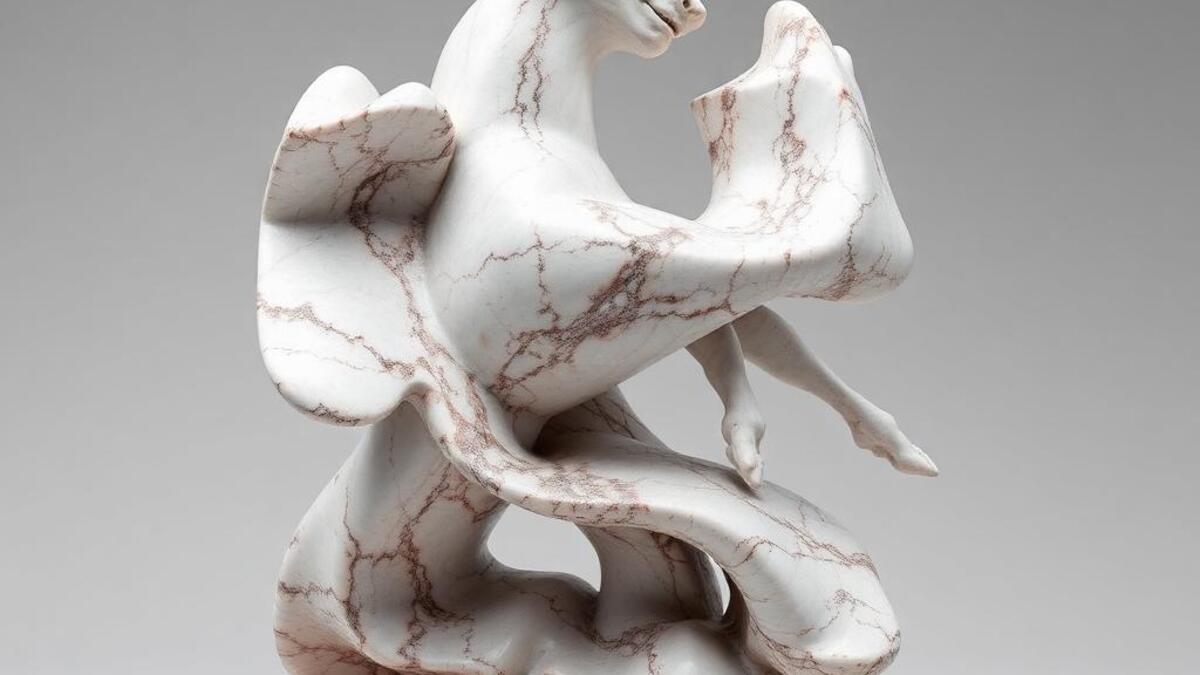
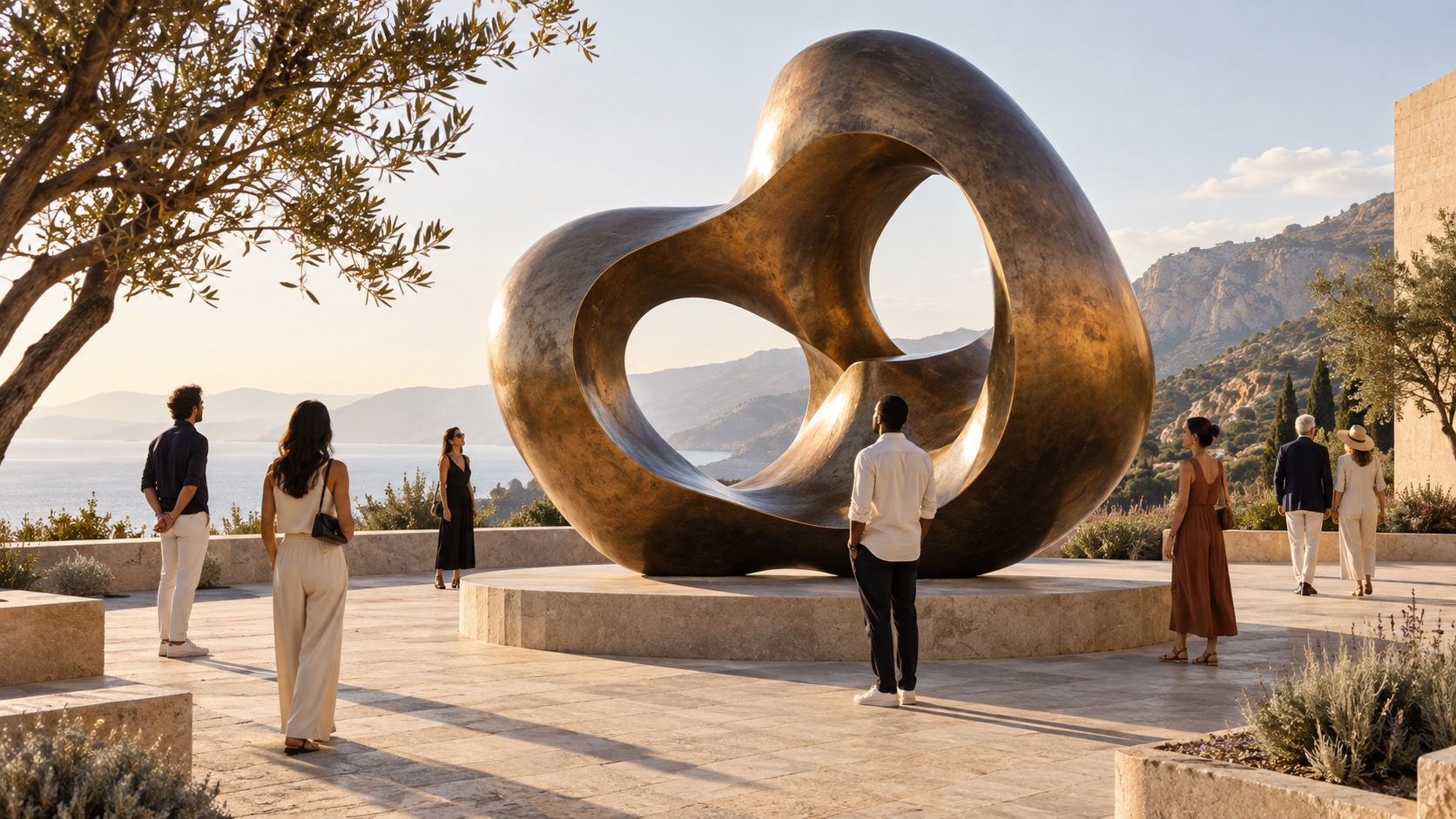
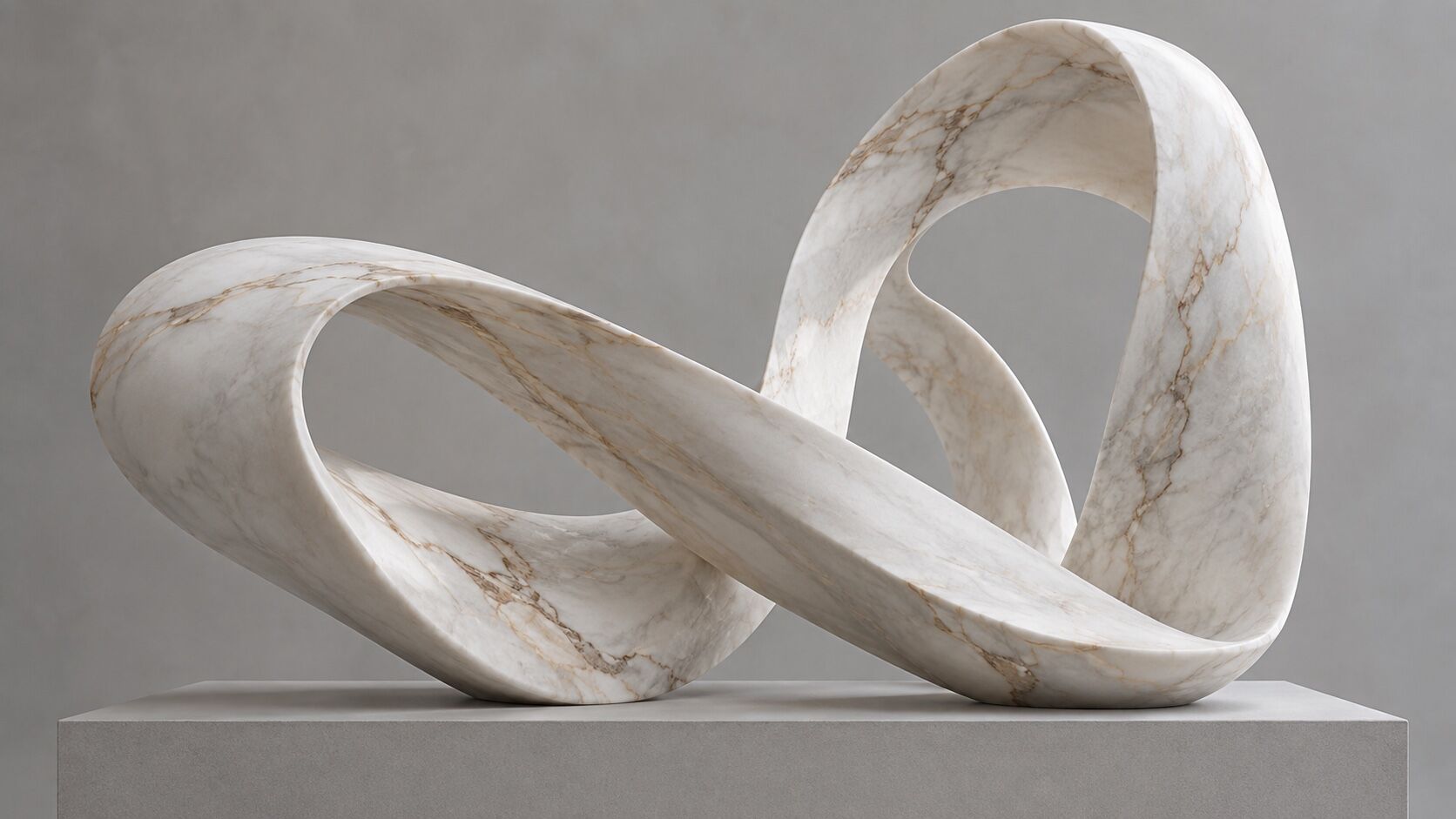
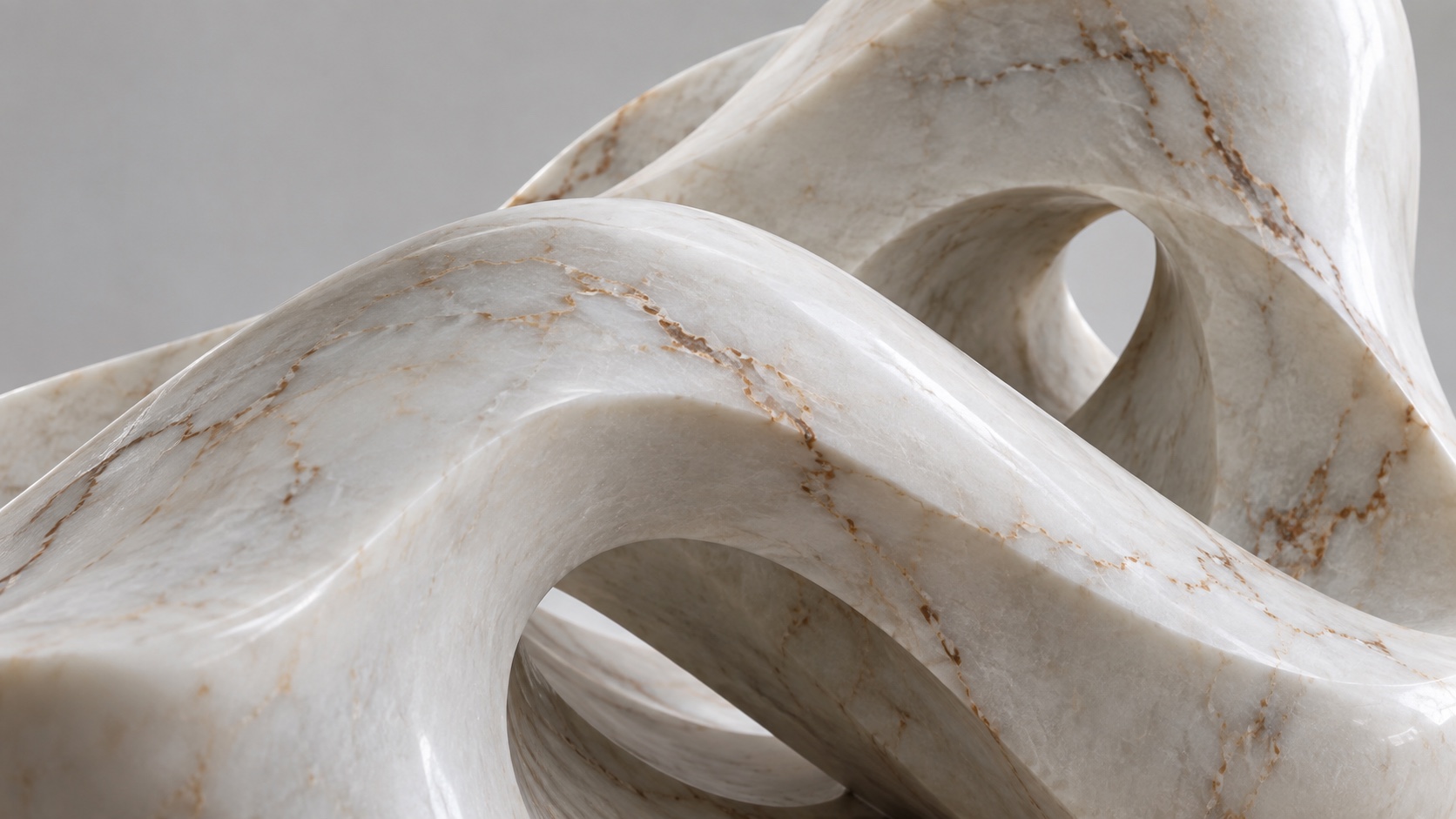
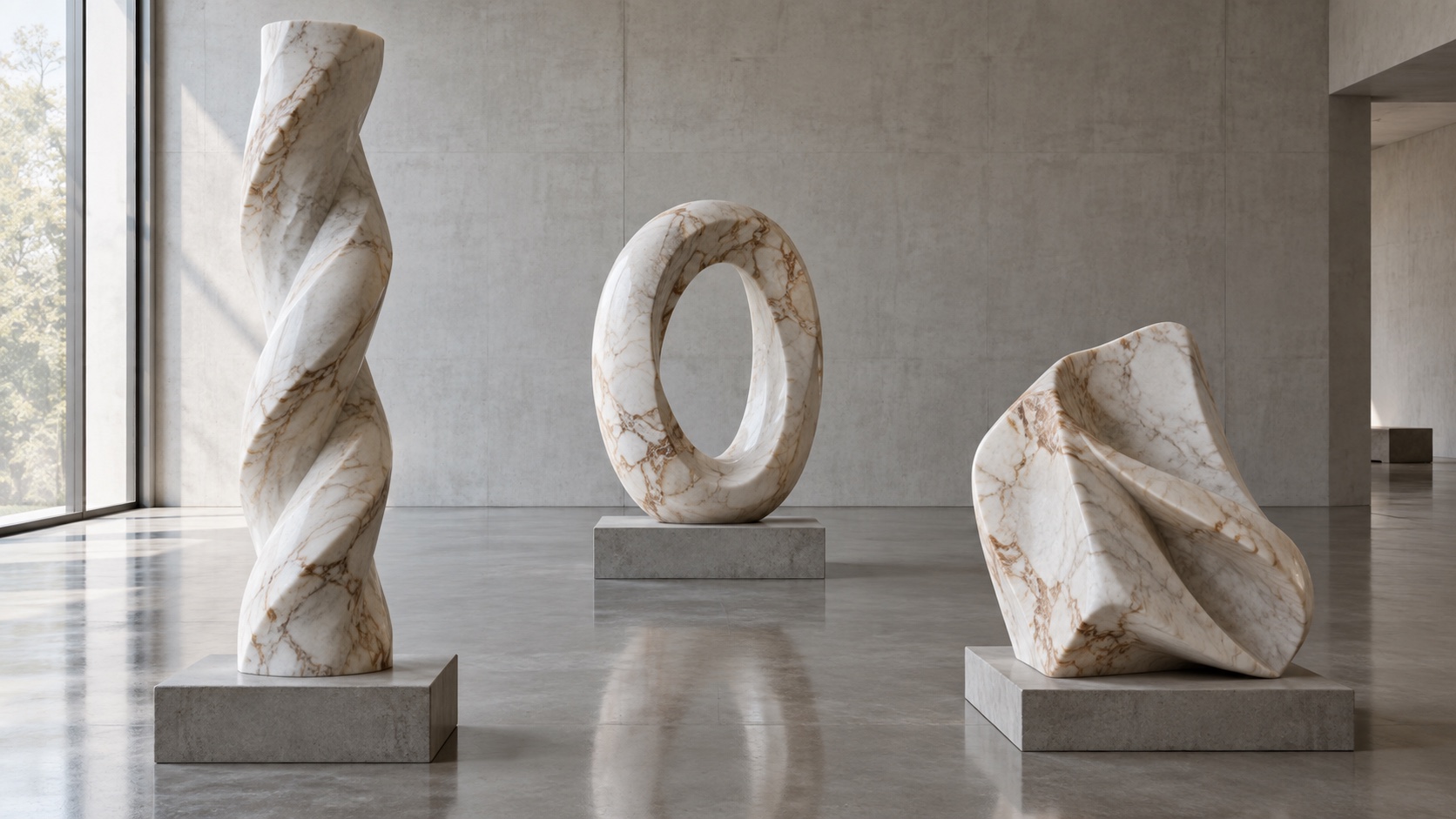
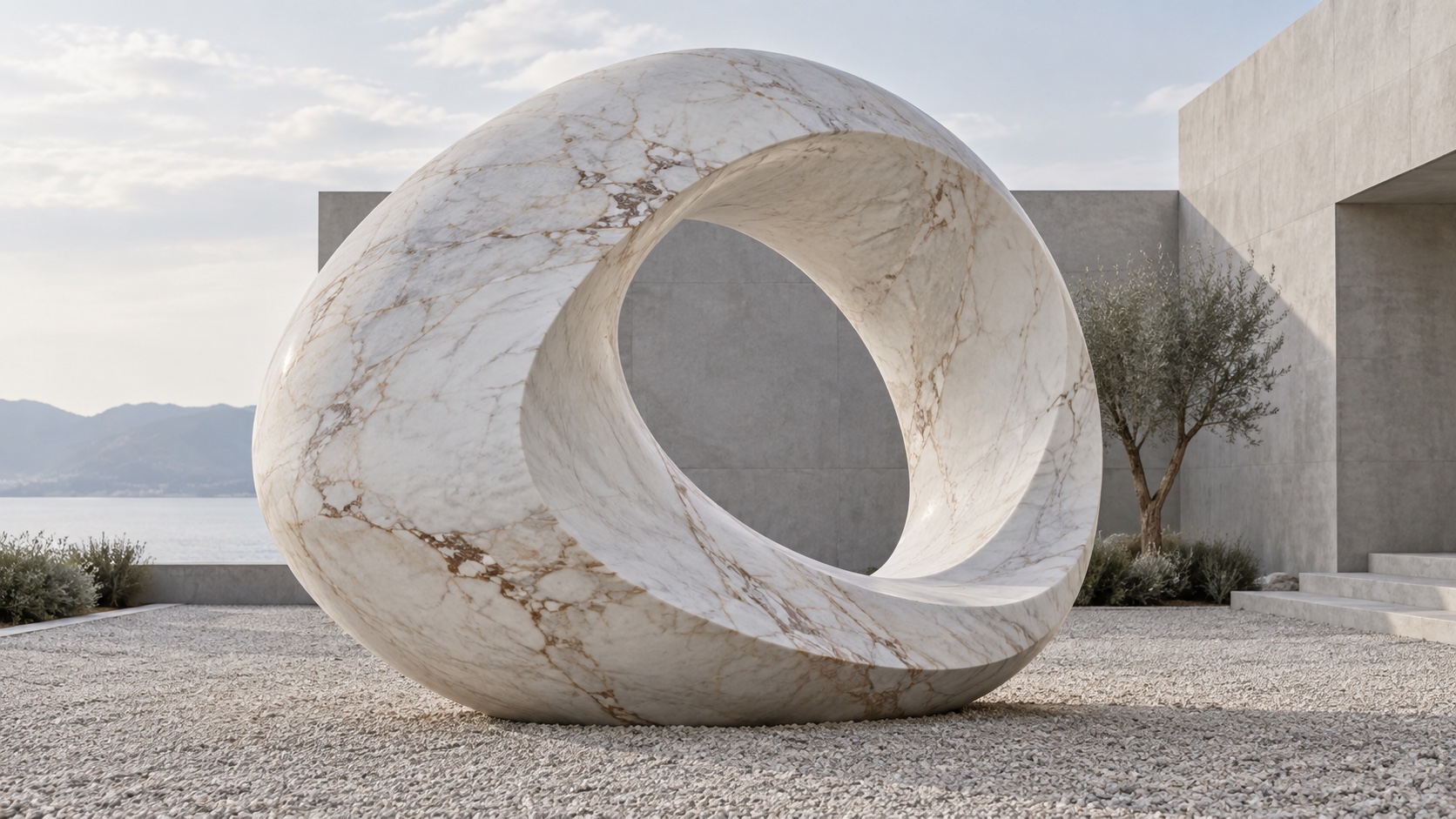
Three-dimensional art exploring form, space, and materiality
What it is, when it works, who it is for, and where it already exists.
Record 038-SC - when it works, who it is for, what it looks like
Where this aesthetic shows up in the real world · ↗ opens the source site
Where Sculpture came from, what makes it recognisable, and the fingerprint it leaves.
Ancient–present · Universal; all human cultures; contemporary expanded field
Sculpture is the art of three-dimensional form: objects that occupy space and must be experienced from multiple viewpoints to be fully understood. The technical traditions are ancient and global: stone carving (Egypt, Greece, India, Mesoamerica), bronze casting (China's Shang Dynasty, classical Mediterranean, West Africa's Benin bronzes), wood carving, ceramic modelling, and textile. The Western academic tradition focused on the human figure; other traditions developed their own primary forms.
The 20th century expanded sculpture's possibilities dramatically: Brancusi's reductive abstraction, Giacometti's existentialist figures, David Smith's welded steel, Richard Serra's massive Cor-Ten steel plates, Donald Judd's industrial minimalism, Louise Bourgeois's psychological installations, and Jeff Koons's reflective stainless steel all represent radically different ideas about what sculpture can be and do. Rosalind Krauss's 1979 essay 'Sculpture in the Expanded Field' named the problem: sculpture had expanded to include land art, installation, site-specific work, performance documentation, and architectural intervention.
For visual design, sculpture aesthetic provides: an understanding of form in space (three-dimensionality communicated through photography), material thinking (how bronze versus stone versus steel produces different meaning), and the specific visual grammar of sculptural documentation photography: the way materials catch light, the importance of scale indicators, and the role of context in meaning-making.
“The object that exists completely only when you walk around it.
The visual DNA: what makes it recognisable
8-channel console with the fingerprint on its display. Save the card, or share the page

4 color interpretations of this aesthetic
The colour of the styles sitting closest to this one
How to shoot it, how to prompt it, and how to board it.
How to shoot this aesthetic
"Material thinking made monumental: the conversation between hand and stone"
Shot list
Lighting
Raking side light from a single hard source to reveal surface texture this is how sculpture photography traditionally works; do not diffuse it, let the shadows carry the form
Drop this into Studio to generate in this aesthetic
Sculptural fine art with dimensional physical presence, carved or cast material honesty in marble, bronze, or welded steel, gallery pedestal lighting emphasizing form and shadow, three-dimensional volumetric mass, classical or contemporary figurative tradition
The record applied to your project. The record's kit is free; your brand, references and plates come with membership
01 · Hero application02 · Material and finish03 · Palette in context04 · Photography directionWhether to use it, what it costs to do properly, and where it stands right now.
Two written calls, seven meters, and when to walk away
Weight and armature decide what is possible. A form that works as a maquette can be structurally impossible at two metres, so the engineering gets solved before the surface is finished. Resolve it in the round, since there is no correct angle. Plan the base and the transport early, because both have destroyed more finished pieces than bad form ever has.
Right when the work can hold public argument, because the last five years moved statues from background furniture to contested ground and the field's own position has shifted from removal versus retention toward recontextualisation. That is where the commissions are going. Digital fabrication reopened the question of the hand, which sculptors are more relaxed about than outsiders expect.
Materials, studio space, and often fabrication costs add up.
Form and space are the whole argument. It has to say something.
Working in three dimensions leaves nowhere to hide a bad decision.
A weak form has nowhere to hide in three dimensions.
Rare outside galleries, museums, and high-end brand activations.
Physical form doesn't date the way a digital trend does.
Real fabrication and space, not a quick digital asset.
A Pro feature: origins, practitioners, and pitfalls
Neighbours, cross-references, blends, and the questions people ask.
Connected across the creative knowledge graph
Where it stands now, and what it costs you to use it
Sculpture is the discipline where the argument about public monuments has been loudest, and the last five years have moved statues from background furniture to active political ground.
The field's own position has largely shifted from removal versus retention toward recontextualisation, and that is where the commissions are going.
Digital fabrication has changed what is makeable and has also reopened an old argument about the hand, which sculptors are more relaxed about than outsiders expect.
Mix Sculpture with any style in the library
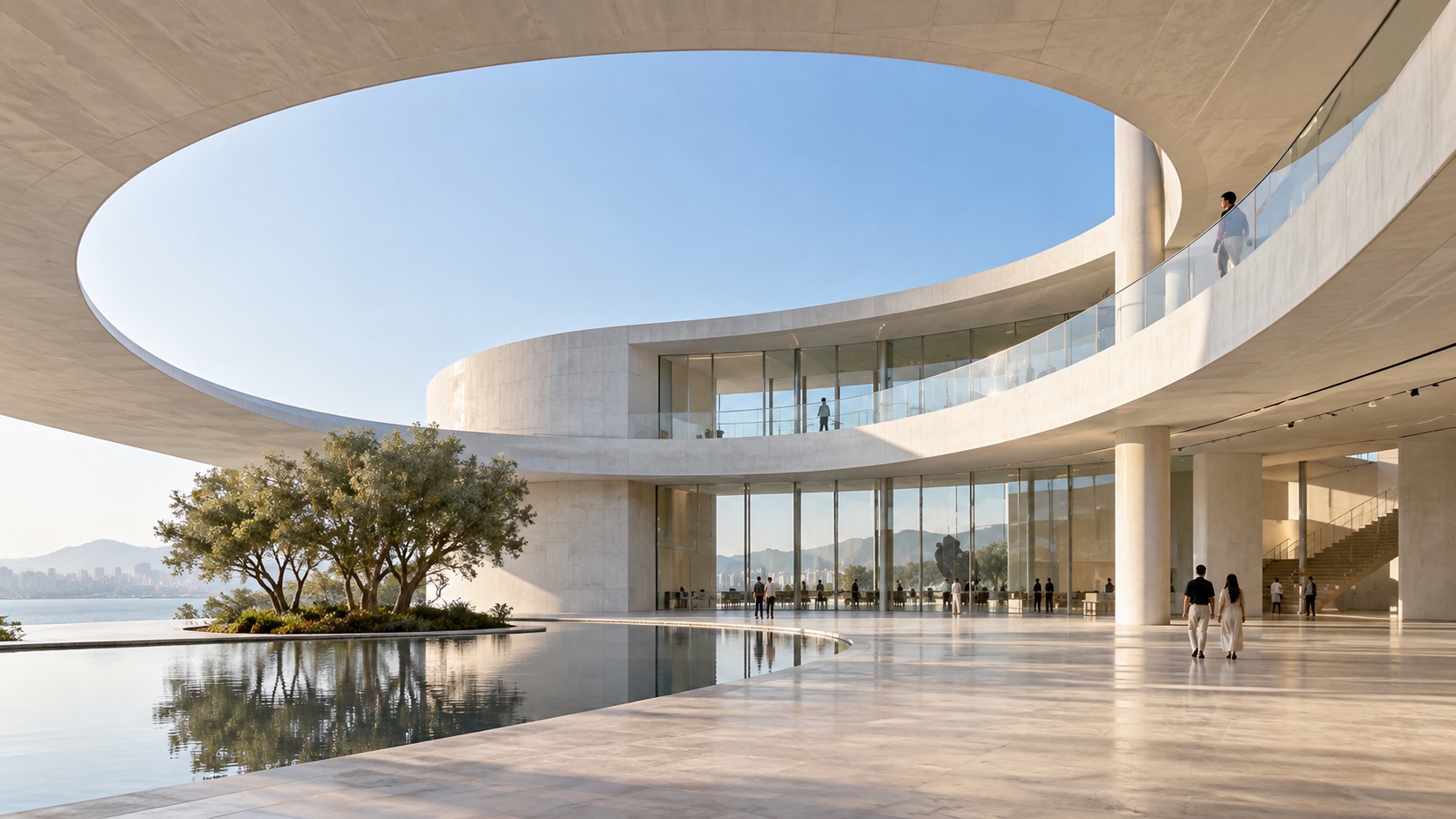 Sculpture 50%Architecture 50%
Merged palette
#1C1410
#1A1814
#4A3C2E
#2C2A28
#8A7A6A
Leads analog, structured, nostalgic
Typography · from Sculpture
Playfair Display over Crimson Text
Materials
The calls this blend forces
These two disagree on 2 things, and a blend cannot average them: you pick a side. At this mix:
Organic or Geometric? Sculpture is organic, Architecture is geometric. This mix lands geometric.
Expressive or Restrained? Sculpture is expressive, Architecture is restrained. This mix lands expressive.
Use it
Sculptural fine art with dimensional physical presence, carved or cast material honesty in marble, bronze, or welded steel, gallery pedestal lighting emphasizing form and shadow, three-dimensional volumetric mass, classical or contemporary figurative tradition (50%), infused with Architectural photography with precise geometric composition, dramatic natural or artificial lighting across facade and structure, wide-angle or tilt-shift perspective correction, material and texture detail in glass, concrete, and steel, building as sculptural subject, color palette strictly #1C1410 #1A1814 #4A3C2E #2C2A28 #8A7A6A, leaning organic over geometric, expressive over restrained, overall character: analog, structured, nostalgic
Sculpture aesthetic centers on three-dimensional form in space: material texture (marble #F2EFEB, bronze #8B7355, Cor-Ten rust #B85A28), light and shadow revealing form, the relationship between object and space, and the documentation photography conventions that communicate 3D work in 2D. From ancient stone-carving to Richard Serra's steel plates to Jeff Koons's chrome spheres: sculpture's aesthetic is the aesthetics of material, gravity, and space.
Traditional: marble (Greek classical, Renaissance: Michelangelo, Bernini), bronze (casting tradition from Benin bronzes to Rodin), wood (African masks, Brancusi's Endless Column), terracotta (Chinese tomb figures, prehistoric Venus figurines). Modern: welded steel (David Smith, Richard Serra), cast polyester resin (Koons), found objects (Duchamp's readymades, Louise Nevelson's wooden assemblages), and expanded field: earth, light, performance, and site.
Art critic Rosalind Krauss coined 'sculpture in the expanded field' (1979) to describe how contemporary practice had moved beyond physical objects on pedestals to include: land art (Robert Smithson's Spiral Jetty), site-specific installation (Richard Serra's Tilted Arc), conceptual work that exists only as documentation, performance-based practice, and architectural intervention. The term acknowledged that 'sculpture' no longer described a coherent medium but a set of practices defined by their relationship to three-dimensional space.
Every style in the library is broken down like this one: the palette, the typography, the materials and the lineage.
Explore the style library →