When to use it
- Artisan brand marketing
- Handmade craft showcases
- Home goods branding
- Studio pottery portfolios
Handcrafted ceramic art and functional pottery
Part of the Authenticity & Craft mood, alongside Wabi-Sabi and Cottagecore.
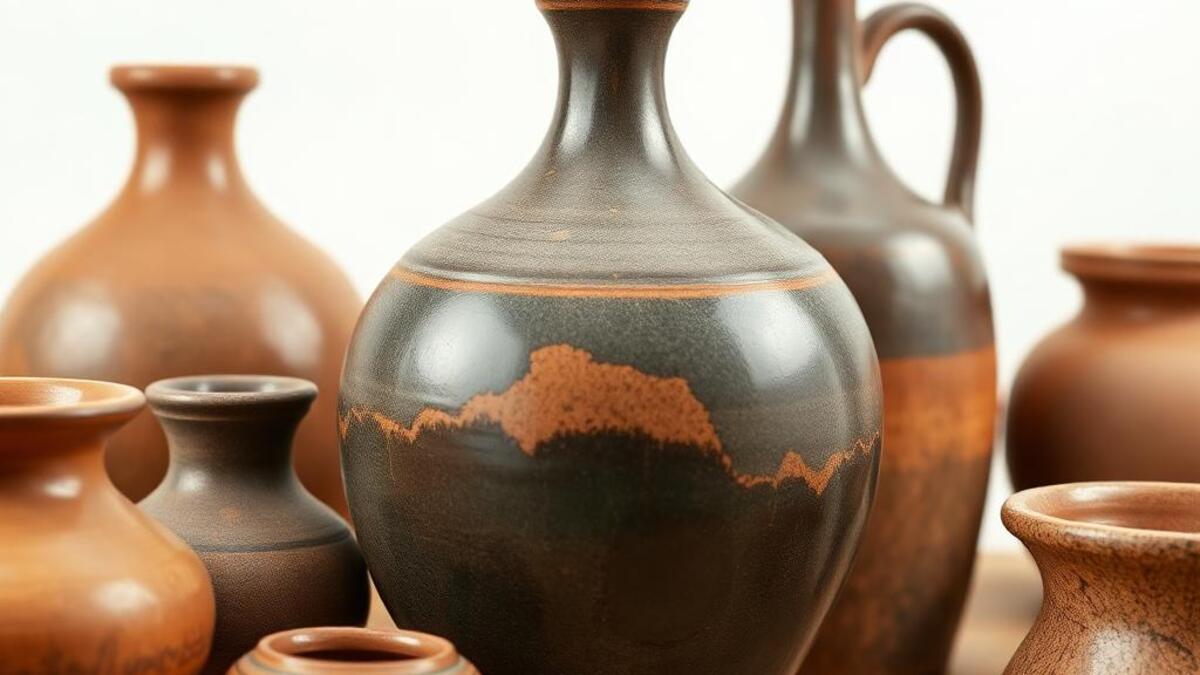
What it is, when it works, who it is for, and where it already exists.
Record 035-PO - when it works, who it is for, what it looks like
Where this aesthetic shows up in the real world · ↗ opens the source site
Where Pottery / Ceramics came from, what makes it recognisable, and the fingerprint it leaves.
28,000 BCE–present · Universal; all human cultures; the earliest human craft tradition
Pottery is the art of forming clay and hardening it with fire: a technology developed independently in multiple cultures beginning around 28,000 BCE (Gravettian fired figurines), with utilitarian pottery vessels appearing around 20,000–12,000 BCE. The visual cultures of pottery are enormously diverse: Greek black- and red-figure amphorae, Chinese Song Dynasty celadon, Japanese Edo-period Arita porcelain, Moroccan zellige tile, and contemporary studio pottery all represent radically different aesthetic traditions sharing the common material base of clay and fire.
The modern studio pottery movement emerged in the early 20th century from the Arts and Crafts tradition and received its major theoretical statement in Bernard Leach's A Potter's Book (1940), which integrated Japanese folk pottery (mingei) philosophy: appreciation for honest, utilitarian objects made with care: with Western craft tradition. Leach's influence created a global studio pottery aesthetic: earth-toned, wheel-thrown, with functional form as the primary value.
Contemporary pottery has diversified enormously: the delicate, highly refined work of Edmund de Waal (whose pottery inspired his book The Hare with Amber Eyes), the raw, expressive surfaces of Peter Voulkos's ceramic sculpture, the technically virtuosic porcelain of Ah Leon, and the Instagram-driven craft pottery revival of the 2010s–present, which made the visual language of handmade clay objects enormously visible and commercially viable.
“The oldest technology that still defies full automation.
The visual DNA: what makes it recognisable
8-channel console with the fingerprint on its display. Save the card, or share the page

4 color interpretations of this aesthetic
The colour of the styles sitting closest to this one
How to shoot it, how to prompt it, and how to board it.
How to shoot this aesthetic
"Earth, water, fire: the ancient conversation between hands and clay"
Shot list
Lighting
Soft window light for portraits and process shots; switch to a single bare light at low angle for finished work to rake across the glaze surface and reveal texture
Drop this into Studio to generate in this aesthetic
Ceramic and pottery craft aesthetic with hand-thrown vessel form, visible wheel-thrown ridges or hand-built texture, glaze pooling and kiln-fired surface variation, wabi-sabi appreciation of natural imperfection, warm earthenware or stoneware material honesty
The record applied to your project. The record's kit is free; your brand, references and plates come with membership
01 · Hero applicationWhether to use it, what it costs to do properly, and where it stands right now.
Two written calls, seven meters, and when to walk away
The clay body and the glaze have to agree or the piece fails. Mismatched shrinkage rates craze a surface weeks after it leaves the kiln, which is chemistry, not taste. Fire test tiles before committing a run. Wall thickness decides survival: even walls fire evenly, and a thick base is the most common way a good form is lost.
Right when you want a process that resists you and cannot be undone, which is why ceramics has had the strongest craft revival of the last decade. Firing is the part outsiders underestimate: the kiln makes final decisions no amount of skill fully controls. The field is welcoming and blunt, because the material does not hide the difference between a beginner's piece and a practised one.
Clay is cheap. Kiln access and studio time aren't.
Form and glaze choice, not novelty, is where taste shows.
The wheel and the kiln both punish inexperience.
Poor form and glaze control are visible to anyone who picks it up.
A niche craft presence outside dedicated maker brands.
One of the oldest crafts humans have. It endures by definition.
Real studio time and materials, but contained to the object.
A Pro feature: origins, practitioners, and pitfalls
Neighbours, cross-references, blends, and the questions people ask.
Connected across the creative knowledge graph
Where it stands now, and what it costs you to use it
Ceramics has had the strongest craft revival of the last decade, driven by people who wanted a process that resisted them and could not be undone.
Firing is the part outsiders underestimate, since the kiln makes final decisions no amount of skill fully controls.
The field is unusually welcoming and unusually direct about the difference between a beginner's piece and a practised one. The material does not hide it.
Mix Pottery / Ceramics with any style in the library
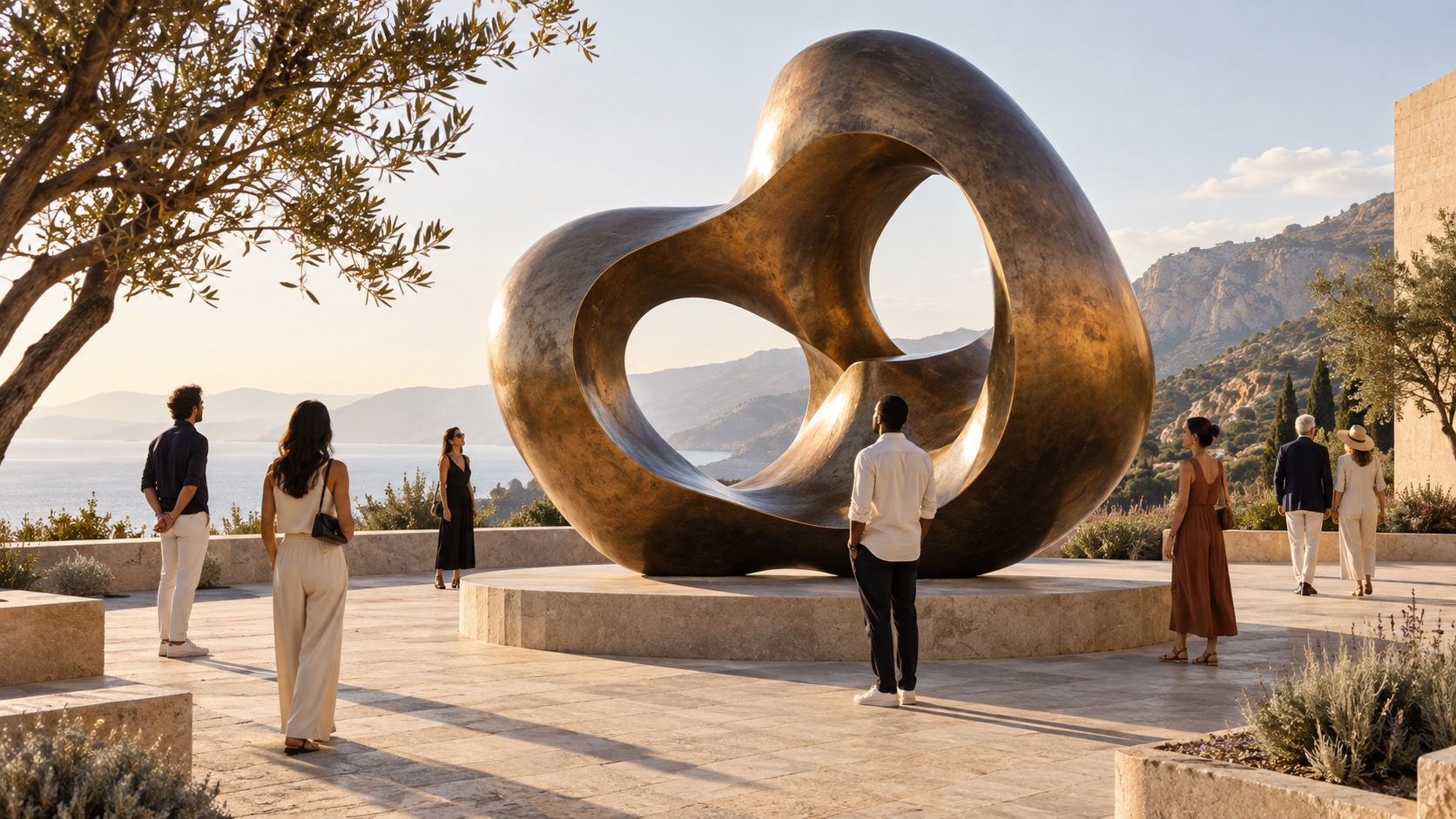 Pottery / Ceramics 50%Sculpture 50%
Merged palette
#3A2010
#1C1410
#8B4513
#4A3C2E
#D2691E
Leads analog, nostalgic, organic
Typography · from Pottery / Ceramics
Raleway over Merriweather
Materials
Use it
Ceramic and pottery craft aesthetic with hand-thrown vessel form, visible wheel-thrown ridges or hand-built texture, glaze pooling and kiln-fired surface variation, wabi-sabi appreciation of natural imperfection, warm earthenware or stoneware material honesty (50%), infused with Sculptural fine art with dimensional physical presence, carved or cast material honesty in marble, bronze, or welded steel, gallery pedestal lighting emphasizing form and shadow, three-dimensional volumetric mass, classical or contemporary figurative tradition, color palette strictly #3A2010 #1C1410 #8B4513 #4A3C2E #D2691E, overall character: analog, nostalgic, organic
Pottery aesthetic centers on the visual qualities of hand-formed, fired clay: terracotta (#C25D3A), celadon green (#7A9A8A), ash glaze white (#E8E4DC), and stoneware grey (#908880). Key marks: throwing rings, glaze movement, finger impressions: the direct evidence of making. From Greek black-figure to Japanese wabi-sabi mingei to contemporary studio pottery, the aesthetic values form-function integrity and the visible trace of the maker's hand.
Studio pottery is made by hand (typically wheel-thrown or hand-built) in small quantities by an individual potter who controls every aspect: clay body, forming, surface treatment, glaze, and firing. Each piece is unique in small variations. Mass-produced ceramics (Wedgwood, Ikea) are industrially cast in identical molds, consistently glazed, and fired at scale. The studio pottery value proposition is exactly these variations: the slight irregularity that records human presence.
Wabi-sabi: the Japanese aesthetic of imperfect, incomplete, and impermanent beauty: finds its most complete physical expression in pottery. The Zen tea ceremony (chanoyu) chose irregular, rustic raku tea bowls (Chōjirō, 16th century) over refined Chinese porcelain precisely because their imperfections encouraged meditative attention. Bernard Leach brought this philosophy West through his friendship with Shoji Hamada and his study of Korean onggi pottery. Contemporary studio pottery that references wabi-sabi values rough texture, asymmetry, and visible process over technical perfection.
Every style in the library is broken down like this one: the palette, the typography, the materials and the lineage.
Explore the style library →