When to use it
- Creative agency branding
- Contemporary art exhibitions
- Bold fashion statements
- Modern interior design
Bold, emotional non-representational art emphasizing spontaneity
What it is, when it works, who it is for, and where it already exists.
Record 020-AE - when it works, who it is for, what it looks like
Where this aesthetic shows up in the real world · ↗ opens the source site
Where Abstract Expressionism came from, what makes it recognisable, and the fingerprint it leaves.
1943–1960 · New York City, USA
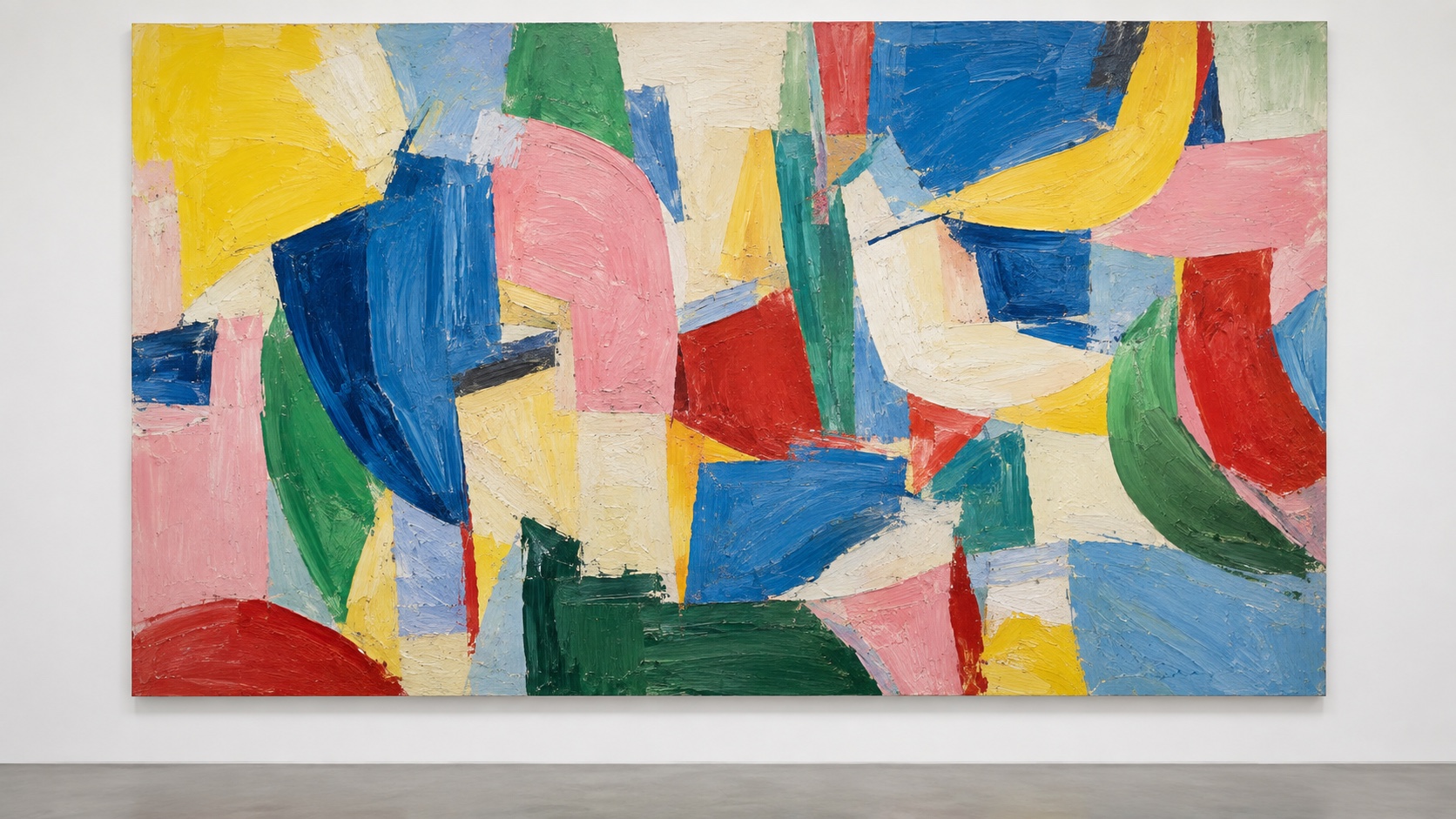
Abstract Expressionism emerged in New York in the early 1940s, nurtured by the presence of European Surrealist artists who had fled the war (Max Ernst, André Breton, Matta) and found in New York a city receptive to avant-garde experiment. The movement's name combines the two traditions it synthesized: European abstraction (Kandinsky, Mondrian) and the emotional directness of Expressionism (Kirchner, Kokoschka). But Abstract Expressionism was distinctly American: larger in scale, more physically assertive in execution, and invested in a mythology of the artist as heroic individual engaged in a existential struggle with the canvas.
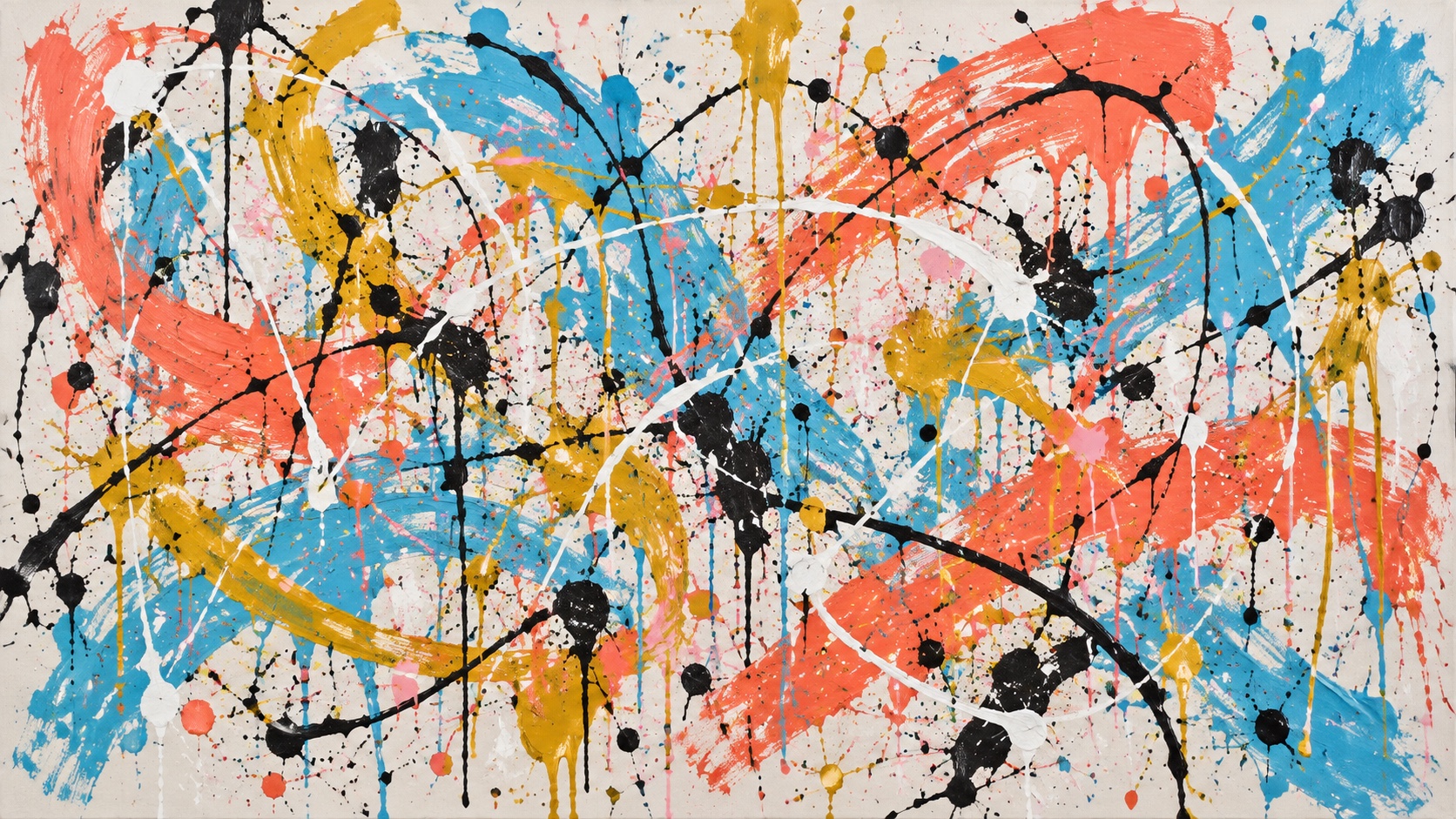
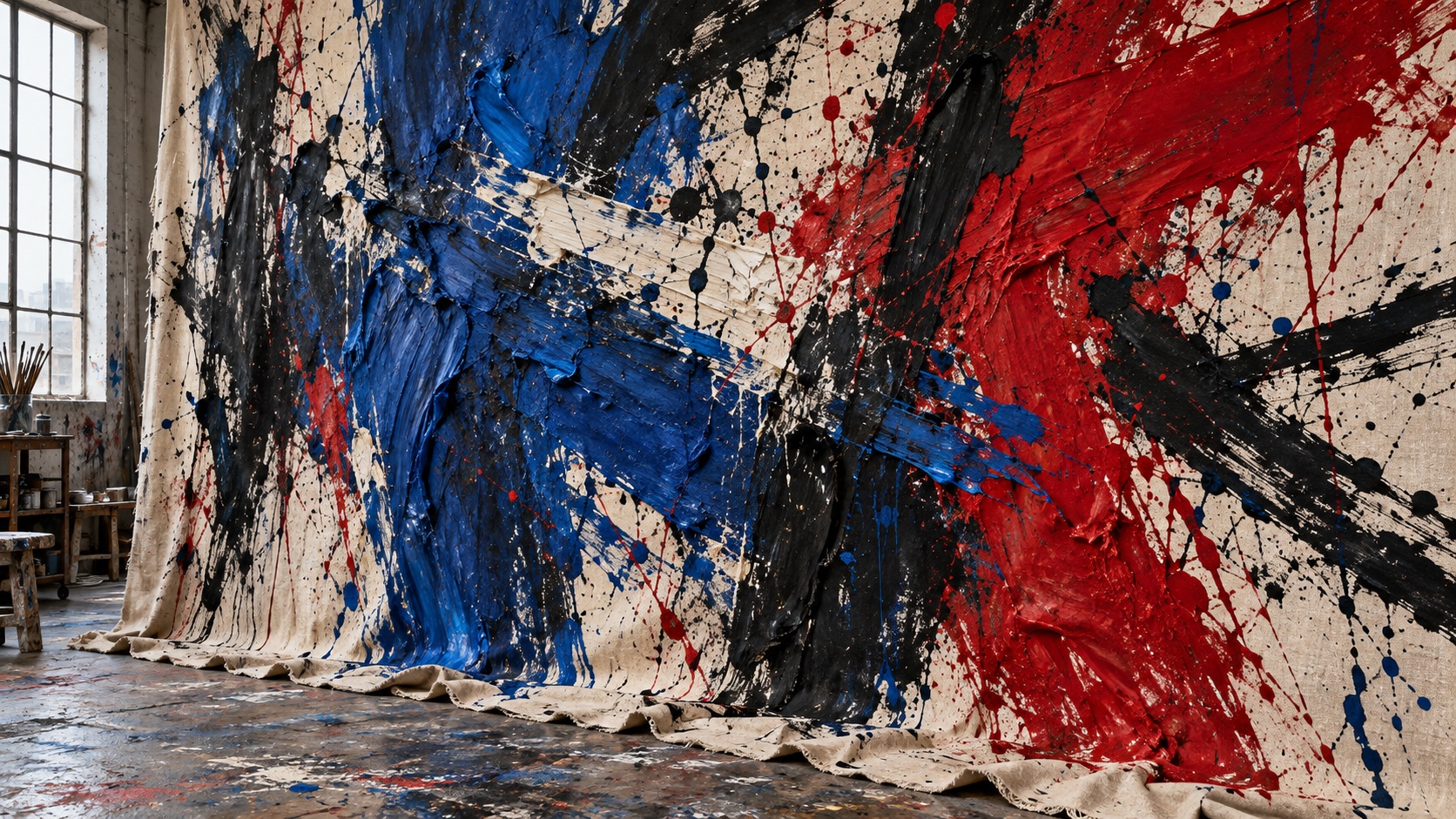
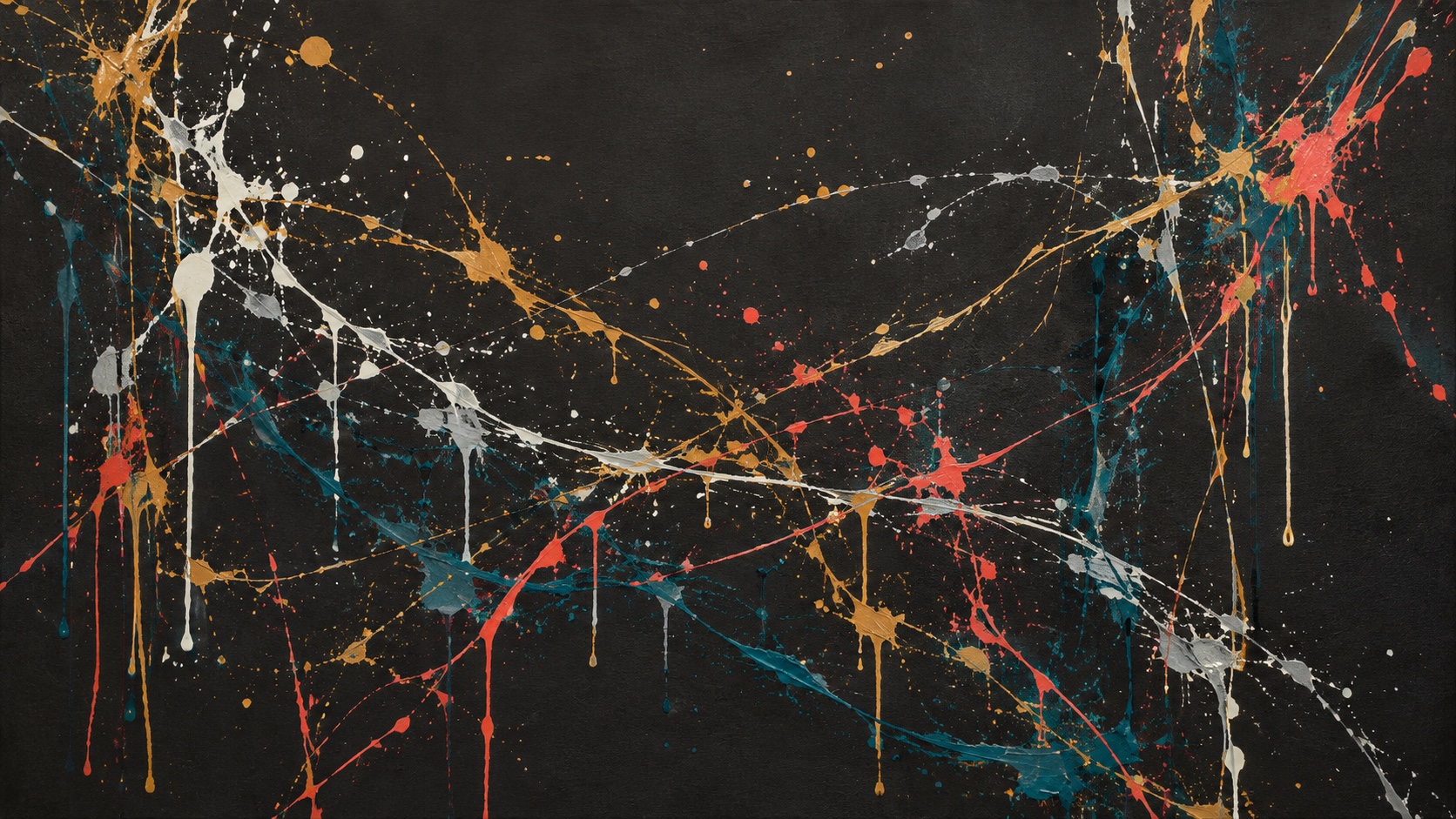
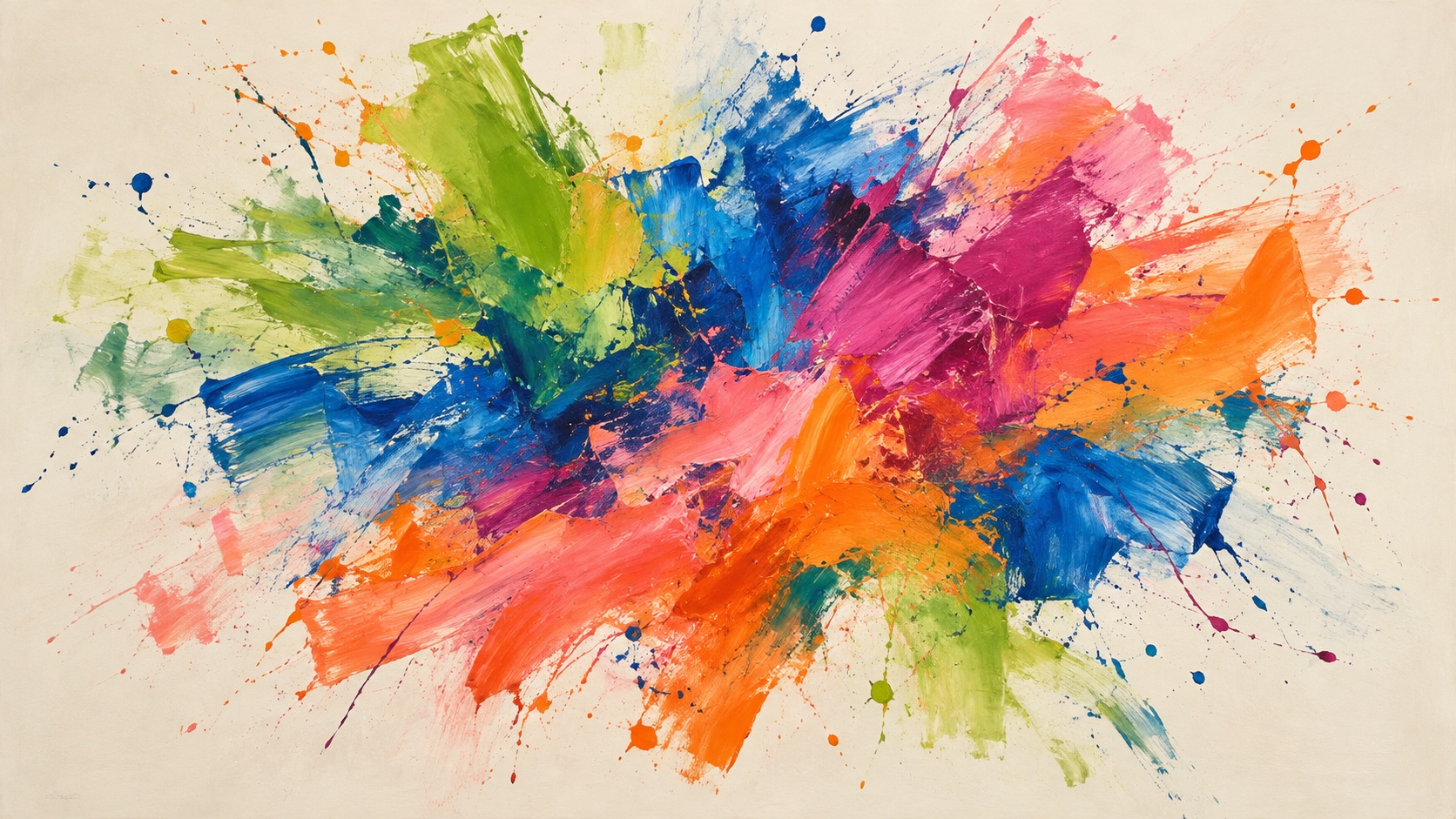
The movement divided into two main tendencies. Action painting: Jackson Pollock (who dripped and poured paint directly onto canvas on the floor), Willem de Kooning (whose gestural, aggressive brushwork retained figurative fragments), and Franz Kline (monumental black brushstrokes on white): emphasized the physical act of painting itself as the subject. Color field painting: Mark Rothko (softly luminous rectangles of color), Barnett Newman (vast fields interrupted by thin vertical 'zips'), and Clyfford Still (ragged vertical color forms): used large areas of flat or gradient color to evoke transcendent emotional states rather than physical gesture.
Abstract Expressionism's critical reception was shaped by critic Clement Greenberg, who argued it represented the culmination of the Modernist trajectory toward pure painting: color and shape without representation. The movement's commercial success in the 1950s (MoMA and the State Department actively promoted it during the Cold War as evidence of American cultural freedom versus Soviet Social Realism) made New York rather than Paris the center of the international art world.
“The painter's body in the canvas, the unconscious in the paint.
The visual DNA: what makes it recognisable
8-channel console with the fingerprint on its display. Save the card, or share the page
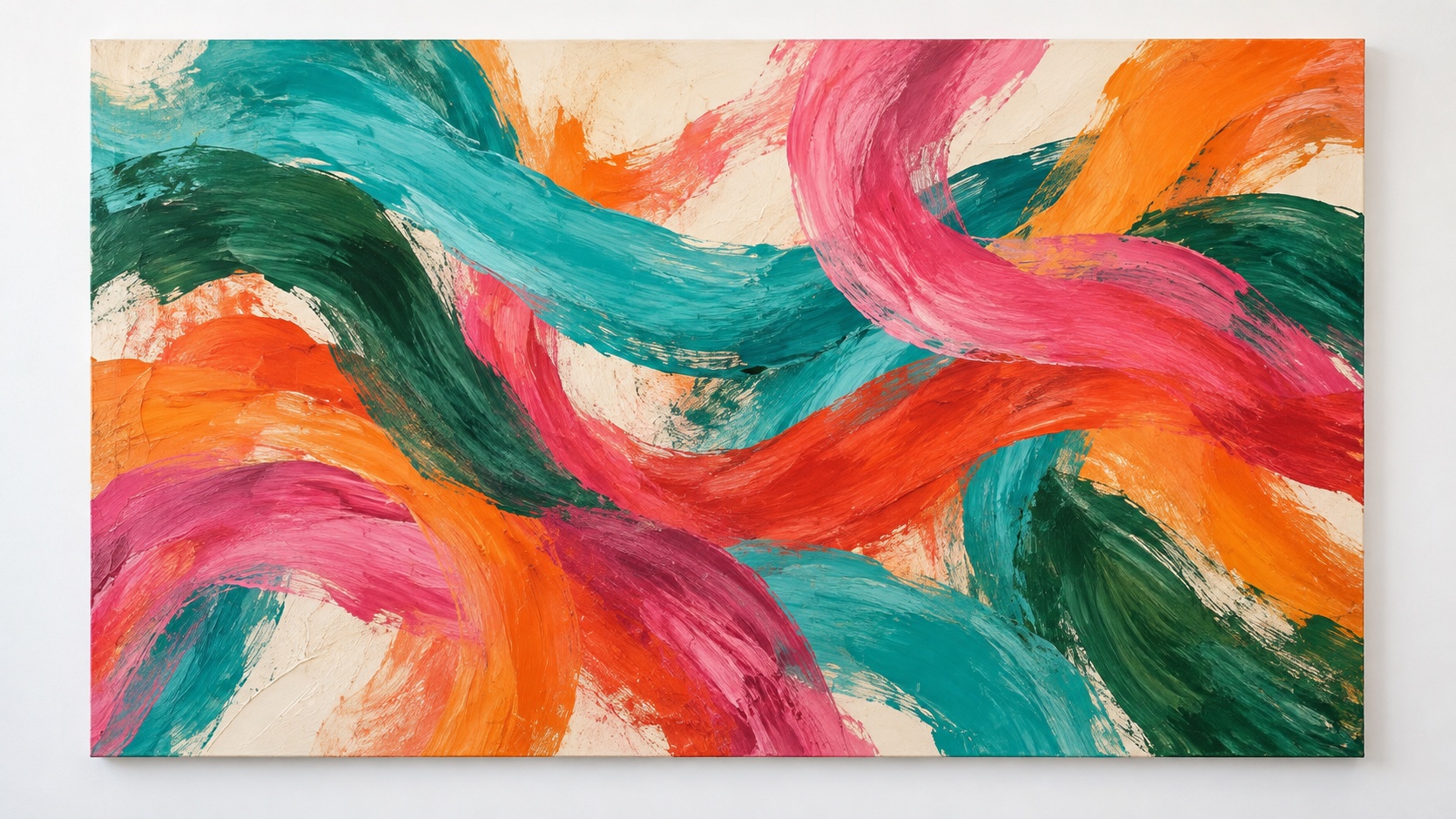
4 color interpretations of this aesthetic
The colour of the styles sitting closest to this one
How to shoot it, how to prompt it, and how to board it.
How to shoot this aesthetic
"The body as instrument: gesture, scale, and the urgency of making marks"
Shot list
Lighting
Hard directional side light a single fresnel or bare strobe at 45 degrees to rake across the painted surface and reveal texture; shadows are not problems, they are data
Drop this into Studio to generate in this aesthetic
Abstract Expressionist painting with gestural spontaneous brushwork, Jackson Pollock drip technique or Willem de Kooning's aggressive mark-making, large-scale canvas presence, emotional intensity over representational subject, all-over composition with no single focal point
The record applied to your project. The record's kit is free; your brand, references and plates come with membership
01 · Hero application02 · Material and finish03 · Palette in context04 · Photography directionWhether to use it, what it costs to do properly, and where it stands right now.
Two written calls, seven meters, and when to walk away
Scale is the medium. A gesture that needs a whole arm cannot be made at A4, so the format has to be settled before the first mark. Work on the floor or the wall the way the paint wants to run, and leave the ground visible in places. Knowing which canvas to stop and which to abandon is the entire discipline, and most of them get abandoned.
Right when real gesture at real scale is possible, because that still reads and a brush texture applied in software does not. Decades of hotel art have thinned the reference. Anyone using it seriously is expected to know the movement was promoted internationally during the Cold War with state interest behind it, which does not diminish the painting but means it was never purely a studio matter.
Paint and space to work large.
The line between spontaneous and random is the entire craft.
Physically direct, but knowing when to stop takes real judgment.
Random splatter versus genuine spontaneity is invisible to an untrained eye until it isn't.
Rarely reached for outside fine art and gallery-adjacent branding.
Its reputation as serious art has held for seventy years.
A single strong piece communicates the reference.
A Pro feature: origins, practitioners, and pitfalls
Neighbours, cross-references, blends, and the questions people ask.
Connected across the creative knowledge graph
Where it stands now, and what it costs you to use it
Abstract Expressionism carries a specific historical complication that art historians have documented in detail: it was promoted internationally during the Cold War as evidence of American freedom, with state interest behind it.
That does not diminish the painting, but it does mean the movement was never purely a studio matter. Anyone quoting it seriously is expected to know this.
As a visual reference it has been thinned by decades of hotel art. Real gesture at real scale still reads. A brush texture applied in software does not.
Mix Abstract Expressionism with any style in the library
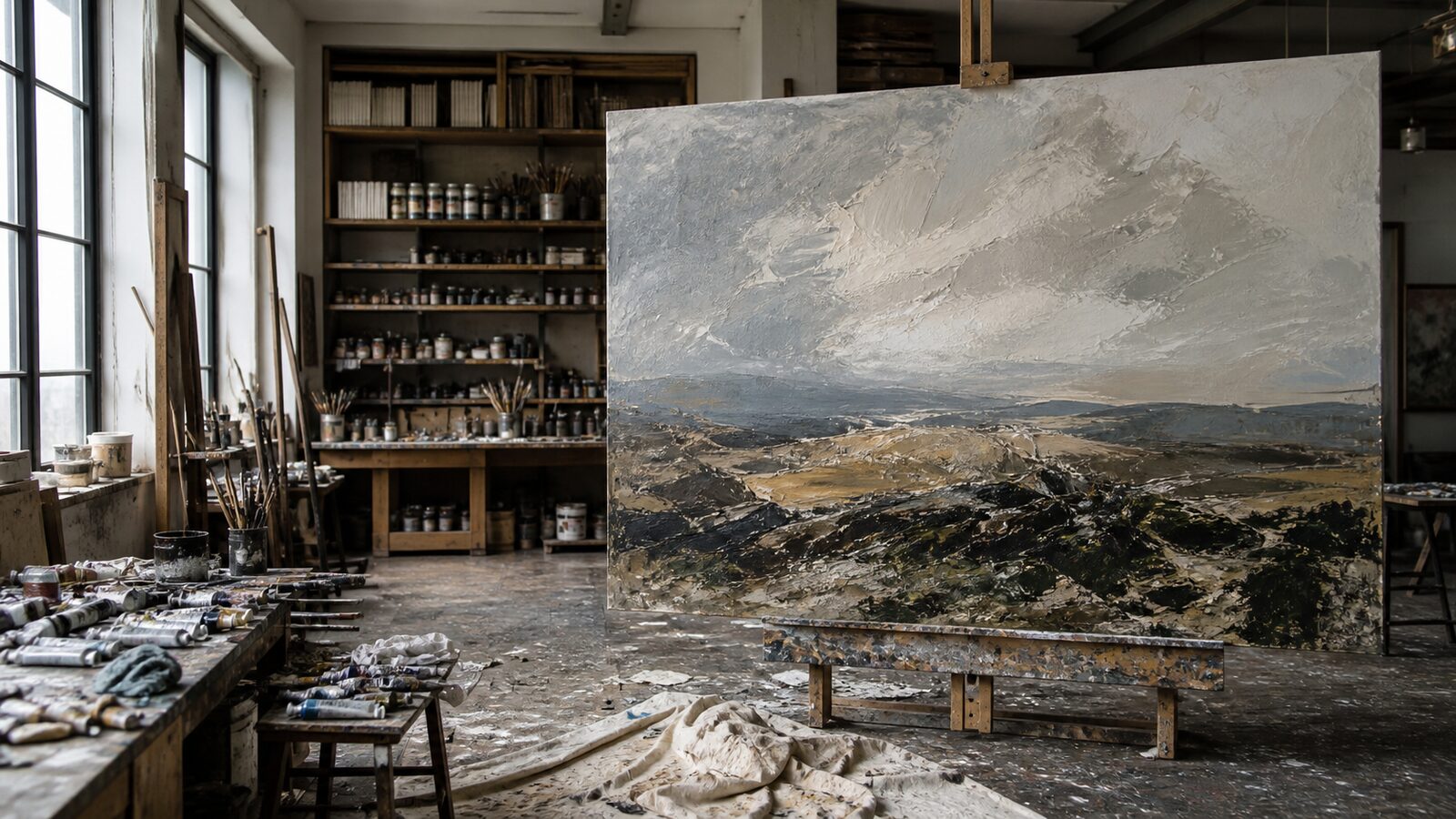 Abstract Expressionism 50%Painting 50%
Merged palette
#1A1A1A
#1C1008
#D4361C
#8B4513
#1A3A5C
Leads analog, expressive, chaotic
Typography · from Abstract Expressionism
Raleway over Merriweather
Materials
Use it
Abstract Expressionist painting with gestural spontaneous brushwork, Jackson Pollock drip technique or Willem de Kooning's aggressive mark-making, large-scale canvas presence, emotional intensity over representational subject, all-over composition with no single focal point (50%), infused with Fine art oil painting with visible impasto brushstrokes and canvas texture, classical underpainting and glazing technique, painterly light modeling across form, gallery-quality composition and color harmony, traditional easel-painting craftsmanship, color palette strictly #1A1A1A #1C1008 #D4361C #8B4513 #1A3A5C, overall character: analog, expressive, chaotic
Abstract Expressionism (1943–1960, New York) is the first major American art movement, defined by large-scale abstract paintings that expressed emotional states through gesture (Pollock, de Kooning) or color field (Rothko, Newman). It rejected representation in favor of direct emotional and physical engagement between painter and canvas.
Action painting: the physical gesture of painting as the subject: Pollock's drip paintings, de Kooning's aggressive brushwork, Kline's monumental black strokes. Color field painting: large areas of flat or graduated color that create emotional rather than physical experience: Rothko's glowing rectangles, Newman's vast fields with 'zips,' Still's ragged color forms.
Expressionism (1905–1925, Germany) used distorted, emotionally amplified representation: figures, landscapes, and scenes rendered with violent color and exaggerated form to express psychological states. Abstract Expressionism (1943–1960, New York) removed representation entirely, using gesture, scale, and color alone to communicate emotional experience. Expressionism distorts reality; Abstract Expressionism abandons it.
Every style in the library is broken down like this one: the palette, the typography, the materials and the lineage.
Explore the style library →