When to use it
- Thought-provoking campaigns
- Philosophical brand messaging
- Art exhibitions
- Innovative design thinking
Idea-driven art where concept takes precedence over aesthetics
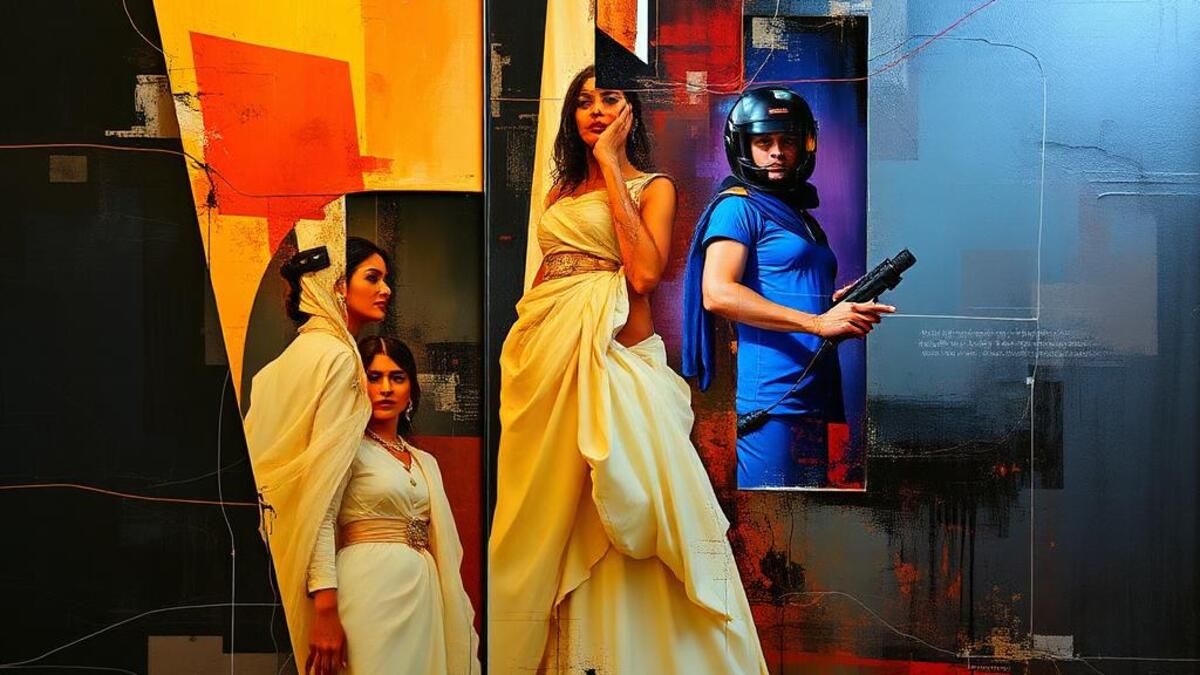
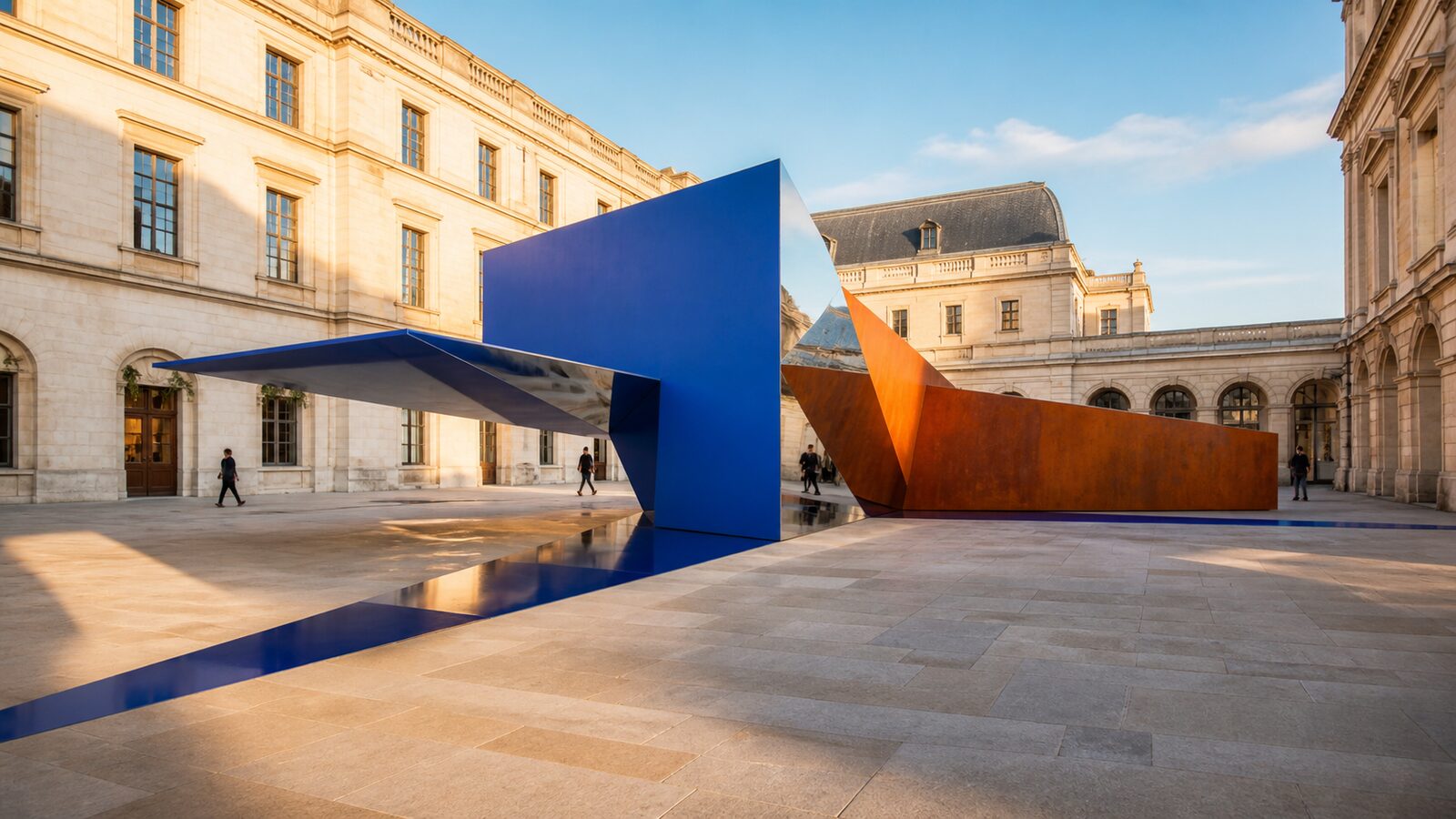
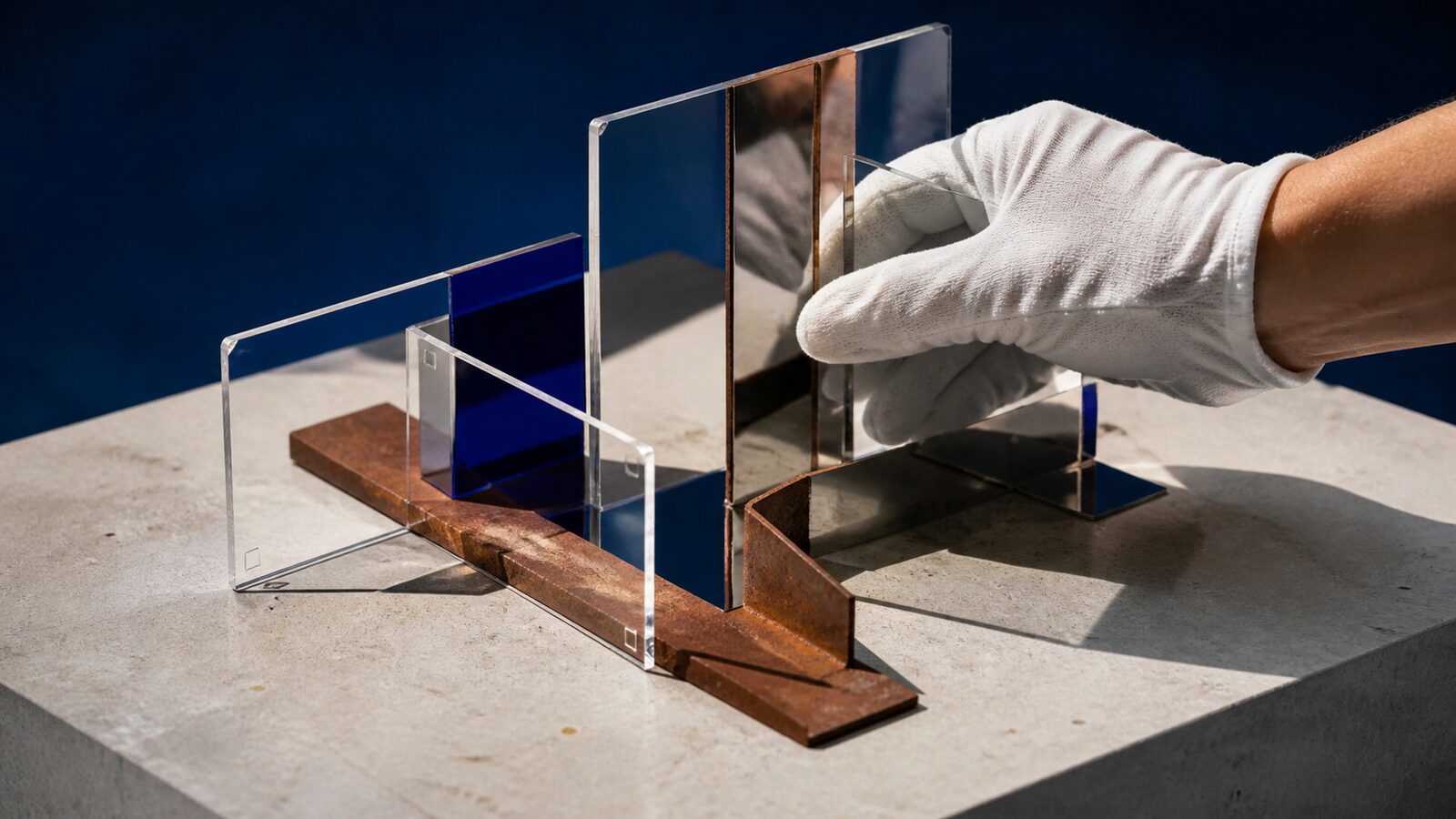
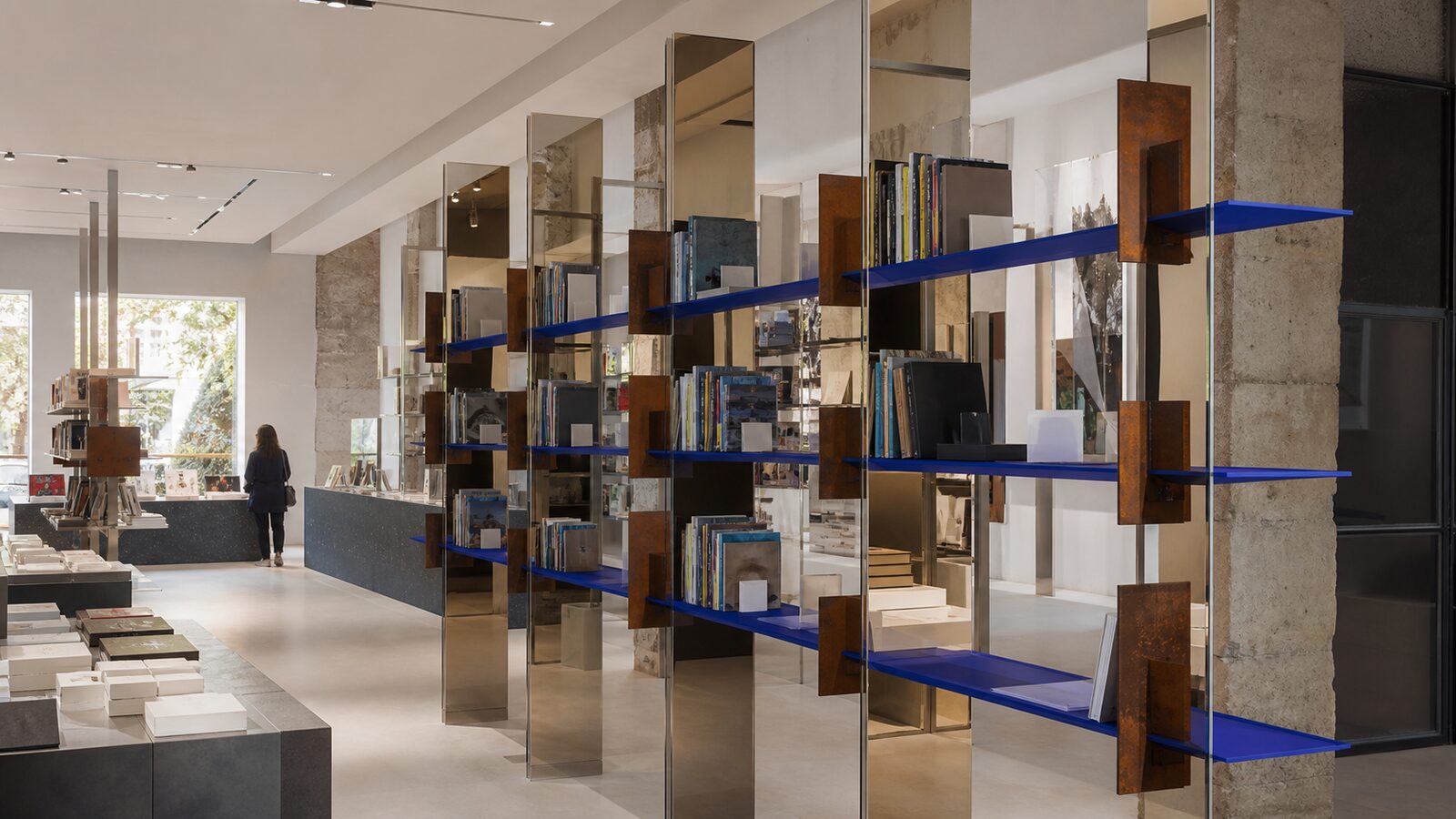
What it is, when it works, who it is for, and where it already exists.
Record 022-CA - when it works, who it is for, what it looks like
Where this aesthetic shows up in the real world · ↗ opens the source site
Where Conceptual Art came from, what makes it recognisable, and the fingerprint it leaves.
1960s–present · New York and London; Sol LeWitt, Lawrence Weiner, Joseph Kosuth, and the Fluxus movement
Conceptual art emerged in the mid-1960s as artists including Sol LeWitt, Lawrence Weiner, Joseph Kosuth, and the Fluxus group (Yoko Ono, George Maciunas, Nam June Paik) challenged the basic proposition of art as skilled physical making. Sol LeWitt's 1967 statement 'In conceptual art, the idea or concept is the most important aspect of the work' became the movement's founding document. If the concept is the art, then physical execution is secondary or delegable: LeWitt wrote instructions that others could execute on any wall.
The visual aesthetic of conceptual art is largely defined by what it refuses to be: expressive, crafted, beautiful in conventional terms, emotionally immediate. Its primary materials are text (typed instructions, definitions, statements), documentation (photographs of actions), systems and series (logical progressions, mathematical operations), and found objects. Joseph Kosuth's 'One and Three Chairs' (1965): a physical chair, a photograph of the chair, and a dictionary definition of 'chair': is the canonical example: the question of representation raised through institutional presentation.
For visual design, conceptual art aesthetics provide: the logic of systems design (rules that generate infinite specific outputs), the value of the brief/statement as creative work, typographic approaches that treat text as visual material, and the legitimacy of ideas that seem 'too simple' but are precisely right. The stark, institutional presentation of conceptual art: white walls, small text labels, no decoration: has influenced museum identity systems, cultural institution design, and the general aesthetic of serious contemporary art presentation.
“The idea is the machine that makes the art.
The visual DNA: what makes it recognisable
8-channel console with the fingerprint on its display. Save the card, or share the page

4 color interpretations of this aesthetic
The colour of the styles sitting closest to this one
How to shoot it, how to prompt it, and how to board it.
How to shoot this aesthetic
"The idea is the medium: a photograph that asks more questions than it answers"
Shot list
Lighting
Documentation lighting even, neutral, not dramatic; the conceptual artist's enemy is the aestheticization of an idea, and heroic lighting does exactly that
Drop this into Studio to generate in this aesthetic
Conceptual art with idea-first visual language, the artwork as a vehicle for a thesis rather than aesthetic pleasure alone, text, readymade objects, or documentation as medium, Sol LeWitt and Joseph Kosuth lineage, deliberately spare presentation letting the concept carry the weight
The record applied to your project. The record's kit is free; your brand, references and plates come with membership
01 · Hero application02 · Material and finish03 · Palette in context04 · Photography directionWhether to use it, what it costs to do properly, and where it stands right now.
Two written calls, seven meters, and when to walk away
The idea has to survive being said in one sentence. If explaining it takes a paragraph, the work is asking the wall text to do the work, and nobody reads that first. Keep the execution as plain as the idea allows. Craft that draws attention to itself competes with the concept, which is the only thing here carrying weight.
Use it when the idea can carry the work, which is now the default assumption in art education because the argument was won that completely. The standing criticism is fair and the field argues it openly: it made art dependent on explanation. It also produced the documentation-as-artwork convention most contemporary practice runs on.
The idea is the expense, not the materials.
If the idea is weak, there's nothing else to fall back on.
Craft matters less here than whether the premise actually lands.
A weak idea presented with confidence still reads as a weak idea.
A niche, gallery-and-institution-adjacent language.
The premise-over-polish idea has held for sixty years.
One strong concept, not a whole visual system.
A Pro feature: origins, practitioners, and pitfalls
Neighbours, cross-references, blends, and the questions people ask.
Connected across the creative knowledge graph
Where it stands now, and what it costs you to use it
Conceptual art established that the idea can be the work, and that argument was won so completely that it is now the default assumption in art education.
The standing criticism is that it made art dependent on explanation, which is a fair charge and one the field argues about openly.
It also produced the documentation-as-artwork convention that most contemporary practice now runs on, whether or not the artist would use the label.
Mix Conceptual Art with any style in the library
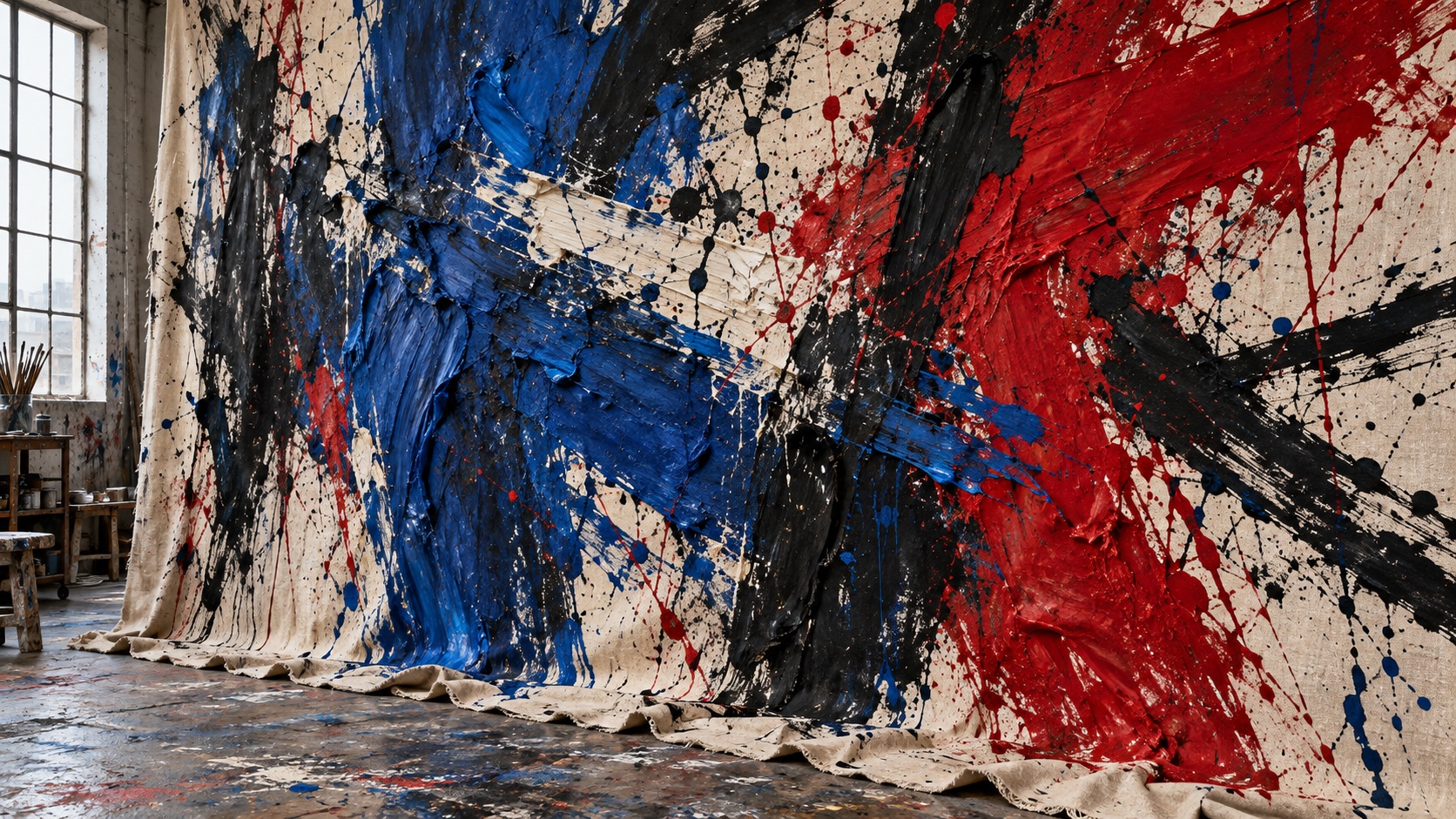 Conceptual Art 50%Abstract Expressionism 50%
Merged palette
#1A1A1A
#9E9E9E
#D4361C
#E0E0E0
#1A3A5C
Leads expressive, chaotic, analog
Typography · from Conceptual Art
Space Grotesk over Inter
Materials
The calls this blend forces
These two disagree on 2 things, and a blend cannot average them: you pick a side. At this mix:
Minimal or Maximal? Conceptual Art is minimal, Abstract Expressionism is maximal. This mix lands maximal.
Digital or Analog? Conceptual Art is digital, Abstract Expressionism is analog. This mix lands analog.
Use it
Conceptual art with idea-first visual language, the artwork as a vehicle for a thesis rather than aesthetic pleasure alone, text, readymade objects, or documentation as medium, Sol LeWitt and Joseph Kosuth lineage, deliberately spare presentation letting the concept carry the weight (50%), infused with Abstract Expressionist painting with gestural spontaneous brushwork, Jackson Pollock drip technique or Willem de Kooning's aggressive mark-making, large-scale canvas presence, emotional intensity over representational subject, all-over composition with no single focal point, color palette strictly #1A1A1A #9E9E9E #D4361C #E0E0E0 #1A3A5C, leaning minimal over maximal, digital over analog, overall character: expressive, chaotic, analog
Conceptual art aesthetic is the visual language of ideas as primary material: typewritten text, system-generated series, documentation photography, and institutional white cube presentation. It refuses conventional beauty in favor of intellectual precision. Palette: institutional white (#F8F6F4), typewriter black (#1A1714), documentation grey (#908880). Key figures: Sol LeWitt, Lawrence Weiner, Joseph Kosuth, Yoko Ono. The influence on contemporary design: systems thinking, text-as-visual-material, and the legitimacy of conceptual brevity.
Sol LeWitt's Sentences on Conceptual Art (1969) and his wall drawing practice established the conceptual art framework most directly applicable to design: the instruction or algorithm generates the visual output; the idea precedes and exceeds any specific execution. His wall drawings: sets of instructions that could be executed by anyone, on any wall: proposed that art could be reproducible, delegable, and locationless while remaining fully authored. This logic underlies contemporary systems design, generative art, and design systems.
Conceptual art's influence on design includes: systems design (the rule that generates infinite specific outputs), the brief or concept statement as creative work in itself, typographic approaches treating text as visual material rather than information vehicle, the white cube aesthetic now standard for cultural institution branding, and the legitimacy of conceptual brevity: the single sentence or minimal gesture that conveys maximum meaning. Lawrence Weiner's text-as-artwork directly anticipates contemporary design's embrace of language as image.
Every style in the library is broken down like this one: the palette, the typography, the materials and the lineage.
Explore the style library →