When to use it
- Architectural photography and visualization campaigns
- Real estate developer brand identity
- Interior design portfolio curation
- Urban planning and civic project communication
Built form as aesthetic argument - from Brutalist concrete towers to parametric facades, architecture is the largest canvas in visual culture
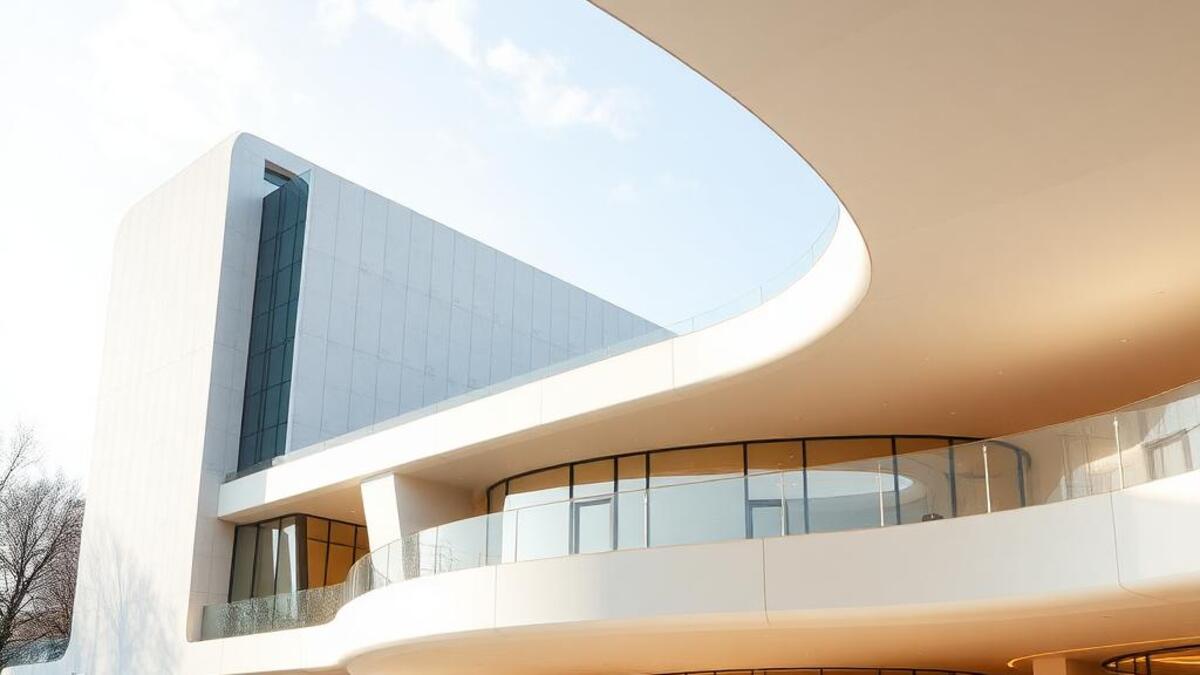
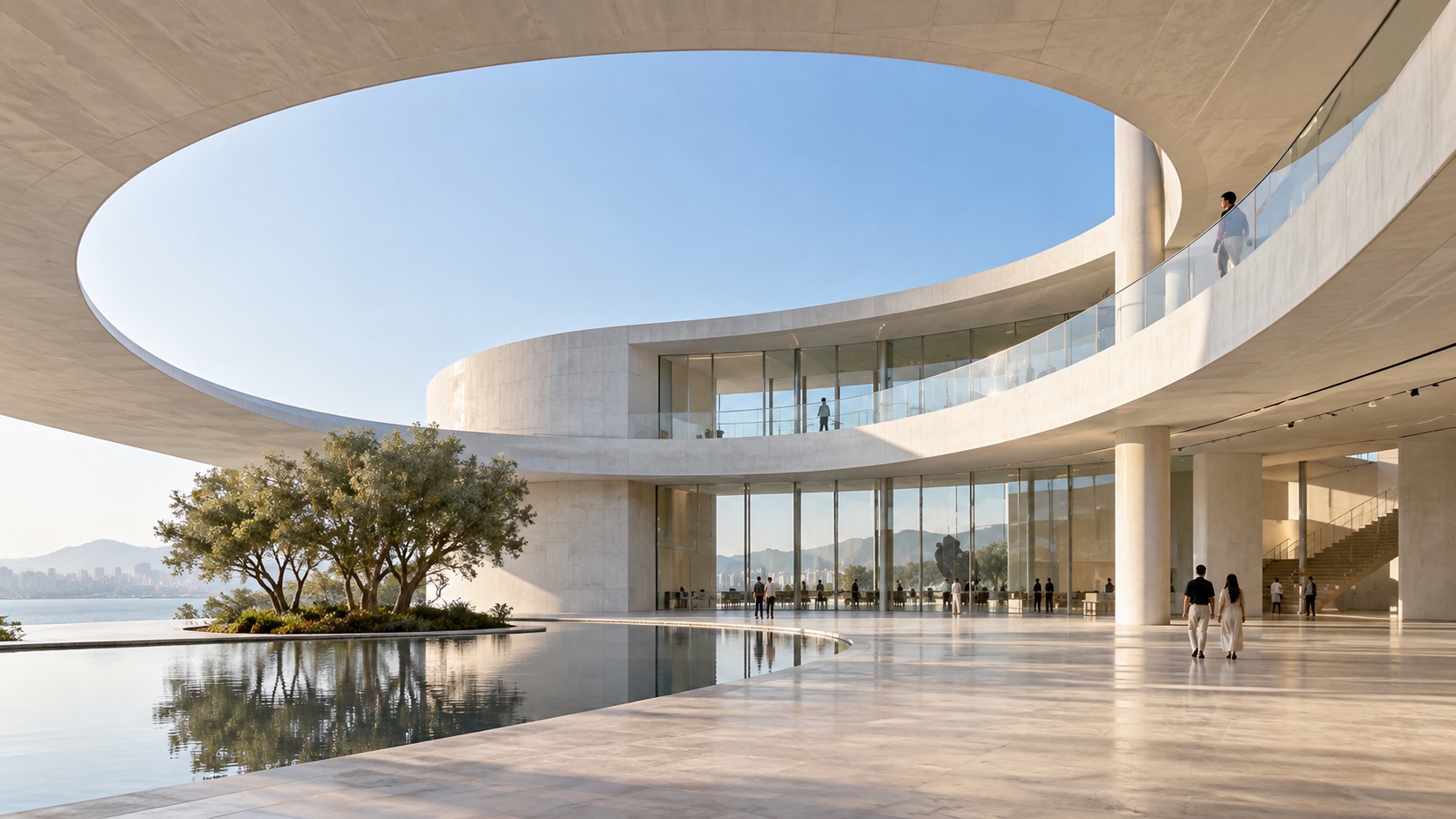
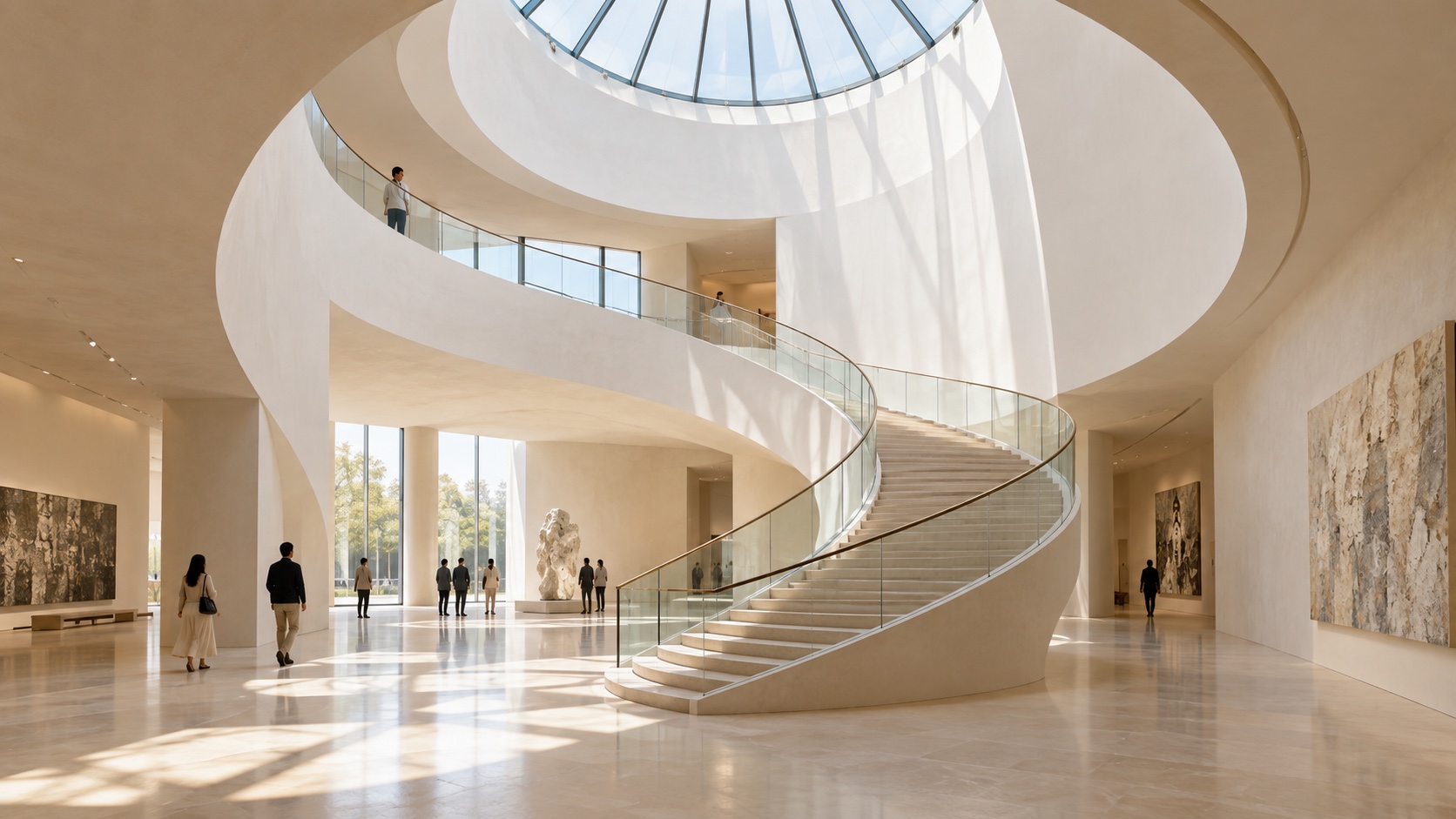
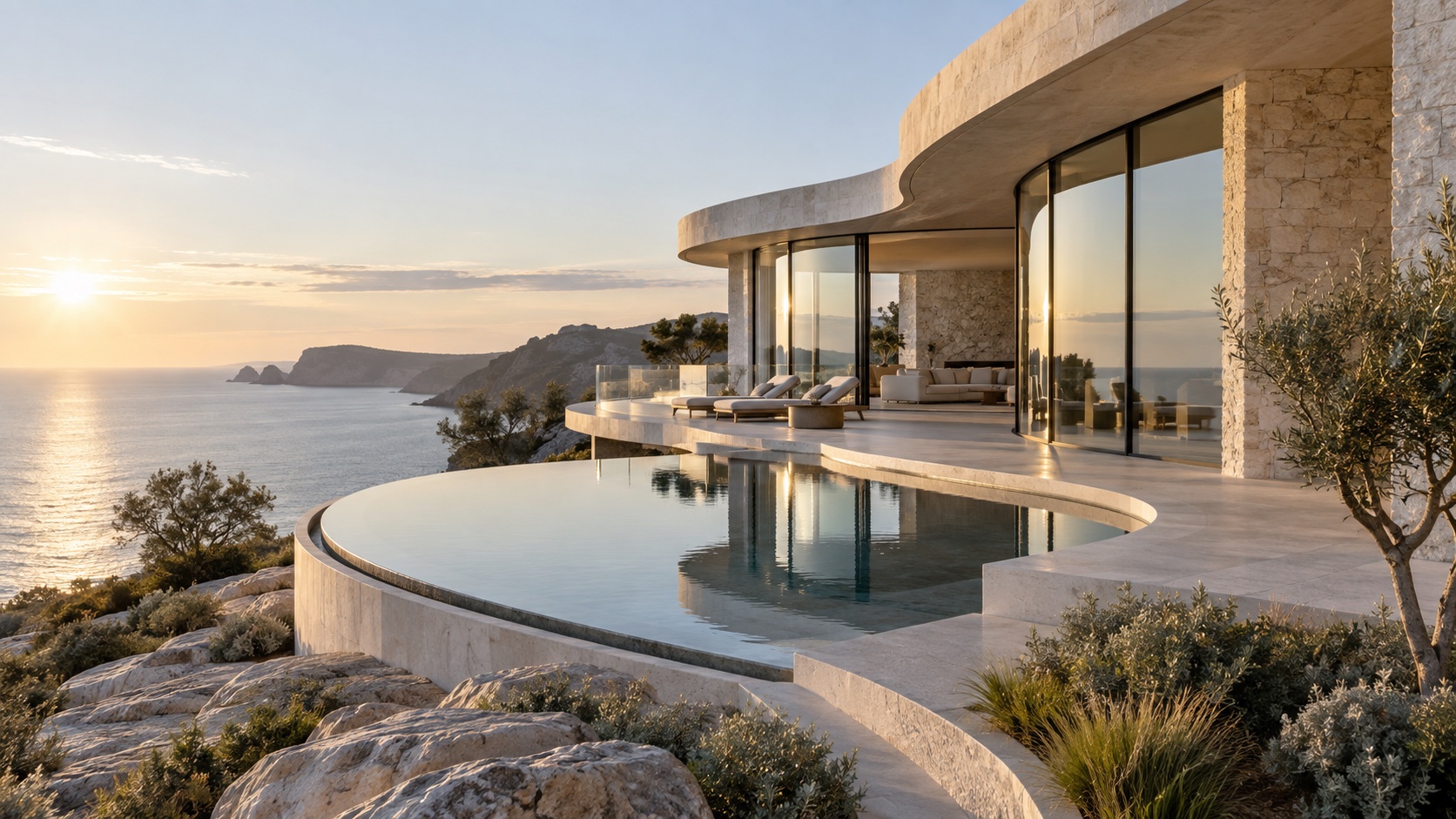
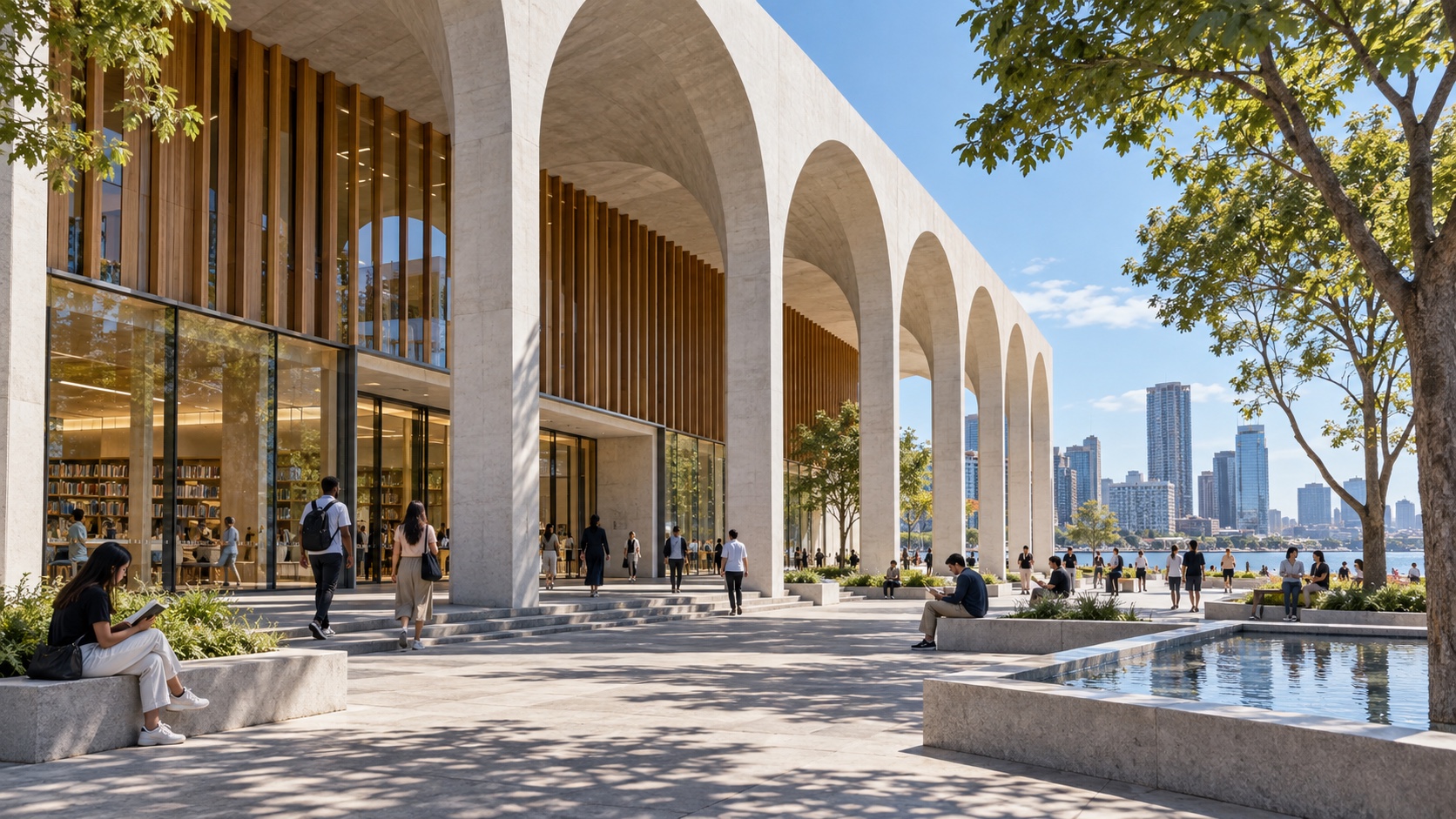
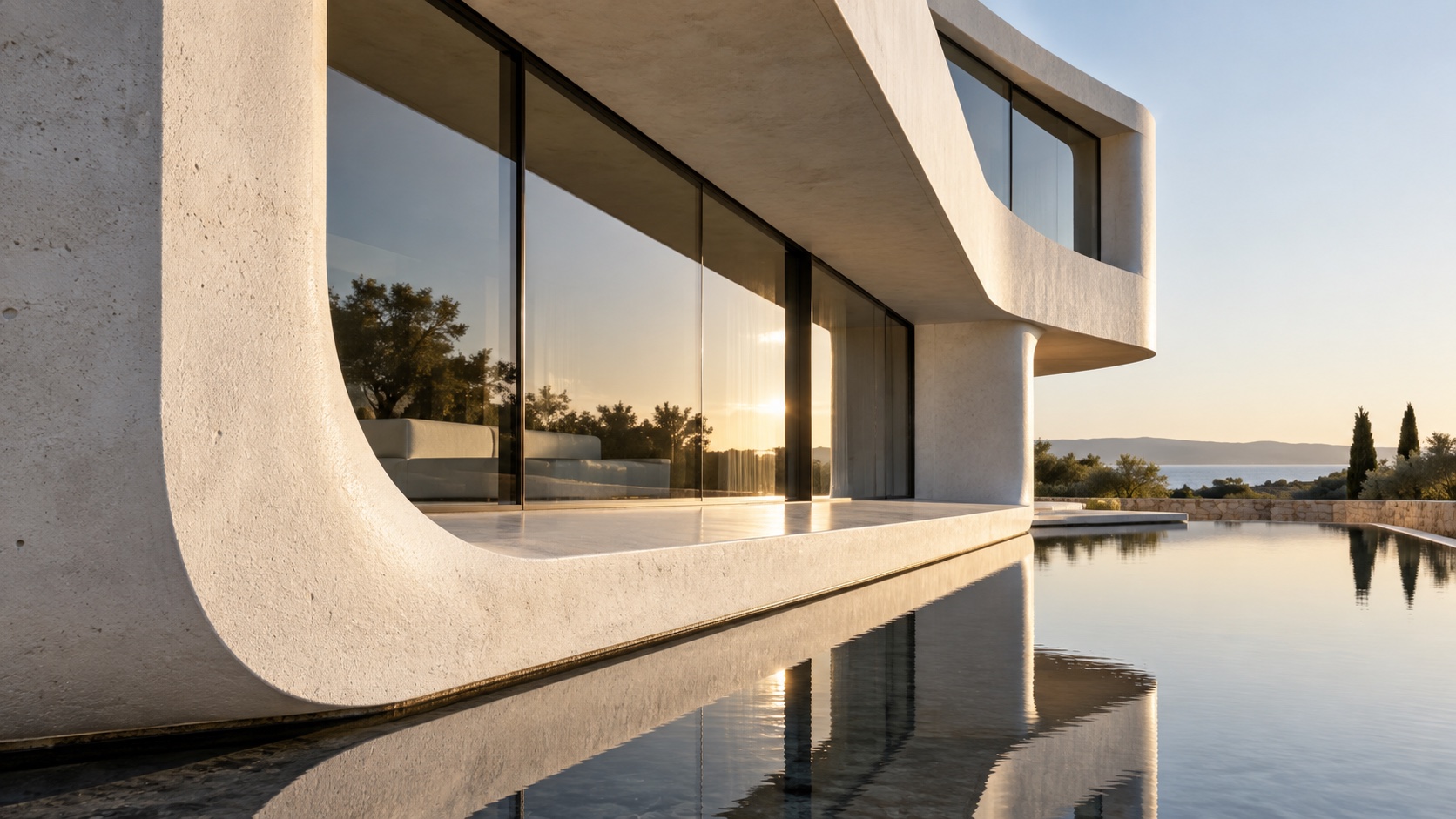
What it is, when it works, who it is for, and where it already exists.
Record 020-AR - when it works, who it is for, what it looks like
Where this aesthetic shows up in the real world · ↗ opens the source site
Where Architecture came from, what makes it recognisable, and the fingerprint it leaves.
10,000 BCE–present · Universal; all human cultures; the oldest design discipline
Architecture is the art and science of designing buildings and other constructed environments: the oldest design discipline, practiced in every human culture since permanent settlement. Unlike other arts, architecture is unavoidable: you cannot choose not to be in buildings. This necessity makes architectural aesthetic particularly powerful: the visual language of space, material, and structure shapes human experience at the most fundamental level.
Architectural history is the record of how different cultures have organized space, selected and deployed materials, and expressed values through built form. The great architectural traditions each developed distinctive visual aesthetics: Egyptian monumentality (post-and-lintel at vast scale, stone permanence), Greek rationalism (the mathematical proportions of classical orders), Gothic verticality (pointed arch, flying buttress, light through glass), Renaissance humanism (Vitruvius revived, the dome as crown), and the radical rupture of 20th-century modernism (form follows function, truth to materials, machine aesthetics).
Contemporary architecture is not a single aesthetic but a contested field of multiple coexisting approaches: high-tech structural expressionism, computational parametricism, biophilic design, new traditionalism, sustainable-led design, and the continuing influence of the modernist legacy. Understanding architectural aesthetics means understanding how built form expresses cultural values: which makes it essential context for any designer working at the intersection of space, material, and meaning.
“The art form you cannot avoid entering.
The visual DNA: what makes it recognisable
8-channel console with the fingerprint on its display. Save the card, or share the page

4 color interpretations of this aesthetic
The colour of the styles sitting closest to this one
How to shoot it, how to prompt it, and how to board it.
How to shoot this aesthetic
"Space as protagonist: the built environment photographed with the precision it deserves"
Shot list
Lighting
Pre-dawn or overcast for exteriors to eliminate harsh shadows on facades; interiors use the building's own lighting augmented by minimal supplementary sources placed out of frame
Drop this into Studio to generate in this aesthetic
Architectural photography with precise geometric composition, dramatic natural or artificial lighting across facade and structure, wide-angle or tilt-shift perspective correction, material and texture detail in glass, concrete, and steel, building as sculptural subject
The record applied to your project. The record's kit is free; your brand, references and plates come with membership
01 · Hero application02 · Material and finish03 · Palette in context04 · Photography directionWhether to use it, what it costs to do properly, and where it stands right now.
Two written calls, seven meters, and when to walk away
The section is where the building is actually designed. A plan that photographs well can still be a corridor of dead space in three dimensions, and only the section shows it. Detail the junctions, because that is where water gets in and where the budget goes. Every movement already tried the obvious move, so the work is in resolution rather than gesture.
Right when reuse is on the table, because that is where the field has moved: the embodied carbon in an existing building usually outweighs anything a new one recovers through efficiency, which puts demolition under more scrutiny than any stylistic question. Retrofit and repair were once beneath design, and are increasingly treated as the design problem.
Real buildings, real materials. The most expensive canvas there is.
Every historical movement already tried the obvious moves.
Structure, light, and material all have to agree at full scale.
Bad buildings are permanent and impossible to hide.
Built environment is the one aesthetic nobody can avoid.
Outlasts every trend by design. Buildings stand for decades.
The most expensive, most permanent commitment on this list.
A Pro feature: origins, practitioners, and pitfalls
Neighbours, cross-references, blends, and the questions people ask.
Connected across the creative knowledge graph
Where it stands now, and what it costs you to use it
Architecture's central issue right now is carbon, and it has reordered the profession's priorities more than any stylistic argument in decades.
The embodied carbon in an existing building usually outweighs anything a new one can recover through efficiency, which makes demolition the decision under most scrutiny.
That has raised the standing of reuse, retrofit and repair, work the profession historically treated as beneath design and now increasingly treats as the design problem.
Mix Architecture with any style in the library
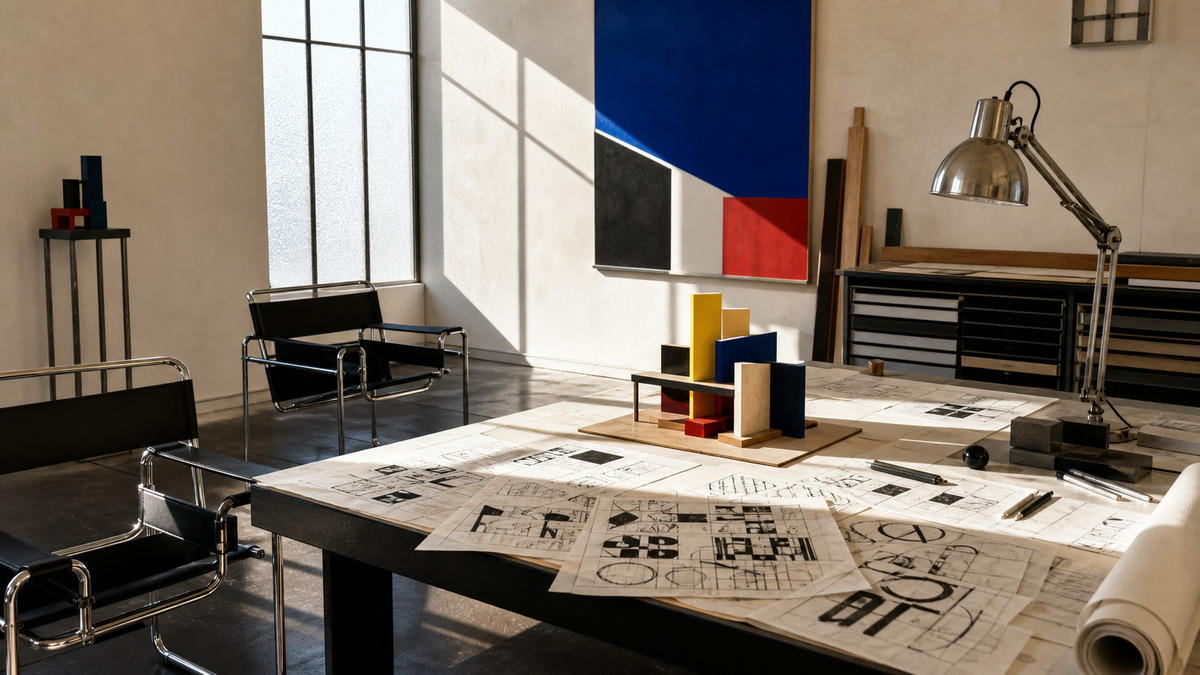 Architecture 50%Bauhaus 50%
Merged palette
#1A1814
#000000
#2C2A28
#E8291C
#8A8680
Leads structured, geometric, minimal
Typography · from Architecture
IBM Plex Sans over IBM Plex Mono
Materials
Use it
Architectural photography with precise geometric composition, dramatic natural or artificial lighting across facade and structure, wide-angle or tilt-shift perspective correction, material and texture detail in glass, concrete, and steel, building as sculptural subject (50%), infused with Bauhaus design aesthetic with bold primary-color contrast, geometric shapes, functional art principles, Kandinsky-influenced composition, color palette strictly #1A1814 #000000 #2C2A28 #E8291C #8A8680, overall character: structured, geometric, minimal
Architecture aesthetic encompasses the complete spectrum of built form: raw concrete modernism (#948E84), brick vernacular tradition (#C07048), glass curtain wall transparency (#E8F0F8), marble classical permanence (#F5F2EE). Each architectural tradition expresses different values through material choice, structural system, and spatial organization. From Egyptian monumentality to Gothic verticality to Zaha Hadid's computational parametricism: architecture is the design discipline that shapes unavoidable human experience.
Classical (Greek and Roman: column, pediment, mathematical proportion), Gothic (pointed arch, flying buttress, verticality and light), Renaissance/Baroque (dome, symmetry, spatial drama), Arts and Crafts (truth to materials, craftsmanship, vernacular reference), Modernism (form follows function, machine aesthetic, glass and steel), Brutalism (raw concrete, structure exposed), High-Tech (systems and services expressed), Postmodernism (historical quotation and irony), Parametricism (computational form, organic complexity).
Architecture's influence on design: spatial thinking (the experience of moving through a designed environment: now applied to UX and wayfinding), structural honesty as a value (products and interfaces that show how they work), material vocabulary (concrete, steel, glass, timber: each carrying architectural associations into product and interior design), and the complete design systems approach (buildings require coordination across structure, mechanical, electrical, interior, landscape: architecture developed systems thinking before software did).
Every style in the library is broken down like this one: the palette, the typography, the materials and the lineage.
Explore the style library →