When to use it
- Editorial and journalism
- Portfolio and showcase work
- Documentary projects
- Commercial photography
Professional photographic images capturing real-world subjects and scenes
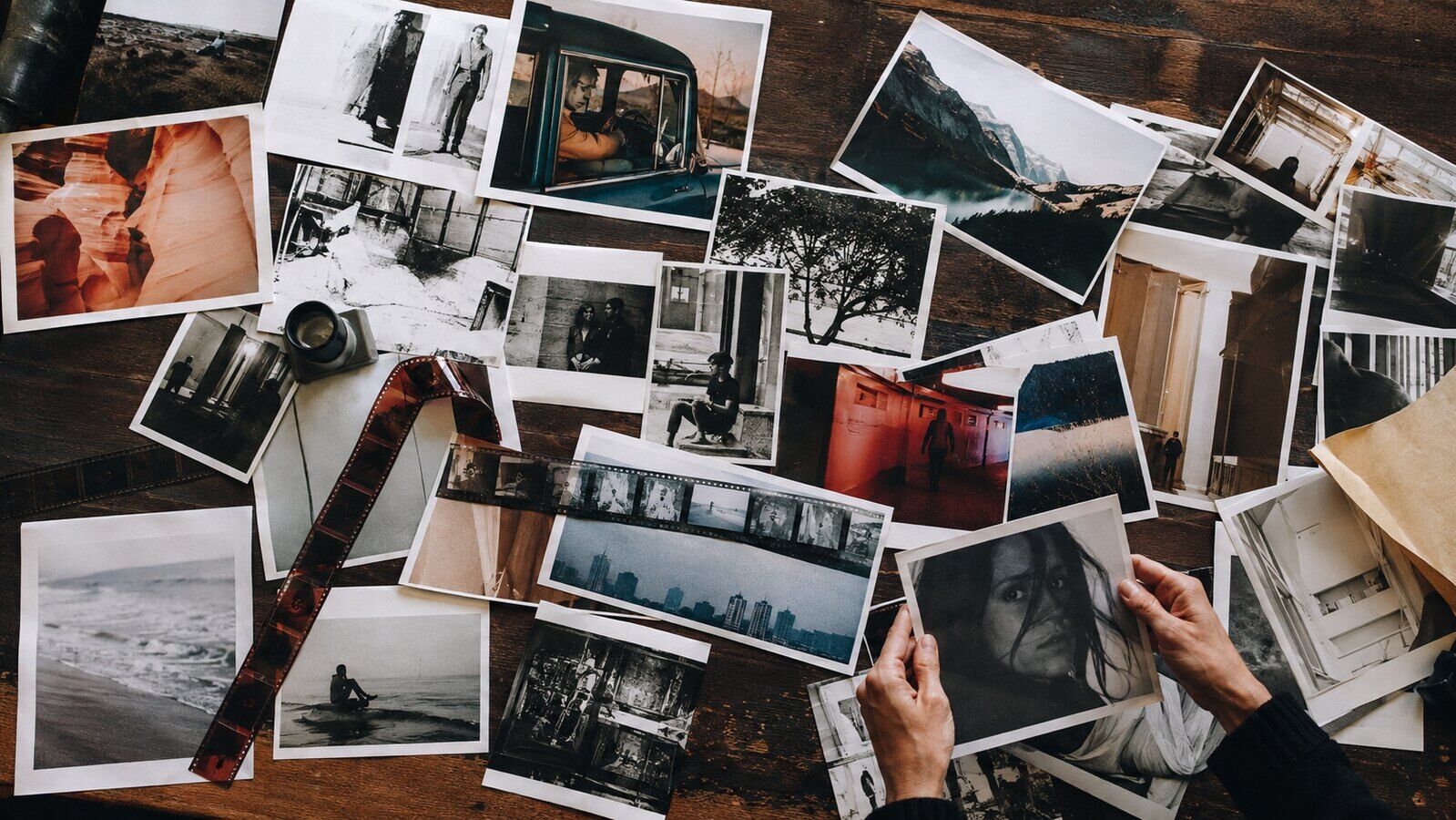
What it is, when it works, who it is for, and where it already exists.
Record 035-PH - when it works, who it is for, what it looks like
Where this aesthetic shows up in the real world · ↗ opens the source site
Where Photography came from, what makes it recognisable, and the fingerprint it leaves.
1839–present · France (Daguerre); developed globally through documentary and art traditions
Photography was invented in 1839 (Daguerre's daguerreotype and Talbot's calotype independently), and immediately confronted the fine art world with a question that took 80 years to settle: could mechanical image-making be art? The Pictorialist movement (1886–1914) argued yes, by emulating painting's compositional and tonal qualities through soft-focus lenses and darkroom manipulation. The Straight Photography movement (Alfred Stieglitz, Paul Strand, Edward Weston) then argued the opposite: photography's power came precisely from its mechanical precision, which painting could not achieve. This debate shaped all subsequent photographic aesthetics.
Documentary and photojournalism photography developed a distinctive aesthetic from the 1930s onward: small-format cameras (Leica 35mm), fast film that allowed shooting in available light, and a compositional philosophy that favored the decisive moment (Henri Cartier-Bresson's term): the split-second when the geometric elements of a scene and its human action aligned perfectly. The aesthetic is black-and-white, grain-visible, and formally rigorous despite appearing spontaneous.
Contemporary photography aesthetics are defined by color grading and processing choices as much as capture: the 'film preset' aesthetic (adding grain, halation, and specific color casts that mimic expired film stocks), the editorial fashion aesthetic (controlled studio light, perfect skin, fashion-specific retouching), and the documentary verité aesthetic (color casts from available light, natural grain, minimal processing) each communicate different claims about authenticity and intention.
“The camera as an instrument for seeing what the eye misses.
The visual DNA: what makes it recognisable
8-channel console with the fingerprint on its display. Save the card, or share the page

3 color interpretations of this aesthetic
The colour of the styles sitting closest to this one
How to shoot it, how to prompt it, and how to board it.
How to shoot this aesthetic
"The photograph about photography: the medium turning its eye on itself"
Shot list
Lighting
For portraits, use a classic Rembrandt setup (key at 45 degrees, 45 degrees above, fill at 1:3 ratio) the classical lighting standard references the history of portrait photography directly
Drop this into Studio to generate in this aesthetic
Fine art photography with intentional composition and considered light, full tonal range and sharp technical execution, decisive-moment or carefully staged image-making, gallery-print quality, an authored point of view over snapshot documentation
The record applied to your project. The record's kit is free; your brand, references and plates come with membership
01 · Hero applicationWhether to use it, what it costs to do properly, and where it stands right now.
Two written calls, seven meters, and when to walk away
Expose for the highlight and the rest is recoverable. A clipped highlight holds no data and never will, while shadows lift. Get it right in camera, because the grade only multiplies what it is handed. The frame is decided by where you stand, so moving your feet fixes more compositions than changing the lens ever does.
Commission it when being somewhere real is the point, because that is the half generation cannot replace. The squeeze has hit the generic end first, which is stock. Provenance now matters commercially: agencies, newsrooms and awards care about capture metadata in a way they did not five years ago, so the assumption that something was in front of the lens is the thing being defended.
Gear, locations, and often talent or styling on top.
Technical competence is common. A real eye for a moment is rarer.
Lighting and timing are craft, not luck.
Technical competence without a real eye reads as generic stock imagery.
The single most-used visual medium in commercial work.
The medium itself never dates, even as specific looks cycle.
Consistent direction across a shoot, not a whole environment.
A Pro feature: origins, practitioners, and pitfalls
Neighbours, cross-references, blends, and the questions people ask.
Connected across the creative knowledge graph
Where it stands now, and what it costs you to use it
Photography's authority came from the assumption that something was in front of the lens, and that assumption is the thing currently being lost rather than any particular technique.
The working consequence is provenance: agencies, newsrooms and awards now care about capture metadata in a way they did not five years ago.
Commercial photographers report the squeeze at the generic end first, since stock work is what generation replaces most easily. The end that requires being somewhere real has held.
Mix Photography with any style in the library
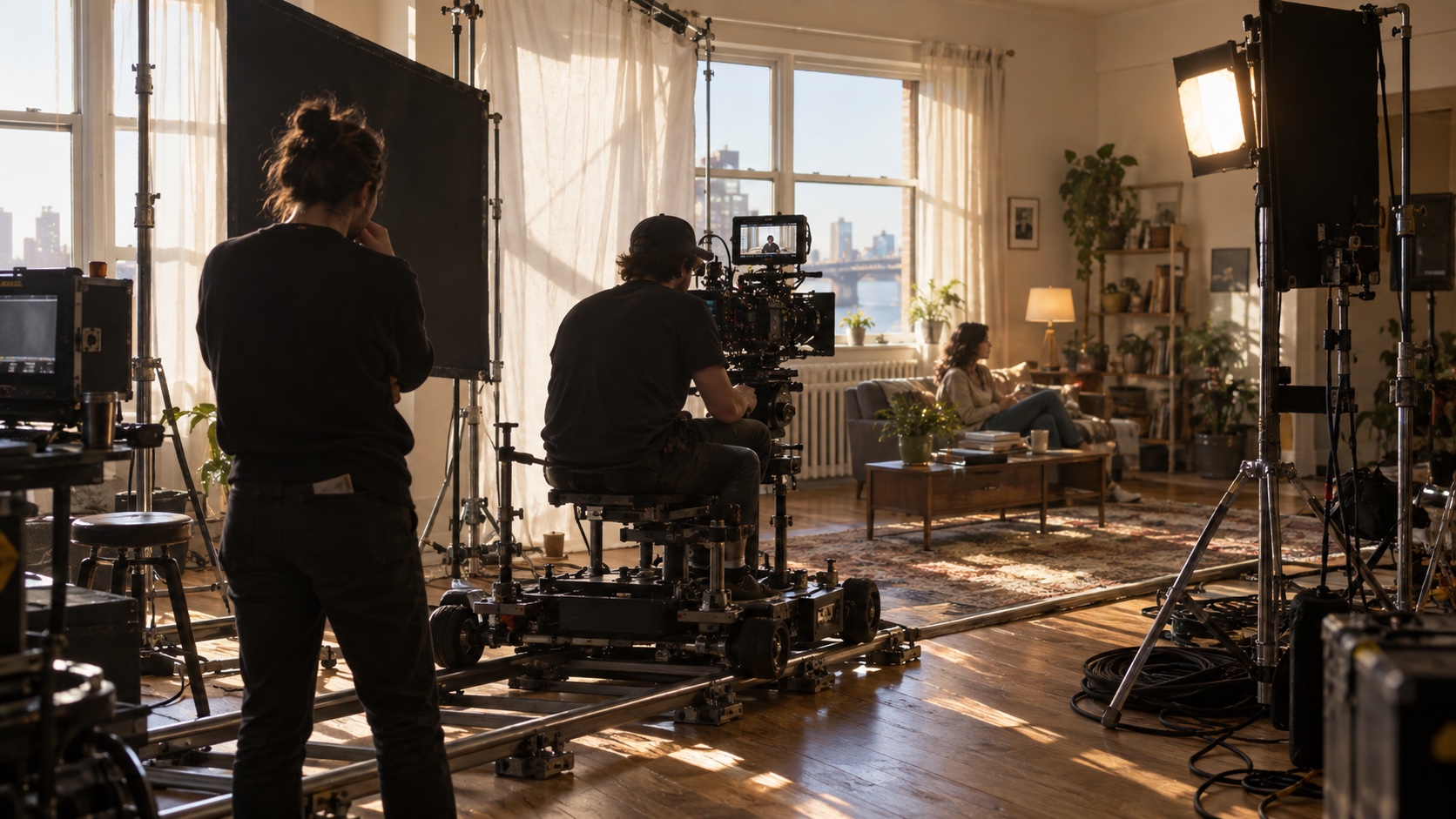 Photography 50%Cinematography 50%
Merged palette
#1C1A18
#0A0A0A
#4A4640
#8A8278
#4A3728
Leads digital, expressive, structured
Typography · from Photography
Cormorant Garamond over Lora
Materials
Use it
Fine art photography with intentional composition and considered light, full tonal range and sharp technical execution, decisive-moment or carefully staged image-making, gallery-print quality, an authored point of view over snapshot documentation (50%), infused with Cinematic composition with anamorphic lens character and shallow depth of field, deliberate color grading for mood, wide aspect-ratio framing, dramatic three-point lighting setup, film-still narrative tension, color palette strictly #1C1A18 #0A0A0A #4A4640 #8A8278 #4A3728, overall character: digital, expressive, structured
Photography aesthetics refers to the specific visual languages of photographic traditions: documentary's grain and available light; fashion's controlled studio light and retouching; fine art photography's precise tonal control; and contemporary film-preset aesthetics (color casts and grain emulating specific film stocks). Each communicates different values about authenticity, control, and observation.
Film photography aesthetic refers to the specific color and tonal qualities of photochemical film: slight grain, color casts specific to each film stock (Kodak Portra's warm skin, Fuji Velvia's saturated greens and blues, Ilford HP5's distinctive black and white tonality), and occasional artifacts like light leaks and halation around bright sources. These qualities are reproduced digitally through LUT presets and editing.
A photo preset is a saved set of editing adjustments applied to achieve a specific aesthetic consistently across many images. LUTs (Look-Up Tables) are the professional equivalent. Aesthetics use presets to establish a consistent visual identity across a body of work: all images shot with Kodak Portra will share its color signature, creating a unified look even across different locations, lighting, and subjects.
Every style in the library is broken down like this one: the palette, the typography, the materials and the lineage.
Explore the style library →