Forty-six architectural movements, taken apart.
Most colour libraries were built for screens and have nothing to say about concrete, terrazzo or weathered timber. This part of the library was built the other way round: movements with their real materials, their palettes, and what each one was arguing against.
Architects and interior designers
← All professions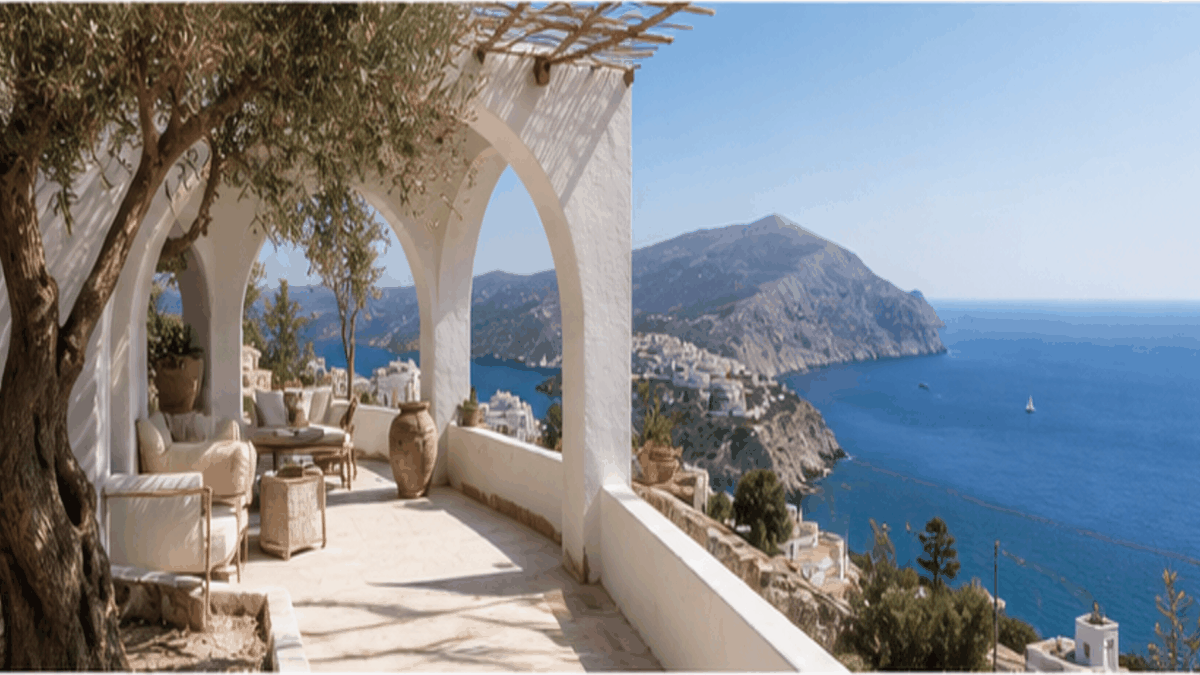
The surfaces a movement is actually made of, not an approximation in RGB.
02Forty-six architectural movements with their lineage and what they reacted to.
03Colour drawn from built work rather than from a screen.
Turn a dial and the library re-ranks itself. Leave one in the middle to ignore it.
The sun-logic of whitewash, thick walls, and shaded courtyards: Cycladic cube houses on Santorini, the inward-looking Moroccan riad, and the Alhambra's water gardens as the geometry of paradise.
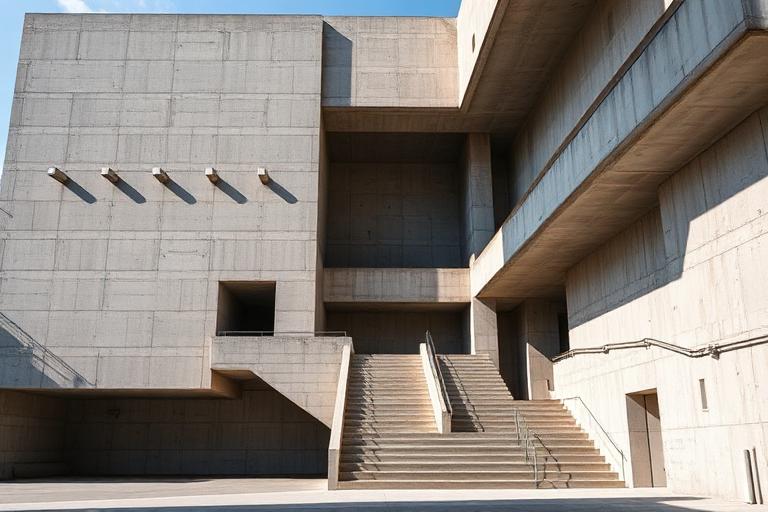
Exposed béton brut as a moral statement: raw concrete, monumental mass, and unapologetic structural honesty, from Le Corbusier's Unité d'Habitation to Paul Rudolph's Art and Architecture Building.
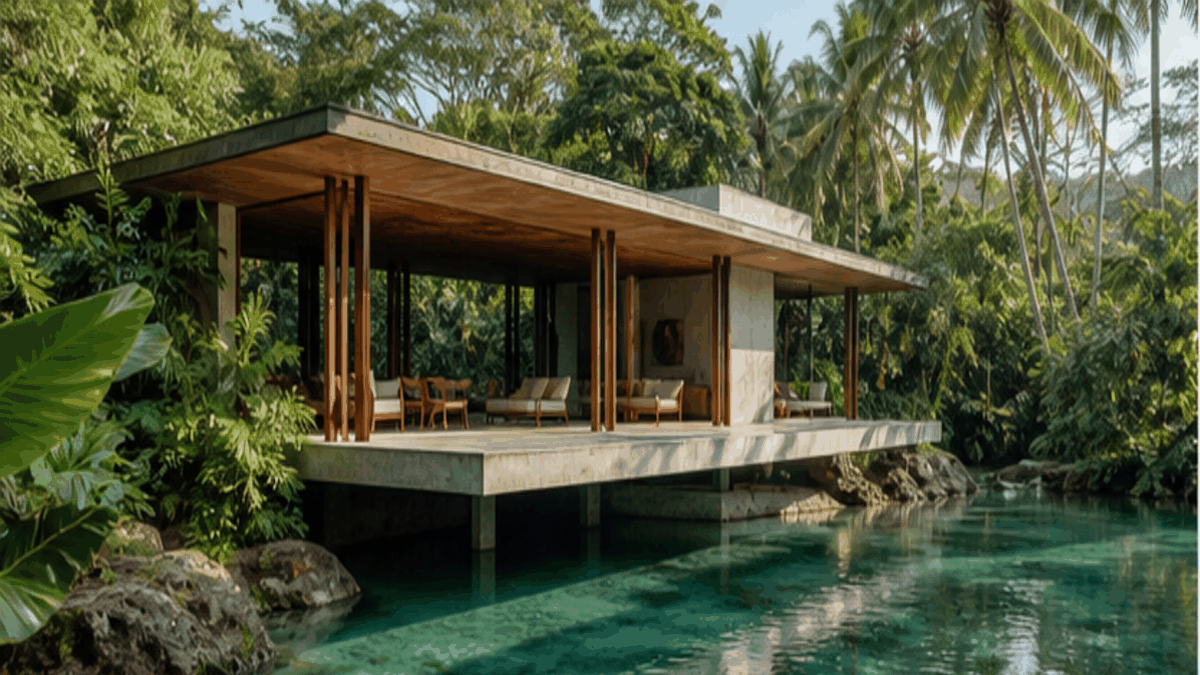
Modernism adapted to heat and monsoon: Geoffrey Bawa's Sri Lankan bungalows dissolving into the garden, Charles Correa's tube houses pulling breeze through the section, and the brise-soleil as both climate response and ornament.
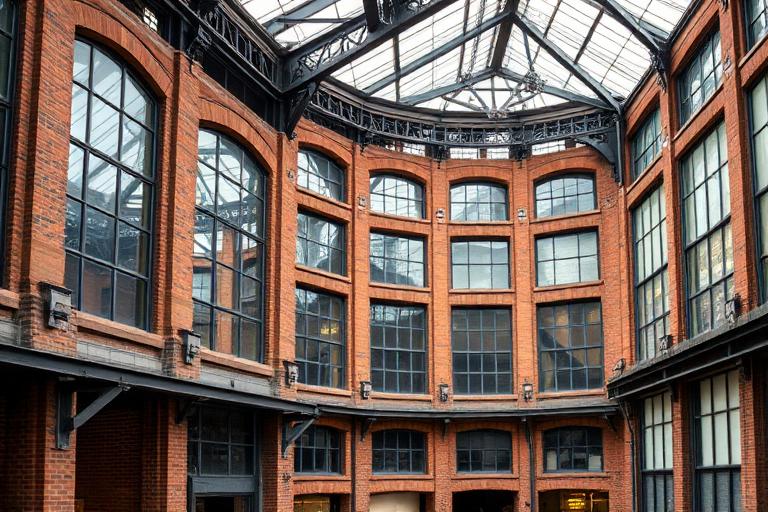
The existing building as the most sustainable material: Tate Modern's Bankside turbine hall, the High Line's elevated rail, and the discipline of reading what a structure wants to become next.
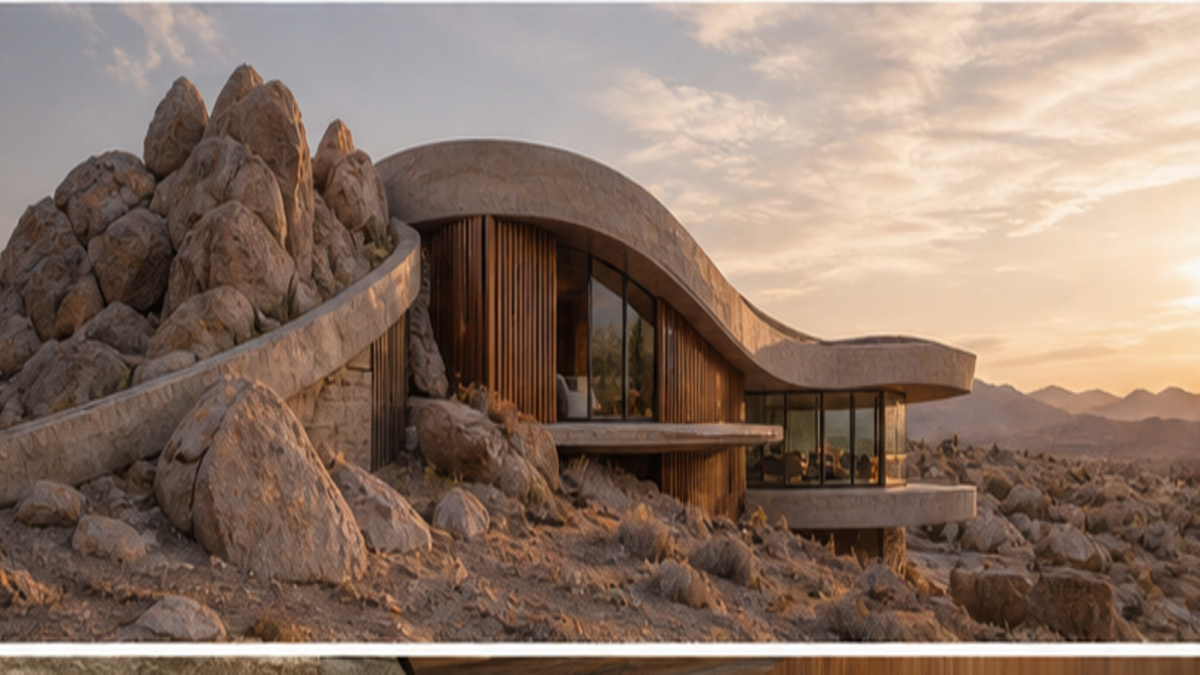
Frank Lloyd Wright's declaration that buildings should grow from their sites like natural organisms: Fallingwater cantilevered over a waterfall, the Guggenheim's continuous spiral, and nature as the only true client.
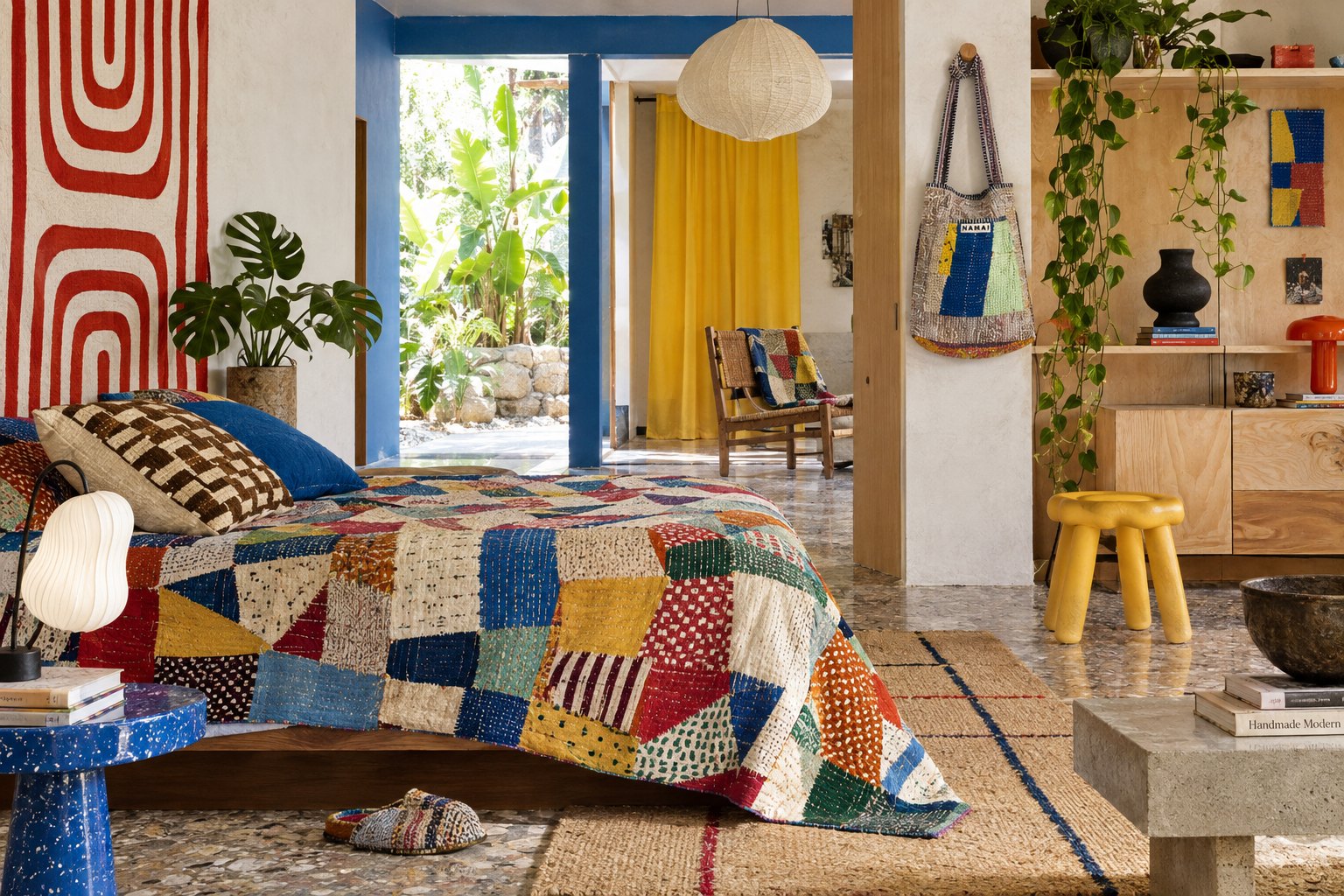
Modern form made by hand: simple shapes carried by oiled wood, stoneware, paper lanterns and hand-stitched patchwork in blocks of cobalt, mustard, tomato red and olive. The postwar studio craft movement's argument, that a modern object can still show the hand that made it, back at the centre of interiors, fashion and product design.