Shot lists, not mood boards.
A reference image tells you what somebody else already shot. A shot list tells you what to do on the day: the light, the lens, the framing, the palette to grade toward. Nearly every style in the library carries one.
Photographers, directors and DOPs
← All professions
A shot list per style: light, lens, framing, and what to avoid.
02Start from the feeling the brief describes and work back to a look.
03The grade, as named colour you can hand to a colourist.
Turn a dial and the library re-ranks itself. Leave one in the middle to ignore it.
Fashion and culture photography made with a flash on the camera in a real place: a wide lens close to the subject, hard highlights, a shadow with an edge, colour at full volume. It reads as caught rather than staged, and it keeps the imperfections that prove it.
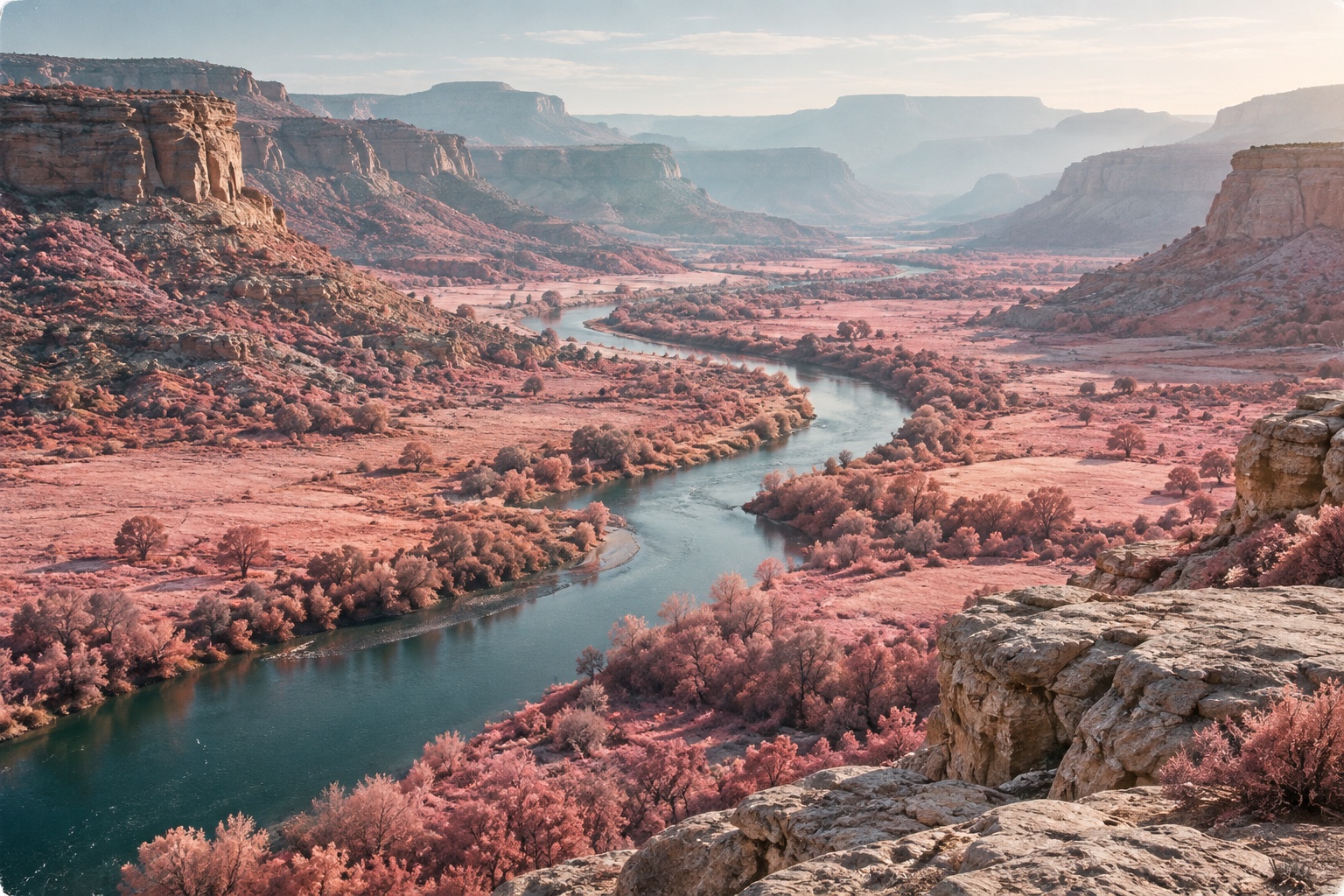
Landscapes photographed in light the eye cannot see, so that foliage turns blush pink, coral and vermilion while sky and water go cyan and teal. The optics, the weather and the detail stay real; only the colour has moved. Aerochrome and its digital descendants.
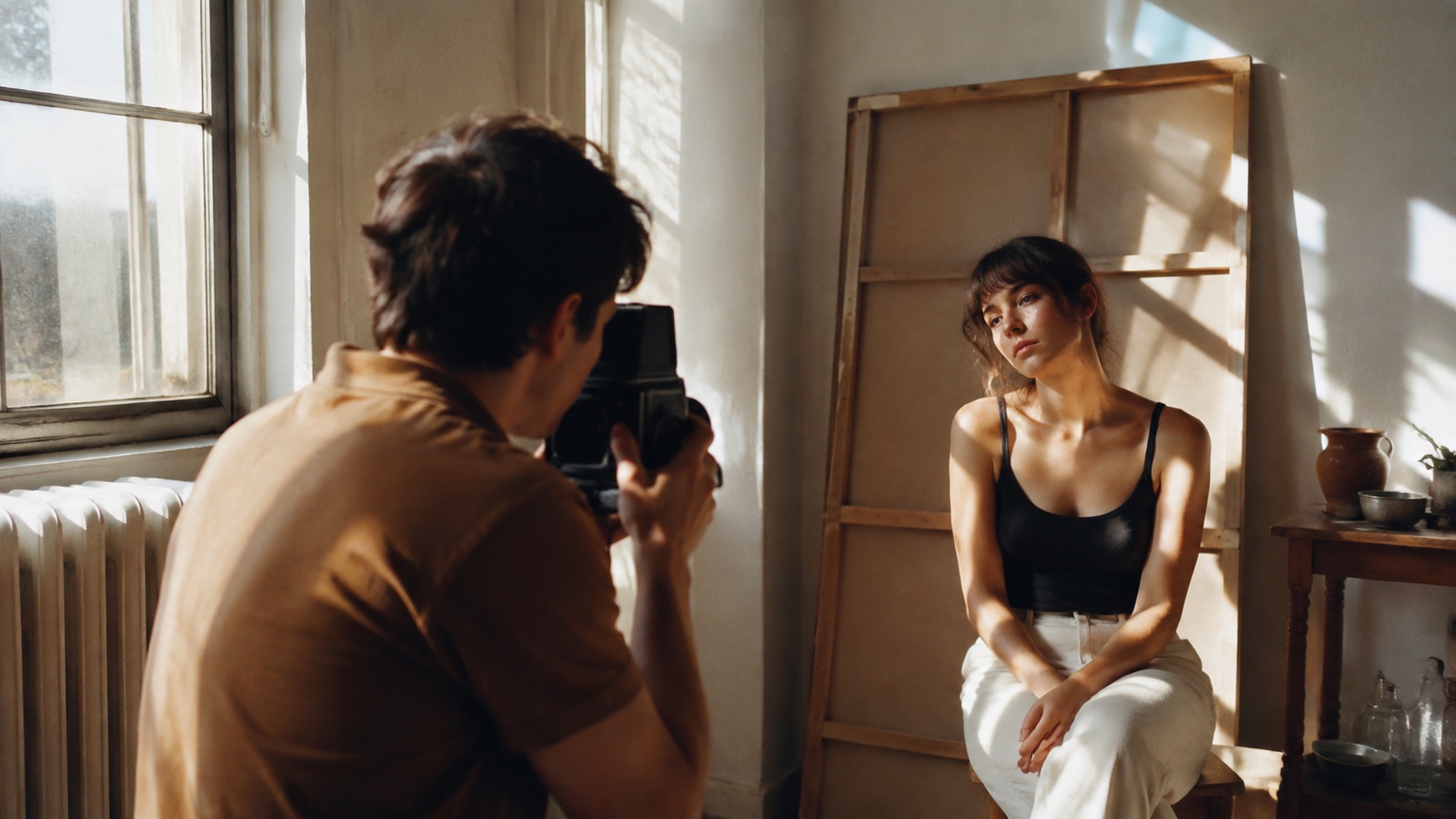
Film slows the image down: grain, imperfect exposure, contact sheets, and the darkroom become part of the result. Analog photography makes process visible without turning it into nostalgia.
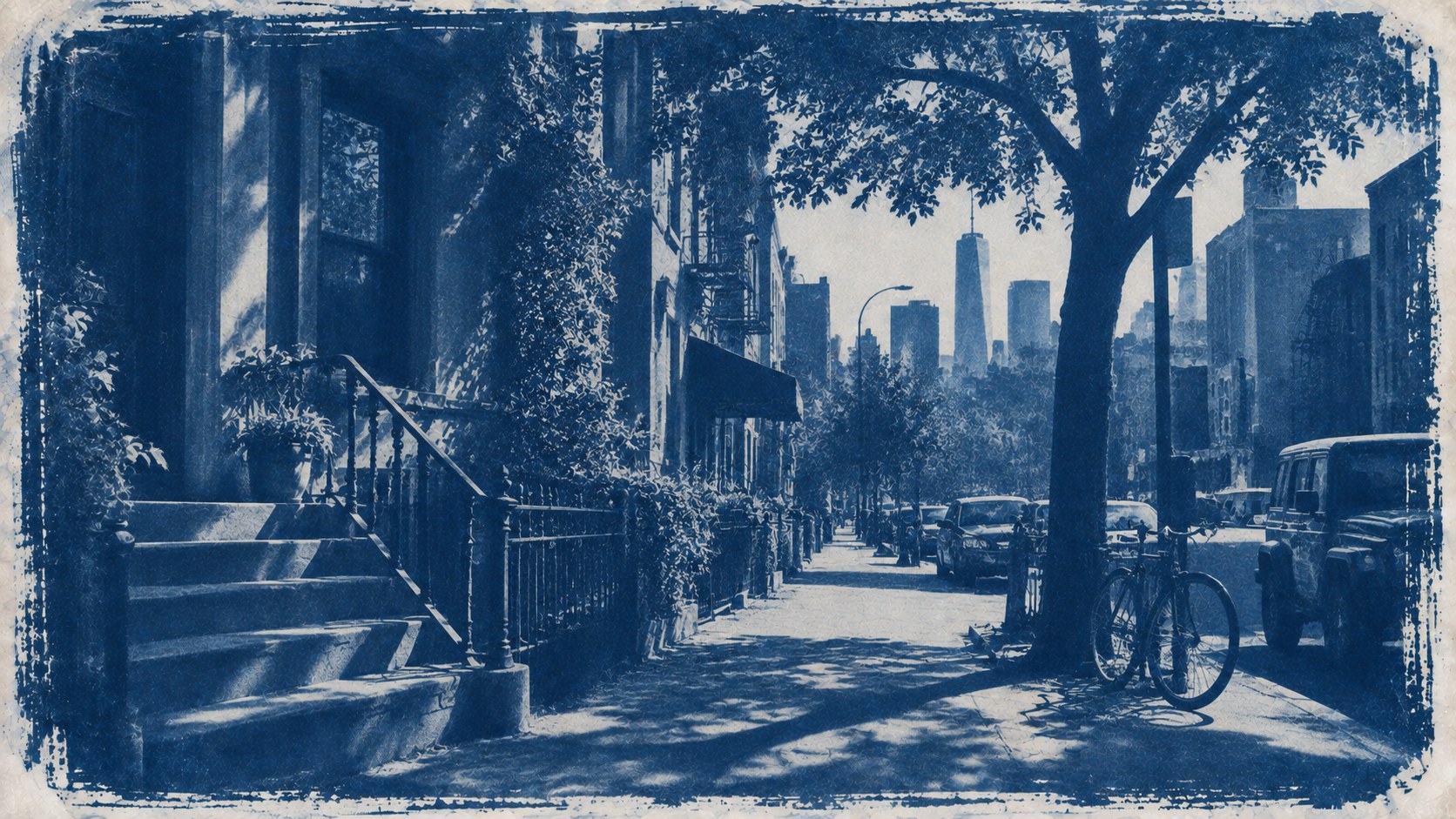
Photographs and photograms printed with iron salts and sunlight: Prussian blue grounds, white silhouettes of leaves, lace and bodies, brushed edges and the uneven coating of a hand-made print. Herschel's process of 1842, Anna Atkins's algae, and the colour the blueprint borrowed.
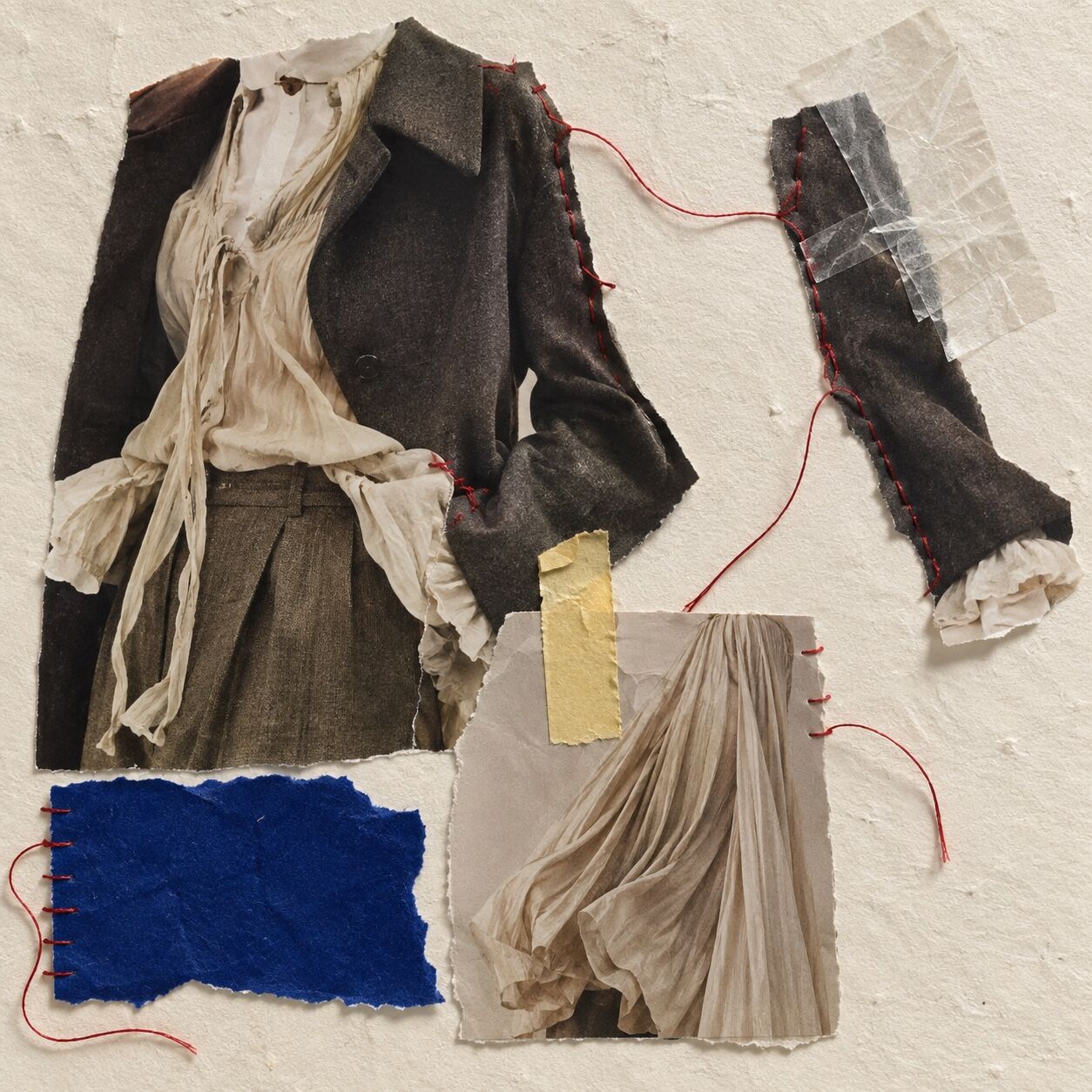
Assembled images held together in plain sight: photograph fragments, coloured paper, stitched thread, transparent tape, pins and hand-made joins. Tactile, patient and domestic but carefully art-directed, closer to a maker's worktable than to a scrapbook page.
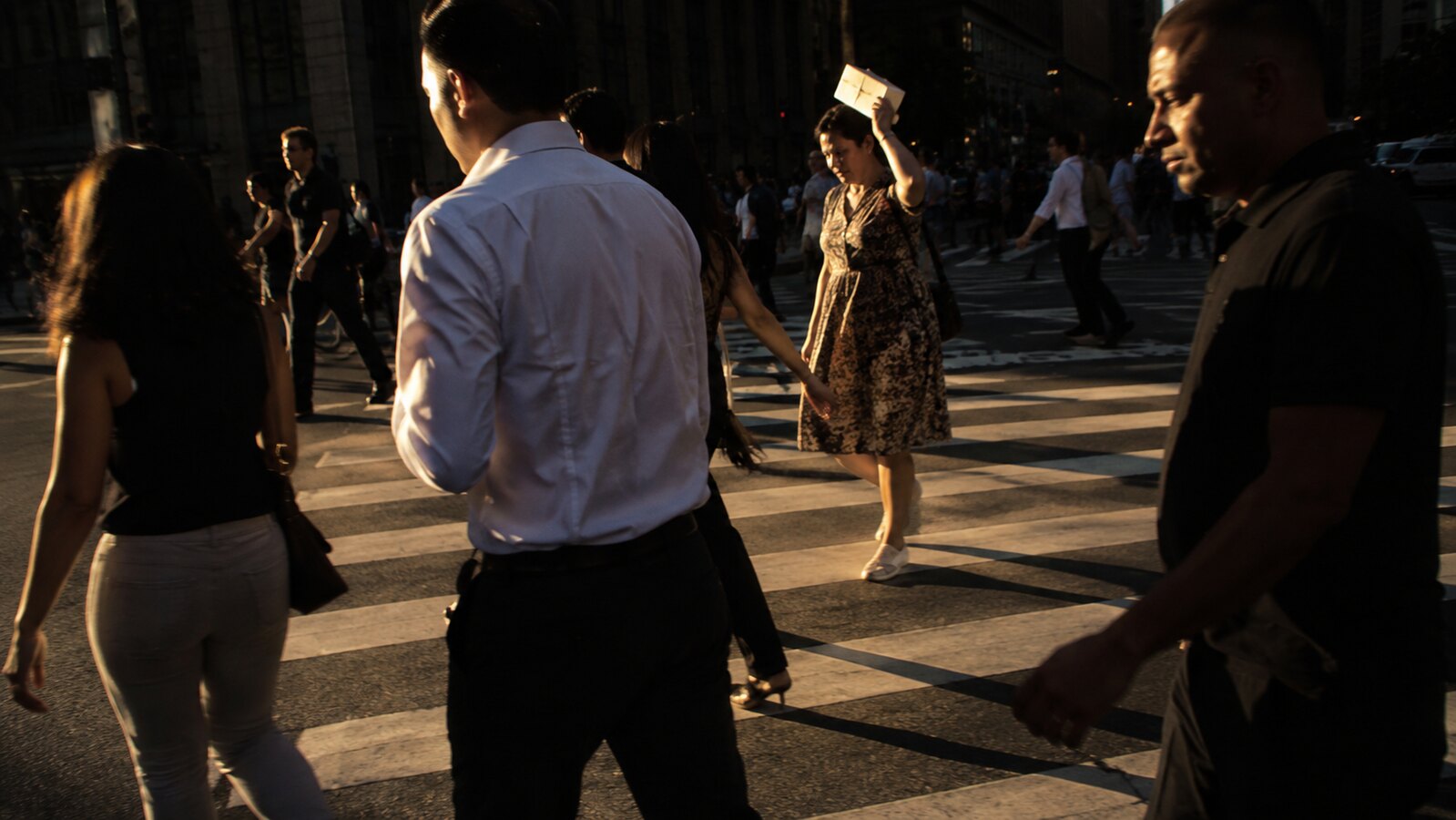
Cartier-Bresson found geometry in chance; Garry Winogrand made the crowd a live wire; Vivian Maier caught private worlds in public. Street photography works fast, close, and alert to the accidental theater of the city.