When to use it
- Avant-garde creative campaigns
- Conceptual editorial design
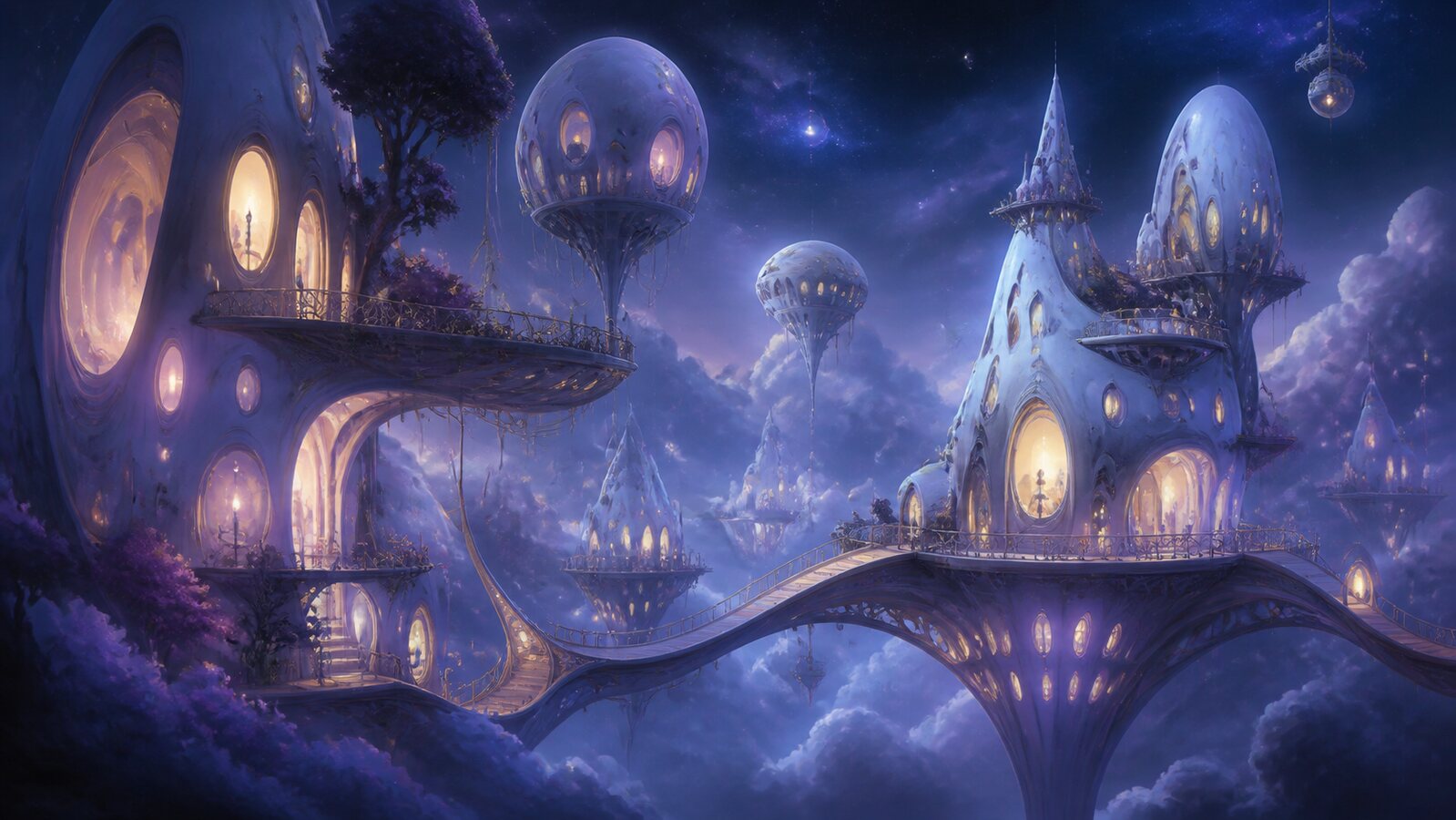
- Fantasy and sci-fi projects
- Thought-provoking installations
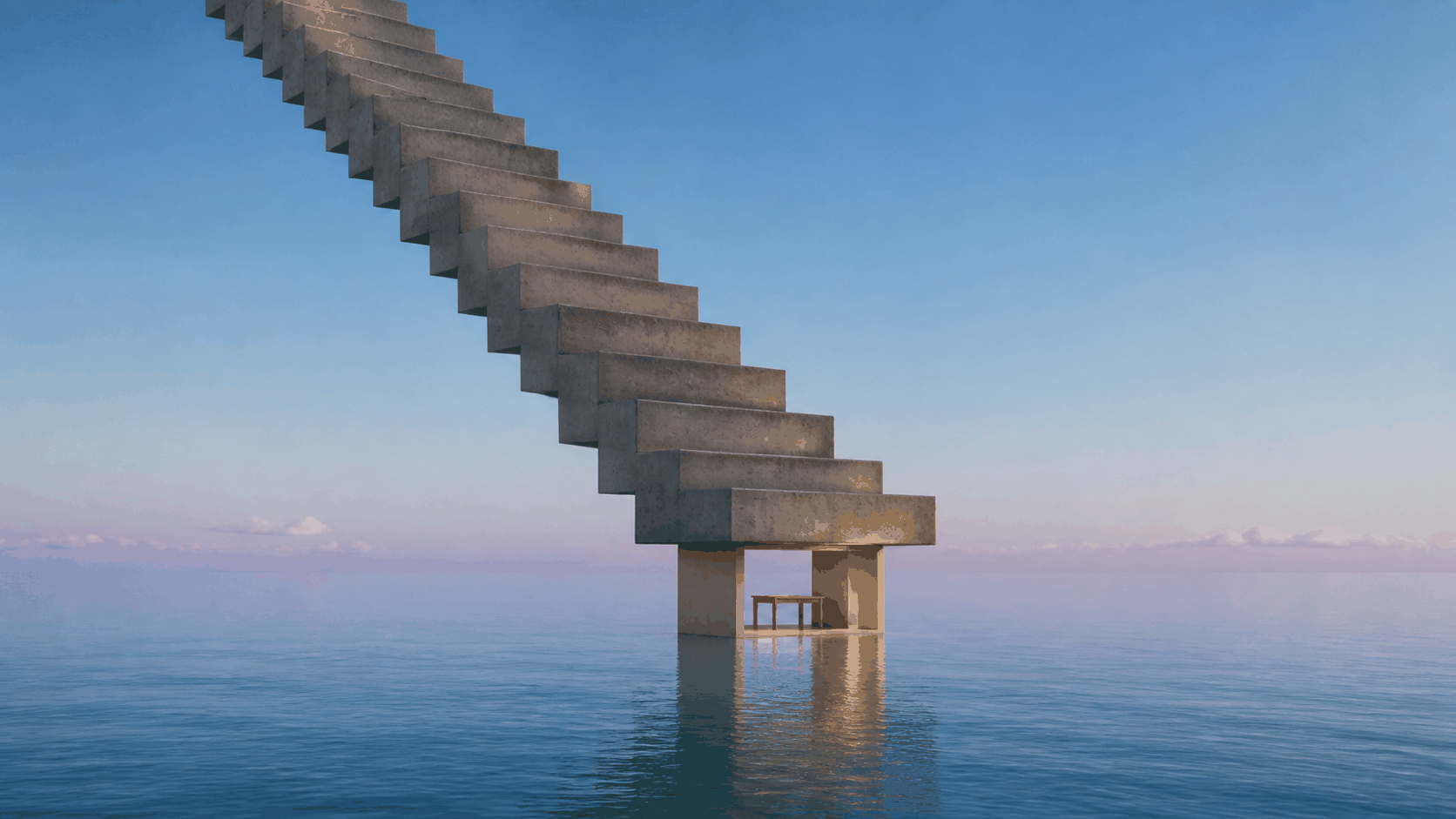
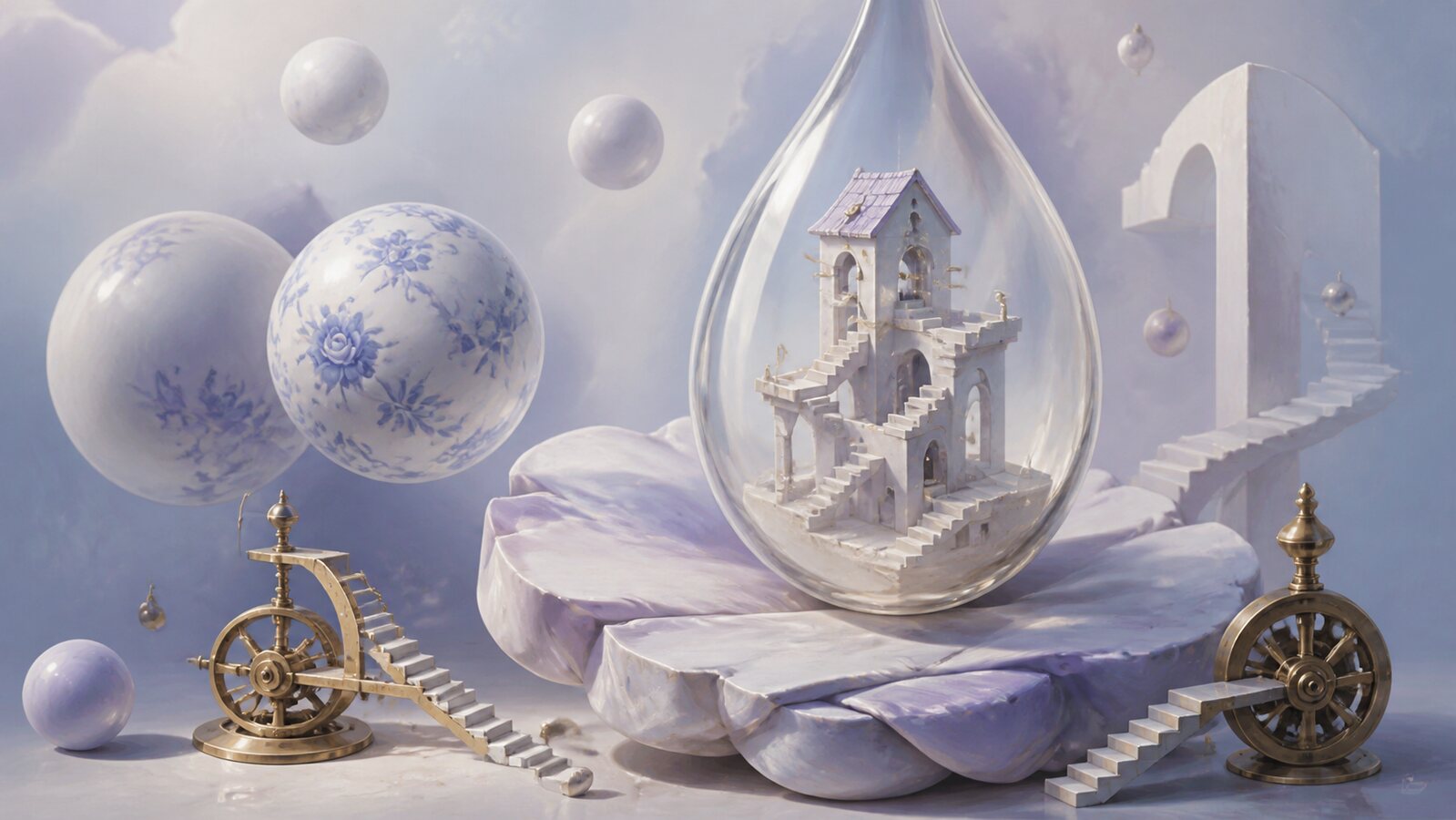
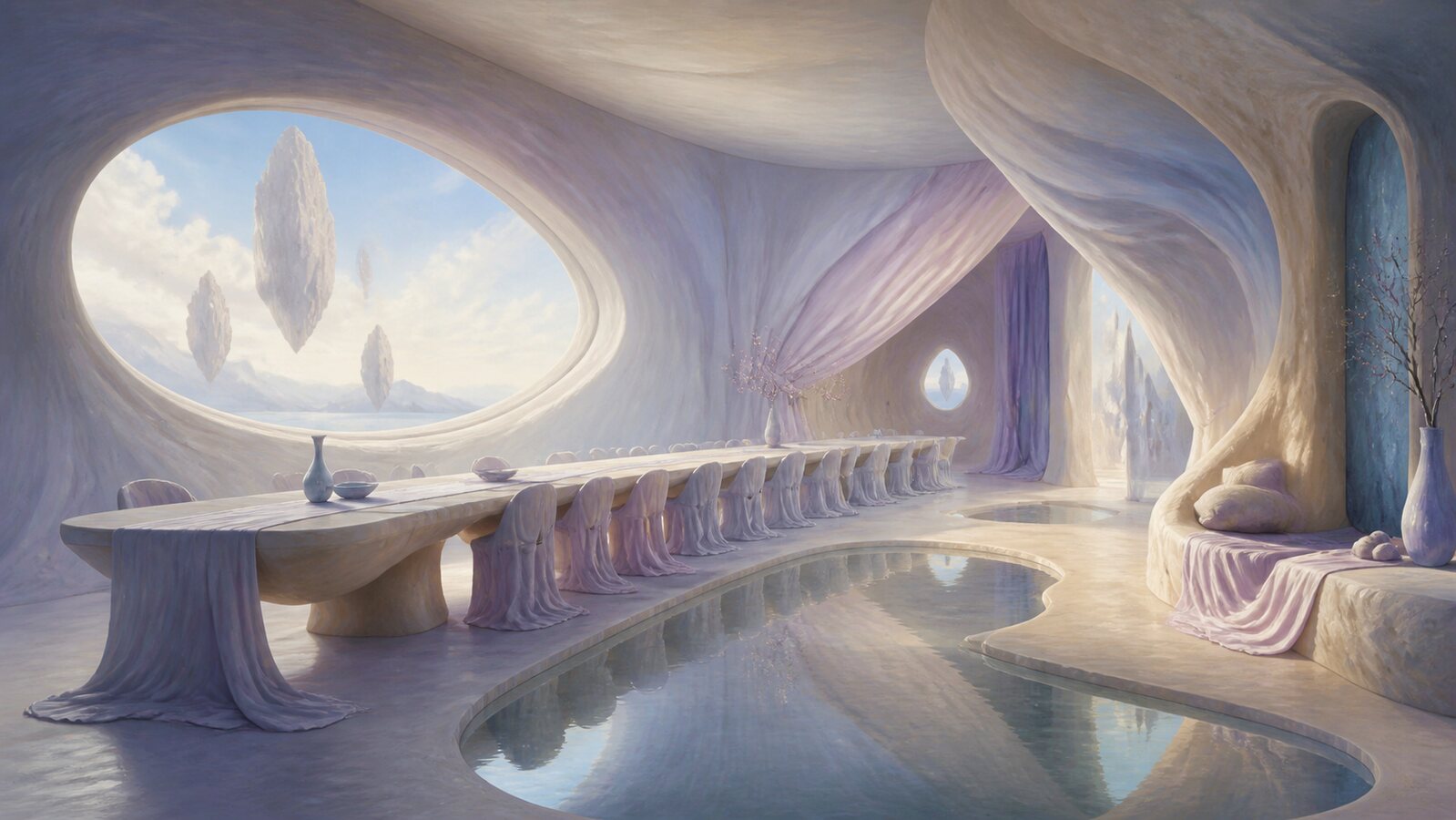
Dream-like imagery with unexpected juxtapositions and symbolism
Part of the Romance & Intimacy mood, alongside Dark Academia and Gothic. Began in the 1920s, on the style timeline.
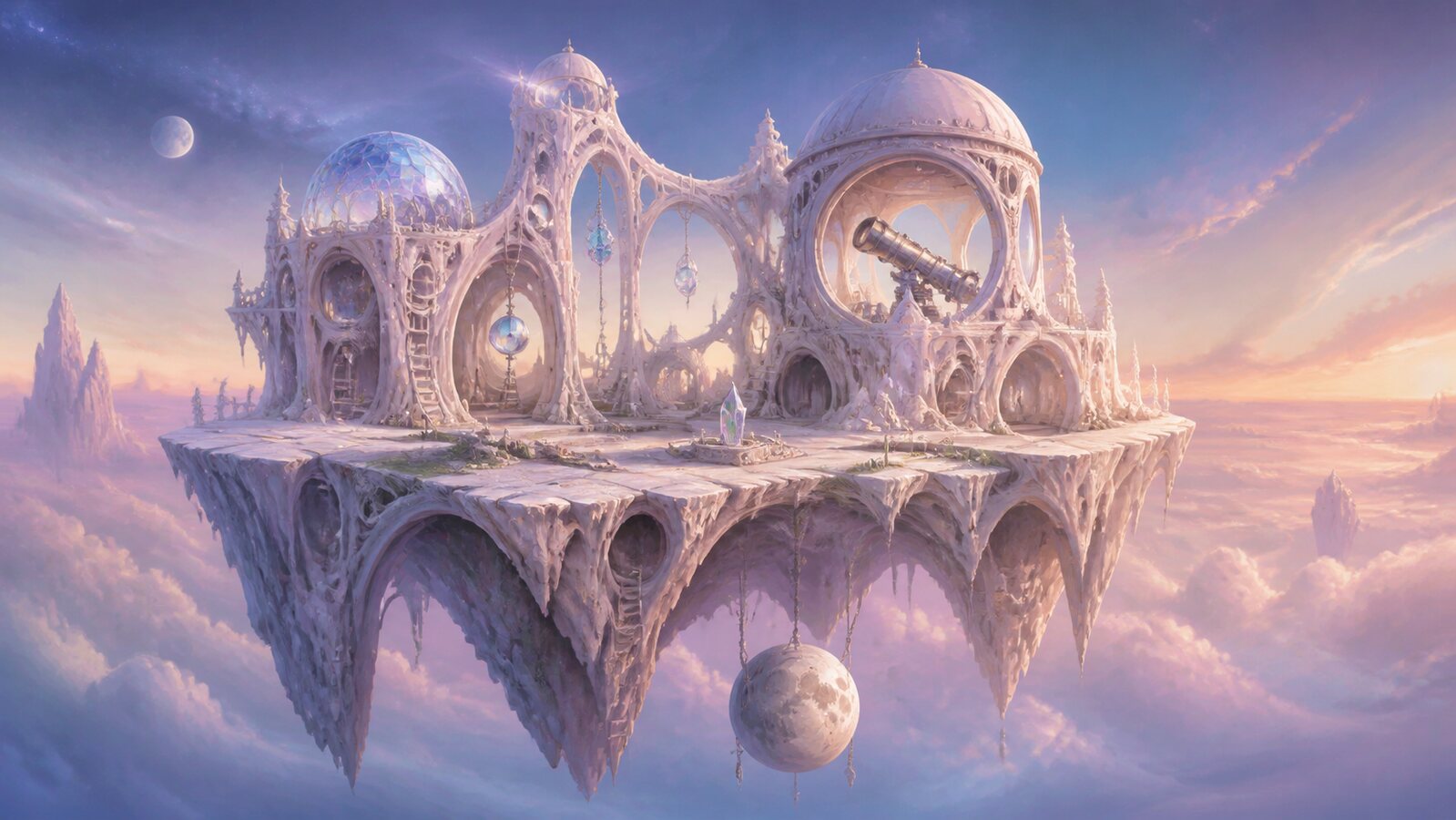
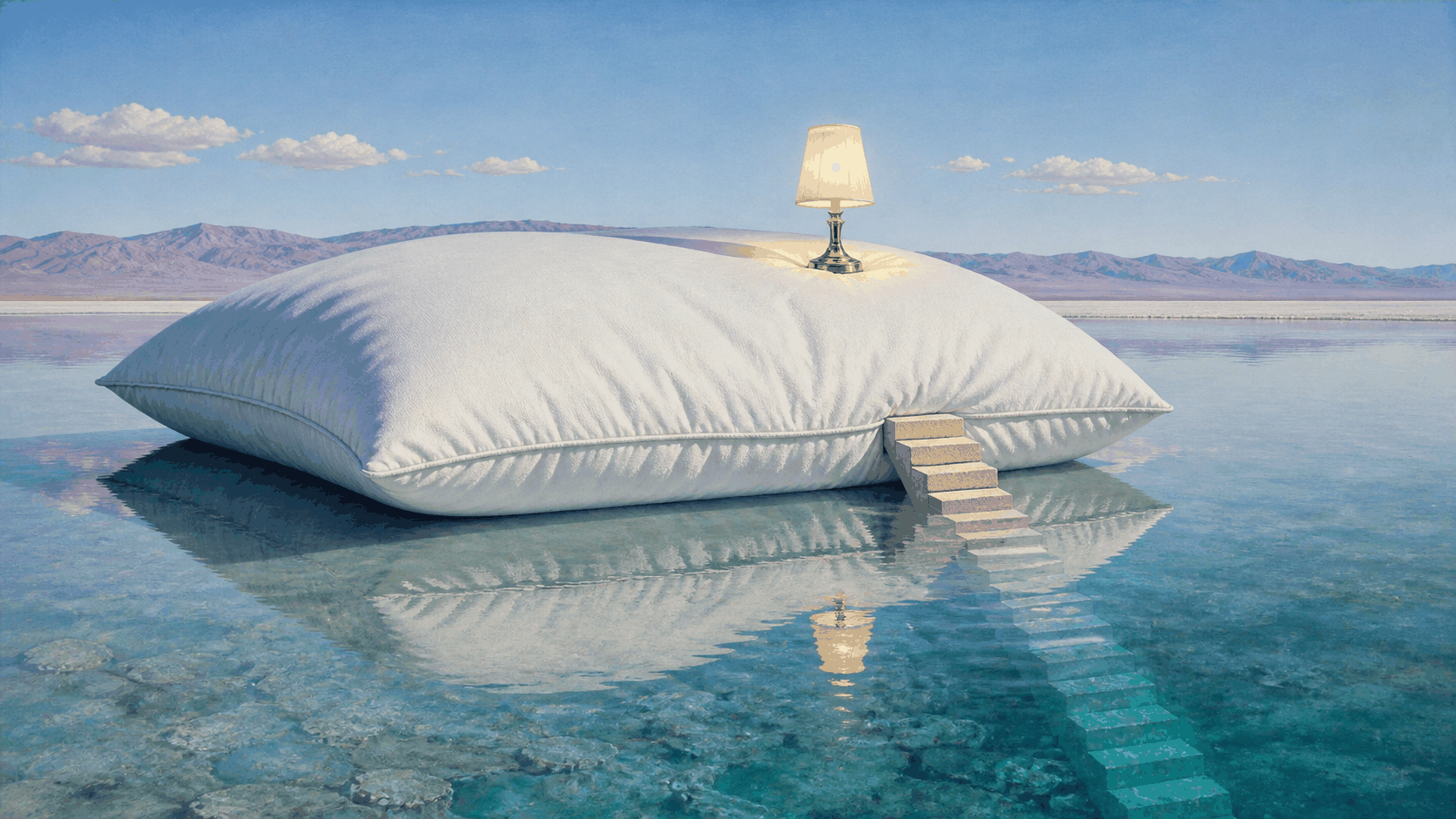
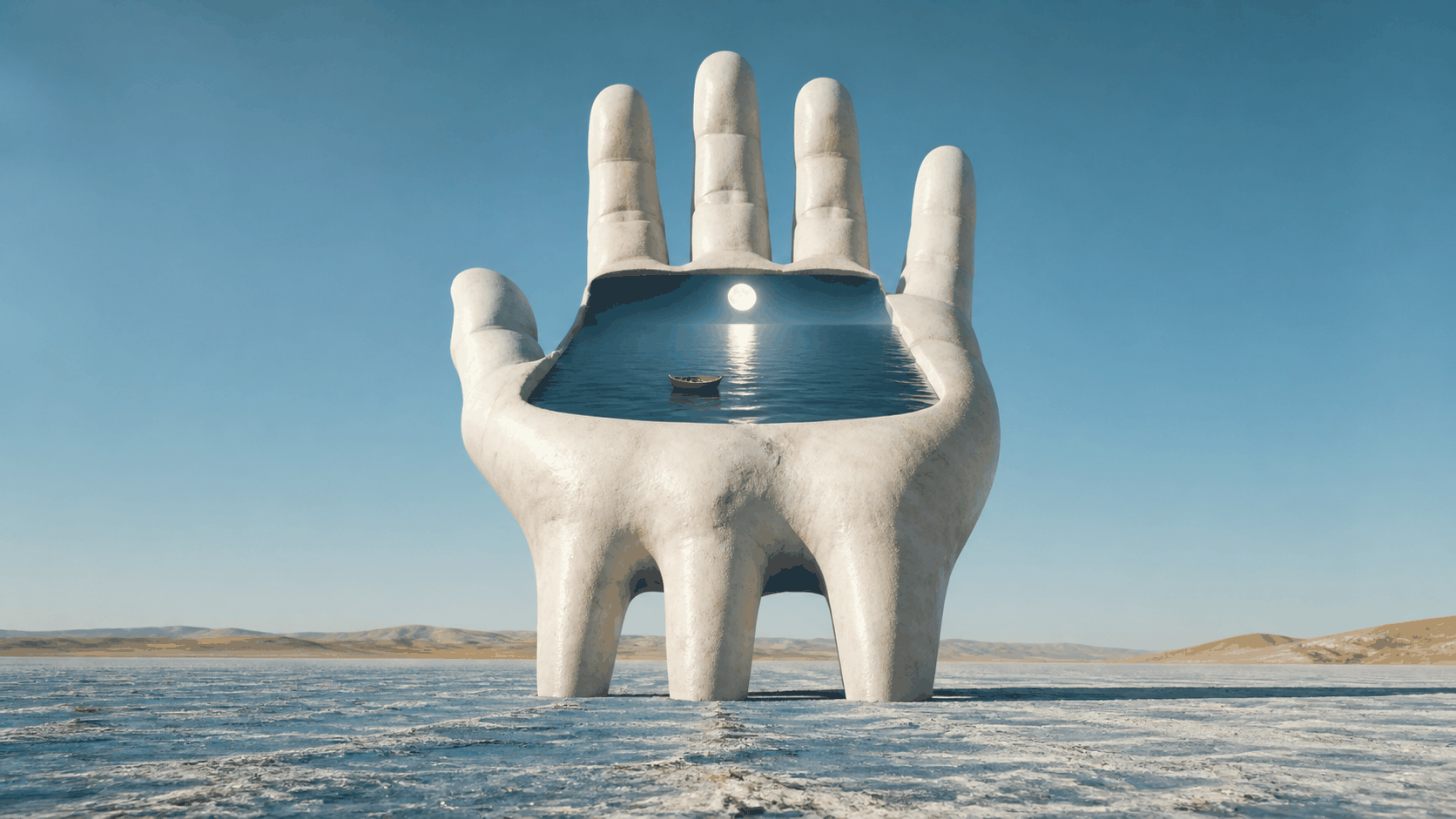
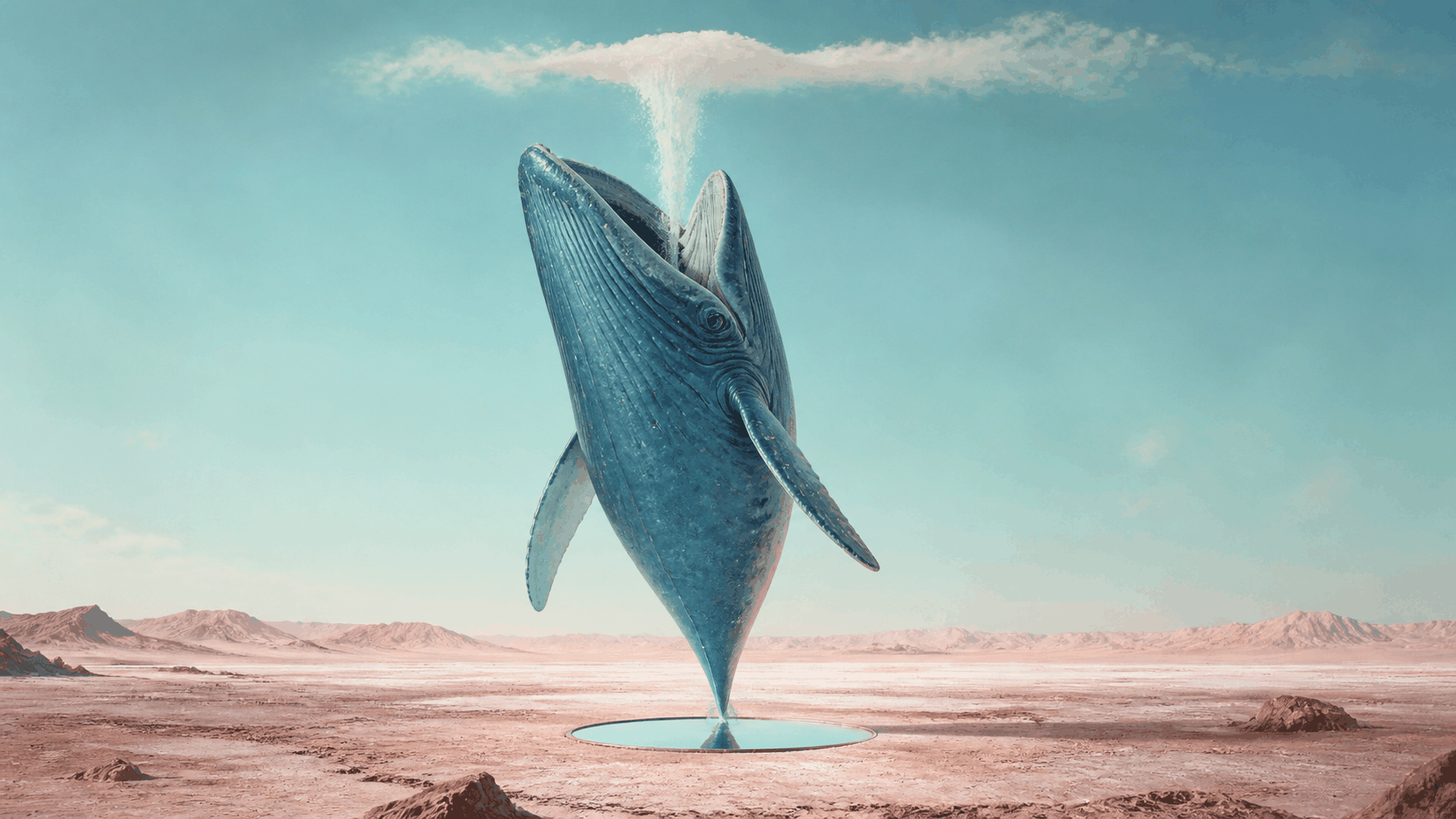

What it is, when it works, who it is for, and where it already exists.
Record 038-SU - when it works, who it is for, what it looks like
Where this aesthetic shows up in the real world · ↗ opens the source site
Where Surrealism came from, what makes it recognisable, and the fingerprint it leaves.
1924–1945 · Paris, France; international spread through exile artists
Surrealism was founded by poet André Breton in Paris with the 'Manifesto of Surrealism' (1924), which defined the movement's central method: automatism, or the creation of art bypassing rational control to access the unconscious mind. Breton drew on the psychoanalytic theories of Sigmund Freud, particularly the idea that the unconscious contained repressed desires and imagery more truthful than conscious thought. Visual artists including Salvador Dalí, René Magritte, Max Ernst, Joan Miró, Meret Oppenheim, Frida Kahlo, and Leonora Carrington developed distinct approaches to visualizing this unconscious territory.
The visual vocabulary of Surrealism is paradoxically precise. Dalí's hyperrealistic technique rendered impossible objects with photographic accuracy: the softness of a watch draped over a branch is convincing precisely because the watch is painted with complete technical mastery. Magritte painted ordinary objects in impossible relationships (a man with an apple for a face, a locomotive emerging from a fireplace) with the flat, literal clarity of a commercial painter. The recognizability of the impossible is what creates the Surrealist effect: if the objects were unfamiliar, the wrongness would not register.
Surrealism's influence on commercial design has been enormous and underacknowledged. Advertising agencies began employing Surrealist devices in the 1940s: the unexpected juxtaposition, the object enlarged to impossible scale, the familiar object in a wrong context: to create memorable images. Contemporary fashion photography, music video, and graphic design continue to use Surrealist techniques as their primary means of achieving visual surprise.
“The waking world rearranged by the laws of sleep.
The visual DNA: what makes it recognisable
8-channel console with the fingerprint on its display. Save the card, or share the page

4 color interpretations of this aesthetic
The colour of the styles sitting closest to this one
How to shoot it, how to prompt it, and how to board it.
How to shoot this aesthetic
"The photograph the unconscious would take if it had a camera"
Shot list
Lighting
Shadowless, directionless light for the uncanny or conversely, a hyper-real single source that makes the impossible scene feel perfectly documented
Drop this into Studio to generate in this aesthetic
Surrealist art with dreamlike impossible juxtapositions, Salvador Dalí and René Magritte influence, hyperrealistic rendering of illogical scenes, melting or floating objects defying physical law, uncanny symbolic imagery, the unconscious mind made visible
The record applied to your project. The record's kit is free; your brand, references and plates come with membership
01 · Hero application02 · Material and finish03 · Palette in context04 · Photography directionWhether to use it, what it costs to do properly, and where it stands right now.
Two written calls, seven meters, and when to walk away
The rendering has to be literal for the impossibility to land. A melting clock painted loosely is just a loose painting; it only unsettles when the surface is as convincing as a photograph. Break one rule and hold every other one steady. Two impossibilities in the same frame cancel out, and the image drops back to decoration.
Right when there is a reason for the strange image, which is the scarce thing now that generative tools made surface-level surrealism free. The movement had manifestos, expulsions and a theory of the unconscious, and its method was automatism and chance as a discipline. Strange juxtaposition arrived at by taste is illustration, and Breton would have been rude about the difference.
Careful composition and post-production, not big sets.
Random weirdness reads as cheap. Real surrealism has its own logic.
Compositing has to be seamless or the dream breaks.
Random weirdness with no internal logic reads as a bad Photoshop job.
A constant presence in editorial and advertising imagery.
A century-old movement that still feels genuinely strange.
A handful of strong images can carry the whole campaign.
A Pro feature: origins, practitioners, and pitfalls
Neighbours, cross-references, blends, and the questions people ask.
Connected across the creative knowledge graph
Where it stands now, and what it costs you to use it
Surrealism was a movement with manifestos, expulsions and a theory of the unconscious, and what usually gets called surreal now is just unusual imagery. Breton would have been extremely rude about the difference.
The method was the point: automatism, chance, dream logic as a discipline rather than a mood. Strange juxtaposition arrived at by taste is not surrealism, it is illustration.
Generative image tools have made surface-level surrealism effectively free, which has raised the bar. What is scarce now is not the strange picture but a reason for it.
Mix Surrealism with any style in the library
 Surrealism 50%Conceptual Art 50%
Merged palette
#1A1A2E
#1A1A1A
#E84393
#9E9E9E
#00A8CC
Leads expressive, chaotic, organic
Typography · from Surrealism
Playfair Display over Crimson Text
Materials
The calls this blend forces
These two disagree on one thing, and a blend cannot average them: you pick a side. At this mix:
Maximal or Minimal? Surrealism is maximal, Conceptual Art is minimal. This mix lands maximal.
Use it
Surrealist art with dreamlike impossible juxtapositions, Salvador Dalí and René Magritte influence, hyperrealistic rendering of illogical scenes, melting or floating objects defying physical law, uncanny symbolic imagery, the unconscious mind made visible (50%), infused with Conceptual art with idea-first visual language, the artwork as a vehicle for a thesis rather than aesthetic pleasure alone, text, readymade objects, or documentation as medium, Sol LeWitt and Joseph Kosuth lineage, deliberately spare presentation letting the concept carry the weight, color palette strictly #1A1A2E #1A1A1A #E84393 #9E9E9E #00A8CC, leaning maximal over minimal, overall character: expressive, chaotic, organic
Surrealism is a 20th-century art and literary movement (1924–1945, Paris) that sought to access the unconscious mind through automatism (bypassing rational control) and dream imagery. Visual Surrealism, led by Dalí, Magritte, Ernst, and Miró, presents impossible objects and relationships with complete technical mastery: the uncanny effect depends on the precision with which the impossible is depicted.
Core Surrealist visual techniques: (1) unexpected juxtaposition: familiar objects in wrong relationships; (2) scale disruption: objects at wrong sizes; (3) hyperrealist impossible objects: perfectly rendered things that cannot exist; (4) the dreamscape: infinite desert or sky as setting; (5) the metamorphosis: one object becoming another mid-form.
Surrealism is the primary source of visual surprise in commercial design: the impossible product context, the unexpected object in an ad, the wrong-scale juxtaposition. Fashion photography uses Surrealist staging constantly. Music video borrows its dream-logic. Any design work that seeks to be memorable through unexpected imagery is drawing on 100 years of Surrealist technique.
Every style in the library is broken down like this one: the palette, the typography, the materials and the lineage.
Explore the style library →