When to use it
- Dark luxury branding
- Horror and supernatural media
- Alternative fashion
- Heavy music visuals
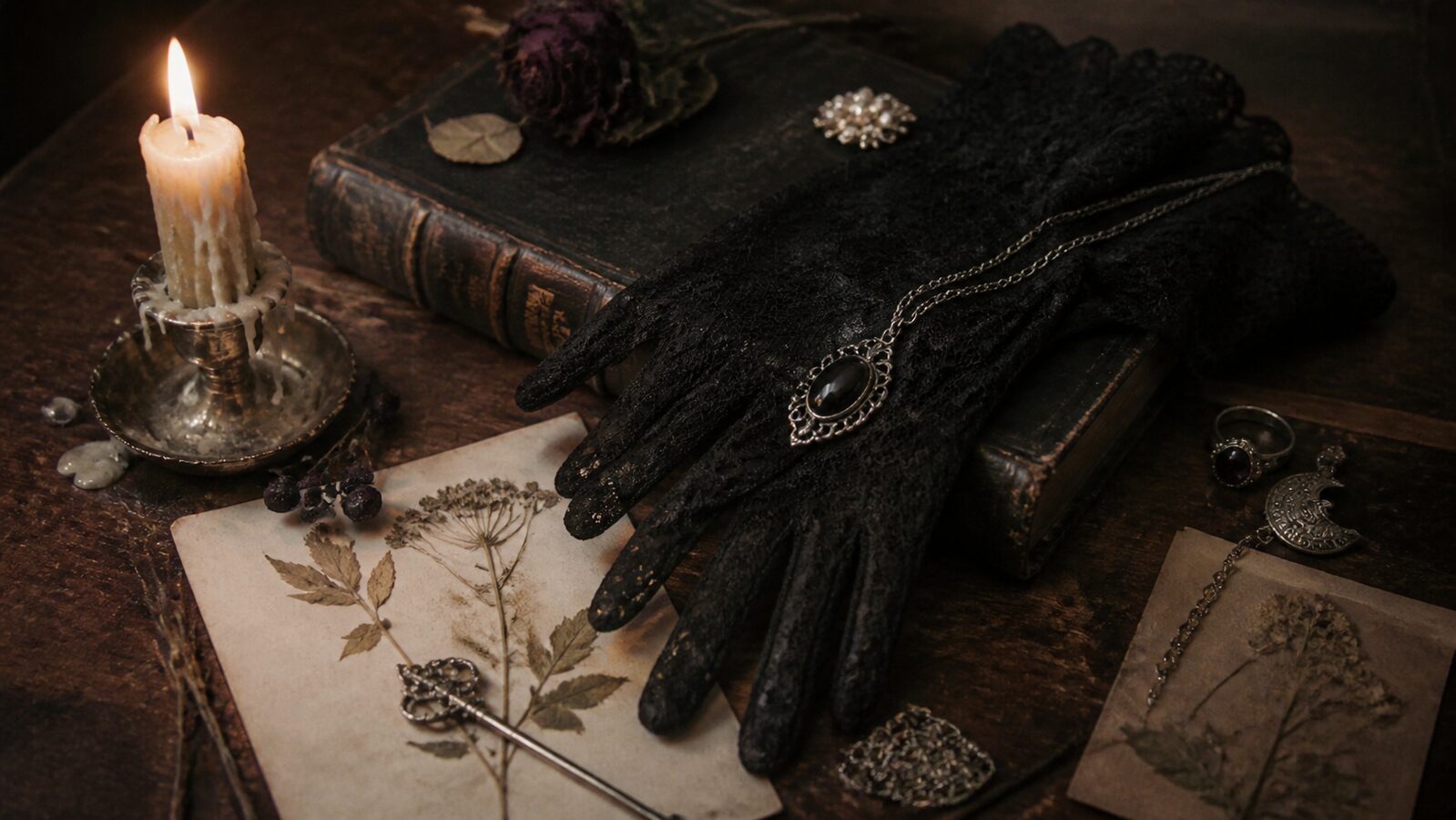
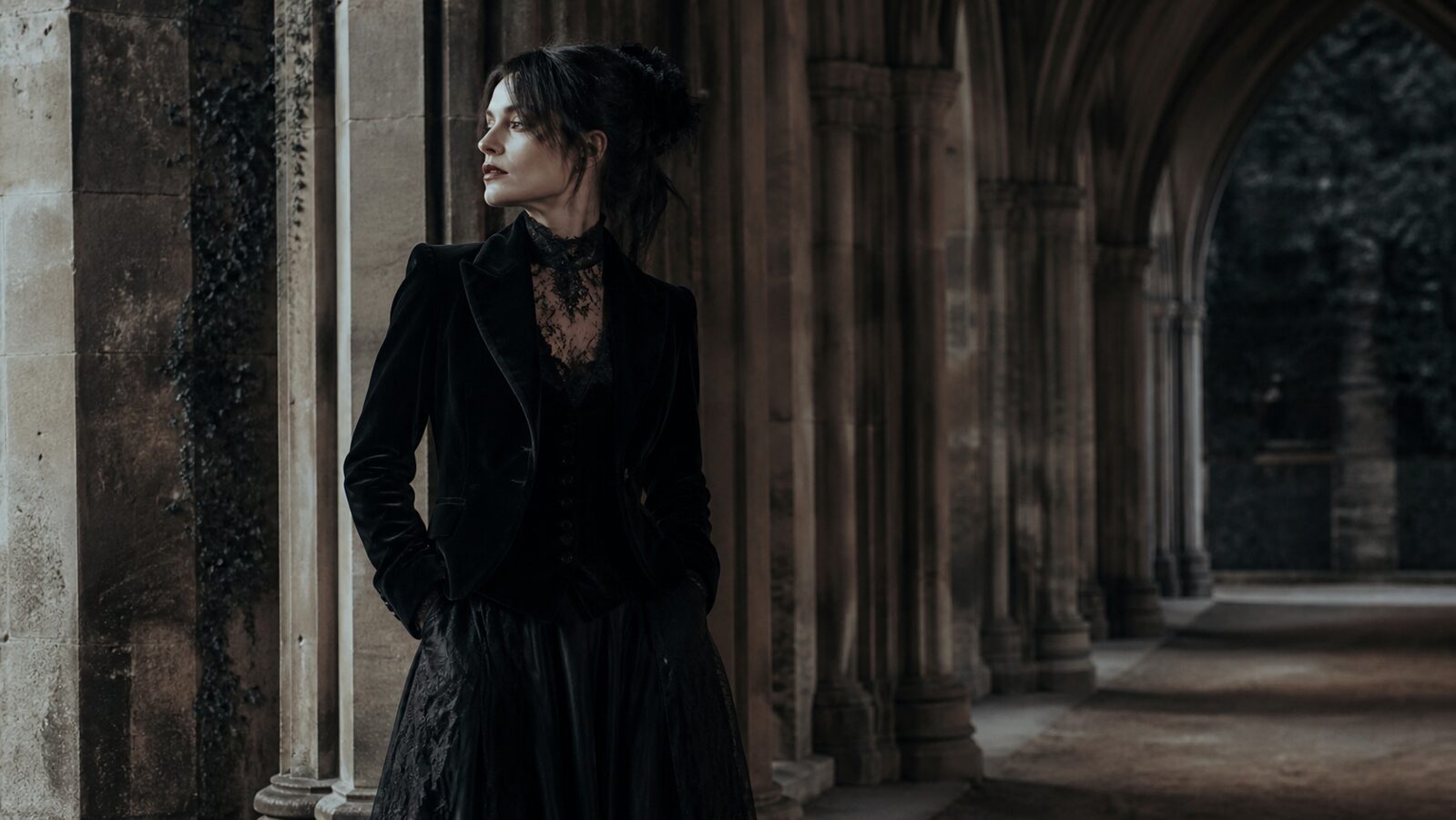
Dark romanticism with ornate details, dramatic shadows, and Victorian undertones
Part of the Romance & Intimacy mood, alongside Dark Academia and Impressionism. Began in the 1970s, on the style timeline.
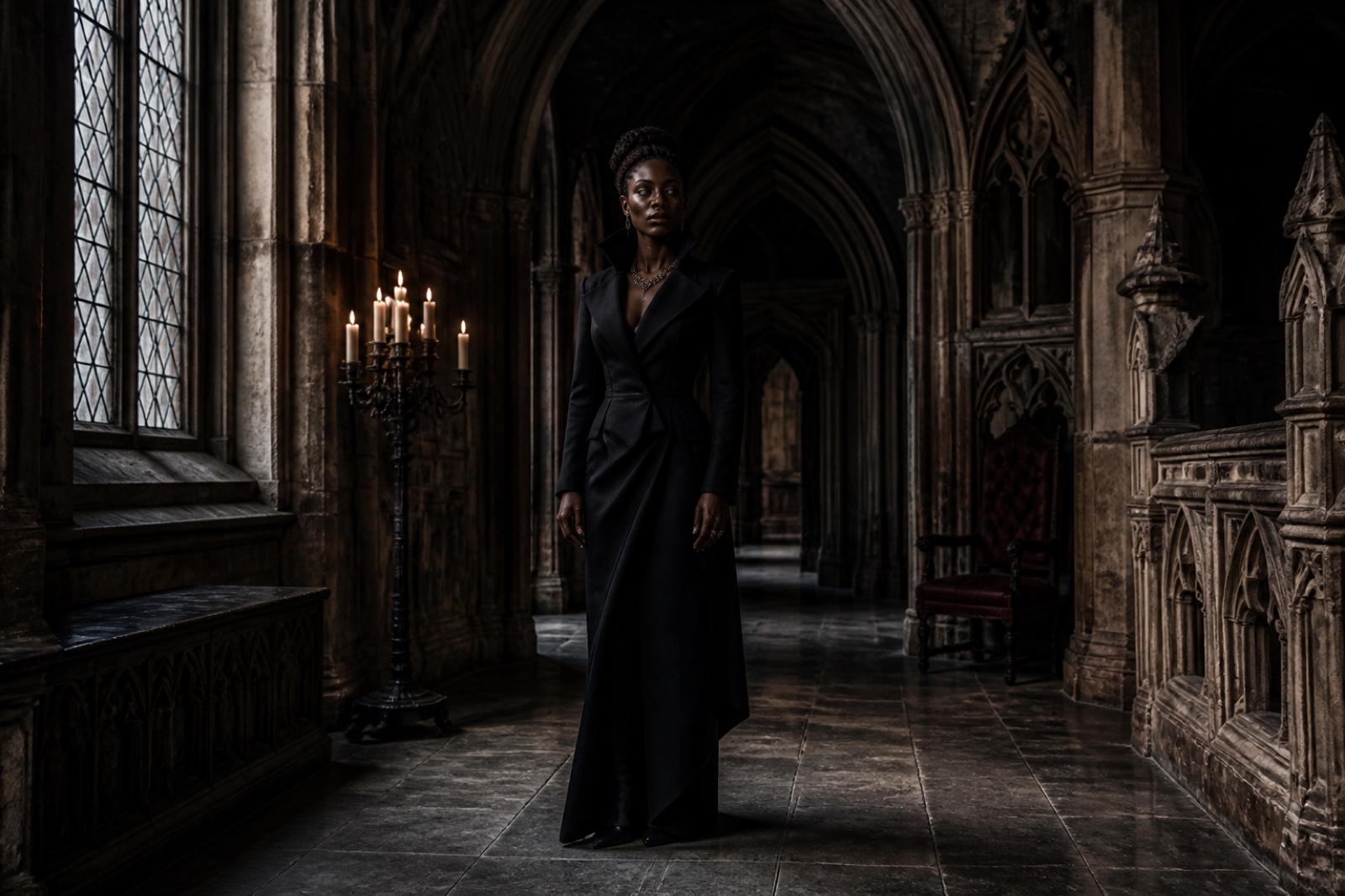
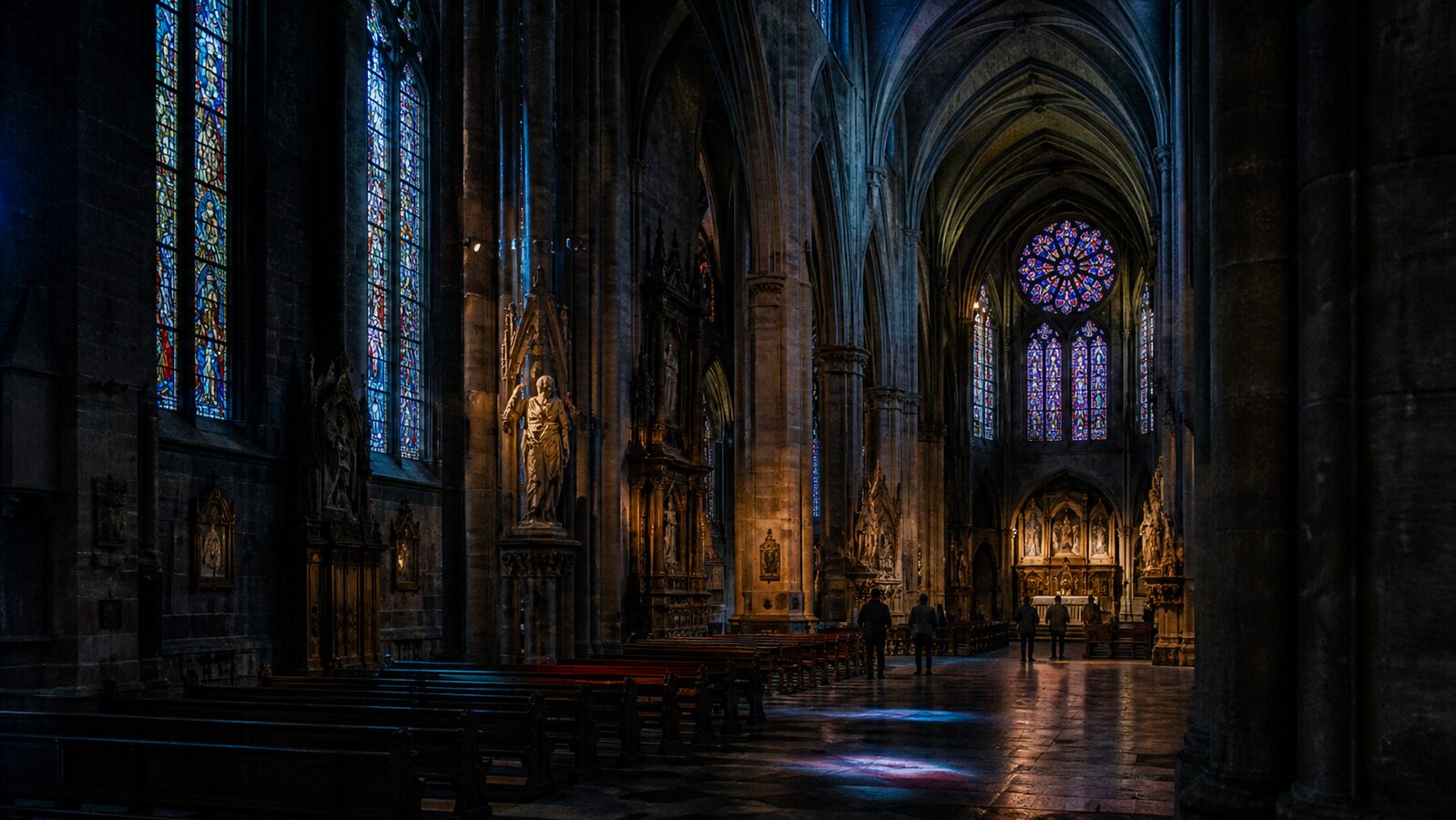
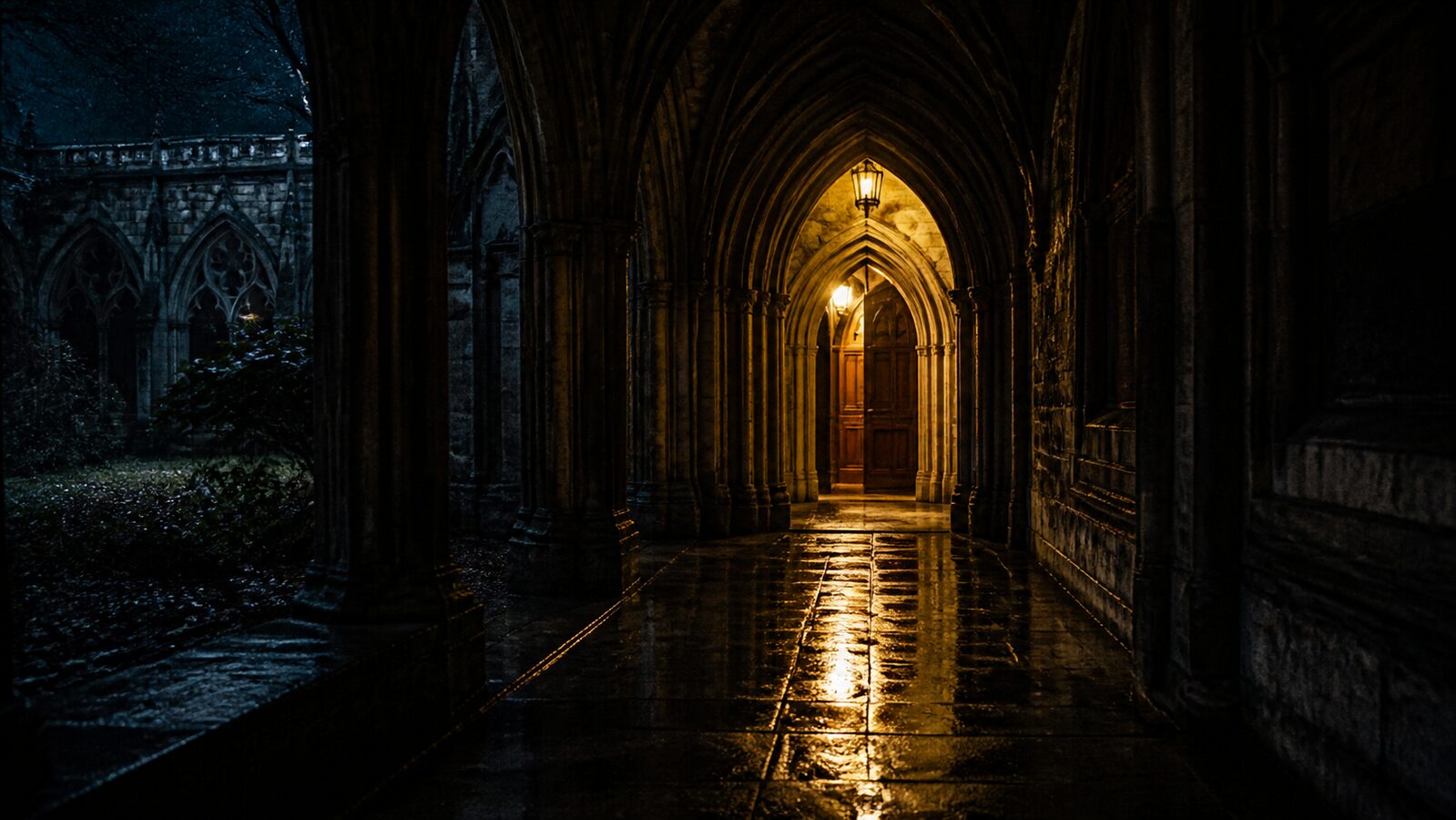
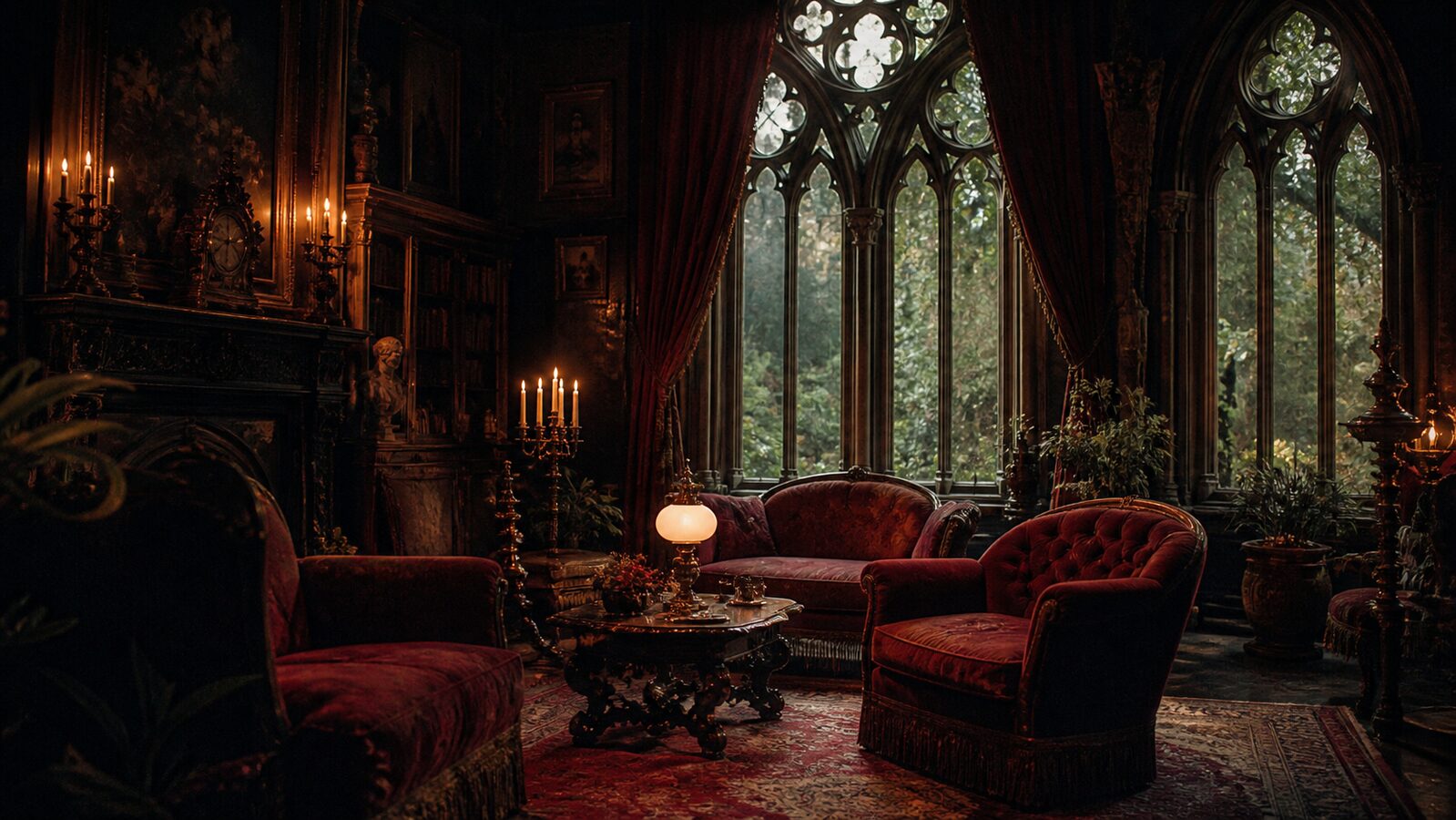
What it is, when it works, who it is for, and where it already exists.
Record 026-GO - when it works, who it is for, what it looks like
Where this aesthetic shows up in the real world · ↗ opens the source site
Where Gothic came from, what makes it recognisable, and the fingerprint it leaves.
Medieval origins; subculture from 1979; ongoing · Medieval European architecture; post-punk music subculture, UK
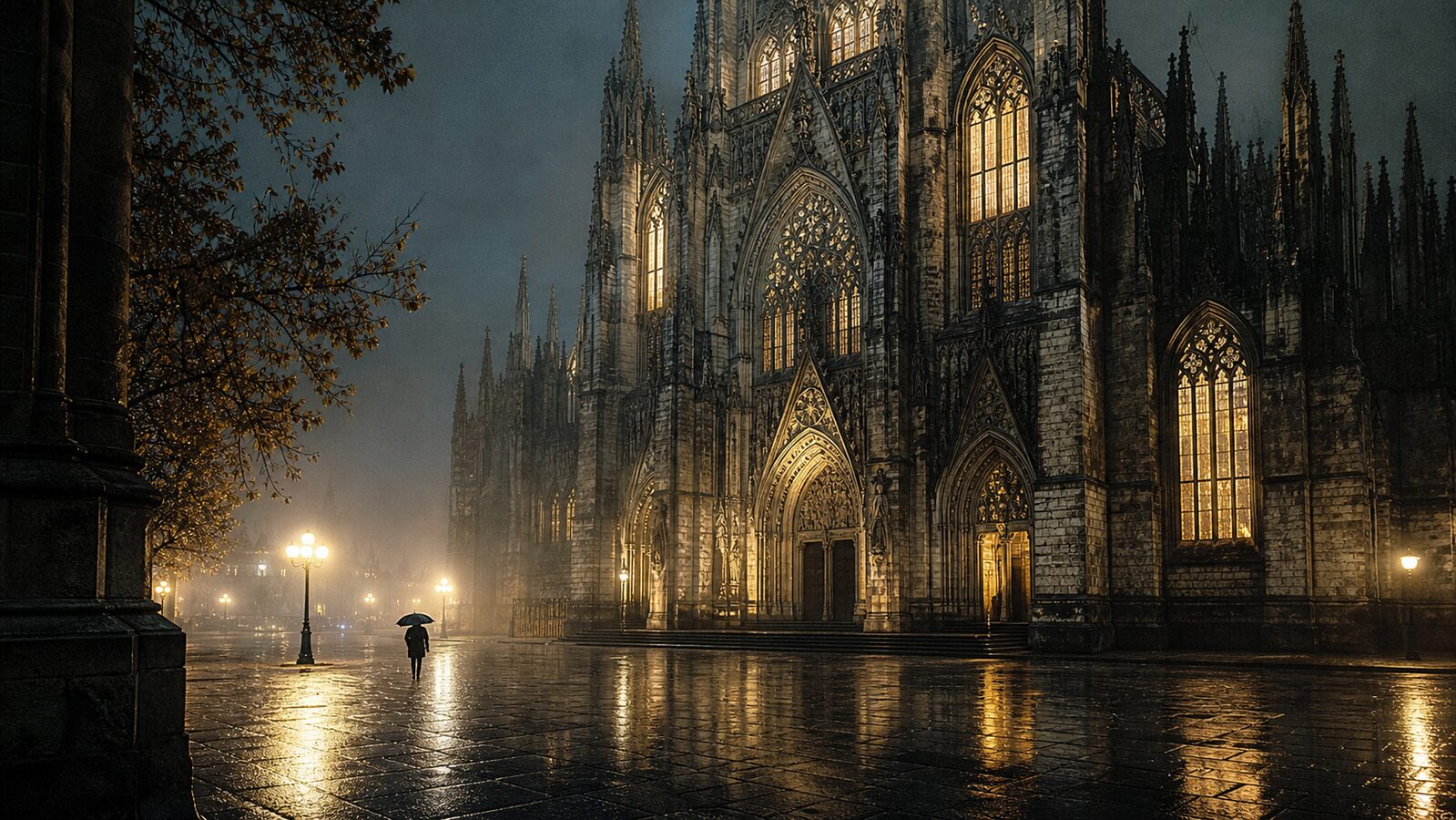
The Gothic aesthetic has two distinct but connected histories. The first is architectural: Gothic architecture (1100s–1500s) was defined by pointed arches, ribbed vaults, flying buttresses, and stained glass: the engineering solutions to building churches taller and more light-filled than Romanesque structures allowed. The word 'Gothic' was applied derisively by Renaissance writers who associated the style with the barbarian Goths who had sacked Rome, implying something uncivilized and excessive. This connotation of darkness, excess, and medieval savagery became, paradoxically, the style's attraction for 18th-century Romantic Gothic Revival architects and novelists.
The second history is subcultural: Gothic post-punk subculture emerged from the British music scene of 1979–1983, through bands like Bauhaus ('Bela Lugosi's Dead,' 1979), Siouxsie and the Banshees, The Cure, and Joy Division. The visual style drew from the Victorian mourning tradition (black dress, jet jewelry, pale skin as aristocratic ideal), horror cinema (Hammer Films, the Universal monster cycle), and the medieval Gothic architectural vocabulary. By the mid-1980s it had become a recognizable subculture with a codified visual language.
Contemporary Gothic design encompasses fine art (Tim Burton's visual world, the dark illustration tradition), fashion (Alexander McQueen, Rick Owens), interior design (the new Victorian revival), and digital aesthetics. Its color palette and typographic choices are among the most consistently identifiable of any subculture or design tradition.
“Beauty that does not flinch from the fact of mortality.
The visual DNA: what makes it recognisable
8-channel console with the fingerprint on its display. Save the card, or share the page

5 color interpretations of this aesthetic
The colour of the styles sitting closest to this one
How to shoot it, how to prompt it, and how to board it.
How to shoot this aesthetic
"Beauty in the dark where ornament, shadow, and the weight of history create a different kind of sublime"
Shot list
Lighting
Candle practical only for maximum intimacy; for environmental work, a single hard spotlight from above to mimic a clerestory window and leave everything below the light's reach in darkness
Drop this into Studio to generate in this aesthetic
Gothic subculture aesthetic with dramatic dark romanticism, candlelit or moonlit atmosphere, theatrical melancholic elegance
The record applied to your project. The record's kit is free; your brand, references and plates come with membership
01 · Hero application02 · Material and finish03 · Palette in context04 · Photography directionWhether to use it, what it costs to do properly, and where it stands right now.
Two written calls, seven meters, and when to walk away
Value structure does the work, not black. A flat black field is not dark, it is empty; the drama comes from a narrow range of deep tones with one controlled highlight. Detail the ornament properly, since half-drawn tracery reads as cheap. Texture matters more than colour here: stone, wax, tarnish and worn velvet carry the whole atmosphere.
Use Gothic when the brand can hold drama and shadow as a permanent register, not a Halloween campaign. It is the longest continuous subculture here and its audience knows which decade you are quoting, so the gap between gothic and mall goth is the tell. Wrong for anything that needs to feel light or optimistic. Its advantage is durability: it has survived forty years of being declared over.
Real architecture, fabric, and props photograph far better than fake ones.
A well-loved aesthetic. Needs specificity to avoid costume-shop territory.
Shadow and texture control is what separates it from cosplay.
Generic 'dark and ornate' slides straight into costume-shop territory.
A constant presence across fashion and entertainment branding.
A romantic tradition that's been current for two centuries.
Real props and locations photograph better than fakes.
A Pro feature: origins, practitioners, and pitfalls
Neighbours, cross-references, blends, and the questions people ask.
Connected across the creative knowledge graph
Where it stands now, and what it costs you to use it
Gothic is the longest continuous subculture in this library, running unbroken since the early 1980s, and the people in it are unusually literate about their own history. They will know which decade you are quoting.
The scene distinguishes sharply between gothic and mall goth, and getting that wrong is the tell that you learned it from a costume shop. Trad goth, deathrock, romantic goth and industrial are separate lineages with separate music.
Commercially it is durable because it never depended on being new. It has survived forty years of being declared over, which makes it a safer long-term bet than anything currently peaking.
Mix Gothic with any style in the library
 Gothic 50%Grunge 50%
Merged palette
#0D0208
#2F2F2F
#4A0E2C
#4A3728
#6B0F1A
Leads nostalgic, dark, analog
Typography · from Gothic
UnifrakturMaguntia over EB Garamond
Materials
The calls this blend forces
These two disagree on one thing, and a blend cannot average them: you pick a side. At this mix:
Cool or Warm? Gothic is cool, Grunge is warm. This mix lands cool.
Use it
Gothic subculture aesthetic with dramatic dark romanticism, candlelit or moonlit atmosphere, theatrical melancholic elegance (50%), infused with Grunge aesthetic with anti-fashion sensibility, Marc Jacobs for Perry Ellis influence, raw unfinished edges, Kurt Cobain-era Pacific Northwest mood, color palette strictly #0D0208 #2F2F2F #4A0E2C #4A3728 #6B0F1A, leaning cool over warm, overall character: nostalgic, dark, analog
Gothic aesthetic encompasses two intertwined traditions: medieval Gothic architecture (pointed arches, ribbed vaults, stained glass, 1100s–1500s) and the post-punk subculture (1979–present) that drew from Victorian mourning dress, horror cinema, and Romantic Gothic literature. Visually: deep black grounds, burgundy and purple accents, blackletter type, and iconography of mortality.
Gothic's palette: near-absolute black (#0A0A0A) as the dominant ground, deep burgundy (#5C0A14), dark purple (#2A0A3D), and silver (#A8A8A8) as accent. Stained-glass jewel tones (ruby, sapphire, emerald) appear in architectural contexts. Pale skin and white against black is the subculture's key contrast.
Gothic aesthetic is the broader category: darkness, horror, mortality, medieval architecture, Victorian mourning, the supernatural. Dark academia is a subset applied to academic and intellectual settings, with warmer palette (amber, brown) and more specifically Oxbridge/European university reference. Dark academia is Gothic filtered through a library; Gothic itself is more nocturnal, more architectural, more death-adjacent.
Every style in the library is broken down like this one: the palette, the typography, the materials and the lineage.
Explore the style library →