When to use it
- An editorial story about machine perception and visual trust
- Music artwork that should hover between recognition and uncertainty
- A campaign examining digital nostalgia and synthetic memory
Early generative-image artifacts become a deliberate visual language: fused objects, unstable anatomy, false lettering and dreamlike repeated textures.
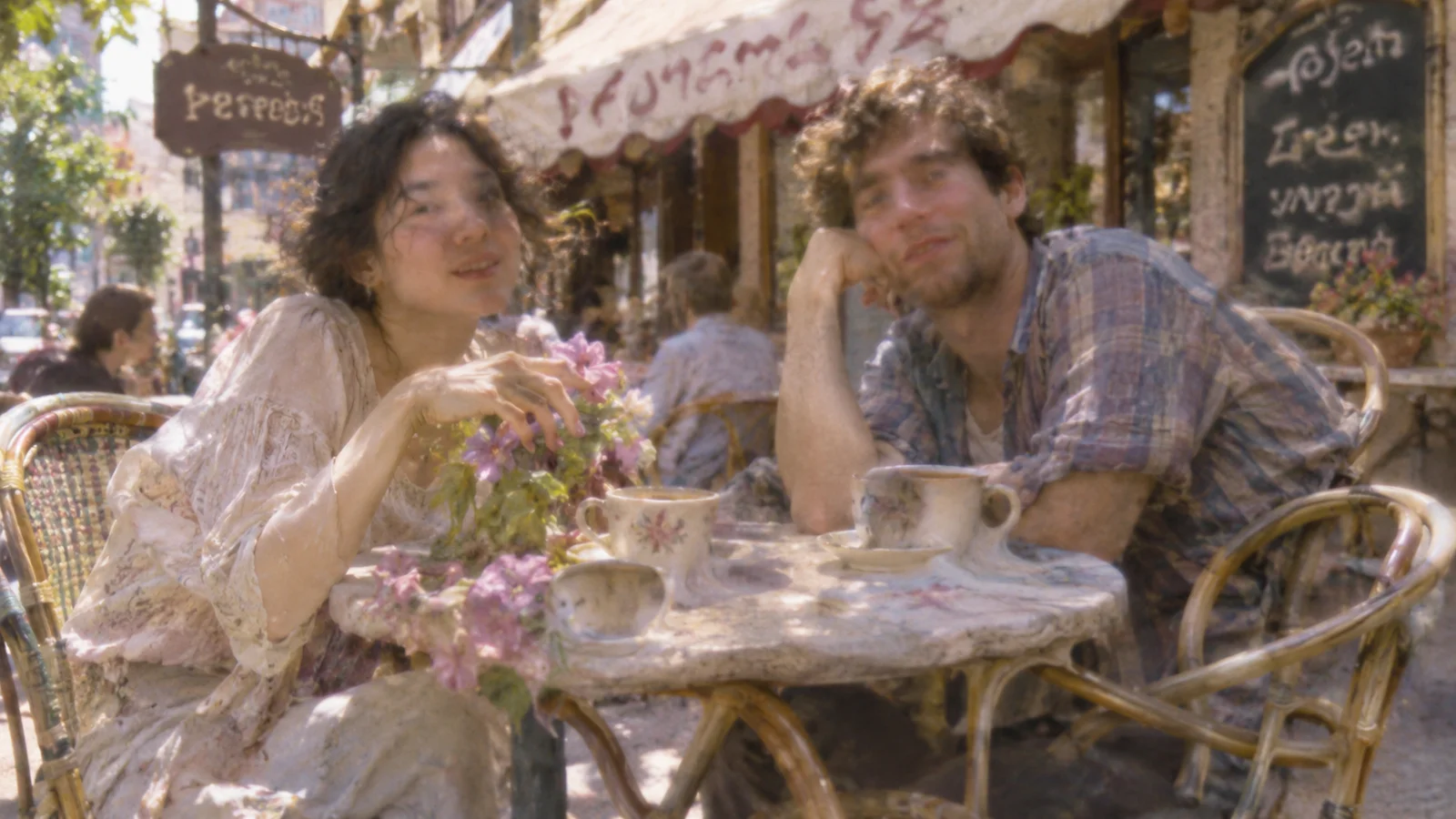
Early generative-image artifacts become a deliberate visual language: fused objects, unstable anatomy, false lettering and dreamlike repeated textures.
What it is, when it works, who it is for, and where it already exists.
Record 035-PA - when it works, who it is for, what it looks like
Where Post-AI came from, what makes it recognisable, and the fingerprint it leaves.
Retrospective aesthetic drawing on 2010s–early 2020s imagery · A contemporary OMORO label; not a documented historical movement
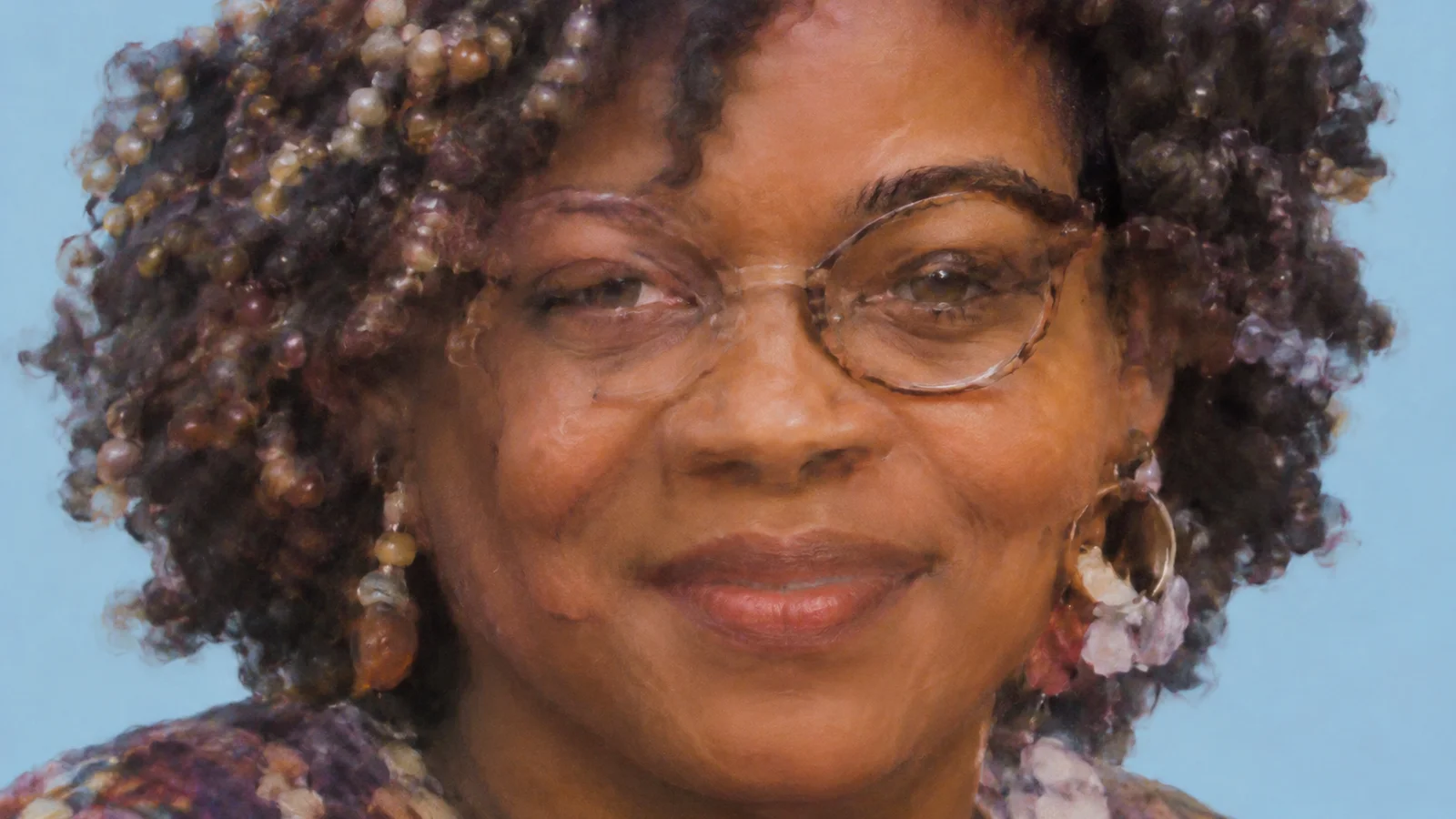
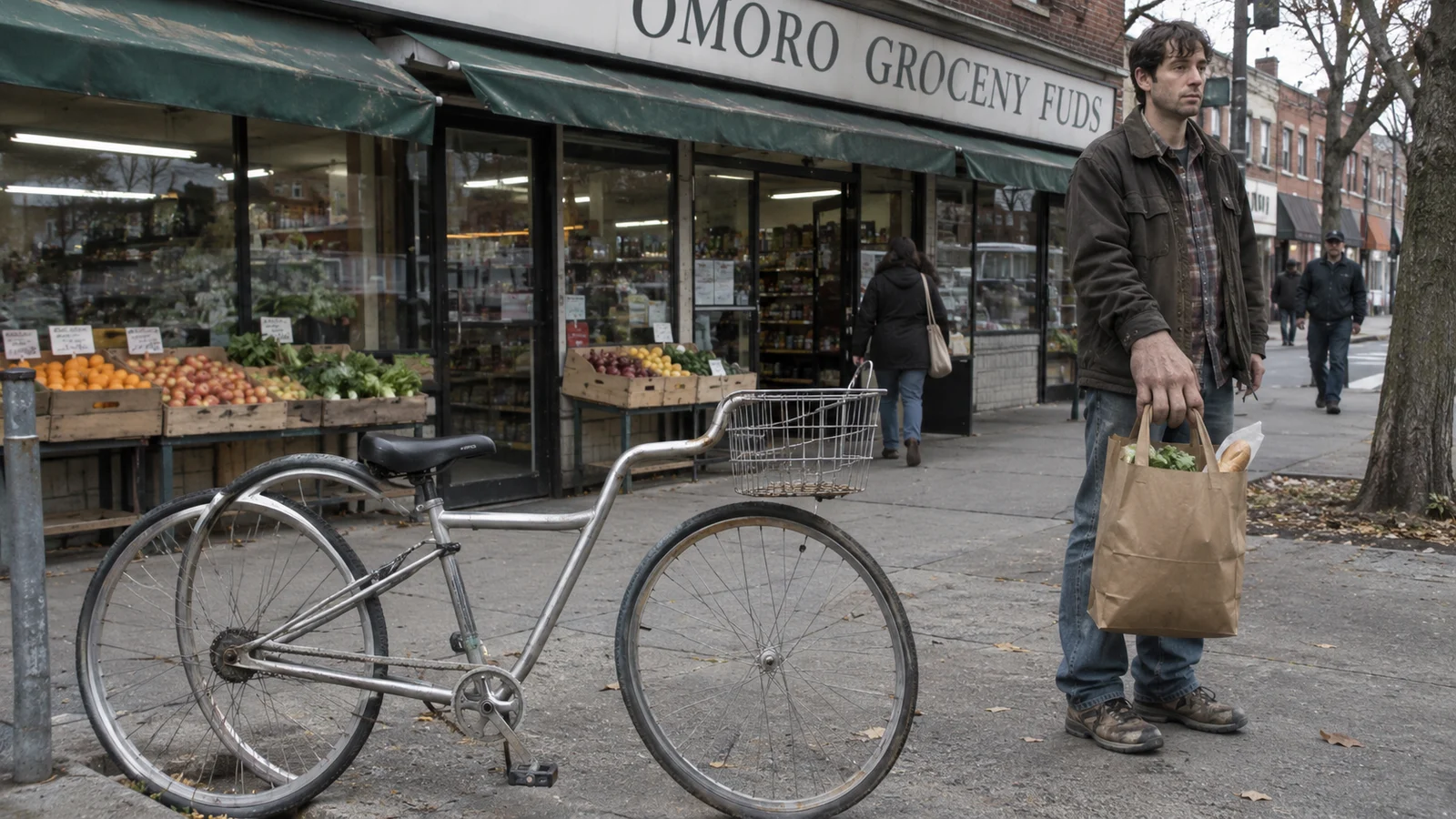
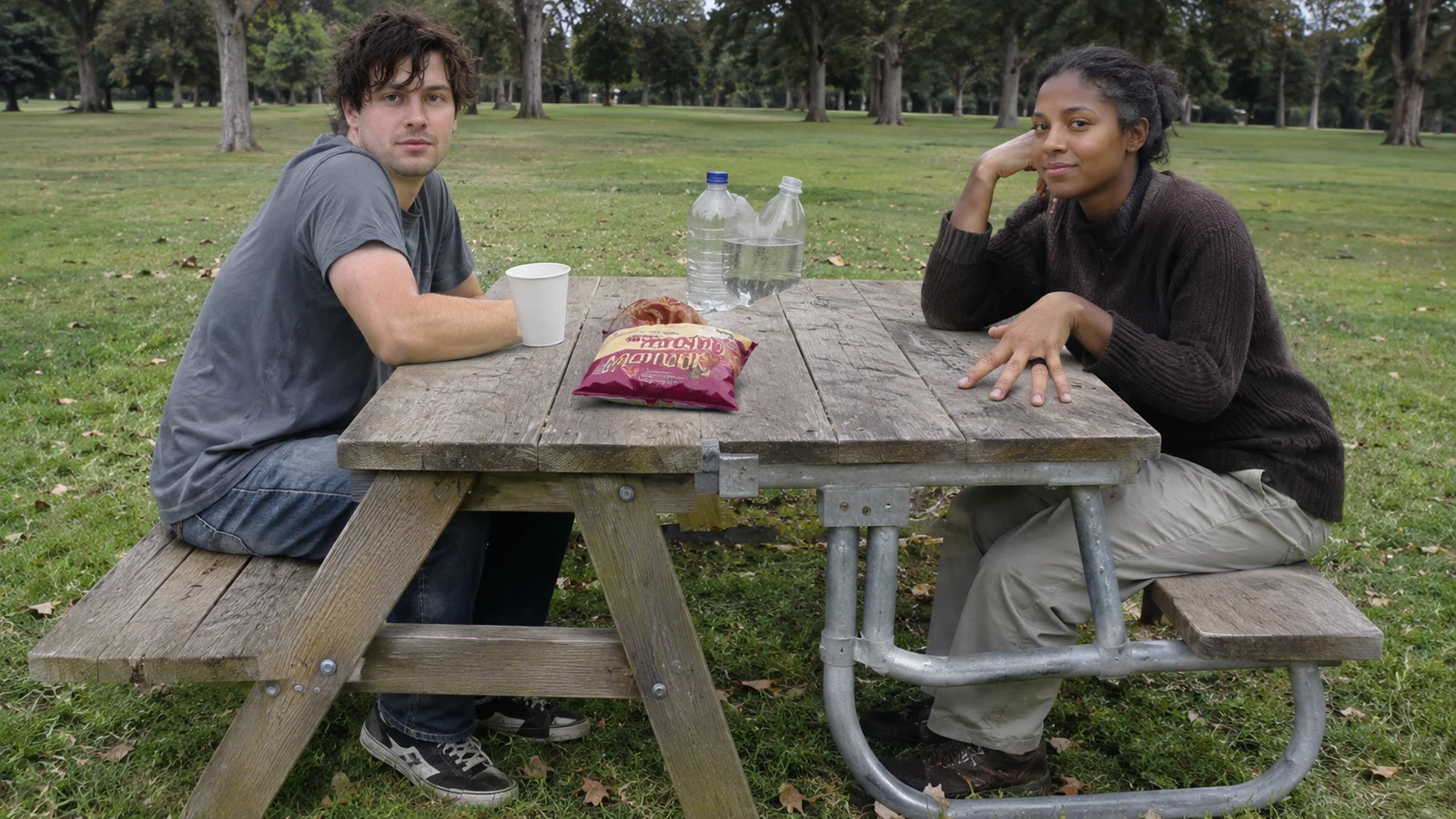
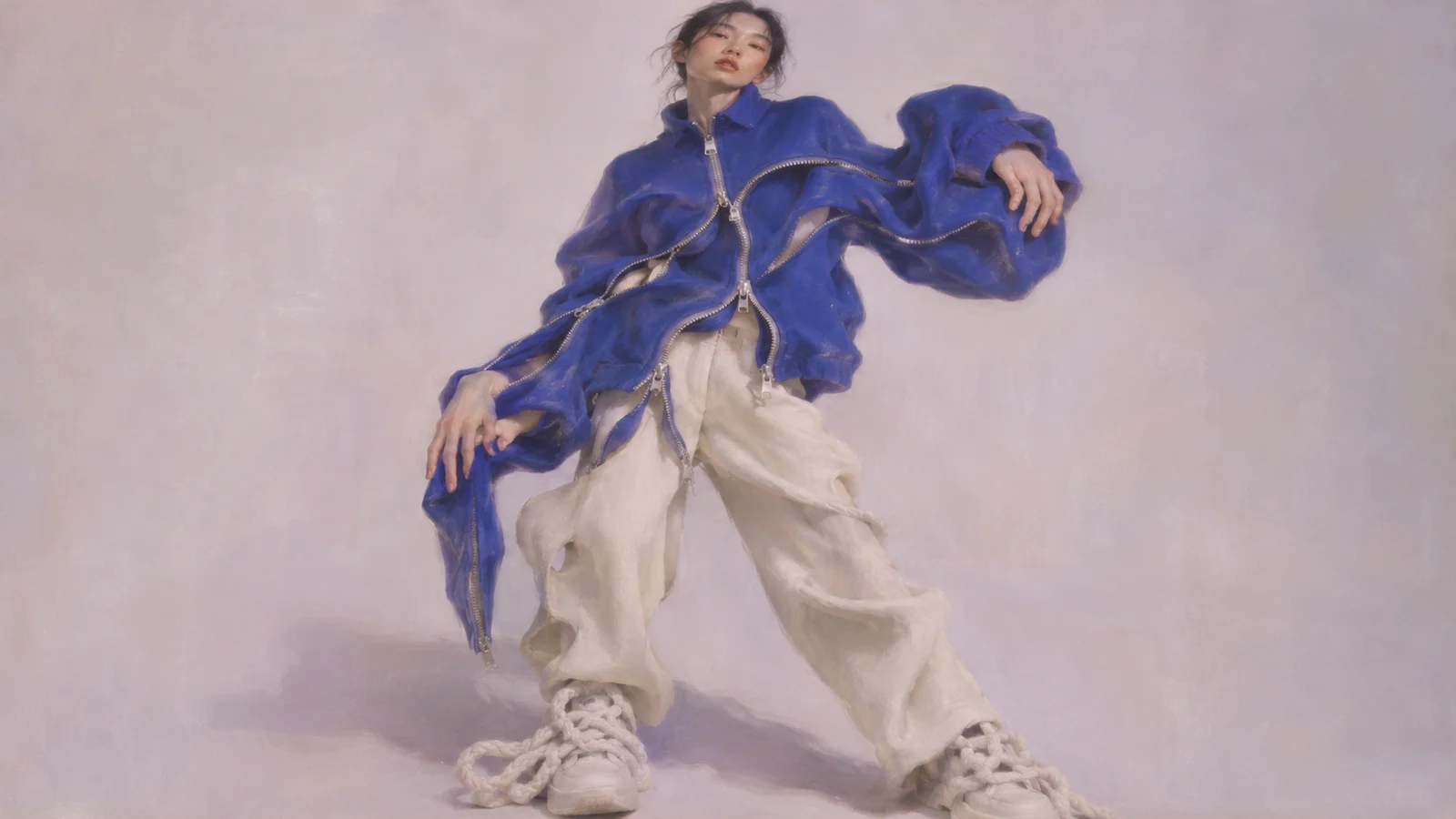
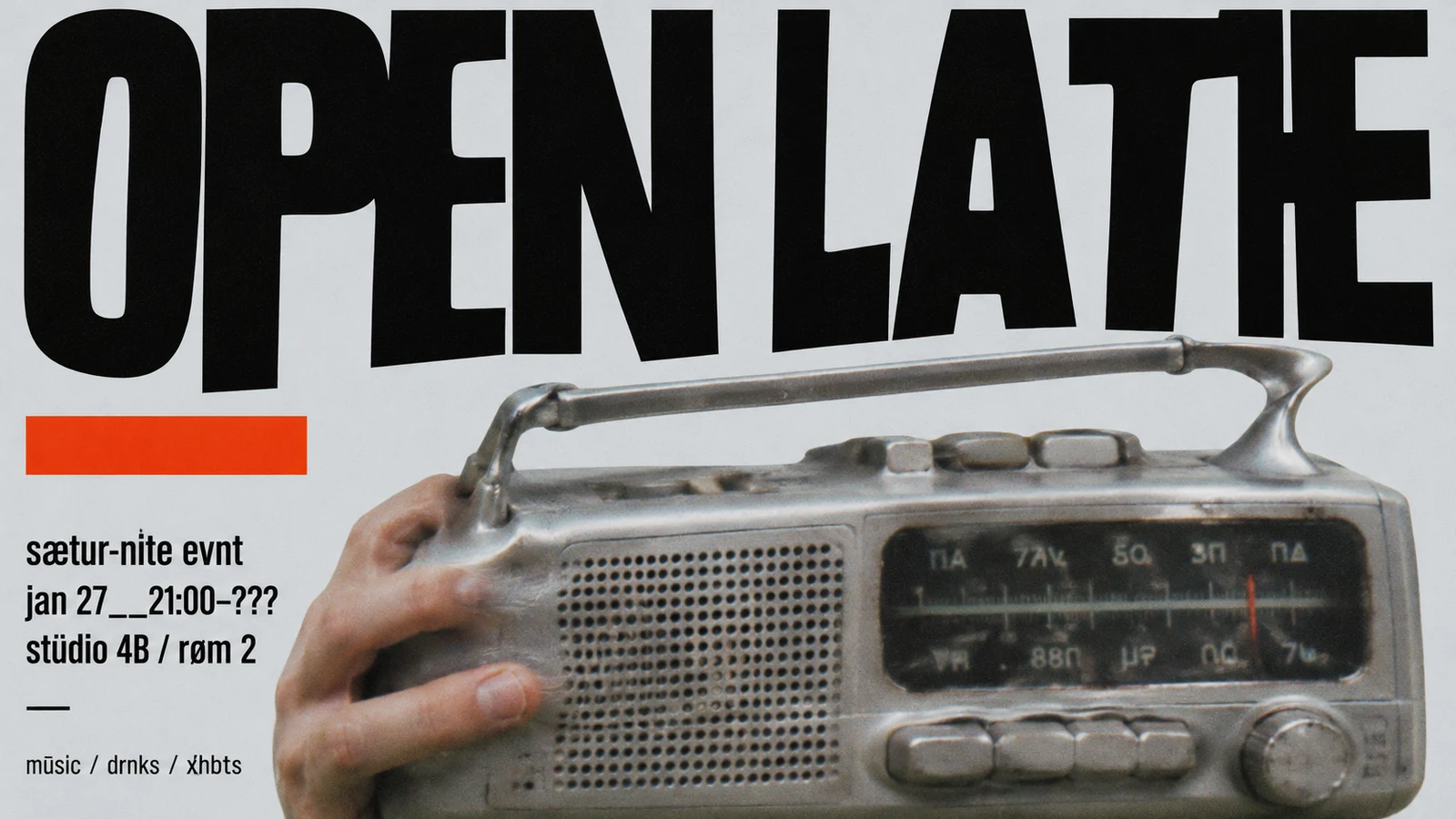
Post-AI is used here for a deliberate return to the visible failures of early neural image-making. It is a retrospective art-direction label, not a claim that AI has ended or that all early computer art shared one appearance. The image presents a plausible scene whose details do not resolve: a hand merges into a cup, a face becomes asymmetric, or a sign resembles writing without forming words.
Its references span distinct technologies. The 2014 GAN paper introduced an adversarial generative framework; Google’s 2015 Inceptionism experiments amplified learned visual features; early text-to-image systems, including DALL·E in 2021, explored images assembled from textual concepts. These approaches should not be collapsed into one process, but their visible instabilities offer related material for this aesthetic.
A convincing contemporary execution keeps the subject recognizable while allowing selected relationships to fail. Repeated textures, uncertain anatomy and fused objects should carry the idea. Generic noise, RGB channel shifts and polished surreal objects alone do not produce this effect. The reference images on this page are newly generated interpretations, not archived outputs from early models.
Research informing this technique
“Recognizable at a glance. Impossible in the details.
The visual DNA: what makes it recognisable
The definitive color scheme for this aesthetic
The colour of the styles sitting closest to this one
Click any prompt row to edit. Copy uses your edited text.
Post-AI retrospective aesthetic: a recognizable ordinary subject rendered with deliberate early generative-image artifacts; fused objects
Visual cuesunstable anatomy, asymmetrical details, repeating hallucinated textures and false letterlike shapes. Keep global composition legible while local relationships fail. Photographic surface detail with localized malformed anatomy and object assembly. Avoid impressionist brushwork, painterly haze, psychedelic ornament, recursive eye patterns, polished surreal CGI, generic RGB glitch bars, VHS overlays and sci-fi robot imagery. Keep essential text outside the generated artwork.
Paste as-is, or add your own subject.
Photograph: fused hands and objects, filling the frame.
SettingSet in a setting of photographic surfaces with locally malformed details. Shot wide, the whole scene with room around it, in the style's own light, as the brief describes it.
DetailKeep pseudo-lettered signs in the frame.
StyleStyle: Post-AI retrospective aesthetic: a recognizable ordinary subject rendered with deliberate early generative-image artifacts; fused objects, unstable anatomy, asymmetrical details, repeating hallucinated textures and false letterlike shapes. Keep global composition legible while local relationships fail. Photographic surface detail with localized malformed anatomy and object assembly. Avoid impressionist brushwork, painterly haze, psychedelic ornament, recursive eye patterns, polished surreal CGI, generic RGB glitch bars, VHS overlays and sci-fi robot imagery. Keep essential text outside the generated artwork..
PaletteColour palette #CBD5C8 #CC7A68 #4C5B8A #E4D9B7 #464641.
FrameComposed for a 16:9 landscape frame.
RulesPhotographic, not an illustration. No text, no logos, no watermark.
The whole record as a portable skill for Claude, ChatGPT, Gemini, image and video models, or a human brief
The whole record, compiled into a skill another system can work inside: lineage, axes, palettes, type, materials, photography, verdicts and a critique checklist. Nothing is generated; it is the dossier, restructured.
The record applied to your project. The record's kit is free; your brand, references and plates come with membership
01 · Hero application02 · Material and finish03 · Palette in context04 · Photography direction
Whether to use it, what it costs to do properly, and where it stands right now.
Two written calls, seven meters, and when to walk away
Choose what remains stable before choosing what breaks. A readable whole makes the unresolved details more unsettling.
Use when uncertainty, machine perception or synthetic memory is the subject. Decide which relationships fail and why.
The tools are accessible, but selective generation and curation take time.
Failures need to express a concept rather than merely signal poor image quality.
Modern generators tend to repair the very defects this language needs.
Unmotivated errors can make the work look unfinished rather than intentional.
This page defines a specific retrospective direction rather than asserting a broad established movement.
The reading depends on cultural memory of a particular phase of generative imagery.
A consistent failure vocabulary requires curation across the image set.
A Pro feature: origins, practitioners, and pitfalls
Neighbours, cross-references, blends, and the questions people ask.
Connected across the creative knowledge graph
A contemporary retrospective label for deliberately using the distortions and artifacts associated with early neural image generation. It does not mean an era in which AI no longer exists.
Glitch often disrupts pixels, signals or compression. Post-AI here disrupts recognition and meaning: objects merge, anatomy becomes uncertain and apparent text fails to form words.
No. Architecture, plants, products and typography can carry the same unstable recognition through impossible joins and repeated textures.
No. They are original contemporary generated studies of an earlier visual language; they are not attributed to a specific historical model.
Every style in the library is broken down like this one: the palette, the typography, the materials and the lineage.
Explore the style library →