Romance is the feeling that a moment existed before you arrived.
Atmosphere makes the viewer feel like a witness rather than a target. Diffuse light, depth, and partial narrative allow the mind to complete a private story around the image.
Using sweetness without shadow. Romance needs tension and specificity to avoid feeling staged.


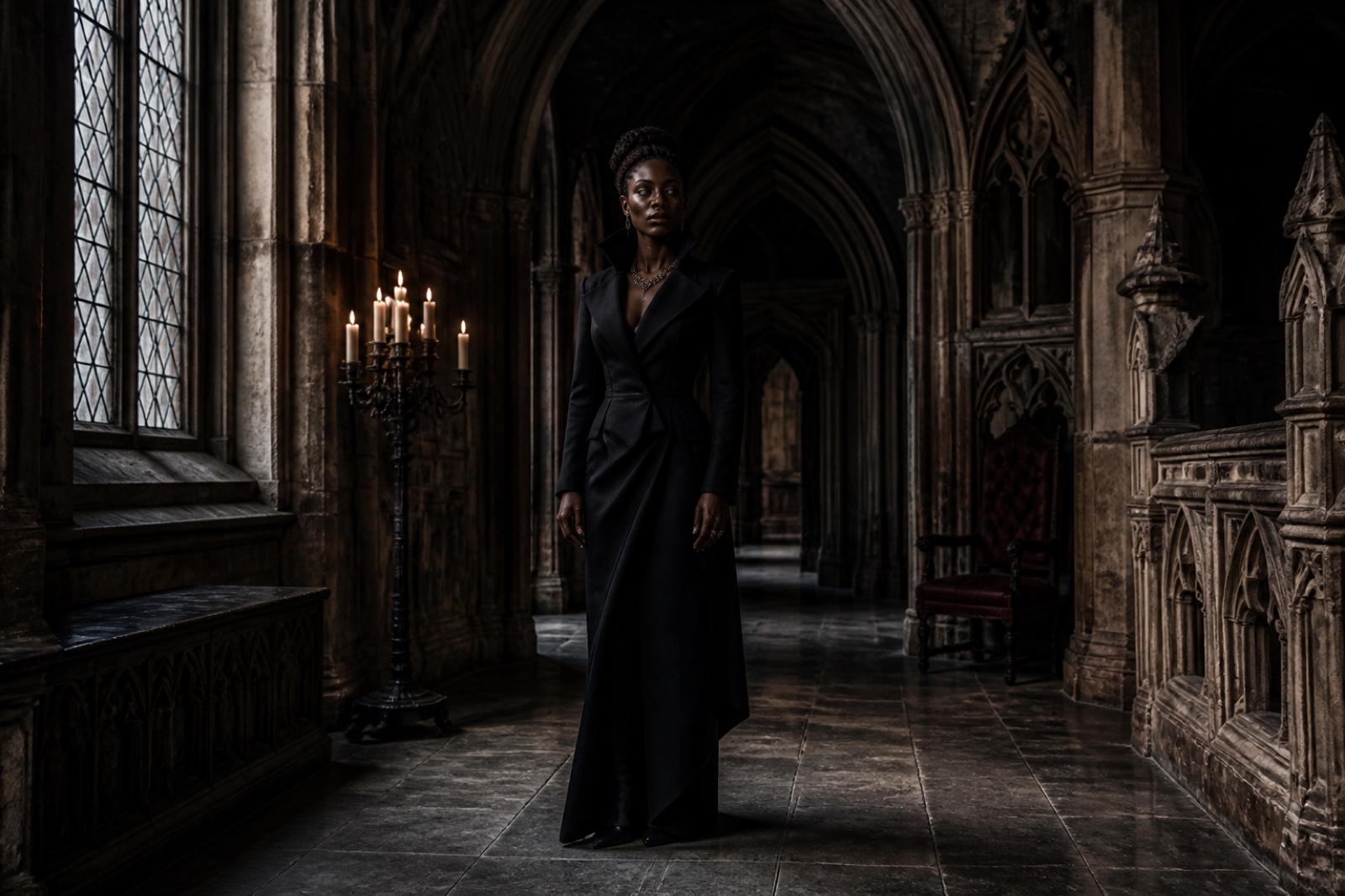
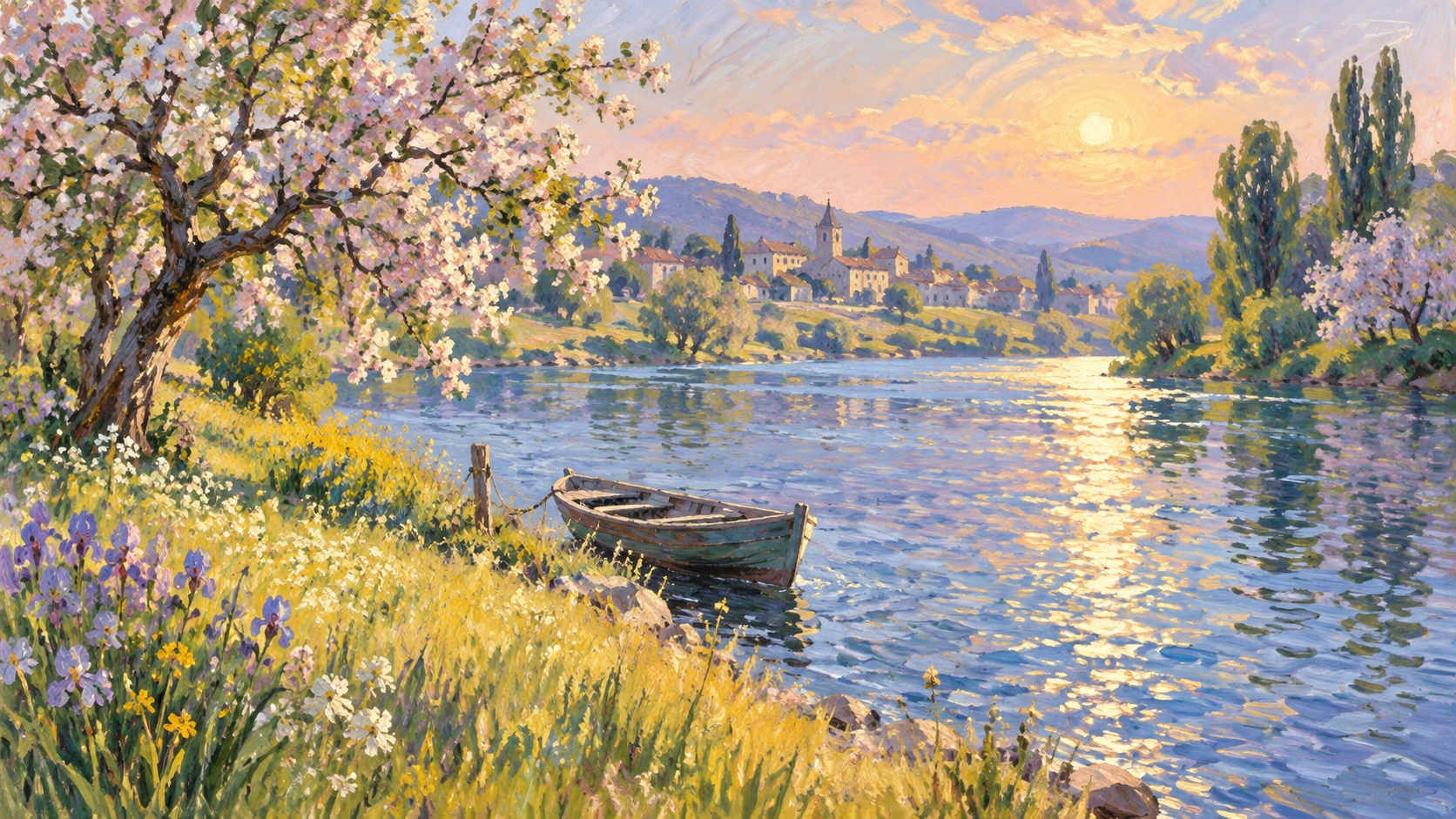
Romance is not a color palette. It is a quality of attention. Images that feel romantic make the viewer feel like they are witnessing something private, something that exists just outside the edges of the frame. The light is never flat, the setting always implies a history, and the subject is never performing for the camera. The moment feels caught rather than arranged. Romance in visual design is about creating that same quality: the sense that you arrived at something real.
Atmosphere makes the viewer feel like a witness rather than a target. Diffuse light, depth, and partial narrative allow the mind to complete a private story around the image.
Fragrance and beauty
Boutique hospitality
Stories where atmosphere is the product
Mystery · Nostalgia · Luxury
Tech Spec
Using sweetness without shadow. Romance needs tension and specificity to avoid feeling staged.
Romance & Intimacy: practical creative value
Romance & Intimacy is not a demographic shortcut. It is a perceptual register that changes how a viewer reads pace, care, risk, and relevance in a visual system.
Real light, location, and styling. Atmosphere is hard to fake on a low budget.
The 'caught, not arranged' quality is a genuinely difficult thing to direct.
Flat lighting or a performed pose collapses the whole feeling instantly.
Romance & Intimacy creates competitive advantage where experience matters as much as information. It works best when the product, service, or story already contains evidence that can support the feeling. The common failure is to apply the mood as a filter, then leave the structure, casting, copy, and pacing unchanged. Exceptional work uses it as a governing decision rule. It knows what to amplify, what to withhold, and where a small concrete detail can do more than a large stylistic gesture. The teams most likely to succeed are small, observant, and cross-disciplinary: an art director with a strong editor, photographer or filmmaker, stylist or spatial designer, and a client willing to protect the central idea through production.
When romance & intimacy should guide the work
Stock-photo romance is an easy trap, but it usually reads generic rather than actively bad.
A default register for weddings, fragrance, and beauty categories.
Atmosphere and implied narrative are a durable visual language, not a passing trend.
Real light and location control cost real time, though not at luxury's sustained scale.
Romance & Intimacy is worth adopting when a brand, product, or cultural project needs to make a specific experiential promise before it can be explained in words. It is not a substitute for clarity, proof, or a coherent product. The greatest advantage comes from using the mood as a decision rule: it tells the team how to light a scene, pace a film, select a material, edit a sentence, and decide what to leave out. Average work applies familiar cues and stops there. Exceptional work makes every choice support the same perceptual outcome, while retaining enough specificity that the audience can believe it. The biggest mistake is assuming that emotional recognition alone creates strategic value. Use romance & intimacy only when the operation behind the image can honor the experience the image promises.
- Wedding, events, and celebration brands where emotional resonance is everything
- Fragrance and beauty campaigns that need to create desire through atmosphere
- Boutique hospitality: intimate hotels, candlelit restaurants, destination venues
- Literary fiction covers and arts publishing
- Lingerie and intimate apparel
- Anniversary and Valentine seasonal campaigns with genuine emotional weight
- Heritage fashion with a romantic provenance story
- Saccharine pink without depth or shadow to anchor it
- Flat, even lighting that removes atmosphere from the frame
- Obvious stock couple poses that feel performed rather than felt
- Hard contemporary editorial typography that breaks the atmospheric register
- Anything that feels engineered rather than discovered