When to use it
- Bookish brands and publishing
- University campaigns
- Heritage fashion
- Intellectual content
Scholarly gothic aesthetic with old libraries, tweed, candlelight, and classical references
Part of the Luxury & Prestige mood, alongside Luxury Minimal and Art Deco. Began in the 2010s, on the style timeline.
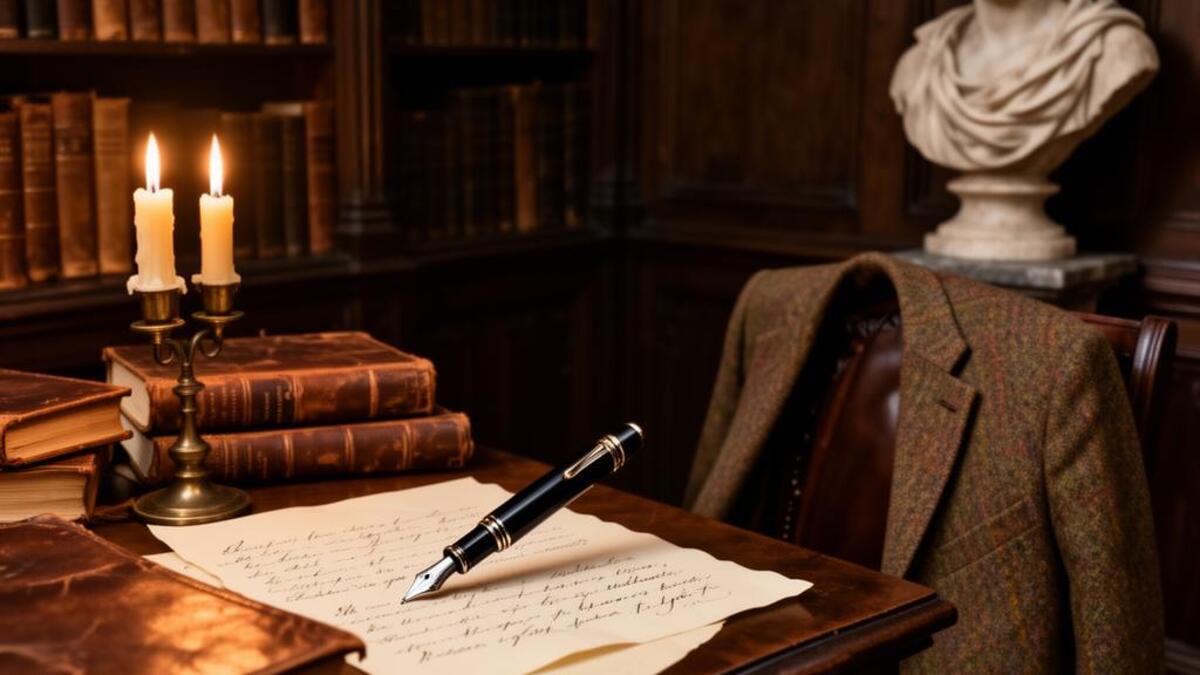
Scholarly gothic aesthetic with old libraries, tweed, candlelight, and classical references
What it is, when it works, who it is for, and where it already exists.
Record 023-DA - when it works, who it is for, what it looks like
Where this aesthetic shows up in the real world · ↗ opens the source site
Where Dark Academia came from, what makes it recognisable, and the fingerprint it leaves.
2015–present (references 1800s–1940s) · Tumblr, internet subculture; European university tradition
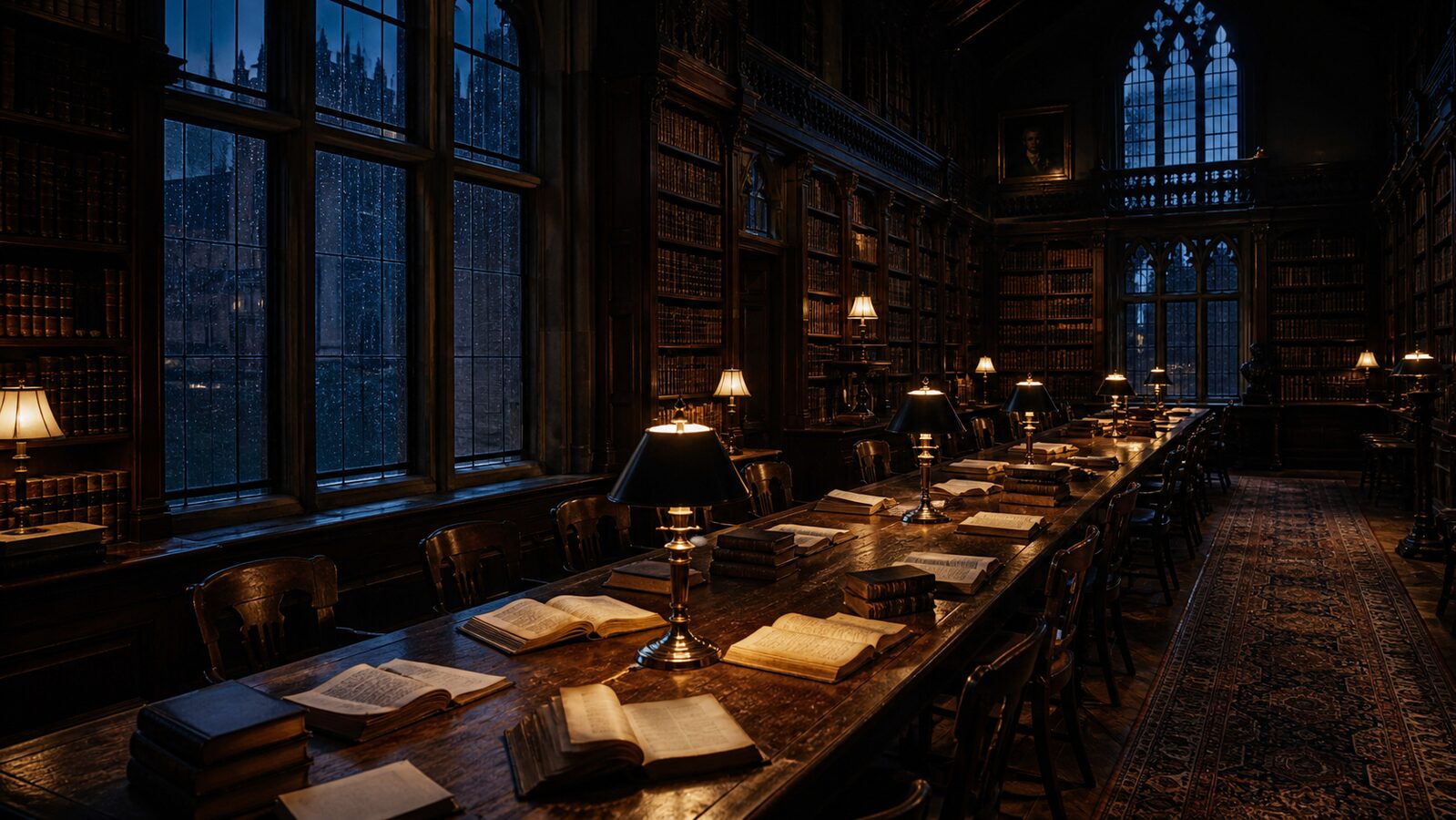
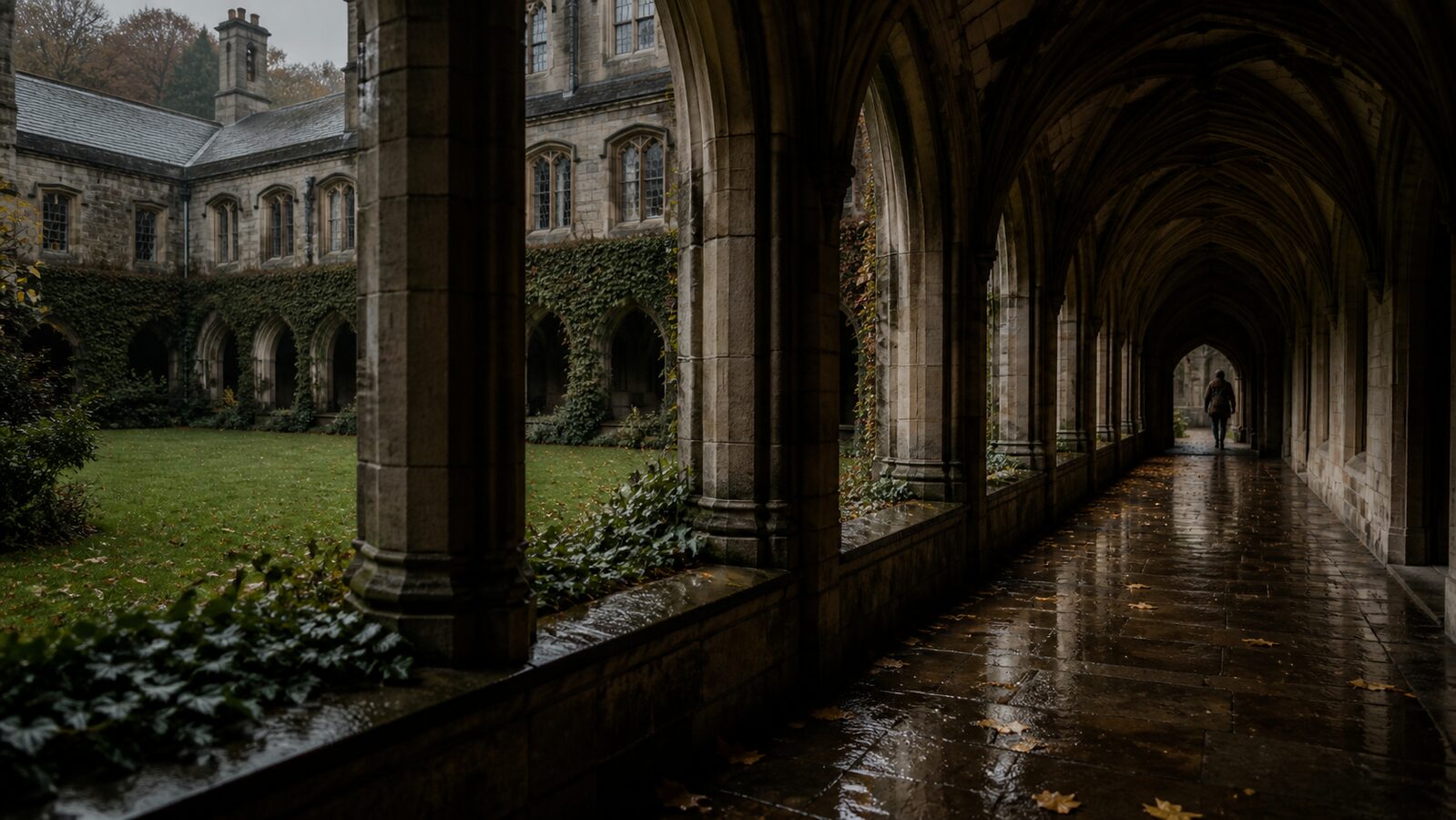
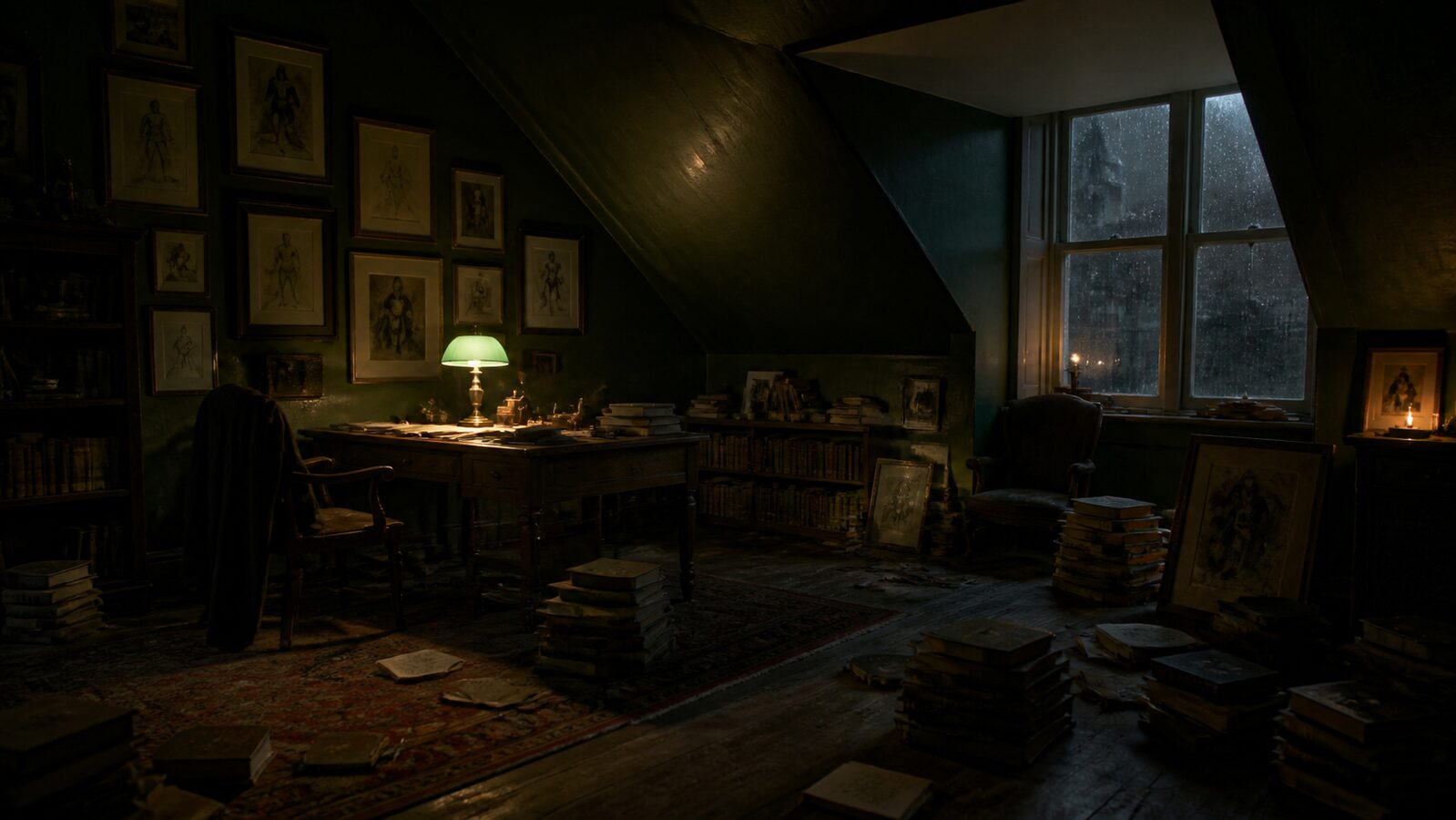
Dark Academia is an aesthetic subculture that romanticizes classical learning, European university tradition, and the moody atmosphere of old libraries, stone courtyards, and candlelit studies. It emerged as a recognizable aesthetic on Tumblr around 2015 and accelerated dramatically during the 2020 pandemic lockdowns, when people with suddenly too much time at home found solace in an idealized image of serious study and intellectual life. Its visual and literary references are British: Oxbridge, Gothic Revival architecture, Victorian and Edwardian illustration, and the novels of Donna Tartt ('The Secret History,' 1992).
The aesthetic draws on several overlapping traditions: the Gothic (ruins, mortality, aesthetic suffering), the academic novel (campus politics, secret societies, forbidden knowledge), and the preppy Ivy League aesthetic (Harris Tweed, leather-bound books, tortoiseshell glasses) filtered through a European, melancholic lens. The result is a mood board that is simultaneously aspirational and morbid: the life of the mind as a beautiful slow tragedy.
Dark Academia's color palette comes directly from its reference spaces: the warm amber of candlelight and old paper, the cold stone grey of Gothic buildings, the brown-black of ink and leather, and the deep forest green of library shelves. Contemporary fashion expression runs toward tailored blazers, plaid skirts, Oxford shoes, and anything that suggests a 19th-century Oxford student.
“The library at midnight, where every book is about dying beautifully.
The visual DNA: what makes it recognisable
8-channel console with the fingerprint on its display. Save the card, or share the page

Named in this style's material notes, 3 materials the library documents
4 color interpretations of this aesthetic
The colour of the styles sitting closest to this one
How to shoot it, how to prompt it, and how to board it.
How to shoot this aesthetic
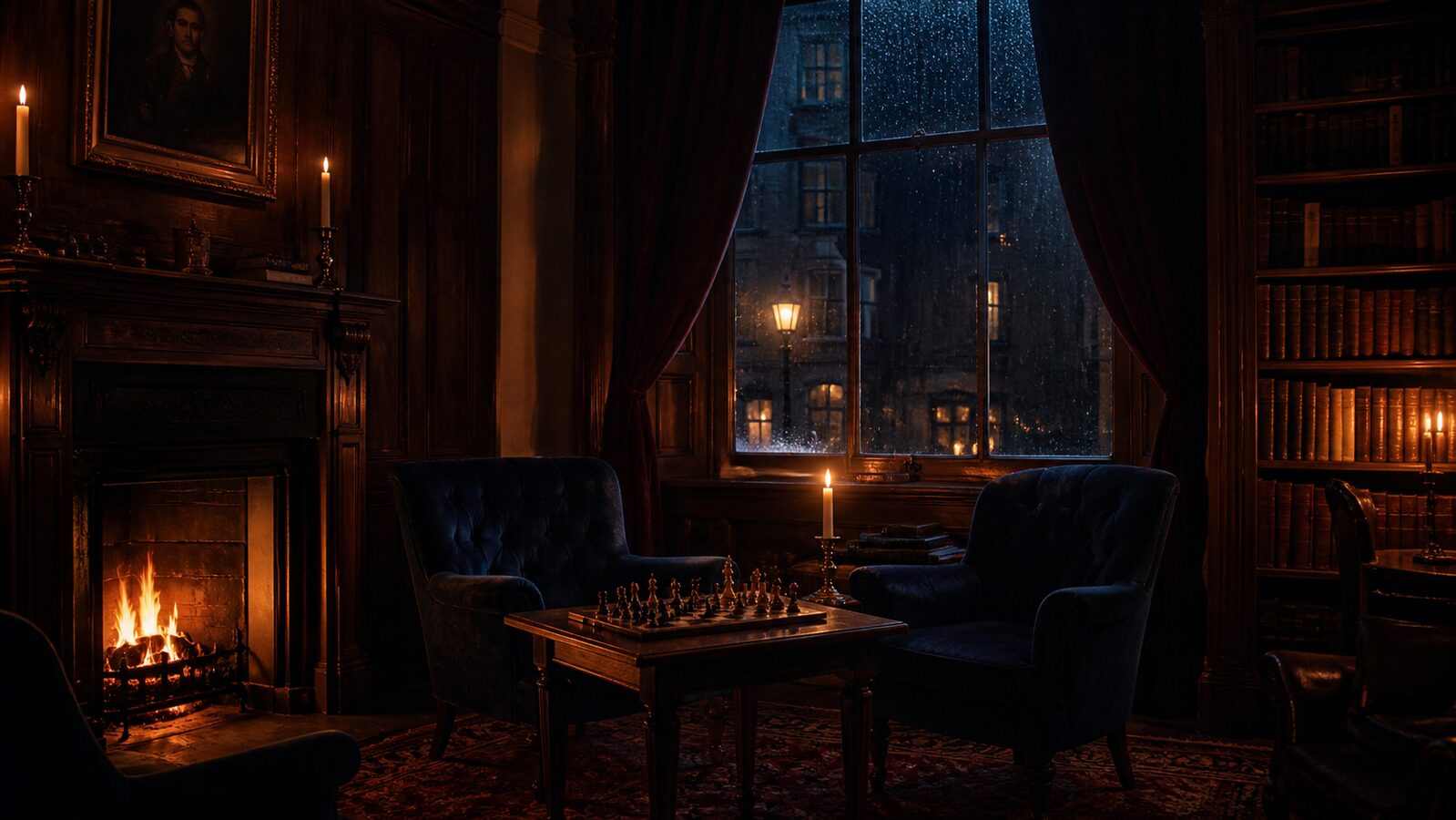
"A brooding portrait series in candlelit libraries and rain-streaked windows"
Shot list
Lighting
Single practical light sources only: candles, desk lamps and window light; embrace deep shadows and warm tungsten tones
Click any prompt row to edit. Copy uses your edited text.
Dark academia aesthetic with candlelit atmosphere
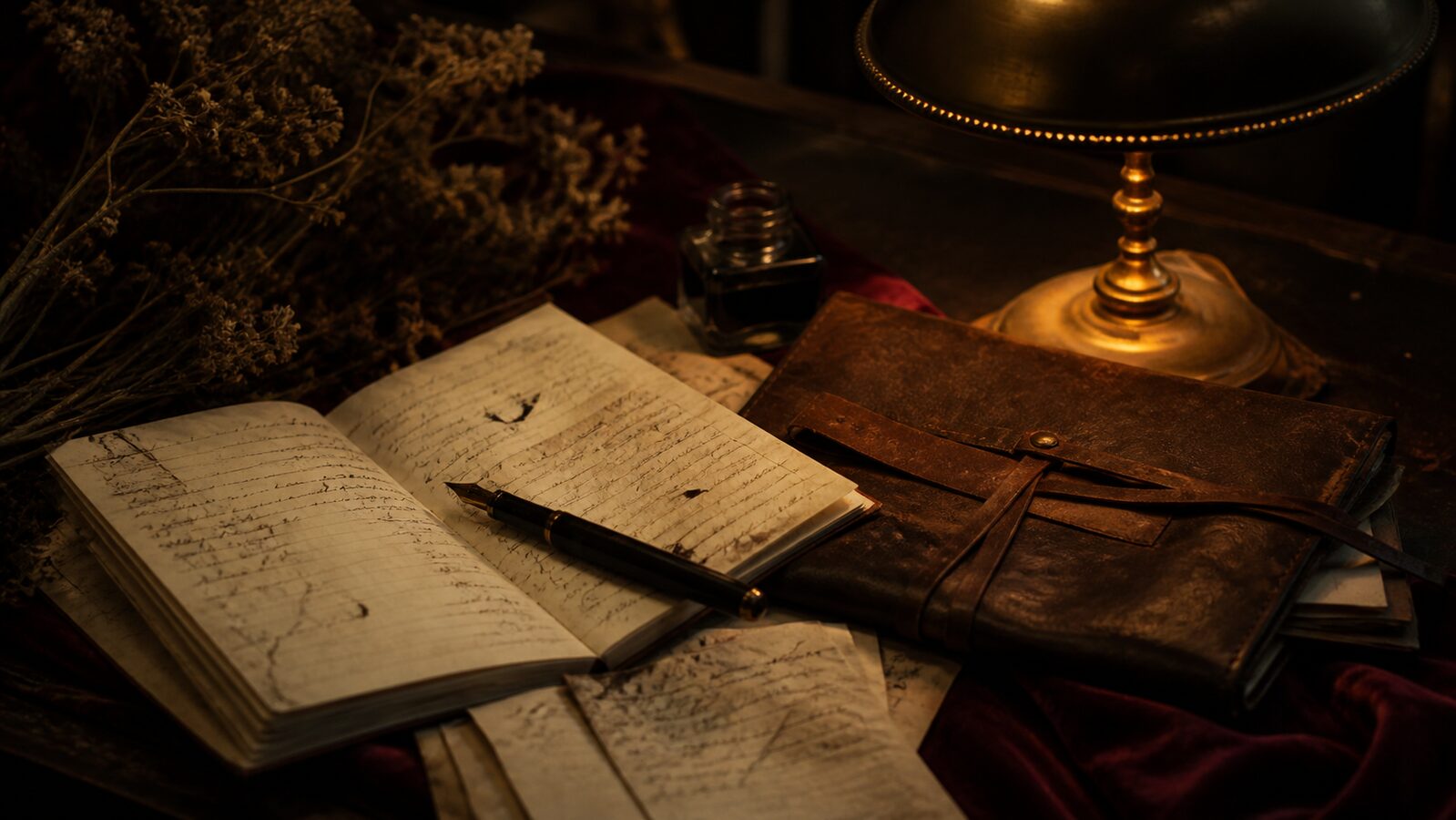
Visual cuesCaravaggio-style chiaroscuro lighting, moody sepia-toned scholarly romanticism, handwritten letters and antique brass detail
Paste as-is, or add your own subject.
Photograph: close portrait under a single desk lamp, face half in shadow with a leather-bound book held close.
SettingSet in victorian reading room. Shot wide, the whole scene with room around it, single practical light sources only: candles, desk lamps and window light; embrace deep shadows and warm tungsten tones.
ModelModel: a white non-binary model in their twenties with freckles and copper hair, standing square to the camera, arms loose.
OutfitDress the model in a completely new outfit: a fitted dress under a short cape, low heels, the main piece cut in silk organza, mainly leather dark with warm wood. It replaces any other garment or accessory in this prompt and carries the shot's one idea; no hat, bag, jewellery or prop unless it is part of this outfit.
DetailKeep quill pens, ink bottles, parchment scrolls in the frame.
StyleStyle: Dark academia aesthetic with candlelit atmosphere, Caravaggio-style chiaroscuro lighting, moody sepia-toned scholarly romanticism, handwritten letters and antique brass detail.
PaletteColour palette #1C1208 #4A2E1A #7A5435 #A8845A #E8D5C0.
FrameComposed for a 16:9 landscape frame.
RulesPhotographic, not an illustration. No text, no logos, no watermark.
The whole record as a portable skill for Claude, ChatGPT, Gemini, image and video models, or a human brief
The whole record, compiled into a skill another system can work inside: lineage, axes, palettes, type, materials, photography, verdicts and a critique checklist. Nothing is generated; it is the dossier, restructured.
The record applied to your project. The record's kit is free; your brand, references and plates come with membership
01 · Hero application02 · Material and finish03 · Palette in context04 · Photography directionWhether to use it, what it costs to do properly, and where it stands right now.
Two written calls, seven meters, and when to walk away
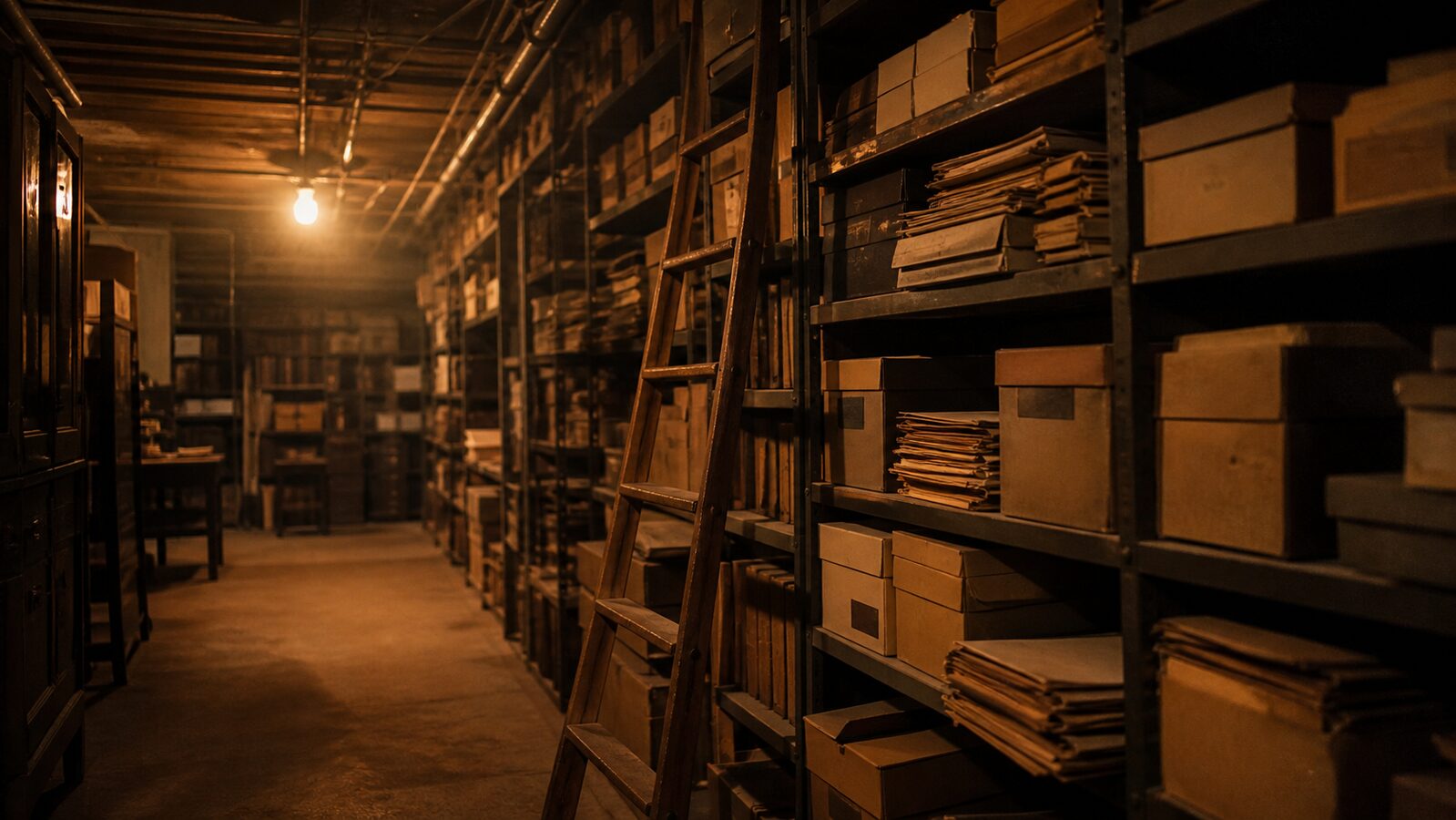
Atmosphere comes from the room, not from a filter. A warm grade over a modern interior does not become a library, so the location, the books and the furniture do most of the work before the camera arrives. Light low, from one side, with practical sources. Real spines and real paper beat any prop stack, and the difference reads instantly.
Right when the brand can support the claim of a scholarly inheritance: publishing, education, heritage goods, anything where age is genuinely part of the product. Wrong for a young company borrowing gravity it has not earned, which reads as a costume shop. The tell is specificity, real books and real rooms beat a candle and a stock library, and its audience reads more closely than most.
Real libraries, wardrobe, and props. Hard to fake convincingly.
A specific, well-loved mood. Generic 'library and tweed' undersells it.
Warm, low-light photography takes real technical control.
Generic library-and-tweed undersells a very specific, well-loved mood.
A constant presence across fashion and content branding now.
The scholarly-gothic mood has stayed durable for years, not weeks.
Real libraries, wardrobe, and props across every touchpoint.
A Pro feature: origins, practitioners, and pitfalls
Neighbours, cross-references, blends, and the questions people ask.
Connected across the creative knowledge graph
Where it stands now, and what it costs you to use it
Dark Academia peaked as an internet aesthetic around 2020 and has since split. The surface, tweed and candlelight and stacked books, has been absorbed into mainstream fashion marketing to the point of parody. What survives is the appetite for institutional texture: worn oak, marginalia, the specific green of a library lamp.
The honest tension is that its imagery is drawn almost entirely from elite Western institutions, and audiences now notice that. The work that still lands treats the aesthetic as a setting rather than an aspiration, which is roughly the difference between using it and endorsing it.
Mix Dark Academia with any style in the library, or see the pairs worth trying
 Dark Academia 50%Gothic 50%
Merged palette
#1C1208
#0D0208
#4A2E1A
#4A0E2C
#7A5435
Leads nostalgic, dark, analog
Typography · from Dark Academia
Playfair Display over Crimson Text
Materials
The calls this blend forces
These two disagree on one thing, and a blend cannot average them: you pick a side. At this mix:
Warm or Cool? Dark Academia is warm, Gothic is cool. This mix lands cool.
Use it
Create one visual direction that synthesizes Dark Academia × Gothic. Preserve a clear hierarchy; do not make a contact sheet or a collage of unrelated styles.
Let it read as nostalgic, dark, analog. Resolve the strongest tensions deliberately: warm / cool.
Use these colors as a controlled system: #1C1208 (Leather Dark) · #0D0208 (Near Black) · #4A2E1A (Dark Oak) · #4A0E2C (Dark Wine) · #7A5435 (Warm Wood).
Use Playfair Display for display type and Crimson Text for supporting text.
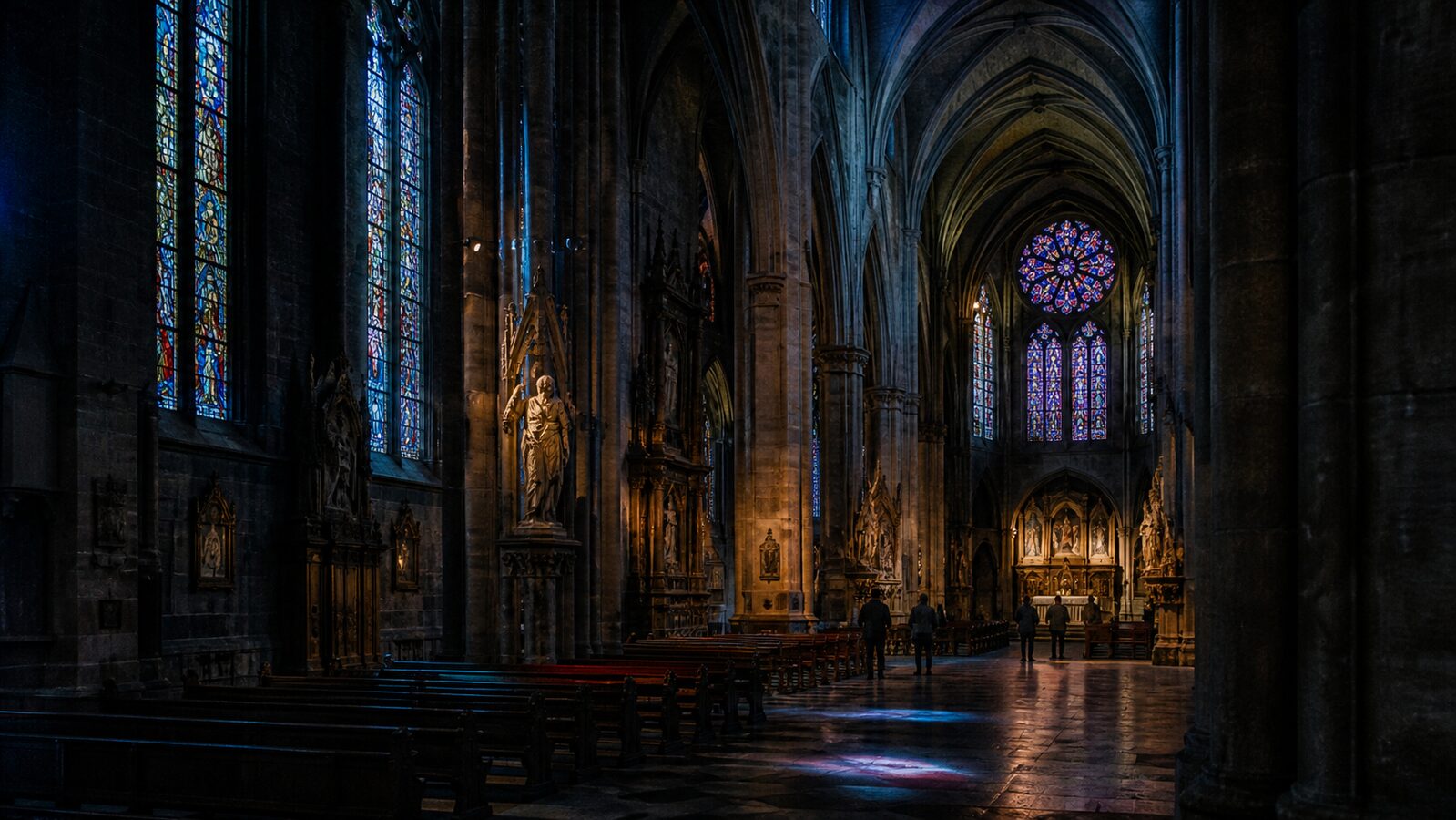
Bring in Leather-bound books, gilt-tooled spines and marbled endpapers, Oak panelling, carved stone and worn wooden library desks, Carved limestone, pointed arches and stone tracery, Stained glass windows in cathedrals and chapels.
Keep one subject or one clear interface state in focus. Use the visual language to guide composition, lighting, spacing and material decisions.
Dark Academia is an aesthetic subculture that romanticizes classical education, old European universities, and intellectual life: filtered through a Gothic, melancholic lens. Its visual markers: warm amber and brown palettes, candlelit libraries, tweed clothing, leather-bound books, and references to Greek mythology and Victorian literature.
Dark academia's palette centers on warm ambers (#C8A96E), parchment yellows (#D4B483), brown-blacks (#2C1810), stone greys (#8C8680), and forest greens (#2D4A22). The mood is warm but sombre: candlelight in a cold stone room.
Gothic aesthetic is broader: darkness, horror, death, and the supernatural, with deep blacks and blood reds. Dark academia is more specific: it's gothic aesthetics applied to intellectual and academic settings, with warmer tones, more emphasis on books and classical learning, and an Oxbridge/European university setting rather than a graveyard or haunted castle.
Every style in the library is broken down like this one: the palette, the typography, the materials and the lineage.
Explore the style library →