When to use it
- Experimental digital art
- Tech malfunction themes
- Avant-garde music
- Error aesthetics
Digital artifacts, data corruption, and intentional visual errors
Part of the Energy & Excitement mood, alongside Neubrutalism and Synthwave. Began in the 2000s, on the style timeline.
What it is, when it works, who it is for, and where it already exists.
Record 026-GL - when it works, who it is for, what it looks like
Where this aesthetic shows up in the real world · ↗ opens the source site
Where Glitch came from, what makes it recognisable, and the fingerprint it leaves.
2000s–present · Internet, digital art community; roots in experimental film and video art
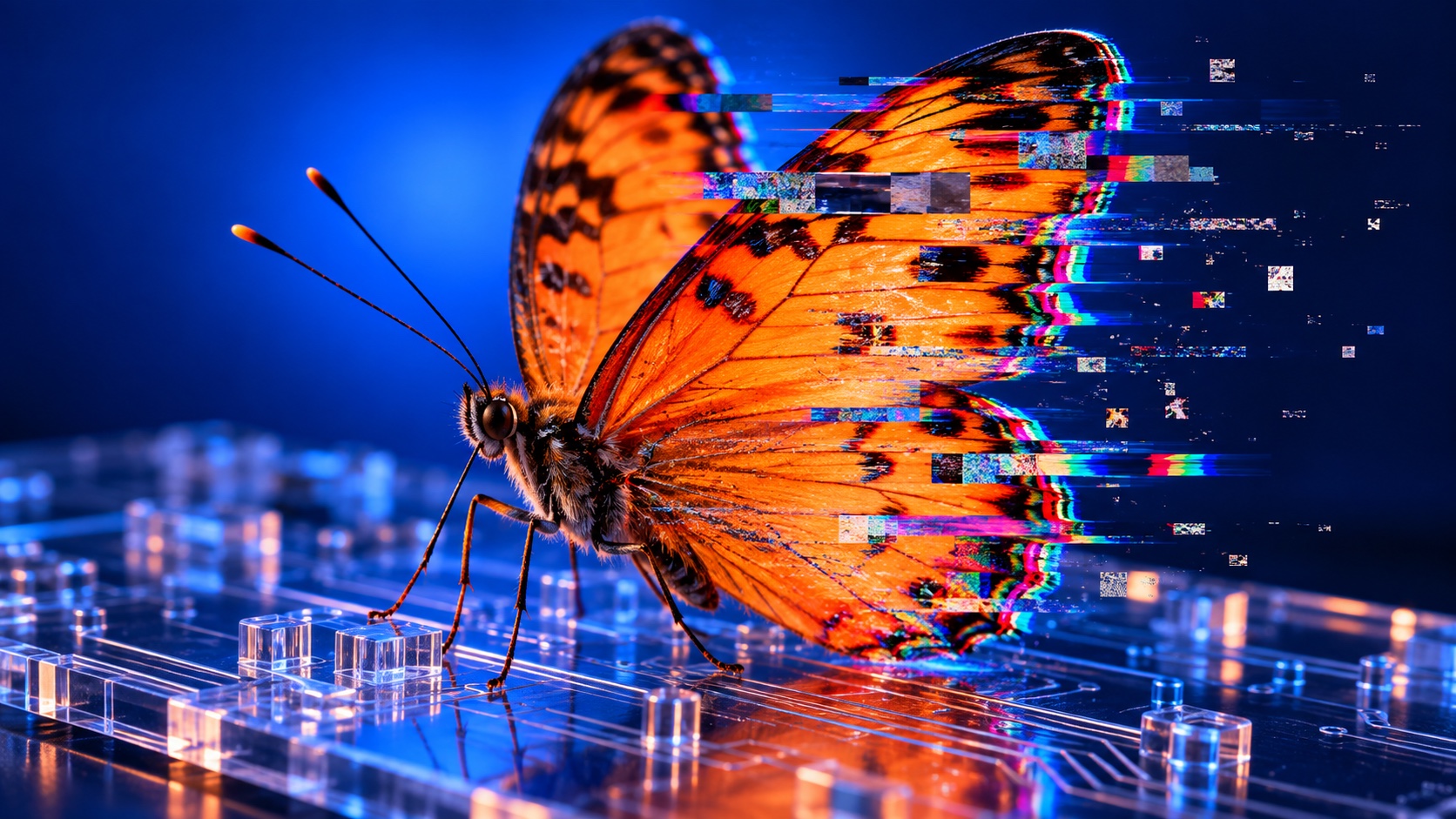
Glitch art as a deliberate aesthetic practice emerged from the experimental video and digital art communities of the late 1990s and early 2000s. Artists like JODI (Joan Heemskerk and Dirk Paesmans) had been corrupting software and web browsers as art since 1994, and Rosa Menkman's influential 'Glitch Studies Manifesto' (2009) codified the approach: rather than hiding technological error, glitch art celebrates and amplifies it. The underlying proposition is that errors reveal the true structure of systems that otherwise present a seamless interface: glitch art makes visible what consumer technology works to conceal.
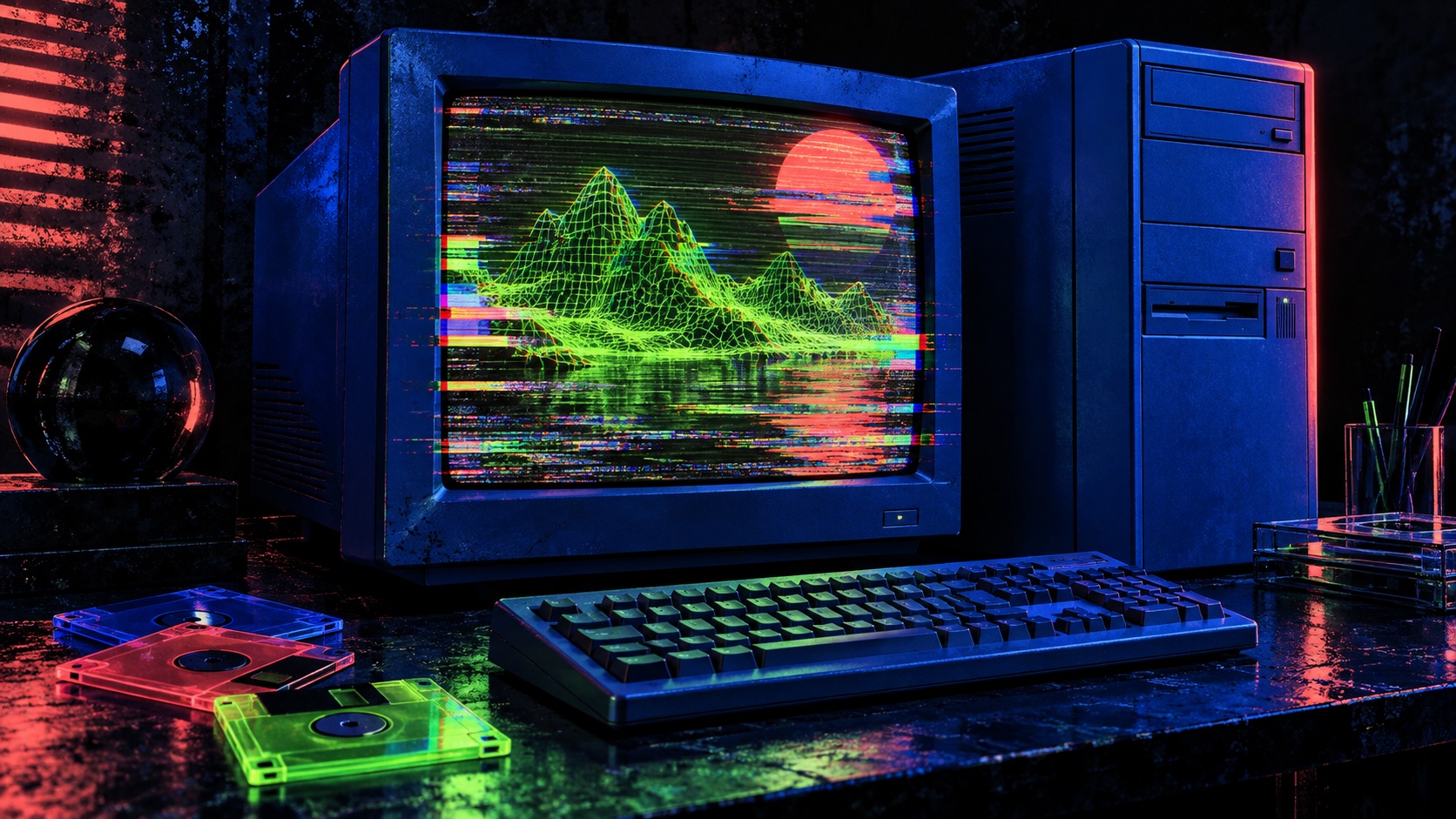
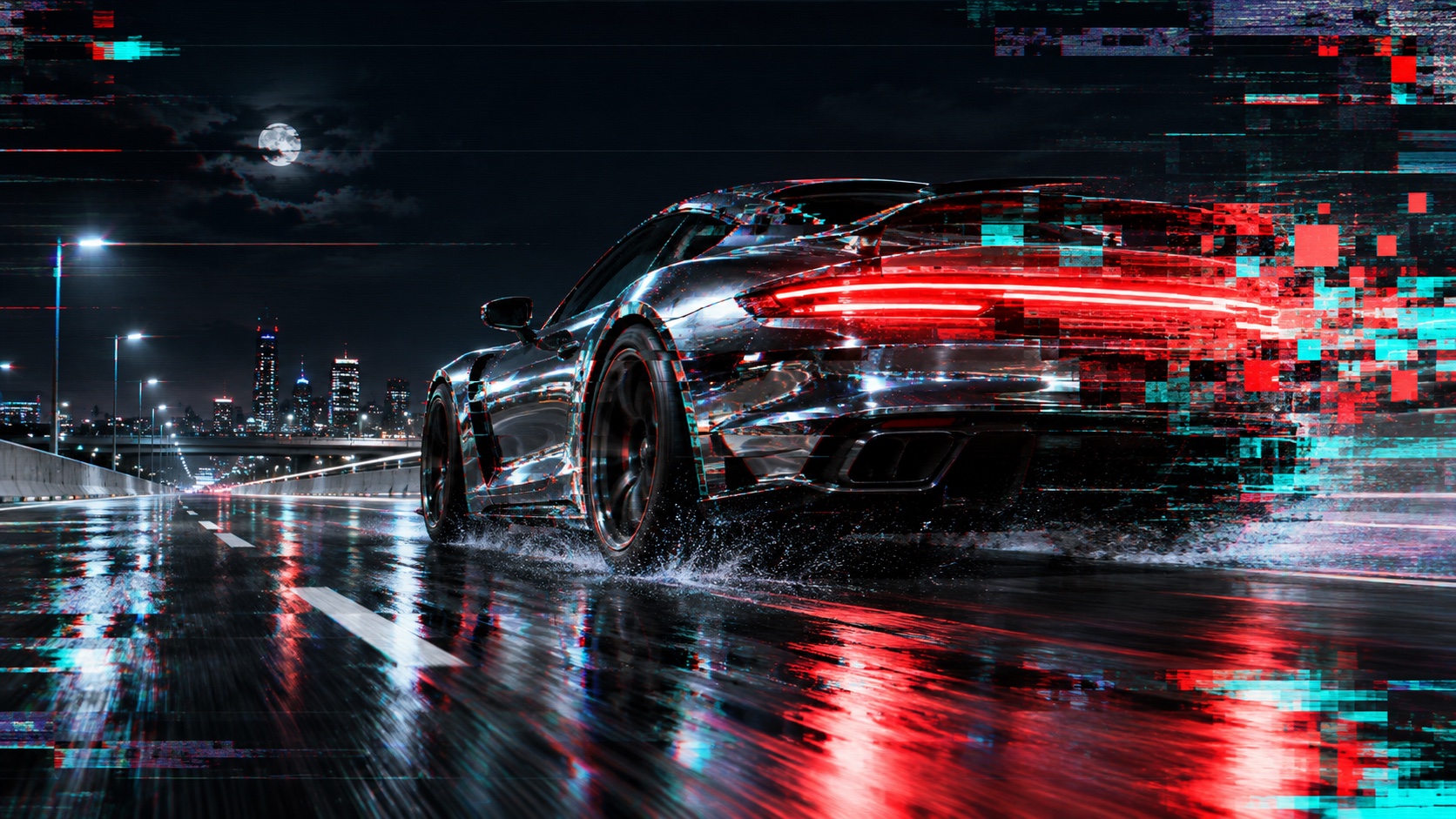
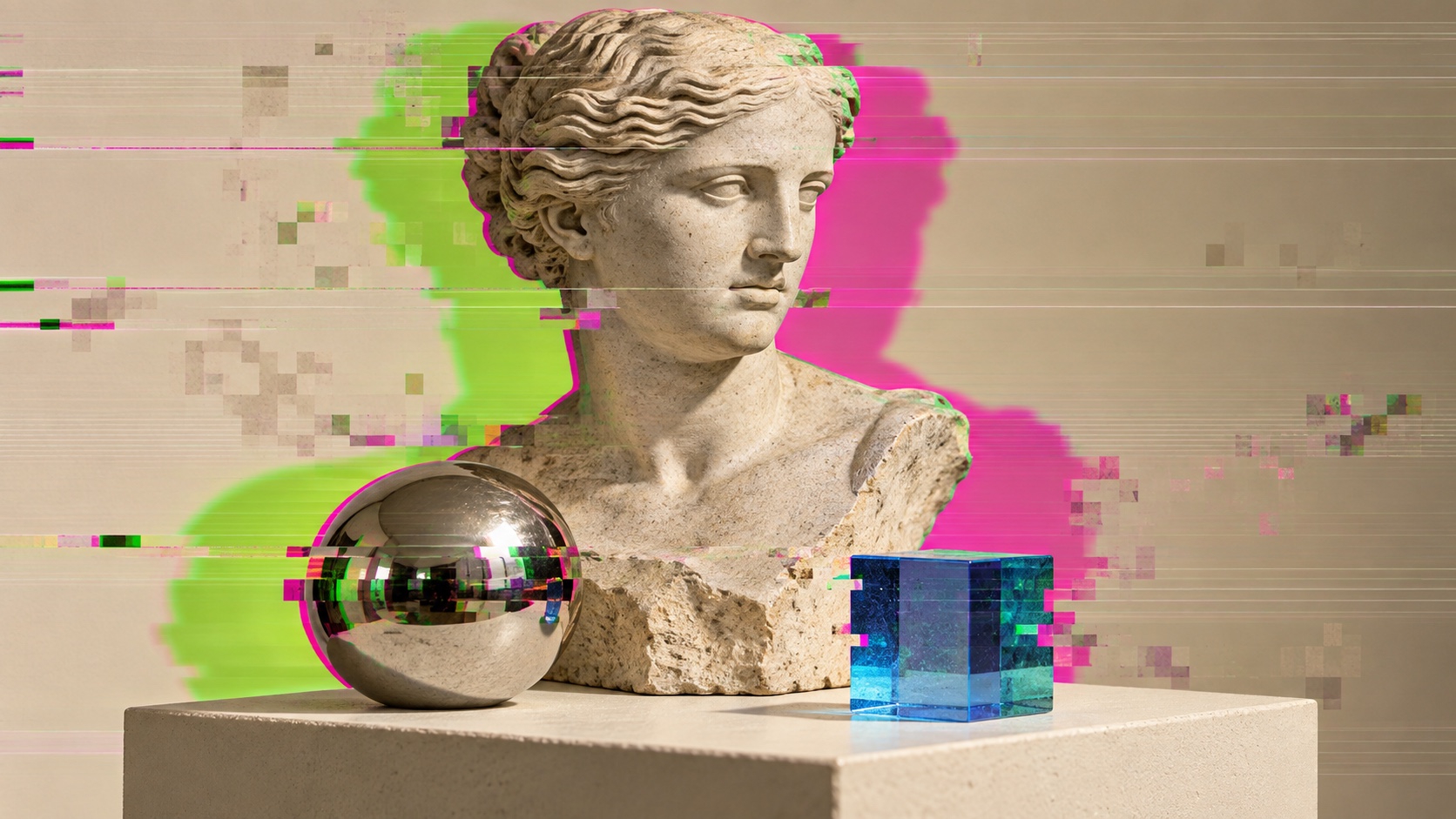
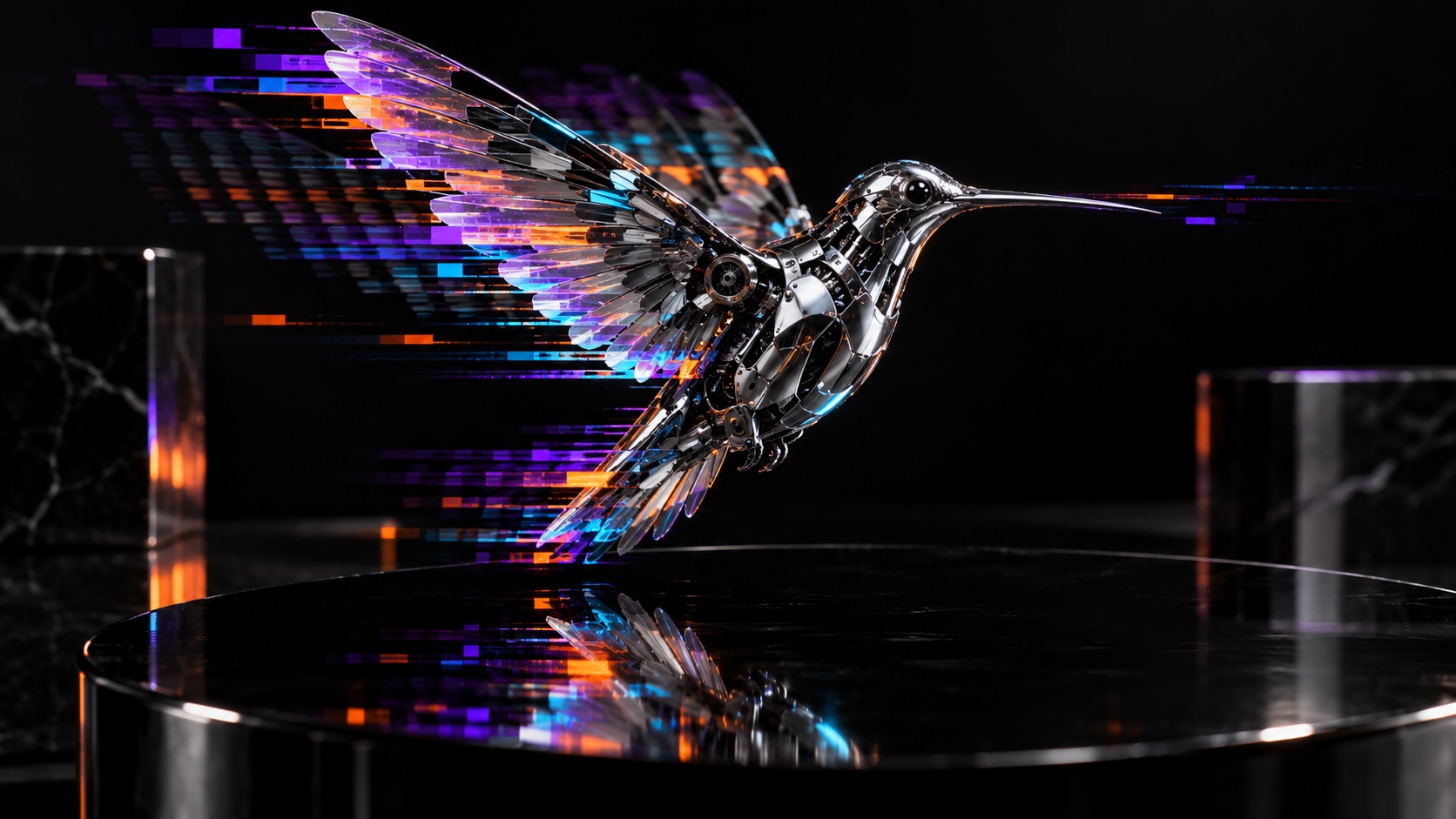
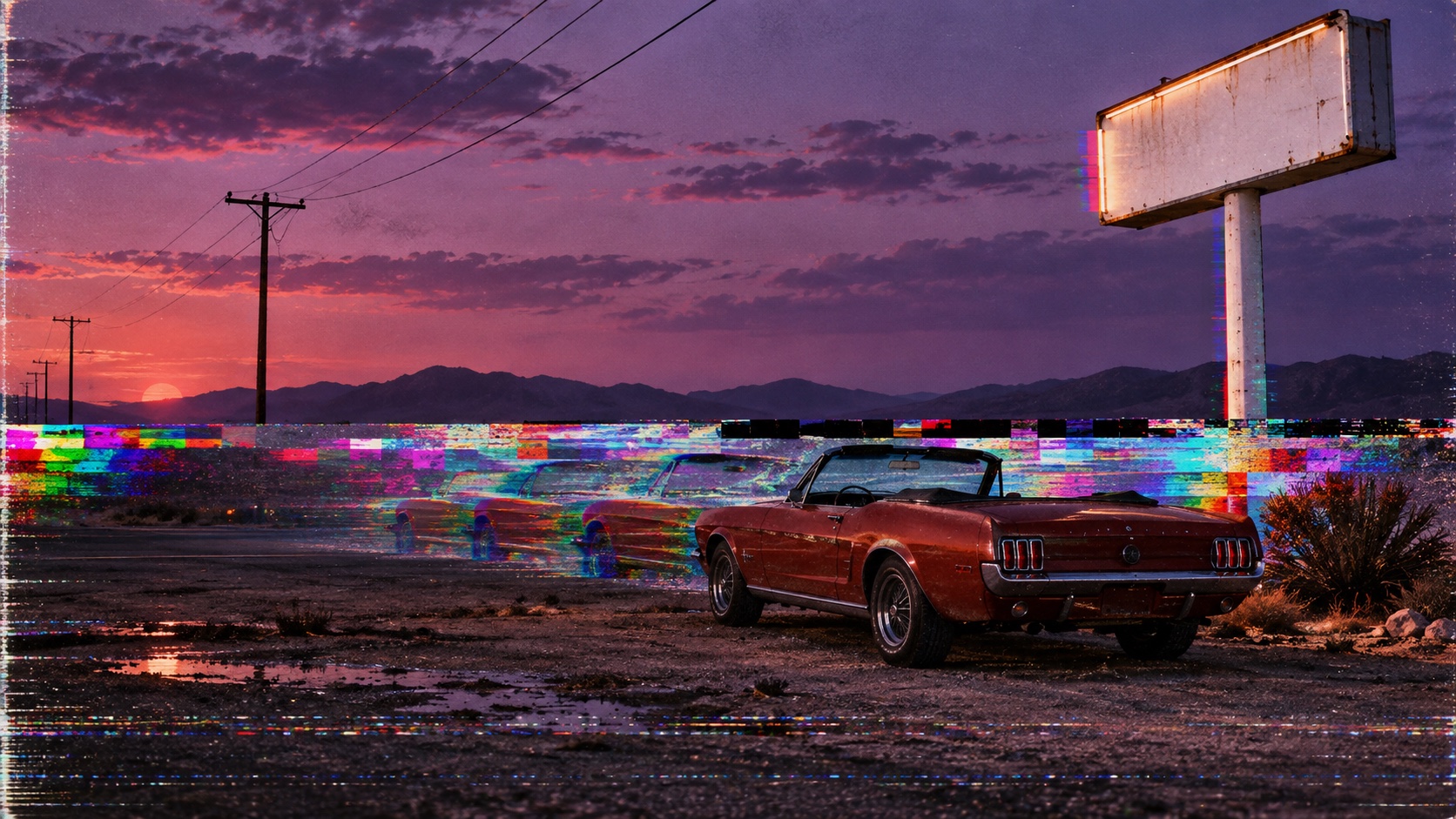
The visual vocabulary draws from specific failure modes: JPEG compression artifacts (blocky color regions), VHS tracking errors (horizontal rainbow scan lines), CRT electron gun misalignment (RGB channel separation where red, green, and blue components shift laterally from each other), data corruption in image files, and the visual output of deliberately 'broken' code or corrupted file formats. Each error type has a distinct visual signature that artists have learned to replicate or induce intentionally.
Mainstream cultural visibility came through music video aesthetics (Kanye West's 'Welcome to Heartbreak' 2009; every mid-2010s EDM visual), fashion photography treatments, and its absorption into the cyberpunk and vaporwave adjacent aesthetics. In contemporary design, glitch treatments appear as overlays on otherwise conventional work: the RGB shift applied to a portrait, the scan-line texture on a gradient background: as a signal of digital-native self-awareness.
“What the machine shows you when it stops pretending.
The visual DNA: what makes it recognisable
8-channel console with the fingerprint on its display. Save the card, or share the page

5 color interpretations of this aesthetic
The colour of the styles sitting closest to this one
How to shoot it, how to prompt it, and how to board it.
How to shoot this aesthetic
"The machine's error as artistic statement: beauty discovered in the break"
Shot list
Lighting
The glitch is the light flickering screens, malfunctioning LED panels, strobing RGB displays as sole light sources; the unstable light quality reinforces the aesthetic at a fundamental level
Drop this into Studio to generate in this aesthetic
Glitch art aesthetic with digital signal corruption, RGB channel splitting and datamosh smearing, pixel-sorting artifacts and scan-line tearing, deliberate technological malfunction as visual language, chaotic broken-media beauty
The record applied to your project. The record's kit is free; your brand, references and plates come with membership
01 · Hero application02 · Material and finish03 · Palette in context04 · Photography directionWhether to use it, what it costs to do properly, and where it stands right now.
Two written calls, seven meters, and when to walk away
A convincing glitch is generated, not painted. Hand-drawn RGB offset stripes look neat and evenly spaced, which real data corruption never is, so datamosh or bend an actual file and harvest the result. Keep it sparse and sudden. Constant glitch reads as a texture; the effect depends on the image being stable enough to be interrupted.
Use it when one true failure can carry the whole piece. Its power now is restraint: it has been in commercial rotation so long that a page of decorative noise reads as texture rather than error, which is the opposite of the intent. The scene distinguishes real signal corruption from a displacement filter, and the difference is visible in the structure.
Digital effects only.
Random corruption reads as broken, not intentional, without real control.
A convincing 'error' is more deliberate than it looks.
Random corruption without control just reads as a broken file, not an idea.
A constant presence across music, tech, and digital art.
Has stayed relevant for two decades as digital culture itself endures.
Digital effects only.
A Pro feature: origins, practitioners, and pitfalls
Neighbours, cross-references, blends, and the questions people ask.
Connected across the creative knowledge graph
Where it stands now, and what it costs you to use it
Glitch art has a real lineage, from Nam June Paik through databending, and it has a hard internal split between artists who cause actual signal failure and designers who apply a filter that looks like one.
The distinction is legible to anyone who works in it, because real corruption has structure that a displacement filter does not.
It has been in commercial rotation so long that it now reads as a texture rather than an error, which is the opposite of the intent. Its remaining power is in restraint: one true failure beats a page of decorative noise.
Mix Glitch with any style in the library
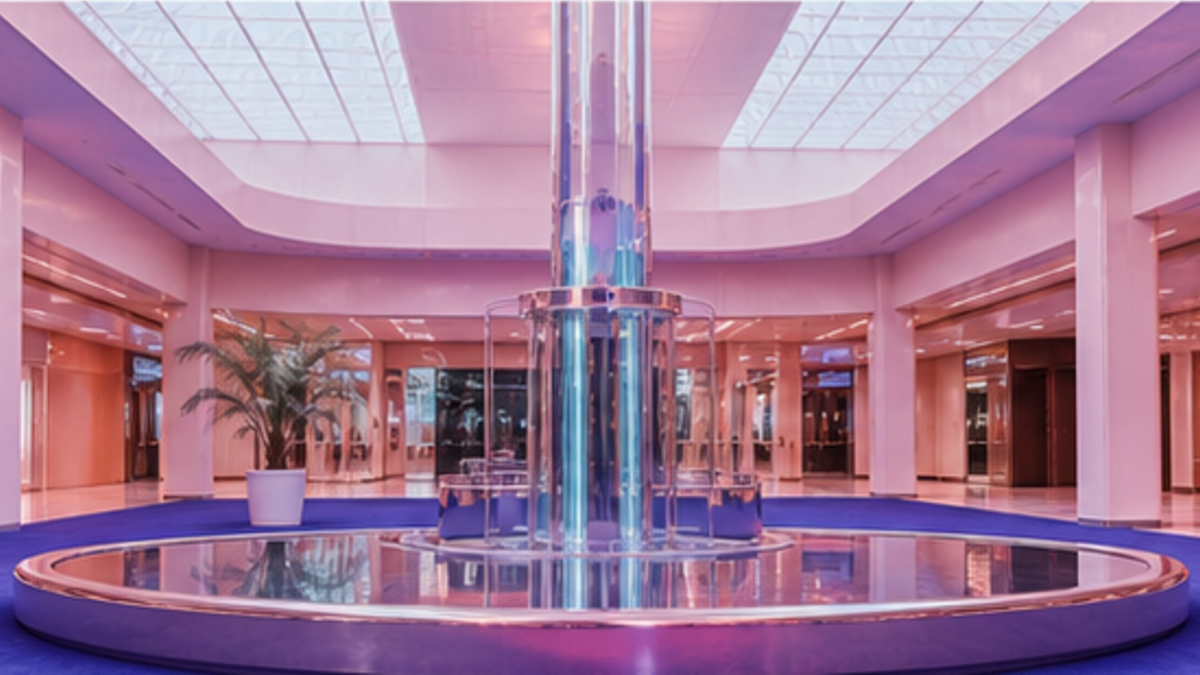 Glitch 50%Vaporwave 50%
Merged palette
#000000
#1A1A2E
#FF0000
#B967FF
#00FFFF
Leads digital, chaotic, expressive
Typography · from Glitch
IBM Plex Sans over IBM Plex Mono
Materials
The calls this blend forces
These two disagree on one thing, and a blend cannot average them: you pick a side. At this mix:
Futuristic or Nostalgic? Glitch is futuristic, Vaporwave is nostalgic. This mix lands nostalgic.
Use it
Glitch art aesthetic with digital signal corruption, RGB channel splitting and datamosh smearing, pixel-sorting artifacts and scan-line tearing, deliberate technological malfunction as visual language, chaotic broken-media beauty (50%), infused with Vaporwave aesthetic with glitched Greco-Roman statuary, VHS chromatic aberration, dreamy pastel-and-neon color mood, ironic consumerist nostalgia, color palette strictly #000000 #1A1A2E #FF0000 #B967FF #00FFFF, leaning futuristic over nostalgic, overall character: digital, chaotic, expressive
Glitch art is a visual aesthetic that celebrates digital and analog errors: RGB channel separation, JPEG artifacts, scan-line interruption, pixel corruption, and data-moshing. Rather than hiding technological failure, glitch artists amplify and compose with it: arguing that errors reveal what seamless consumer technology conceals.
The most common glitch techniques: (1) RGB channel offset: duplicate your image in red, green, and blue channels and shift them 3–8px laterally from each other; (2) scan-line overlay: apply semi-transparent horizontal dark bars at 2px intervals; (3) pixel stretch: corrupt specific horizontal slices by stretching their pixel data. Most can be achieved in Photoshop with blending modes or through online glitch tools.
Glitch art and cyberpunk share a dark, technology-critical mood, but glitch art is specifically about the failure modes of digital systems while cyberpunk is a broader narrative aesthetic (dystopian cities, body modification, hacker subculture). Cyberpunk uses glitch aesthetics as one element among many; glitch art makes the error itself the subject.
Every style in the library is broken down like this one: the palette, the typography, the materials and the lineage.
Explore the style library →