When to use it
- Dystopian narratives
- Privacy commentary
- Tech critique art
- Documentary aesthetics
CCTV aesthetics, data overlays, and voyeuristic documentation
Part of the Mystery & Intrigue mood, alongside Surrealism and Dreamcore. Began in the 1990s, on the style timeline.
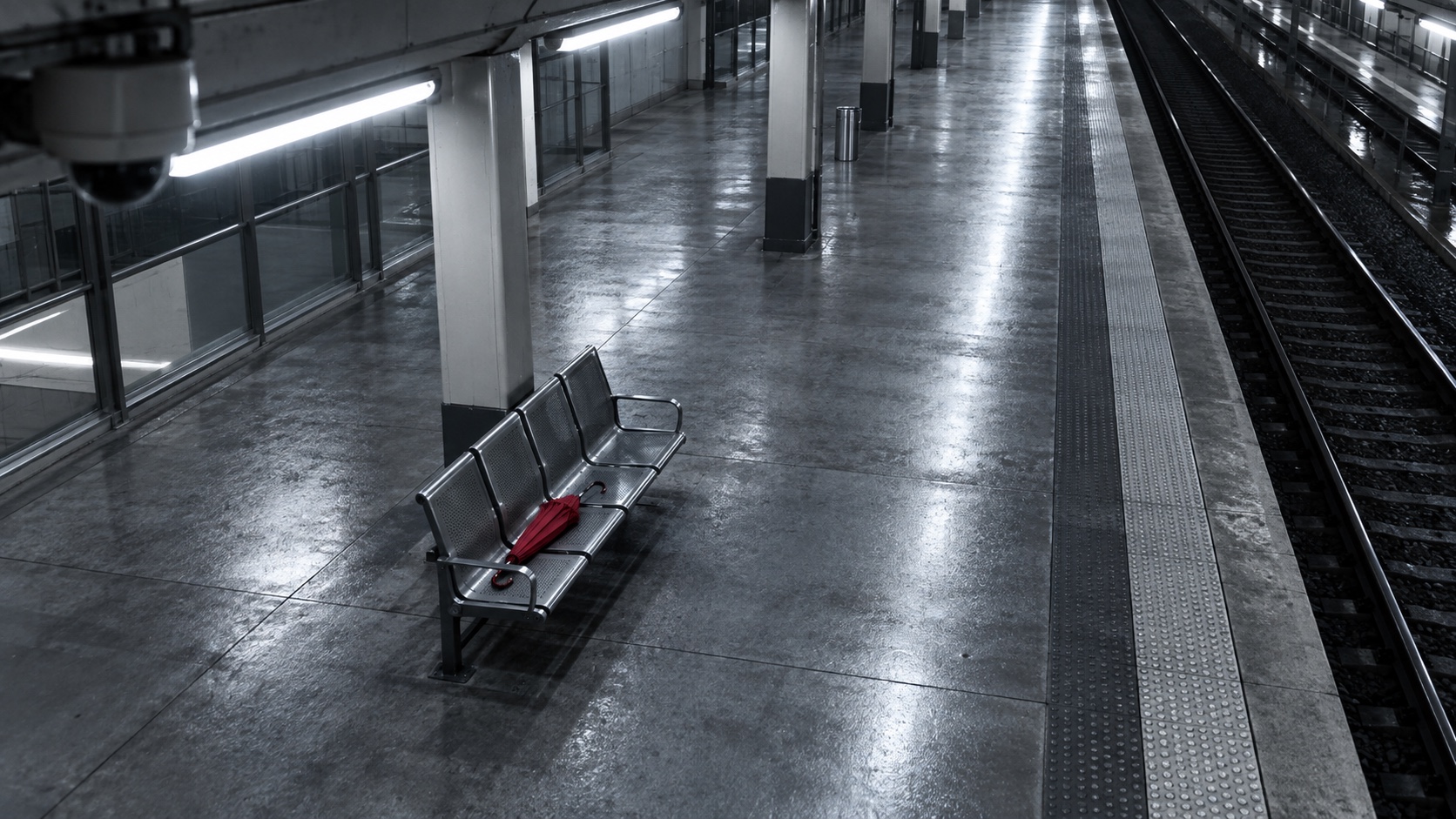
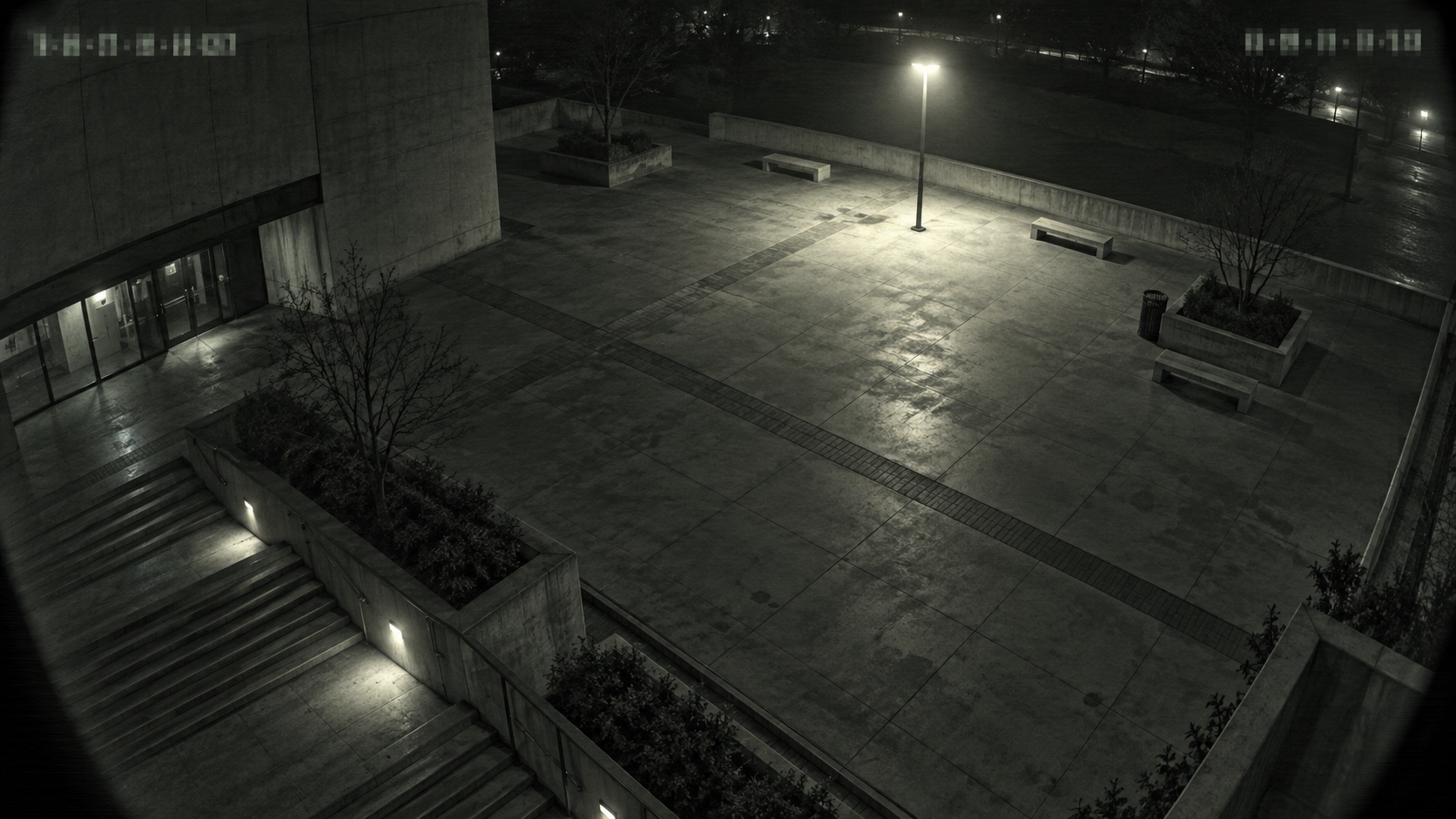
What it is, when it works, who it is for, and where it already exists.
Record 038-SU - when it works, who it is for, what it looks like
Where this aesthetic shows up in the real world · ↗ opens the source site
Where Surveillance came from, what makes it recognisable, and the fingerprint it leaves.
1970s CCTV origins; aesthetic from 1990s; dominant internet presence 2010s · Security infrastructure; becomes aesthetic through art and digital culture
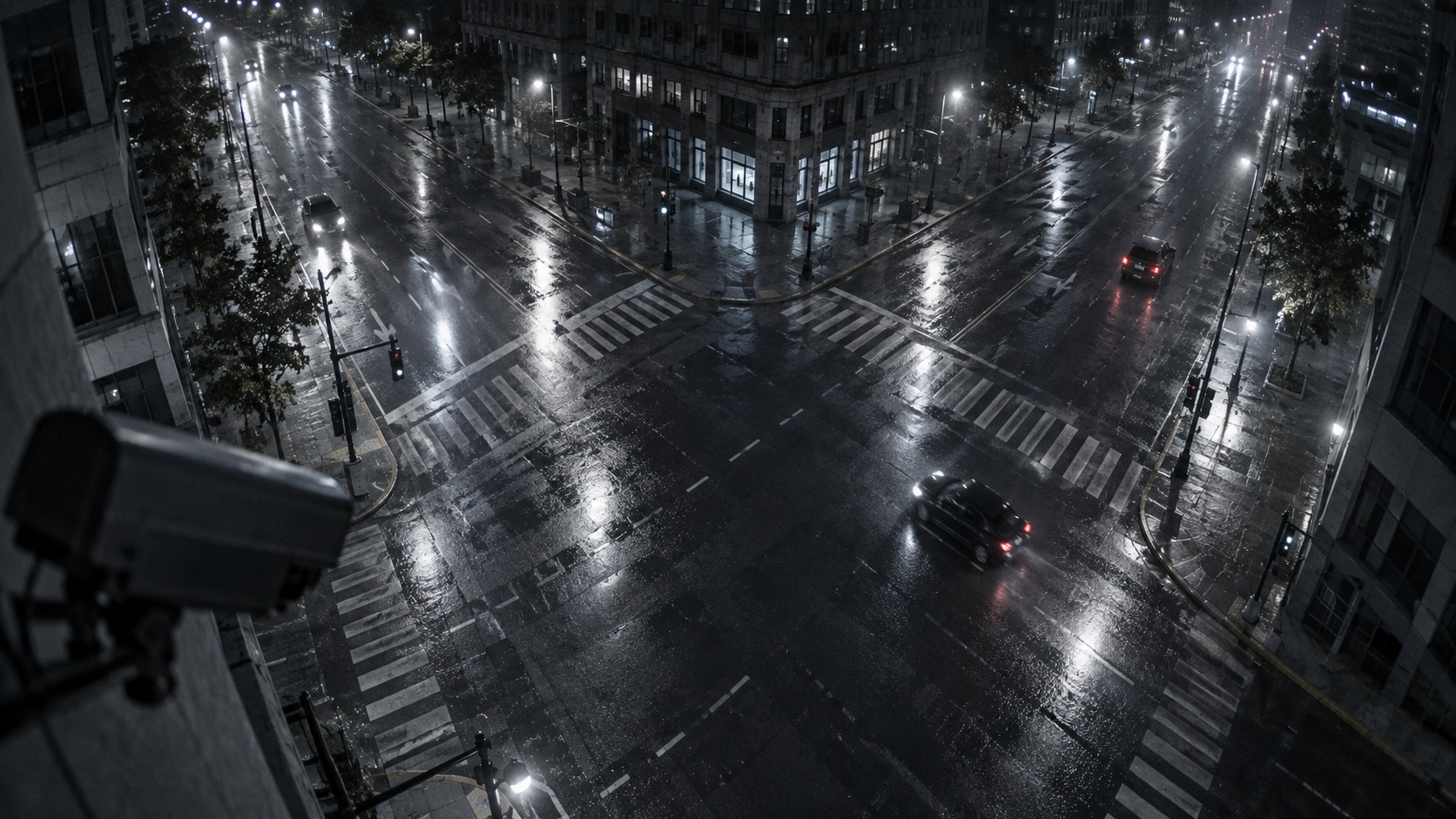
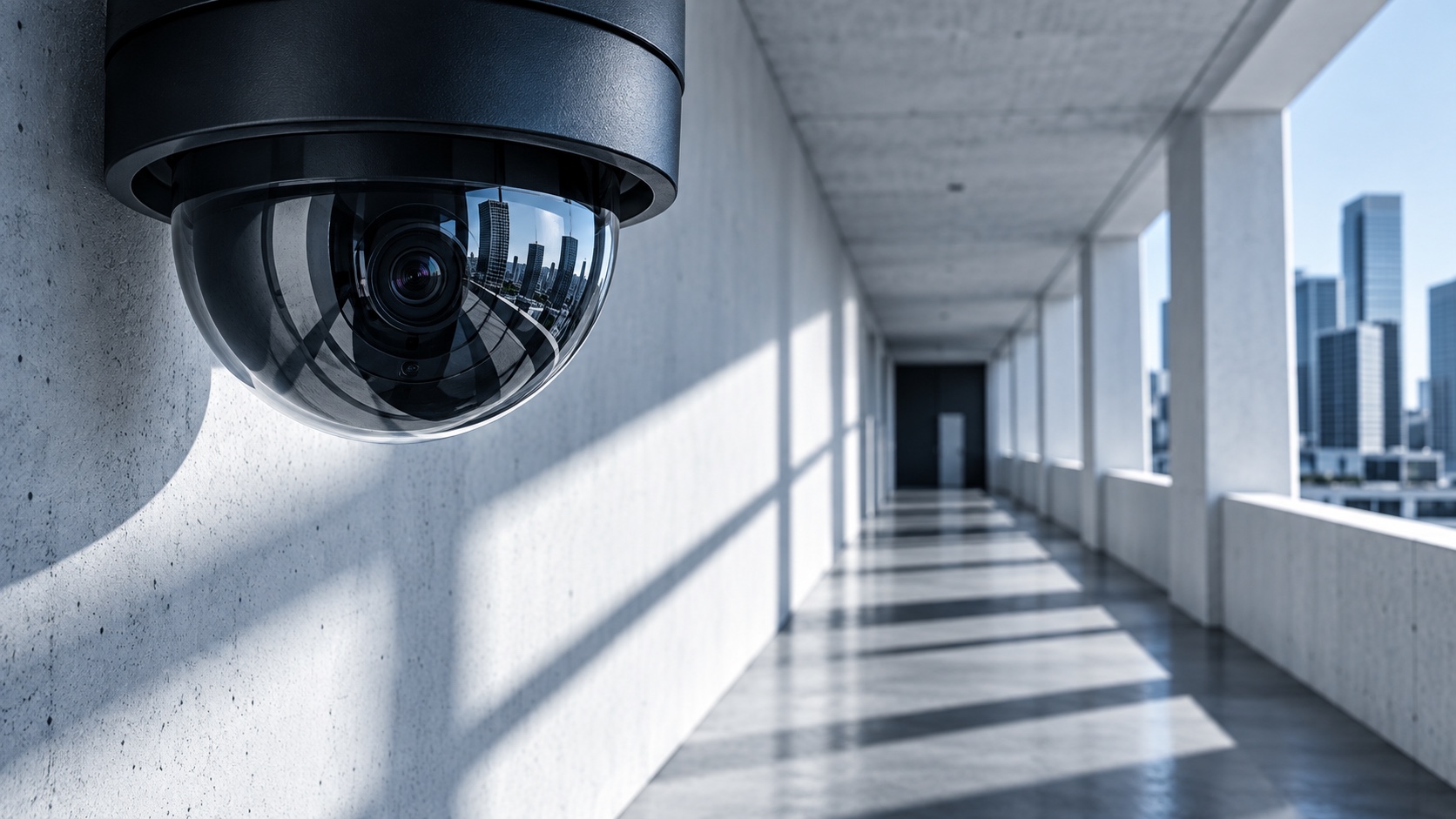
Closed-circuit television systems were first deployed commercially in the late 1940s–1950s (Siemens AG installed an early system in Germany in 1942 for rocket testing; the first US commercial installation was on Wall Street in 1973). The specific visual quality of early CCTV: monochrome, low resolution, wide-angle distortion, the timestamp and camera ID text overlay, the fixed viewpoint looking slightly downward into a space: became culturally recognizable as 'the surveillance gaze' through its proliferation in public spaces from the 1980s onward, and through its use in crime investigation television (the security footage clip became a news staple).
The surveillance aesthetic entered fine art through photographers and artists who recognized the social, political, and visual implications of omnipresent monitoring. Sophie Calle's photography (following strangers and documenting them), Trevor Paglen's work photographing surveillance infrastructure, and Jenny Holzer's use of LED text in public spaces all engaged with surveillance as both a medium and a subject. The surveillance aesthetic also became a tool of political commentary: Banksy's 'CCTV' stencil works, and the broader tradition of art that makes surveillance visible in order to critique it.
Contemporary surveillance aesthetic appears in music video (the CCTV-style shot has become a standard visual convention for edgy and transgressive content), digital art (glitch aesthetics that mimic surveillance camera compression), and as a UI/UX element in any context wanting to signal 'raw, unfiltered, live.' The Y2K and cyberpunk adjacent aesthetics both incorporate surveillance visual elements as markers of technology's social power.
“The eye that sees everything and registers nothing as beautiful.
The visual DNA: what makes it recognisable
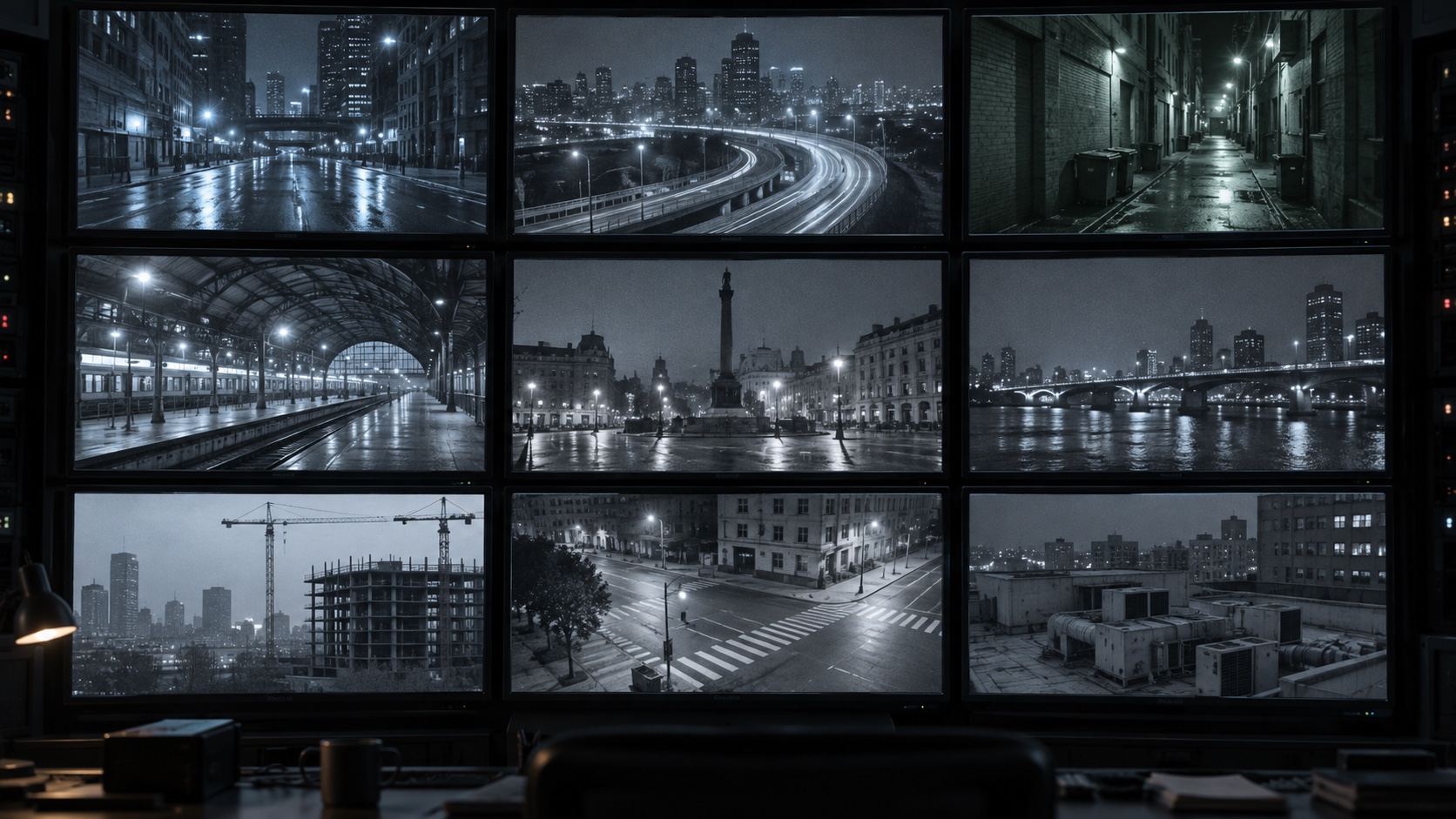
8-channel console with the fingerprint on its display. Save the card, or share the page

4 color interpretations of this aesthetic
The colour of the styles sitting closest to this one
How to shoot it, how to prompt it, and how to board it.
How to shoot this aesthetic
"Always watched, always watching: the camera as document, record, and threat"
Shot list
Lighting
Practical fluorescent ceiling lights for the institutional setting; switch to IR illumination for the surveillance night-vision aesthetic dedicated IR LEDs produce a fundamentally different quality than simulated green filters
Drop this into Studio to generate in this aesthetic
Surveillance aesthetic with CCTV grain and timestamp overlay, security-camera fisheye distortion, institutional monitoring atmosphere, cold clinical detachment, low-resolution digital-video texture
The record applied to your project. The record's kit is free; your brand, references and plates come with membership
01 · Hero application02 · Material and finish03 · Palette in context04 · Photography directionWhether to use it, what it costs to do properly, and where it stands right now.
Two written calls, seven meters, and when to walk away
The aesthetic depends on artefacts being real. Timestamp burn-in, interlacing and fisheye distortion are specific and cheap to get wrong, and an overlay pasted on clean footage fools nobody. Match the frame rate and the compression. Composition should look unconsidered, because the moment it looks framed the premise collapses.
Effective for dread and tension, which is why horror and thriller work keeps using it. Wrong for selling, because the reference carries a politics that does not switch off: using CCTV texture commercially is a specific tonal risk and the artists working in it are mostly making a point about that. Right when the discomfort is the message.
Mostly post-production overlay work on existing footage.
Grainy footage alone isn't a concept. It needs a real point of view.
Overlay and interface graphics are a known technique.
Grainy footage without a real point of view is just noise.
A niche reference outside tech-critical and art contexts.
The theme of being watched isn't going away anytime soon.
Overlay work on existing footage.
A Pro feature: origins, practitioners, and pitfalls
Neighbours, cross-references, blends, and the questions people ask.
Connected across the creative knowledge graph
Where it stands now, and what it costs you to use it
The surveillance aesthetic is unusual in being borrowed from a genuinely hostile technology, and artists working in it are mostly making a point about that rather than decorating with it.
Using CCTV texture to sell something is a specific tonal risk, because the reference carries a politics that does not switch off.
It is extremely effective for tension and dread, which is why the horror and thriller use of it keeps working while the fashion use of it keeps reading as glib.
Mix Surveillance with any style in the library
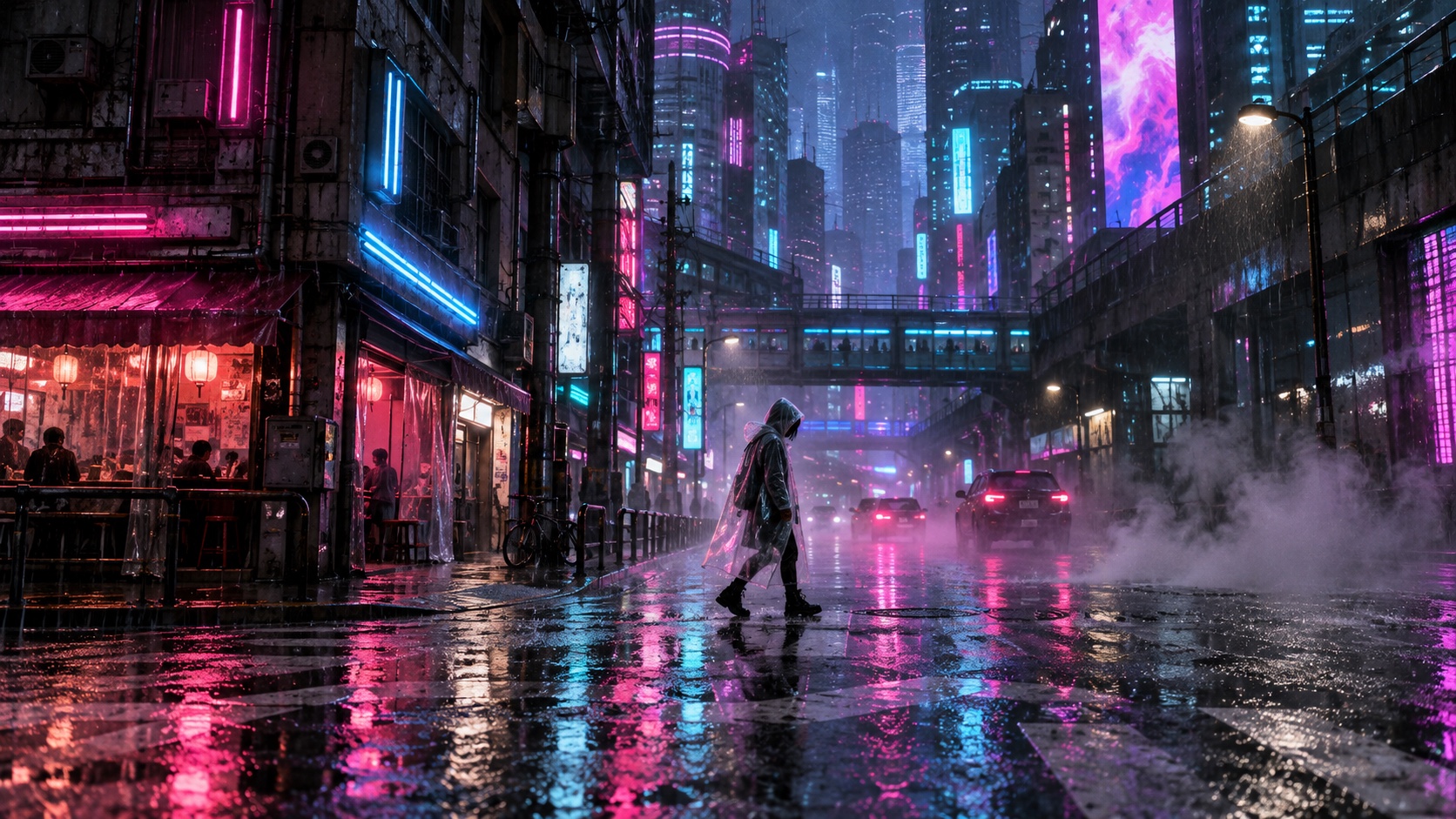 Surveillance 50%Cyberpunk 50%
Merged palette
#1A1A1A
#0D1117
#2A3A2A
#1A0A2E
#00FF00
Leads digital, dark, cool
Typography · from Surveillance
IBM Plex Sans over IBM Plex Mono
Materials
The calls this blend forces
These two disagree on 3 things, and a blend cannot average them: you pick a side. At this mix:
Restrained or Expressive? Surveillance is restrained, Cyberpunk is expressive. This mix lands expressive.
Minimal or Maximal? Surveillance is minimal, Cyberpunk is maximal. This mix lands maximal.
Structured or Chaotic? Surveillance is structured, Cyberpunk is chaotic. This mix lands chaotic.
Use it
Surveillance aesthetic with CCTV grain and timestamp overlay, security-camera fisheye distortion, institutional monitoring atmosphere, cold clinical detachment, low-resolution digital-video texture (50%), infused with Cyberpunk aesthetic with neon-soaked rain-slicked atmosphere, dystopian megacity mood, Blade Runner lineage by way of Ridley Scott and Denis Villeneuve, holographic advertisement clutter, moody high-contrast color grade, color palette strictly #1A1A1A #0D1117 #2A3A2A #1A0A2E #00FF00, leaning restrained over expressive, minimal over maximal, structured over chaotic, overall character: digital, dark, cool
Surveillance aesthetic uses the specific visual qualities of closed-circuit television and security camera systems: monochrome or desaturated color, wide-angle distortion, timestamp overlays, scan-line quality, and fixed overhead viewpoints: as an artistic or design choice. It communicates observation, control, and the omnipresence of institutional watching.
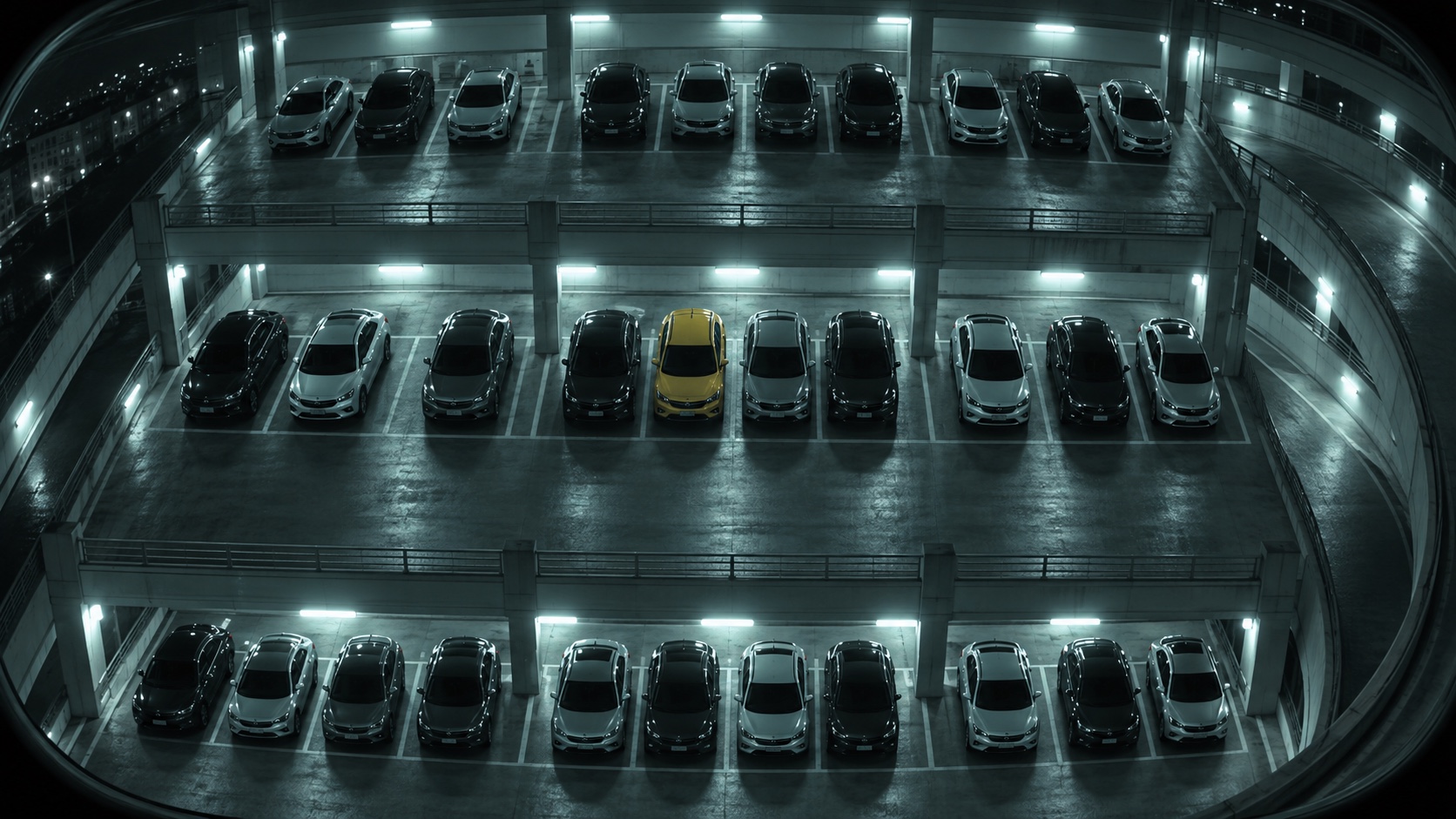
CCTV footage's distinctive look comes from: (1) low-resolution sensors producing visible compression artifacts; (2) wide-angle lenses creating barrel distortion; (3) low-light conditions requiring high gain/ISO, producing digital noise; (4) MPEG compression creating blocky motion artifacts; (5) the fixed viewpoint (ceiling or corner-mounted) looking slightly downward into space.
Surveillance aesthetic signals: rawness and authenticity (unfiltered, unperformed), institutional power (the gaze of control systems), urban grit and anonymity, or digital-native awareness of being watched. It appears in music video, brand campaigns seeking transgressive or authentic register, and cyberpunk-adjacent visual work that makes technology's social implications visible.
Every style in the library is broken down like this one: the palette, the typography, the materials and the lineage.
Explore the style library →