When to use it
- Retro gaming and entertainment
- Nightlife and club events
- Sci-fi and cyberpunk projects
- Nostalgia-driven campaigns
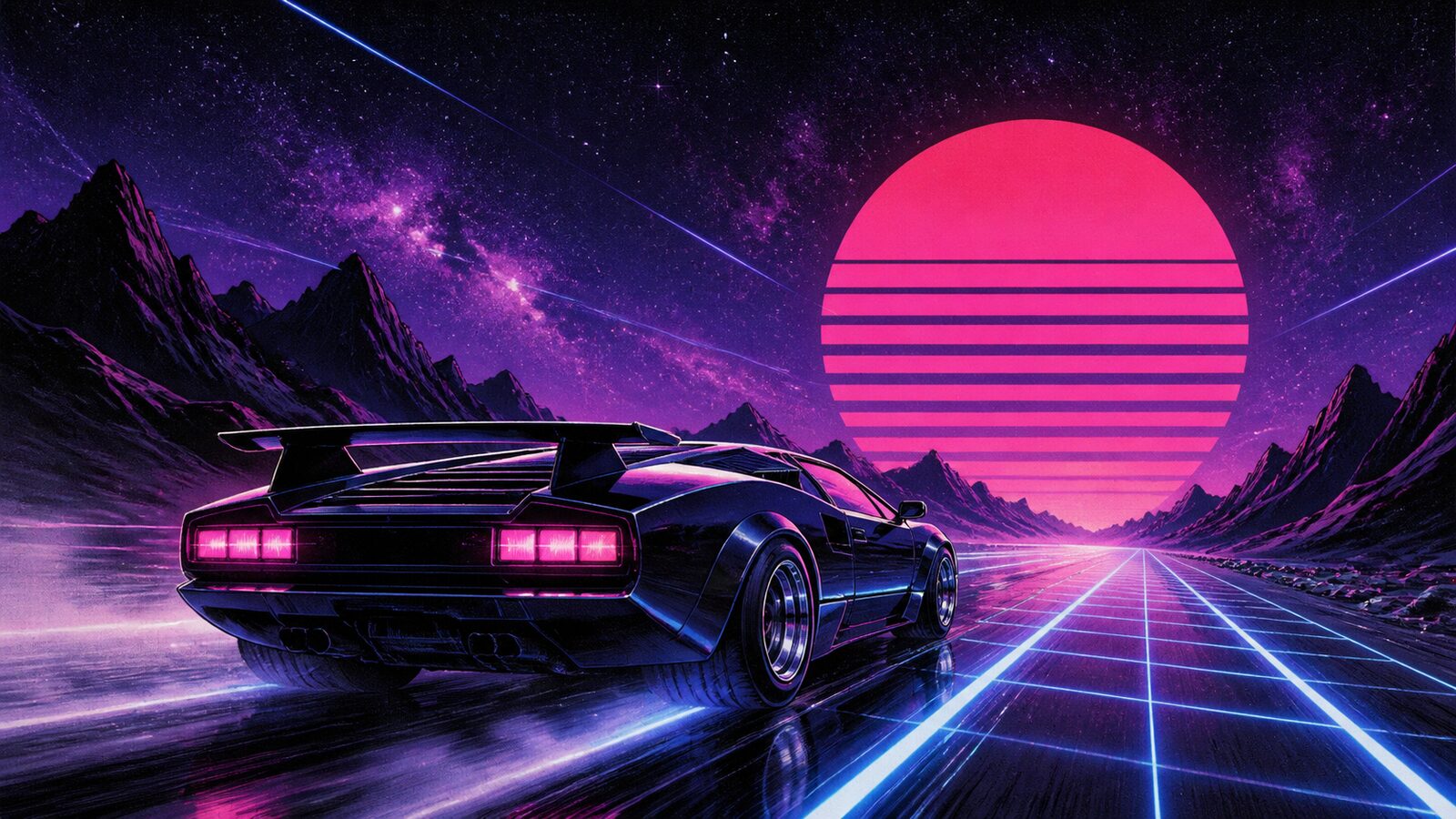
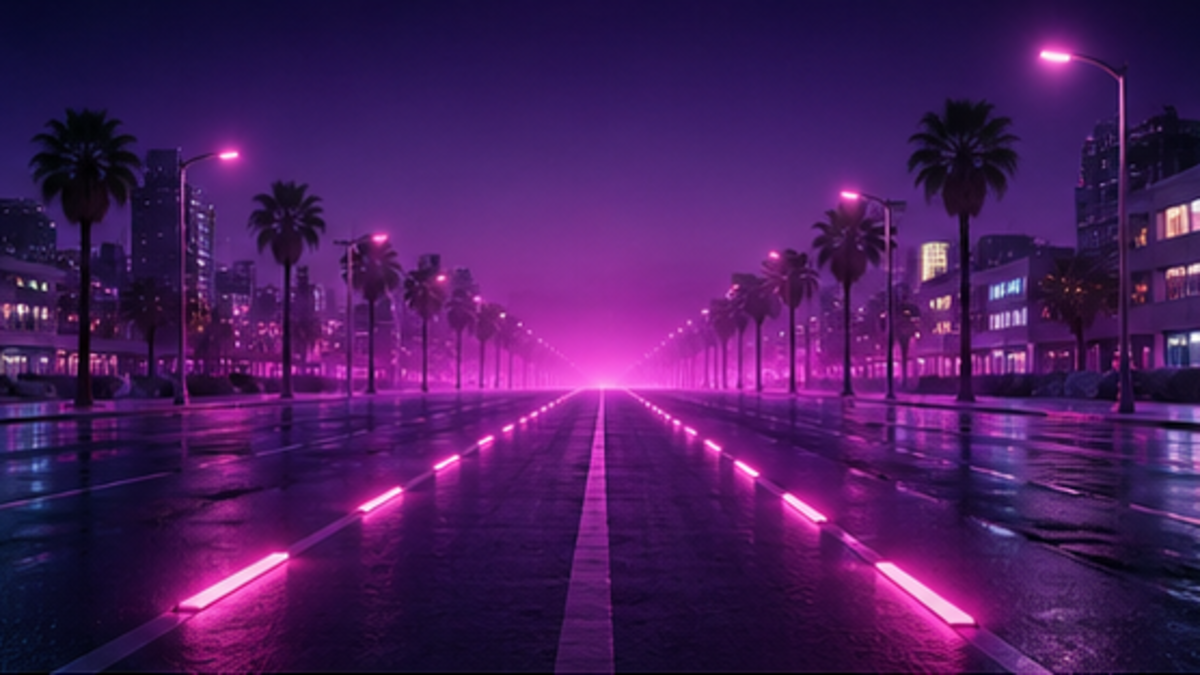
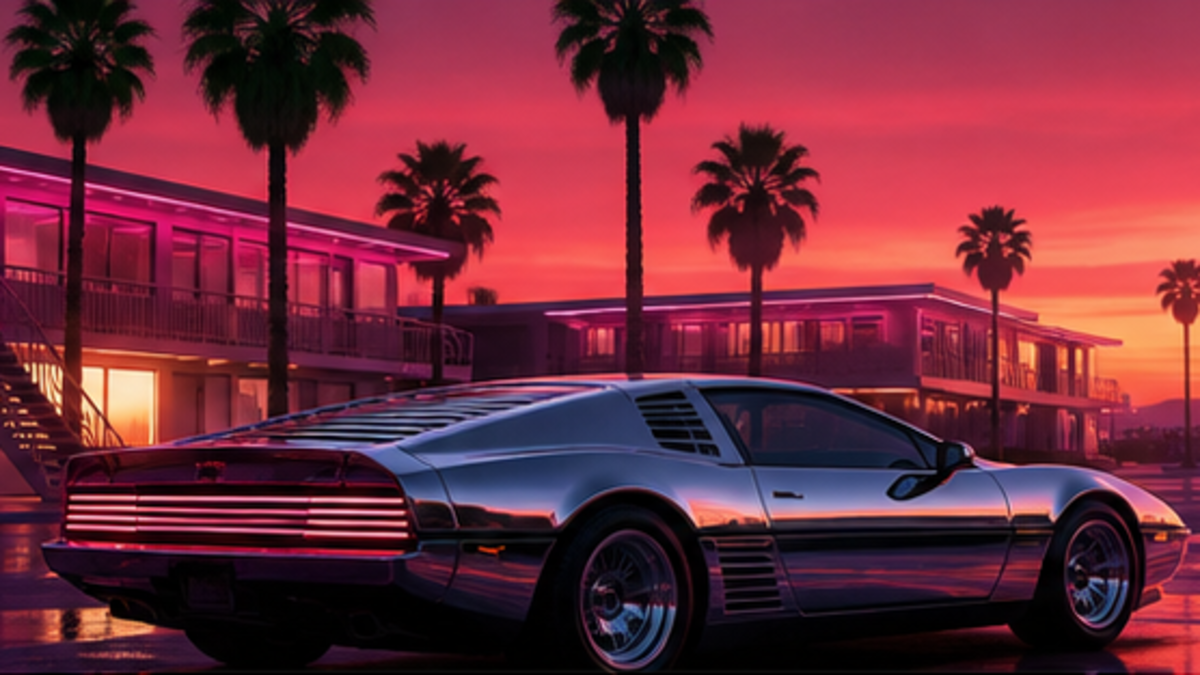
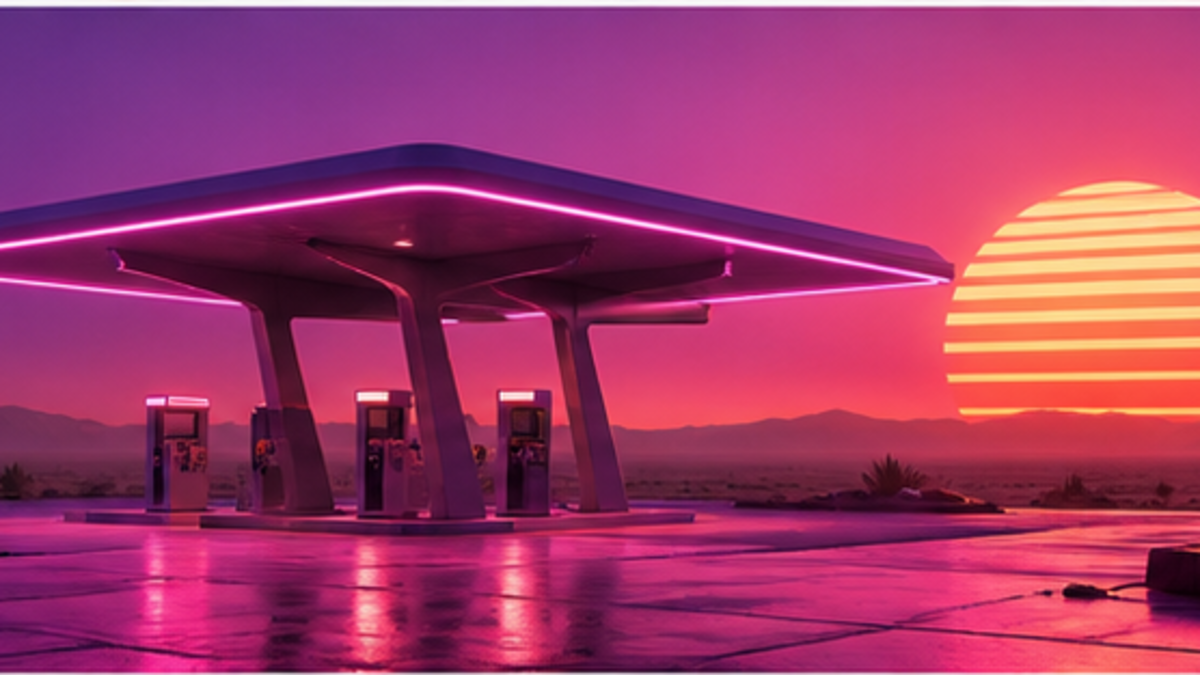
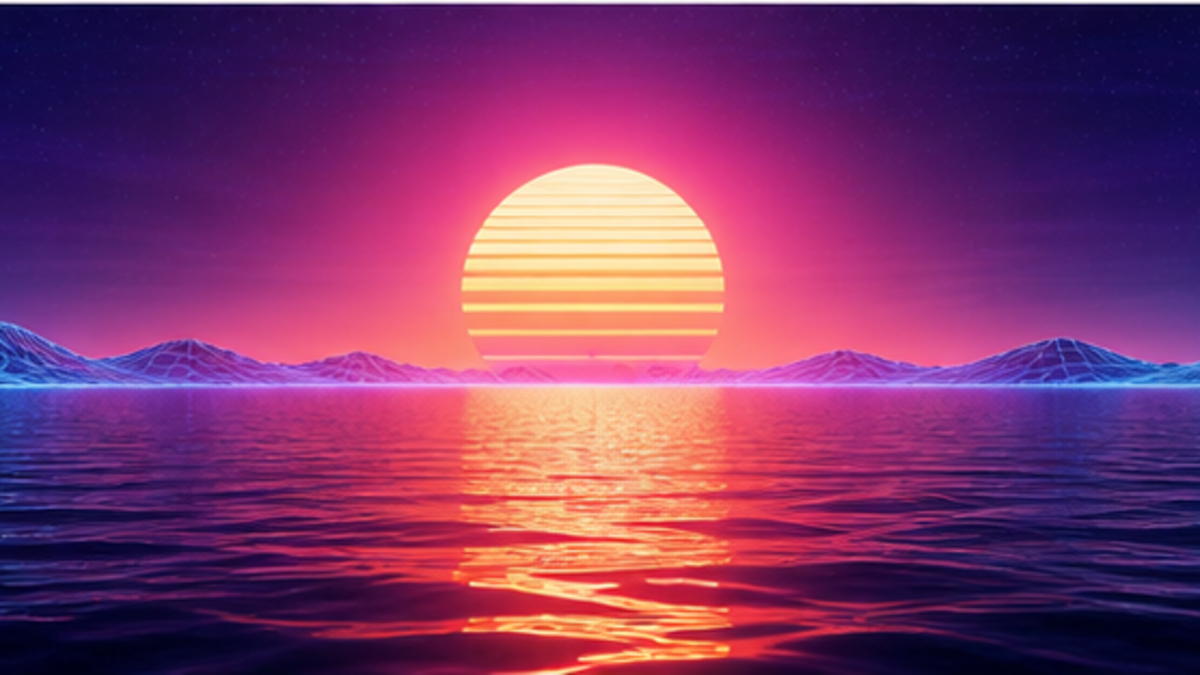
Retro-futuristic 80s aesthetic with neon grids, sunset gradients, and chrome
Part of the Energy & Excitement mood, alongside Neubrutalism and Pop Art. Began in the 2000s, on the style timeline.
What it is, when it works, who it is for, and where it already exists.
Record 038-SY - when it works, who it is for, what it looks like
Where this aesthetic shows up in the real world · ↗ opens the source site
Where Synthwave came from, what makes it recognisable, and the fingerprint it leaves.
2000s–present (references 1980–1988) · Internet, global; roots in French electronic music
Synthwave is a retro-futurist aesthetic rooted in the sonic and visual world of early-to-mid 1980s science fiction, film scores, and video games: filtered through 21st-century nostalgia. The music scene crystallized around 2000–2007 on the French electronic circuit (Kavinsky, College, Com Truise), and the visual language was codified by the films and games these artists referenced: Tron (1982), Blade Runner (1982), Miami Vice (1984–1989), and the cover art of retrofuturist synth albums.
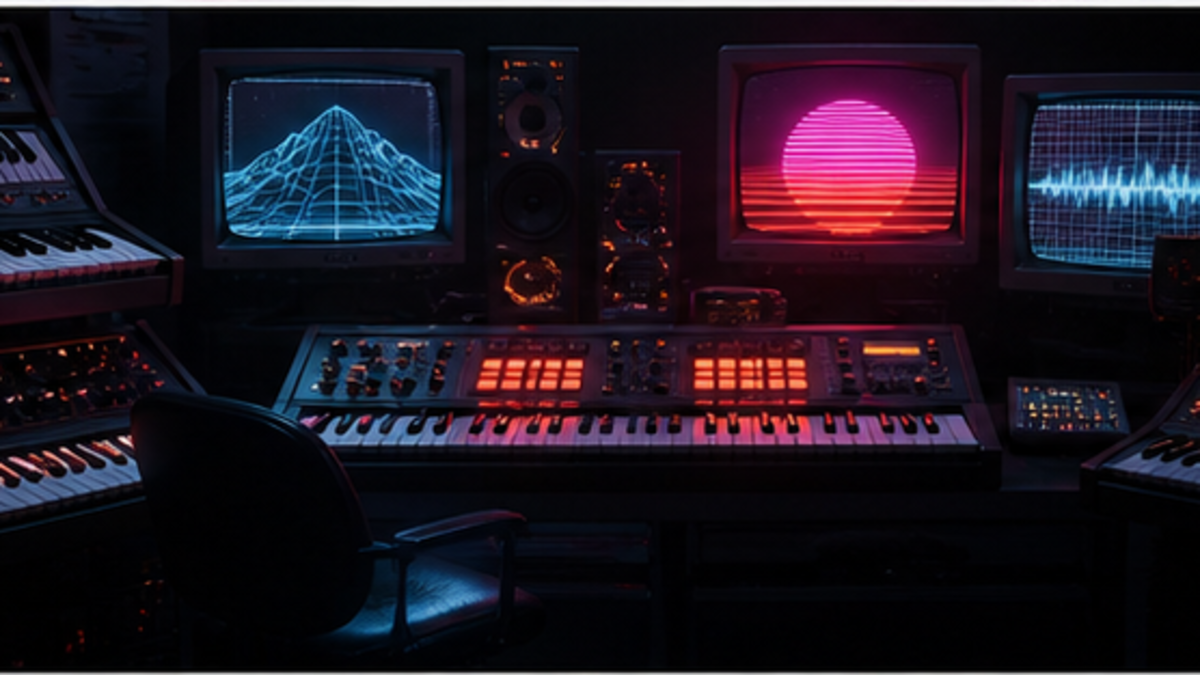
The aesthetic vocabulary comes from the technical limitations of the era it references: CRT phosphor glow, VHS tracking artifacts, the pixel aliasing of early 3D rendering, and the chromatic aberration of cheap photography lenses. In synthwave, these limitations are treated as beauty marks. The neon-on-black color palette directly mimics the luminous quality of CRT screens displaying high-contrast graphics in dark rooms.
By 2016–2018, synthwave had crossover visibility via the film 'Drive' (2011), the game 'Hotline Miami' (2012), and the Netflix series 'Stranger Things' (2016). Its color palette and grid/horizon motifs became a 'retro-cool' shorthand across gaming, apparel, and digital art: and a template for every neon-accented 'lo-fi aesthetic' that followed.
“A future the 1980s dreamed and the 2010s woke up inside.
The visual DNA: what makes it recognisable
8-channel console with the fingerprint on its display. Save the card, or share the page
4 color interpretations of this aesthetic
The colour of the styles sitting closest to this one
How to shoot it, how to prompt it, and how to board it.
How to shoot this aesthetic
"Riding a neon grid into a sunset that only exists in the digital past"
Shot list
Lighting
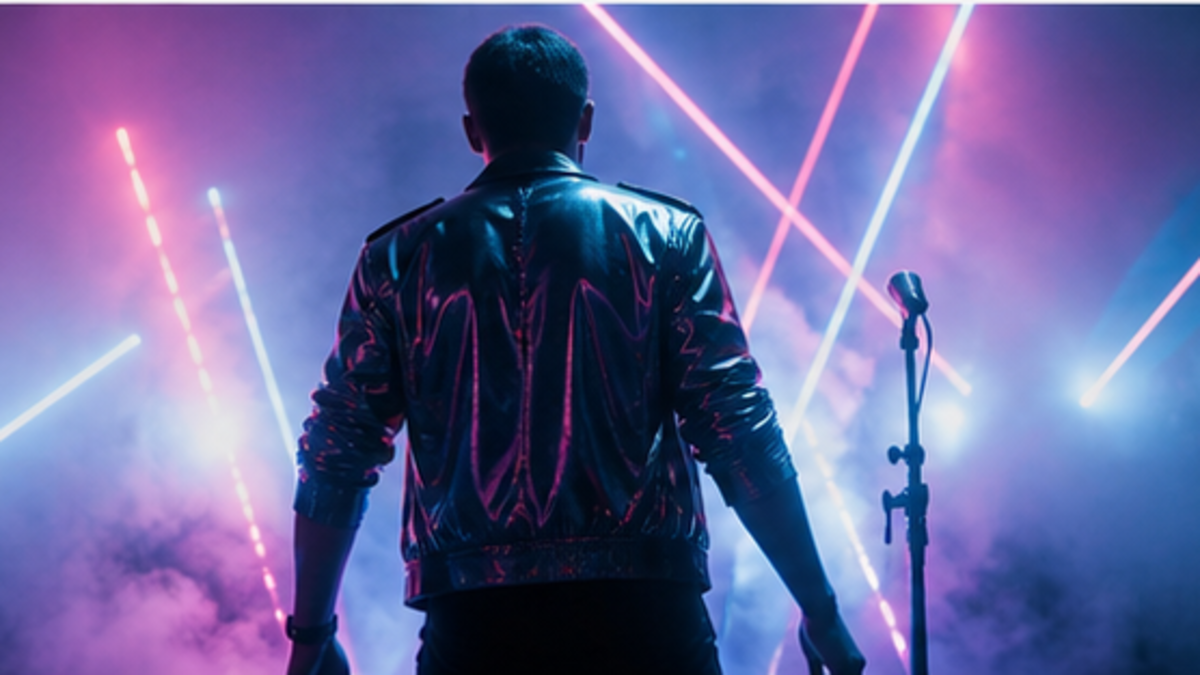
Hard gels only magenta, cyan, and deep purple fluorescent or LED panels creating competing colored shadows; no white light in the frame
Drop this into Studio to generate in this aesthetic
Synthwave aesthetic with retro-futuristic 1980s digital sunset, Kavinsky and Outrun album-art lineage, glowing neon color intensity against deep night sky
The record applied to your project. The record's kit is free; your brand, references and plates come with membership
01 · Hero application02 · Material and finish03 · Palette in context04 · Photography directionWhether to use it, what it costs to do properly, and where it stands right now.
Two written calls, seven meters, and when to walk away
Restraint is the only thing separating this from a preset. A grid, a sunset gradient and a chrome headline is the default output of every tool that ships the look, so at least one element has to be authored rather than applied. Hold the palette to three hues. Real neon spills onto nearby surfaces; a glow that exists only on the letterform reads as a filter.
Use Synthwave when you want warmth and instant recognition and do not need to look current. It peaked around 2015 and has settled into a stable genre look, which is exactly why it is safe: nobody has ever been offended by a purple sunset. The grid and chrome type are a preset now, so the interesting work has moved to the Carpenter end, less Miami and more analog horror score.
Fully digital. No sets, no locations.
A well-worn look by now. Needs restraint to not feel like a preset.
Gradient and chrome rendering is straightforward with the right tools.
The neon-grid-and-sunset formula is so codified that lazy versions are obvious.
Extremely oversaturated across music, gaming, and indie branding.
Tied to an 80s nostalgia wave that will eventually recede.
A handful of digital assets do the whole job.
A Pro feature: origins, practitioners, and pitfalls
Neighbours, cross-references, blends, and the questions people ask.
Connected across the creative knowledge graph
Where it stands now, and what it costs you to use it
Synthwave peaked around 2015 and has settled into a stable, slightly conservative genre look. It is the safest of the retro-futurist aesthetics, which is the problem: the grid, the sunset and the chrome type are a preset now rather than a choice.
It still earns its keep commercially because it reads instantly and carries no political weight. Nobody has ever been offended by a purple sunset. Reach for it when you want warmth and recognition, not when you want to look current.
The people still doing interesting work in it have pushed toward the Carpenter end: less Miami, more analog horror score. That is where the remaining tension is.
Mix Synthwave with any style in the library
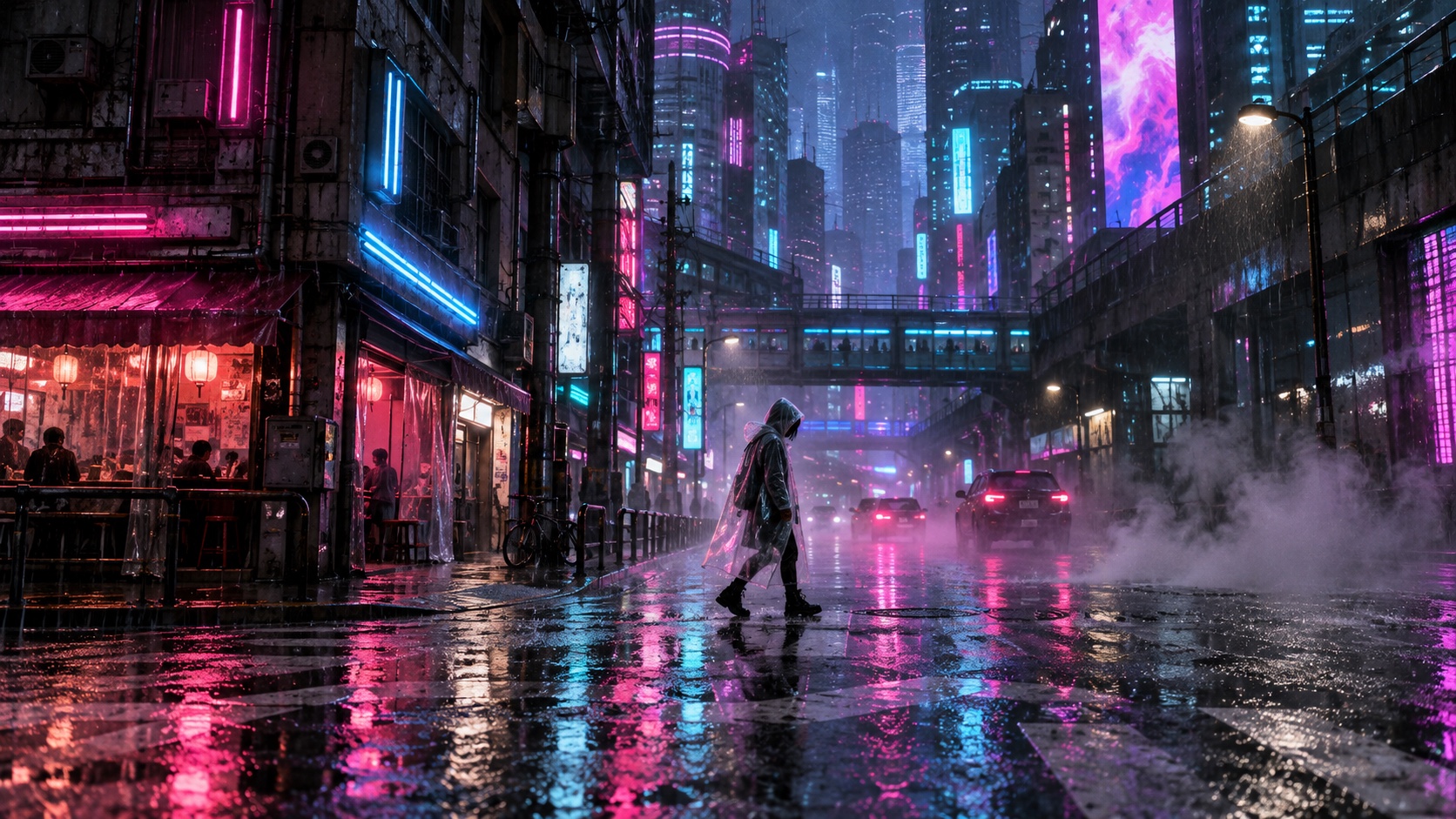 Synthwave 50%Cyberpunk 50%
Merged palette
#0D0221
#0D1117
#1A0A2E
#9400D3
#FF003C
Leads digital, expressive, maximal
Typography · from Synthwave
Righteous over Archivo
Materials
The calls this blend forces
These two disagree on 3 things, and a blend cannot average them: you pick a side. At this mix:
Nostalgic or Futuristic? Synthwave is nostalgic, Cyberpunk is futuristic. This mix lands futuristic.
Warm or Cool? Synthwave is warm, Cyberpunk is cool. This mix lands warm.
Structured or Chaotic? Synthwave is structured, Cyberpunk is chaotic. This mix lands chaotic.
Use it
Synthwave aesthetic with retro-futuristic 1980s digital sunset, Kavinsky and Outrun album-art lineage, glowing neon color intensity against deep night sky (50%), infused with Cyberpunk aesthetic with neon-soaked rain-slicked atmosphere, dystopian megacity mood, Blade Runner lineage by way of Ridley Scott and Denis Villeneuve, holographic advertisement clutter, moody high-contrast color grade, color palette strictly #0D0221 #0D1117 #1A0A2E #9400D3 #FF003C, leaning nostalgic over futuristic, warm over cool, structured over chaotic, overall character: digital, expressive, maximal
Synthwave is a retro-futurist visual and musical aesthetic that romanticizes the technological imagination of the 1980s: neon-lit cityscapes, chrome grids, CRT glow, and a color palette of deep blacks against electric purples, pinks, and blues. It's nostalgia for a future that never quite arrived.
Synthwave's signature palette: deep black or dark navy as the base, hot pink/magenta (#FF2D78), electric blue (#00D4FF), violet (#9400D3), and acid yellow (#F5E642) as neon accents. Colors are vivid and luminous, mimicking the phosphor glow of 1980s CRT screens.
Synthwave romanticizes the 1980s: dark, kinetic, chrome, neon, aligned with action and forward motion. Vaporwave is more psychedelic and melancholic, using pastel purples and pinks, glitch artifacts, and 1990s consumer imagery in a way that critiques rather than celebrates. Synthwave races; vaporwave drifts.
Every style in the library is broken down like this one: the palette, the typography, the materials and the lineage.
Explore the style library →