When to use it
- Historical narratives
- Museum and archaeology
- Timeless luxury
- Ancient wisdom themes
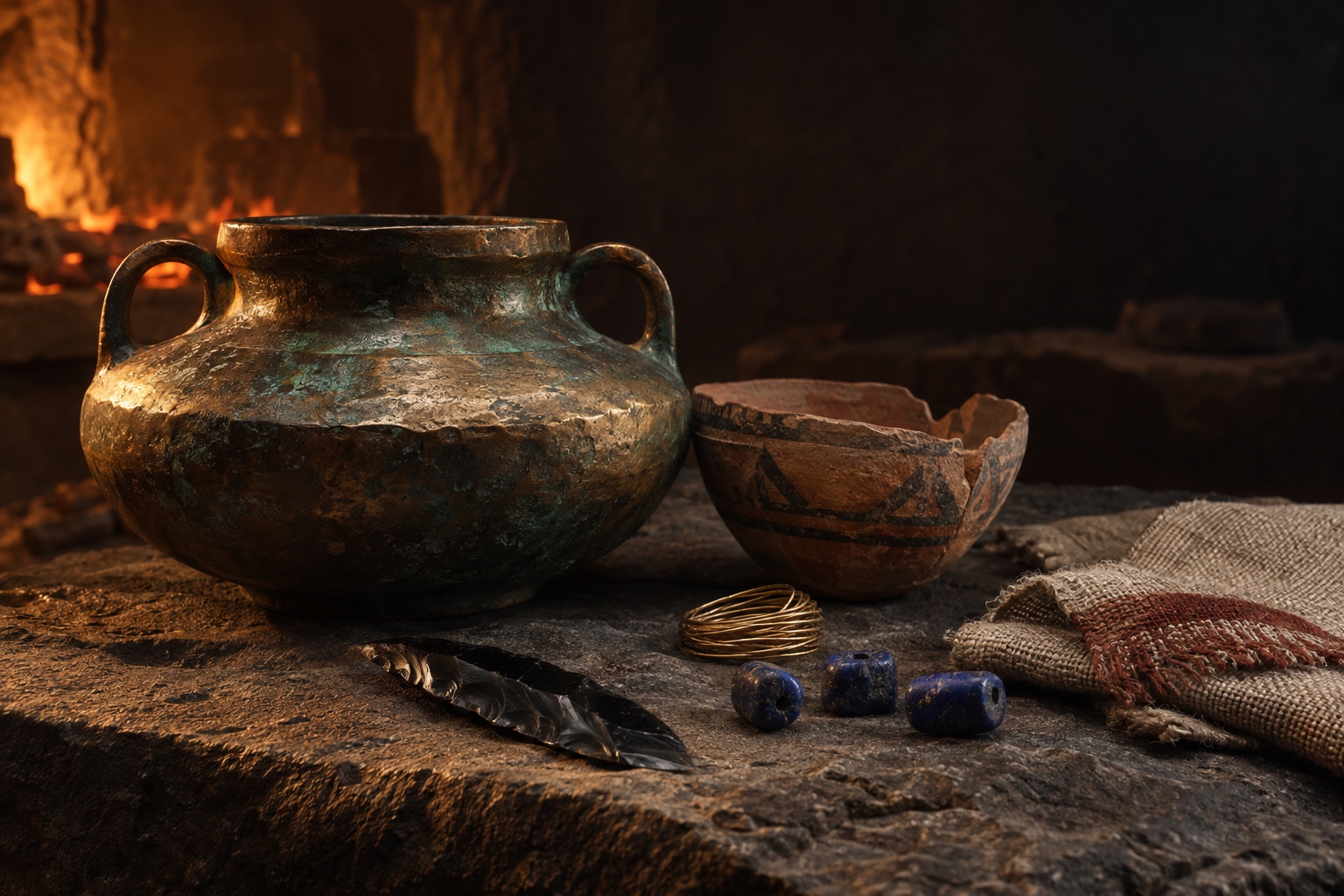
Ancient civilizations aesthetic with patina, metalwork, and archaeological textures
What it is, when it works, who it is for, and where it already exists.
Record 021-BA - when it works, who it is for, what it looks like
Where this aesthetic shows up in the real world · ↗ opens the source site
Where Bronze Age came from, what makes it recognisable, and the fingerprint it leaves.
3300–1200 BCE (historical); contemporary aesthetic revival 2018–present · Ancient Near East, Mediterranean, China; revived in contemporary design and fashion
The Bronze Age (roughly 3300–1200 BCE in the Mediterranean and Near East, with different dates for other regions) produced a visual culture of extraordinary sophistication: hammered and cast metalwork, ceramic forms with geometric painted decoration, woven textiles with complex pattern, and architectural programs using earth pigments and stone. The aesthetic is defined by the materials available: bronze, gold, terracotta, obsidian, lapis lazuli, and the pigments extracted from earth and plants.
Contemporary Bronze Age aesthetic draws from: ancient Aegean cultures (Minoan Crete, Mycenaean Greece), Egyptian New Kingdom, Anatolian and Mesopotamian metalwork traditions, and Chinese Shang Dynasty bronzes. The visual common thread is hammered or cast metal surface texture, geometric and stylized organic ornament, and the warm, oxidized color palette of aged bronze and terracotta.
The aesthetic revival is part of the broader 'ancient world' trend in contemporary design, fashion (Alexander McQueen's archaeology-referencing collections, Loewe's ancient textile motifs), interior design (raw bronze hardware, terracotta tile), and visual culture that seeks material and temporal depth. It signals a desire for the kind of cultural authority that comes from ancient origin: the opposite of the ephemeral and disposable.
“Before writing, they made objects that still arrest you three thousand years later.
The visual DNA: what makes it recognisable
8-channel console with the fingerprint on its display. Save the card, or share the page

4 color interpretations of this aesthetic
The colour of the styles sitting closest to this one
How to shoot it, how to prompt it, and how to board it.
How to shoot this aesthetic
"Ancient heat and material wisdom: the first alloy, the first civilizations, the first made-beautiful things"
Shot list
Lighting
Warm firelight or a single tungsten source (2700–3000K) as the key; add a bare globe bulb behind the subject for a secondary practical source suggesting forge heat
Drop this into Studio to generate in this aesthetic
Bronze Age aesthetic with archaic geometric pottery motifs, hammered-metal ornament and early metallurgy craft, Mycenaean and Minoan visual references, weathered ancient-artifact texture, primal civilizational-dawn atmosphere
The record applied to your project. The record's kit is free; your brand, references and plates come with membership
01 · Hero applicationWhether to use it, what it costs to do properly, and where it stands right now.
Two written calls, seven meters, and when to walk away
Patina is the whole surface and it forms unevenly. Uniform green over a whole object looks like paint, because real verdigris collects in recesses and wears off high points, which is a masking problem. Model the wear where a hand would touch it. Cast forms want weight: thin, hollow-looking shapes break the material illusion instantly.
Reproducing the weathered version is reproducing the damage: almost everything survives without its original colour, so the austere stone-and-metal look is an accident of decay rather than a design intention. The originals were painted, gilded and loud. This is archaeology rather than style, and museums have become much more careful about how these objects are shown and who they were taken from.
Texture and material research, sometimes real props.
Generic 'ancient' is a cliché. Real specificity takes research.
Patina and metalwork texture are easy to fake unconvincingly.
Generic 'ancient' is one of the most obvious cliches to fall into.
A niche reference outside archaeology-adjacent and luxury brands.
Referencing genuinely ancient material never really dates.
Real material and texture research, sometimes real props.
A Pro feature: origins, practitioners, and pitfalls
Neighbours, cross-references, blends, and the questions people ask.
Connected across the creative knowledge graph
Where it stands now, and what it costs you to use it
Bronze Age reference is archaeology rather than style, and museums have become much more careful about how these objects are displayed and who they were taken from.
Almost everything survives without its original colour, so the austere stone-and-metal look people reproduce is an accident of decay rather than a design intention.
The originals were painted, gilded and loud. Reproducing the weathered version is reproducing the damage.
Mix Bronze Age with any style in the library
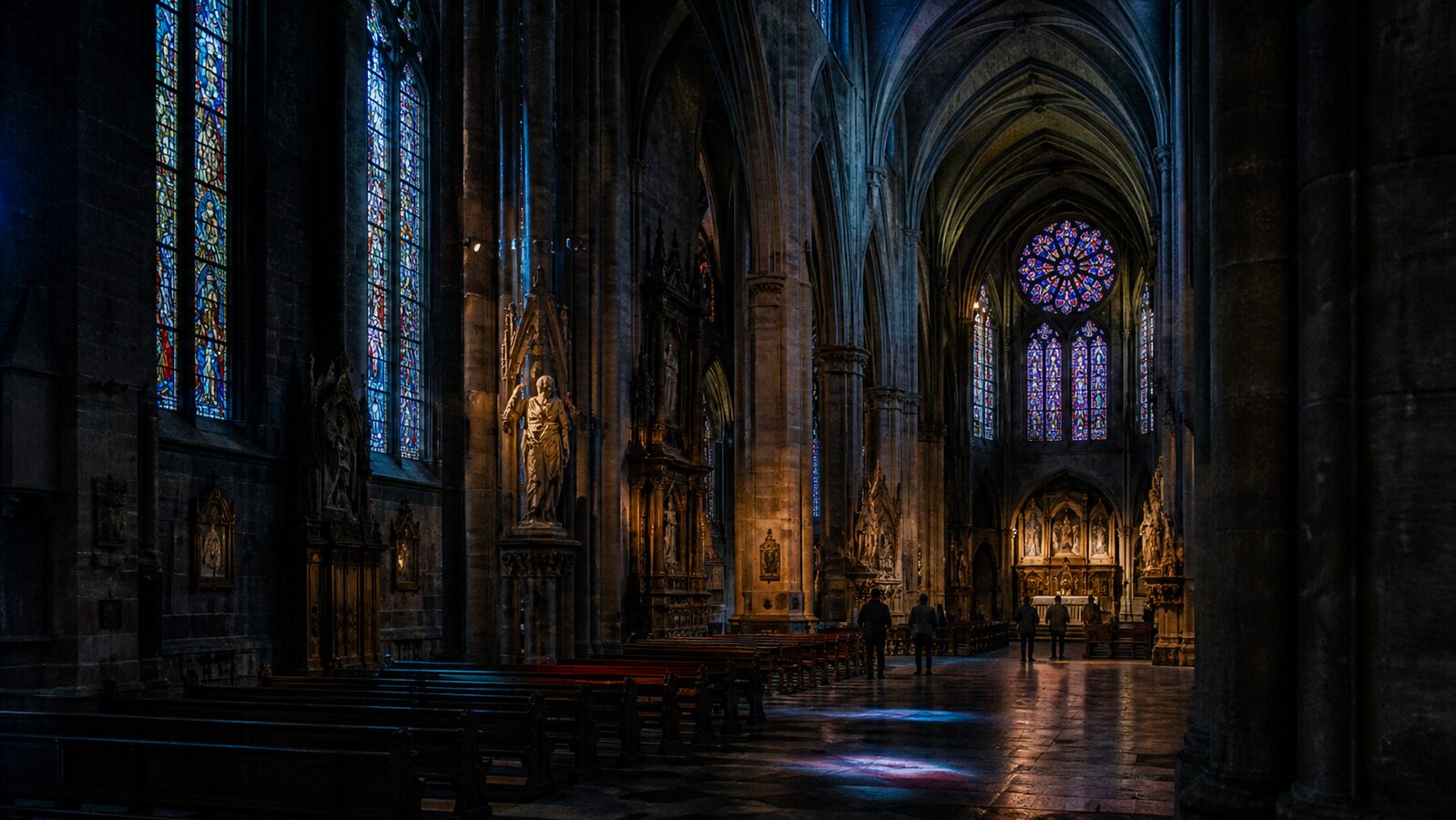 Bronze Age 50%Gothic 50%
Merged palette
#4A3020
#0D0208
#8B6914
#4A0E2C
#B87333
Leads nostalgic, analog, dark
Typography · from Bronze Age
Abril Fatface over Lora
Materials
The calls this blend forces
These two disagree on one thing, and a blend cannot average them: you pick a side. At this mix:
Warm or Cool? Bronze Age is warm, Gothic is cool. This mix lands warm.
Use it
Bronze Age aesthetic with archaic geometric pottery motifs, hammered-metal ornament and early metallurgy craft, Mycenaean and Minoan visual references, weathered ancient-artifact texture, primal civilizational-dawn atmosphere (50%), infused with Gothic subculture aesthetic with dramatic dark romanticism, candlelit or moonlit atmosphere, theatrical melancholic elegance, color palette strictly #4A3020 #0D0208 #8B6914 #4A0E2C #B87333, leaning warm over cool, overall character: nostalgic, analog, dark
Bronze Age aesthetic draws from ancient pre-literate civilizations (3300–1200 BCE): hammered bronze surfaces, terracotta (#C25D3A), patinated metal (#8B7355), gold (#C8922A), and geometric ornament from Minoan, Egyptian, Mesopotamian, and Shang Dynasty visual cultures. Contemporary use appears in fashion (McQueen, Loewe), interior design (raw bronze hardware, terracotta tile), and brands that want to signal ancient authority and material depth.
Bronze Age palette centers on: patinated bronze (#8B7355), terracotta (#C25D3A), ancient gold (#C8922A), obsidian black (#1A1510), and lapis lazuli blue (#1F4B8C). All colors reference specific ancient materials: metal oxidation, fired clay, gold ore, volcanic glass, and semi-precious stone. The palette is warm, muted, and earthy: the colors of things made before synthetic pigment.
Classical aesthetic (Greek and Roman) post-dates the Bronze Age by centuries and is associated with marble, white painted surfaces, and literary culture. Bronze Age aesthetic is pre-literate and material-heavy: hammered metal, painted pottery, woven textile. Classicism is formal and text-adjacent; Bronze Age is tactile and object-focused. The Bronze Age is what existed before classical civilization codified the grammar that became Western art history.
Every style in the library is broken down like this one: the palette, the typography, the materials and the lineage.
Explore the style library →