When to use it
- Theater and dance marketing
- Performance documentation
- Arts venue promotion
- Festival branding
Theater, dance, and performance art captured in visual form
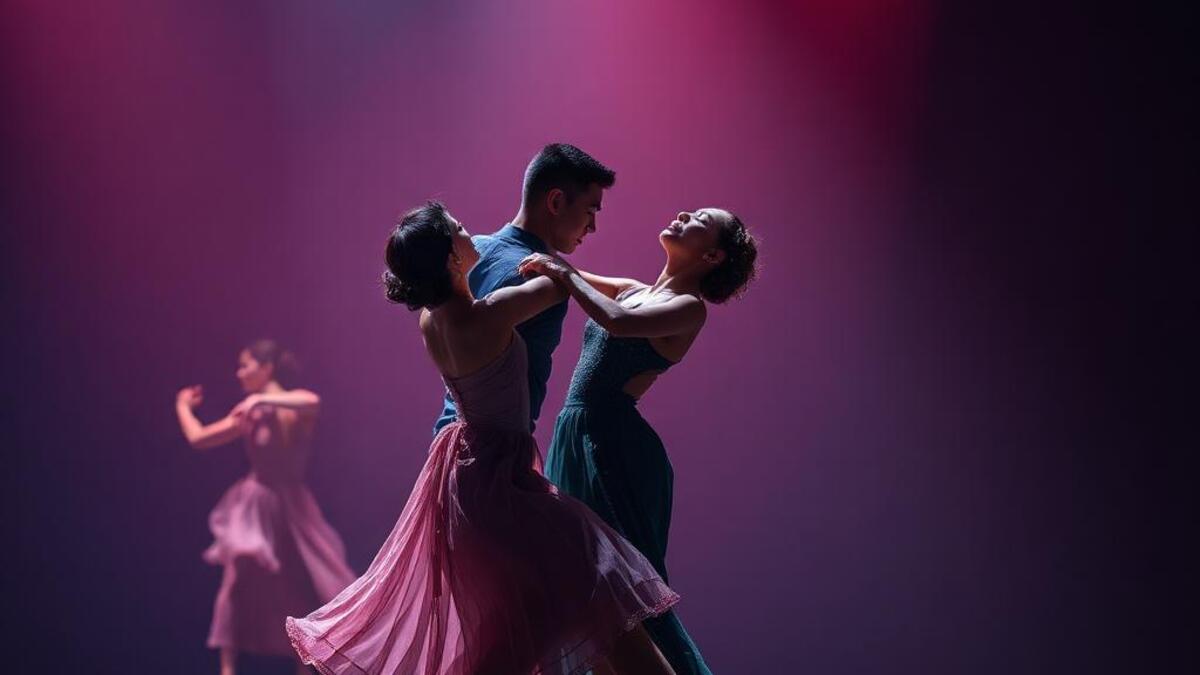
What it is, when it works, who it is for, and where it already exists.
Record 035-PA - when it works, who it is for, what it looks like
Where this aesthetic shows up in the real world · ↗ opens the source site
Where Performing Arts came from, what makes it recognisable, and the fingerprint it leaves.
Ancient–present · Ancient Greece and Asia; European court theater; contemporary global performance culture
The performing arts: theater, dance, opera, ballet, circus: generate distinctive visual cultures through their documentation and promotion: stage photography that captures the living moment, production design (set and lighting) that creates visual worlds, costume design that communicates character through fabric, color, and silhouette, and the graphic design of programs, posters, and institutional identity that represents performing arts organizations.
The visual history of theater and dance documentation runs from the theatrical portrait tradition (actors depicted in character, from the Renaissance to the 19th century) through 20th-century stage photography. Martha Graham, Vaslav Nijinsky, and the Ballets Russes produced revolutionary visual cultures: Nijinsky's costume designs and Leon Bakst's set designs for Diaghilev's company in 1910–1929 were as influential as any fine art of the period. Contemporary dance photography by Chris Nash, Richard Avedon (his dance photographs), and photographers documenting the Alvin Ailey Dance Theater operate in a strong tradition.
Performing arts institutional identity: the visual systems of the Metropolitan Opera, the Royal Ballet, the National Theatre London: represents some of the most sophisticated cultural brand design. These organizations must communicate the live, ephemeral nature of their art through static media while serving audiences with high cultural expectations. The graphic design tradition here runs from the Bauhaus theater typography of the 1920s through the contemporary systems of major cultural institutions.
“The image of something that exists only in the moment of its performance.
The visual DNA: what makes it recognisable
8-channel console with the fingerprint on its display. Save the card, or share the page

4 color interpretations of this aesthetic
The colour of the styles sitting closest to this one
How to shoot it, how to prompt it, and how to board it.
How to shoot this aesthetic
"The ephemeral made permanent: the performance that lives only in the photograph"
Shot list
Lighting
Available stage lighting is the brief work with what the lighting designer has set for the show; add supplementary sources only from positions that a theatre light could plausibly occupy
Drop this into Studio to generate in this aesthetic
Performing arts aesthetic with dramatic stage lighting, theatrical costume and set design, captured mid-motion gesture and expression, proscenium framing or intimate black-box immediacy, spotlight-carved figure against darkness
The record applied to your project. The record's kit is free; your brand, references and plates come with membership
01 · Hero applicationWhether to use it, what it costs to do properly, and where it stands right now.
Two written calls, seven meters, and when to walk away
The design serves sightlines before it serves the photograph. A set that reads beautifully from the centre stalls can blind half the house, so the seating plan is a design constraint rather than an afterthought. Light for a body in motion, not a still. Everything has to survive being struck and rebuilt nightly, which rules out most clever construction.
The one discipline whose entire value is that it cannot be reproduced, a claim the streaming period tested harder than anything before it. Attendance patterns changed permanently rather than temporarily and the sector is still restructuring. Its visual identity carries unusual weight, because the poster and the programme are often the only artefacts that survive the event.
Venue, cast, and production costs before a single photo.
The performance itself carries most of the weight here.
Capturing live movement well takes real technical timing.
A weak performance is obvious regardless of how well it's shot.
Rare outside brands with a real cultural or event presence.
Live performance has never gone out of style.
Venue, cast, and production costs before a single photo.
A Pro feature: origins, practitioners, and pitfalls
Neighbours, cross-references, blends, and the questions people ask.
Connected across the creative knowledge graph
Where it stands now, and what it costs you to use it
Live performance is the one discipline whose entire value is that it cannot be reproduced, and the streaming period tested that claim harder than anything before it.
Attendance patterns changed permanently rather than temporarily, and the sector is still restructuring around that.
Its visual identity, the poster and the programme, carries unusual weight because it is often the only artefact that survives the event.
Mix Performing Arts with any style in the library
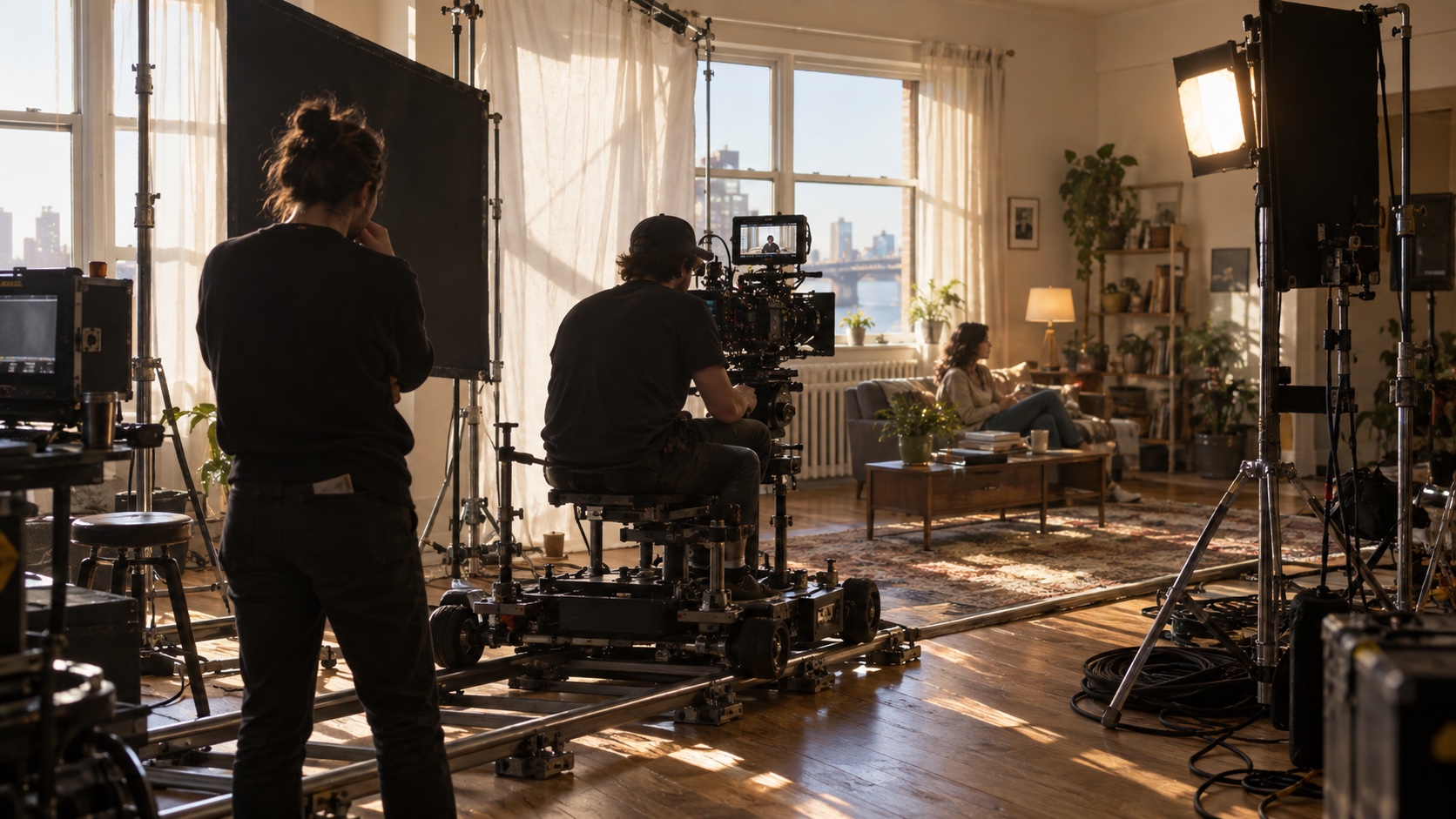 Performing Arts 50%Cinematography 50%
Merged palette
#0D0D0D
#8B0000
#D4A853
#4A3728
#C8A2C8
Leads expressive, organic, maximal
Typography · from Performing Arts
Space Grotesk over Inter
Materials
The calls this blend forces
These two disagree on 2 things, and a blend cannot average them: you pick a side. At this mix:
Analog or Digital? Performing Arts is analog, Cinematography is digital. This mix lands analog.
Chaotic or Structured? Performing Arts is chaotic, Cinematography is structured. This mix lands chaotic.
Use it
Performing arts aesthetic with dramatic stage lighting, theatrical costume and set design, captured mid-motion gesture and expression, proscenium framing or intimate black-box immediacy, spotlight-carved figure against darkness (50%), infused with Cinematic composition with anamorphic lens character and shallow depth of field, deliberate color grading for mood, wide aspect-ratio framing, dramatic three-point lighting setup, film-still narrative tension, color palette strictly #0D0D0D #8B0000 #D4A853 #4A3728 #C8A2C8, leaning analog over digital, chaotic over structured, overall character: expressive, organic, maximal
Performing arts visual aesthetic encompasses the visual cultures of theater, dance, and opera: stage photography with theatrical lighting (spotlight warm #F0C880 against stage black #050508), production design and costume, institutional poster and program design, and the graphic identity systems of major cultural organizations. It captures ephemeral live events in still images that communicate the energy and world of the performance.
Great performance photography captures the decisive moment within a performance's continuous flow: the peak of a dancer's leap, the actor's most revealing expression, the configuration of bodies that communicates the scene's meaning most completely. It requires understanding the performance well enough to anticipate moments before they occur, technical ability to capture moving subjects in challenging theatrical lighting, and the editorial judgment to select images that translate the live experience to still media.
Production design: Leon Bakst (Ballets Russes, 1910–1929), Robert Wilson (opera and theater), Es Devlin (contemporary opera and pop concert stages). Dance photography: Martha Swope (New York City Ballet), Richard Avedon (Martha Graham), Chris Nash (contemporary dance). Institutional graphic design: the Pentagram-designed identity systems for major cultural institutions (National Gallery, Tate). Poster tradition: the historic Parisian dance poster tradition from Toulouse-Lautrec to contemporary cultural institutions.
Every style in the library is broken down like this one: the palette, the typography, the materials and the lineage.
Explore the style library →