When to use it
- Fashion brand lookbooks
- Runway and editorial shoots
- Apparel design portfolios
- Style and trend forecasting
Clothing, accessories, and style that express identity and culture
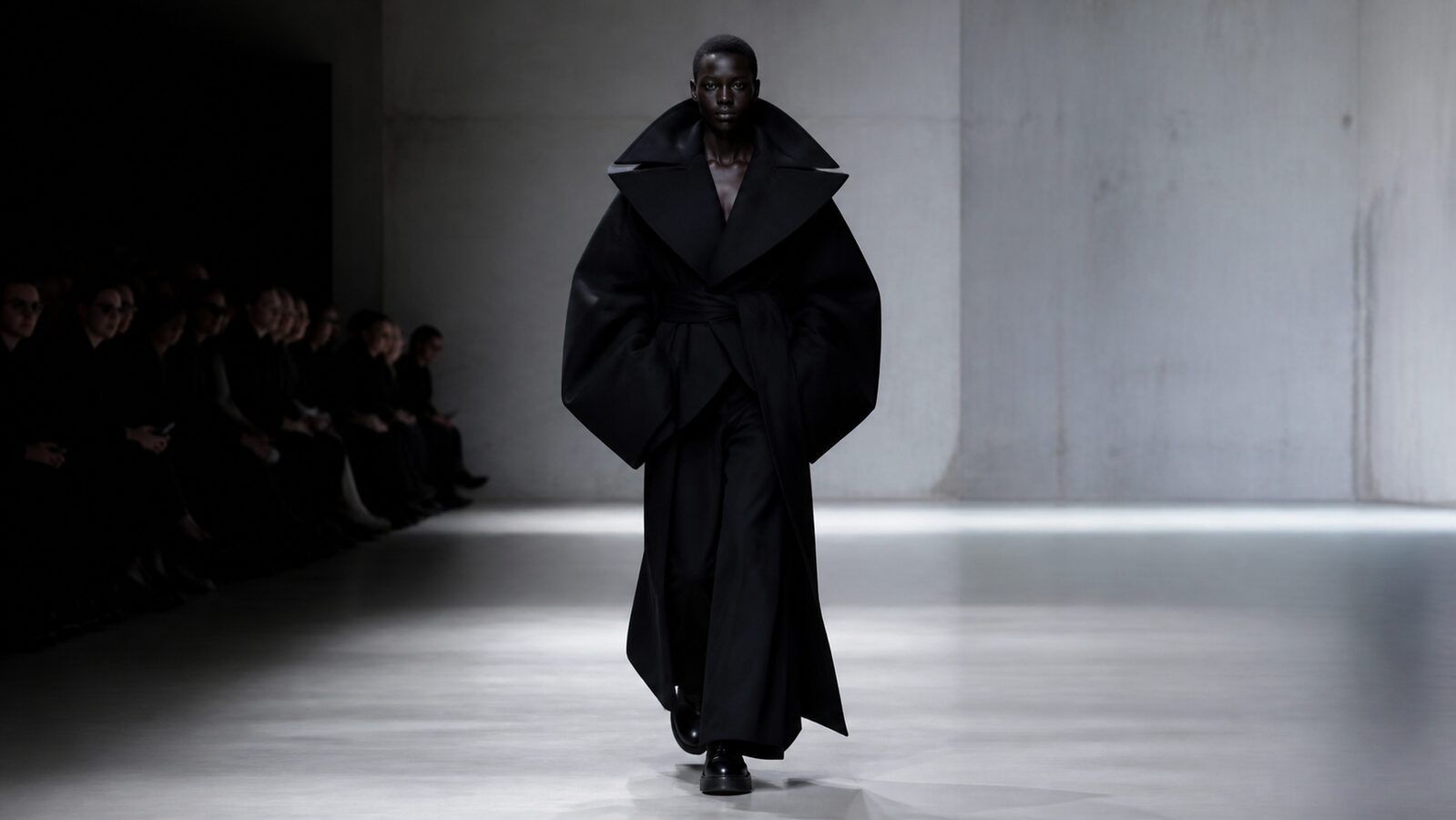
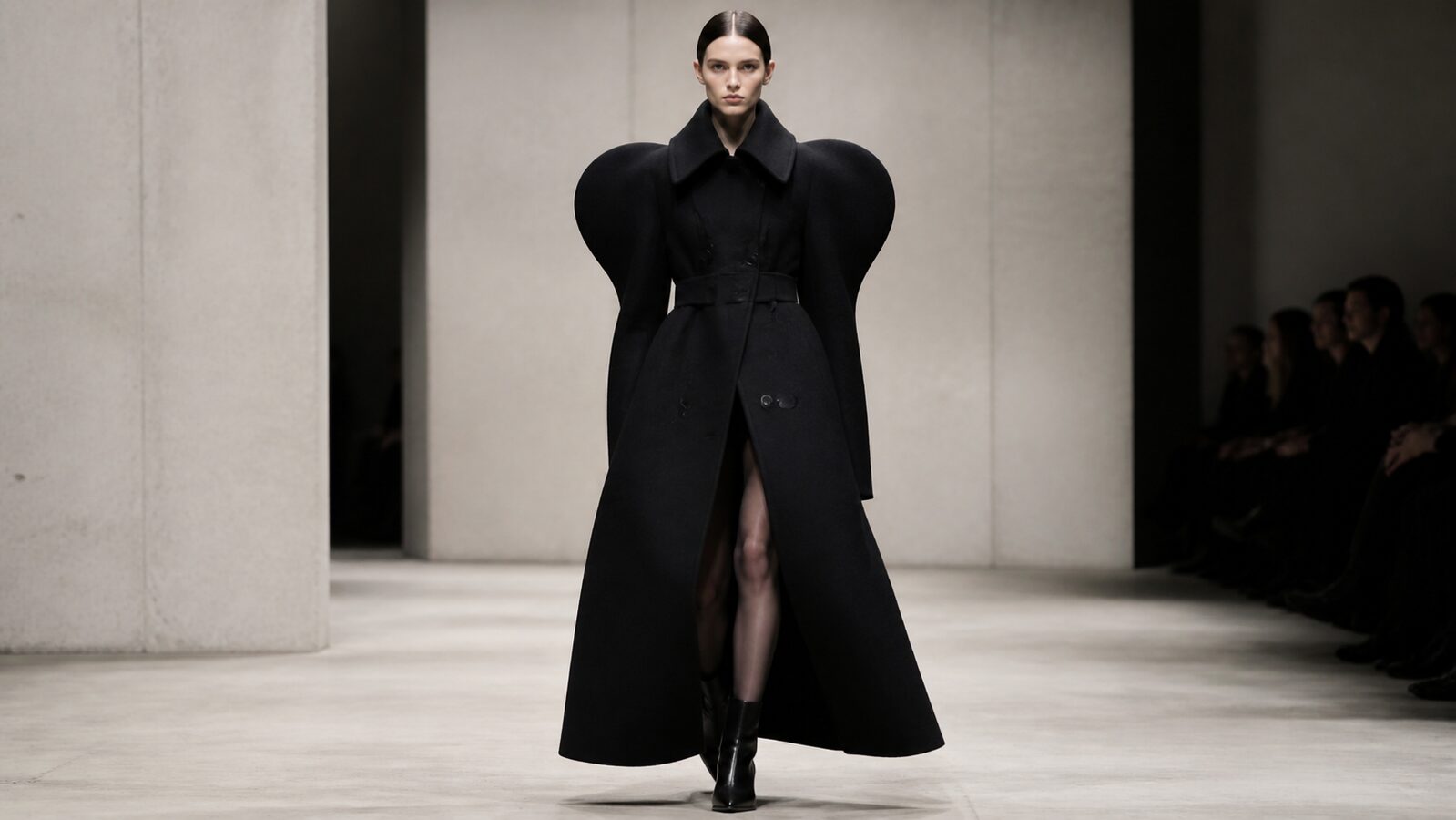
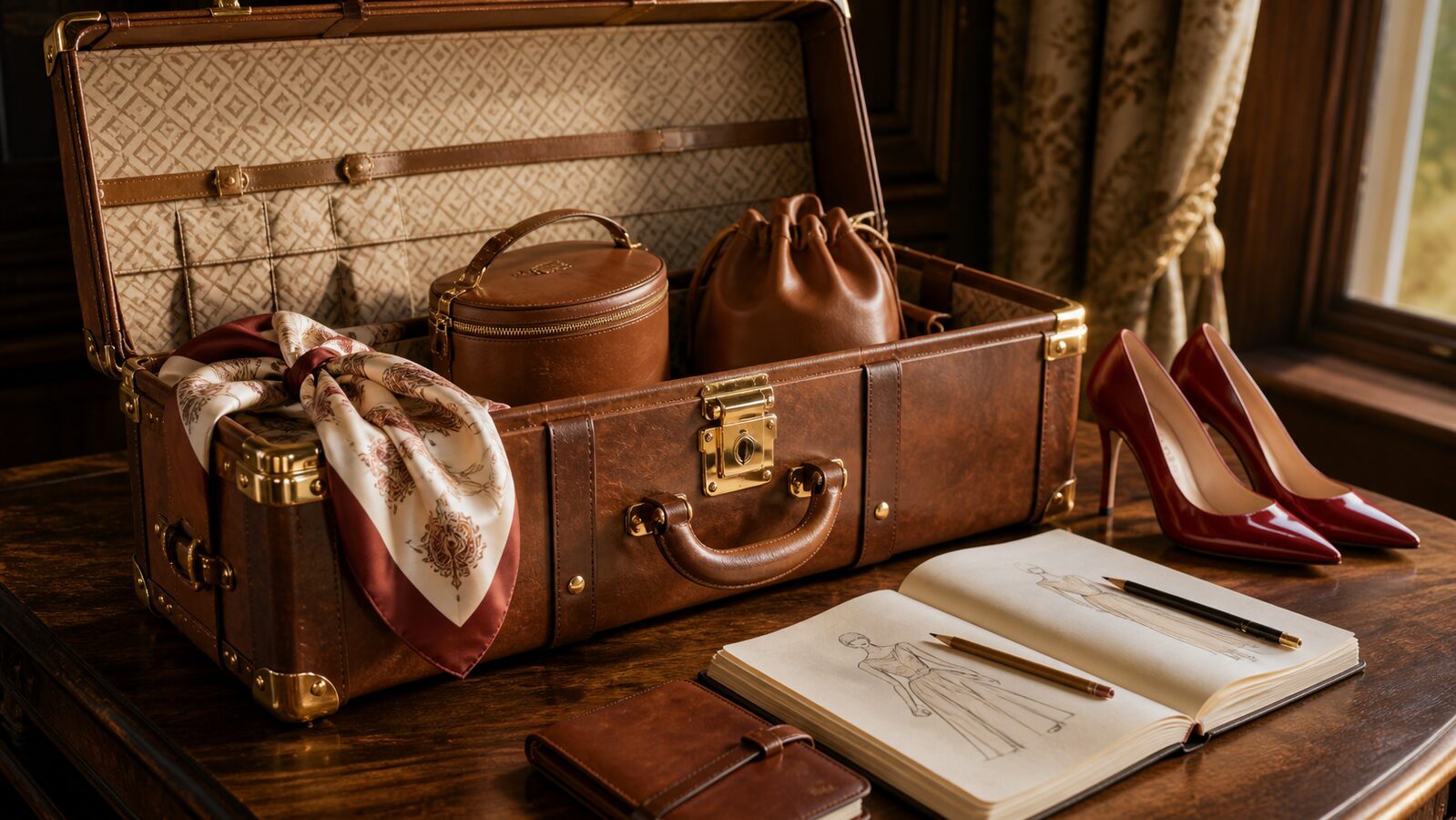
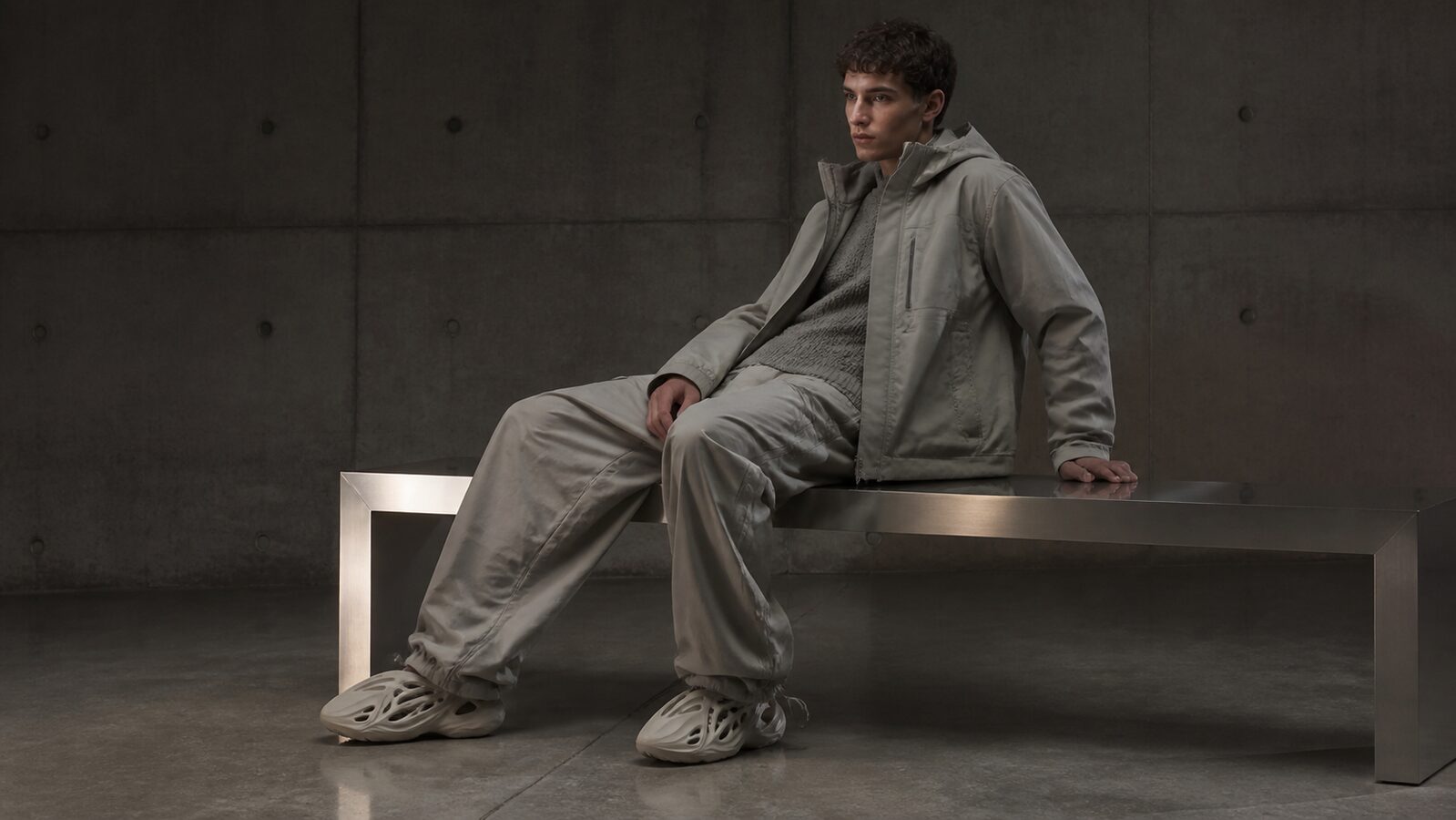
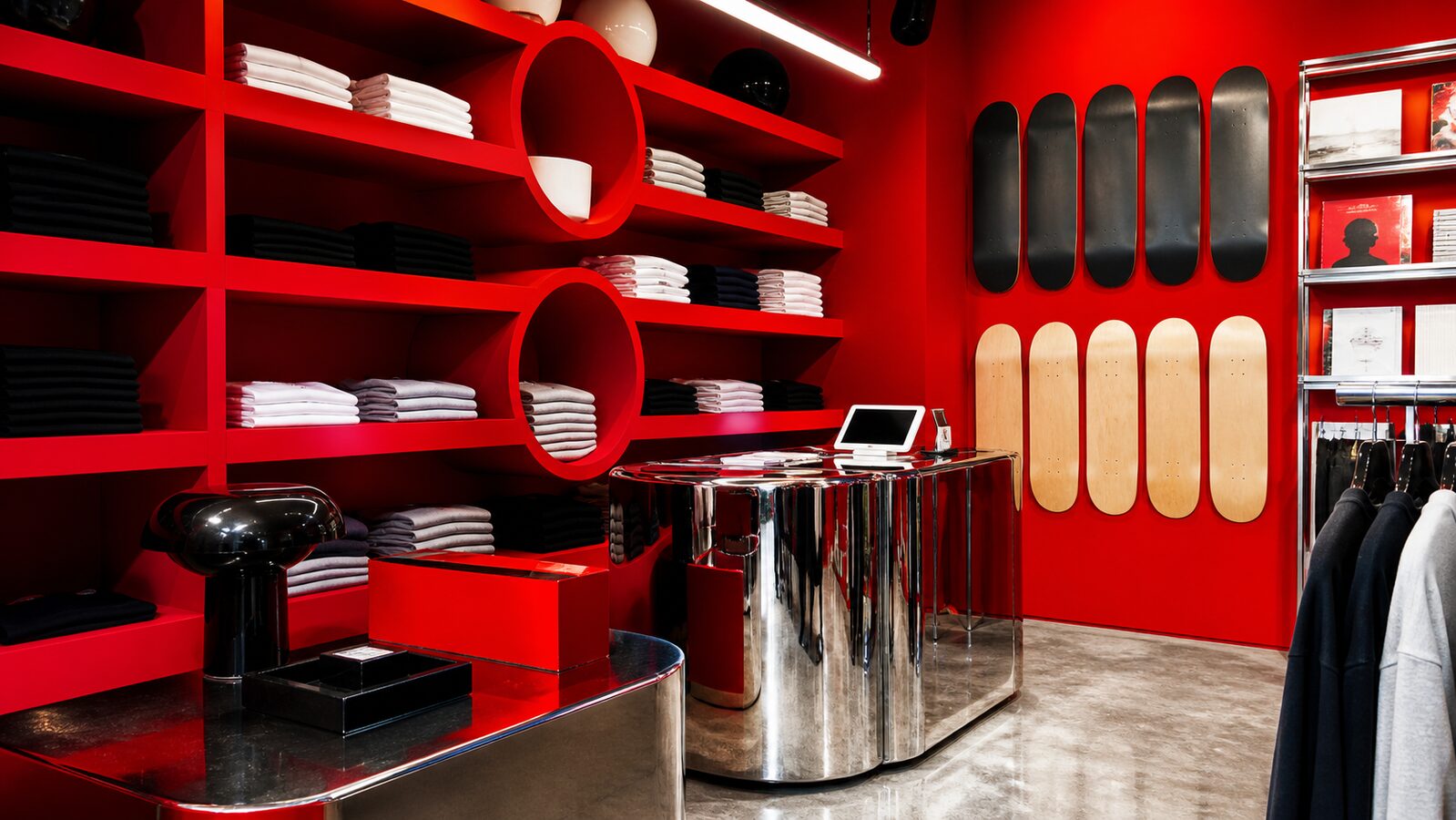
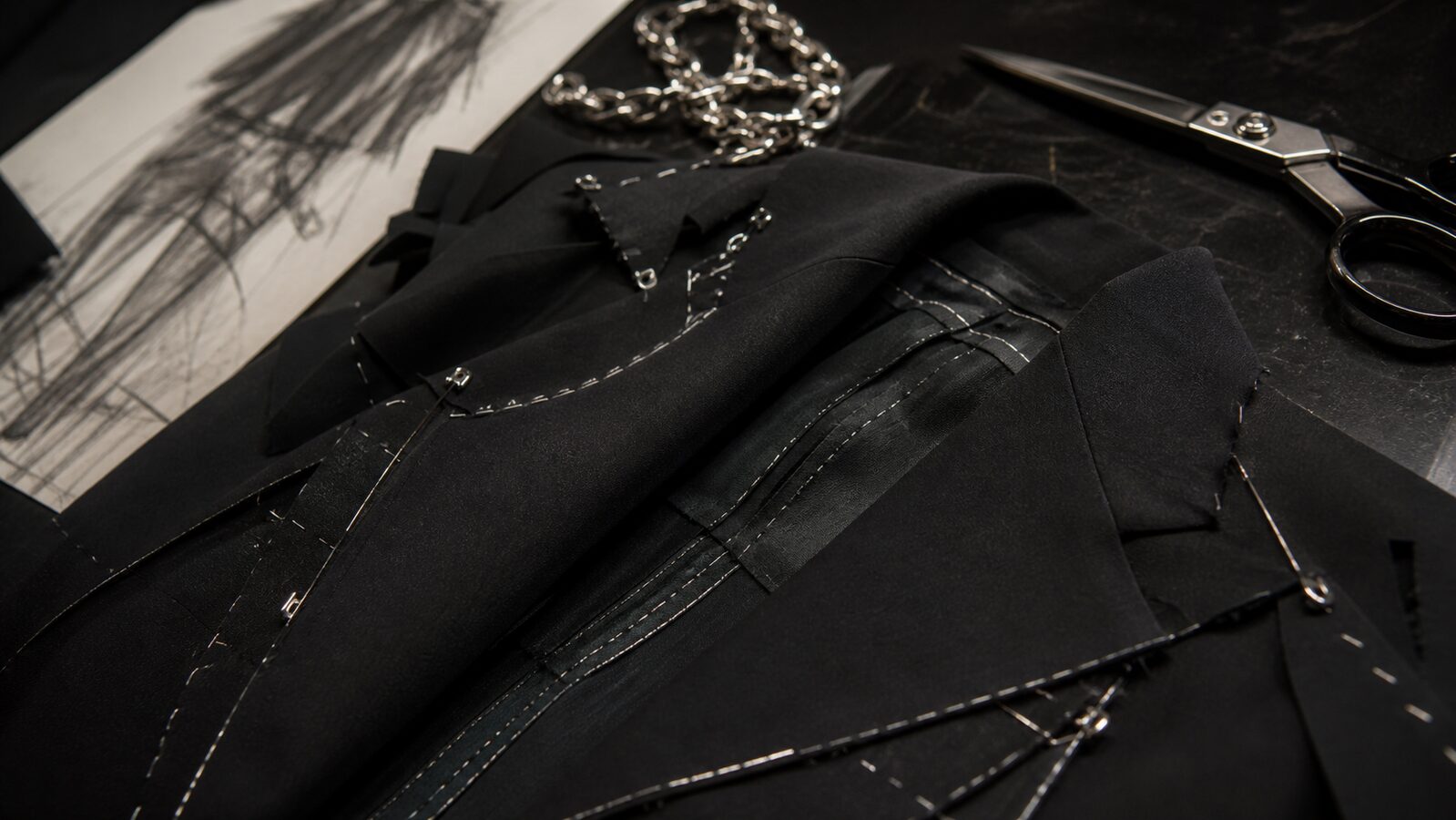
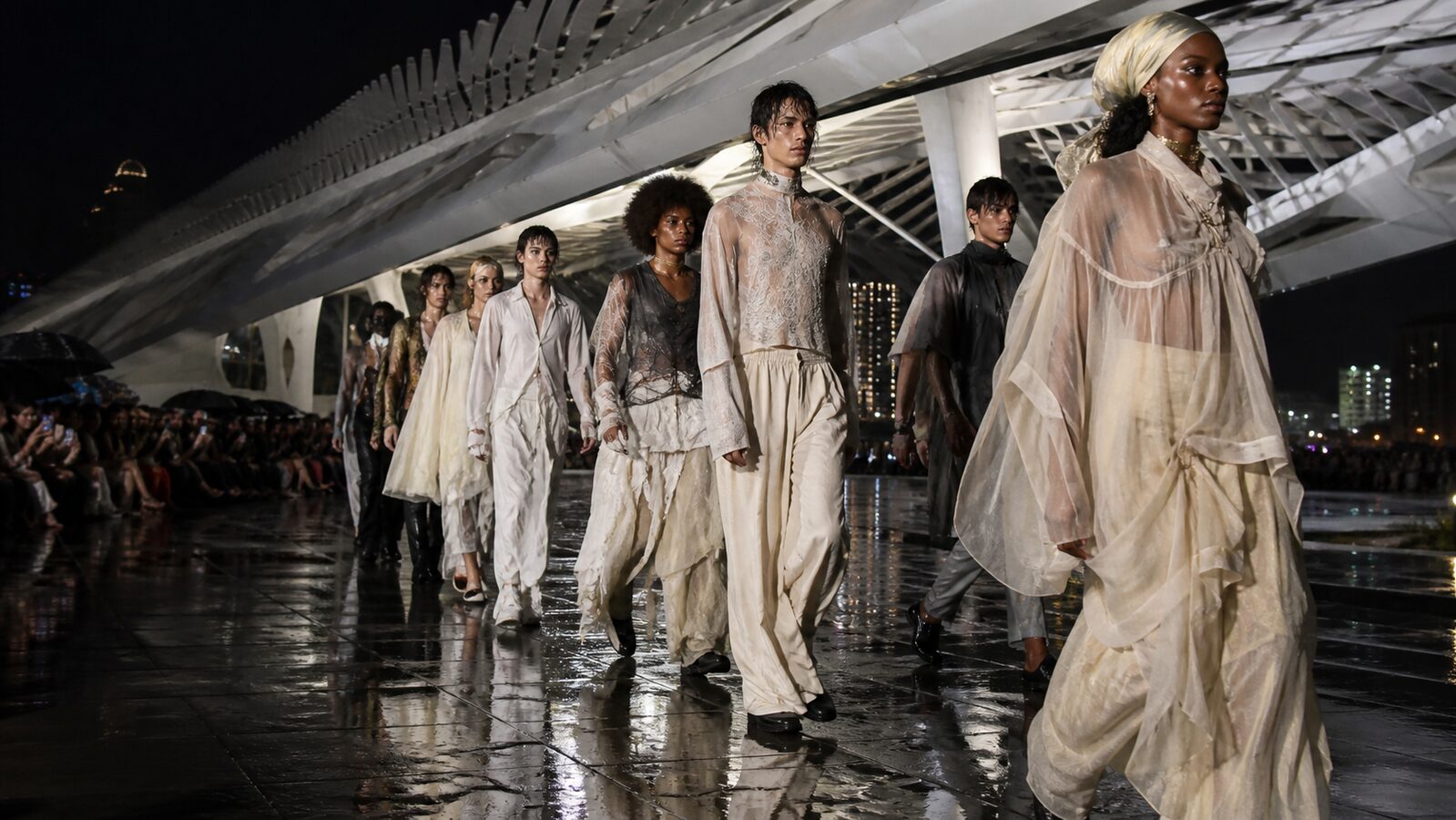
What it is, when it works, who it is for, and where it already exists.
Record 025-FD - when it works, who it is for, what it looks like
Where this aesthetic shows up in the real world · ↗ opens the source site
Where Fashion Design came from, what makes it recognisable, and the fingerprint it leaves.
1857–present (haute couture); ongoing · Paris (haute couture); New York, Milan, London, Tokyo (additional centers)
Fashion design as a professional visual practice begins with Charles Frederick Worth, who in 1857 established the first haute couture house in Paris and invented the model of the fashion designer as creative author (rather than anonymous artisan). The major fashion houses that followed: Chanel, Dior, Balenciaga, Saint Laurent, Givenchy: each developed complete aesthetic systems: not just garments but the visual vocabulary, color range, silhouette language, and cultural references that constitute a recognizable 'house aesthetic.'
20th-century fashion history is a succession of aesthetic revolutions: Chanel's liberation of the female silhouette from Victorian restriction, Dior's New Look (1947) restoring waist and volume after wartime austerity, Balenciaga's architectural understanding of volume and structure, Yves Saint Laurent's integration of menswear vocabulary into womenswear, and the radical conceptualism of Japanese designers (Rei Kawakubo of Comme des Garçons, Yohji Yamamoto) who challenged Western fashion's fundamental assumptions about beauty, the body, and commercial purpose.
For visual design, fashion aesthetics provide: the complete systems thinking of major fashion houses (every element: typeface, photography style, campaign palette, store design, packaging: is controlled), runway photography and editorial fashion photography as distinct visual practices, and the seasonal color and silhouette forecasting that influences all consumer product design. Fashion is where aesthetics and commerce meet at the highest production value.
“The object that must be worn to be fully experienced: but is also always also an image.
The visual DNA: what makes it recognisable
8-channel console with the fingerprint on its display. Save the card, or share the page

4 color interpretations of this aesthetic
The colour of the styles sitting closest to this one
How to shoot it, how to prompt it, and how to board it.
How to shoot this aesthetic
"The garment as architecture: every seam a structure, every fold a decision"
Shot list
Lighting
Large beauty dish or octabox slightly above eye line for editorial portraits; switch to a ring light for flat even light that eliminates shadow and shows garment color true
Drop this into Studio to generate in this aesthetic
Fashion design aesthetic with considered silhouette and garment construction, runway-quality styling and fabric drape, editorial fashion-photography lighting, seasonal collection cohesion, haute couture attention to tailoring detail
The record applied to your project. The record's kit is free; your brand, references and plates come with membership
01 · Hero application02 · Material and finish03 · Palette in context04 · Photography directionWhether to use it, what it costs to do properly, and where it stands right now.
Two written calls, seven meters, and when to walk away
Fit is the product and it is decided in the toile. A garment that looks right on the stand can be unwearable in motion, so it has to be fitted on a body that moves. Grade the size run before anyone falls in love with the sample. Fabric behaviour beats sketch intent every time: drape decides the silhouette, not the drawing.
Understand that the environmental record is the live issue and it shapes how new work is received. The cycle has compressed to the point where the industry's own bodies call it unsustainable, trend to market in weeks. The counter-movement toward repair, resale and deadstock is real and growing, and it is changing what the work looks like, not just how it is sold.
Fabric, pattern-making, and fitting. Real garments cost real money.
Trend cycles move fast. A real point of view outlasts them.
Construction and fit are unforgiving of shortcuts.
Poor construction is obvious the moment a garment moves.
An entire industry, constantly present and constantly cycling.
Tied tightly to seasonal cycles by design.
Real materials, real fitting, real production every season.
A Pro feature: origins, practitioners, and pitfalls
Neighbours, cross-references, blends, and the questions people ask.
Connected across the creative knowledge graph
Where it stands now, and what it costs you to use it
Fashion's cycle has compressed to the point where the industry's own bodies describe it as unsustainable, and the trend-to-market gap is now measured in weeks.
Its environmental record is the central live issue and the one that most affects how new work is received.
The counter-movement toward repair, resale and deadstock is real and growing, and it is changing what the work looks like rather than only how it is sold.
Mix Fashion Design with any style in the library
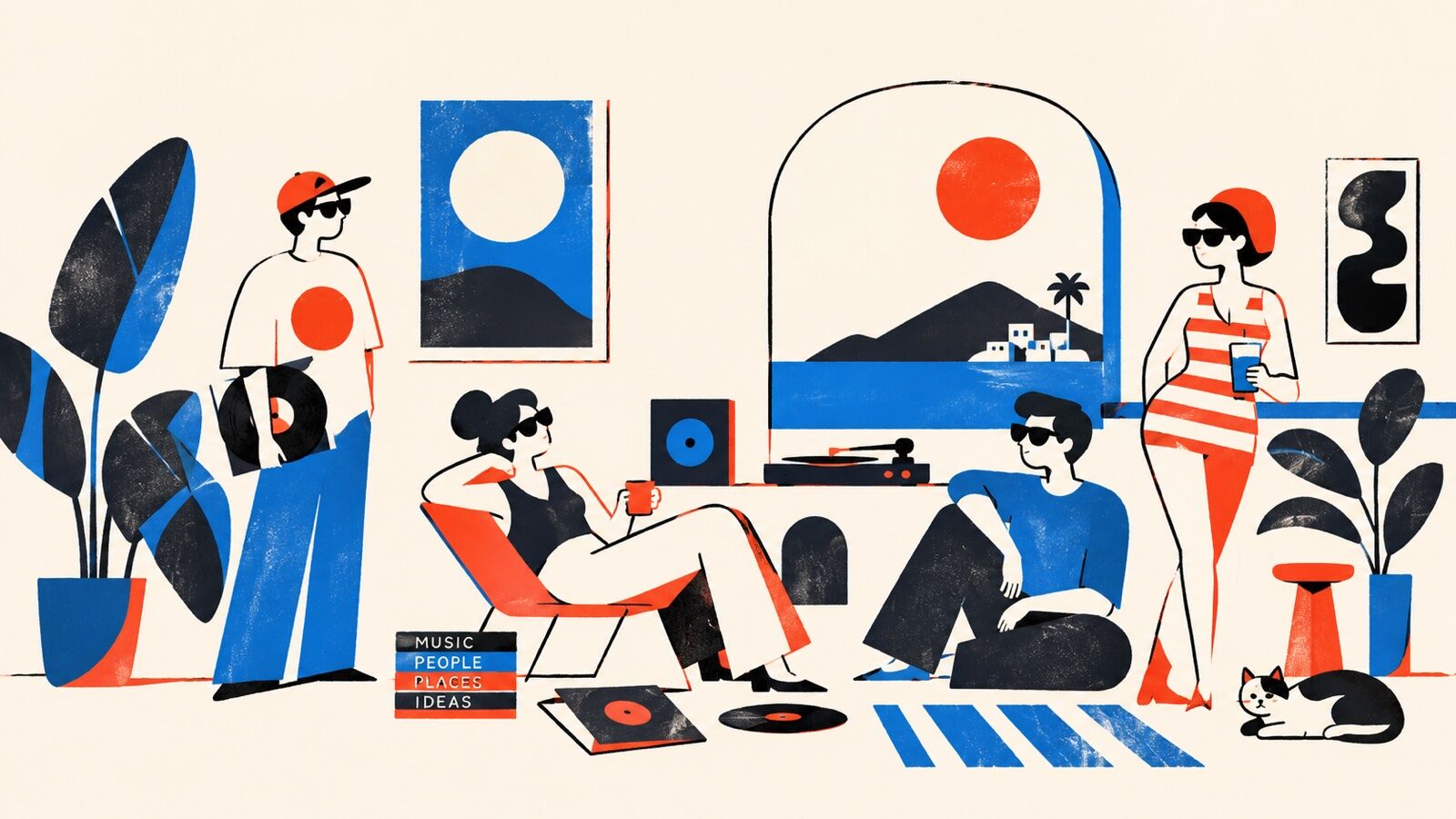 Fashion Design 50%Illustration 50%
Merged palette
#2A2018
#1A1208
#8A7A6A
#C84B1A
#C4B8A8
Leads expressive, warm, maximal
Typography · from Fashion Design
Space Grotesk over Inter
Materials
Use it
Fashion design aesthetic with considered silhouette and garment construction, runway-quality styling and fabric drape, editorial fashion-photography lighting, seasonal collection cohesion, haute couture attention to tailoring detail (50%), infused with Editorial illustration with confident linework and considered composition, mixed-media or digital-painting technique, conceptual visual metaphor communicating an idea at a glance, magazine and book-cover illustration tradition, expressive color mood suited to the story being told, color palette strictly #2A2018 #1A1208 #8A7A6A #C84B1A #C4B8A8, overall character: expressive, warm, maximal
Fashion design visual aesthetic is the complete visual system each major house develops: house typeface (Futura for Chanel, condensed gothic for Saint Laurent), photography direction, campaign palette, store design, and packaging: all controlled to express a coherent aesthetic position. Fashion aesthetics range from Coco Chanel's restrained bourgeois modernity to Rei Kawakubo's conceptual deconstruction to Tom Ford's maximalist glamour.
Haute couture (the original Paris-certified system, involving minimum 35 hours of hand construction per garment) is made for specific clients at a price point that removes commercial constraint: it is design as pure expression. Ready-to-wear (prêt-à-porter) is manufactured for a wider market and involves commercial compromises. The aesthetic implication: couture can take formal risks that ready-to-wear cannot; couture's visual identity sets the aesthetic agenda that ready-to-wear subsequently translates for broader consumption.
Chanel: black and white, camellia, chain, interlocking C: classic but never stuffy. Dior: feminine romanticism, New Look waist, oblique pattern. Balenciaga: architectural structure, volume, the coat. Saint Laurent: le smoking (tuxedo suit), Moroccan color, the trouser suit. Prada: intellectual subversion of bourgeois taste. Comme des Garçons (Kawakubo): deconstruction, asymmetry, the un-beautiful. Vetements/Balenciaga (Gvasalia era): logomania, streetwear elevated, anti-fashion as fashion.
Every style in the library is broken down like this one: the palette, the typography, the materials and the lineage.
Explore the style library →