When to use it
- Film production portfolios
- Premium video content
- Dramatic brand campaigns
- Narrative-driven marketing
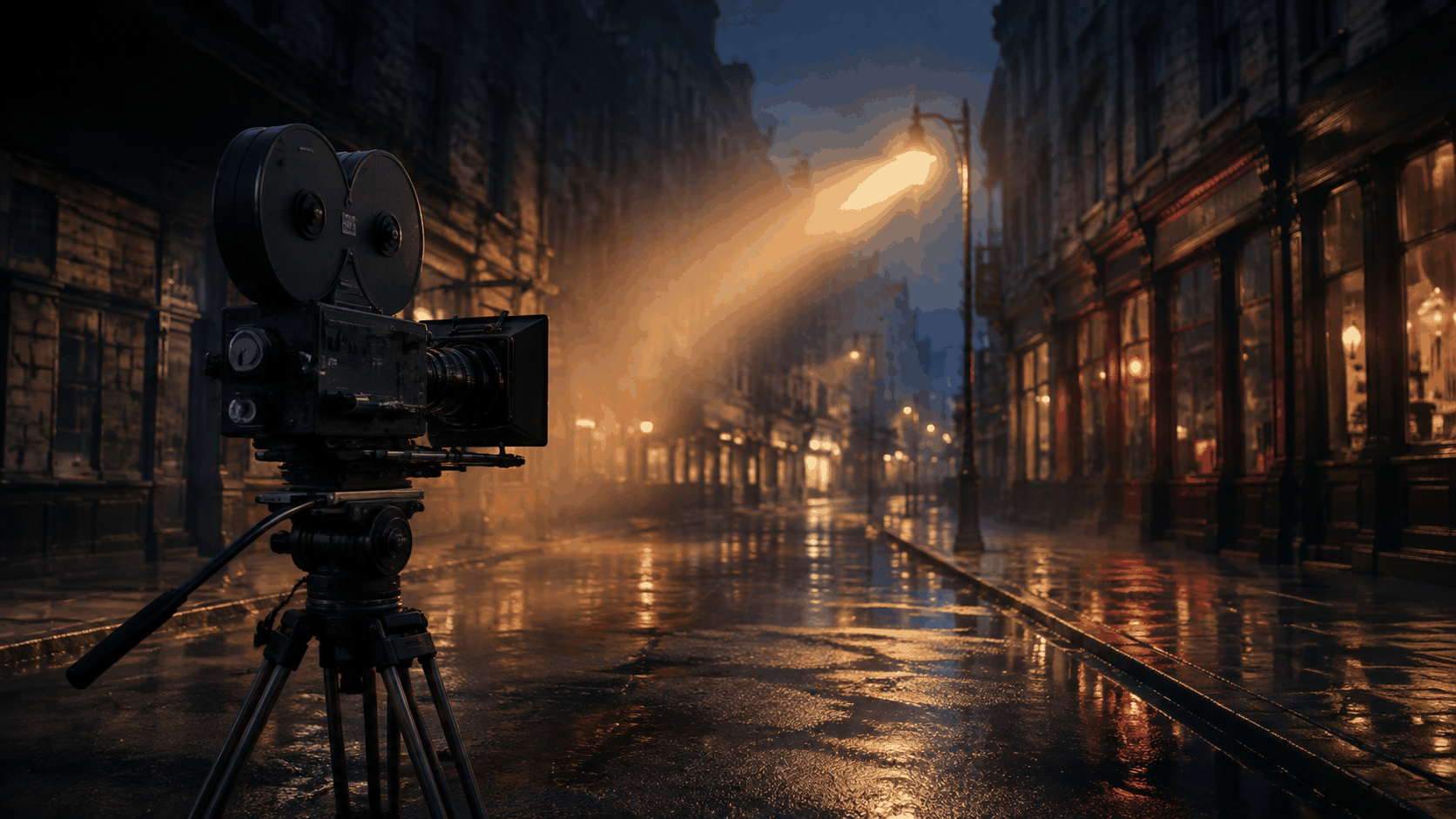
Cinematic visual storytelling with dramatic lighting and framing
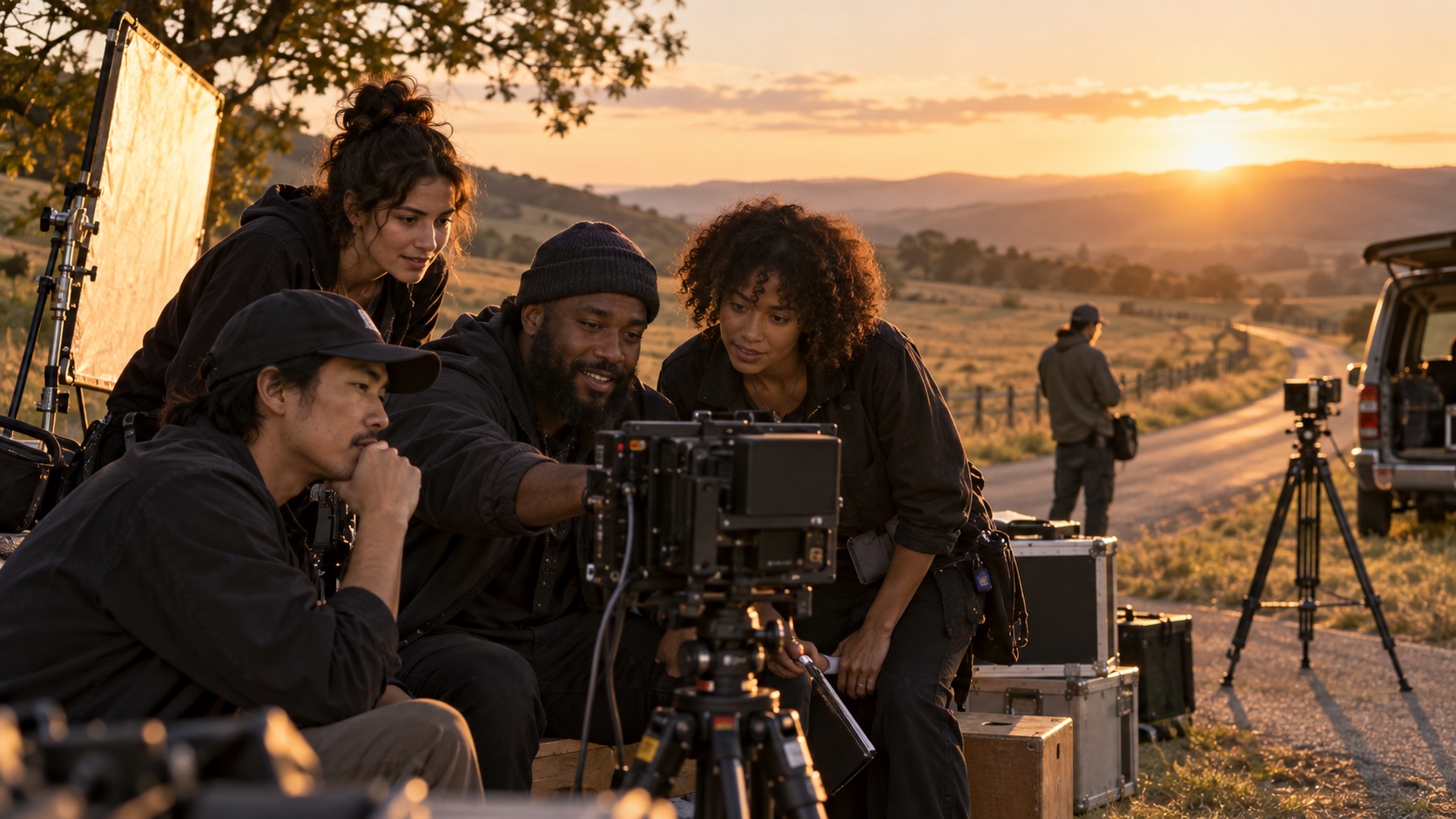
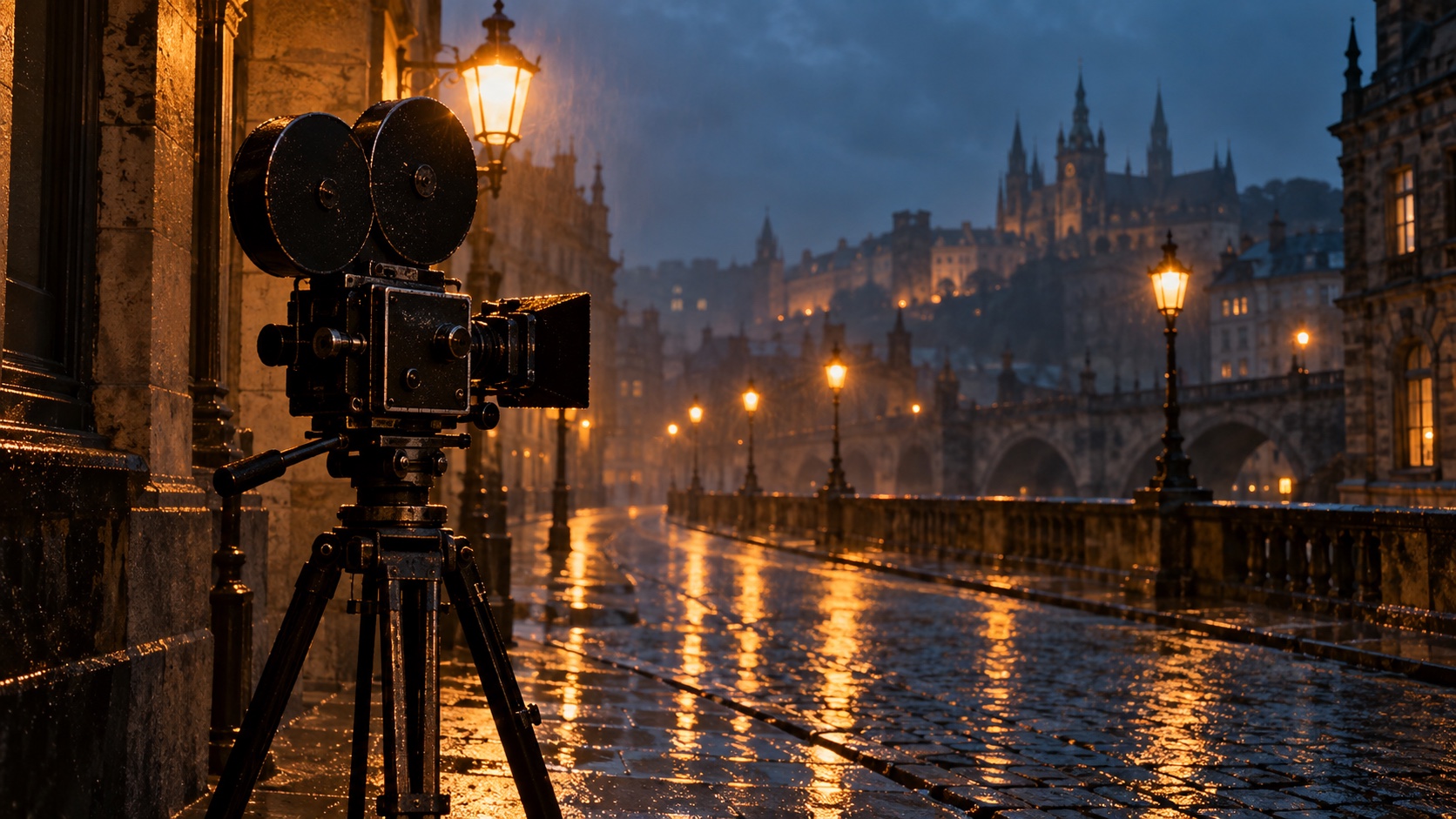
What it is, when it works, who it is for, and where it already exists.
Record 022-CI - when it works, who it is for, what it looks like
Where this aesthetic shows up in the real world · ↗ opens the source site
Where Cinematography came from, what makes it recognisable, and the fingerprint it leaves.
1895–present · France and US (early cinema); global; Hollywood system; international art cinema
Cinematography is the art and craft of lighting and framing moving images: the director of photography's contribution to how a film looks: camera placement and movement, lighting design, lens choice, and, in contemporary production, the digital color grade that gives a film its distinctive palette. Great cinematography is both technically invisible (you don't notice it's happening) and aesthetically indelible (the look is inseparable from the film's meaning and feeling).
The history of cinema is also a history of cinematographic aesthetics: German Expressionism's high-contrast shadows (Fritz Lang's Metropolis, 1927), Hollywood studio era's glamour lighting (Sven Nykvist for Bergman, Greg Toland's deep-focus for Orson Welles's Citizen Kane), Vittorio Storaro's warm amber palette for Bertolucci and Coppola, Roger Deakins's controlled naturalism, Emmanuel Lubezki's single-source natural light. Each cinematographer has developed a distinct visual signature inseparable from the films they shot.
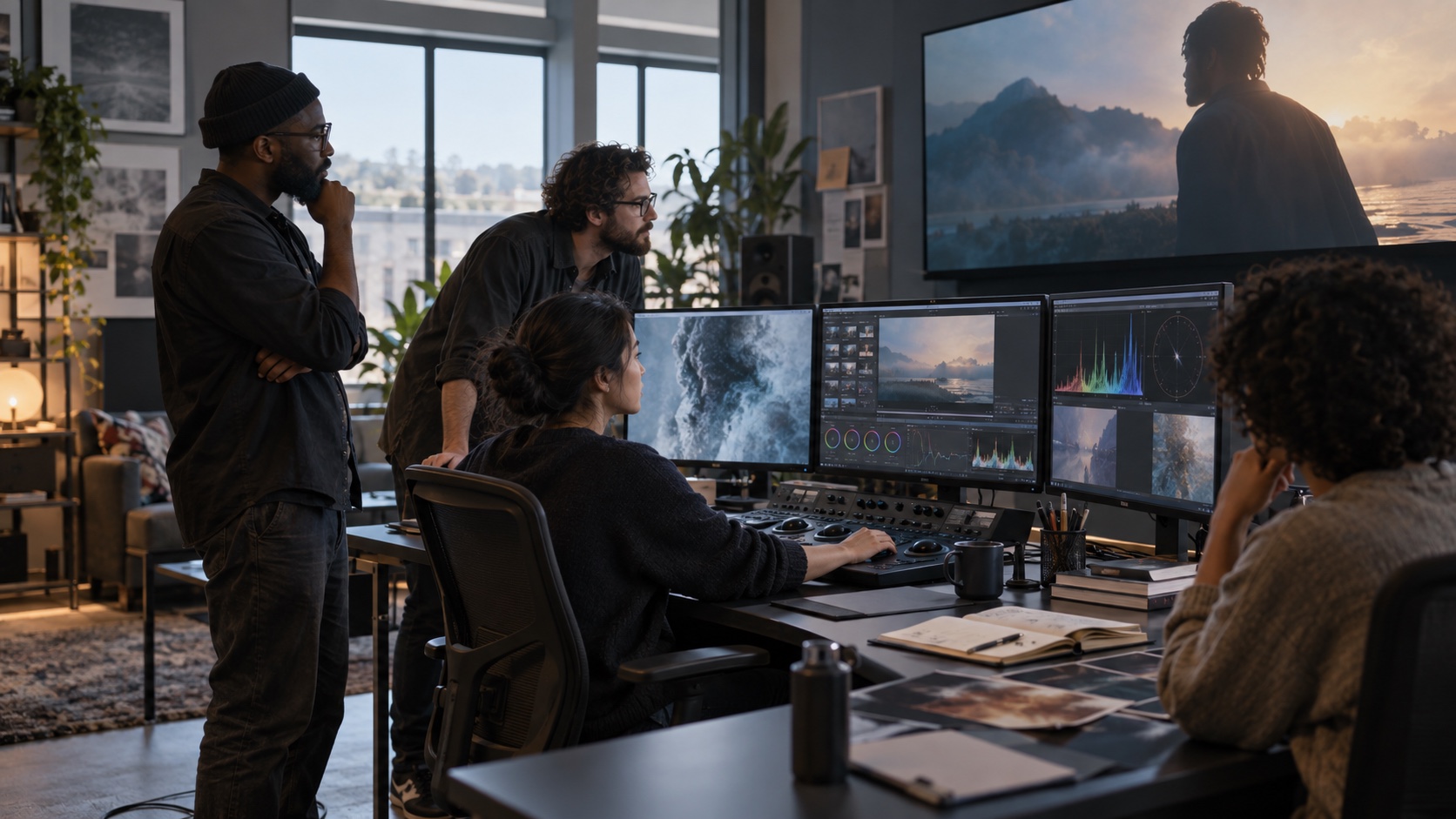
For visual design, cinematography aesthetic provides: a sophisticated vocabulary of lighting (the psychology of different light sources and their emotional associations), color grading as a design tool (the orange-and-teal blockbuster look, the desaturated cold of art-house drama, the golden warmth of memory sequences), and the compositional traditions of the frame (rule of thirds, leading lines, negative space). Cinema has developed the most studied and systematic visual language of any time-based art form.
“Every great film has a visual logic as coherent as a sentence.
The visual DNA: what makes it recognisable
8-channel console with the fingerprint on its display. Save the card, or share the page

4 color interpretations of this aesthetic
The colour of the styles sitting closest to this one
How to shoot it, how to prompt it, and how to board it.
How to shoot this aesthetic
"Every frame a still from a film no one has seen yet but everyone wants to"
Shot list
Lighting
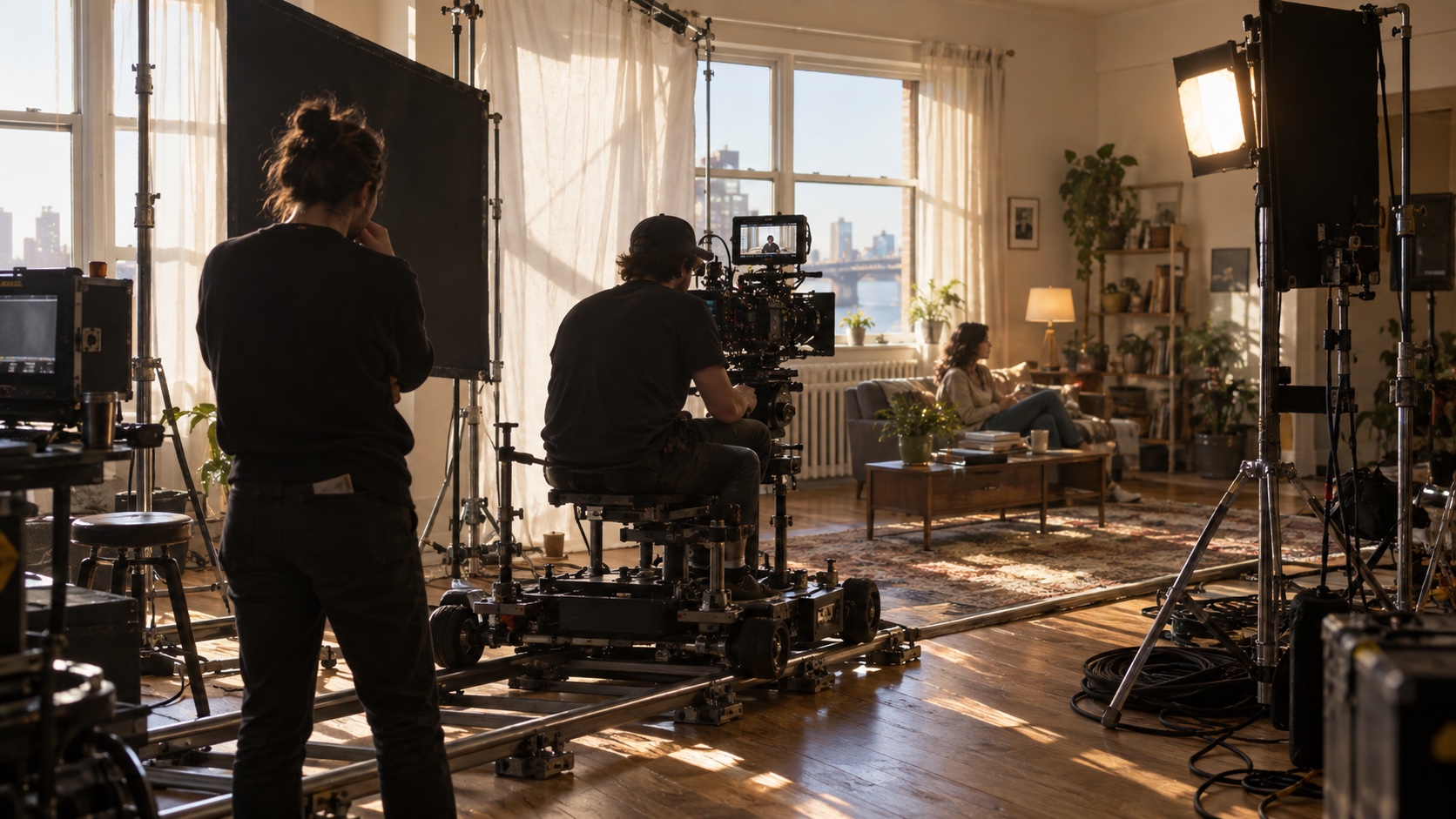
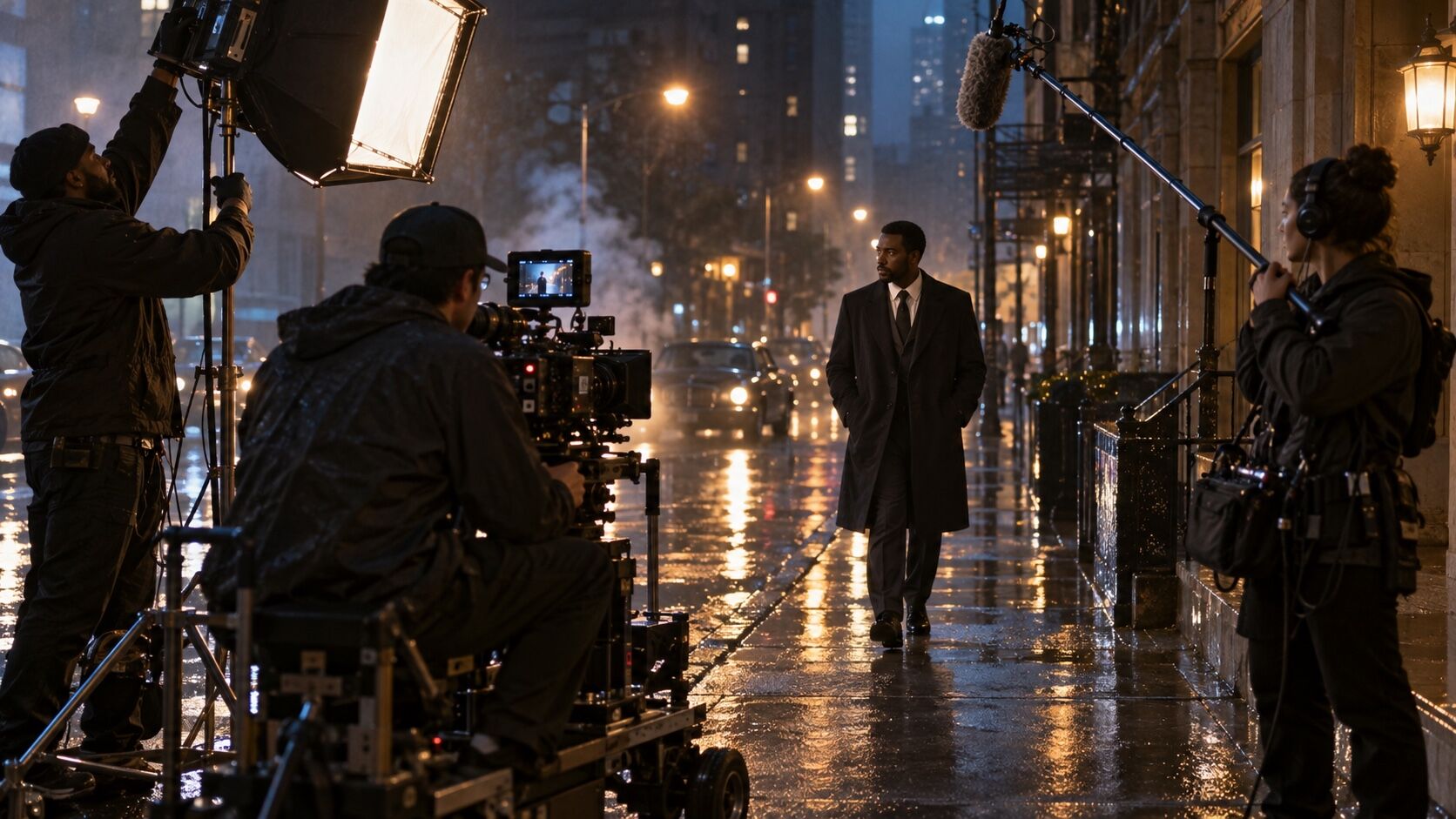
Motivated practical sources table lamps, neon signs, headlights, windows always justified by the environment; use a single key with a bounce card rather than a three-point setup
Drop this into Studio to generate in this aesthetic
Cinematic composition with anamorphic lens character and shallow depth of field, deliberate color grading for mood, wide aspect-ratio framing, dramatic three-point lighting setup, film-still narrative tension
The record applied to your project. The record's kit is free; your brand, references and plates come with membership
01 · Hero application02 · Material and finish03 · Palette in context04 · Photography directionWhether to use it, what it costs to do properly, and where it stands right now.
Two written calls, seven meters, and when to walk away
Lighting ratio is the craft, and it is set before anyone rolls. A four to one key against fill reads as drama, two to one reads as daylight, and no grade invents that difference afterwards. Motivate every source from something in frame. Shoot for the edit rather than the frame: coverage that cuts beats one beautiful setup that does not.
Name the reference precisely or not at all. This is a craft with a strong apprenticeship culture and a strong sense of lineage: ask about a look and you will get named DPs, specific lenses, specific stocks. It is unusually generous with technical information and unusually unforgiving about faking it. Note that virtual production moved lighting decisions weeks earlier, into a pipeline.
Crew, lighting gear, and locations. Not a desk job.
Everyone knows dramatic lighting. Composing it with intent is rarer.
Lighting and lens choice take real technical training.
Bad lighting is obvious even to people who can't say why.
The default vocabulary for any serious video work.
The core techniques haven't changed since film learned to move.
Needs real crew and consistent technique across every shot.
A Pro feature: origins, practitioners, and pitfalls
Neighbours, cross-references, blends, and the questions people ask.
Connected across the creative knowledge graph
Where it stands now, and what it costs you to use it
Cinematography is a craft with a strong apprenticeship culture and a strong sense of lineage. Ask about a look and you will get named DPs, specific lenses and specific stocks.
Virtual production changed the job more than digital capture did, because it moved lighting decisions from the set into a pipeline weeks earlier.
The discipline is unusually generous with technical information and unusually unforgiving about faking it. Naming the wrong reference is immediately visible.
Mix Cinematography with any style in the library
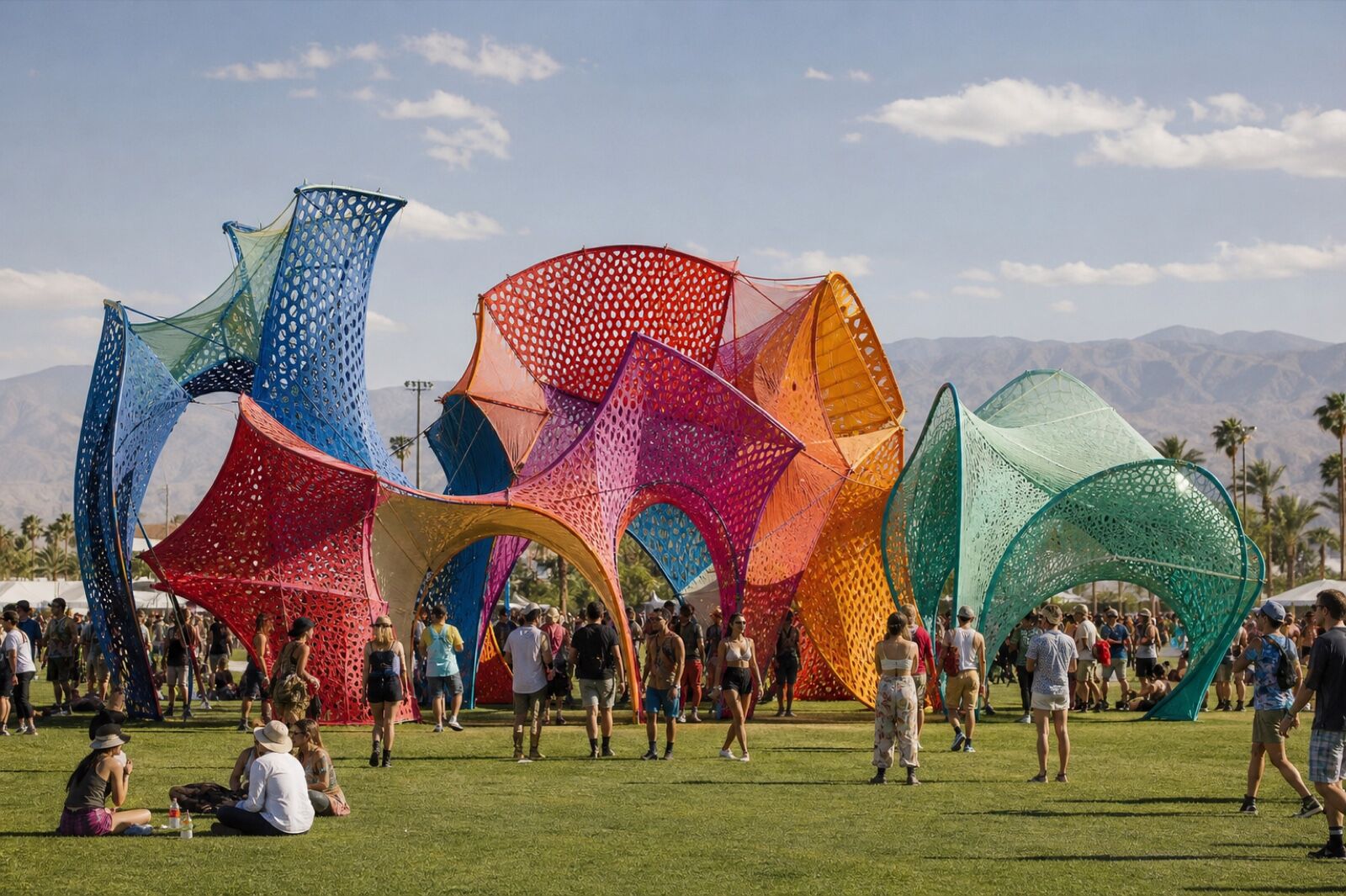 Cinematography 50%Visual Art 50%
Merged palette
#0A0A0A
#8B8B8B
#4A3728
#FF3366
#8B7355
Leads expressive, maximal, digital
Typography · from Cinematography
Raleway over Merriweather
Materials
Use it
Cinematic composition with anamorphic lens character and shallow depth of field, deliberate color grading for mood, wide aspect-ratio framing, dramatic three-point lighting setup, film-still narrative tension (50%), infused with Fine art visual composition with intentional color and form relationships, gallery-quality presentation, considered negative space and compositional balance, medium-agnostic artistic craftsmanship, a controlled visual statement over documentary description, color palette strictly #0A0A0A #8B8B8B #4A3728 #FF3366 #8B7355, overall character: expressive, maximal, digital
Cinematography aesthetic is the visual language of film: lighting design, camera movement, lens choice, and color grade: the director of photography's contribution to how a film looks and feels. Key visual elements: film grain (#E8E0D8), deep shadow (#050308), golden hour amber (#E8A840), blue hour teal (#1A3A4A), shallow depth of field, and the overall color grade that defines a film's palette. Great cinematography (Deakins, Lubezki, Storaro) creates a look as coherent and intentional as any designed visual.
Color grading is the digital post-production process that adjusts the overall color palette of a film: warming or cooling the image, boosting or reducing saturation, adjusting shadow color, and creating the overall color 'look' that distinguishes the finished film from the camera's raw capture. The orange-and-teal blockbuster look (orange skin tones, teal shadows) became a dominant Hollywood aesthetic in the 2000s–2010s because the contrast between orange and teal is maximally pleasing. Art films typically use more muted, complex, or intentionally wrong color grades.
Roger Deakins (No Country for Old Men, Blade Runner 2049): controlled natural light, precise and clean. Emmanuel Lubezki (The Tree of Life, Gravity, Birdman): single-source natural light, long takes, handheld intimacy. Vittorio Storaro (Apocalypse Now, The Last Emperor): warm amber-to-cool blue emotional palette. Gordon Willis 'Prince of Darkness' (The Godfather, Manhattan): extreme darkness, underexposed faces, the face in shadow. Greig Fraser (Dune, The Batman): contemporary master of controlled light in large-scale production.
Every style in the library is broken down like this one: the palette, the typography, the materials and the lineage.
Explore the style library →