When to use it
- Multi-layered brand storytelling
- Experimental campaign visuals
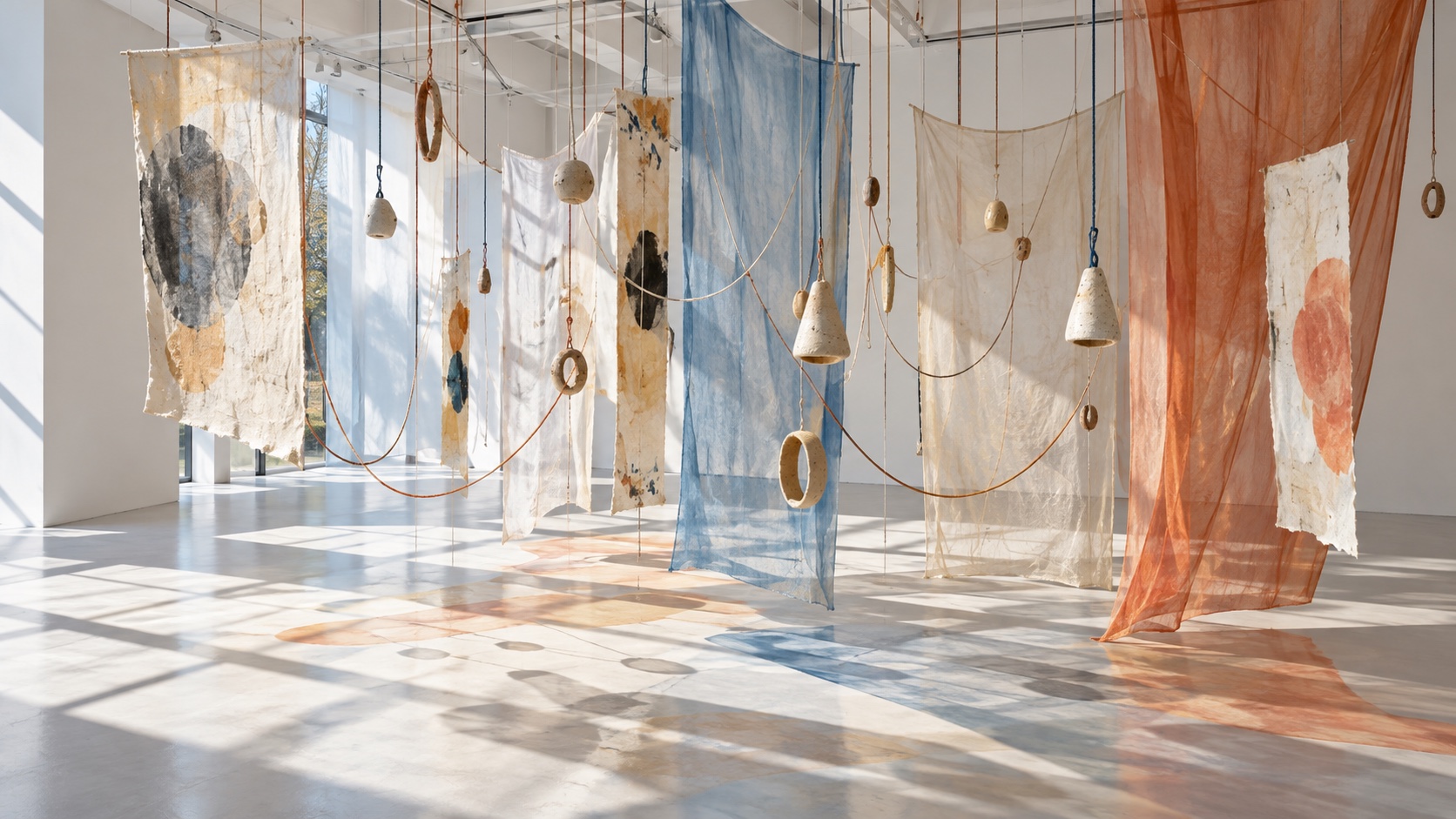
- Gallery and museum exhibitions
- Editorial spreads with depth
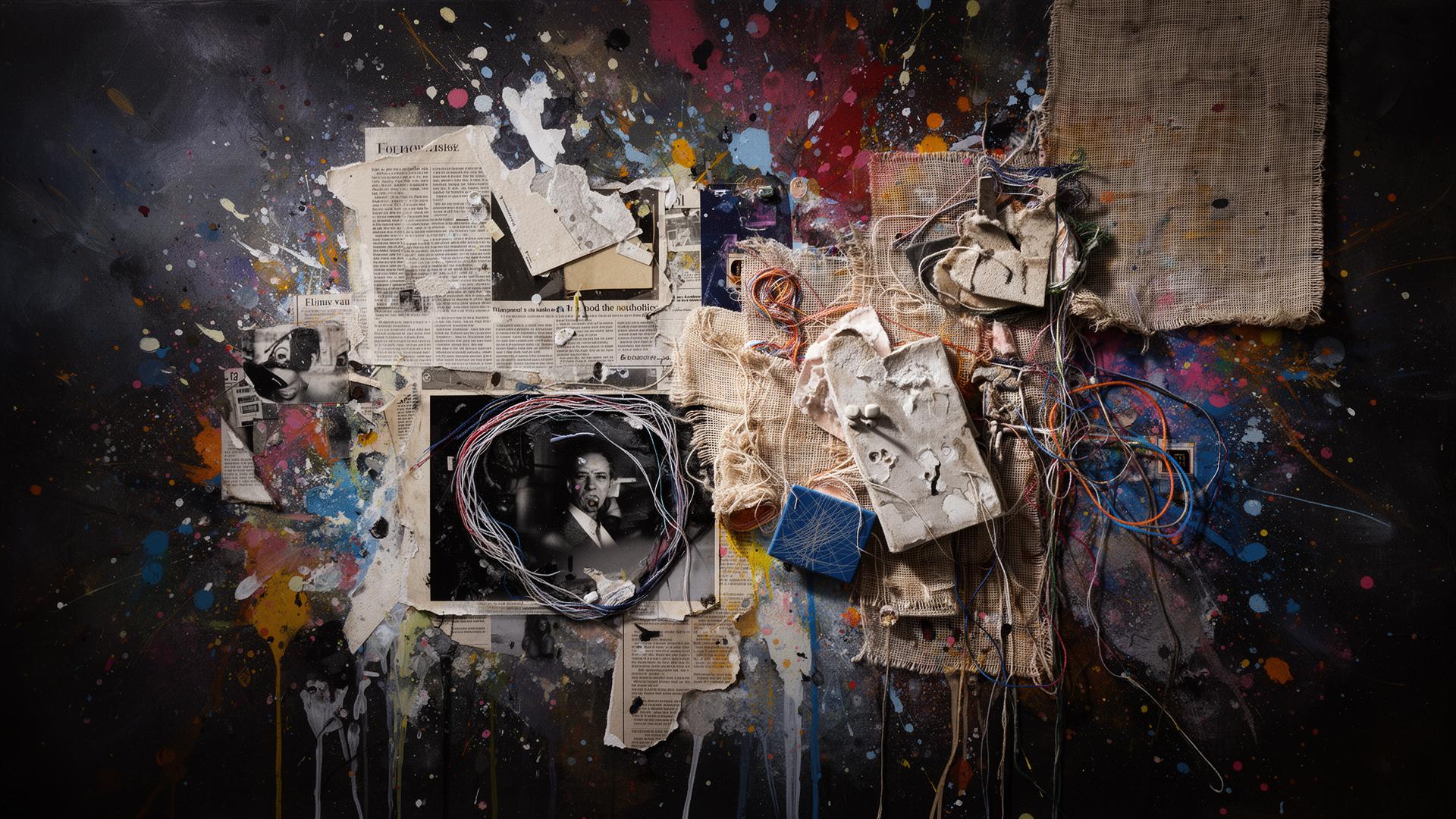
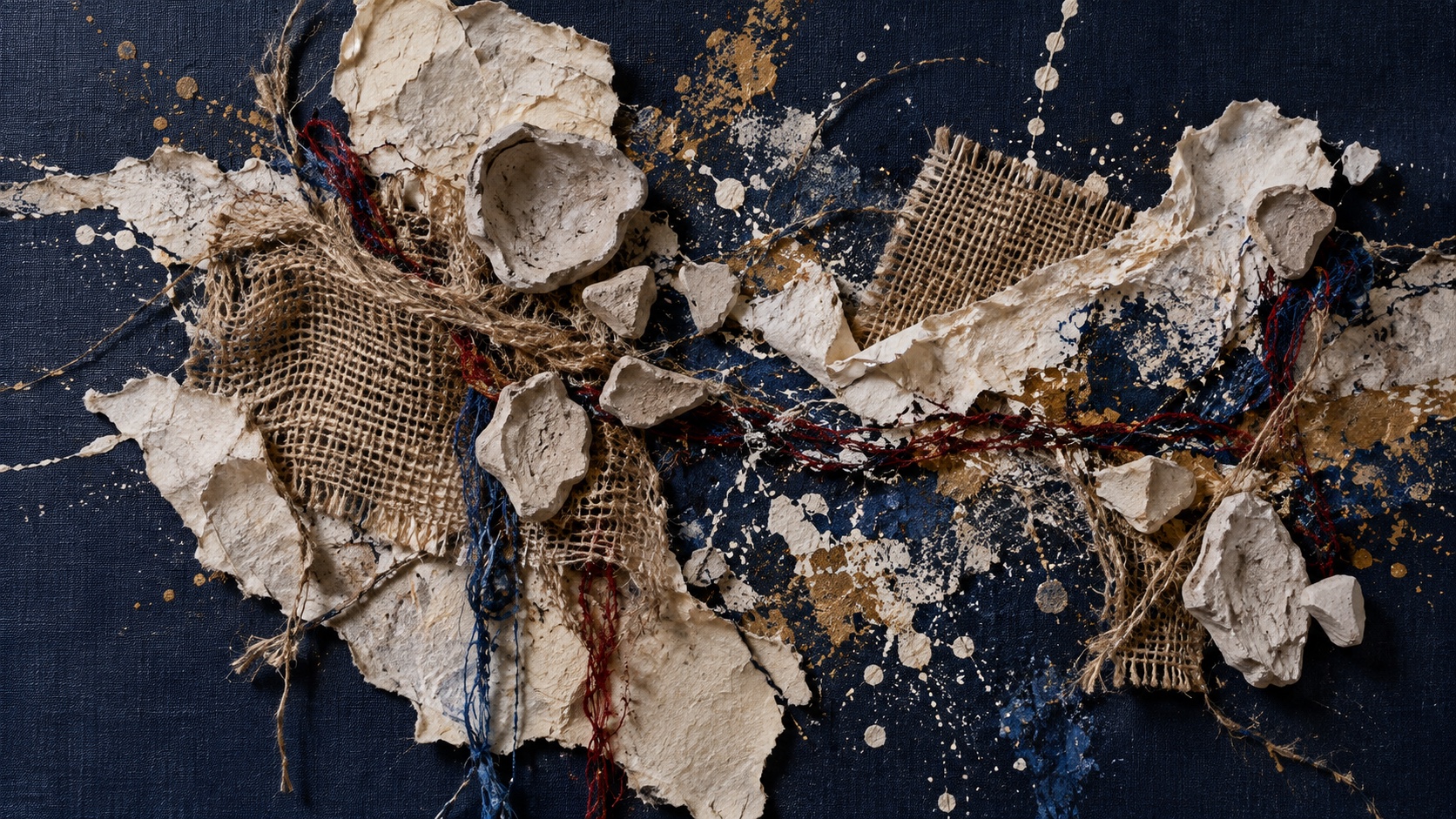
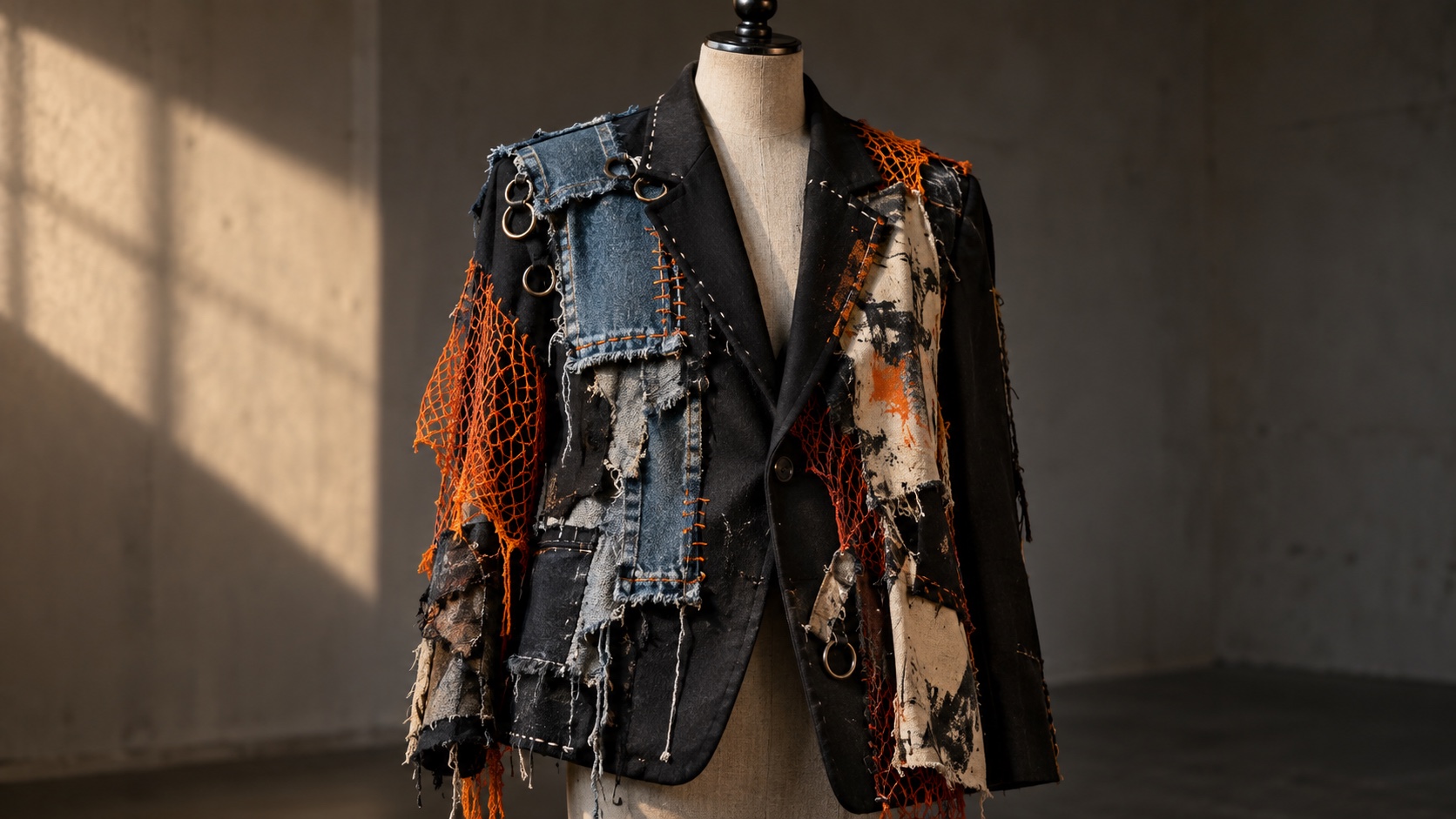
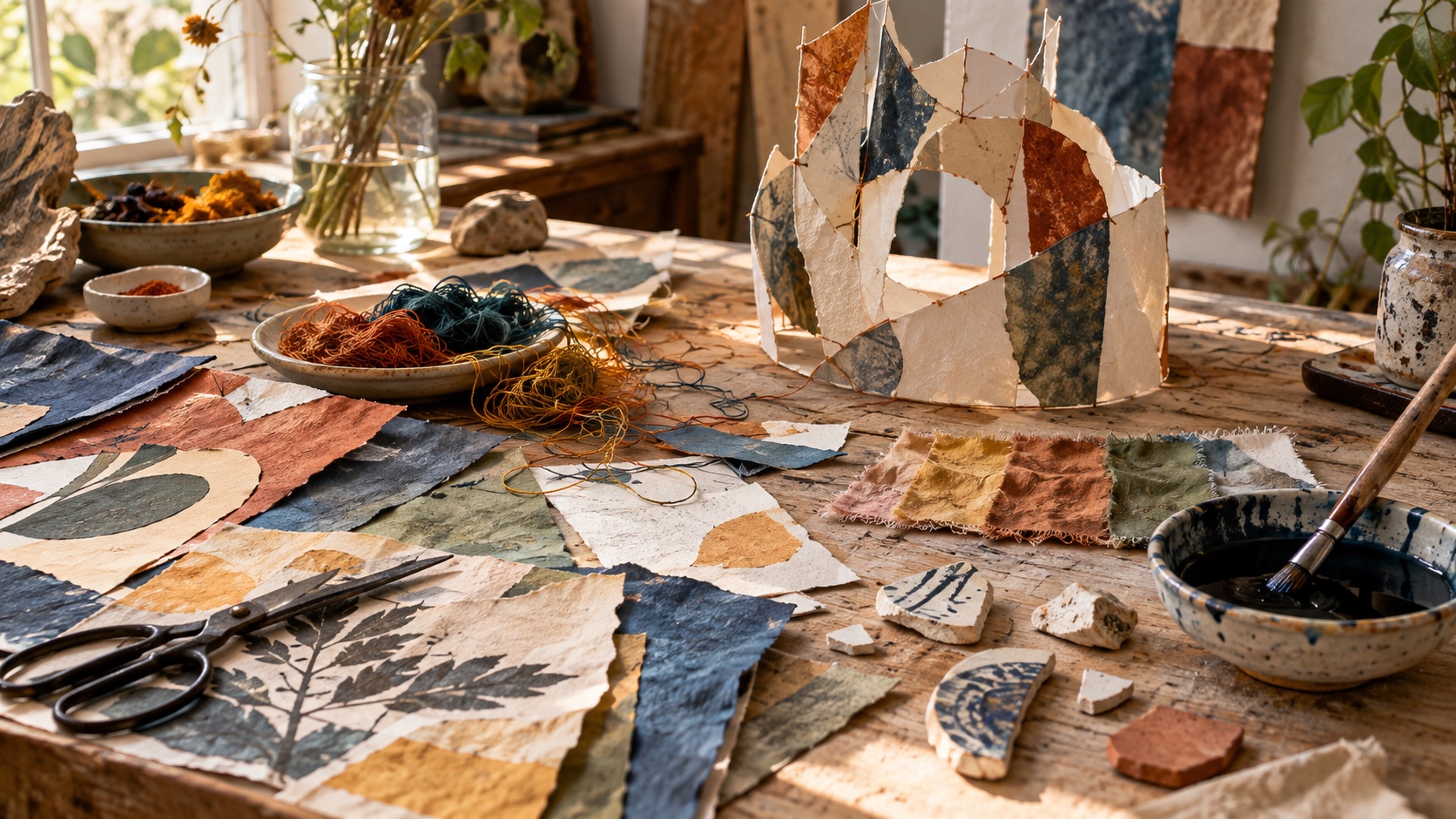
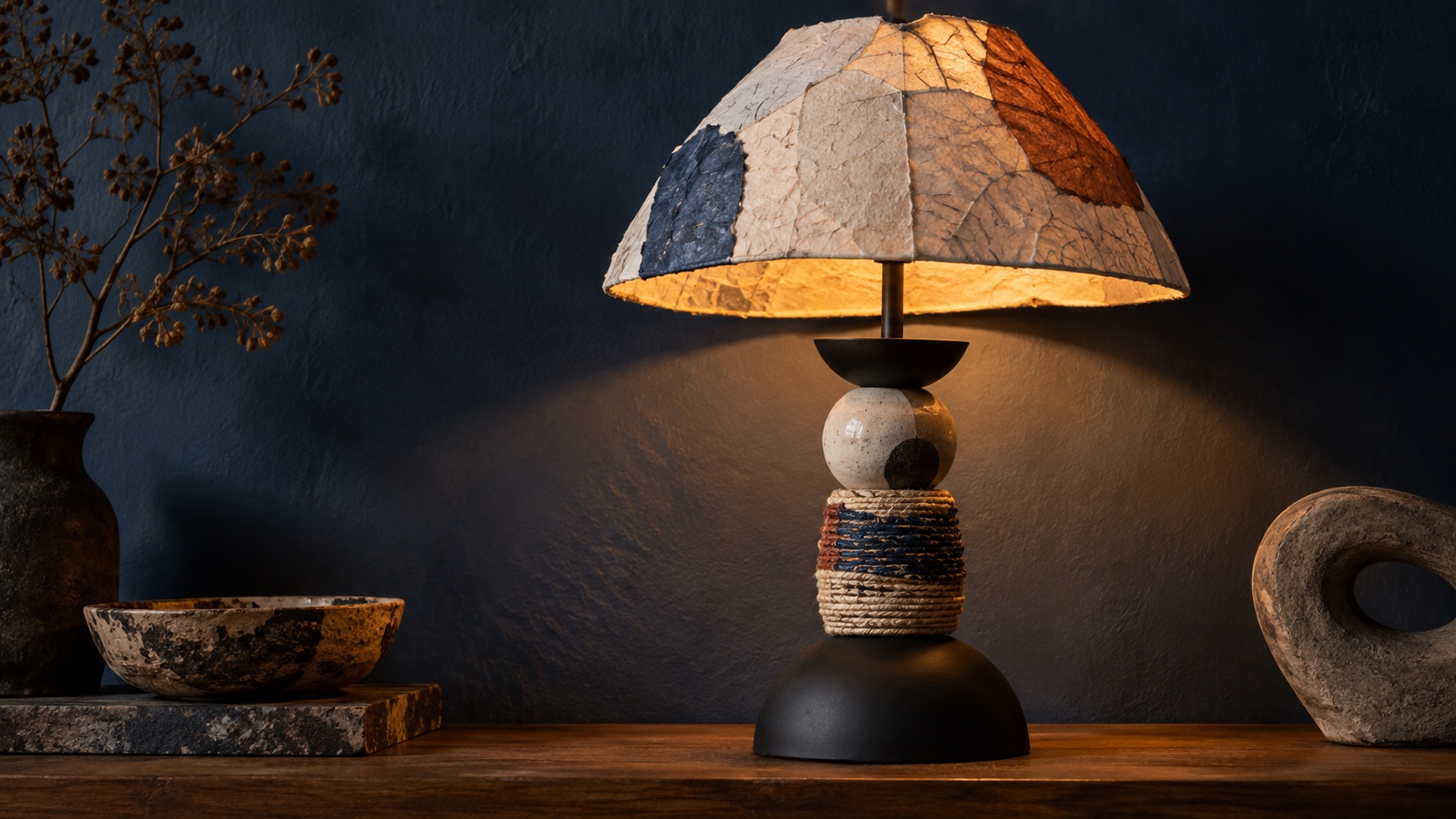
Collage, assemblage, and hybrid works that combine multiple materials, techniques, and disciplines into unified compositions
What it is, when it works, who it is for, and where it already exists.
Record 032-MM - when it works, who it is for, what it looks like
Where this aesthetic shows up in the real world · ↗ opens the source site
Where Mixed Media came from, what makes it recognisable, and the fingerprint it leaves.
1912–present (Cubist collage); ongoing · Cubist collage (Picasso, Braque); Dadaism; contemporary expanded practice
Mixed media as a conscious art strategy begins with Cubist collage: Picasso's Still Life with Chair Caning (1912), which incorporated actual chair caning material into an oil painting, and Braque's papier collé works that glued newspaper and patterned paper into painted compositions. By introducing non-art materials into fine art contexts, these works raised fundamental questions about what art is made of and what it refers to. Dadaists (Hannah Höch, John Heartfield) extended this into photomontage: cutting up mass-media photographs and reassembling them into critical commentaries.
The 20th century expanded mixed media practice enormously: Rauschenberg's Combines (1954–1964) incorporated everyday objects (quilts, taxidermy goat, tires) with painting; Joseph Cornell's boxes enclosed found objects in shadow boxes; Louise Nevelson built wall sculptures from collected wooden fragments. In each case, the mixing of materials produces meaning that no single medium could generate: the tension between the different kinds of reality each material brings creates the work's content.
Contemporary mixed media encompasses digital/analogue combinations (photography layered with painting, digital print with hand-drawn annotation), three-dimensional assemblage, textile and painting, video and sculpture, and essentially any combination of materials that a practitioner chooses. The aesthetic is defined by the seam between materials: where one medium ends and another begins is where the meaning is concentrated.
“The work that knows it doesn't have to choose.
The visual DNA: what makes it recognisable
8-channel console with the fingerprint on its display. Save the card, or share the page

4 color interpretations of this aesthetic
The colour of the styles sitting closest to this one
How to shoot it, how to prompt it, and how to board it.
How to shoot this aesthetic
"When one material is not enough: collage, assemblage, and the beauty of purposeful combination"
Shot list
Lighting
Variable by the work for matte surfaces use soft flat light; for glossy surfaces use raking side light; for works with glass or resin use a polarizer to control reflection
Drop this into Studio to generate in this aesthetic
Mixed media art with layered combination of materials (paint, collage, found objects, textile) visible seams between mediums as intentional texture, Robert Rauschenberg combine tradition, tactile dimensional surface, eclectic material juxtaposition unified by a single compositional vision
The record applied to your project. The record's kit is free; your brand, references and plates come with membership
01 · Hero application02 · Material and finish03 · Palette in context04 · Photography directionWhether to use it, what it costs to do properly, and where it stands right now.
Two written calls, seven meters, and when to walk away
Adhesion is a real technical problem, not a detail. Materials with different absorbencies lift, cockle and separate over months, so the substrate and the order of layers matter more than the composition does. Seal between incompatible media. Every added material has to earn its place, because a surface that reads as accumulation reads as indecision.
Right when the friction between materials is the subject, rather than their accumulation. Hard to fund and hard to exhibit, and artists working in it will tell you both. Conservation is a real problem the field takes seriously: combining materials with different lifespans means deciding what the work is allowed to become.
Found materials keep this cheap most of the time.
Combining shouldn't feel arbitrary. It needs a reason to sit together.
Making disparate materials read as one piece is the actual skill.
Combining materials without a reason just reads as clutter.
A common, flexible approach across editorial and fine art.
Collage and assemblage have been current for over a century.
Sourcing materials, but no ongoing system to maintain.
A Pro feature: origins, practitioners, and pitfalls
Neighbours, cross-references, blends, and the questions people ask.
Connected across the creative knowledge graph
Where it stands now, and what it costs you to use it
Mixed media is a category defined by refusing categories, which makes it hard to fund and hard to exhibit, and artists working in it will tell you both.
The interesting work is about the friction between materials rather than about their accumulation.
Conservation is a real problem the field takes seriously, since combining materials with different lifespans means deciding what the work is allowed to become.
Mix Mixed Media with any style in the library
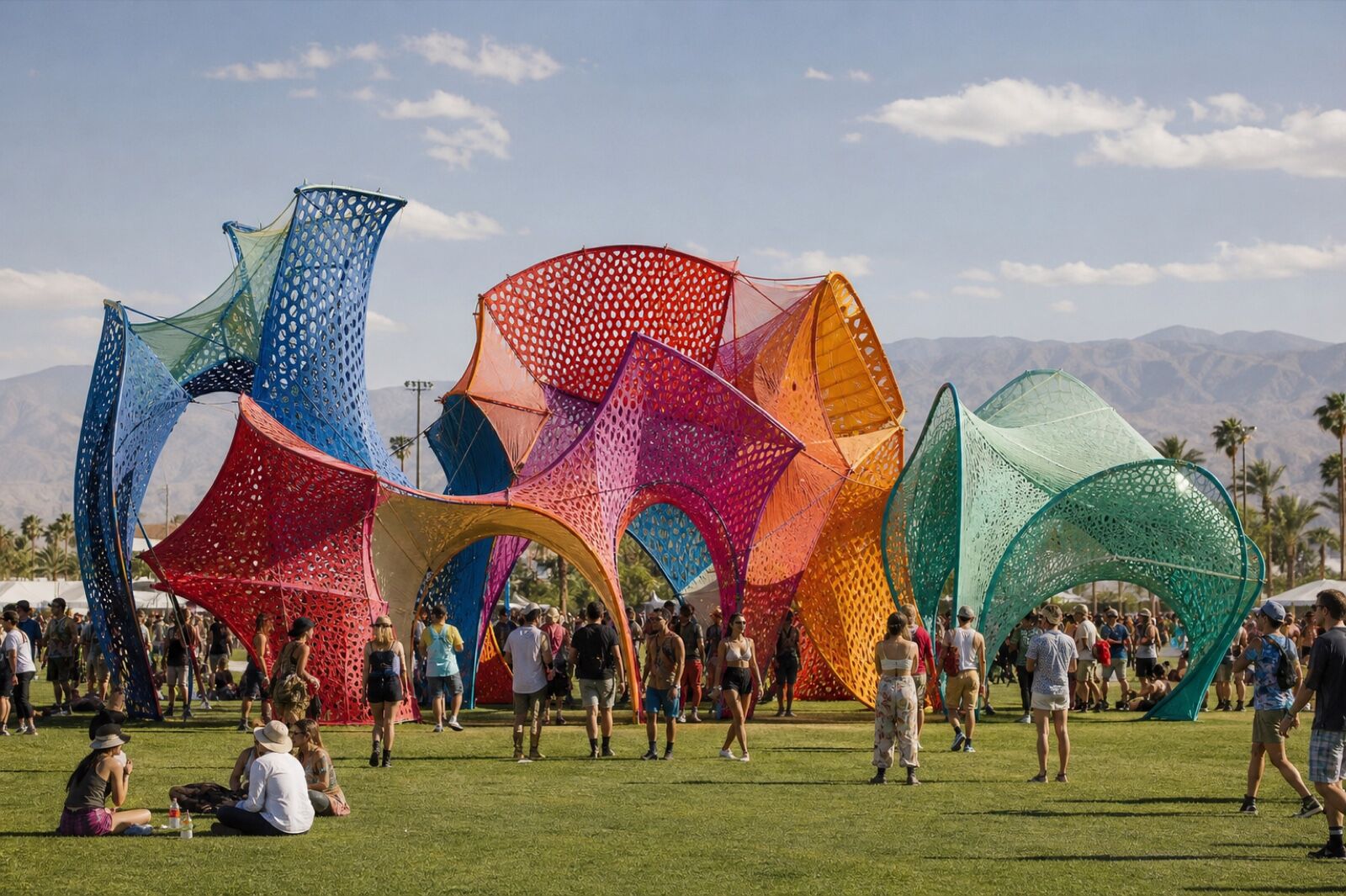 Mixed Media 50%Visual Art 50%
Merged palette
#4A3728
#0D0D0D
#C84B1A
#8B8B8B
#2A4A2A
Leads expressive, maximal, chaotic
Typography · from Mixed Media
Anton over Karla
Materials
Use it
Mixed media art with layered combination of materials (paint, collage, found objects, textile) visible seams between mediums as intentional texture, Robert Rauschenberg combine tradition, tactile dimensional surface, eclectic material juxtaposition unified by a single compositional vision (50%), infused with Fine art visual composition with intentional color and form relationships, gallery-quality presentation, considered negative space and compositional balance, medium-agnostic artistic craftsmanship, a controlled visual statement over documentary description, color palette strictly #4A3728 #0D0D0D #C84B1A #8B8B8B #2A4A2A, overall character: expressive, maximal, chaotic
Mixed media aesthetic is the visual language of combined materials: collage, assemblage, and works that deliberately bring together elements from different sources and media. It began with Cubist collage (1912) and Dadaist photomontage, and expanded through Rauschenberg's Combines, Cornell's boxes, and contemporary combinations of digital/analogue, painted/printed, two- and three-dimensional materials. The visible seam between materials is where the meaning concentrates.
Collage is two-dimensional: paper, photograph, fabric, and other flat materials adhered to a flat surface. Assemblage is three-dimensional: found objects and materials combined into sculptural or relief form. Rauschenberg used 'Combines' to describe works that combined both: paintings with three-dimensional objects attached. Both practices share the mixed media logic of bringing non-art materials into art contexts and letting the tension between their different realities generate meaning.
Contemporary graphic design borrows mixed media aesthetics through: layering digital photography with hand-drawn or painted elements, combining typographic elements from different sources and eras, deliberately exposing the process of construction rather than hiding it, and the general 'handmade' aesthetic that positions brands against seamless digital polish. The poster_collage aesthetic is the most direct application; but the mixed media approach to visible seams and material combination appears across editorial, packaging, and brand identity design.
Every style in the library is broken down like this one: the palette, the typography, the materials and the lineage.
Explore the style library →