When to use it
- Political or activist campaign materials
- Music poster and album artwork
- Anti-establishment brand identity
- Art exhibition and gallery promotion
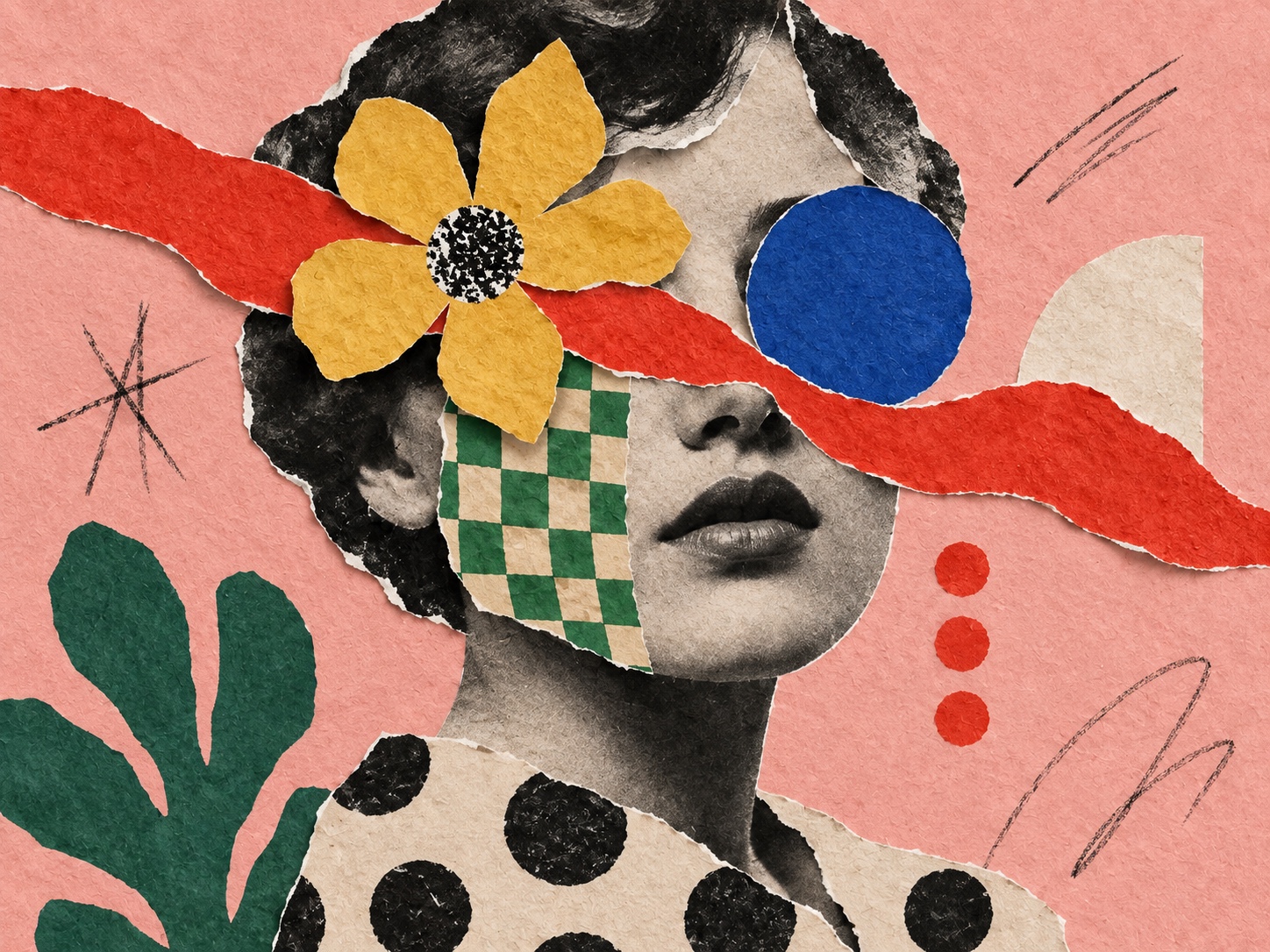
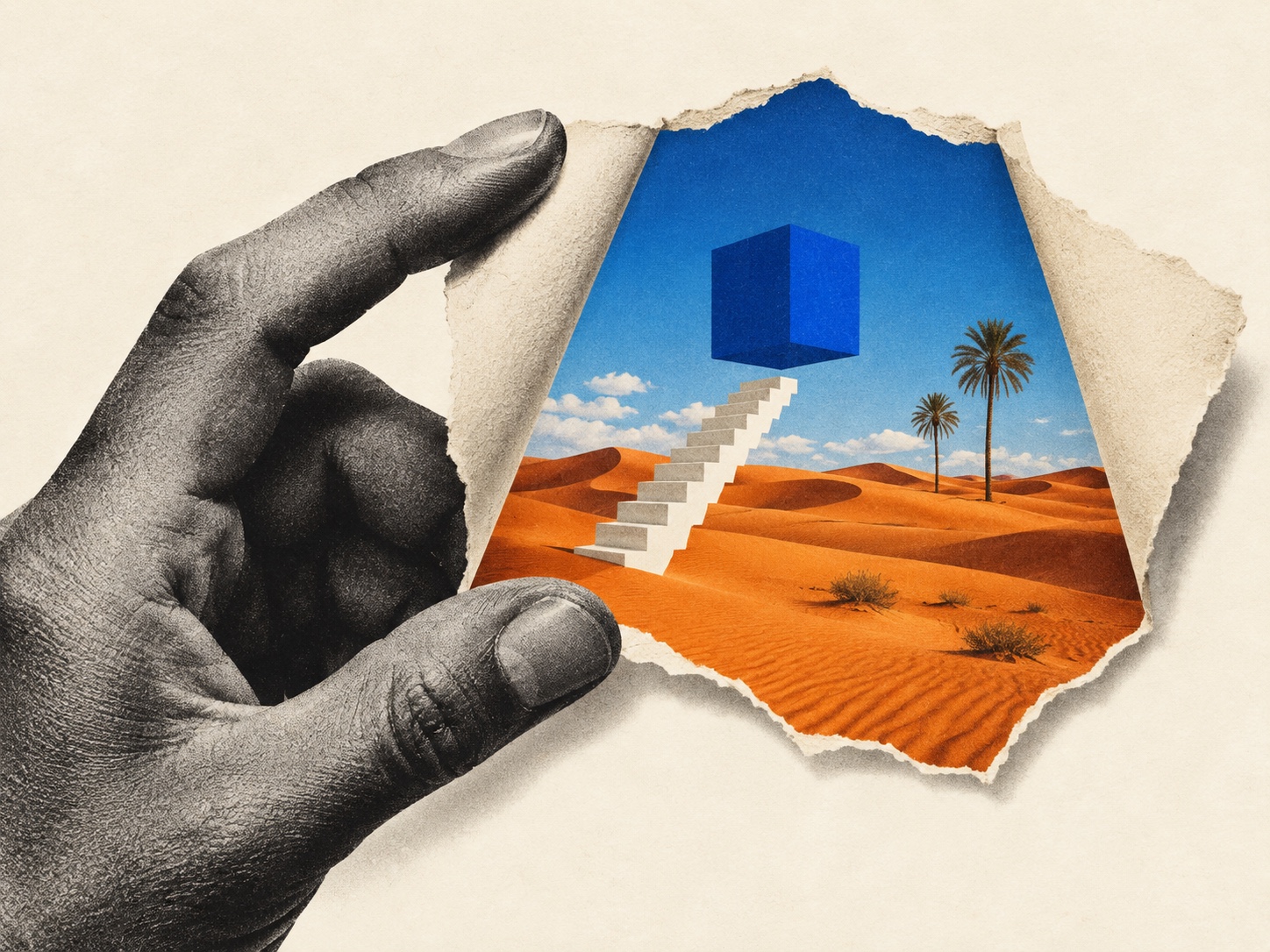
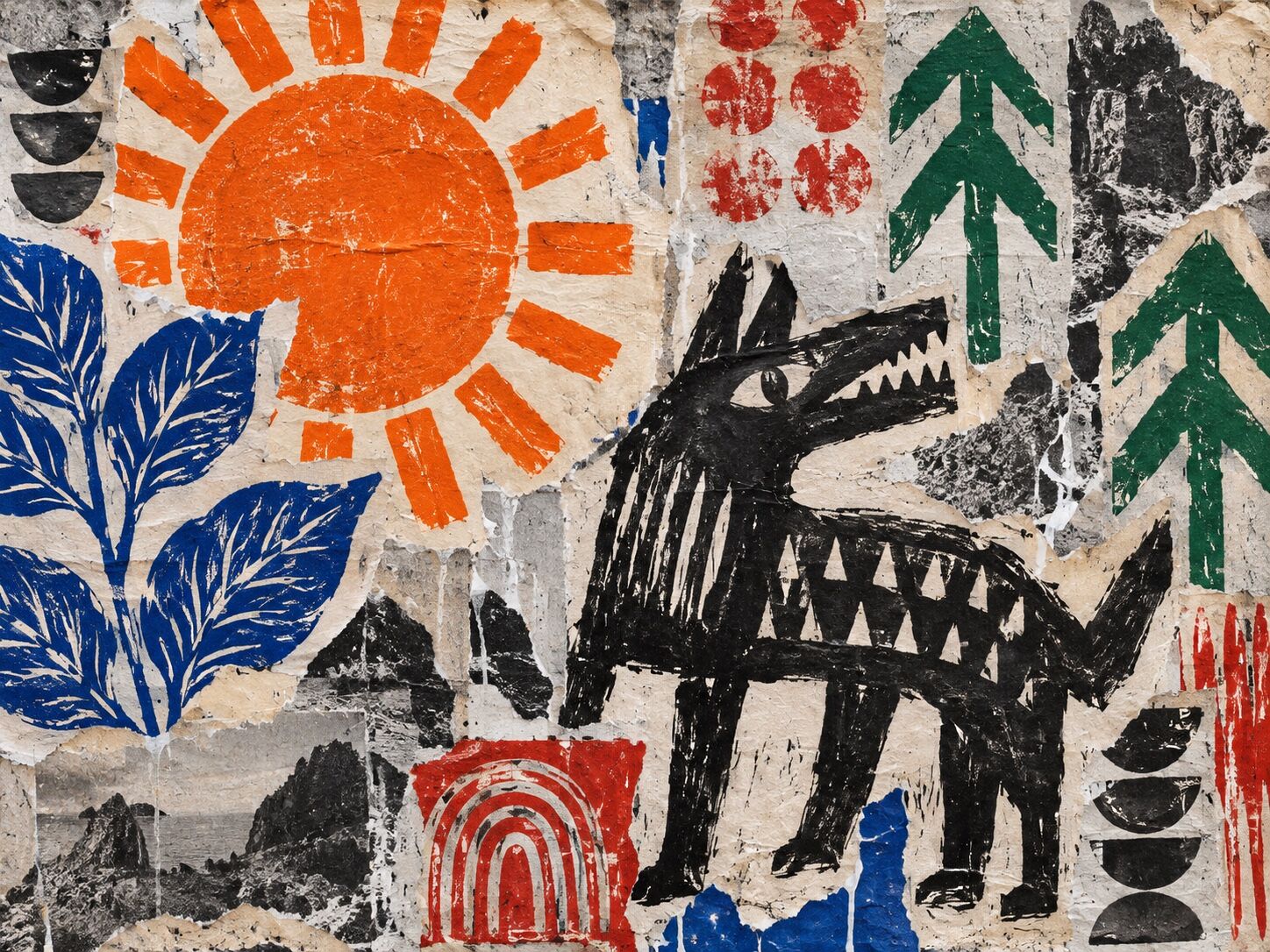
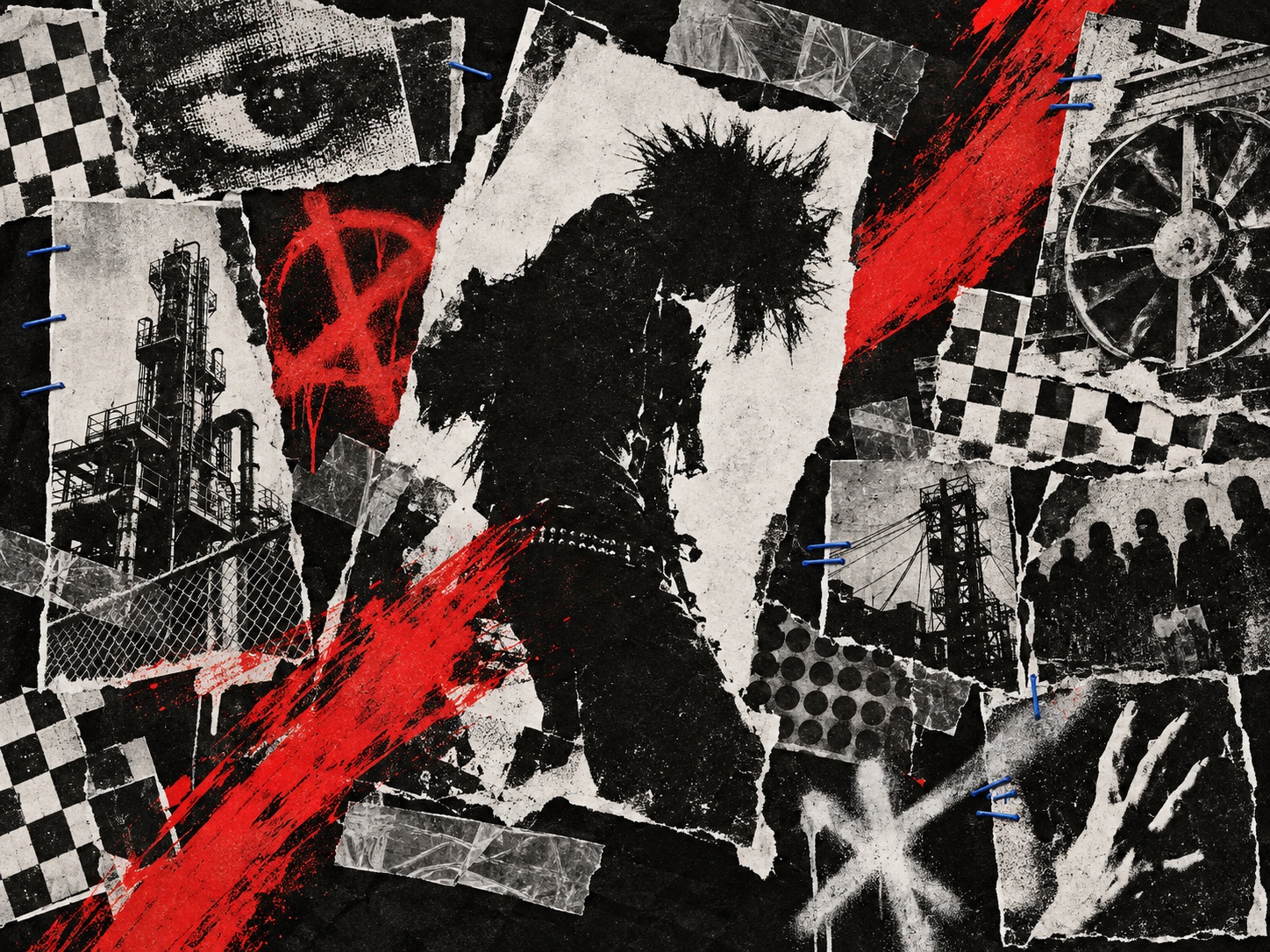
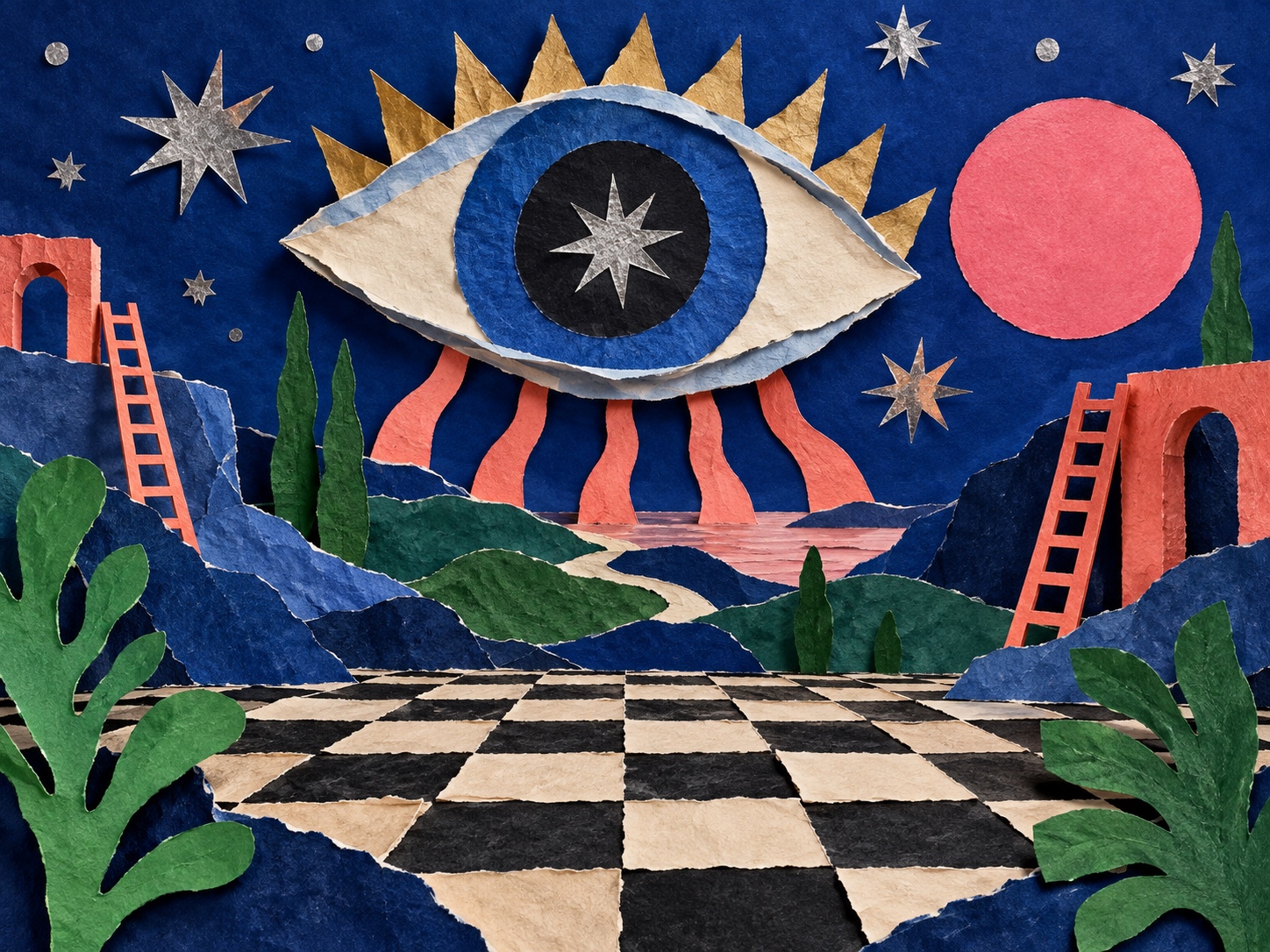
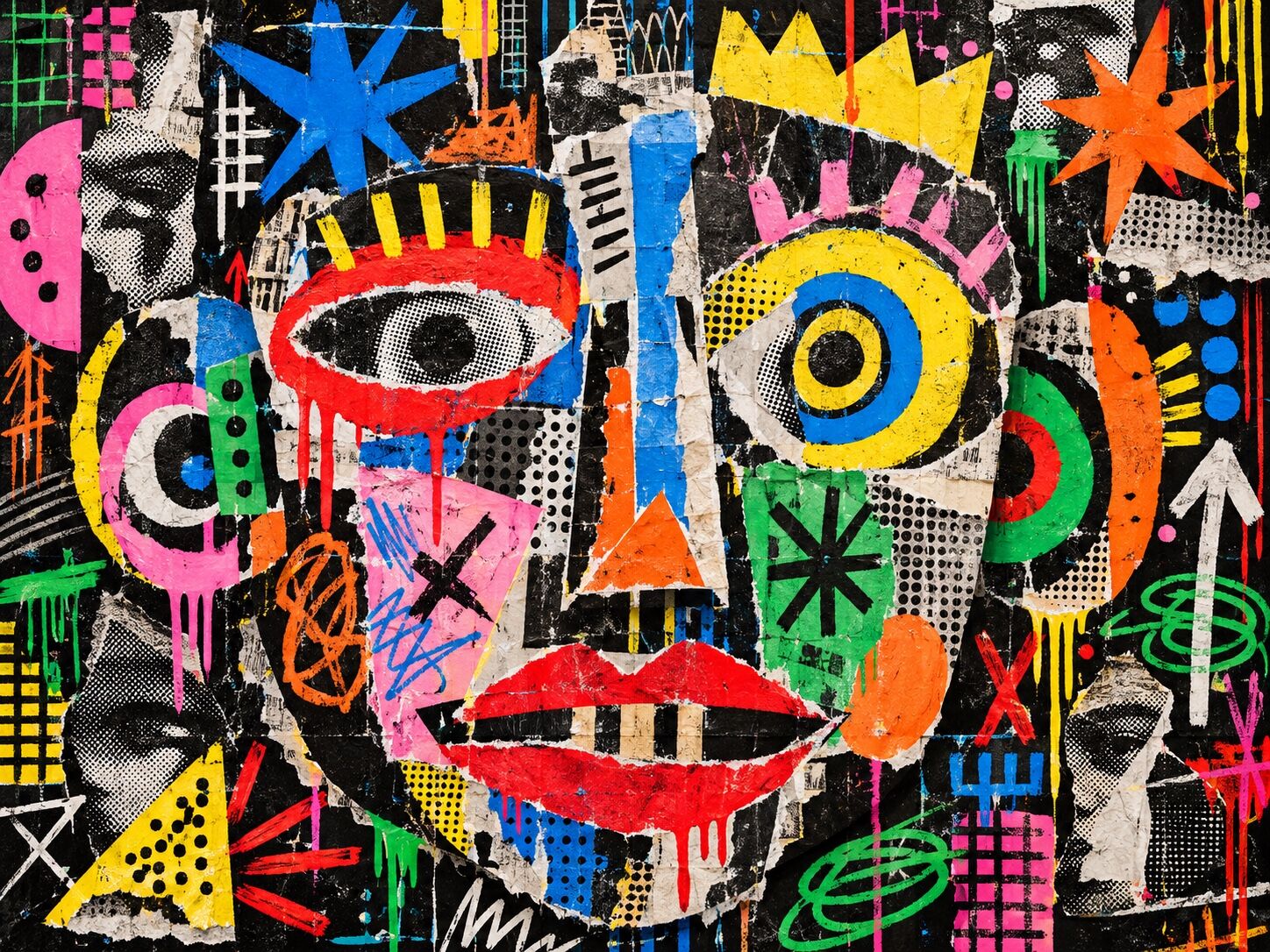
Photomontage energy - cut-and-paste urgency from Dada, Constructivism, and punk zine culture combined into visceral visual communication
What it is, when it works, who it is for, and where it already exists.
Record 035-PC - when it works, who it is for, what it looks like
Where this aesthetic shows up in the real world · ↗ opens the source site
Where Collage came from, what makes it recognisable, and the fingerprint it leaves.
1910s Dada origins; contemporary expression from 2010s · Dada and Surrealist collage; punk zine culture; contemporary graphic design
Collage as a fine art technique was codified by Picasso and Braque in 1912 with Synthetic Cubist papier collés. The Dadaists (Hannah Höch, John Heartfield) developed photomontage as a political medium from 1918 onward. Heartfield's anti-Nazi photomontages remain among the most politically powerful images of the 20th century.
The punk zine tradition (1976–1982) democratized collage: without art-world context, using only photocopiers and scissors, punk designers created cut-and-paste compositions communicating through visual energy rather than compositional refinement. This DIY tradition fed into broader graphic design practice through the 1980s–1990s.
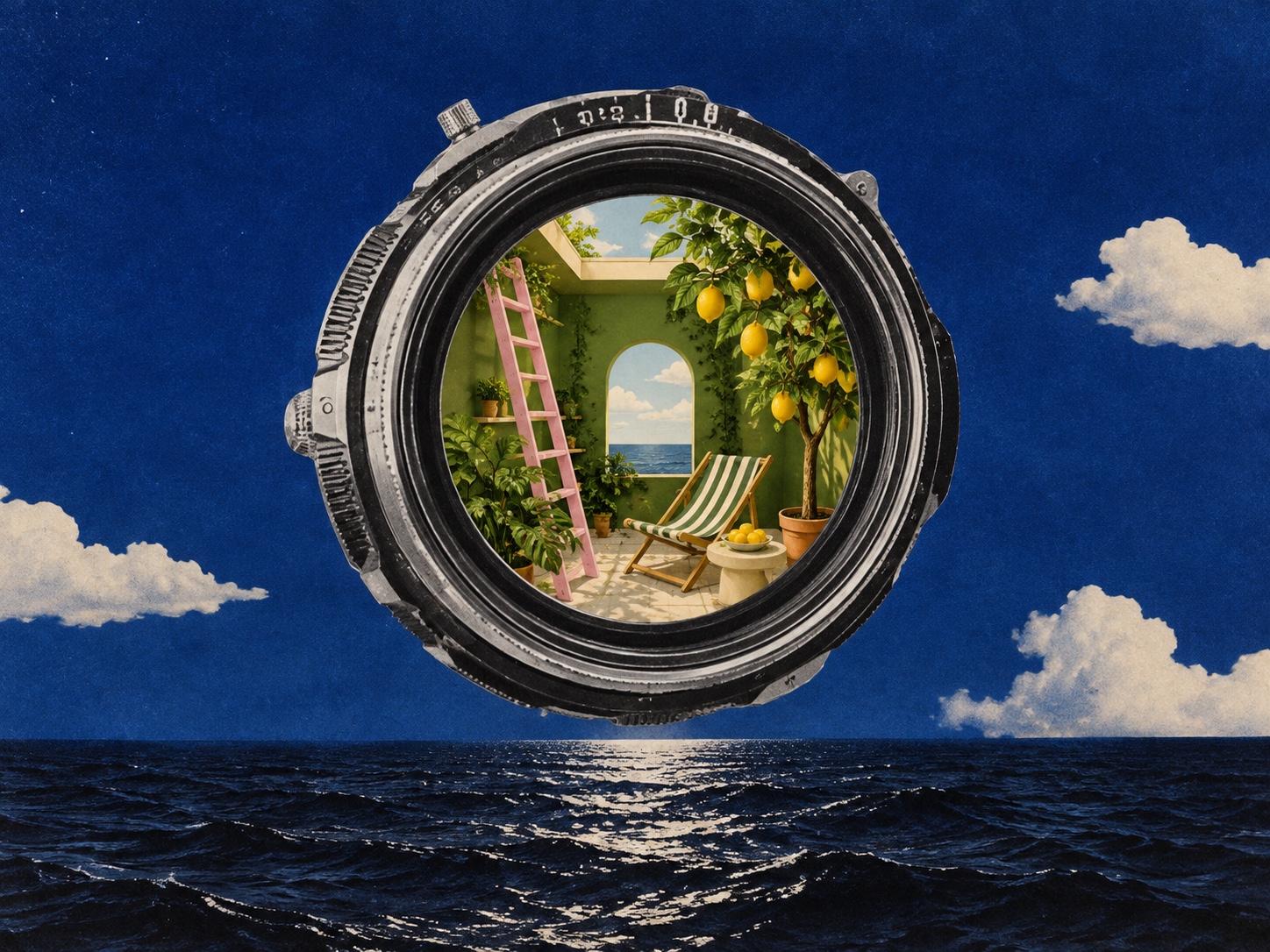
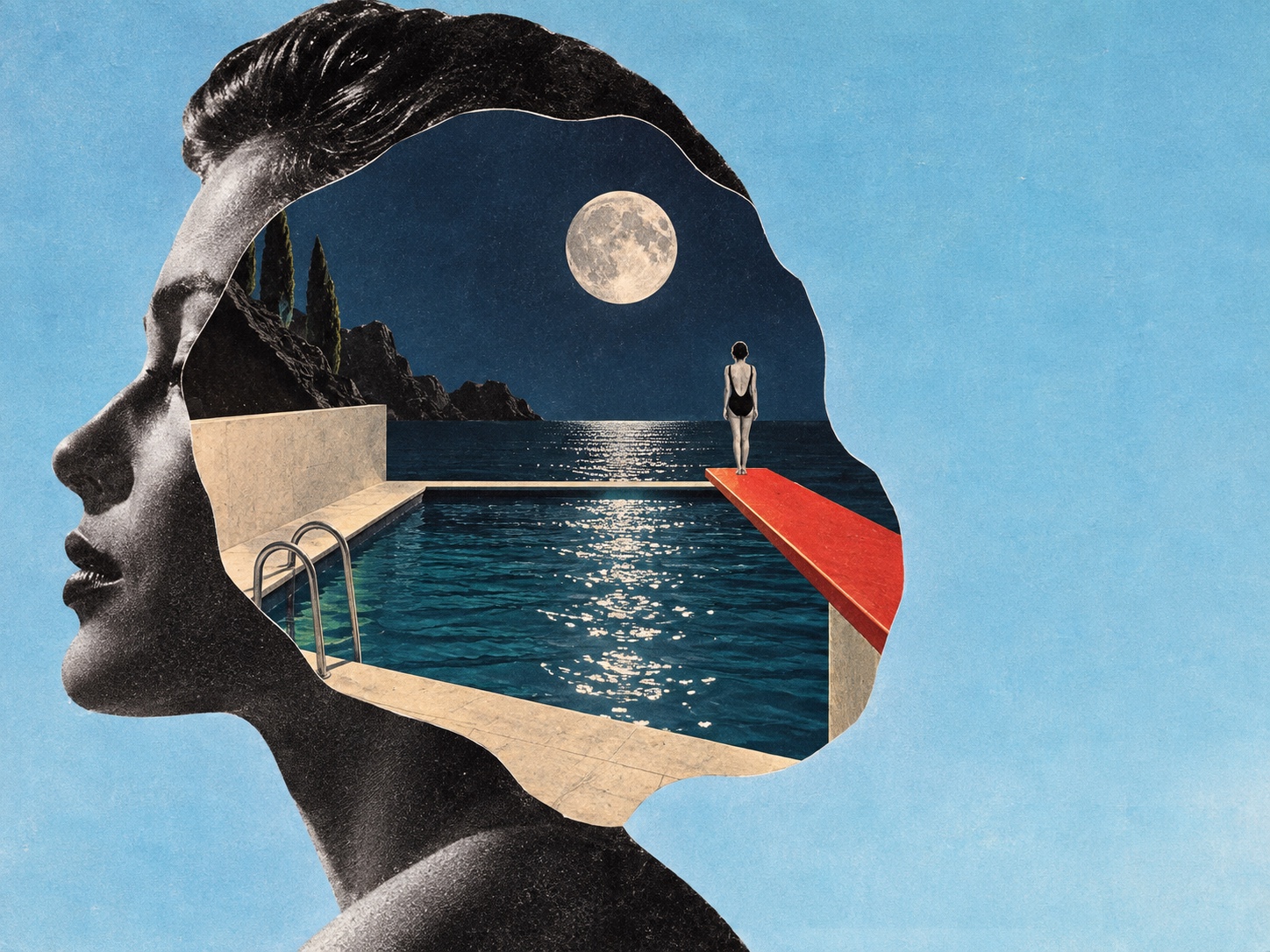
Contemporary poster collage combines vintage photographic sources (public domain archive imagery), expressive mixed typography, painterly texture, and layered composition to communicate handcrafted authenticity. It appears in music poster design, album artwork, fashion brand communication, and wherever 'independent, expressive, culturally aware' values need visual expression.
“The glue and the tear and the arrangement that makes meaning from found parts.
The visual DNA: what makes it recognisable
8-channel console with the fingerprint on its display. Save the card, or share the page

4 color interpretations of this aesthetic
The colour of the styles sitting closest to this one
How to shoot it, how to prompt it, and how to board it.
How to shoot this aesthetic
"Torn paper, halftone dots, and a deliberate refusal to align anything"
Shot list
Lighting
Flat, even light that keeps every layered paper texture legible this is a brief about surface detail, not mood lighting
Drop this into Studio to generate in this aesthetic
Poster collage with photomontage cut-and-paste layering, Dada and Constructivist influence, mismatched scales and unexpected juxtapositions, halftone printed textures, aged paper background with foxing and yellowing, torn edges and tape marks, Hannah Hoch-inspired visual tension
The record applied to your project. The record's kit is free; your brand, references and plates come with membership
01 · Hero application02 · Material and finish03 · Palette in context04 · Photography directionWhether to use it, what it costs to do properly, and where it stands right now.
Two written calls, seven meters, and when to walk away
The cut edge is the signature and it should look cut. A soft-feathered mask reads as a compositing shortcut, while a hard, slightly imperfect edge reads as paper, which is the whole texture of the form. Scan real cuttings if possible. Scale mismatch is the tool: elements at wrong relative sizes create the tension, so matching them defeats the technique.
Right when the cut is making an argument: putting two images together to say something neither says alone. That charge runs from Heartfield through Soviet constructivism to punk. Collage without it is a busy layout. The method is free and the results are unpredictable, which is the opposite of how most commercial work gets made.
Found imagery and print production, not original photography.
Cut-and-paste urgency has to feel intentional, not just messy.
Photomontage composition is learnable, repeatable craft.
Cut-and-paste has to feel intentional, or it just reads as messy.
A constant presence in music, activist, and event branding.
A century-old technique still central to protest and event culture.
Found imagery and print production, not original photography.
A Pro feature: origins, practitioners, and pitfalls
Neighbours, cross-references, blends, and the questions people ask.
Connected across the creative knowledge graph
Where it stands now, and what it costs you to use it
Collage came out of the avant-garde as a political tool, Heartfield cutting up photographs to attack a government, and it kept that charge through punk and through Soviet constructivism.
The cut is the argument: putting two images together to say something neither says alone. Collage without that is just a busy layout.
It has never gone out because the method is free and the results are unpredictable, which is the opposite of how most commercial work gets made.
Mix Collage with any style in the library
 Collage 50%Punk 50%
Merged palette
#263238
#000000
#8D6E63
#FF0000
#E53935
Leads expressive, chaotic, analog
Typography · from Collage
Anton over Karla
Materials
Use it
Poster collage with photomontage cut-and-paste layering, Dada and Constructivist influence, mismatched scales and unexpected juxtapositions, halftone printed textures, aged paper background with foxing and yellowing, torn edges and tape marks, Hannah Hoch-inspired visual tension (50%), infused with Punk aesthetic with DIY anti-establishment rawness, Vivienne Westwood and Sex Pistols-era London street style, aggressive high-contrast color-clash energy, rebellious anti-polish attitude, color palette strictly #263238 #000000 #8D6E63 #FF0000 #E53935, overall character: expressive, chaotic, analog
Poster collage is a graphic design aesthetic combining vintage photography, mixed typography, torn paper textures, and layered composition to communicate handcrafted authenticity. It descends from Dada photomontage (1918), punk zine culture (1976–1982), and independent music poster design. Used in album artwork, music promotion, fashion branding, and editorial design.
Collage textures: aged newsprint (slightly yellow, visible dot-matrix printing), photographic paper (slightly glossy, with photographic grain), torn paper edges (irregular, revealing paper's fibrous internal structure), and letterpress-quality type (slight ink impression into paper). These textures communicate physical process, historical time, and handcraft.
Photomontage is specifically a collage of photographs: cut and reassembled into composite images. Collage is the broader category: assembling materials from diverse sources (photographs, fabric, newspaper, found objects) into a unified composition. All photomontage is collage; not all collage is photomontage.
Every style in the library is broken down like this one: the palette, the typography, the materials and the lineage.
Explore the style library →