When to use it
- Youth-oriented brands
- Urban fashion lines
- Social justice campaigns
- Street culture marketing
Urban street art with bold colors and powerful social commentary
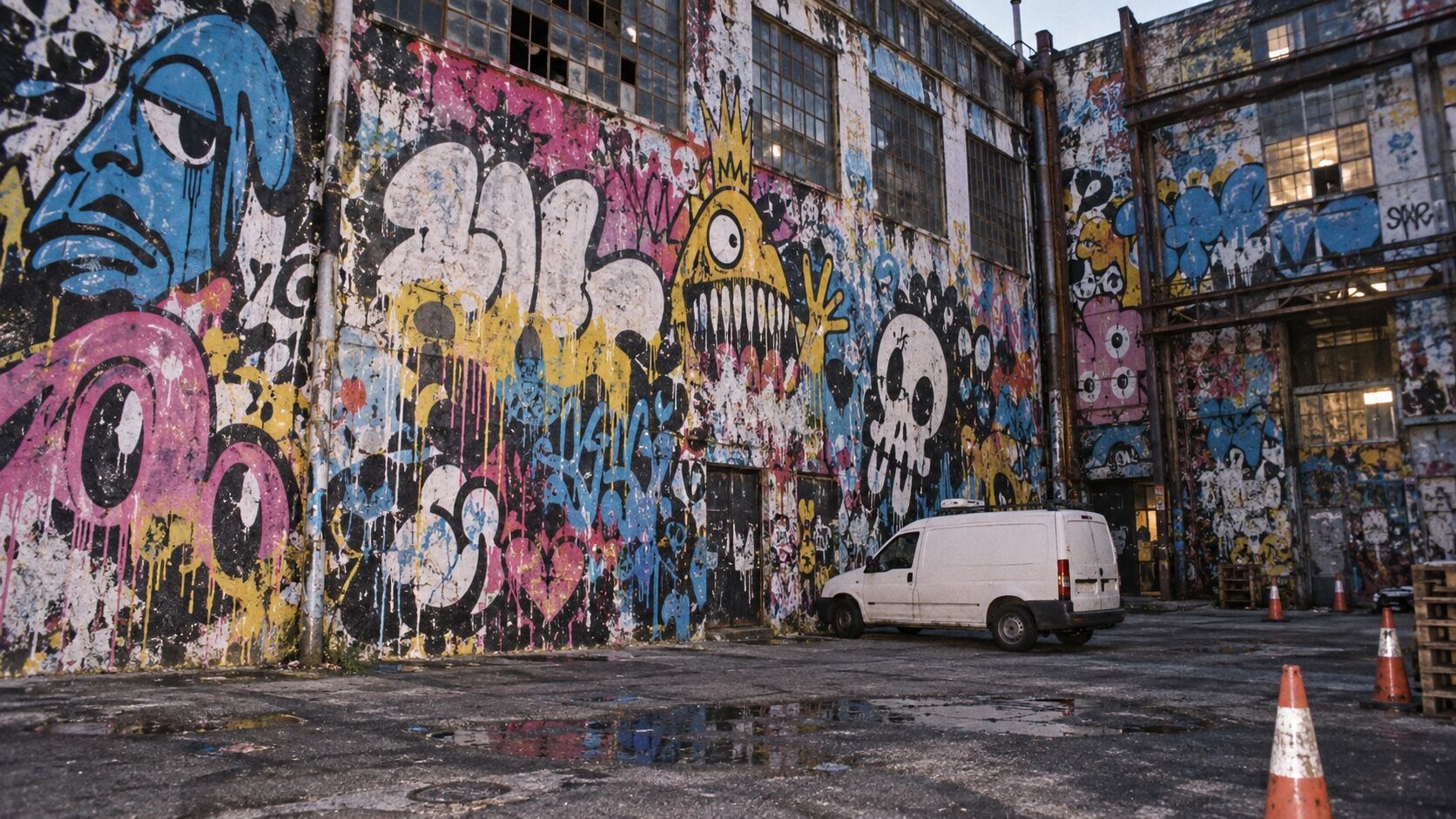
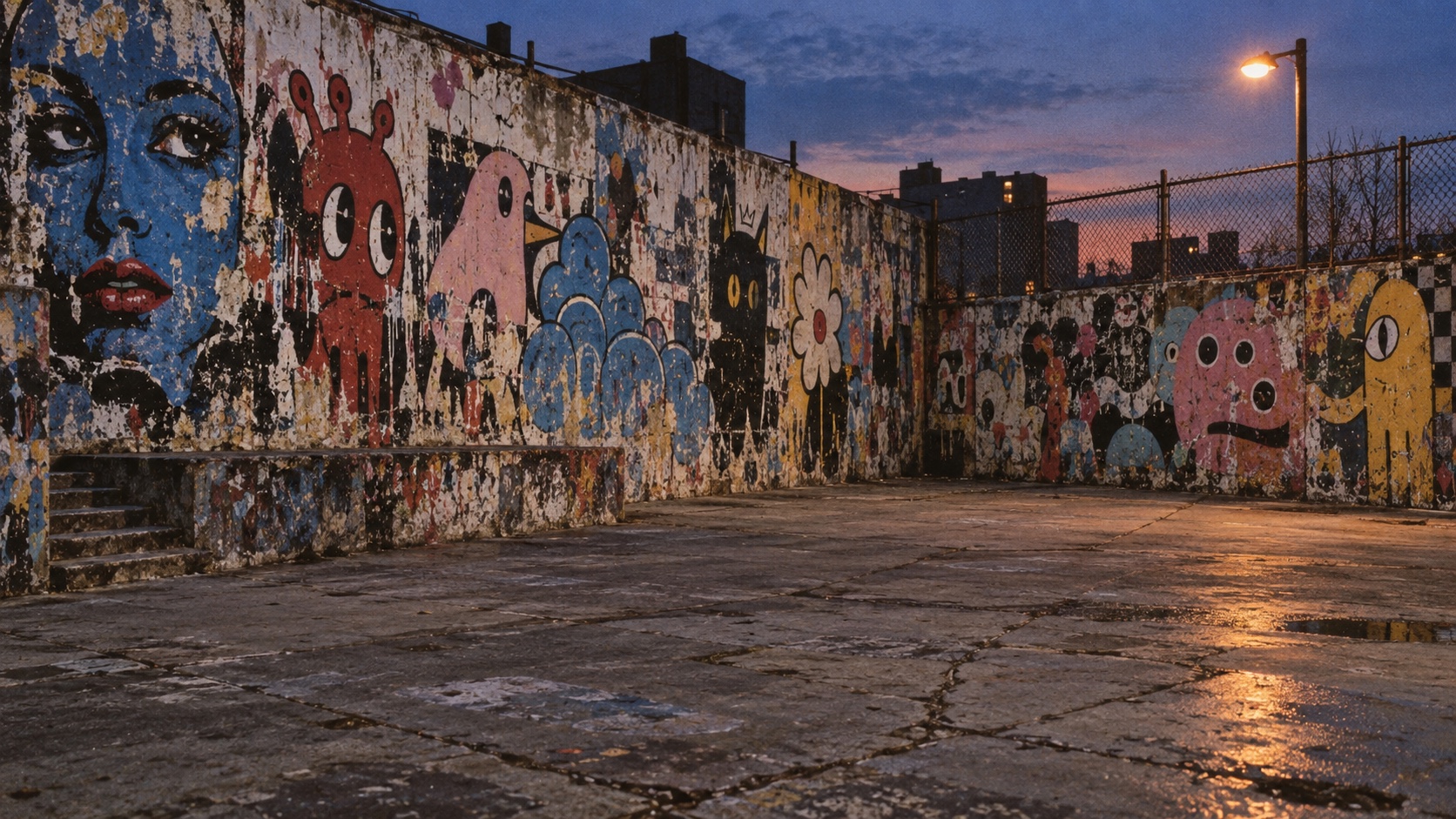
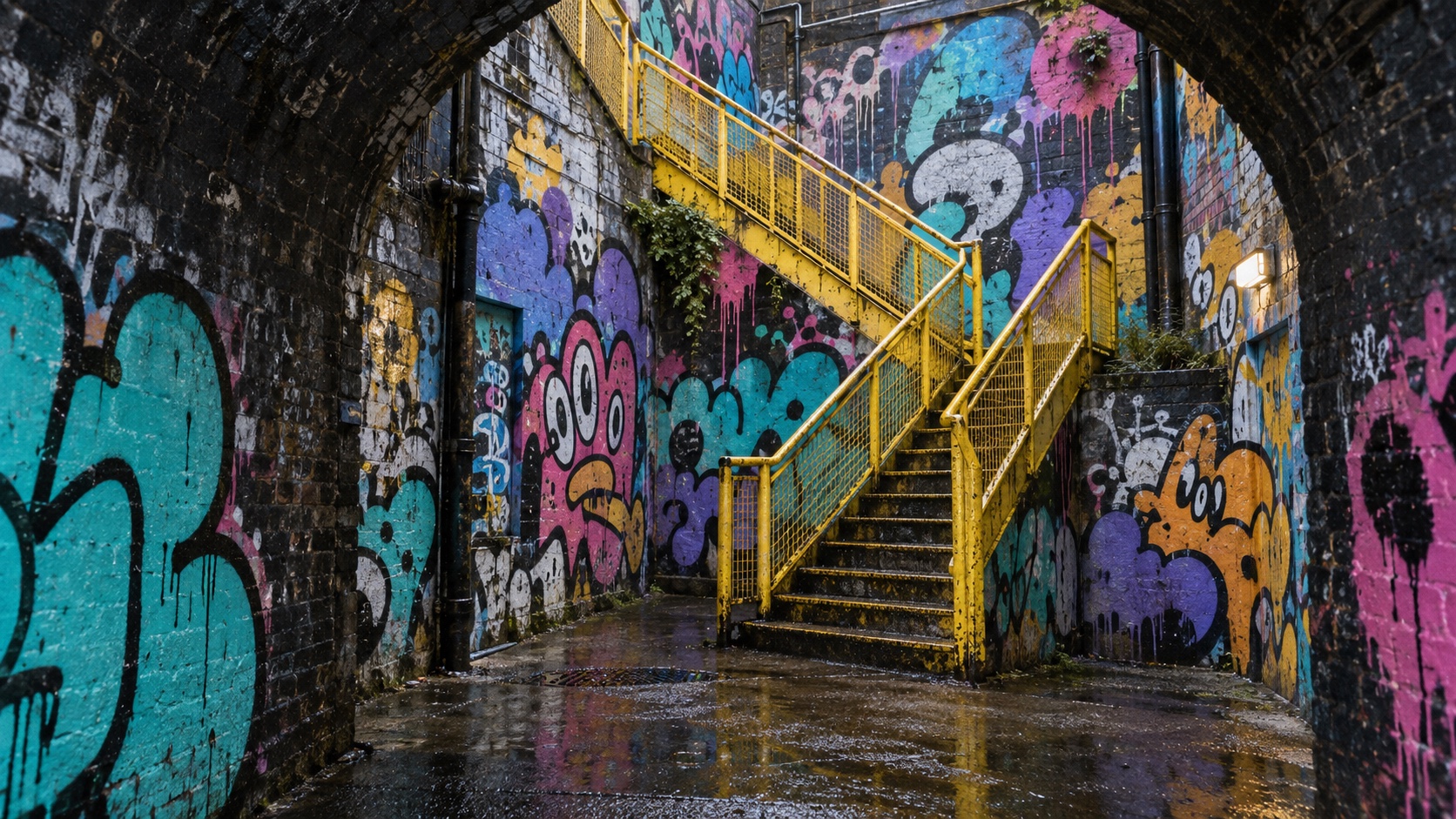
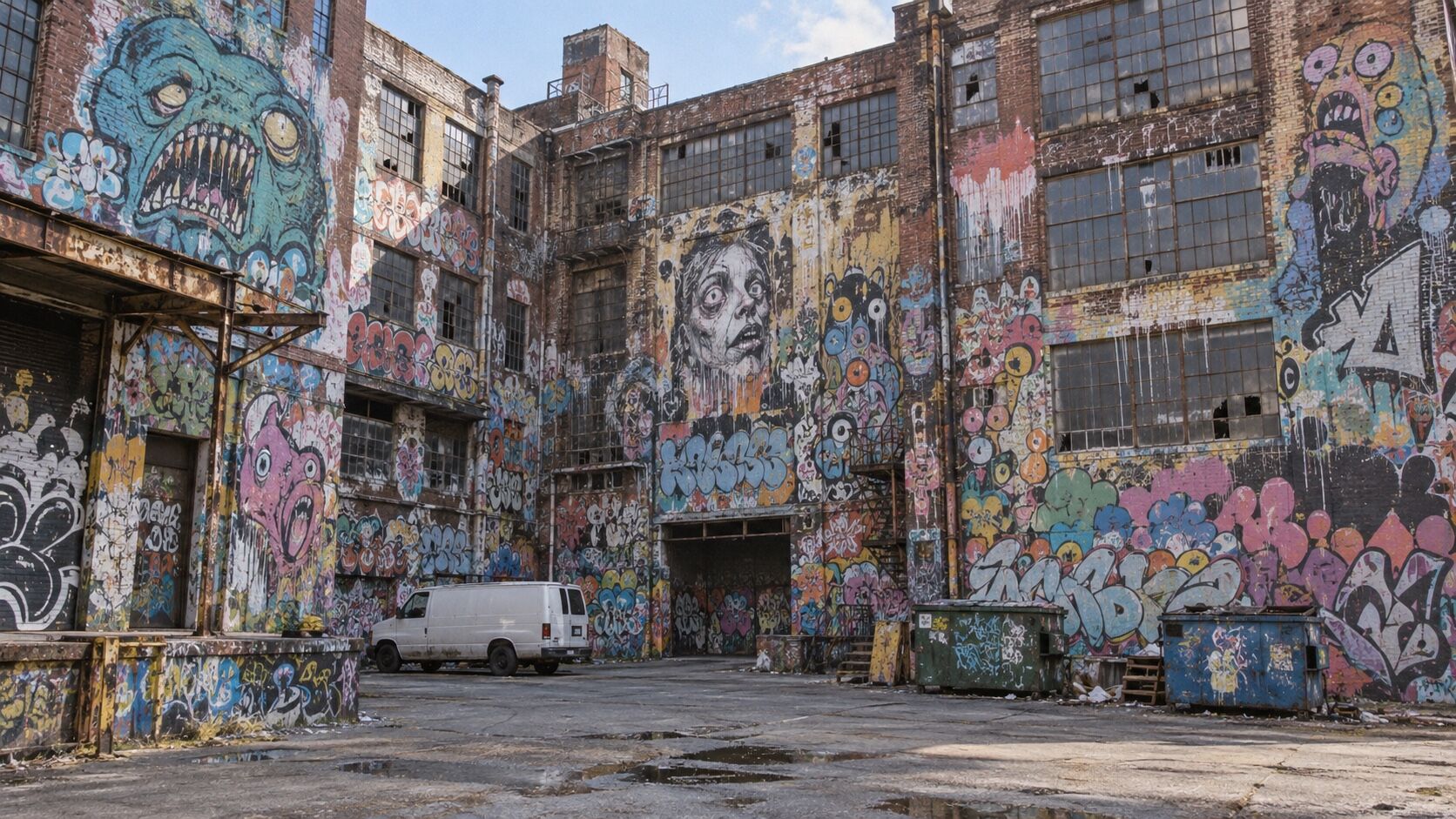
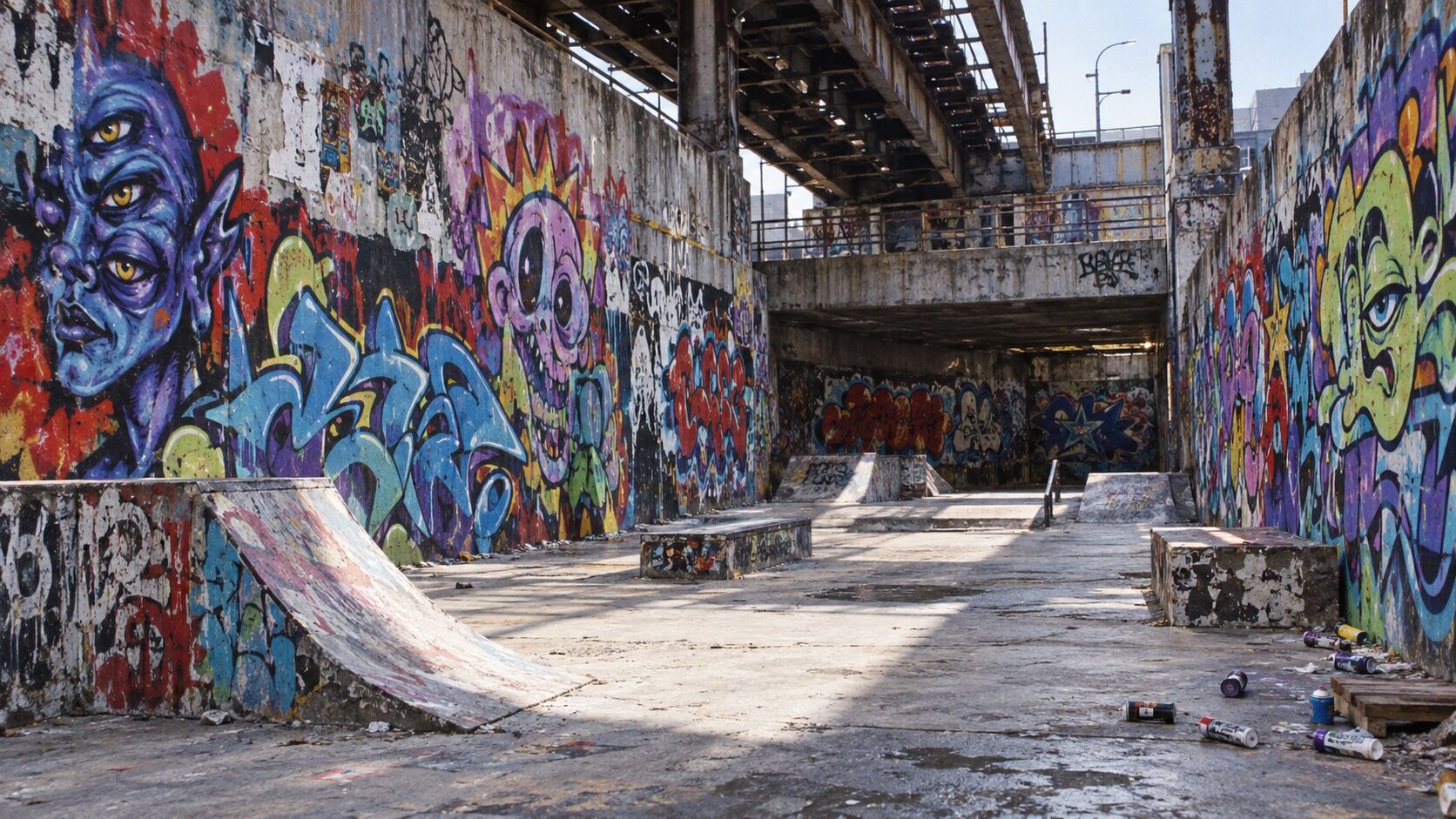
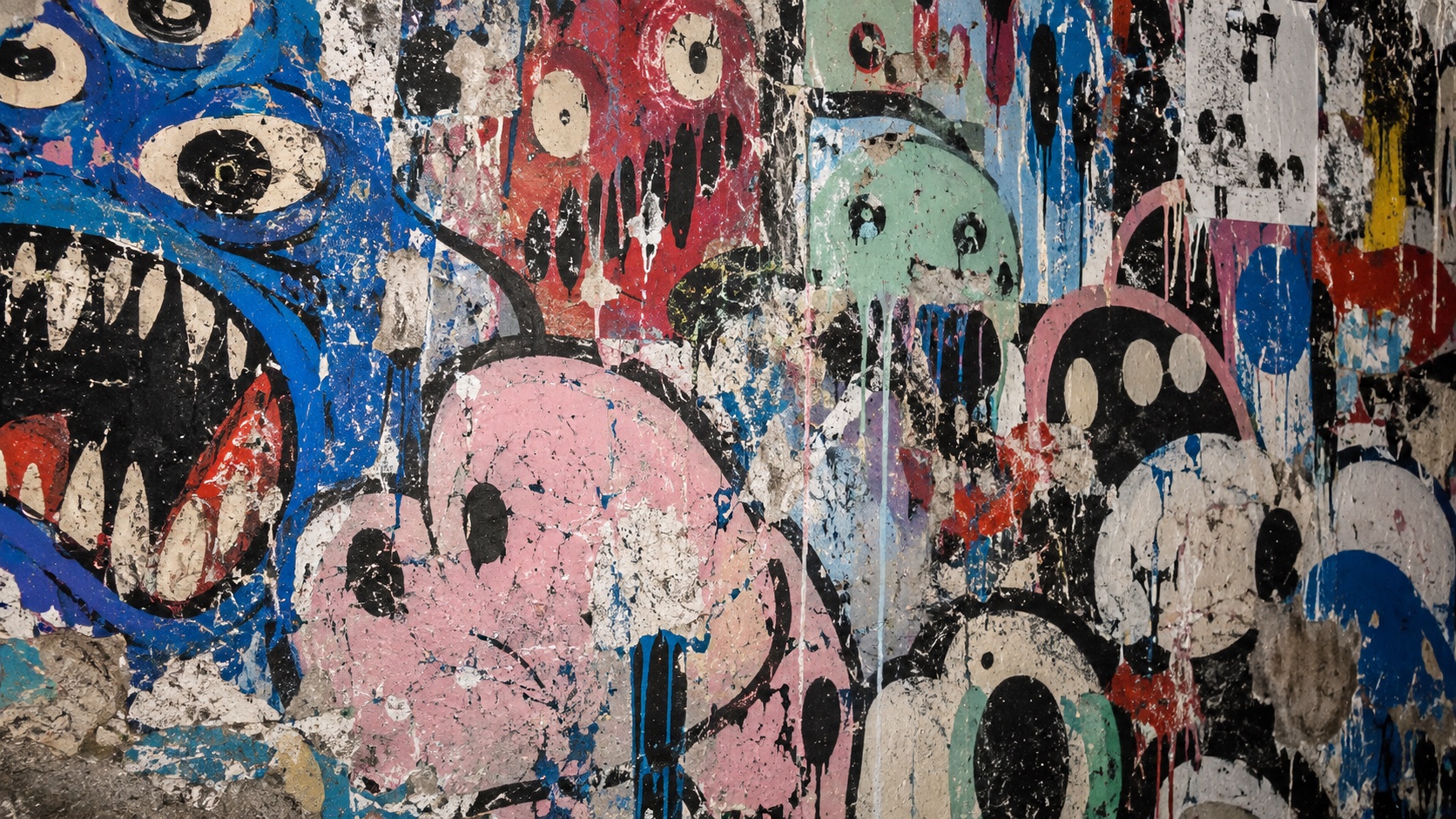
What it is, when it works, who it is for, and where it already exists.
Record 026-GR - when it works, who it is for, what it looks like
Where this aesthetic shows up in the real world · ↗ opens the source site
Where Graffiti / Street Art came from, what makes it recognisable, and the fingerprint it leaves.
1971–present · New York City; spread globally through hip-hop culture
Modern graffiti writing as an art form is conventionally dated to 1971, when 'TAKI 183': a teenager from Washington Heights in Manhattan: was profiled in the New York Times for writing his name and street number repeatedly across the city. But the practice rapidly developed its own formal vocabulary: the tag (a quick signature in one color), the throw-up (a two-color bubble-letter name, fast to execute), the piece (a multi-color production requiring significant time), and the wildstyle (an elaborate, hard-to-read interlocked letter system that required knowledge to decode). The New York subway system (1971–1989) became the primary canvas.
Graffiti writing is a letter-based art form: its primary subject is typography. The challenge that shaped the entire tradition is making a name both legible (to those who know the code) and spectacular, in a medium that must be executed quickly and illegally on surfaces chosen for their visibility. The formal innovations of the tradition: the chrome-and-fade bubble letter, the 3D drop shadow, the wildstyle connection: are all solutions to these constraints. Artists like Phase 2, Dondi, Lady Pink, Seen, and Futura 2000 developed the tradition's visual vocabulary.
Graffiti entered the fine art world through the New York gallery scene of the early 1980s, where the same artists who wrote on trains showed at galleries: Keith Haring's chalk subway drawings and Jean-Michel Basquiat's SAMO tags were adjacent expressions of the same street art tradition. Contemporary street art (Banksy, Shepard Fairey, Os Gemeos) descended from graffiti's visual vocabulary and spatial practice while often departing from its letter-centric tradition.
“Unauthorized beauty in the spaces no one thought to protect.
The visual DNA: what makes it recognisable
8-channel console with the fingerprint on its display. Save the card, or share the page

4 color interpretations of this aesthetic
The colour of the styles sitting closest to this one
How to shoot it, how to prompt it, and how to board it.
How to shoot this aesthetic
"The street as gallery: paint, urgency, and a city that never asked for permission"
Shot list
Lighting
Available urban light overcast diffused daylight for color accuracy on the wall, or late afternoon sun raking across the surface to reveal spray texture; avoid flash entirely
Drop this into Studio to generate in this aesthetic
Graffiti and street art aesthetic with bold aerosol spray-paint texture, wildstyle lettering and character work, urban wall and concrete surface texture, drips and overspray as intentional texture, Banksy-style stencil wit or subway-car burner scale, vibrant high-energy spray-can color contrast
The record applied to your project. The record's kit is free; your brand, references and plates come with membership
01 · Hero application02 · Material and finish03 · Palette in context04 · Photography directionWhether to use it, what it costs to do properly, and where it stands right now.
Two written calls, seven meters, and when to walk away
Letterform is the whole discipline and it is invisible from outside. Bar weight, extension and flow are what a writer is judged on, and a designer imitating the surface gets the letters wrong in ways an audience feels without being able to name. Work the wall, not the mockup. Commission a writer instead of referencing one, because the rate is low and the difference is total.
Commission a writer. This is the most policed boundary in the library: style is earned in a specific way, everyone knows who earned it, and commercial graffiti made by non-writers gets called out as biting, an objection about credit and lineage rather than aesthetics. The industry rate is not high, so reference is the expensive mistake and commission is the cheap correct answer.
Paint is cheap. Wall access and legality are the real cost.
Bold color alone isn't the message. It needs something to say.
Spray control and letterforms take years to get confident.
Corporate graffiti-washing is instantly recognizable and instantly disliked.
Constantly borrowed by youth and streetwear-adjacent brands.
Fifty years in and still a living, evolving practice.
Needs a real relationship to the culture, not just the look.
A Pro feature: origins, practitioners, and pitfalls
Neighbours, cross-references, blends, and the questions people ask.
Connected across the creative knowledge graph
Where it stands now, and what it costs you to use it
Graffiti has rules, a hierarchy and a long memory, and the gap between writers and designers borrowing the look is the most policed boundary in this library. Style is earned in a specific way and everyone in it knows who earned it.
Commercial graffiti made by non-writers is called out as biting, and the objection is about credit and lineage rather than aesthetics.
If you need it, hire a writer. This is one of the few aesthetics where the correct move is not reference but commission, and the industry rate for it is not high.
Mix Graffiti / Street Art with any style in the library
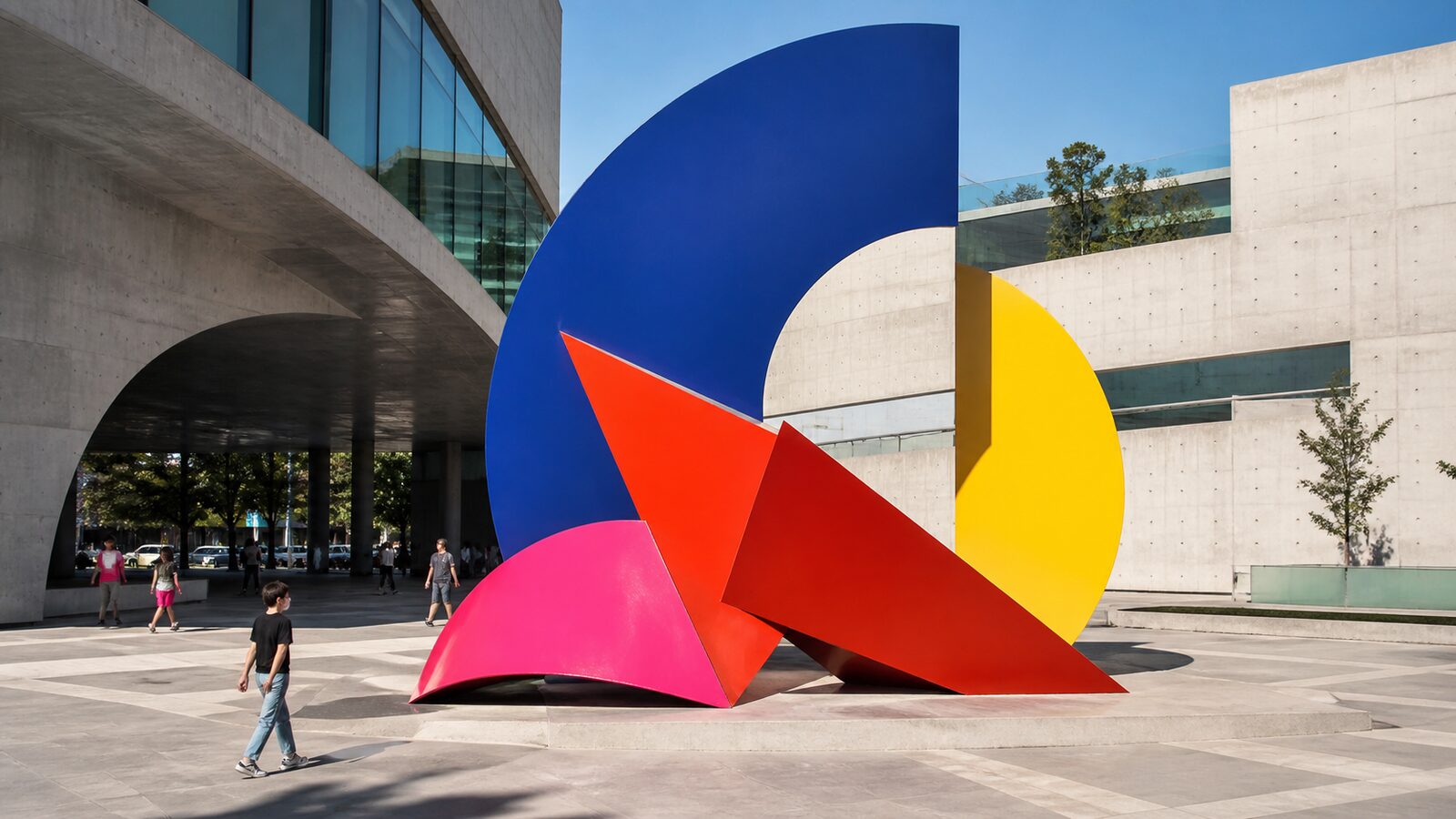 Graffiti / Street Art 50%Pop Art 50%
Merged palette
#1A1A1A
#000000
#FF0000
#FFFF00
#0000FF
Leads expressive, maximal, chaotic
Typography · from Graffiti / Street Art
Orbitron over Space Grotesk
Materials
The calls this blend forces
These two disagree on 2 things, and a blend cannot average them: you pick a side. At this mix:
Analog or Digital? Graffiti / Street Art is analog, Pop Art is digital. This mix lands analog.
Organic or Geometric? Graffiti / Street Art is organic, Pop Art is geometric. This mix lands organic.
Use it
Graffiti and street art aesthetic with bold aerosol spray-paint texture, wildstyle lettering and character work, urban wall and concrete surface texture, drips and overspray as intentional texture, Banksy-style stencil wit or subway-car burner scale, vibrant high-energy spray-can color contrast (50%), infused with Pop Art with bold flat color fields and hard black outlines, Roy Lichtenstein Ben-Day dot technique or Warhol screenprint repetition, commercial and consumer imagery elevated to fine art, comic-book and advertising visual language, punchy saturated color contrast, color palette strictly #1A1A1A #000000 #FF0000 #FFFF00 #0000FF, leaning analog over digital, organic over geometric, overall character: expressive, maximal, chaotic
Graffiti art (distinct from vandalism) is the tradition of letter-based, spray-paint art that developed in New York City from the early 1970s, centered on the development of personal signatures (tags, throw-ups, pieces, and wildstyles) on public surfaces: primarily the New York subway system until 1989. It entered the fine art world in the early 1980s and has remained a globally practiced art form.
Graffiti hierarchy by effort and complexity: (1) Tag: a one-color signature, executed quickly; (2) Throw-up: a two-color bubble-letter piece, fast to execute; (3) Piece: a multi-color, elaborate letter composition requiring significant time; (4) Production: a large collaborative work; (5) Wildstyle: the most complex, interlocked letter system that requires knowledge of graffiti conventions to read.
Graffiti (in its traditional definition) is letter-based: the art form is typography and personal signature. Street art is image-based: murals, characters, stencils, and paste-ups that may have no letterforms. Contemporary 'street art' (Banksy, Shepard Fairey, Os Gemeos) descended from graffiti culture's practice of unauthorized public mark-making but replaced the letter-focus with image-making traditions from illustration, poster design, and fine art.
Every style in the library is broken down like this one: the palette, the typography, the materials and the lineage.
Explore the style library →