When to use it
- Horror and thriller projects
- Conceptual photography
- Internet culture content
- Experimental narratives
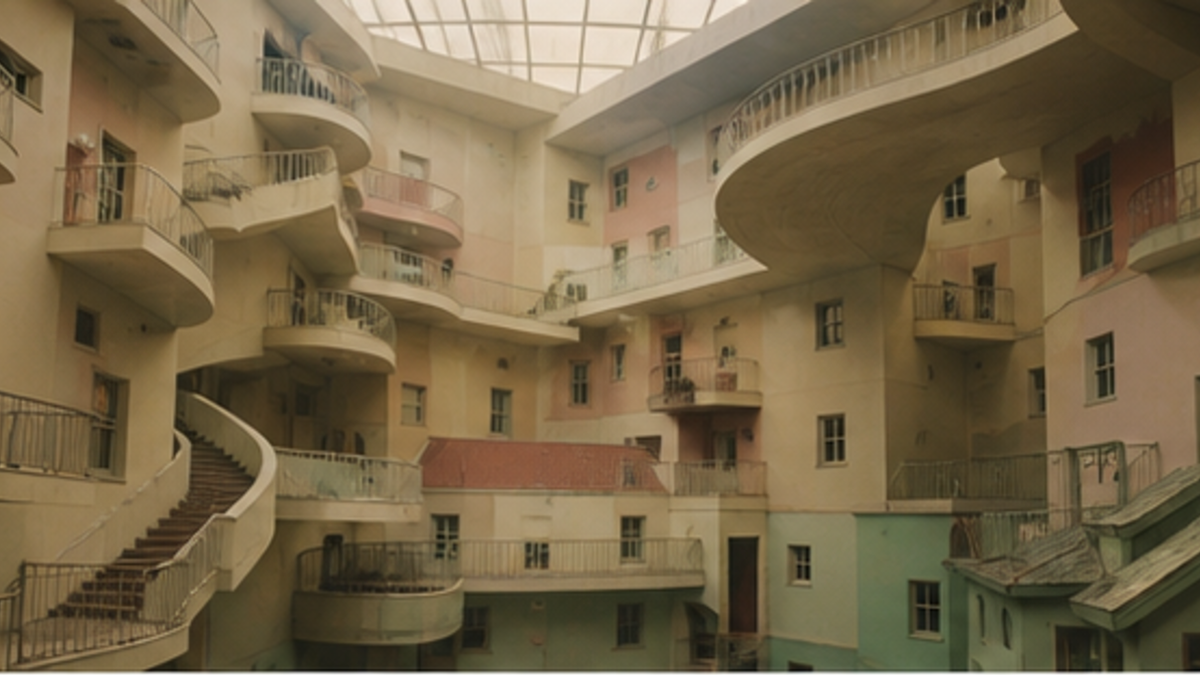
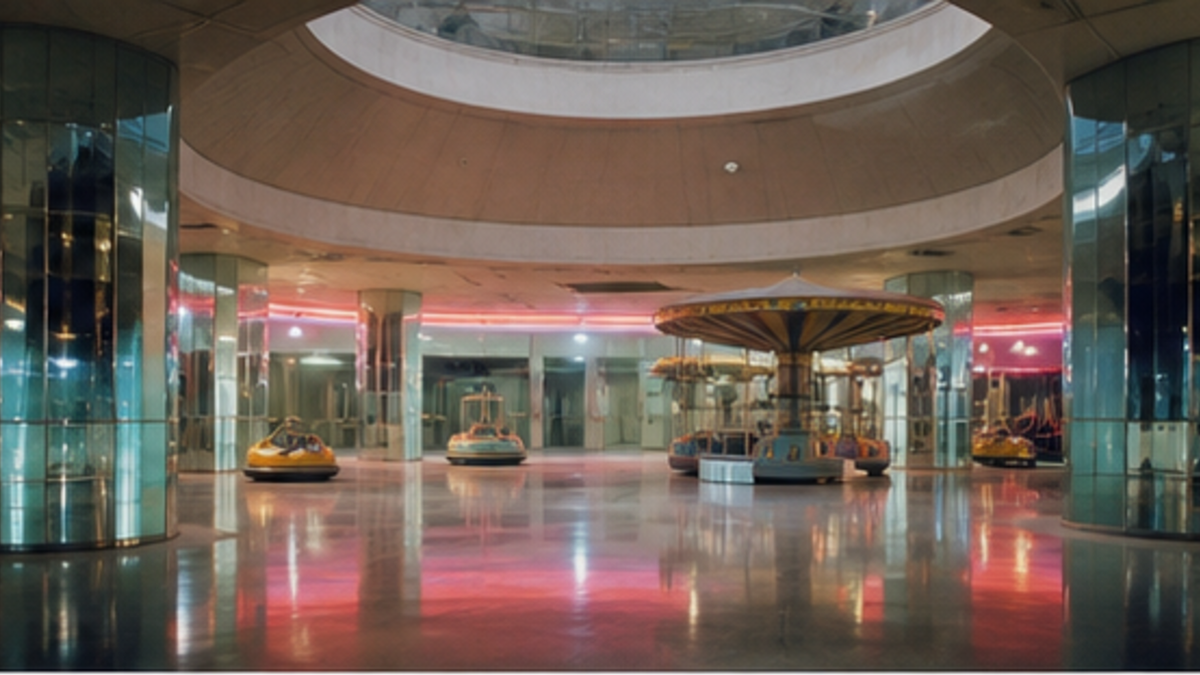
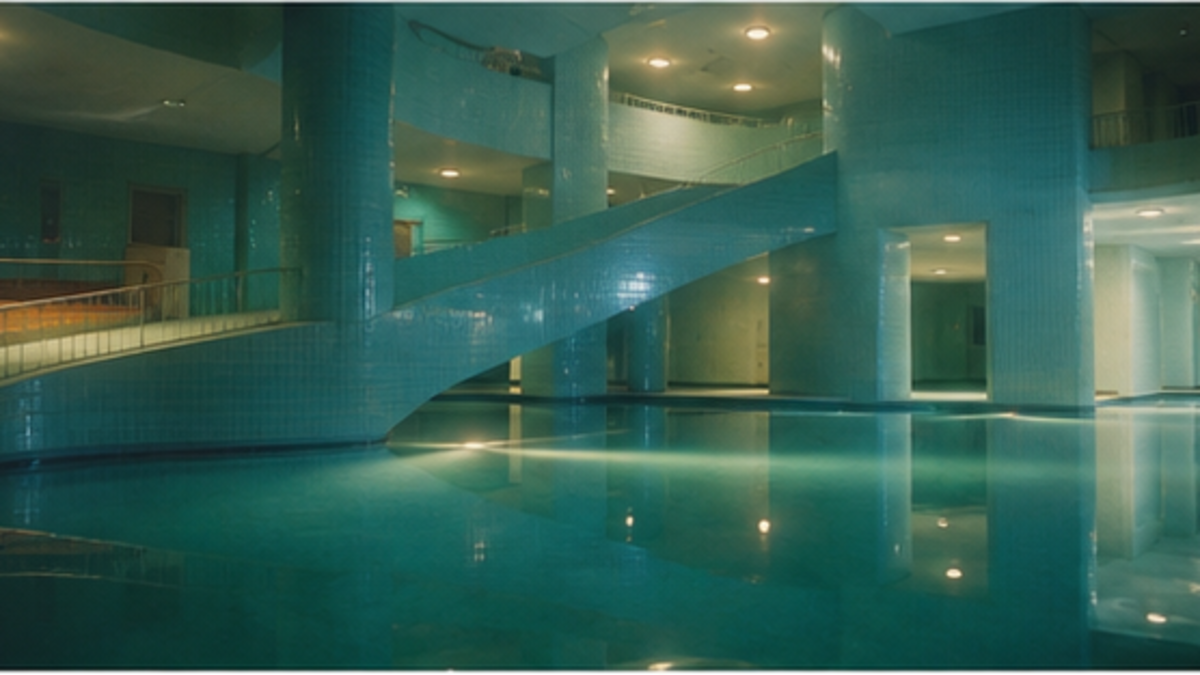
Empty transitional places: impossible atria, abandoned pools, and backrooms that feel eerily familiar
Part of the Calm & Wellbeing mood, alongside Wabi-Sabi and Cottagecore. Began in the 2010s, on the style timeline.
What it is, when it works, who it is for, and where it already exists.
Record 031-LS - when it works, who it is for, what it looks like
Where this aesthetic shows up in the real world · ↗ opens the source site
Where Liminal Space came from, what makes it recognisable, and the fingerprint it leaves.
2019–present · Internet; Reddit and Tumblr communities
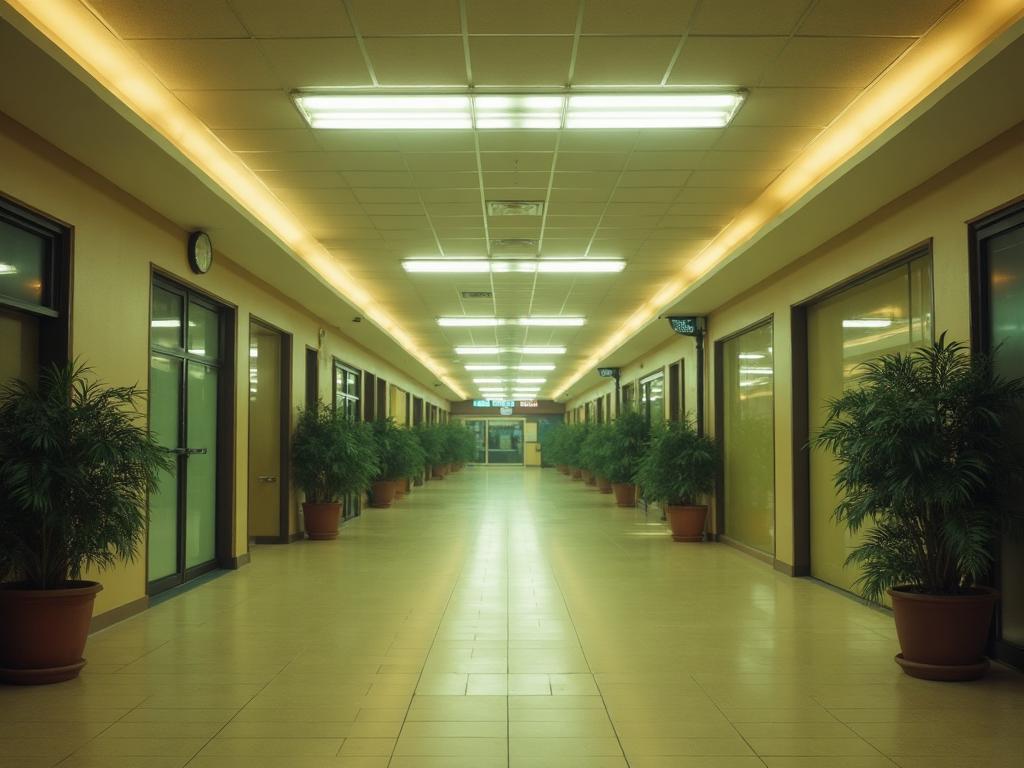
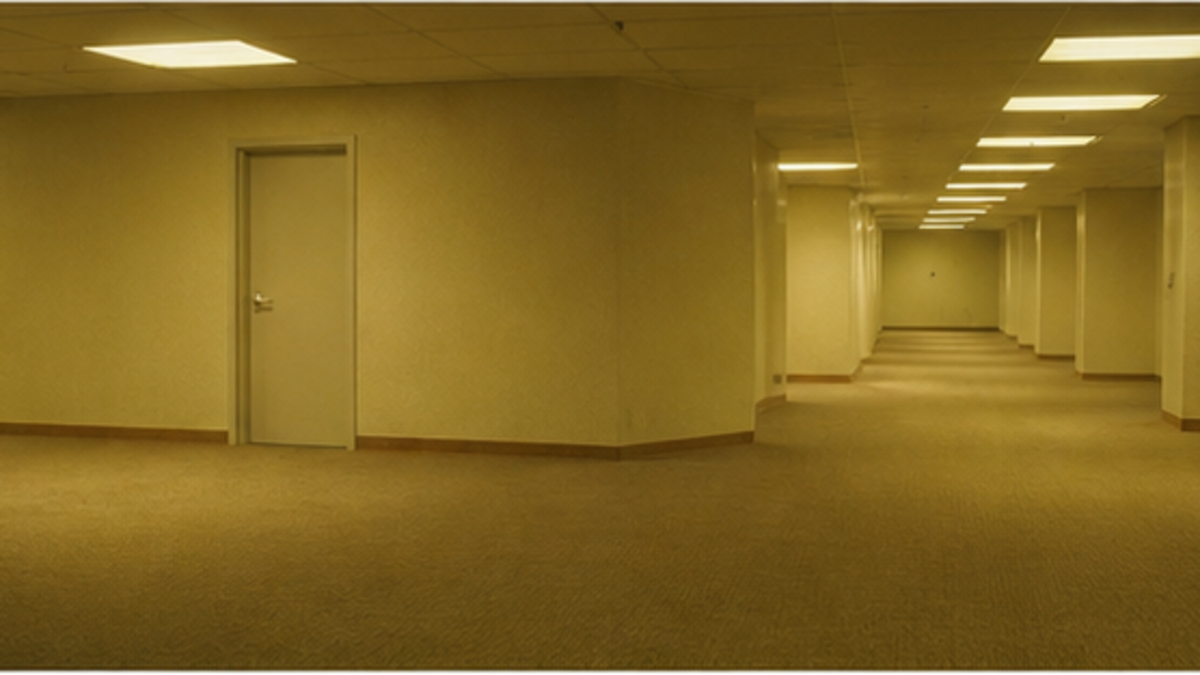
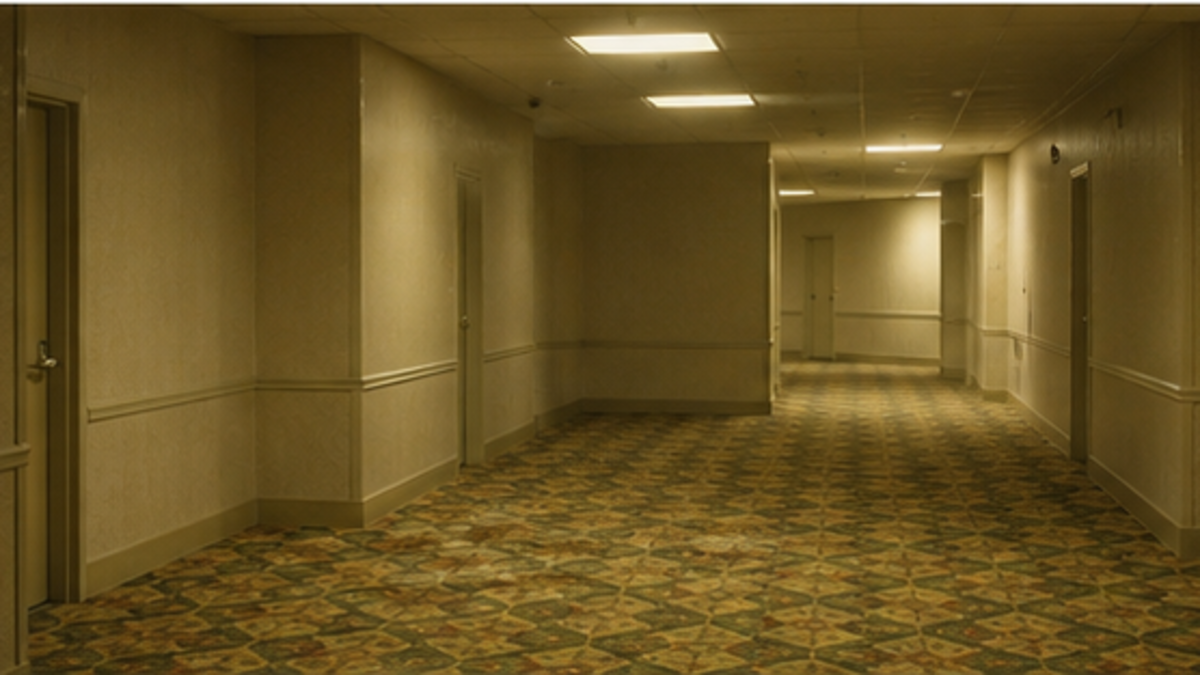
Liminal space as an aesthetic concept emerged on internet communities around 2019, crystallized around a specific type of image: photographs of recognizable but somehow wrong spaces: empty school hallways, closed shopping malls, hotel lobbies at 3am, airport terminals at night. The term 'liminal' (from the Latin 'limen': threshold) was borrowed from anthropology, where it describes the transitional states between recognized social positions (the state of being 'between'). Applied to physical spaces, it describes places that are architecturally designed for transit, occupation, or activity, but are encountered empty and still.
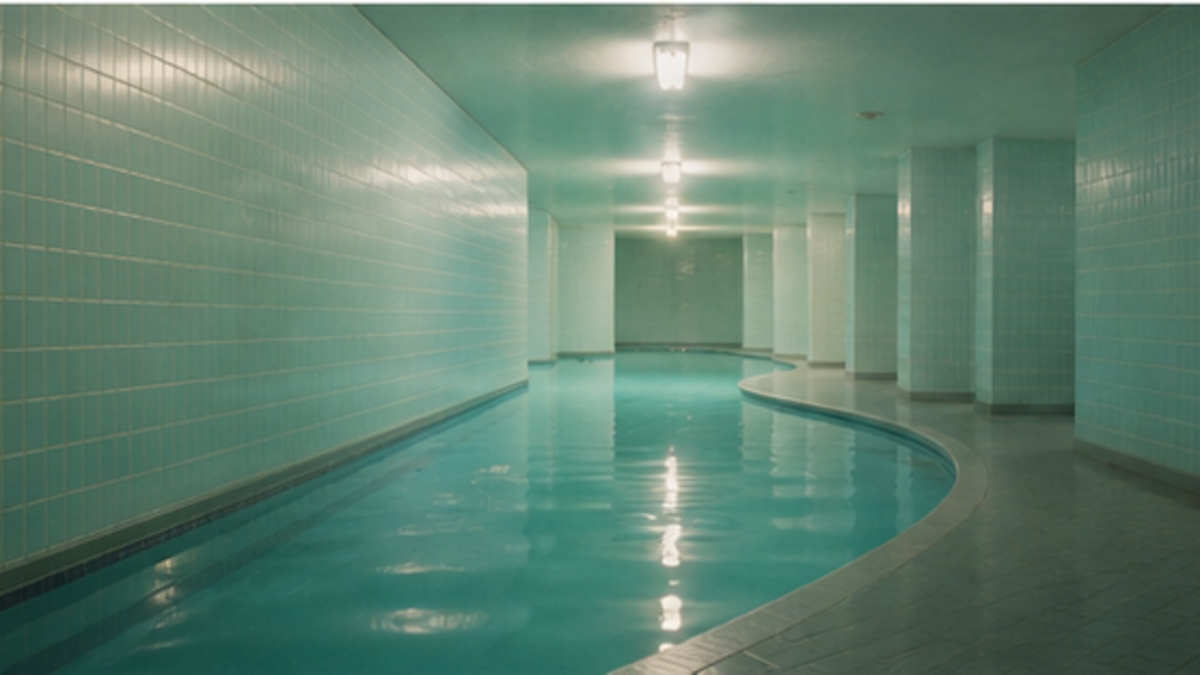
The aesthetic is inseparable from its internet context. The specific images that define it: fluorescent-lit hallways, indoor pools with no swimmers, suburban backyard pools at night, empty playgrounds, Brutalist stairwells: share a quality of institutional or domestic familiarity combined with uncanny wrongness. They should be occupied and aren't. The 'Backrooms' internet folklore (a sprawling improvised fiction about a space accessible only by 'noclipping' out of reality into an infinite expanse of yellow-carpeted office space lit by humming fluorescents) became the most developed expression of the aesthetic.
Liminal space aesthetics connect to the broader cultural moment of pandemic experience, where 2020 and 2021 normalized empty public spaces, and to the longer Millennial and Gen Z nostalgia for 1980s to 2000s commercial and institutional architecture now largely demolished or transformed. The images are haunted by the memory of the people who should be there.
“The place that should have people in it, and doesn't.
The visual DNA: what makes it recognisable
8-channel console with the fingerprint on its display. Save the card, or share the page

4 color interpretations of this aesthetic
The colour of the styles sitting closest to this one
How to shoot it, how to prompt it, and how to board it.
How to shoot this aesthetic
"The place between places: emptied of purpose, full of feeling"
Shot list
Lighting
Practical fluorescent or institutional lighting only the greenish cast of fluorescent is constitutive of the liminal space aesthetic; do not correct it with gels or in post
Drop this into Studio to generate in this aesthetic
Liminal space aesthetic with eerily empty transitional architecture (hallways, pools, parking garages) flat fluorescent lighting, unsettling stillness devoid of people, dreamlike familiar-yet-wrong atmosphere, backrooms internet-photography tradition
The record applied to your project. The record's kit is free; your brand, references and plates come with membership
01 · Hero application02 · Material and finish03 · Palette in context04 · Photography directionWhether to use it, what it costs to do properly, and where it stands right now.
Two written calls, seven meters, and when to walk away
Emptiness has to be architecturally believable. A rendered corridor with no wear, no skirting and no light fittings reads as an unfinished model rather than an abandoned place, so the detail level has to stay high. Shoot or render at standing eye height. Fluorescent green-cyan cast and visible carpet seams do more than any amount of fog.
Right when the work needs unease without a monster: empty transitional architecture, wrong-hour light, no people. Wrong when the brief needs warmth or reassurance, because the whole effect is absence. It is easy to produce and therefore everywhere, so the discipline is restraint: one genuinely wrong detail beats a corridor full of them.
Real abandoned locations or a convincing render. Both take effort.
Empty alone isn't eerie. The specific kind of empty matters.
Flat, ambient lighting is simpler to fake than it looks.
Empty alone isn't eerie. The specific kind of empty is easy to miss.
A constant internet-culture reference at this point.
The uncanny-empty-space fascination has held for years, not weeks.
Real abandoned locations or a convincing render.
A Pro feature: origins, practitioners, and pitfalls
Neighbours, cross-references, blends, and the questions people ask.
Connected across the creative knowledge graph
Where it stands now, and what it costs you to use it
Liminal space went from a niche internet feeling to a fully commercial aesthetic in about four years, and the Backrooms did most of that work. It is now a genre with its own conventions, which means the easy version is exhausted: an empty corridor with a fluorescent hum reads as a meme, not a mood.
What still works is specificity. A real place, correctly observed, at the hour it is genuinely empty. The aesthetic depends on recognition, so the more generic the space, the less it does.
Mix Liminal Space with any style in the library
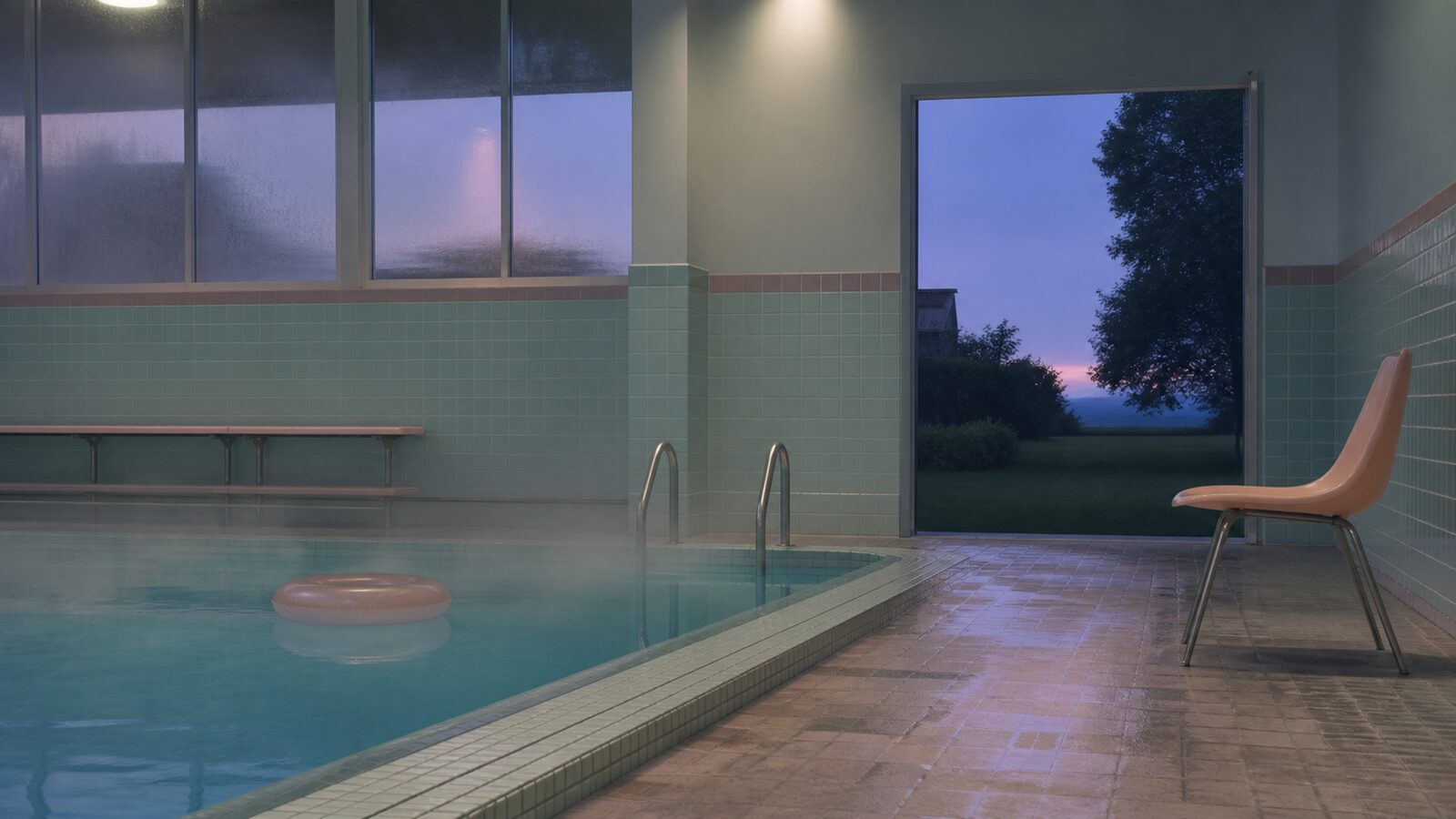 Liminal Space 50%Dreamcore 50%
Merged palette
#1C1A18
#2C1A3E
#8A8278
#7A5A9E
#C8BFB0
Leads nostalgic, digital, light
Typography · from Liminal Space
Playfair Display over Crimson Text
Materials
The calls this blend forces
These two disagree on 3 things, and a blend cannot average them: you pick a side. At this mix:
Restrained or Expressive? Liminal Space is restrained, Dreamcore is expressive. This mix lands expressive.
Structured or Chaotic? Liminal Space is structured, Dreamcore is chaotic. This mix lands chaotic.
Minimal or Maximal? Liminal Space is minimal, Dreamcore is maximal. This mix lands minimal.
Use it
Liminal space aesthetic with eerily empty transitional architecture (hallways, pools, parking garages) flat fluorescent lighting, unsettling stillness devoid of people, dreamlike familiar-yet-wrong atmosphere, backrooms internet-photography tradition (50%), infused with Dreamcore aesthetic with hyperrealistic glossy 3D-rendered surrealism, impossible gravity-defying scenes floating above an endless sea of soft cumulus clouds, mirror-still water blending seamlessly into the horizon, nostalgic childhood objects placed in impossible above-the-clouds settings, warm golden sunlight or pastel dusk light, whimsical childlike wonder tinged with quiet uncanny unease, color palette strictly #1C1A18 #2C1A3E #8A8278 #7A5A9E #C8BFB0, leaning restrained over expressive, structured over chaotic, minimal over maximal, overall character: nostalgic, digital, light
Liminal space aesthetic refers to images or designs that evoke the uncanny feeling of places designed for occupation or transit but encountered empty and still: empty school hallways, closed malls, hotel corridors at 3am. The feeling is recognizable but wrong, familiar but haunted.
Because they violate the implicit social contract of the built environment. Every architectural space carries a memory of its purpose and its usual occupants. A hallway is for transit; an empty hallway carries the ghost of all the transit that should be happening but isn't. The uncanny feeling comes from the gap between the space as designed and the space as encountered.
The Backrooms are an internet folklore tradition (originating in a 2019 4chan post) describing an infinite expanse of empty office space accessible only by 'noclipping' through reality. The Backrooms take the liminal space aesthetic to its logical extreme: a space that is entirely transitional with no destination, entirely institutional with no institution. They are the most extreme expression of the liminal space concept.
Every style in the library is broken down like this one: the palette, the typography, the materials and the lineage.
Explore the style library →