When to use it
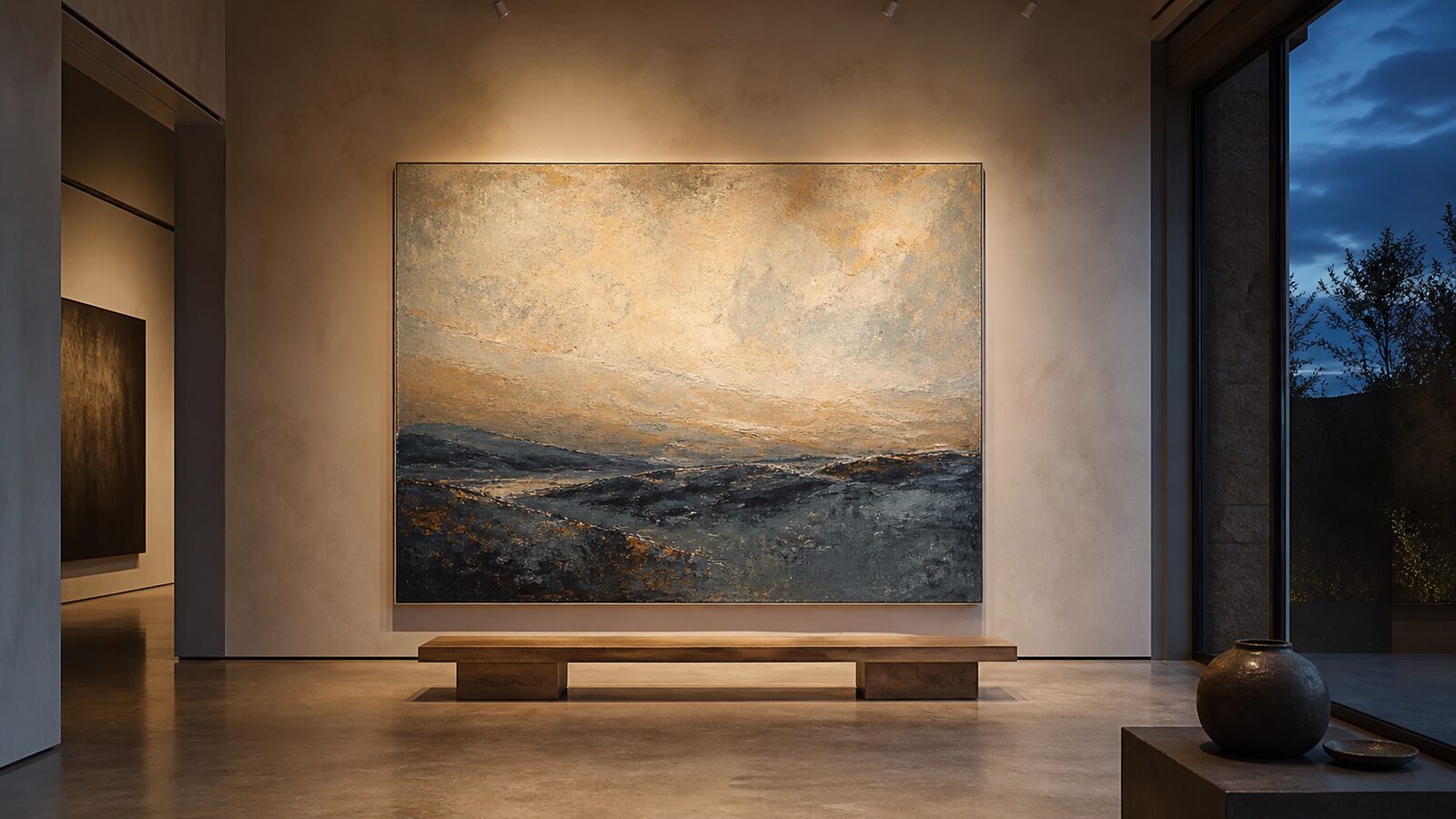
- Fine art portfolios and galleries
- Traditional brand aesthetics
- Museums and cultural institutions
- Premium product packaging
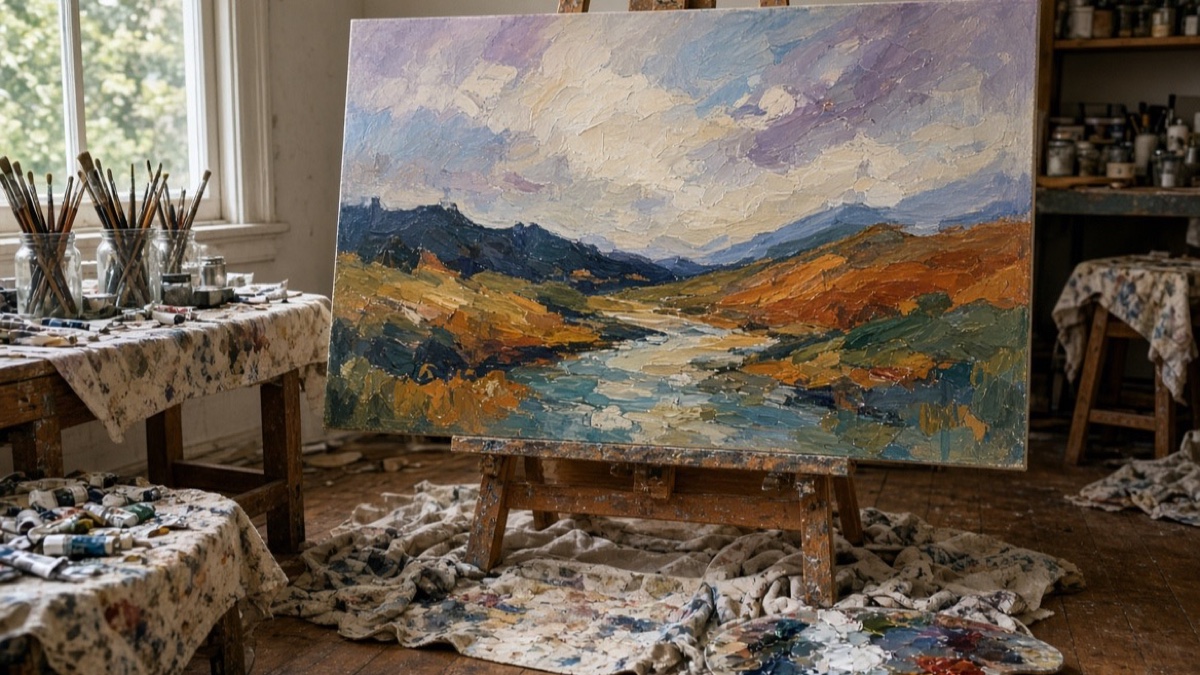
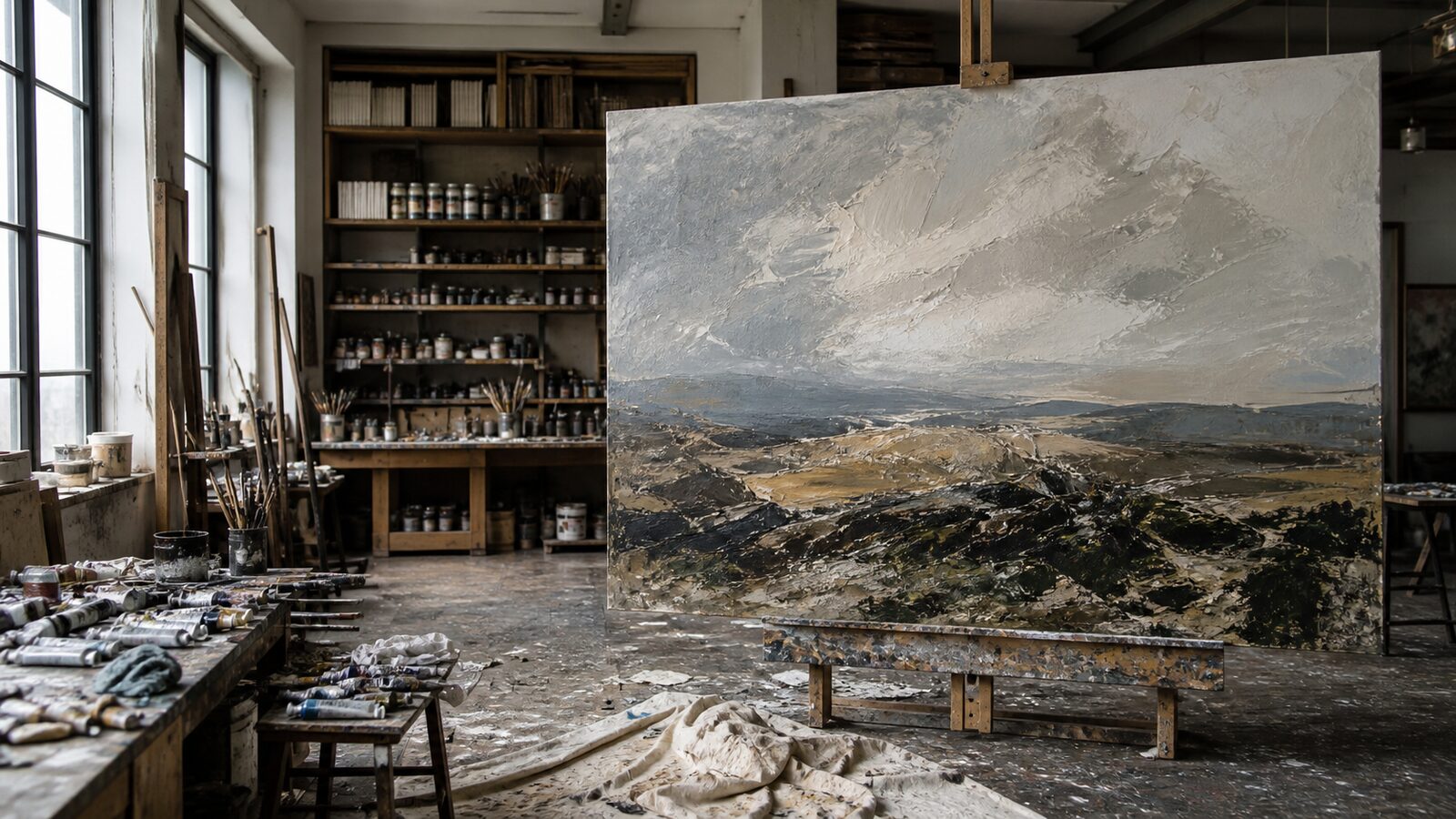
Traditional artistic expression using brushwork, color, and canvas
What it is, when it works, who it is for, and where it already exists.
Record 035-PA - when it works, who it is for, what it looks like
Where this aesthetic shows up in the real world · ↗ opens the source site
Where Painting came from, what makes it recognisable, and the fingerprint it leaves.
40,000 BCE–present · Universal; all human cultures
Painting is the application of pigment to surface: the most basic description of a practice that spans from Upper Paleolithic cave paintings (Chauvet, 36,000 BCE) to contemporary oil, acrylic, digital, and expanded media. What changes across painting history is not the fundamental act but the available pigments, surfaces, tools, and the cultural purposes to which painting is put: religious, documentary, psychological, formal, political, or simply exploratory.
Western painting history since the Renaissance is a succession of movements that redefined painting's relationship to reality, expression, and formal possibility: Renaissance perspective (Brunelleschi), Baroque drama (Caravaggio, Rembrandt), Impressionism's dissolution of form (Monet, Cézanne), Cubism's multiple viewpoints (Picasso, Braque), Abstract Expressionism's gestural field (Pollock, de Kooning, Rothko), and the return to representation in various forms since the 1980s. Each movement generated a visual aesthetic that persists as a resource for contemporary designers.
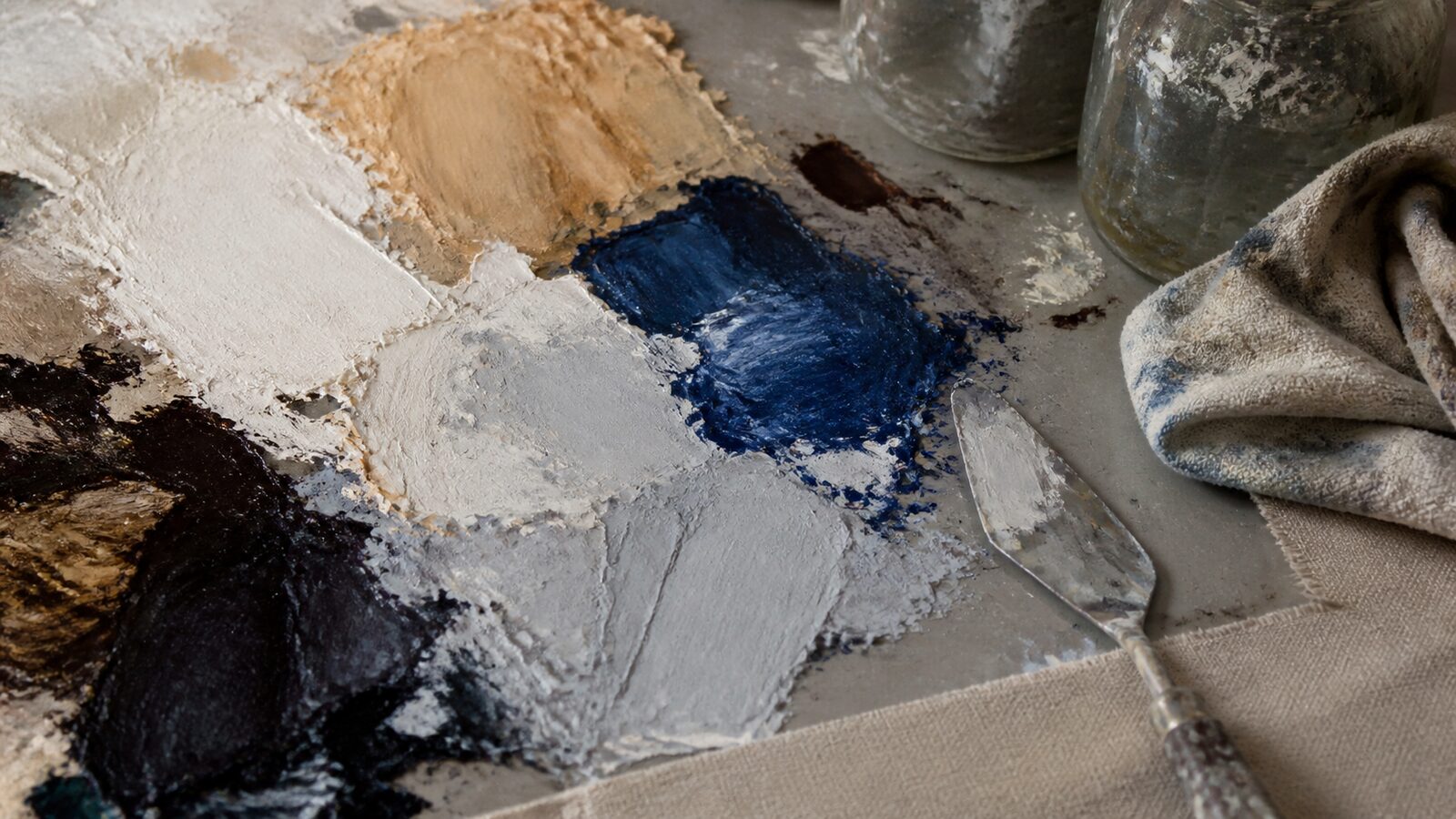
For visual design, painting aesthetics provide: color theory from Albers and Itten, compositional intelligence from centuries of academic tradition, the gestural mark as visual energy, and the specific textures of different painting media. Painted textures: oil impasto, watercolor bloom, acrylic dry brush, gouache opacity: are widely reproduced in digital design as references to handcraft and the material presence of a physical original.
“The oldest technology for putting a vision into a form that outlasts the vision.
The visual DNA: what makes it recognisable
8-channel console with the fingerprint on its display. Save the card, or share the page

4 color interpretations of this aesthetic
The colour of the styles sitting closest to this one
How to shoot it, how to prompt it, and how to board it.
How to shoot this aesthetic
"The slow, deliberate act of making pigment, gesture, and contemplative time"
Shot list
Lighting
North-facing window light or a large diffused softbox simulating it flat, even, color-accurate, with no harsh shadows to interfere with reading the painted surface
Drop this into Studio to generate in this aesthetic
Fine art oil painting with visible impasto brushstrokes and canvas texture, classical underpainting and glazing technique, painterly light modeling across form, gallery-quality composition and color harmony, traditional easel-painting craftsmanship
The record applied to your project. The record's kit is free; your brand, references and plates come with membership
01 · Hero application02 · Material and finish03 · Palette in context04 · Photography directionWhether to use it, what it costs to do properly, and where it stands right now.
Two written calls, seven meters, and when to walk away
Underpainting decides everything above it. A canvas that starts muddy stays muddy, however confident the final strokes are. Treat drying time as a production fact rather than an inconvenience: oil wants days between passes, and rushing that is what cracks a surface a year later. Photograph it under even daylight or the reproduction loses what the painting earned.
Its position is strengthened by scarcity, not weakened: an object made by hand over months is the clearest possible counter to infinite generated images. Right when that slowness is the message. Painters will tell you the market and the critical conversation have drifted a long way apart, so be clear which one you are speaking to.
Canvas and paint. The real cost is time.
Endless variation. A real voice takes longer than technique.
Brushwork is a decade of practice, not a filter.
Weak technique is visible to anyone, even non-painters.
A constant presence across editorial, branding, and fine art alike.
Predates every trend cycle and will outlast this one too.
Works as a single strong asset. Doesn't demand a whole system.
A Pro feature: origins, practitioners, and pitfalls
Neighbours, cross-references, blends, and the questions people ask.
Connected across the creative knowledge graph
Where it stands now, and what it costs you to use it
Painting has been declared dead roughly once a decade for a century and has outlasted every declaration, which practitioners find funny rather than reassuring.
Its current position is strengthened by scarcity, since an object made by hand over months is now the clearest possible counter to infinite generated images.
The market and the critical conversation are not aligned, and painters will tell you that gap has widened considerably.
Mix Painting with any style in the library
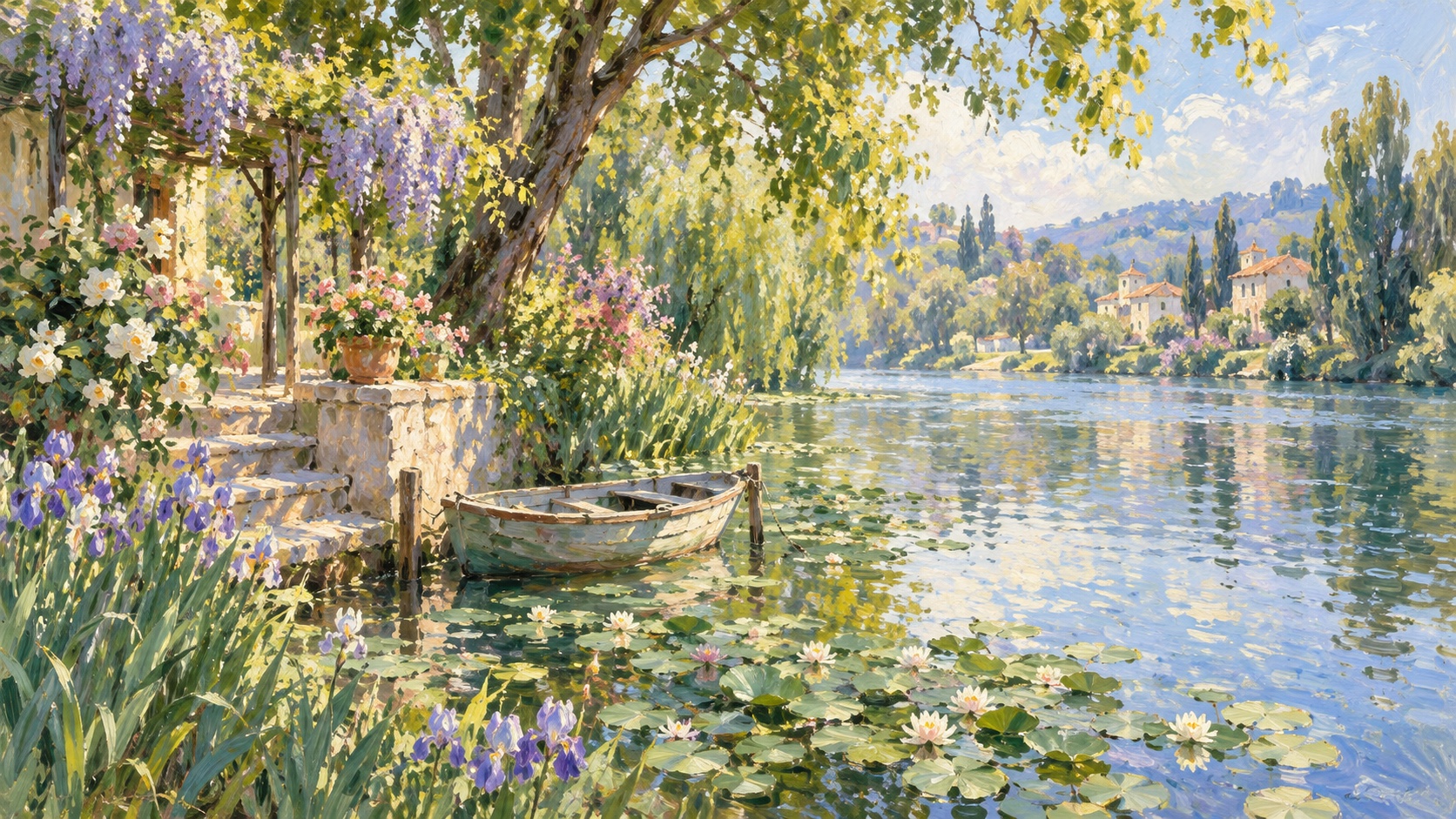 Painting 50%Impressionism 50%
Merged palette
#1C1008
#6B9E6B
#8B4513
#7BC8F6
#C84B1A
Leads analog, nostalgic, expressive
Typography · from Painting
Space Grotesk over Inter
Materials
Use it
Fine art oil painting with visible impasto brushstrokes and canvas texture, classical underpainting and glazing technique, painterly light modeling across form, gallery-quality composition and color harmony, traditional easel-painting craftsmanship (50%), infused with Impressionist painting with loose visible brushstrokes capturing fleeting light, Monet and Renoir en plein air technique, broken color application rather than blended tone, everyday leisure and landscape subject matter, soft atmospheric color harmony over hard outline, color palette strictly #1C1008 #6B9E6B #8B4513 #7BC8F6 #C84B1A, overall character: analog, nostalgic, expressive
Painting aesthetic encompasses the visual cultures, textures, and compositional traditions of the 40,000-year painting practice: oil impasto, watercolor bloom, gestural abstraction, Renaissance perspective, and the specific colors of different media and traditions. For design, painting aesthetics appear as painted texture references (oil impasto, dry brush, watercolor), compositional intelligence drawn from centuries of practice, and color theory derived from pigment-based traditions.
Oil paint: slow-drying, allows blending and glazing: the medium of Renaissance masters and academic tradition; warm, deep color. Watercolor: transparent, luminous, controlled accident: the medium of landscape and botanical illustration. Acrylic: fast-drying, versatile: the medium of Pop Art and contemporary practice. Gouache: opaque watercolor, flat and matte: the medium of illustration and design. Encaustic (wax): textured, ancient: associated with Jasper Johns and ancient Egyptian Fayum portraits.
Painting history provides design with: color theory (Albers's color interaction studies, Munsell's color system: both derived from painting practice), compositional principles (the rule of thirds from academic painting, Mondrian's grid-as-composition, Rothko's color field as UI design precursor), texture vocabulary (painted surfaces used in packaging, digital art, and fashion), and emotional range (each painting movement provides a specific emotional register available for contemporary reference).
Every style in the library is broken down like this one: the palette, the typography, the materials and the lineage.
Explore the style library →