When to use it
- Tech startup branding and UI design
- Game development concept art
- Social media content creation
- NFT and crypto projects
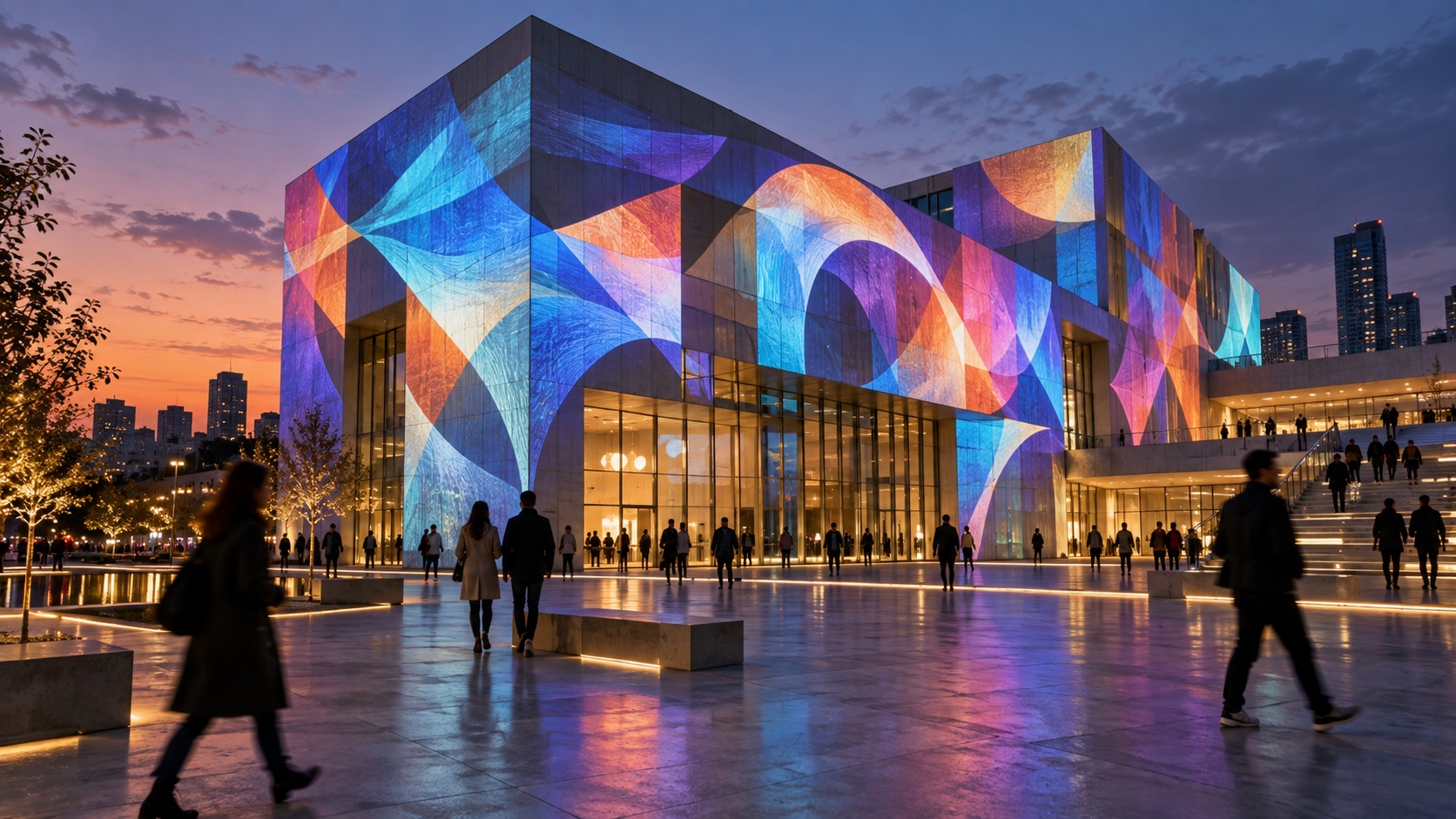
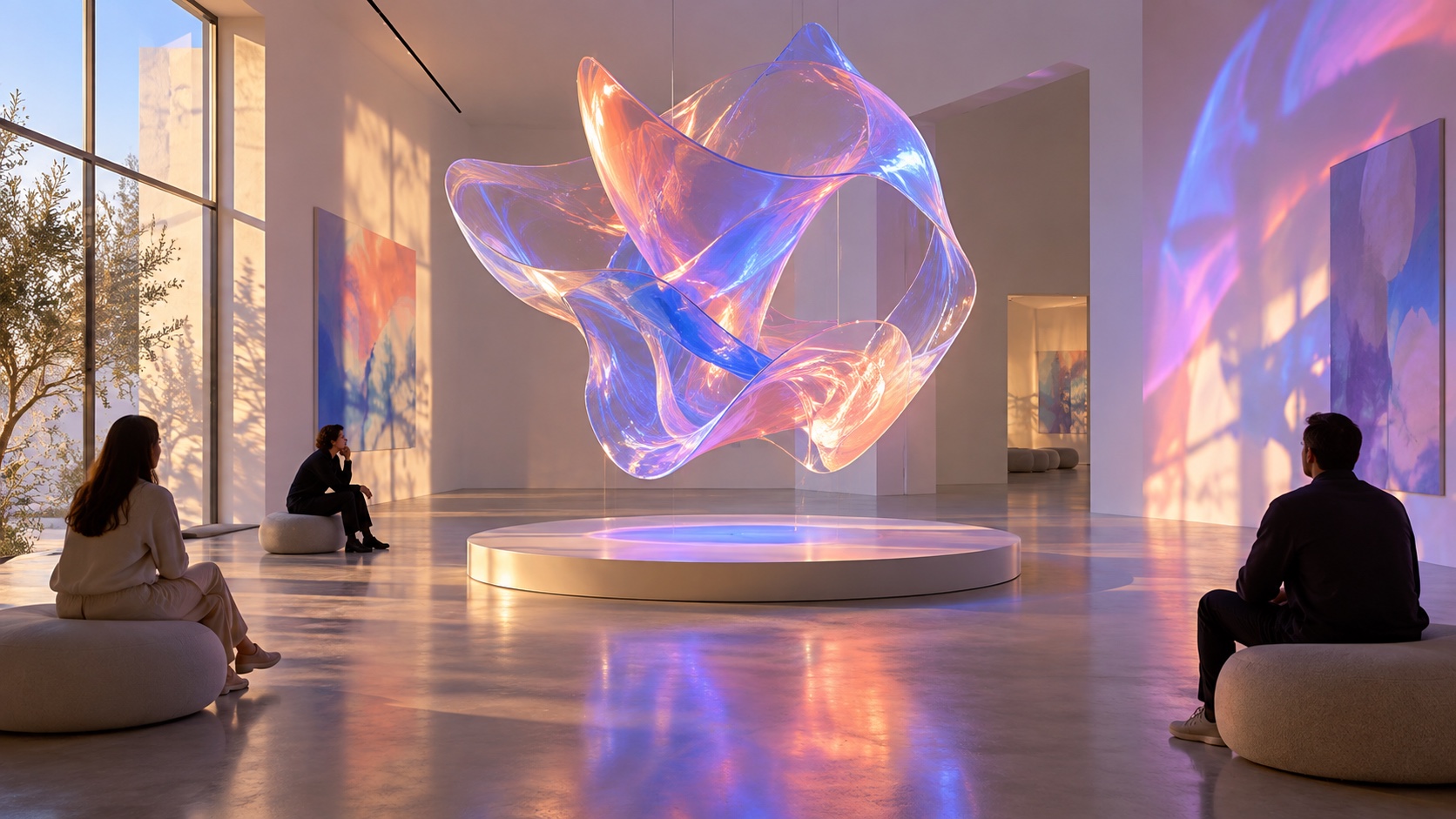
Modern, tech-savvy artwork created with digital tools and software
What it is, when it works, who it is for, and where it already exists.
Record 023-DA - when it works, who it is for, what it looks like
Where this aesthetic shows up in the real world · ↗ opens the source site
Where Digital Art came from, what makes it recognisable, and the fingerprint it leaves.
1960s origins; mainstream from 1990s; dominant from 2010s · Computer science and fine art intersection; Silicon Valley and art schools
Digital art began in the 1960s with pioneers like Harold Cohen (whose AARON program generated drawings), Charles Csuri, and Vera Molnár (who used computer programs to generate systematic visual variations). The democratization came with personal computers and early software: MacPaint (1984), Adobe Photoshop (1990), and Procreate (2011) placed digital drawing and painting tools in the hands of anyone with a computer or tablet.
The distinct aesthetic qualities of digital art emerged from its technical possibilities. Early digital art showed visible pixels and limited color palettes: an aesthetic revived as pixel art. As resolution increased, digital art divided into traditions: digital painting (emulating traditional media with added digital capabilities), 3D rendering (creating images from 3D models), generative art (images through code and algorithms), and digital collage.
The NFT market of 2020–2022 brought a specific subset of digital art into mainstream financial attention, and Beeple's 'Everydays: The First 5000 Days' selling at Christie's for $69 million in March 2021 marked the moment digital art entered fine art market history. AI image generation (Midjourney, Stable Diffusion) subsequently raised fundamental questions about authorship and artistic skill in the medium.
“The medium that gave every traditional art form a delete key.
The visual DNA: what makes it recognisable
8-channel console with the fingerprint on its display. Save the card, or share the page
4 color interpretations of this aesthetic
The colour of the styles sitting closest to this one
How to shoot it, how to prompt it, and how to board it.
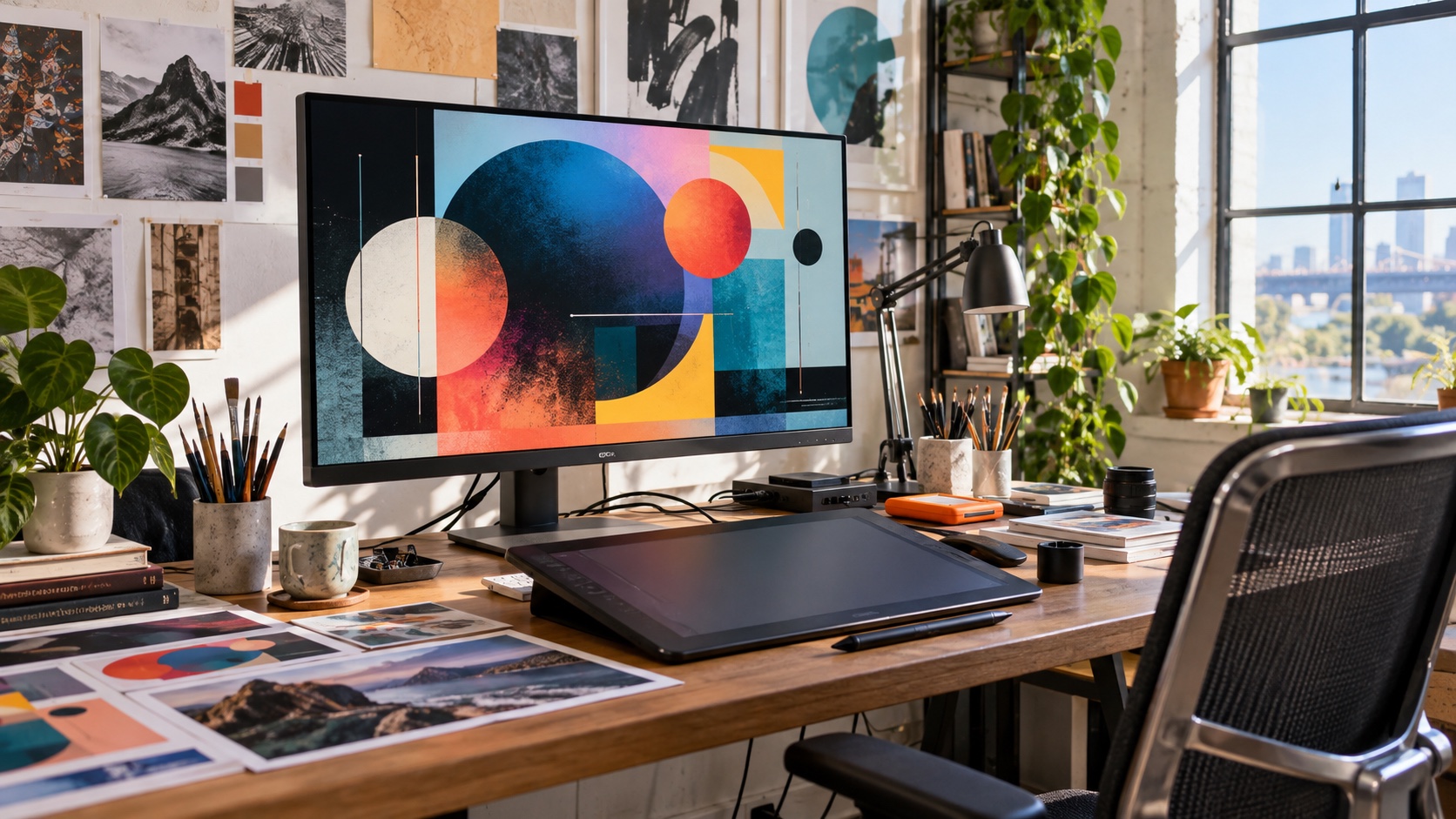
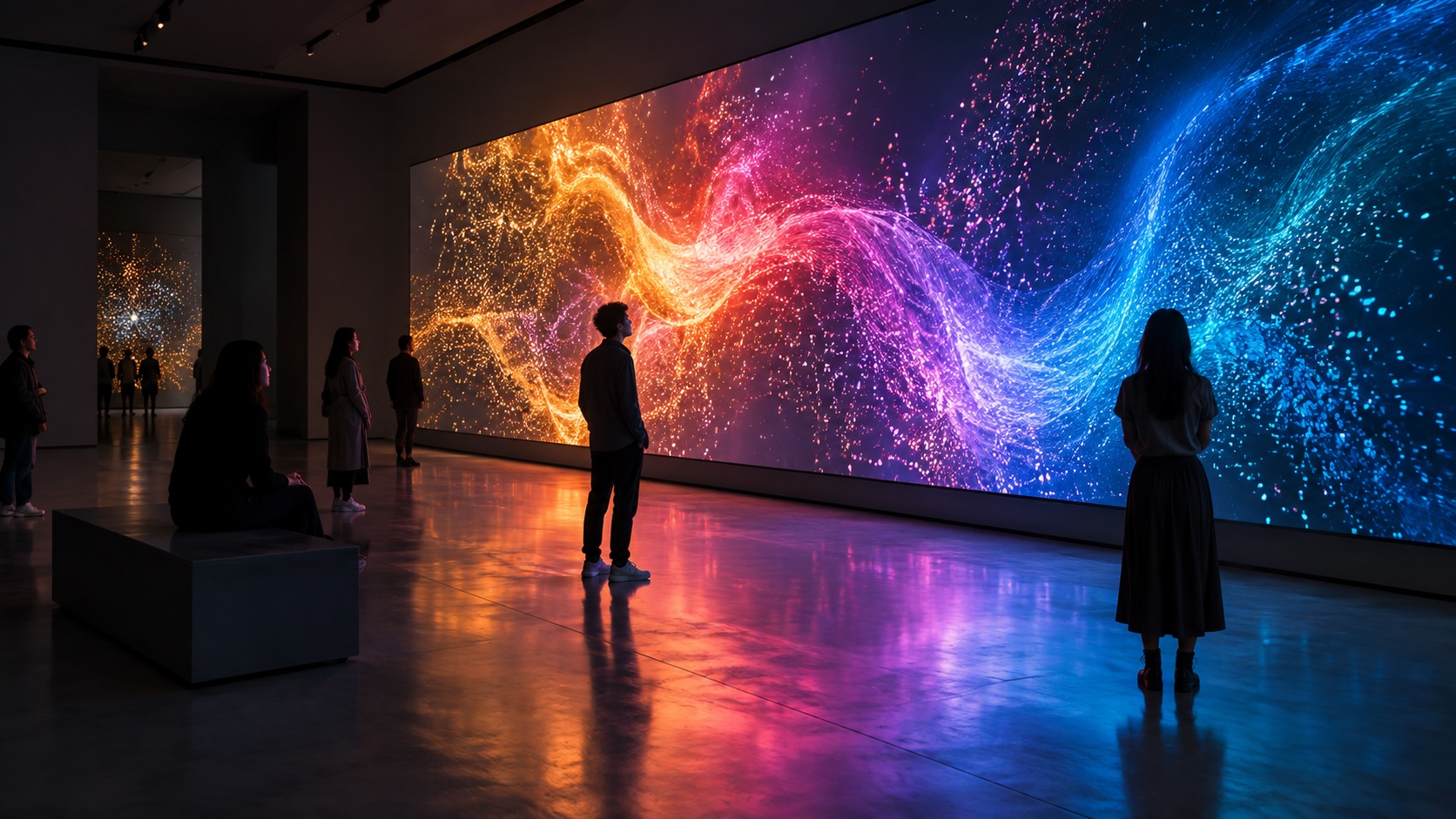
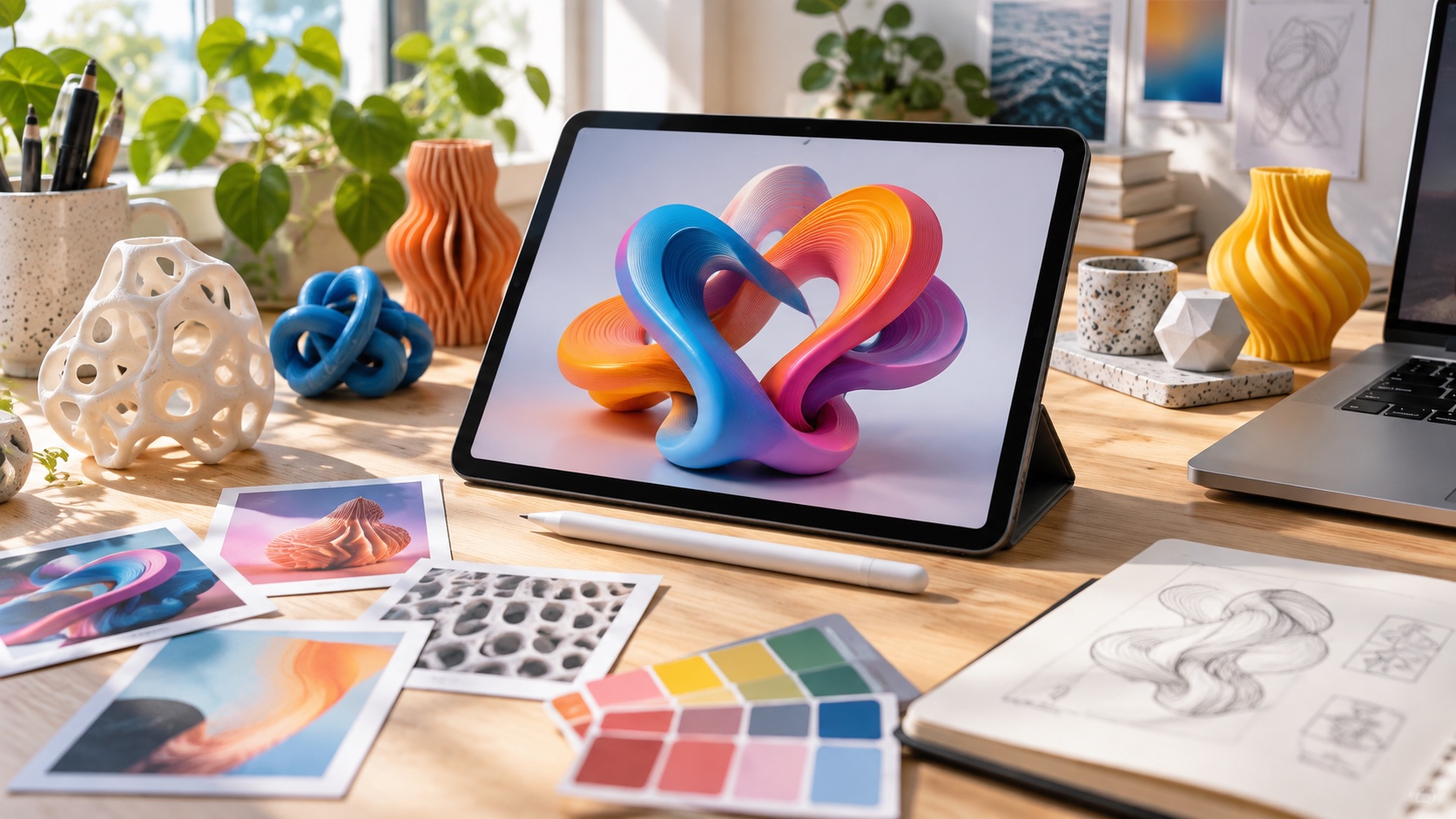
How to shoot this aesthetic
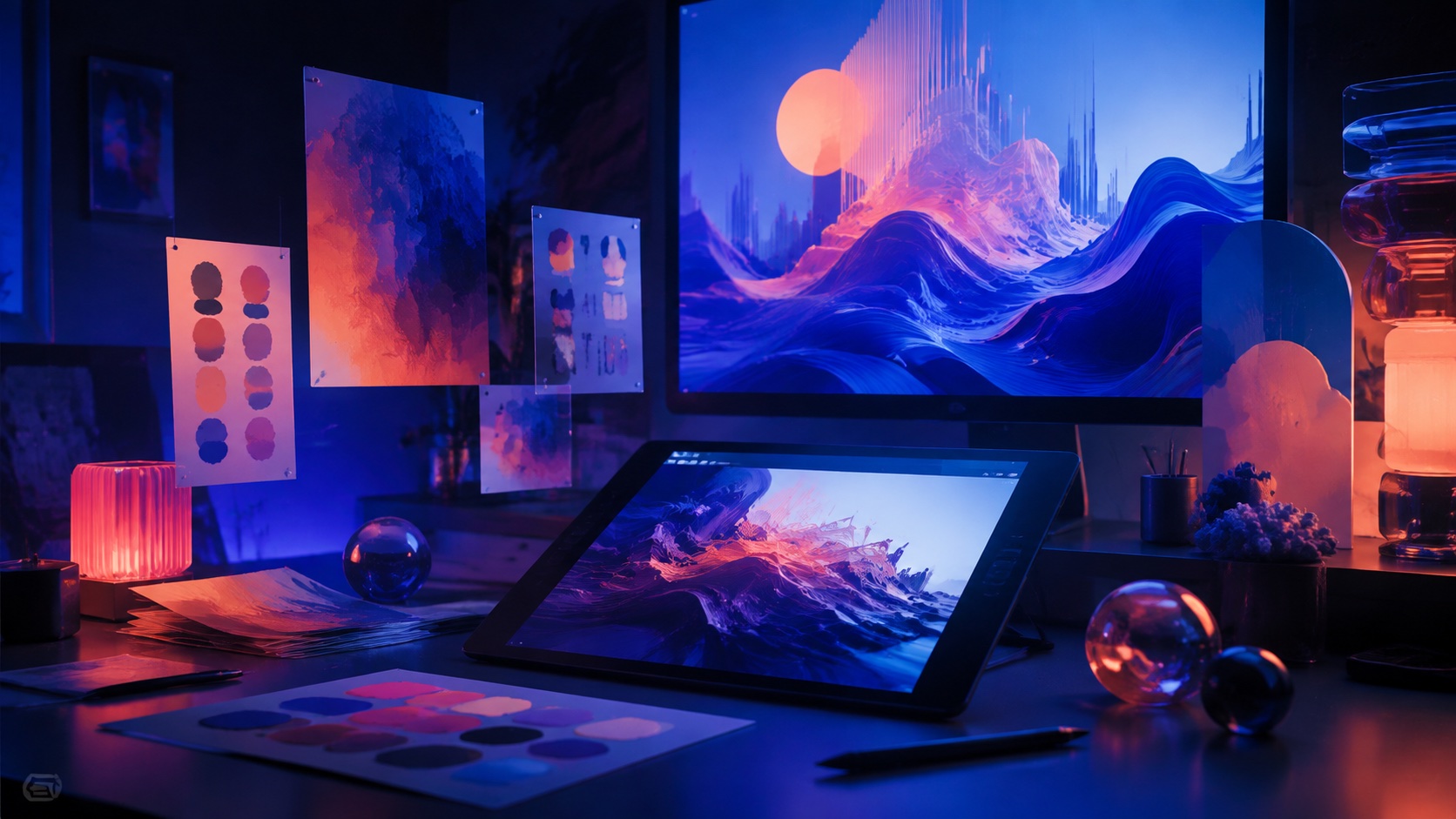
"A creator at the luminous threshold between the physical and the rendered"
Shot list
Lighting
Primary source is practical screen and monitor glow cool blue on one side, warm amber from a secondary lamp on the other; avoid any fill that kills the screen-light drama
Drop this into Studio to generate in this aesthetic
Digital art with layered painterly brushwork rendered natively for screen, concept-art level environmental depth, dramatic directional lighting, richly saturated color grading, contemporary digital-native composition unbound by physical medium constraints
The record applied to your project. The record's kit is free; your brand, references and plates come with membership
01 · Hero application02 · Material and finish03 · Palette in context04 · Photography directionWhether to use it, what it costs to do properly, and where it stands right now.
Two written calls, seven meters, and when to walk away
The tell is layer discipline. A file with forty ungrouped layers and no naming is a file nobody else can open, and on any real job someone else opens it. Good digital work is built to be revised: non-destructive adjustments, live type, source art at native resolution. The look survives the first round of notes or it was never a system, just a render.
Right when the work is about process and systems, which is the serious end of the field and the part generation does not replicate. Wrong if you invoke the NFT vocabulary casually, because that period did lasting reputational damage artists are still working against. The discipline spent two decades arguing for legitimacy against painting and largely won.
Software only, no locations or materials.
Broad category. Needs a real angle to not read generic.
Tool fluency more than rare skill.
Too broad to really get wrong. The risk is blandness, not embarrassment.
The default category for anything made with software.
The category persists even as the tools and sub-trends inside it change.
Fits into almost any existing brand system without a special commitment.
A Pro feature: origins, practitioners, and pitfalls
Neighbours, cross-references, blends, and the questions people ask.
Connected across the creative knowledge graph
Where it stands now, and what it costs you to use it
Digital art spent two decades arguing for legitimacy against painting and photography, largely won, and then had the ground move again with generative tools.
The NFT period did lasting reputational damage that artists in the field are still working against, and it is worth knowing before invoking that vocabulary.
The serious end has always been about process and systems rather than output, which is also the part that generation does not replicate.
Mix Digital Art with any style in the library
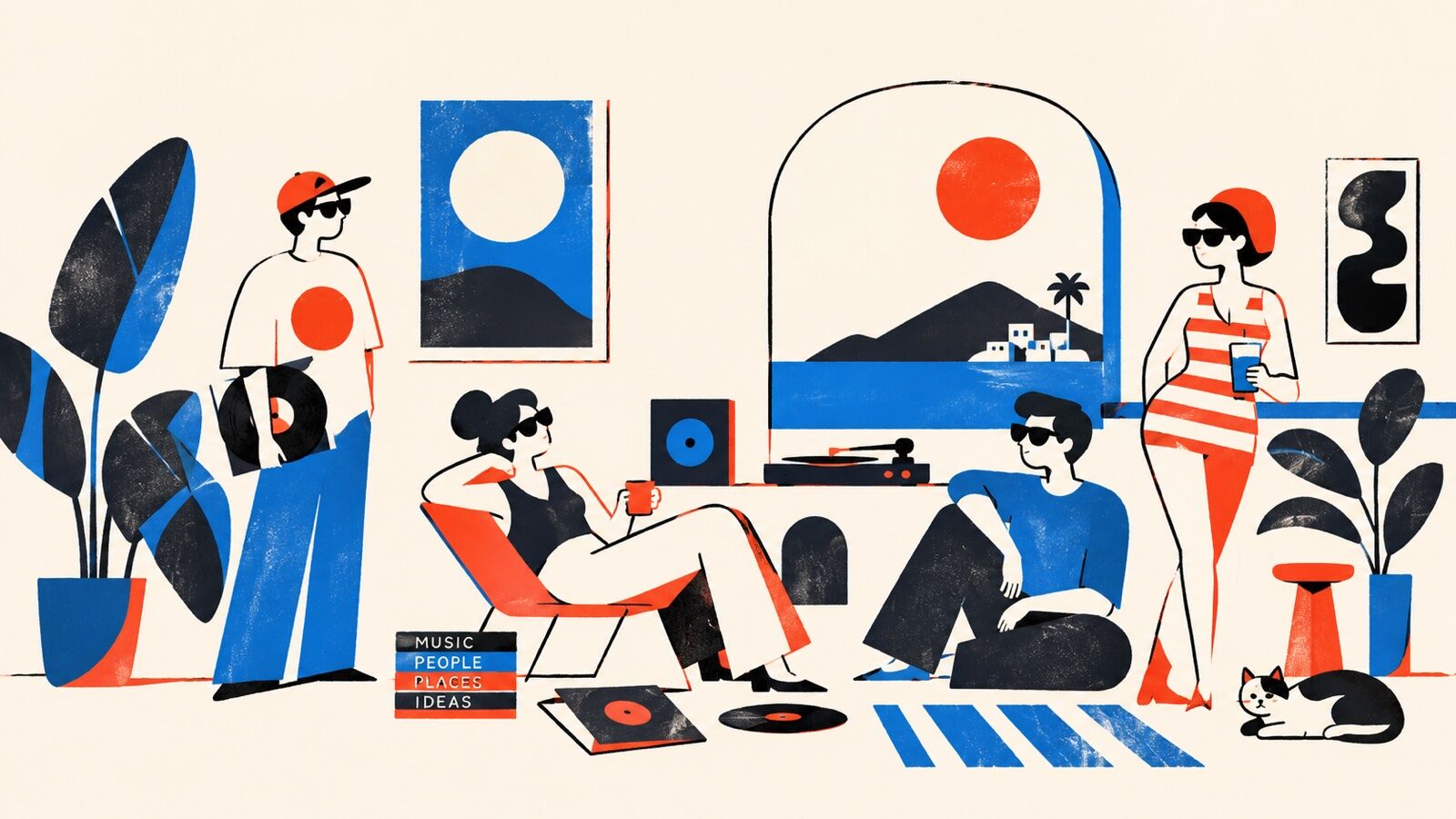 Digital Art 50%Illustration 50%
Merged palette
#0F0F0F
#1A1208
#8B5CF6
#C84B1A
#EC4899
Leads expressive, digital, light
Typography · from Digital Art
Cormorant Garamond over Lora
Materials
Use it
Digital art with layered painterly brushwork rendered natively for screen, concept-art level environmental depth, dramatic directional lighting, richly saturated color grading, contemporary digital-native composition unbound by physical medium constraints (50%), infused with Editorial illustration with confident linework and considered composition, mixed-media or digital-painting technique, conceptual visual metaphor communicating an idea at a glance, magazine and book-cover illustration tradition, expressive color mood suited to the story being told, color palette strictly #0F0F0F #1A1208 #8B5CF6 #C84B1A #EC4899, overall character: expressive, digital, light
Digital art is any art created using digital technology: computers, tablets, software, and digital cameras. It encompasses digital painting (Procreate, Photoshop), 3D rendering (Blender, Cinema 4D), generative art (code-based image creation), digital photography, and digital collage. The medium offers capabilities impossible in physical media: infinite undo, unlimited color, and infinite scalability.
The dominant tools by category: Procreate (iPad drawing and painting), Adobe Photoshop (raster editing and compositing), Adobe Illustrator (vector art), Blender (free 3D modeling and rendering), Cinema 4D (professional 3D), Midjourney and Stable Diffusion (AI image generation). Each has a distinct visual culture and community.
Digital art is created by an artist using digital tools as a medium: the human makes all compositional, stylistic, and content decisions. AI art is generated by machine learning models (Midjourney, DALL-E, Stable Diffusion) responding to text prompts: the human's role is prompting and selection rather than direct mark-making. The distinction raises ongoing questions about authorship, creativity, and artistic skill.
Every style in the library is broken down like this one: the palette, the typography, the materials and the lineage.
Explore the style library →