When to use it
- Modern art publications
- Geometric pattern design
- Abstract brand identities
- Avant-garde fashion
Fragmented forms showing multiple perspectives simultaneously
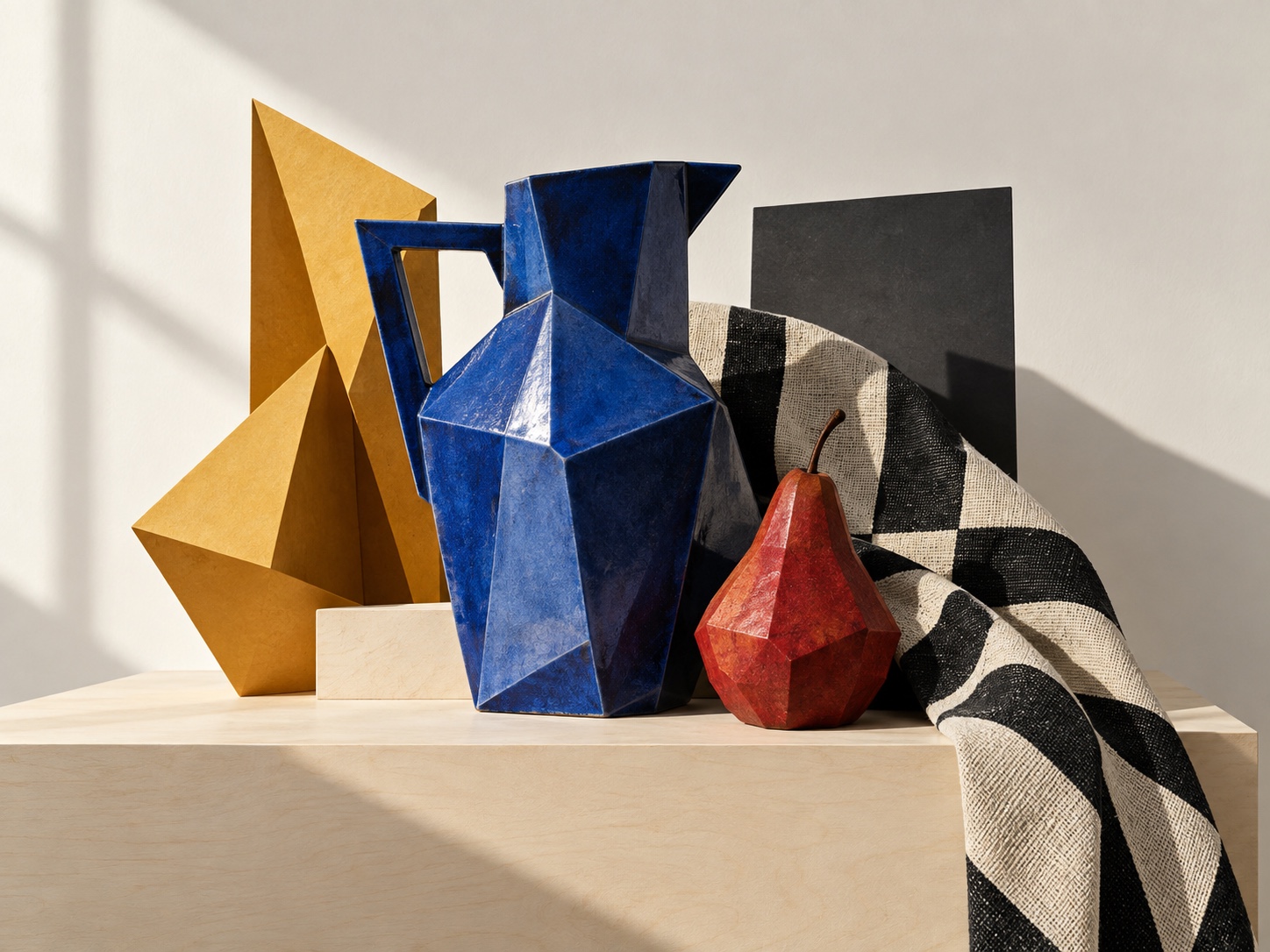
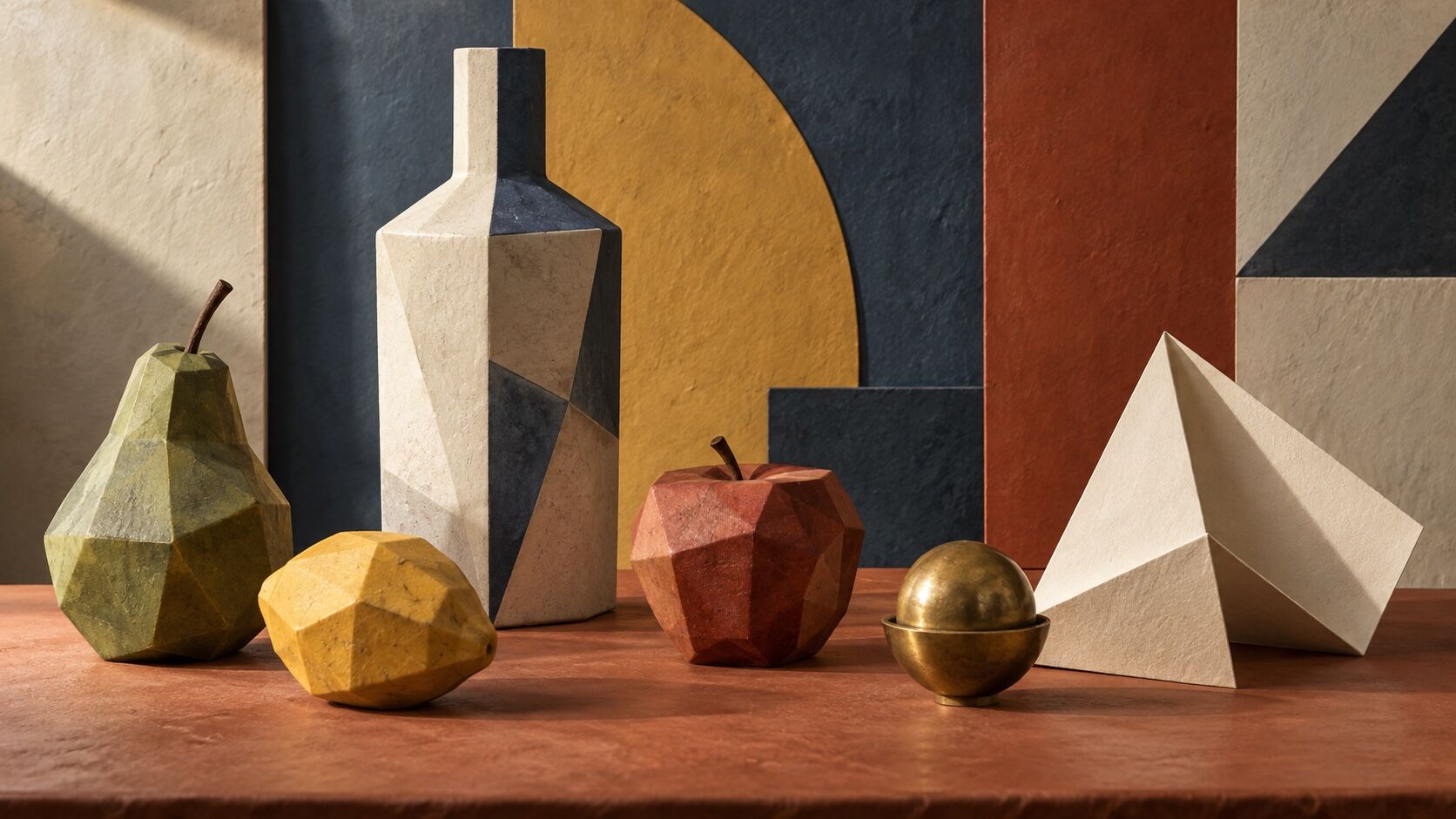
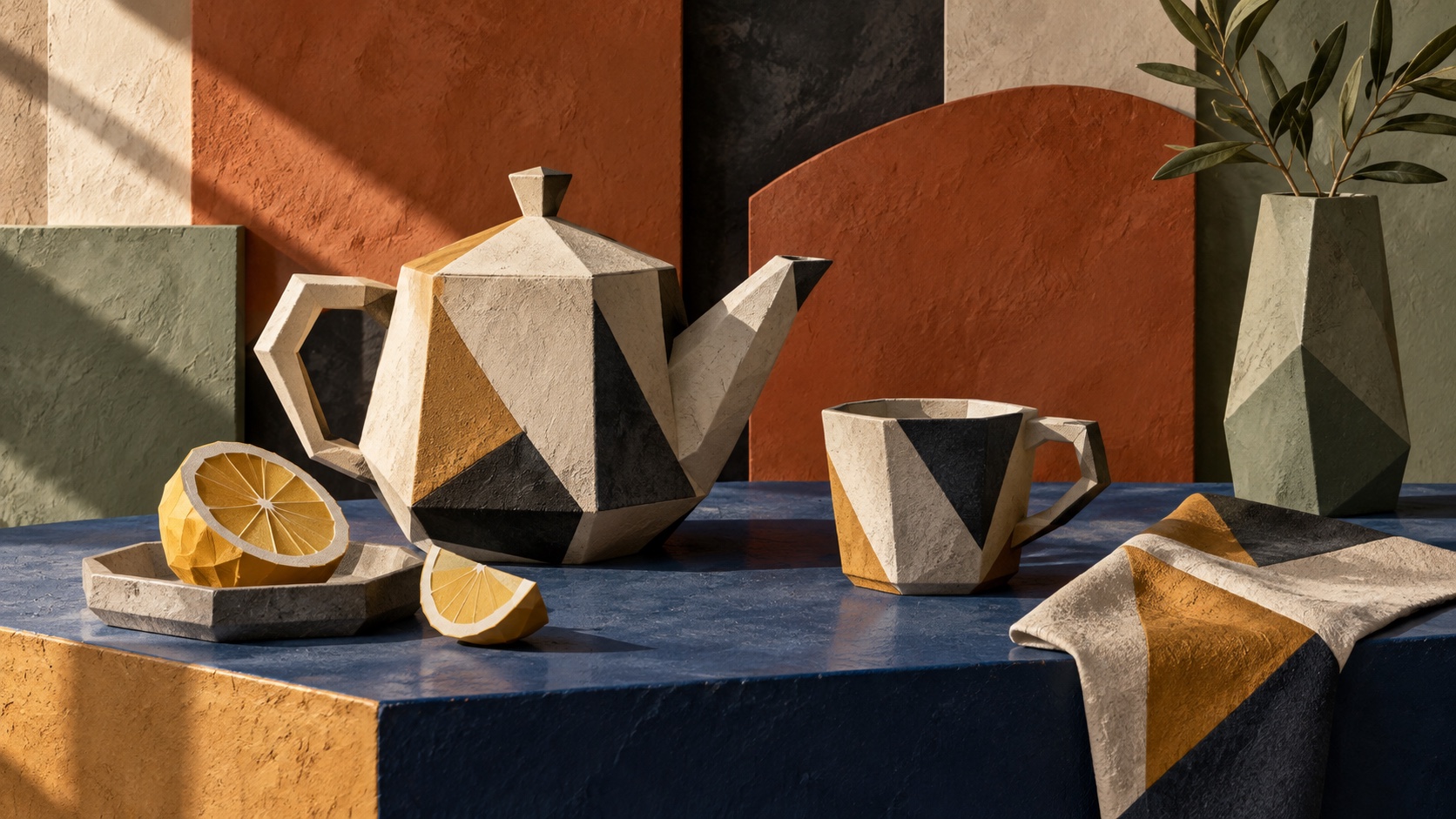
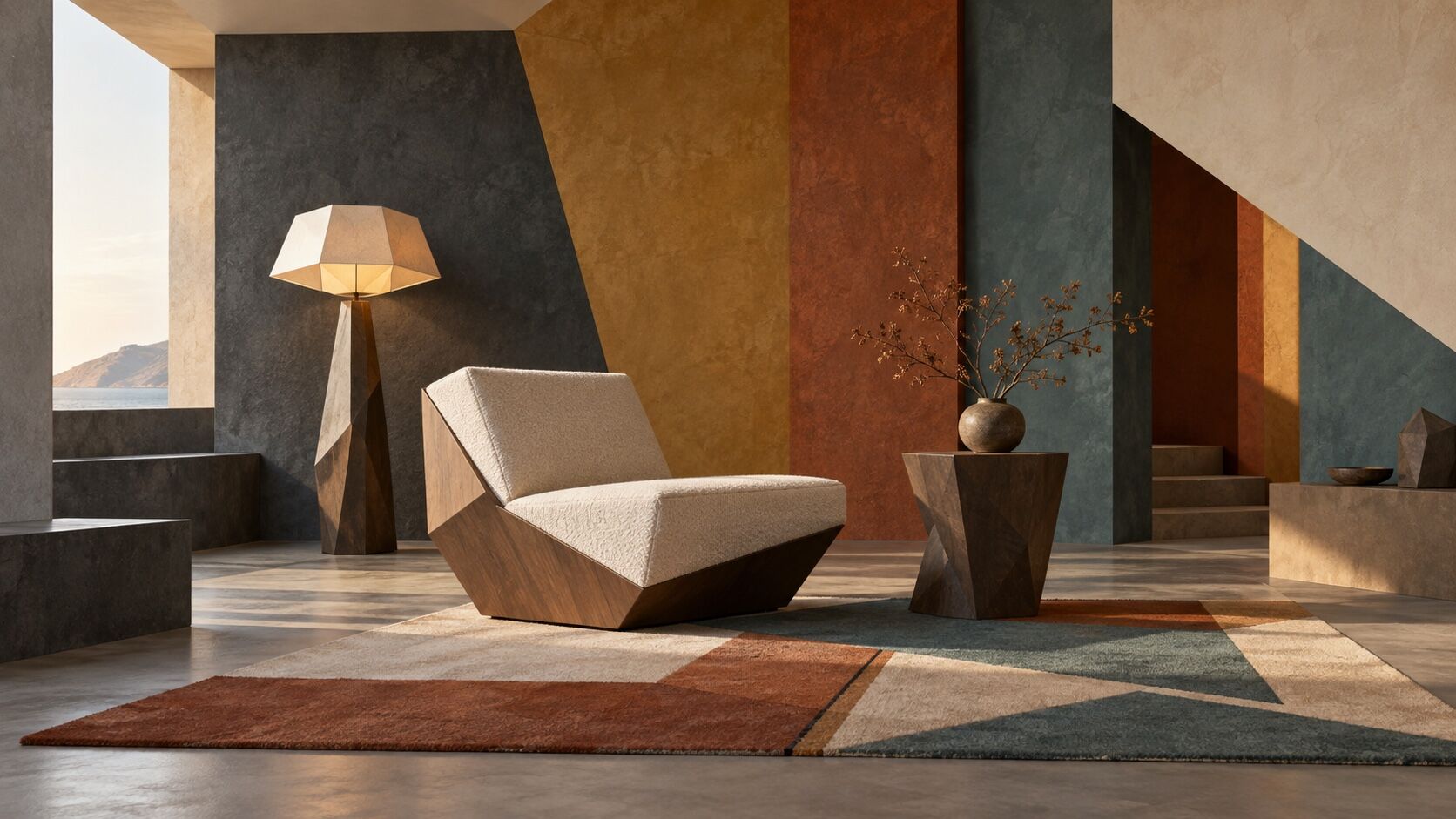
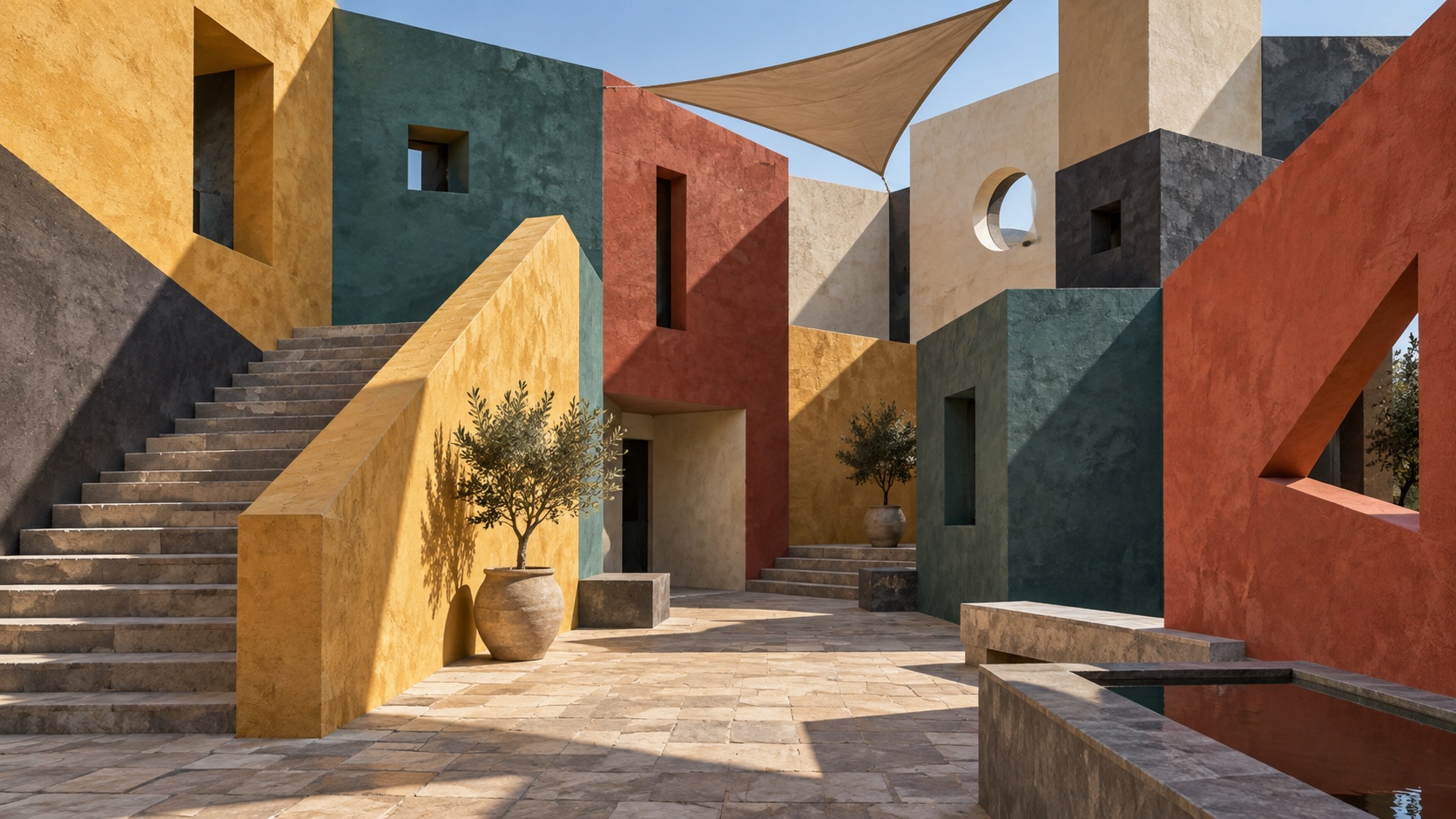
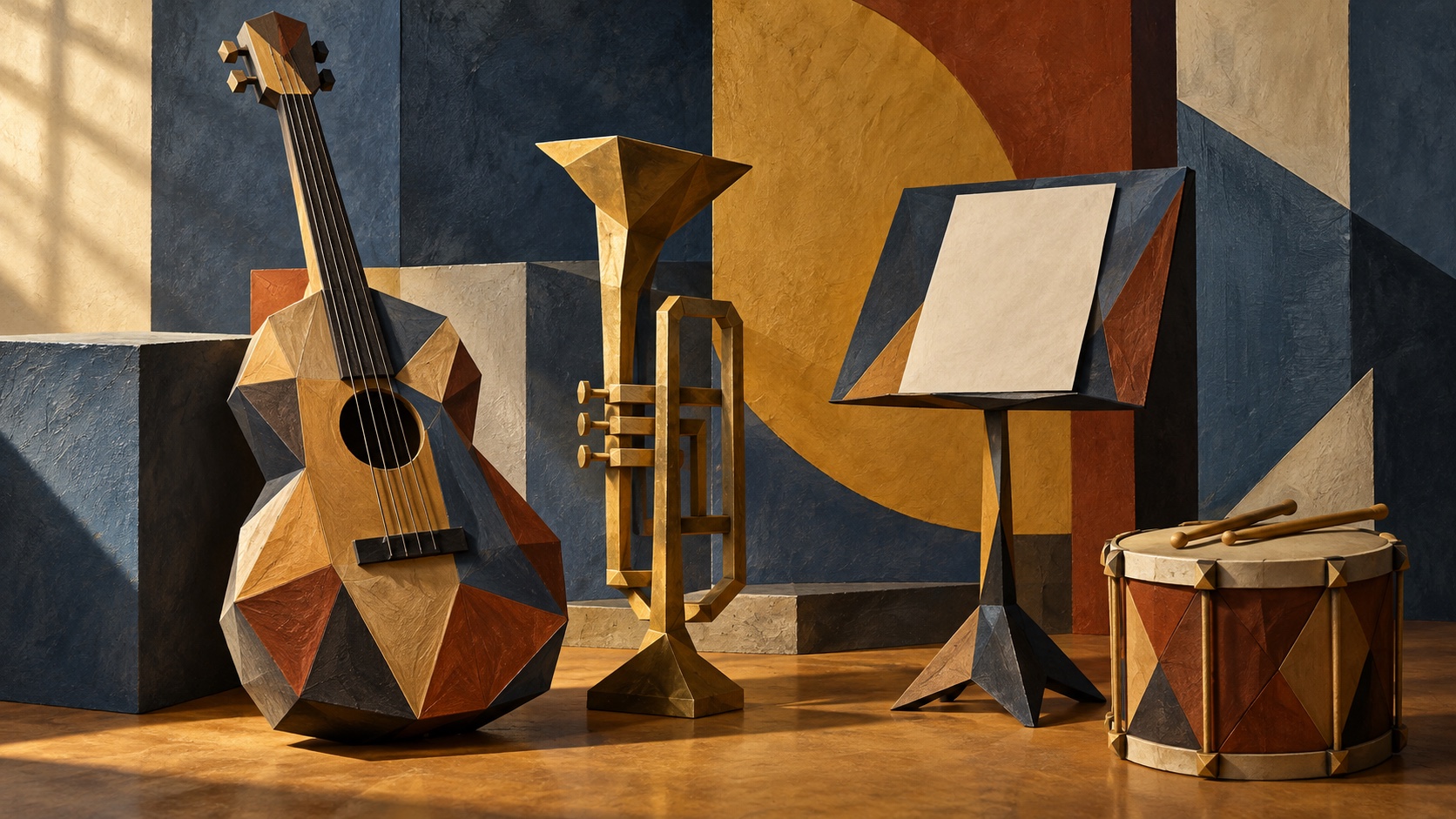
What it is, when it works, who it is for, and where it already exists.
Record 022-CU - when it works, who it is for, what it looks like
Where this aesthetic shows up in the real world · ↗ opens the source site
Where Cubism came from, what makes it recognisable, and the fingerprint it leaves.
1907–1922 · Paris, France
Cubism was developed by Pablo Picasso and Georges Braque in Paris between 1907 and 1914, fundamentally changing the relationship between visual art and visual reality. Traditional Western painting had maintained the convention of a single, fixed viewpoint. Cubism rejected this, representing multiple simultaneous viewpoints within a single image: a face might show a profile nose and frontal eyes simultaneously; a guitar might show its front, side, and interior at once.
The movement developed through two phases. Analytic Cubism (1908–1912) reduced form to intersecting planes in a near-monochromatic palette of grey, ochre, and brown. Synthetic Cubism (1912–1922) added collage elements: newspaper clippings, wallpaper, playing cards: introducing text and commercial culture into fine art for the first time.
Cubism's influence on 20th-century visual culture was vast and direct: it provided the visual language for Constructivist architecture and design, influenced Art Deco's geometric sensibility, and established the principle that a picture can represent conceptual rather than perceptual reality.
“The picture plane that finally admitted the eye moves.
The visual DNA: what makes it recognisable
8-channel console with the fingerprint on its display. Save the card, or share the page

4 color interpretations of this aesthetic
The colour of the styles sitting closest to this one
How to shoot it, how to prompt it, and how to board it.
How to shoot this aesthetic
"A subject seen from all angles simultaneously: time, perspective, and form fractured into one image"
Shot list
Lighting
Multiple hard light sources at competing angles to create strong geometric shadows that subdivide the subject's form unlike most photography, conflicting light here is the goal
Drop this into Studio to generate in this aesthetic
Cubist composition with fragmented multi-perspective form, Picasso and Braque analytic deconstruction of subject into geometric planes, simultaneous viewpoints collapsed into one picture plane, faceted angular reconstruction of reality, restrained muted color mood in the analytic Cubist tradition
The record applied to your project. The record's kit is free; your brand, references and plates come with membership
01 · Hero application02 · Material and finish03 · Palette in context04 · Photography directionWhether to use it, what it costs to do properly, and where it stands right now.
Two written calls, seven meters, and when to walk away
Multiple viewpoints, one coherent surface. Fragmenting a photograph in software is not cubism, it is a filter, because the geometry has to be rebuilt rather than broken. Keep the palette narrow, ochre and grey, so form reads without colour helping. The subject stays findable: a nose, a guitar neck, one thread back to the world.
The transferable part is the method: breaking a subject into simultaneous views, which is still genuinely productive. As a surface style it is a period reference, because the innovations were absorbed so completely that multiple viewpoints stopped being shocking a century ago. It also sits inside a live argument about African sculpture that museums are now having openly.
Paper, paint, or digital tools. Materials aren't the barrier.
Fragmenting form on purpose, not just distorting an image.
Multiple perspectives still have to read as one composition.
Fragmenting form without real structure just looks broken.
Rarely reached for outside fine art and gallery contexts.
Over a century old and still visually radical.
A few strong pieces communicate the reference.
A Pro feature: origins, practitioners, and pitfalls
Neighbours, cross-references, blends, and the questions people ask.
Connected across the creative knowledge graph
Where it stands now, and what it costs you to use it
Cubism is the pivot the whole twentieth century turns on, and it has been absorbed so completely that its innovations now read as normal. Multiple viewpoints in one image stopped being shocking a century ago.
It also sits inside an unresolved argument about African sculpture, which Picasso drew on directly and credited unevenly, and that conversation is active in museums now.
As a working method, breaking a subject into simultaneous views, it is still genuinely productive. As a surface style it is a period reference.
Mix Cubism with any style in the library
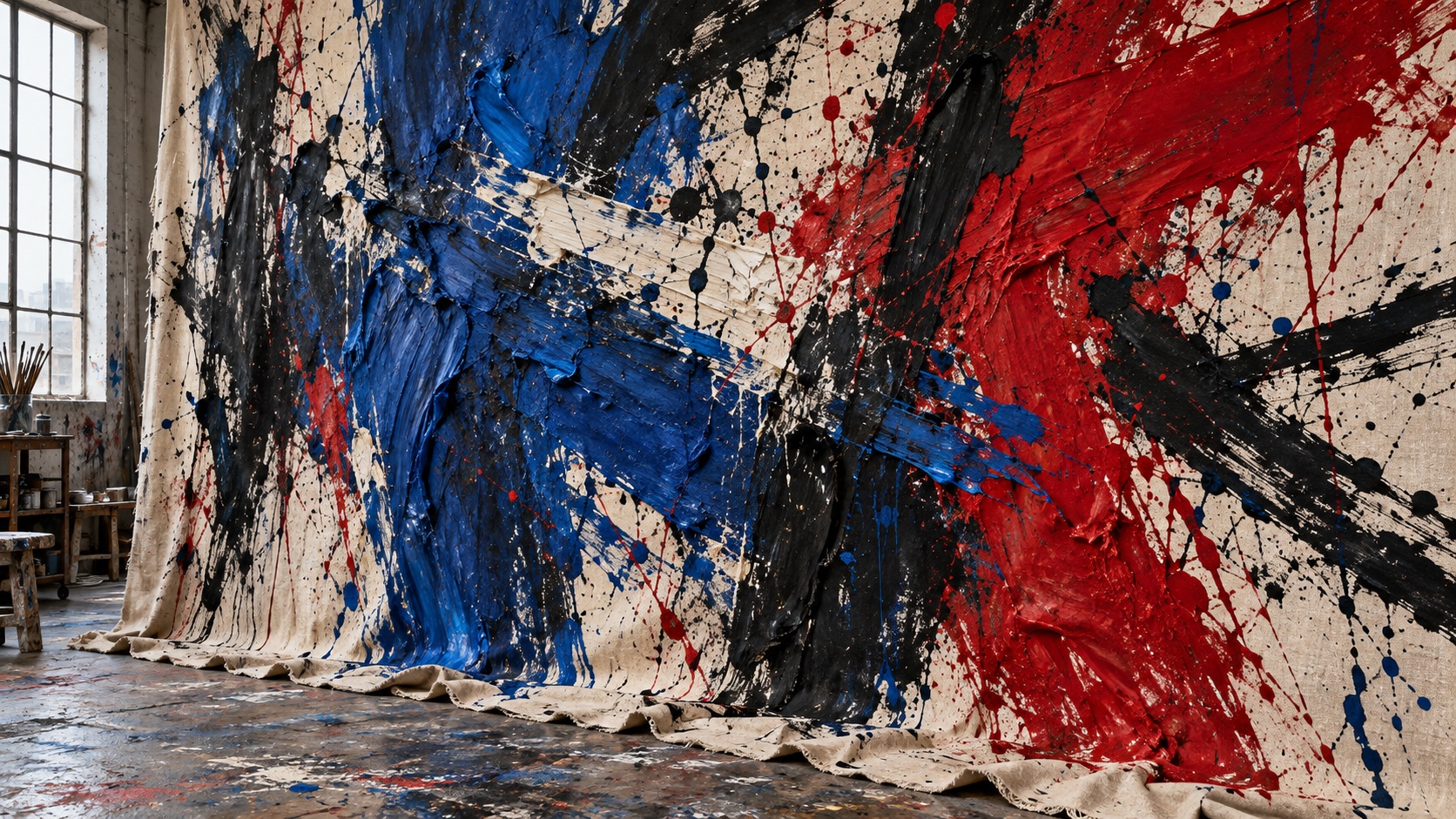 Cubism 50%Abstract Expressionism 50%
Merged palette
#2C3E50
#1A1A1A
#8B6914
#D4361C
#E74C3C
Leads analog, expressive, chaotic
Typography · from Cubism
Saira Stencil One over Archivo
Materials
The calls this blend forces
These two disagree on one thing, and a blend cannot average them: you pick a side. At this mix:
Geometric or Organic? Cubism is geometric, Abstract Expressionism is organic. This mix lands geometric.
Use it
Cubist composition with fragmented multi-perspective form, Picasso and Braque analytic deconstruction of subject into geometric planes, simultaneous viewpoints collapsed into one picture plane, faceted angular reconstruction of reality, restrained muted color mood in the analytic Cubist tradition (50%), infused with Abstract Expressionist painting with gestural spontaneous brushwork, Jackson Pollock drip technique or Willem de Kooning's aggressive mark-making, large-scale canvas presence, emotional intensity over representational subject, all-over composition with no single focal point, color palette strictly #2C3E50 #1A1A1A #8B6914 #D4361C #E74C3C, leaning geometric over organic, overall character: analog, expressive, chaotic
Cubism (Paris, 1907–1922) is the art movement by Picasso and Braque that rejected single-viewpoint perspective to show multiple simultaneous views of an object within one image. Analytic Cubism (monochromatic, faceted, 1908–1912) and Synthetic Cubism (collage elements, more color, 1912–1922) are its two phases. It fundamentally changed Western art's relationship to visual reality.
Analytic Cubism is near-monochromatic: grey (#9A9490), ochre (#C8A84A), and raw umber (#7A5A30). Color was subordinated to formal analysis of planes. Synthetic Cubism reintroduced color through collaged materials: newsprint, colored paper, fabric.
Cubism's influence spans the 20th century: Constructivism, Futurism, Art Deco geometry, Surrealism's visual approach, Abstract Expressionism's rejection of perceptual reality, and the general design principle that a picture can represent conceptual rather than perceptual reality.
Every style in the library is broken down like this one: the palette, the typography, the materials and the lineage.
Explore the style library →