When to use it
- Children's books and products
- Editorial magazine content
- Brand mascots and characters
- Infographics and explainers
Hand-drawn or painted images for editorial and commercial use
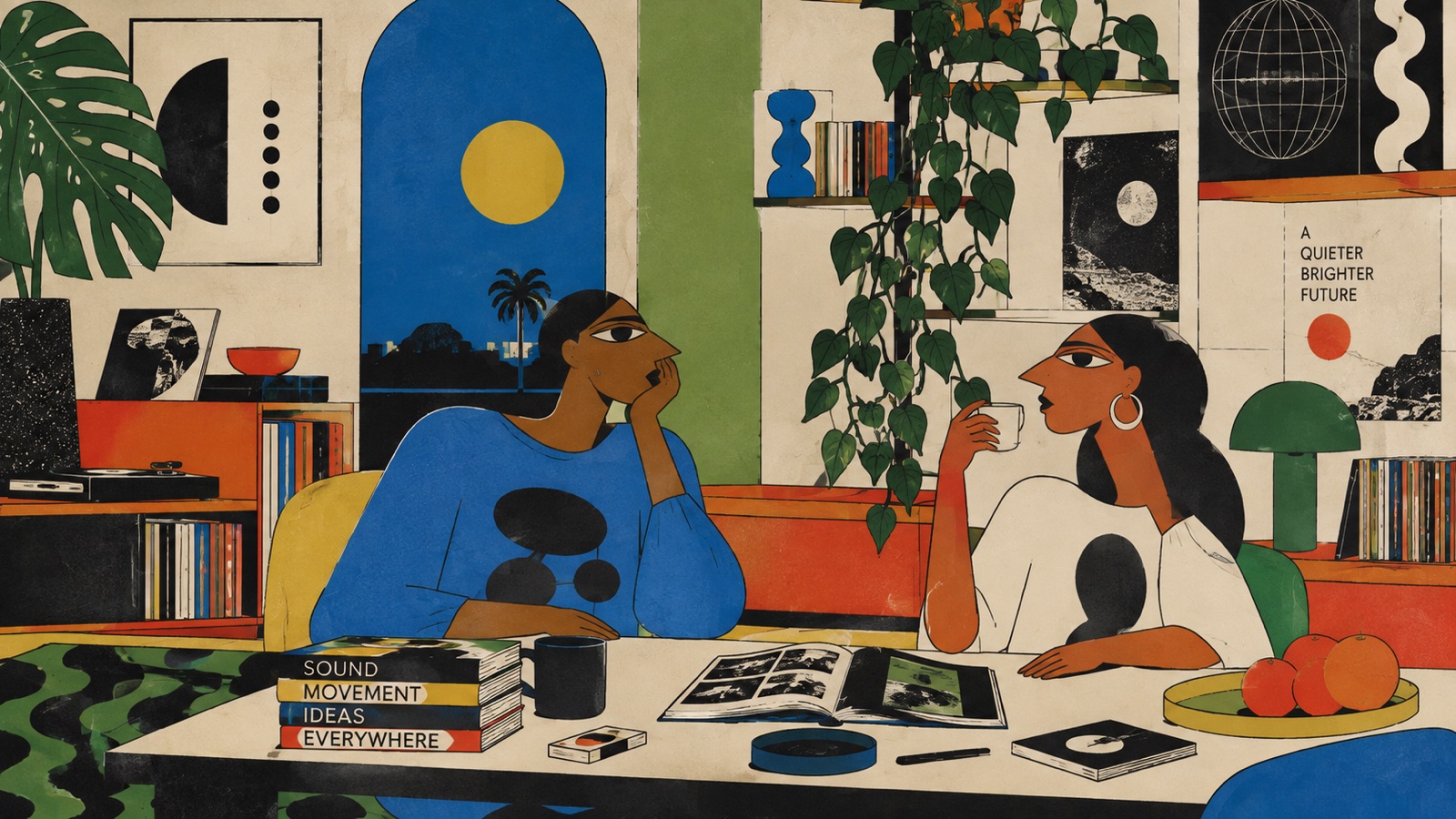
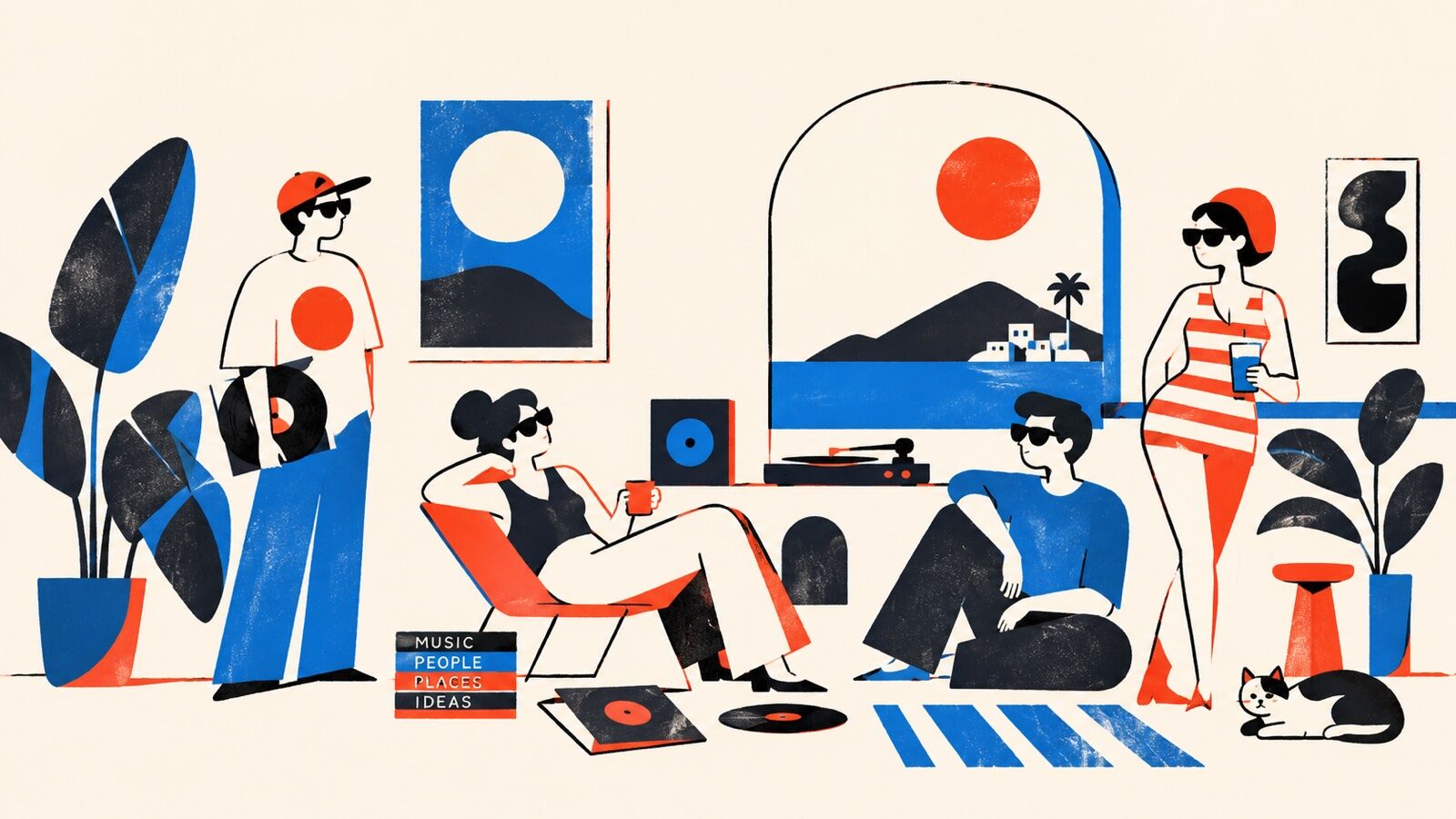
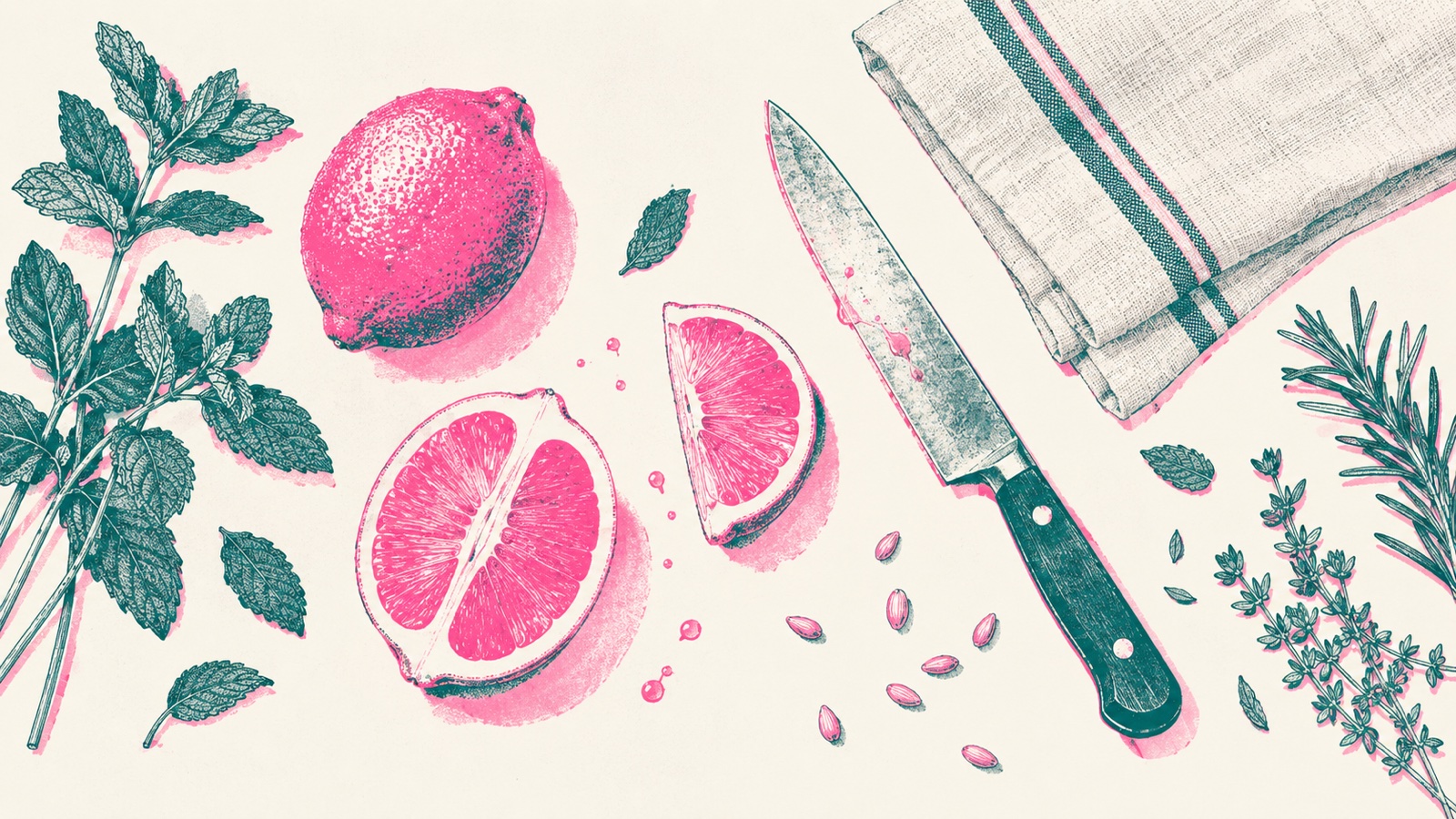
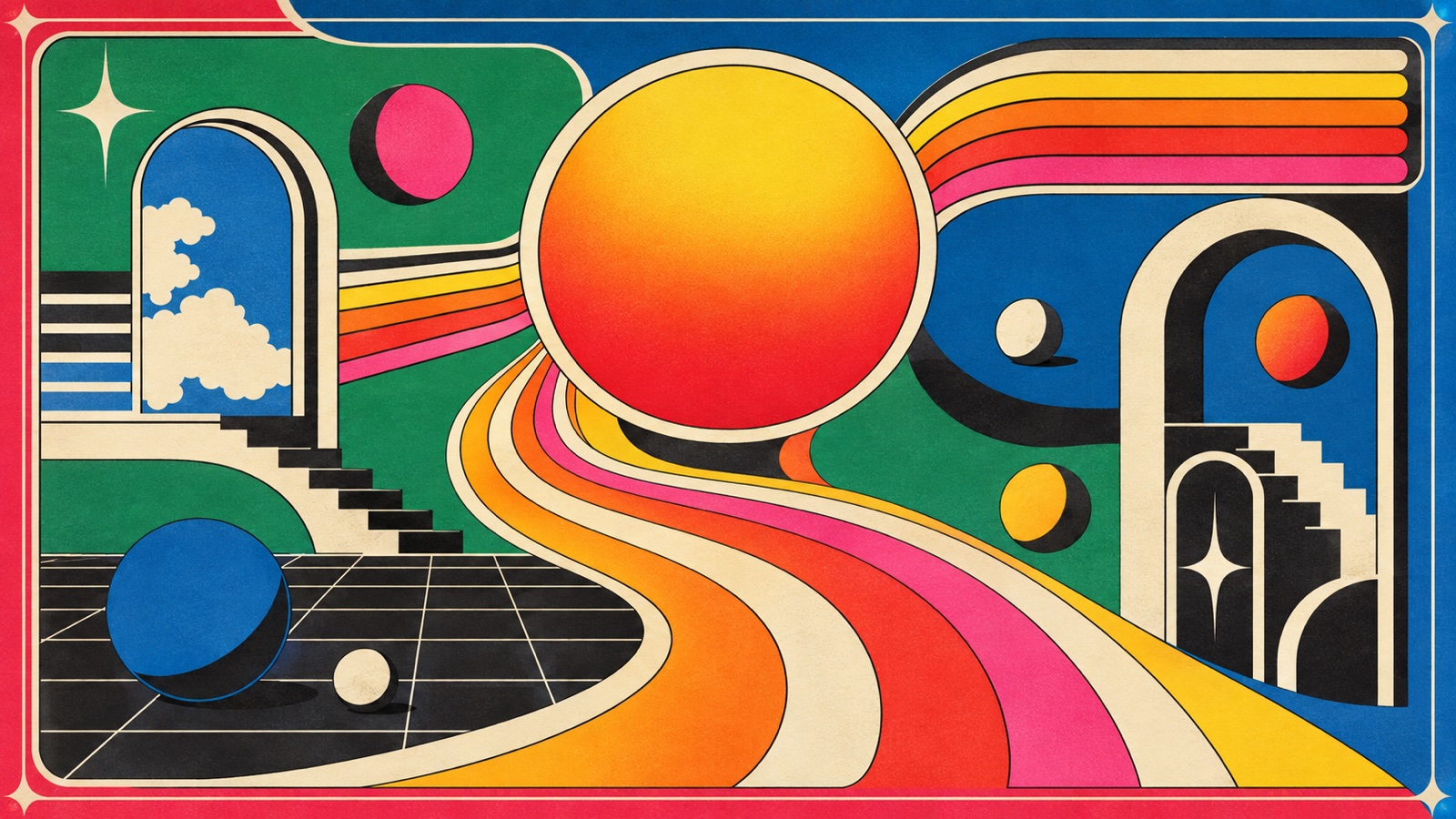
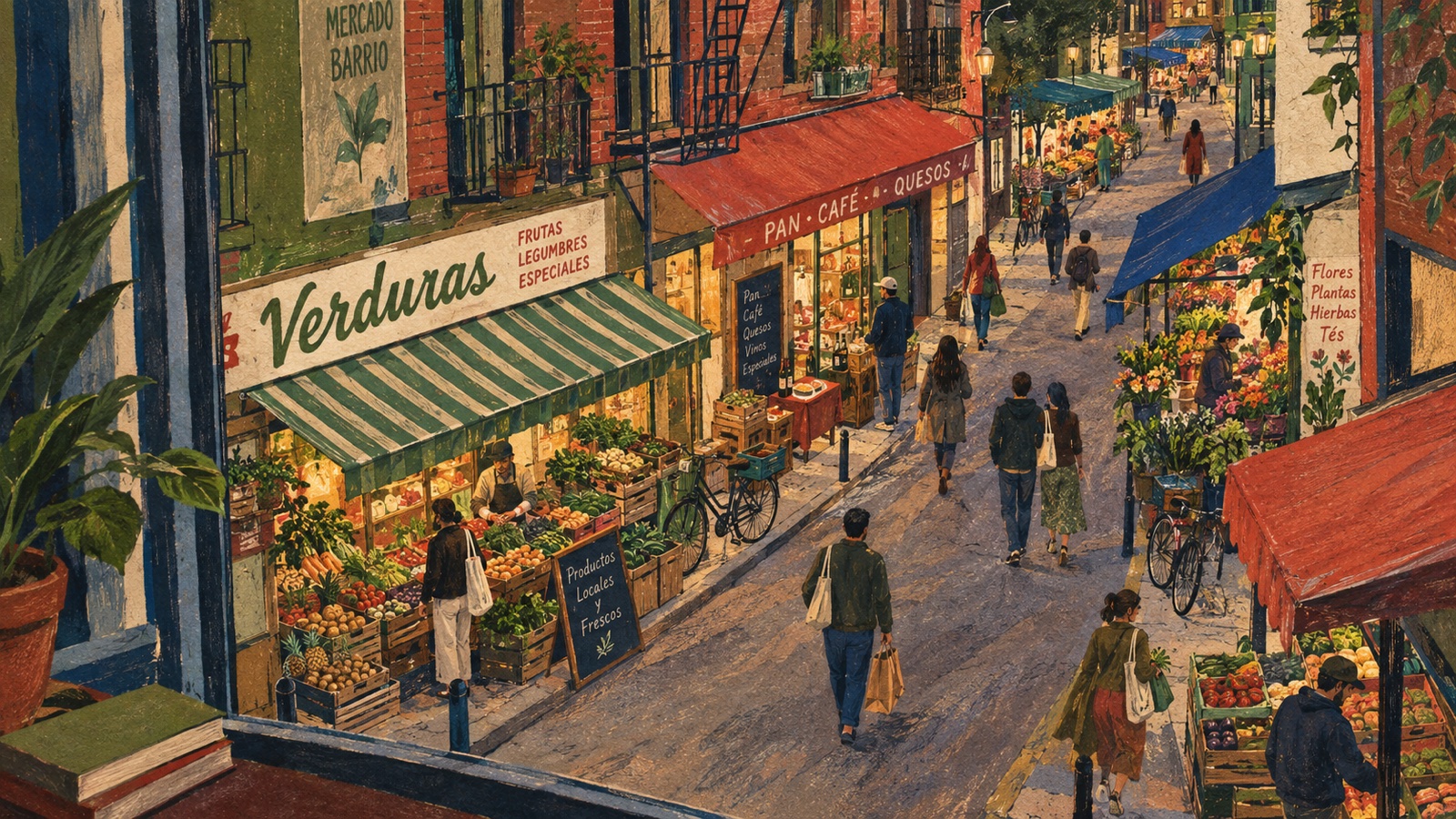
What it is, when it works, who it is for, and where it already exists.
Record 028-IL - when it works, who it is for, what it looks like
Where this aesthetic shows up in the real world · ↗ opens the source site
Where Illustration came from, what makes it recognisable, and the fingerprint it leaves.
Historical; contemporary expression ongoing · Global; developed across print, publishing, and advertising traditions
Illustration as a professional practice developed alongside the mass printing industry in the 19th century: the illustrated newspaper, the magazine, the lithographed poster, and the children's book all required artists who could make images that communicated complex ideas, told stories, and entertained at a glance. The golden age of American illustration (1880s–1950s) produced the illustrators who defined visual storytelling for a pre-television culture: Howard Pyle, N.C. Wyeth, Maxfield Parrish, Norman Rockwell, and J.C. Leyendecker created images that mixed realism with compositional artifice to a degree that painting rarely attempted.
The invention of photography and the rise of television reduced illustration's role in documentary and news contexts but expanded its expressive range in editorial, book, poster, and commercial design. The 1960s–1970s saw a revolution in editorial illustration: Push Pin Studios (Milton Glaser, Seymour Chwast) developed a style that combined historical pastiche with psychedelic color and graphic invention. The Everett Peck era of paperback cover art, the record album sleeve, and underground comix (R. Crumb) established illustration as a medium for adult, sophisticated, sometimes transgressive expression.
Contemporary illustration encompasses such a range of styles and approaches that any single description fails. The major contemporary currents include: editorial illustration for magazines and newspapers (political cartoons, conceptual spot illustrations), children's book illustration, commercial character design, independent comics (graphic novels, zines), fashion illustration, and the emerging field of digital illustration for apps, games, and social media.
“The line between the hand and the idea, visible in every stroke.
The visual DNA: what makes it recognisable
8-channel console with the fingerprint on its display. Save the card, or share the page

4 color interpretations of this aesthetic
The colour of the styles sitting closest to this one
How to shoot it, how to prompt it, and how to board it.
How to shoot this aesthetic
"The illustrator's world: ink, imagination, and the particular beauty of a drawing in progress"
Shot list
Lighting
Warm practical lamp light (3000K) from a drafting lamp to one side, with daylight from a north-facing window providing fill the classic illustrator's studio light, balanced for true color
Drop this into Studio to generate in this aesthetic
Editorial illustration with confident linework and considered composition, mixed-media or digital-painting technique, conceptual visual metaphor communicating an idea at a glance, magazine and book-cover illustration tradition, expressive color mood suited to the story being told
The record applied to your project. The record's kit is free; your brand, references and plates come with membership
01 · Hero application02 · Material and finish03 · Palette in context04 · Photography directionWhether to use it, what it costs to do properly, and where it stands right now.
Two written calls, seven meters, and when to walk away
Consistency across a set is harder than any single image. One great illustration proves nothing if the next twelve do not share its line weight and colour logic, and a brand needs the set. Write a short rule sheet before the second drawing. The hand is the product, so anything that could have been stock is budget wasted.
Hire the hand, not the style. What holds value is a personal mark a client is buying because it is that person's; generic competence is the part that got commoditised first and hardest. Expect contractual language about training data, and expect illustrators to be asked to prove authorship, which is a reversal of the entire professional relationship.
A tablet or paper. No location or crew needed.
A crowded field. A distinct hand is what actually sells it.
Consistent line quality across a whole project is the hard part.
A generic, characterless style just blends into the noise.
One of the most reached-for tools in commercial design.
Illustration styles cycle, but the medium itself never dates out.
A consistent hand across a project, not much more.
A Pro feature: origins, practitioners, and pitfalls
Neighbours, cross-references, blends, and the questions people ask.
Connected across the creative knowledge graph
Where it stands now, and what it costs you to use it
Illustration is the discipline hit hardest and earliest by generated imagery, and the field's response has been organised: licensing fights, opt-out campaigns and a lot of contractual language about training data.
Illustrators are now routinely asked to prove authorship, which is a reversal of the entire professional relationship.
What has held value is a personal hand that a client is buying specifically because it is that person's. Generic competence is the part that got commoditised.
Mix Illustration with any style in the library
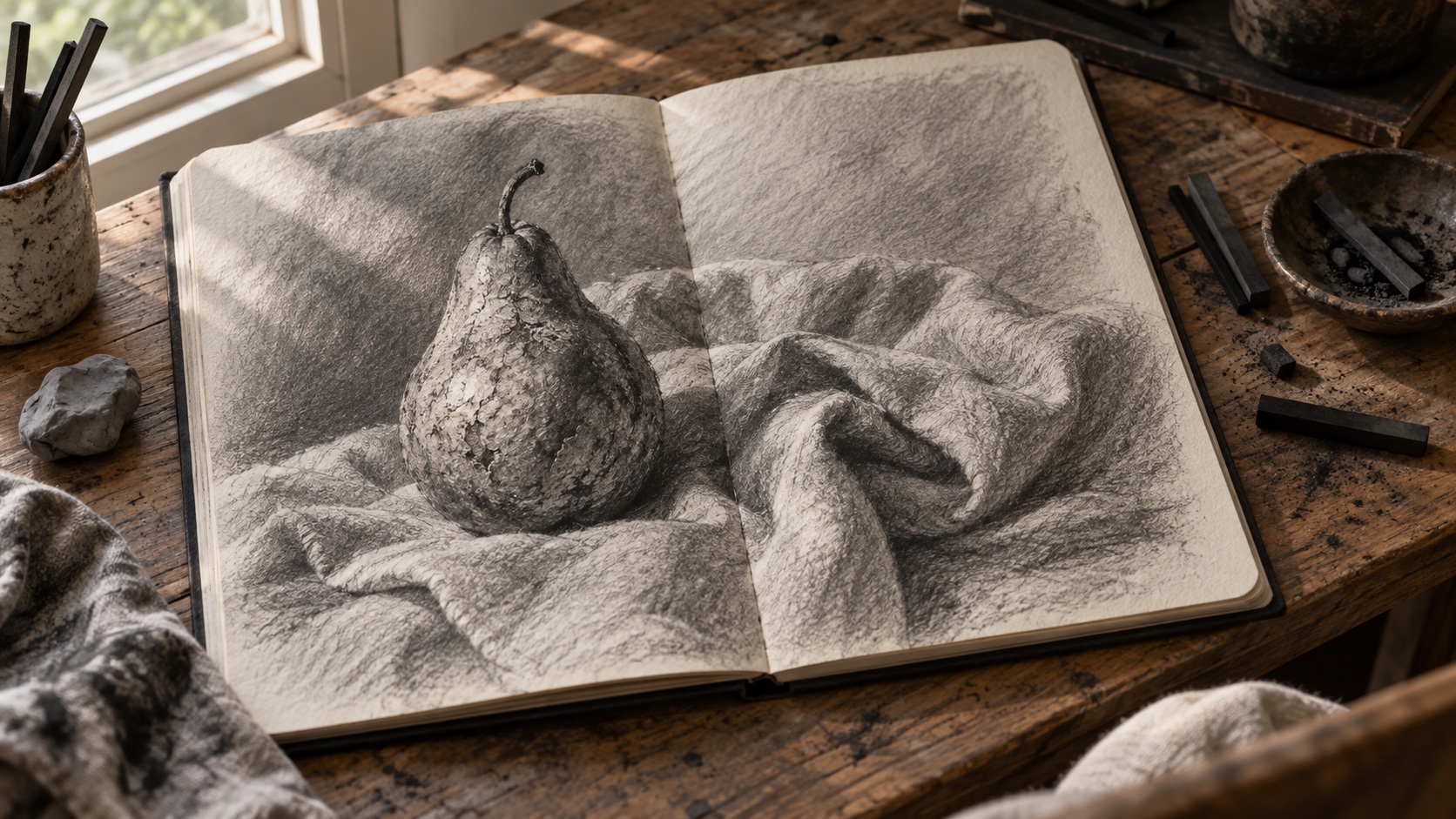 Illustration 50%Drawing / Sketch 50%
Merged palette
#1A1208
#1C1C1C
#C84B1A
#3A3A3A
#4A7A3E
Leads analog, expressive, nostalgic
Typography · from Illustration
Raleway over Merriweather
Materials
The calls this blend forces
These two disagree on one thing, and a blend cannot average them: you pick a side. At this mix:
Digital or Analog? Illustration is digital, Drawing / Sketch is analog. This mix lands analog.
Use it
Editorial illustration with confident linework and considered composition, mixed-media or digital-painting technique, conceptual visual metaphor communicating an idea at a glance, magazine and book-cover illustration tradition, expressive color mood suited to the story being told (50%), infused with Fine art drawing with expressive graphite or charcoal linework, visible construction lines and cross-hatching for shading, sketchbook immediacy and gestural confidence, tonal range from paper-white to deep charcoal, hand-drawn observational-study quality, color palette strictly #1A1208 #1C1C1C #C84B1A #3A3A3A #4A7A3E, leaning digital over analog, overall character: analog, expressive, nostalgic
Illustration as an aesthetic is defined by the visible evidence of hand and decision: marks that reveal how the image was made, proportions that serve clarity and expression over accuracy, and the specific visual vocabulary of each illustrator's practice. Unlike photography, illustration shows the gap between the world and the image-maker's interpretation of it.
Illustration is commissioned image-making that serves a text, product, or communication purpose: it exists to support something else. Fine art is self-directed image-making that proposes its own meaning. In practice, the boundary is permeable: many fine artists make illustration, many illustrators produce gallery work. The distinction is functional (illustration has a client and a brief) more than aesthetic.
Currently prominent illustration styles: abstract editorial illustration with limited geometric palettes; character design with 1990s cartoon revival aesthetics; risograph-print inspired limited-palette illustration; hand-drawn texture in digital contexts; and hyper-detailed maximalist illustration with hidden details and visual rewards for close looking.
Every style in the library is broken down like this one: the palette, the typography, the materials and the lineage.
Explore the style library →