When to use it
- Dance music releases
- Romantic nightlife branding
- European club aesthetics
- Retro fashion campaigns
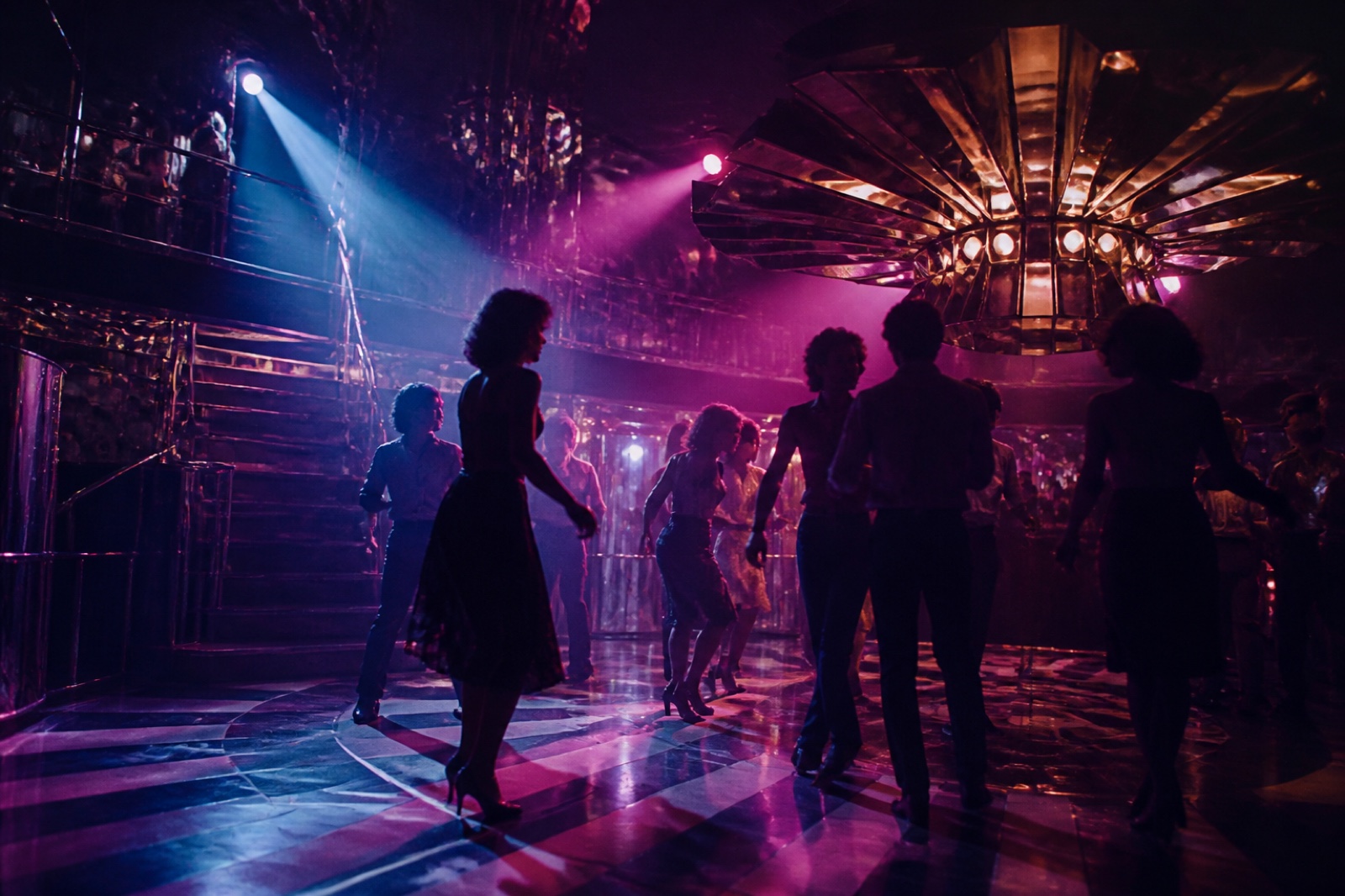
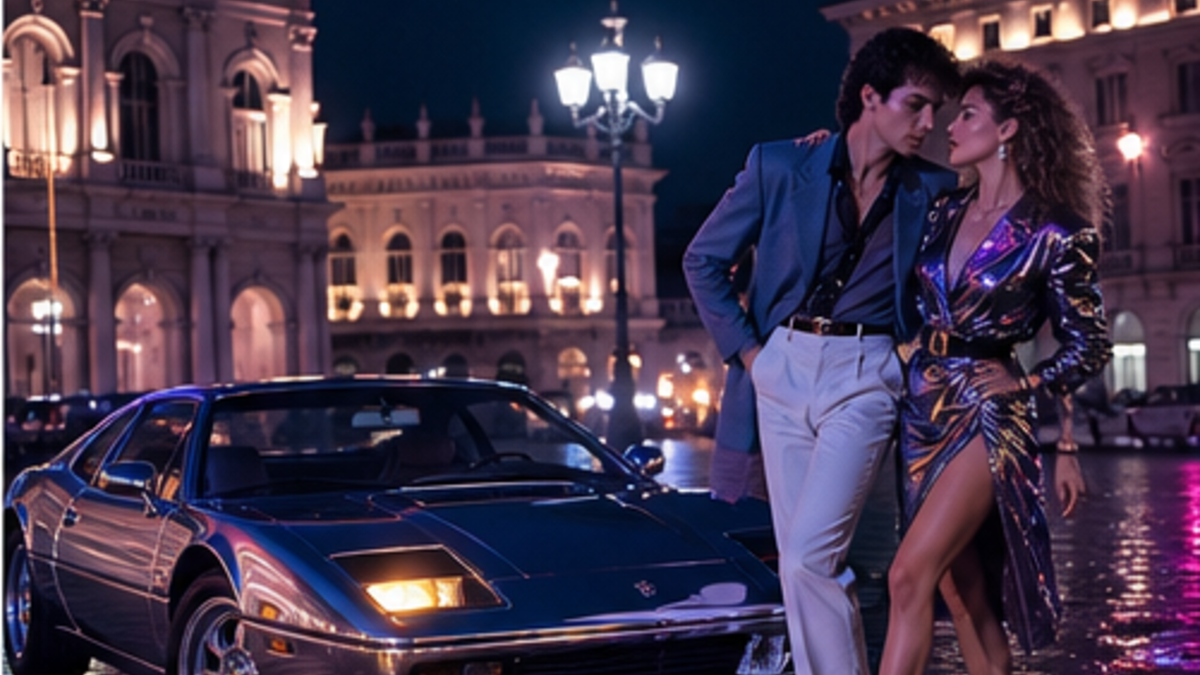
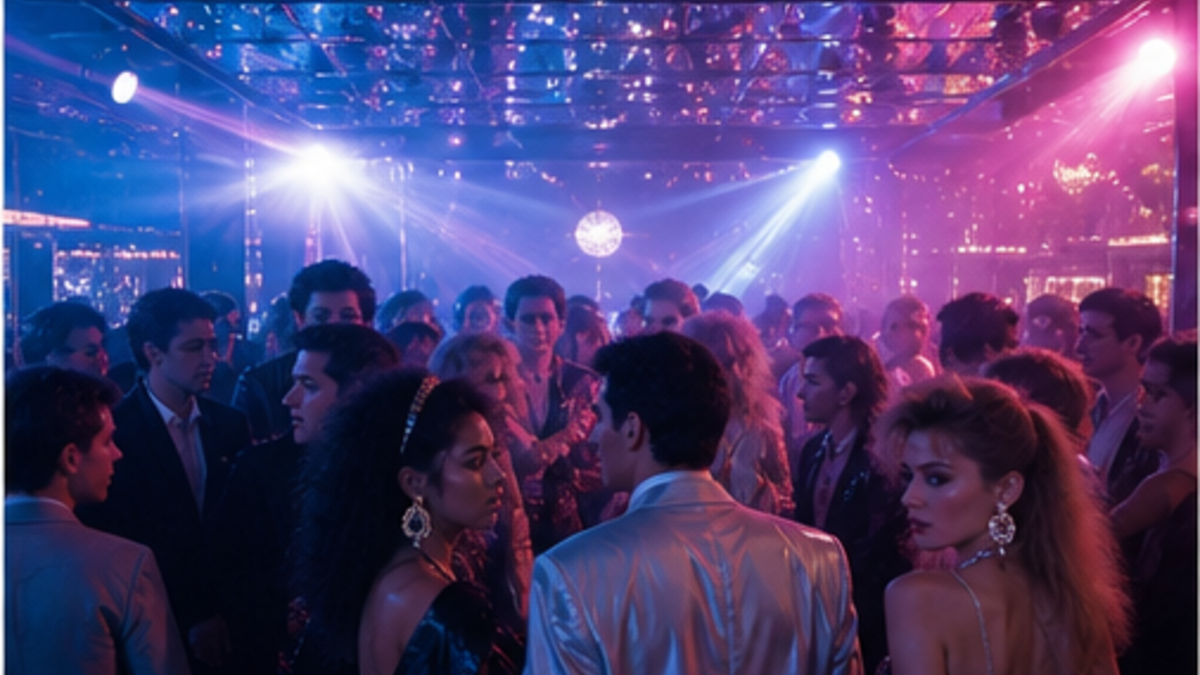
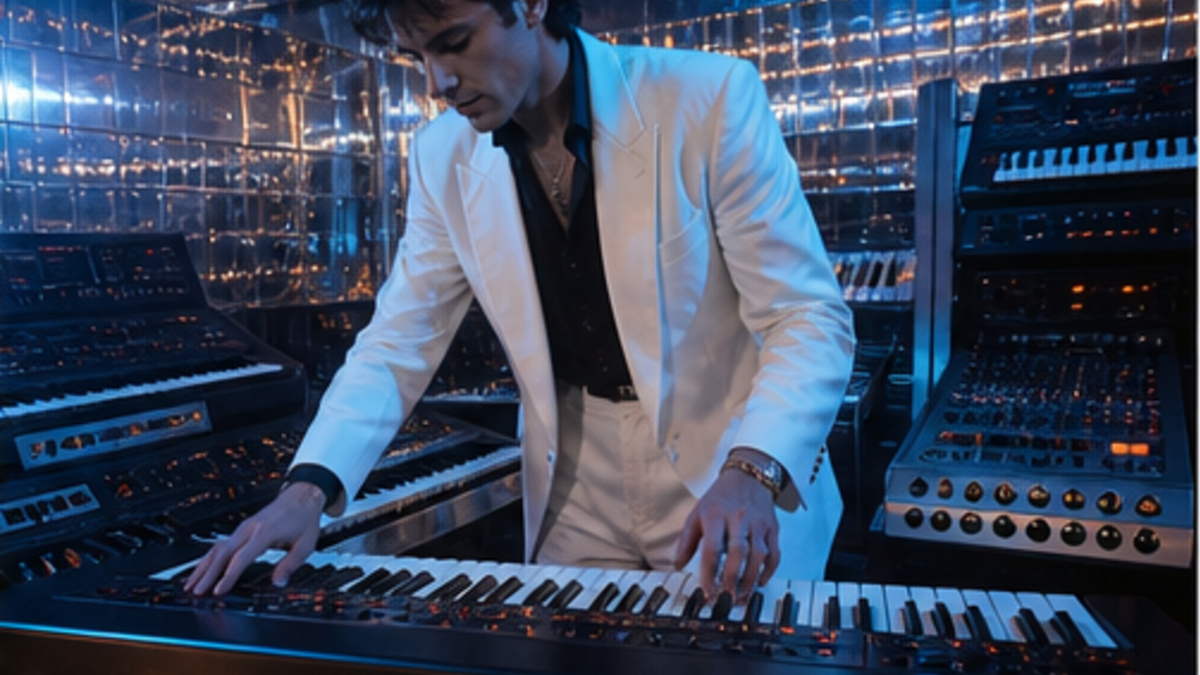
European club glamour with airbrushed romance and chrome accents
What it is, when it works, who it is for, and where it already exists.
Record 028-ID - when it works, who it is for, what it looks like
Where this aesthetic shows up in the real world · ↗ opens the source site
Where Italo Disco came from, what makes it recognisable, and the fingerprint it leaves.
1977–1987 · Italy, Germany, and continental Europe; Eurodisco electronic music
Italo Disco emerged from continental European electronic music production in the late 1970s and early 1980s, combining American disco's rhythm with synthesizer technology (Roland Jupiter-8, Sequential Circuits Prophet-5) and a distinctively European melancholic sensibility. Italian producers like Giorgio Moroder and German acts like Modern Talking led the genre.
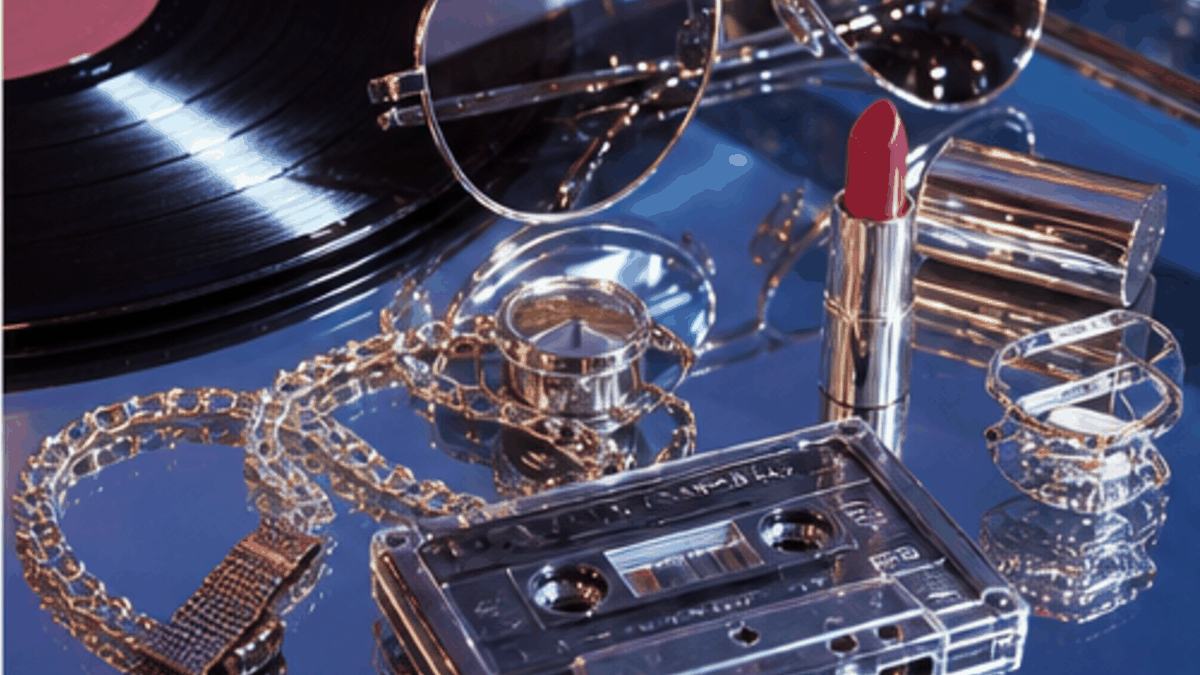
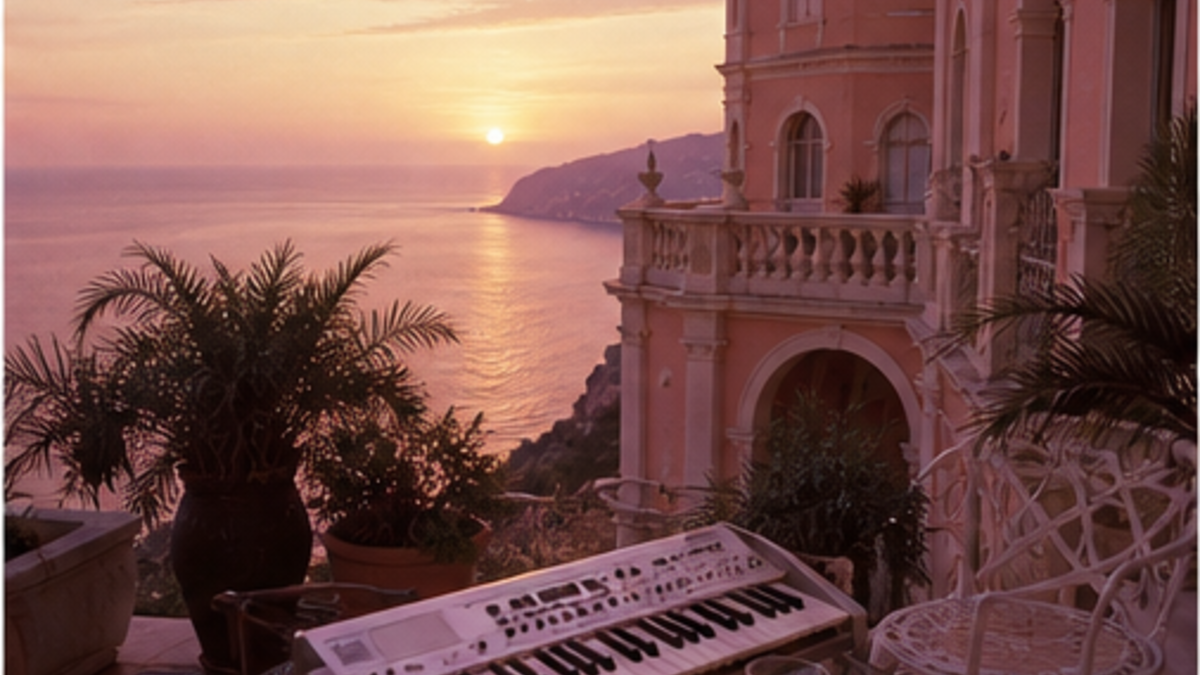
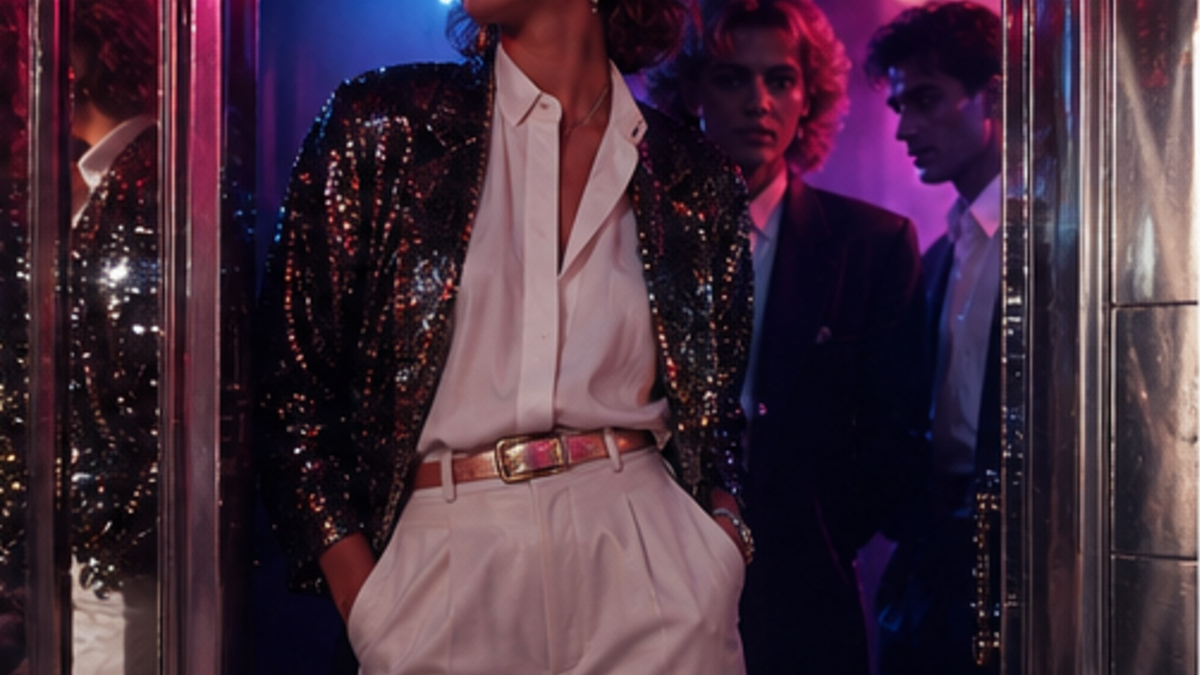
The visual culture was formed by album covers and early music video production, drawing from glossy European fashion magazines, the chrome-and-mirror aesthetic of 1980s nightclubs, and Mediterranean landscape settings that differentiated it from American electronic music's urban imagery.
The Italo Disco revival of the 2010s came through artists like Chromatics and Glass Candy, and the aesthetic became a touchstone for European-flavored night-time cool: warmer and more melancholic than synthwave's American neon darkness.
“The European disco that added minor key sadness to the four-on-the-floor beat.
The visual DNA: what makes it recognisable
8-channel console with the fingerprint on its display. Save the card, or share the page
4 color interpretations of this aesthetic
The colour of the styles sitting closest to this one
How to shoot it, how to prompt it, and how to board it.
How to shoot this aesthetic
"A European summer that never ended: chrome, romance, and the dance floor at 2am"
Shot list
Lighting
Warm gel (1/4 CTO to full CTO) on a large key source; add a practical light behind the subject for separation and a specular highlight that reads as club ambience
Drop this into Studio to generate in this aesthetic
Italo Disco aesthetic with retro-futuristic synthesizer album art, chrome and airbrushed spaceship imagery, 1980s European dance-music cover design, glossy gradient skies, romantic sci-fi nostalgia
The record applied to your project. The record's kit is free; your brand, references and plates come with membership
01 · Hero application02 · Material and finish03 · Palette in context04 · Photography directionWhether to use it, what it costs to do properly, and where it stands right now.
Two written calls, seven meters, and when to walk away
The reference is narrow enough that errors are obvious. Airbrush gradients, chrome serifs and that specific 1983 magenta are a documented vocabulary, and mixing in a later look breaks it instantly. Study actual sleeve art rather than other people's revivals. Period accuracy is the craft here, because everyone who cares about this music can date a typeface by eye.
Right for small, knowing music and nightlife work where the budget showing is part of the charm. It was made cheaply and quickly in European studios and the sleeves were designed in an afternoon. Cleaning it up removes it. Wrong anywhere polish is required, because the appeal is that nobody involved was precious about it.
Mostly digital illustration and type. Low physical cost.
A specific enough reference that lazy versions are obvious.
Airbrush gradients and chrome type are learnable, not rare.
Generic 'retro glam' misses the specific European reference entirely.
A niche reference compared to more mainstream 80s revivals.
Riding the same nostalgia cycle as its more famous cousins.
A small, consistent set of digital assets is enough.
A Pro feature: origins, practitioners, and pitfalls
Neighbours, cross-references, blends, and the questions people ask.
Connected across the creative knowledge graph
Where it stands now, and what it costs you to use it
Italo disco was a European studio phenomenon of the early 1980s, made cheaply and quickly, and its visual identity came from record sleeves that were designed in an afternoon.
The scene's revival is small, knowing and allergic to polish, because the charm is specifically the budget and the slightly wrong English.
Cleaning it up removes it. The appeal is that it was made fast by people who were not precious about it.
Mix Italo Disco with any style in the library
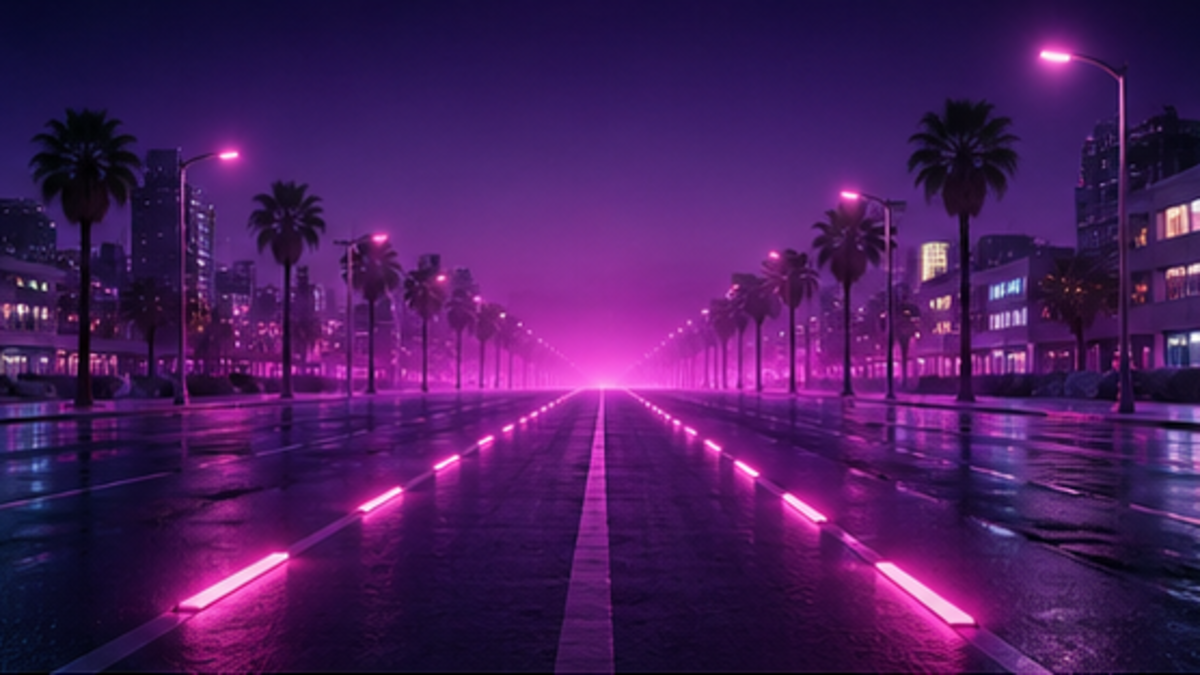 Italo Disco 50%Synthwave 50%
Merged palette
#1A0A2E
#0D0221
#8B00FF
#FF3399
#00CCFF
Leads expressive, nostalgic, warm
Typography · from Italo Disco
Orbitron over Space Grotesk
Materials
Use it
Italo Disco aesthetic with retro-futuristic synthesizer album art, chrome and airbrushed spaceship imagery, 1980s European dance-music cover design, glossy gradient skies, romantic sci-fi nostalgia (50%), infused with Synthwave aesthetic with retro-futuristic 1980s digital sunset, Kavinsky and Outrun album-art lineage, glowing neon color intensity against deep night sky, color palette strictly #1A0A2E #0D0221 #8B00FF #FF3399 #00CCFF, overall character: expressive, nostalgic, warm
Italo Disco is a genre of European electronic dance music from 1977–1987 produced primarily in Italy and Germany, combining American disco rhythms with synthesizer-driven production and a distinctively European melodic melancholy. Key artists: Giorgio Moroder, Modern Talking, Koto, Fancy. Visual aesthetic: chrome, Mediterranean landscapes, evening wear, and sunset gradients.
Both draw from 1980s electronic culture, but differently. Synthwave references American 1980s: dark, urban, Blade Runner, neon. Italo Disco is more specifically European: Mediterranean settings, formal fashion, melodic melancholy, album cover aesthetics from continental record production. Synthwave is cinematic; Italo Disco is more musical and warmer in palette.
Italo Disco palette: sunset warmth (pink #E8607A, coral #E87050, amber #D4901A) against cool night (deep blue #001A4D, midnight #0A0A1A), with chrome silver (#C8C8C8) and Mediterranean gold (#C9A84C). Warmer and more golden than synthwave's blue-dominant neon darkness.
Every style in the library is broken down like this one: the palette, the typography, the materials and the lineage.
Explore the style library →