When to use it
- 90s nostalgia campaigns
- Underground club culture
- Indie music visuals
- Moody fashion editorial
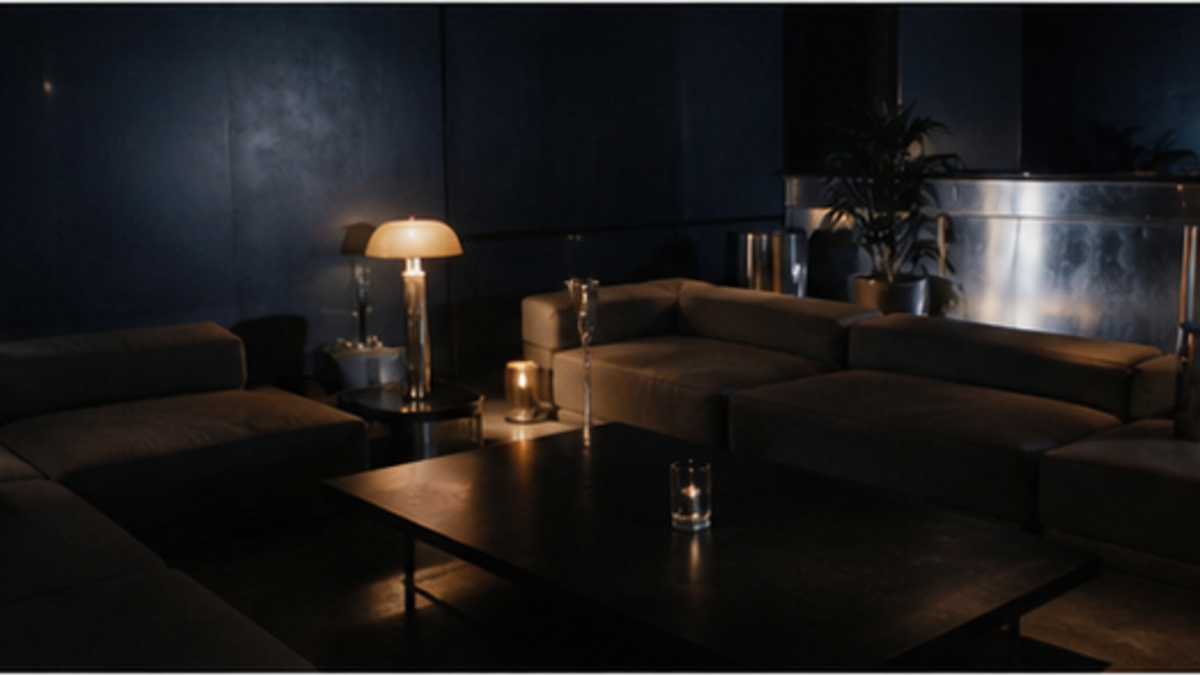
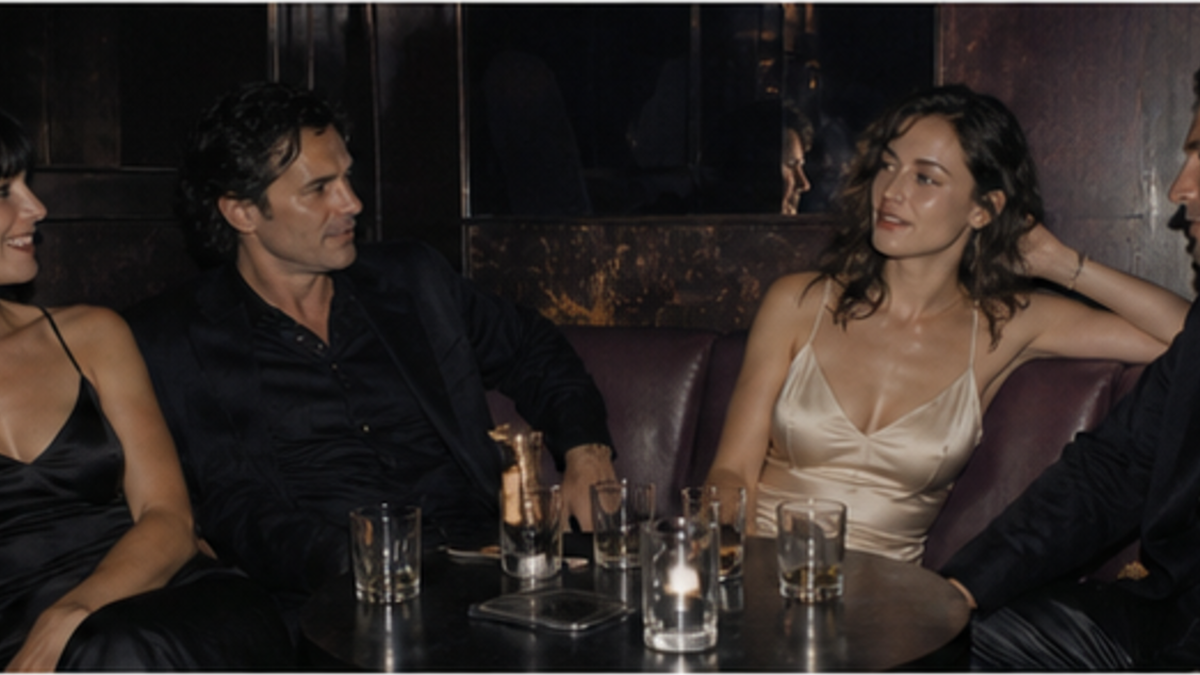
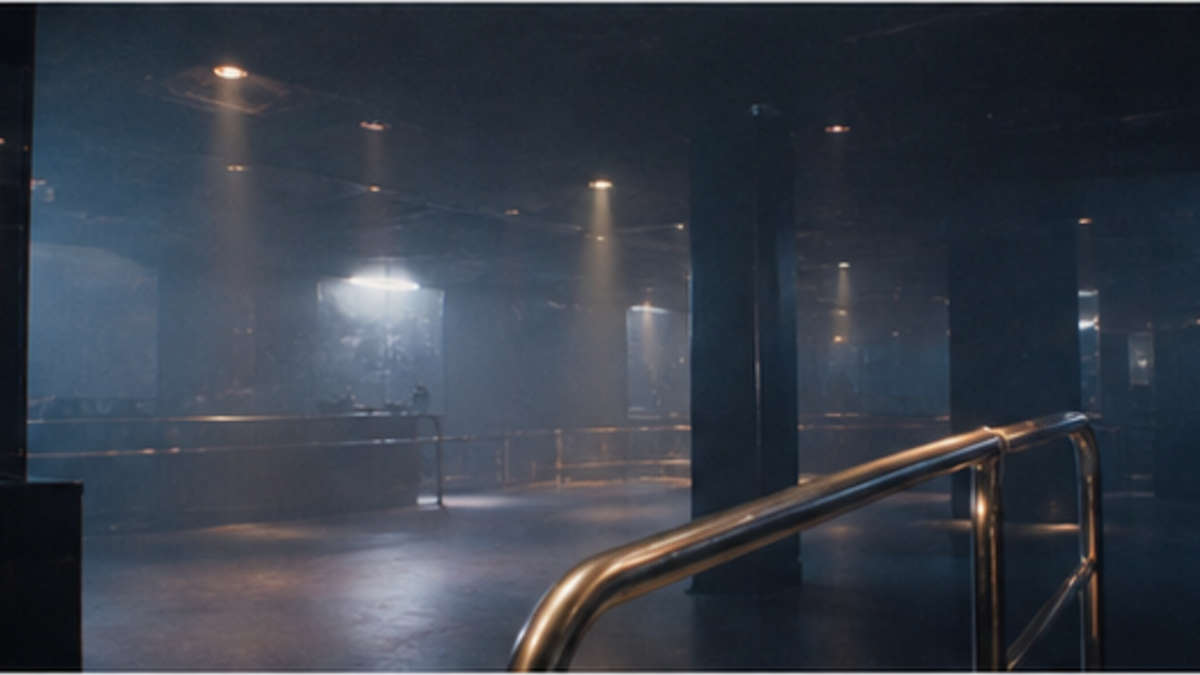
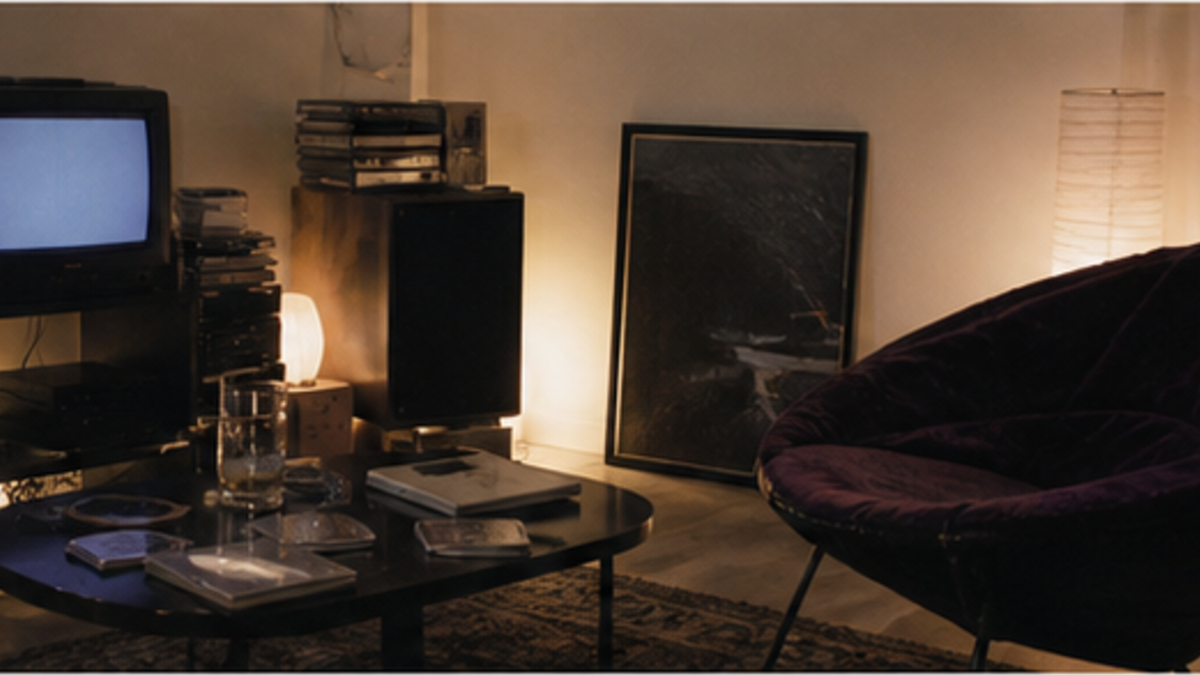
Late-night 90s club vibes with soft focus, purple haze, and understated cool
What it is, when it works, who it is for, and where it already exists.
Record 026-GX - when it works, who it is for, what it looks like
Where this aesthetic shows up in the real world · ↗ opens the source site
Where Gen-X Soft Club came from, what makes it recognisable, and the fingerprint it leaves.
1990–1999 · NYC, Chicago, London underground club scenes; art gallery and film culture
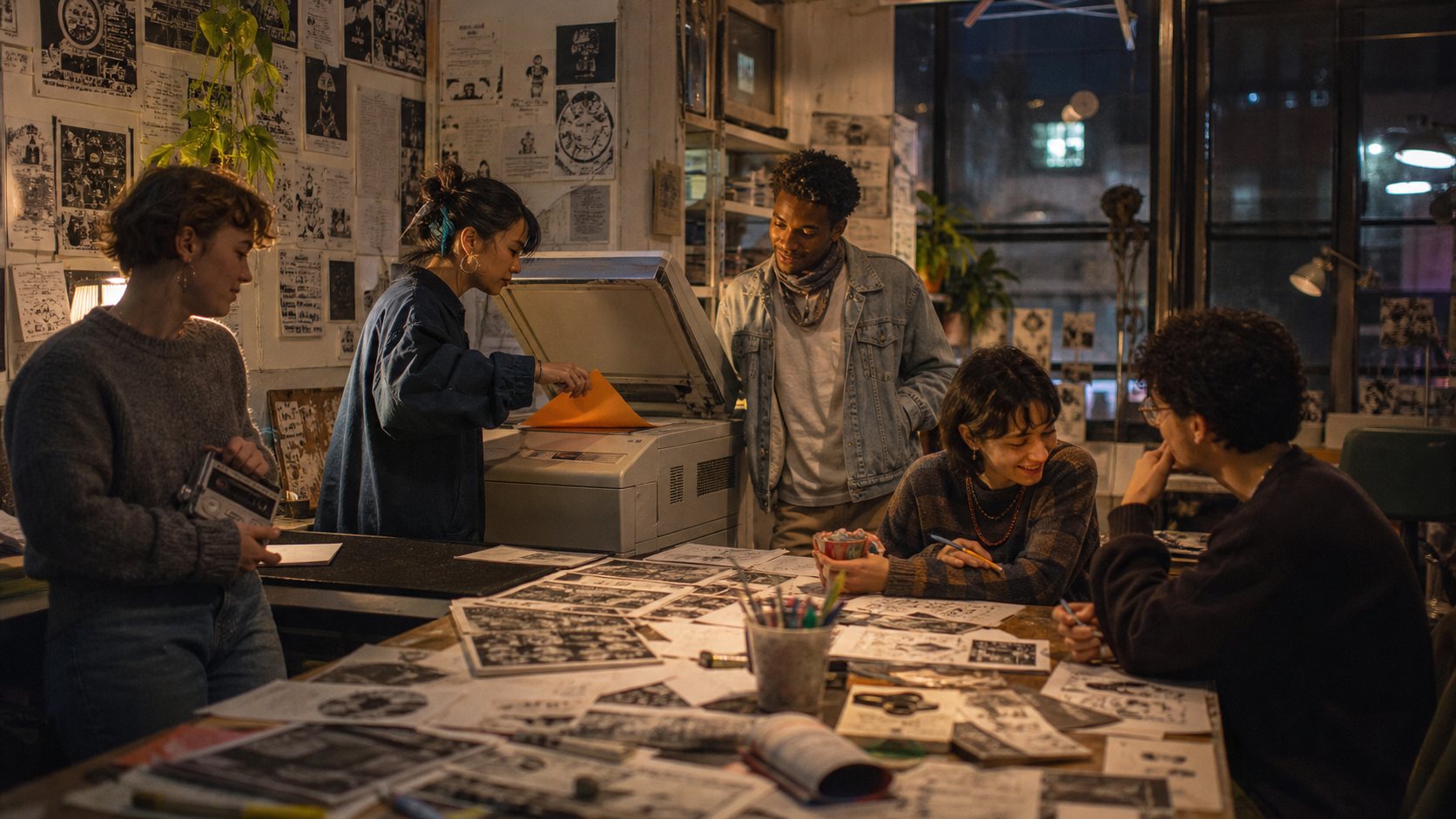
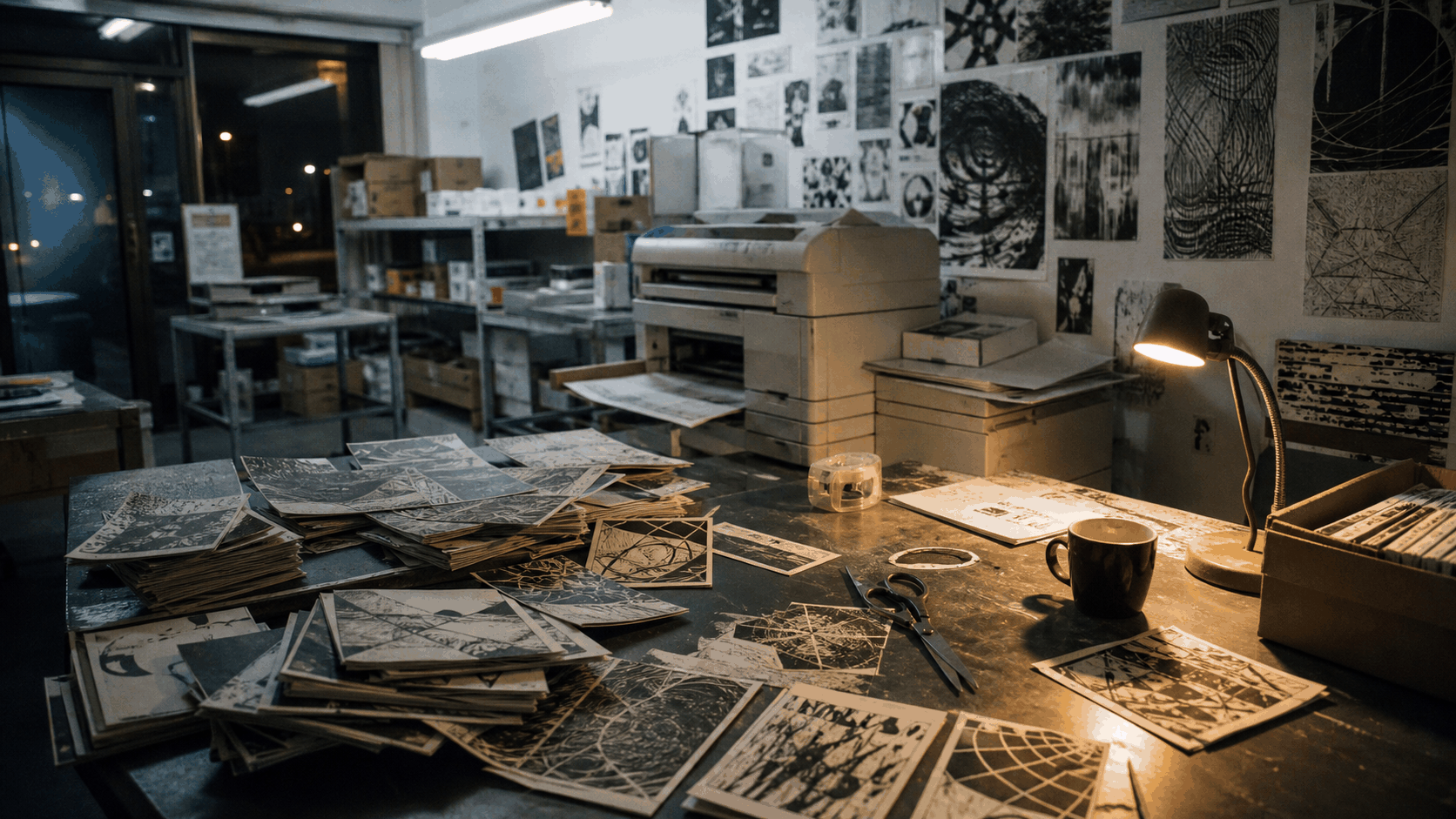
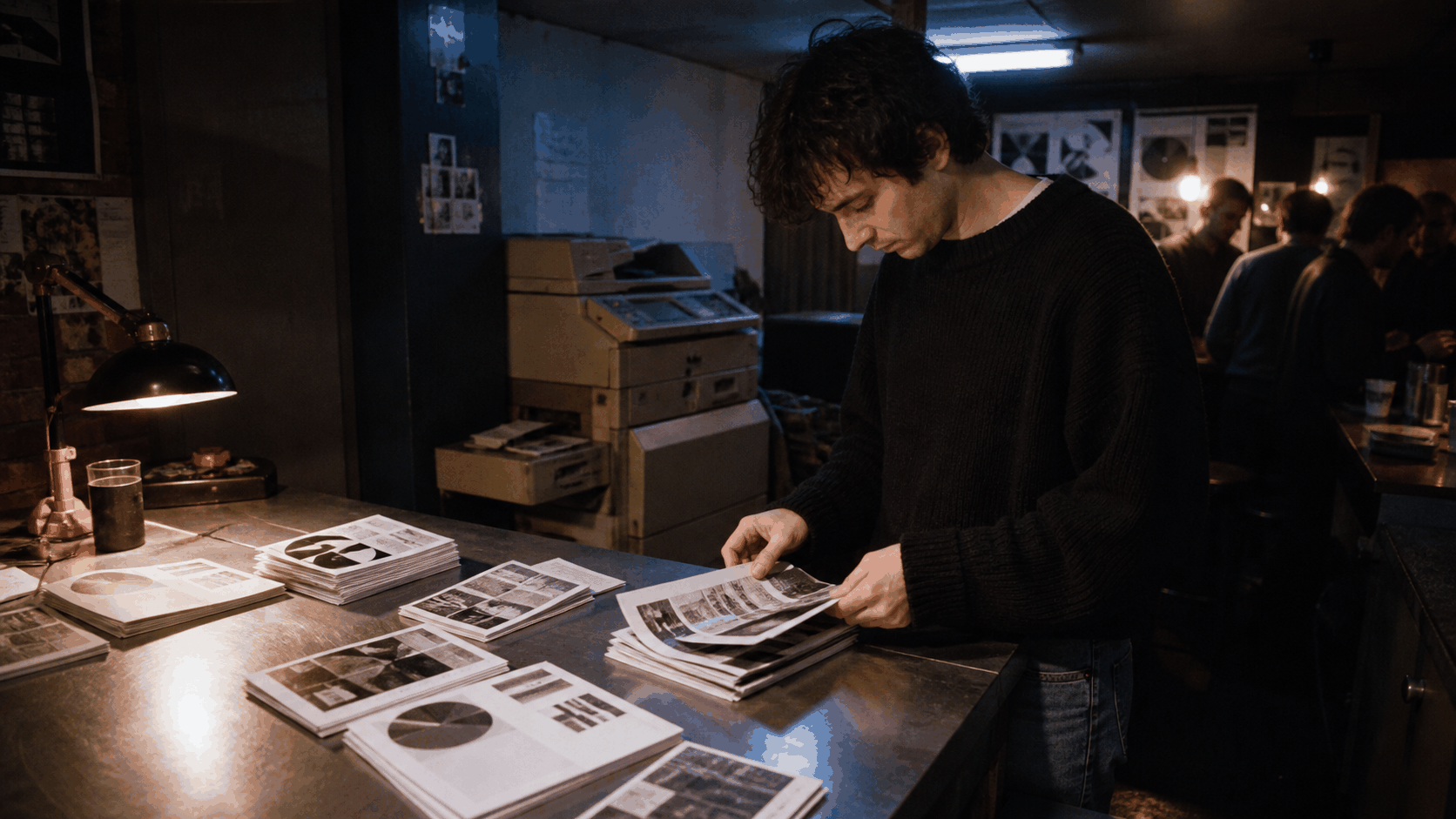
Gen X soft club describes the visual aesthetic of 1990s underground arts, music, and club culture before the internet homogenized creative production: Kinko's-printed flyers, photocopied zines, and the slightly oversaturated photography of cheap 35mm point-and-shoots. The palette is defined by low-lit interiors, cigarette smoke, and the muted, atmospheric colors of places that exist primarily at night.
The references include: Aphex Twin and Warp Records cover art, early Vice magazine (when it was Montreal free zine culture), Harmony Korine film stills, Sofia Coppola's Lost in Translation visual sensibility, and the design of independent bookstores and video rental shops. The connecting thread is an aesthetic of nonchalance: nothing is trying to impress you.
Gen X soft club functions as an antidote to the maximalism and high-saturation of contemporary social-media aesthetics. In contemporary design it appears in premium lifestyle brands that want to signal quiet luxury (as opposed to loud luxury), independent restaurant and bar identities, and music branding for artists who position themselves against algorithmic pop culture.
“The aesthetic of being the smartest person in a room where nobody's trying too hard.
The visual DNA: what makes it recognisable
8-channel console with the fingerprint on its display. Save the card, or share the page

3 color interpretations of this aesthetic
The colour of the styles sitting closest to this one
How to shoot it, how to prompt it, and how to board it.
How to shoot this aesthetic
"Purple haze and overheard conversations: the late-night 90s club where cool was an unspoken agreement"
Shot list
Lighting
One bare tungsten bulb behind the subject at about 3000K, then a blue or purple gel from the front so cold light and warm backlight compete the subject is caught between the two
Drop this into Studio to generate in this aesthetic
Gen-X soft club aesthetic with muted lo-fi lounge atmosphere, hazy analog film grain, understated 90s minimalist rave ephemera, soft desaturated color mood, nostalgic downtempo visual calm
The record applied to your project. The record's kit is free; your brand, references and plates come with membership
01 · Hero application02 · Material and finish03 · Palette in context04 · Photography directionWhether to use it, what it costs to do properly, and where it stands right now.
Two written calls, seven meters, and when to walk away
The nostalgia is specific and gets faked badly. Soft focus, warm grain and 1990s club lighting came from real film stock and real haze, and a digital blur applied afterwards reads as a filter every time. Light it in camera with practical haze. Period-correct wardrobe and hardware do more for the illusion than any amount of grade.
Use it for the transitional years, roughly late 1990s into early 2000s, when digital was arriving but everything was still physical: the CD-ROM, the frosted plastic, the soft-focus stock photo. What the audience is actually reaching for is the absence of social media. It is under-mined compared to the decades either side, which is the opportunity.
Mostly post-production color and grain work.
Mood-driven. Needs a real subject, not just a filter.
Soft focus and color grading are learnable, repeatable skills.
A filter without a real subject is just a mood with nothing behind it.
A niche nostalgia reference, not widely used yet.
Part of the current 90s nostalgia wave.
Post-production work only.
A Pro feature: origins, practitioners, and pitfalls
Neighbours, cross-references, blends, and the questions people ask.
Connected across the creative knowledge graph
Where it stands now, and what it costs you to use it
This is nostalgia for the transitional years, roughly the late 1990s into the early 2000s, when digital was arriving but everything was still physical: the CD-ROM, the frosted plastic, the soft-focus stock photo.
The mood is specifically pre-social-media, and that absence is what the audience is actually reaching for.
It works because it is under-mined compared to the decades either side. Most retro attention has gone to the 1980s and to Y2K, leaving this window relatively fresh.
Mix Gen-X Soft Club with any style in the library
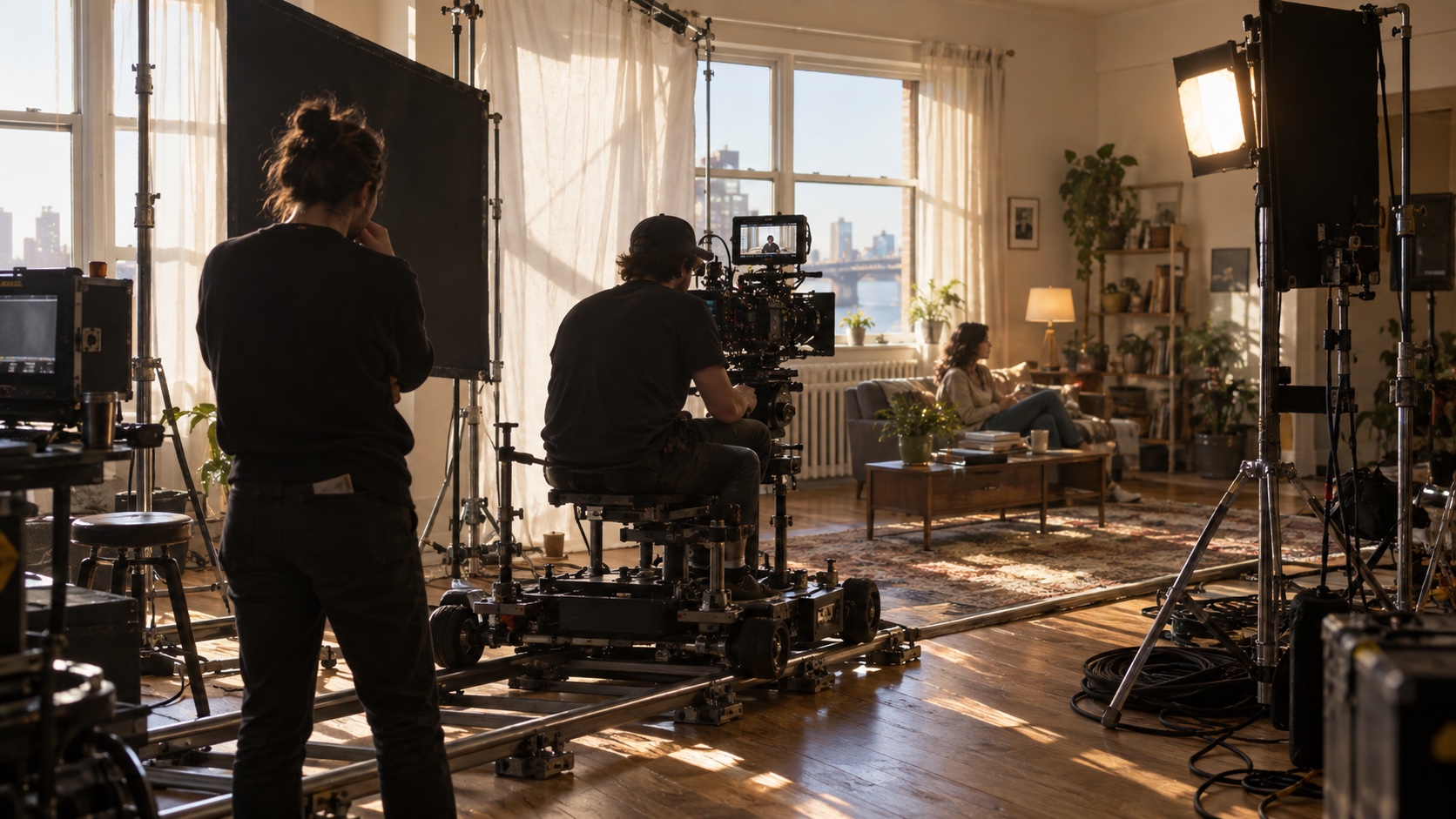 Gen-X Soft Club 50%Cinematography 50%
Merged palette
#1A0A1A
#0A0A0A
#4A1A4A
#8B0060
#4A3728
Leads nostalgic, dark, expressive
Typography · from Gen-X Soft Club
Playfair Display over Crimson Text
Materials
Use it
Gen-X soft club aesthetic with muted lo-fi lounge atmosphere, hazy analog film grain, understated 90s minimalist rave ephemera, soft desaturated color mood, nostalgic downtempo visual calm (50%), infused with Cinematic composition with anamorphic lens character and shallow depth of field, deliberate color grading for mood, wide aspect-ratio framing, dramatic three-point lighting setup, film-still narrative tension, color palette strictly #1A0A1A #0A0A0A #4A1A4A #8B0060 #4A3728, overall character: nostalgic, dark, expressive
Gen X soft club is the muted, atmospheric visual language of 1990s underground club, arts, and film culture: smoky blue (#4A6580), dusty rose (#C49090), warm grey (#9A9090), and cream (#F0ECDE) with grainy 35mm photography and understated typography. It references Warp Records design, early Vice magazine, and the visual culture of pre-internet underground scenes.
Gen X visual culture is characterized by studied nonchalance: nothing explicitly trying to be impressive. Film grain, muted color, low-contrast type, and a deliberately casual composition style. In contrast to Millennial maximalism and Gen Z's high-contrast irony, Gen X aesthetics are quieter, more atmospheric, and built for an audience that reads carefully rather than scrolls quickly.
Gen X soft club appears in premium restaurant and hospitality branding (muted, intimate, serious), art gallery and bookstore identities, and music artists who position against pop culture (Bon Iver, Phoebe Bridgers visual production). Fashion brands like A.P.C., Lemaire, and early Acne Studios operate in this aesthetic register. It's the visual language of quiet luxury and cultural credibility without hype.
Every style in the library is broken down like this one: the palette, the typography, the materials and the lineage.
Explore the style library →