When to use it
- Luxury hospitality branding
- Gatsby-era themed events
- Premium packaging
- Architectural restoration
1920s–30s geometric luxury with gold accents, sunburst motifs, and streamlined elegance
Part of the Luxury & Prestige mood, alongside Luxury Minimal and Dark Academia. Began in the 1920s, on the style timeline.
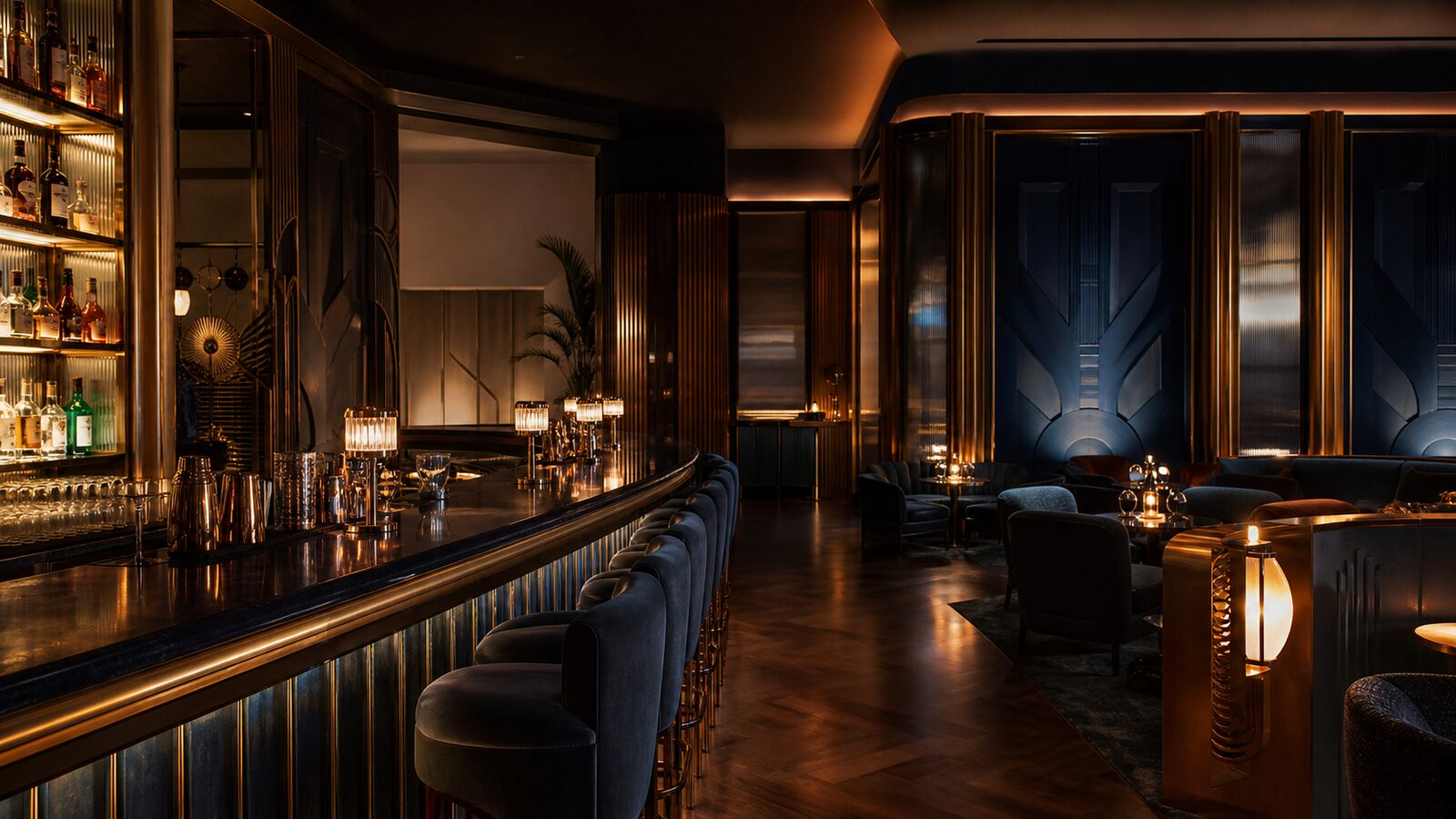
What it is, when it works, who it is for, and where it already exists.
Record 020-AD - when it works, who it is for, what it looks like
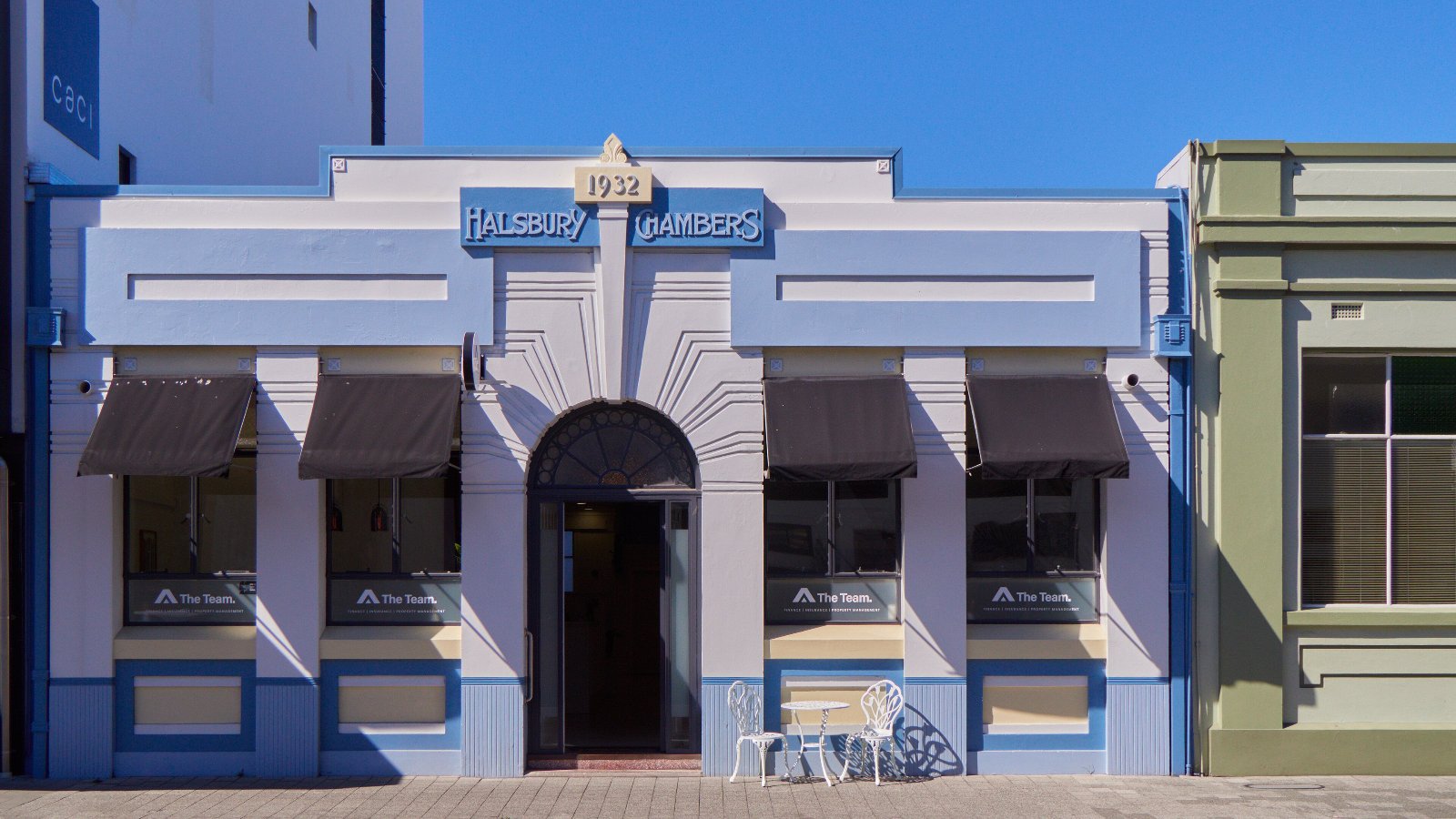
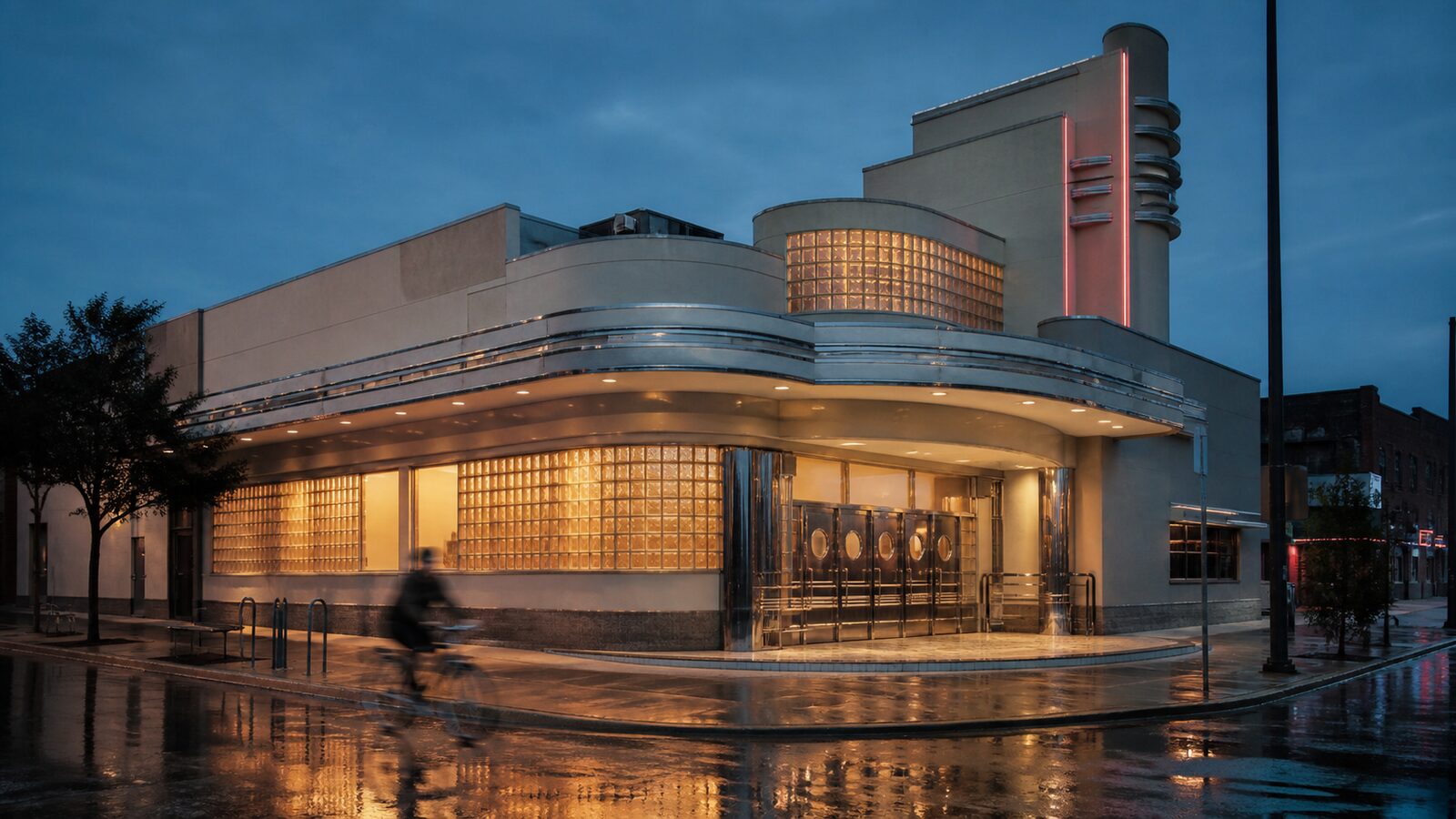
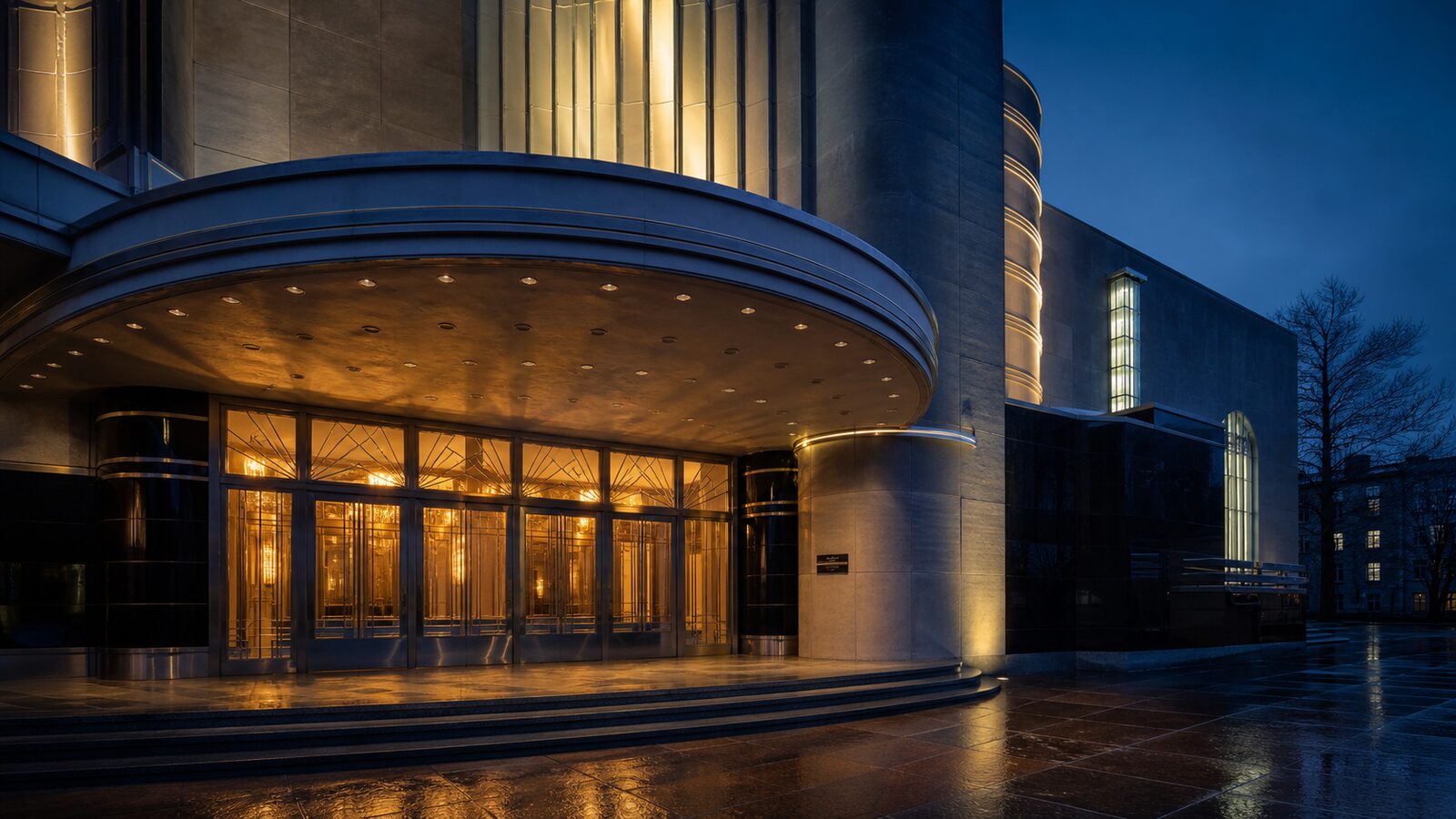
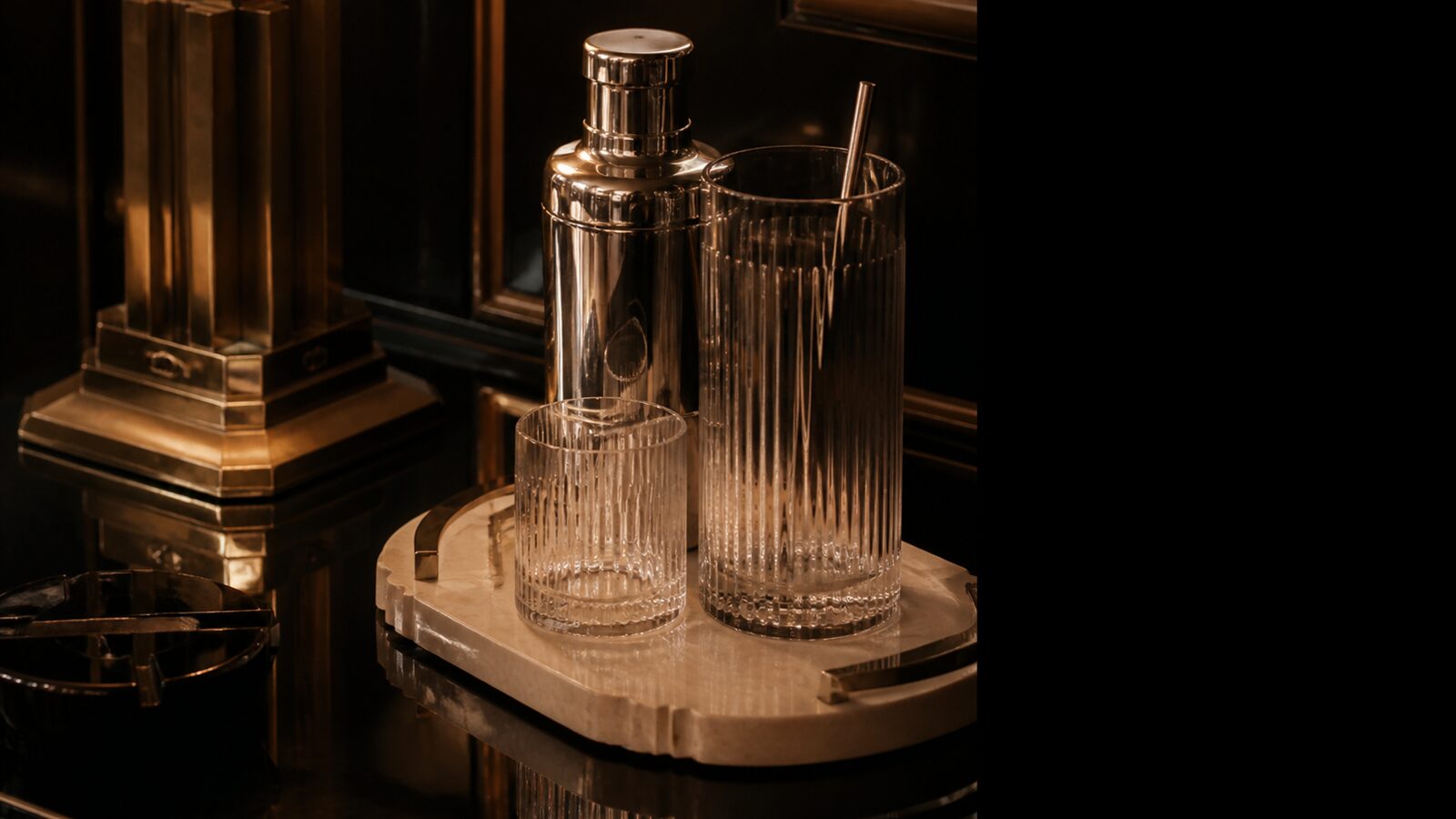
Where this aesthetic shows up in the real world · ↗ opens the source site
Where Art Deco came from, what makes it recognisable, and the fingerprint it leaves.
1925–1940 · Paris, France; spread globally to New York, London, Miami
Art Deco emerged from the 1925 Exposition Internationale des Arts Décoratifs et Industriels Modernes in Paris: the exhibition that gave the style its name. It was the first 'total design' movement in the modern sense: architecture, interiors, furniture, typography, fashion, and graphic arts unified under a single vocabulary of geometric ornament, streamlined form, and luxury materials. Where Art Nouveau (its predecessor) drew from natural curves and organic motifs, Art Deco celebrated the machine: the crisp angle, the perfect circle, the gleaming surface.
The style reached its American apex in the late 1920s and early 1930s through iconic buildings: the Chrysler Building's stainless steel eagles and gargoyles (1930), the Empire State Building's lobby (1931), Rockefeller Center (1933), and hundreds of movie palaces, hotels, and radio stations across the country. The Depression paradoxically deepened the style's grip: when actual luxury was unavailable, the glamorous image of luxury in films and architecture provided aspirational escape.
Miami Beach's Ocean Drive district (built 1930–1941) is the most intact Art Deco streetscape in the world, preserved by the Miami Design Preservation League from 1976 onward. Contemporary revivals appear in luxury branding, jewelry packaging, high-end hotel design, and any context where 'Jazz Age glamour' is the emotional target.
“Luxury as a geometric argument, gold as structural logic.
The visual DNA: what makes it recognisable
8-channel console with the fingerprint on its display. Save the card, or share the page

4 color interpretations of this aesthetic
The colour of the styles sitting closest to this one
How to shoot it, how to prompt it, and how to board it.
How to shoot this aesthetic
"Geometric luxury at its most confident: gold, black, and the absolute certainty of good taste"
Shot list
Lighting
Strong, directional key light from 45 degrees with a hard-edged shadow referencing the dramatic lighting of 1930s Hollywood glamour portraiture, which was Art Deco's photographic language
Drop this into Studio to generate in this aesthetic
Art Deco aesthetic with geometric luxury, stepped zigzag forms, gilded ornamentation, sunburst motifs, 1920s glamour
The record applied to your project. The record's kit is free; your brand, references and plates come with membership
01 · Hero application02 · Material and finish03 · Palette in context04 · Photography directionWhether to use it, what it costs to do properly, and where it stands right now.
Two written calls, seven meters, and when to walk away
The geometry has to be constructed, not sketched. Deco ornament is built from compass and straightedge, and freehand approximations read as wrong without anyone being able to say why, so build the motifs from real arcs and angles. Keep symmetry exact. Metallics need a gradient with a hard turn, because a flat gold fill has none of the material's character.
Deco is the safest historical style to use commercially, because the public never stopped liking it and it survives cheap execution better than most. Right for hospitality, cinema, spirits, anything selling occasion. Wrong where the brand wants to feel current rather than grand. Worth knowing that its motifs were drawn from Egyptian and Aztec sources during a period of colonial excavation, a provenance museums now name outright.
Print, type, and pattern work. Rarely needs a physical build.
A precise historical vocabulary. Generic gold-and-geometry misses it.
Symmetry and ornament placement are unforgiving of sloppiness.
Generic gold-and-geometry misses a very precise historical vocabulary.
A constant presence in luxury and hospitality branding.
A century old and still the shorthand for glamour and craft.
Consistent ornament and symmetry across a brand system.
A Pro feature: origins, practitioners, and pitfalls
Neighbours, cross-references, blends, and the questions people ask.
Connected across the creative knowledge graph
Where it stands now, and what it costs you to use it
Art Deco never really left, it just gets rediscovered whenever a category wants to signal luxury without saying so. It is currently doing heavy duty in spirits, hospitality and title design.
Its risk is that the vocabulary is so complete that it does the thinking for you: sunburst, chevron, gold, done. The practitioners still getting something out of it treat the geometry as a system rather than a set of ornaments, which is how the original was designed in the first place.
Mix Art Deco with any style in the library
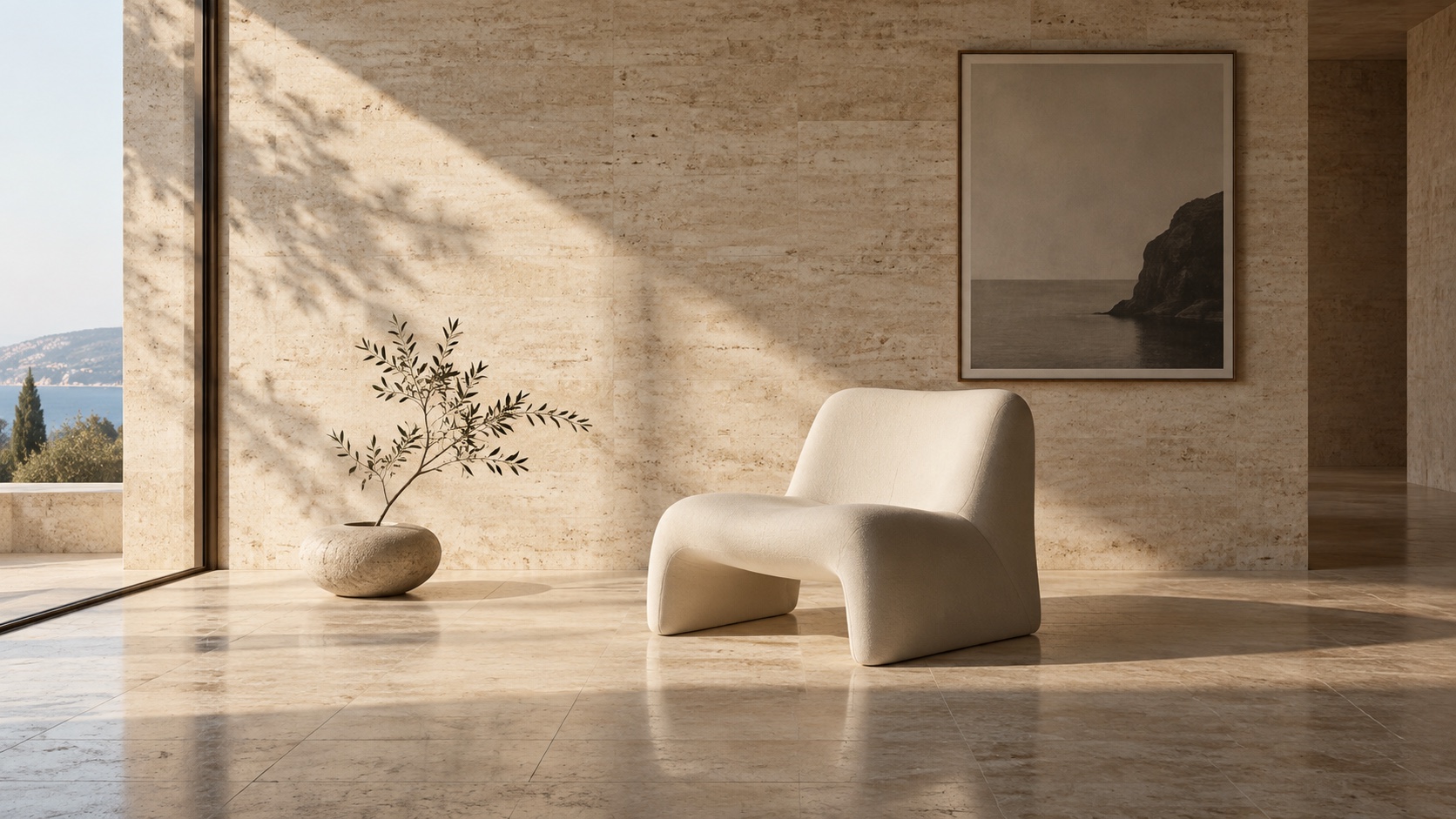 Art Deco 50%Luxury Minimal 50%
Merged palette
#000000
#1A1206
#2A2520
#8B7040
#6B5E4E
Leads structured, geometric, analog
Typography · from Art Deco
Space Grotesk over Inter
Materials
The calls this blend forces
These two disagree on 3 things, and a blend cannot average them: you pick a side. At this mix:
Maximal or Minimal? Art Deco is maximal, Luxury Minimal is minimal. This mix lands minimal.
Expressive or Restrained? Art Deco is expressive, Luxury Minimal is restrained. This mix lands restrained.
Nostalgic or Futuristic? Art Deco is nostalgic, Luxury Minimal is futuristic. This mix lands nostalgic.
Use it
Art Deco aesthetic with geometric luxury, stepped zigzag forms, gilded ornamentation, sunburst motifs, 1920s glamour (50%), infused with Luxury minimalist aesthetic with restrained opulence, generous negative space signaling exclusivity, quiet confident branding, color palette strictly #000000 #1A1206 #2A2520 #8B7040 #6B5E4E, leaning maximal over minimal, expressive over restrained, nostalgic over futuristic, overall character: structured, geometric, analog
Art Deco is a design style from the 1920s–1930s defined by geometric ornament, metallic luxury, stepped forms, and a synthesis of fine art and industrial modernism. It appears in architecture (Chrysler Building), jewelry, graphic design, and fashion: always as a celebration of modernity and glamour.
Art Deco's core palette: black (#0A0A0A), gold (#C9A84C), ivory or cream (#F5ECD7), and rich jewel tones: emerald green (#006B3C), sapphire blue (#0057A8), burgundy (#7B1E35). The combination of deep black or navy with metallic gold is the most identifiable pairing.
Art Nouveau (1890–1910) drew from nature: organic curves, floral motifs, asymmetric compositions inspired by vines and flowing water. Art Deco (1920s–1930s) rejected that naturalism for geometric abstraction, the machine aesthetic, and symmetrical luxury. Nouveau is sinuous; Deco is angular and upright.
Every style in the library is broken down like this one: the palette, the typography, the materials and the lineage.
Explore the style library →