When to use it
- Community-led stories
- Journalism and reports
- Institutional archives
- Projects that need witness rather than mood
Long-form photography rooted in real lives, accountable observation, and the context around a subject
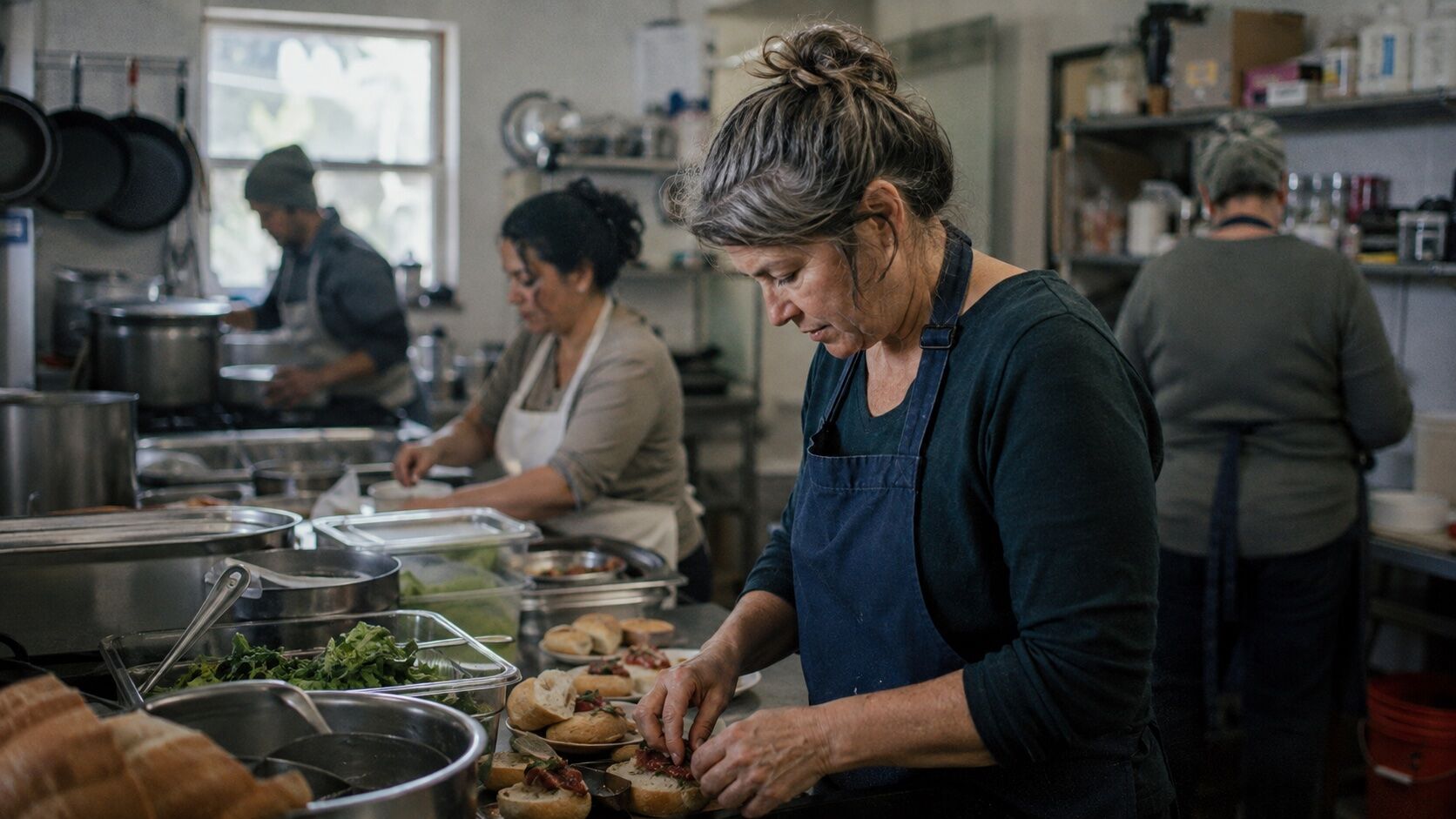
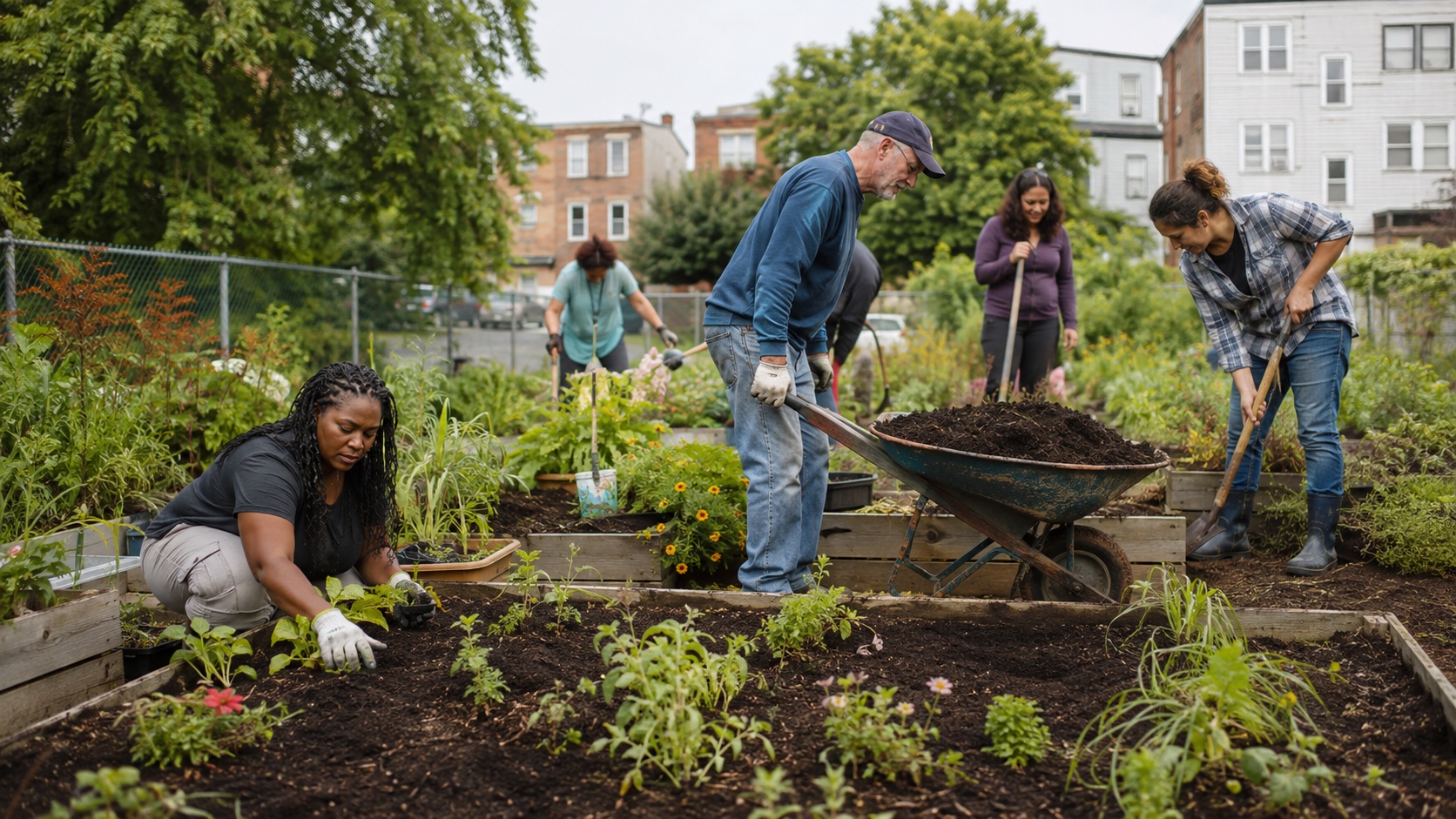
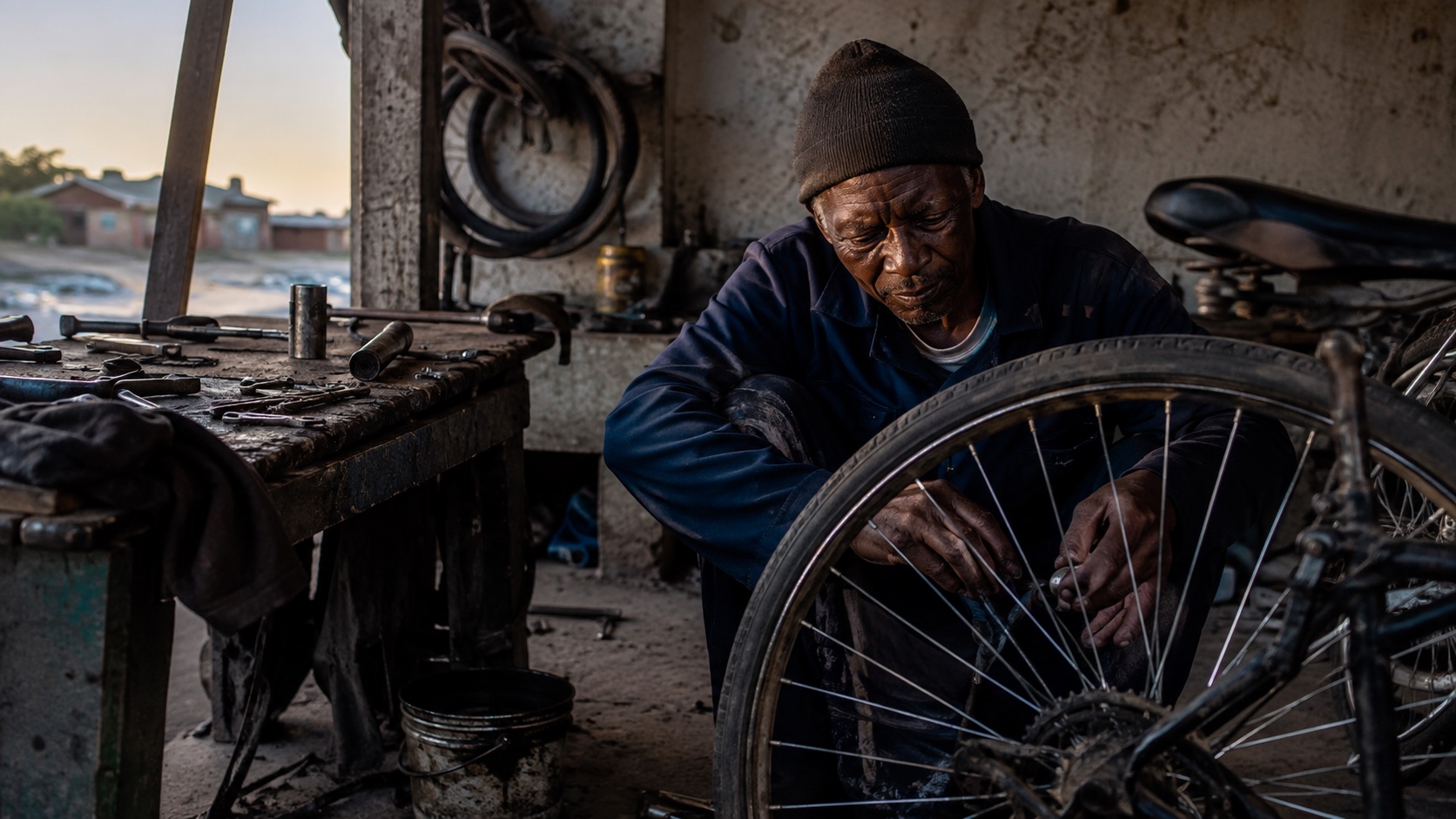
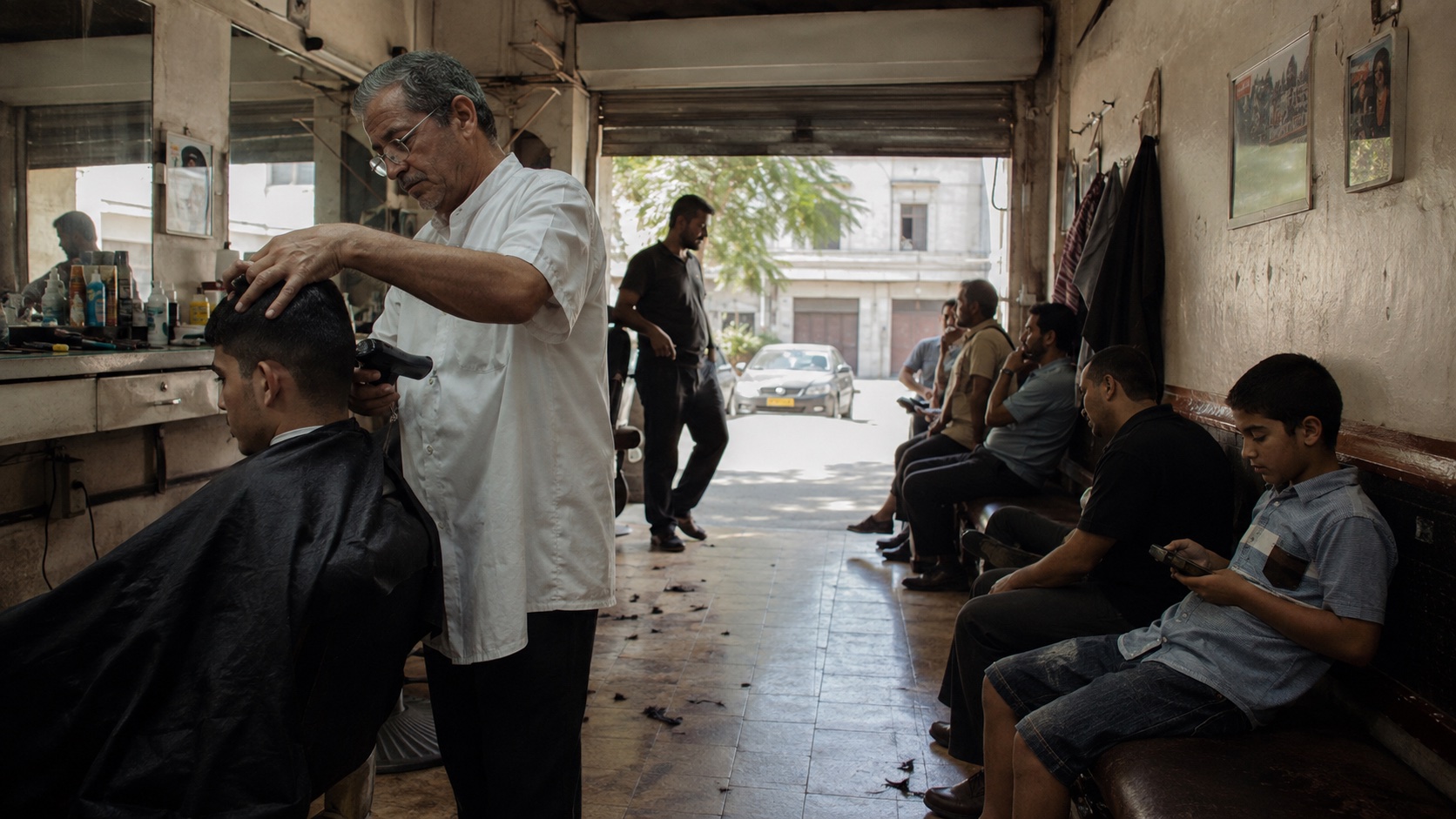
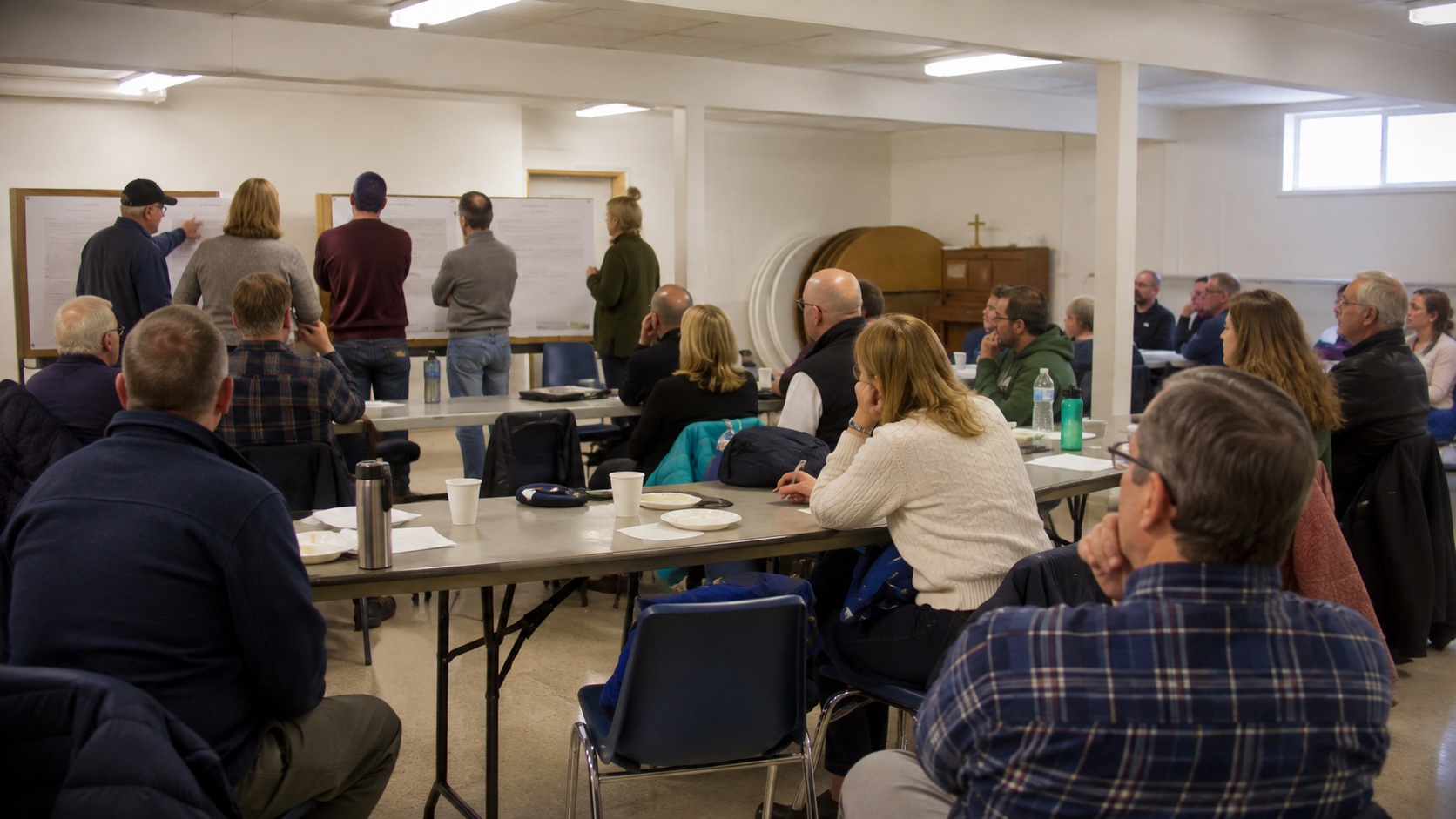
What it is, when it works, who it is for, and where it already exists.
Record 023-DP - when it works, who it is for, what it looks like
Where this aesthetic shows up in the real world · ↗ opens the source site
Where Documentary Photography came from, what makes it recognisable, and the fingerprint it leaves.
1880s–present · Global; shaped by journalism, social reform, archives and community practice
Documentary photography developed wherever the camera was used to describe conditions rather than merely illustrate them: Jacob Riis's late nineteenth-century New York, the U.S. Farm Security Administration's Depression-era survey, and magazine photo essays that brought distant events into domestic life. The FSA archive made an enduring visual record of American life through photographers including Dorothea Lange, Walker Evans, Russell Lee and Gordon Parks.
The genre has always contained a tension between evidence and power. Photographers decide where to stand, who is named, how an image circulates and whether the people pictured can influence the story. Later practitioners such as Susan Meiselas, Mary Ellen Mark and LaToya Ruby Frazier made those questions part of the work rather than treating neutrality as an automatic virtue.
Documentary photography is now as much about process as image: time spent, permissions built, captions checked and a relationship to the audience that avoids turning a subject's hardship into visual raw material.
“A picture becomes documentary when it owes something to the world it describes.
The visual DNA: what makes it recognisable
8-channel console with the fingerprint on its display. Save the card, or share the page

The definitive color scheme for this aesthetic
The colour of the styles sitting closest to this one
How to shoot it, how to prompt it, and how to board it.
How to shoot this aesthetic
"Stay long enough for the room to forget you are making pictures"
Shot list
Lighting
Use the light already belonging to the place: window, practical, overcast exterior, or workplace fluorescent. Add light only when it protects the subject without changing the truth of the room.
Drop this into Studio to generate in this aesthetic
Documentary photography grounded in real people and places, available light, patient observation, practical textures, clear context, and a respectful non-staged point of view
The record applied to your project. The record's kit is free; your brand, references and plates come with membership
01 · Hero application02 · Material and finish03 · Palette in context04 · Photography directionWhether to use it, what it costs to do properly, and where it stands right now.
Two written calls, seven meters, and when to walk away
Documentary Photography earns its keep when it gives a brand a standard of judgment, not just a finish. It falls apart the moment recognizable cues get collected without a point of view behind them. The tell is always proportion: what's shown, what's held back, and whether every choice belongs to the same world.
Use Documentary Photography when the brand can back a real point of view and protect it through execution. Not when the goal is broad, neutral, or cheap to produce. The advantage is differentiation through judgment: the work reads as authored, not packaged. Average executions borrow the signals and lose the coherence. The best ones treat the visual language as a system of choices, including what they leave out.
Budget goes into art direction and casting, not the toolkit.
Anyone can spot the references. A real system out of them is the hard part.
One wrong prop or one off color reads as costume instead of conviction.
The surface is easy to copy. What separates the real thing from a knockoff is the system underneath.
The ingredients are everywhere right now. A disciplined execution is still the minority.
This holds up because it's built on composition and material, not a filter that ages out.
It only works if every touchpoint agrees. Cut a corner anywhere and the whole thing shows it.
A Pro feature: origins, practitioners, and pitfalls
Neighbours, cross-references, blends, and the questions people ask.
Connected across the creative knowledge graph
Where it stands now, and what it costs you to use it
Documentary work matters more, not less, when synthetic images make generic evidence cheap. It asks who was there, who is speaking and what context the image carries.
The ethics are inseparable from the aesthetic. A beautiful frame that extracts from its subject is not made responsible by better color grading.
Mix Documentary Photography with any style in the library
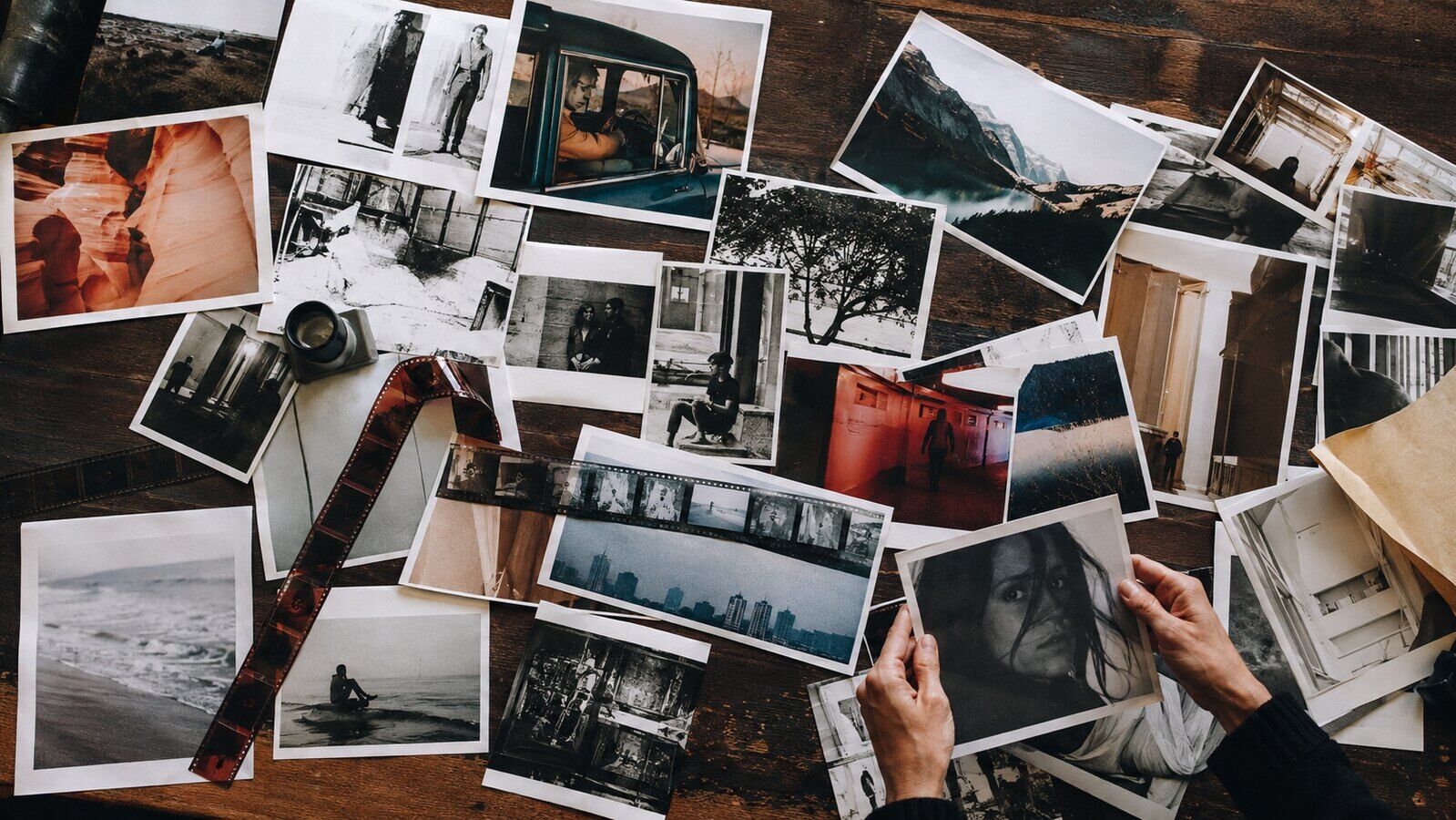 Documentary Photography 50%Photography 50%
Merged palette
#28302D
#1C1A18
#6D7A5B
#4A4640
#9A8B74
Leads organic, minimal, structured
Typography · from Documentary Photography
Space Grotesk over Inter
Materials
The calls this blend forces
These two disagree on one thing, and a blend cannot average them: you pick a side. At this mix:
Analog or Digital? Documentary Photography is analog, Photography is digital. This mix lands analog.
Use it
Documentary photography grounded in real people and places, available light, patient observation, practical textures, clear context, and a respectful non-staged point of view (50%), infused with Fine art photography with intentional composition and considered light, full tonal range and sharp technical execution, decisive-moment or carefully staged image-making, gallery-print quality, an authored point of view over snapshot documentation, color palette strictly #28302D #1C1A18 #6D7A5B #4A4640 #9A8B74, leaning analog over digital, overall character: organic, minimal, structured
Photojournalism often works to a news deadline and a specific event. Documentary photography can be news-adjacent, but it usually stays longer with a subject, place or system and builds meaning across a body of work.
No image is without a point of view. Responsible documentary practice makes its choices accountable through research, context, captioning, consent and sustained relationships rather than pretending the photographer is invisible.
Every style in the library is broken down like this one: the palette, the typography, the materials and the lineage.
Explore the style library →