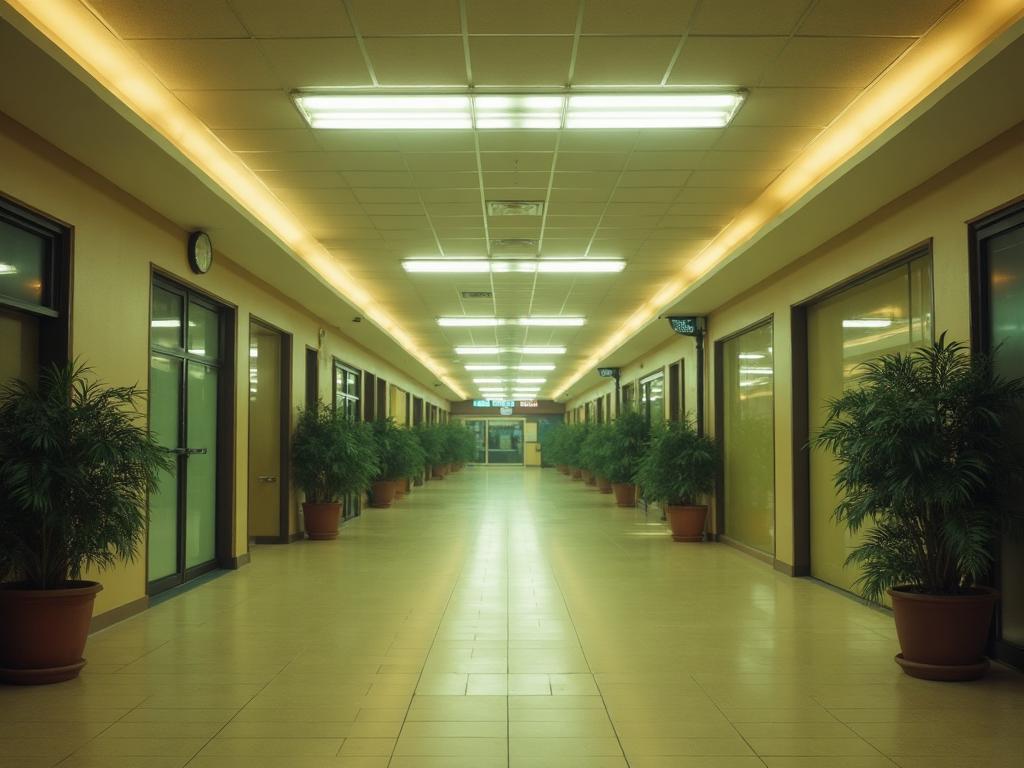
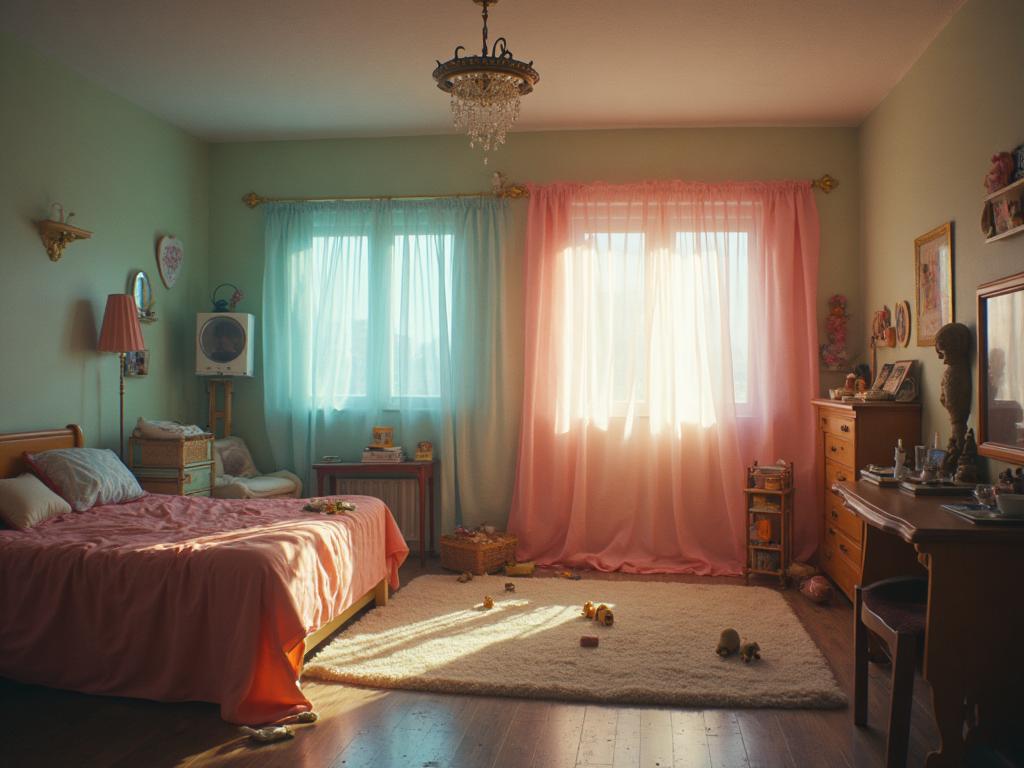
Restrained holds its cards close; expressive puts everything on the table. The gap here is how much emotion the work is willing to show. Dreamcore leans expressive, Liminal Space stays closer to restrained.
Structure signals a system was designed; chaos signals something was let loose. This axis is usually read as competence versus energy. Dreamcore leans chaotic, Liminal Space stays closer to structured.
Minimal asks the eye to rest; maximal asks it to keep looking. At this distance the two want different amounts of the page. Dreamcore leans maximal, Liminal Space stays closer to minimal.
Organic feels grown; geometric feels drawn. It is the difference between a form that occurred and one that was decided. Liminal Space leans geometric, Dreamcore stays closer to organic.
Liminal Space vs Dreamcore: 40% affinity (Strong contrast)
Where they split: Dreamcore leans expressive, Liminal Space stays closer to restrained. Also diverging: Structured vs Chaotic (40% gap), Minimal vs Maximal (35% gap), Organic vs Geometric (35% gap). Where they agree: both lean nostalgic.
Pick one: Liminal Space and Dreamcore pull in different enough directions that combining them risks reading as indecision rather than range.
Empty transitional places: impossible atria, abandoned pools, and backrooms that feel eerily familiar
Full style guide →Surreal liminal nostalgia with uncanny spaces, soft focus, and childhood memory distortion
Full style guide →