When to use it
- Music artwork about presence or absence
- Anonymous figures in experimental editorial work
- A quiet campaign image with one impossible focal point
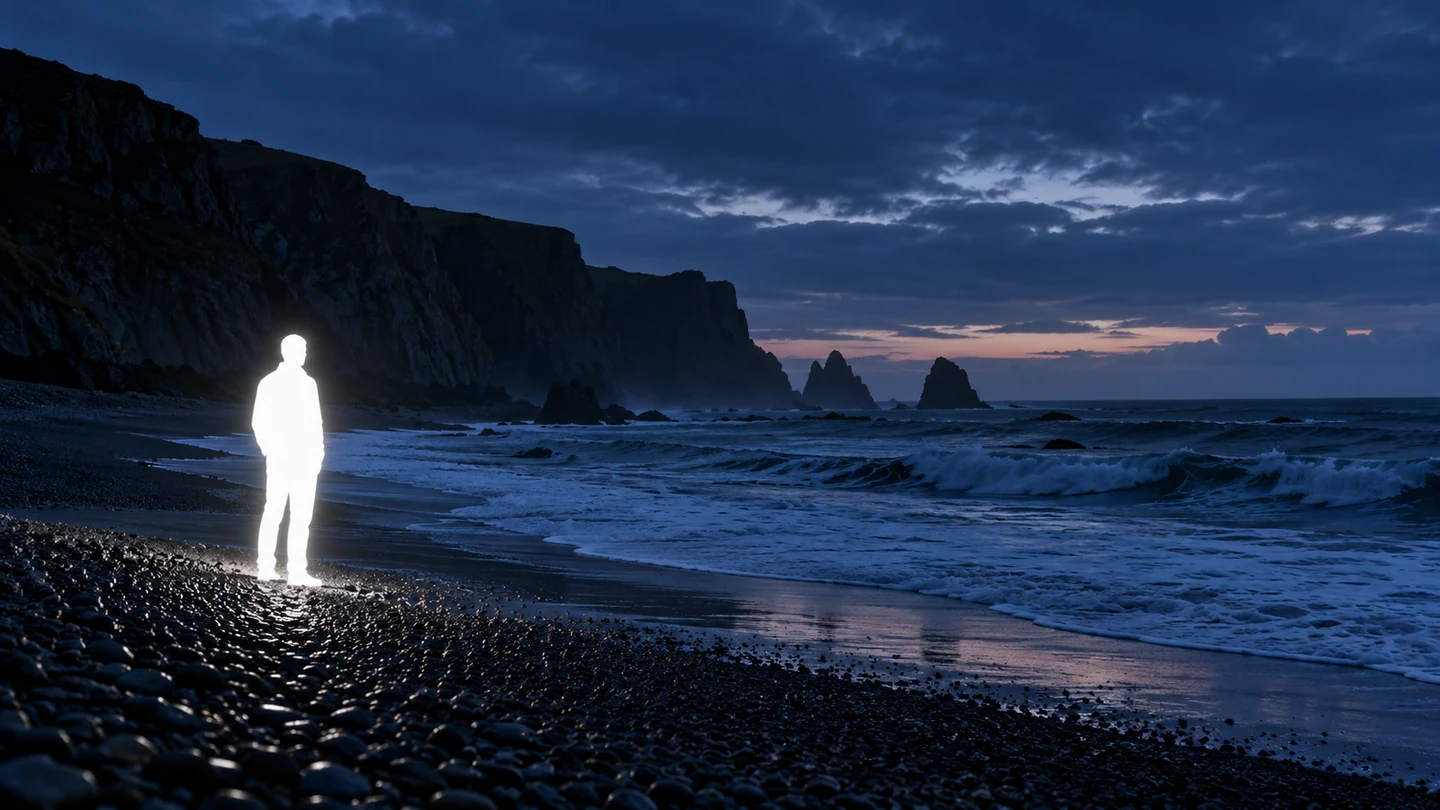
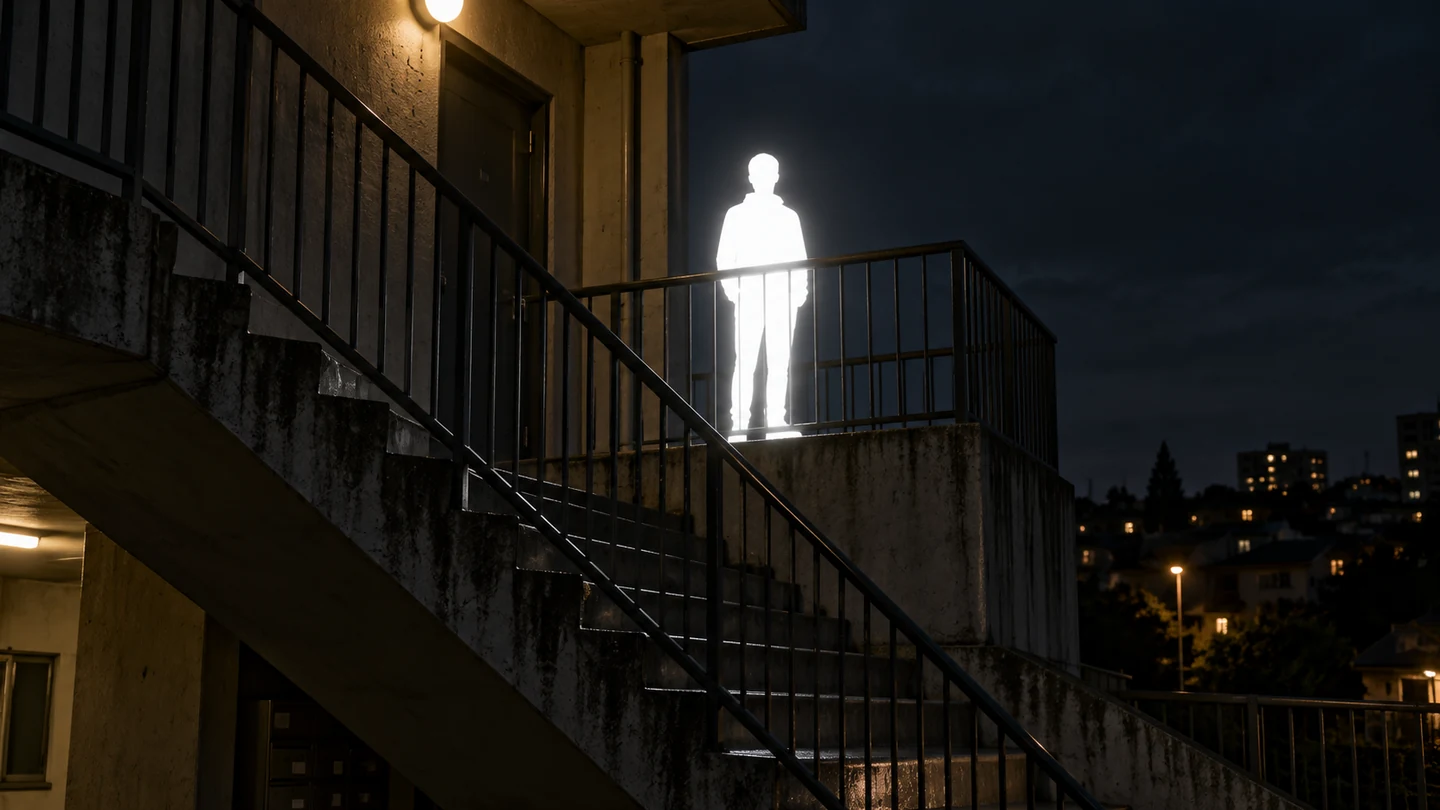
A photographic treatment that turns a person into a featureless white silhouette against a dark, recognizably ordinary setting.
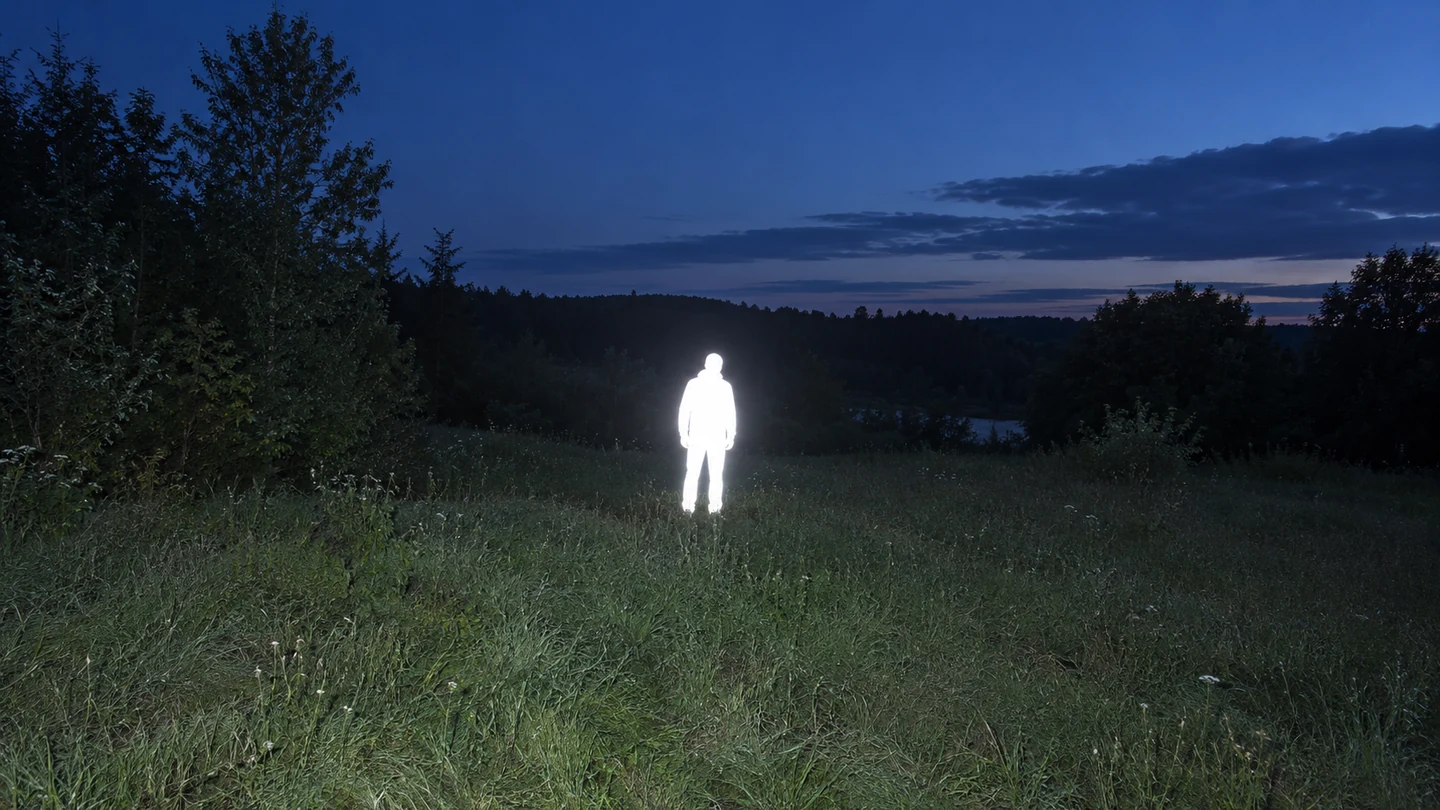
A photographic treatment that turns a person into a featureless white silhouette against a dark, recognizably ordinary setting.
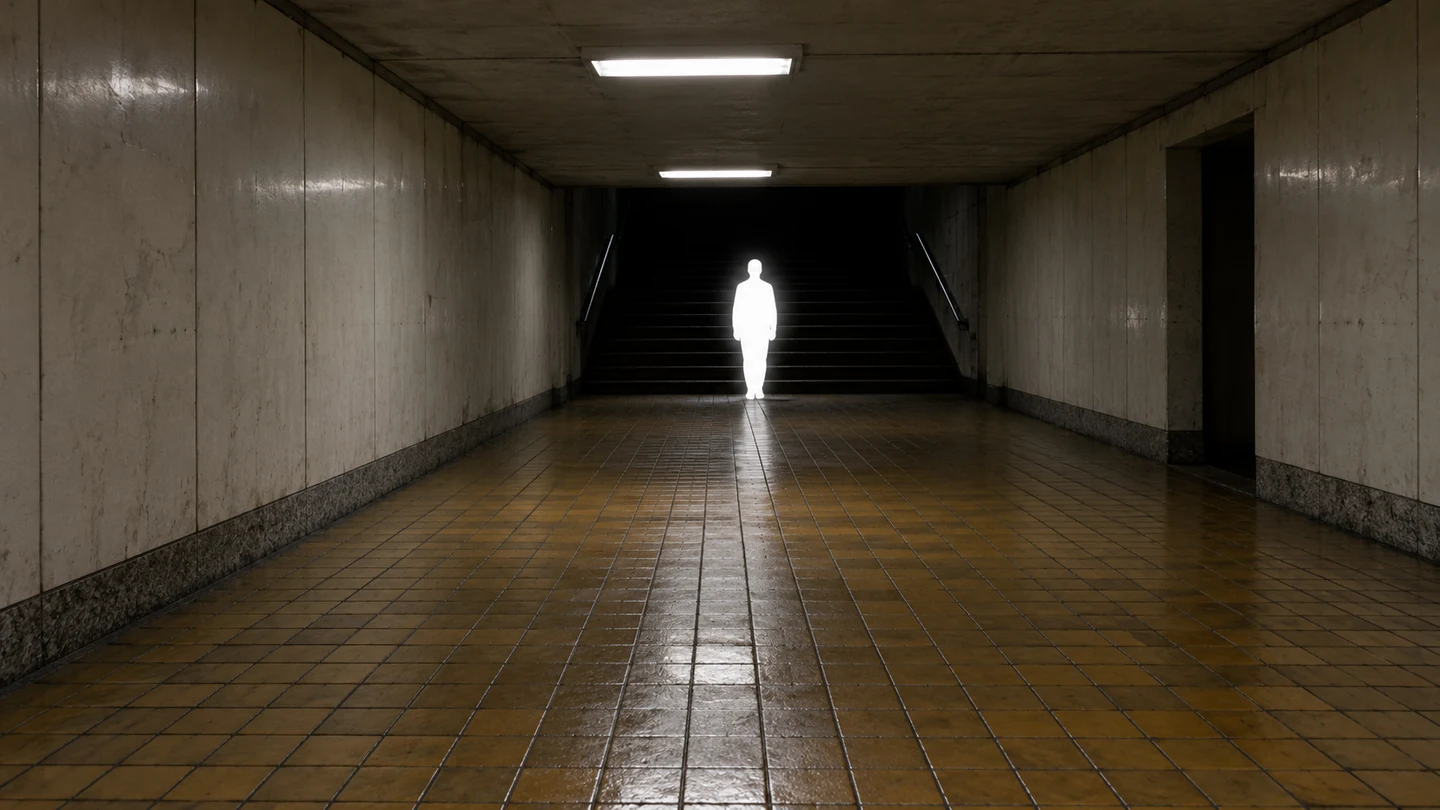
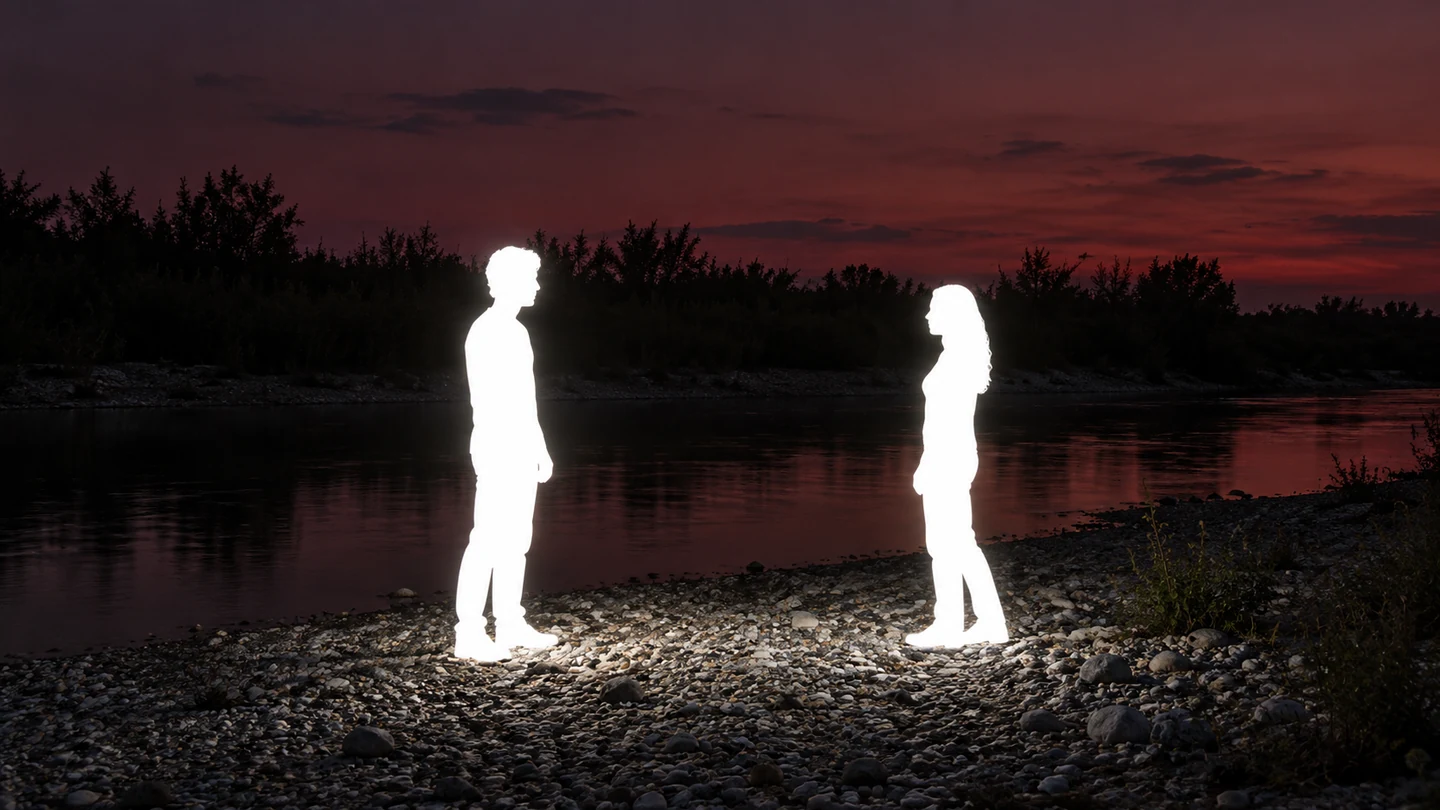
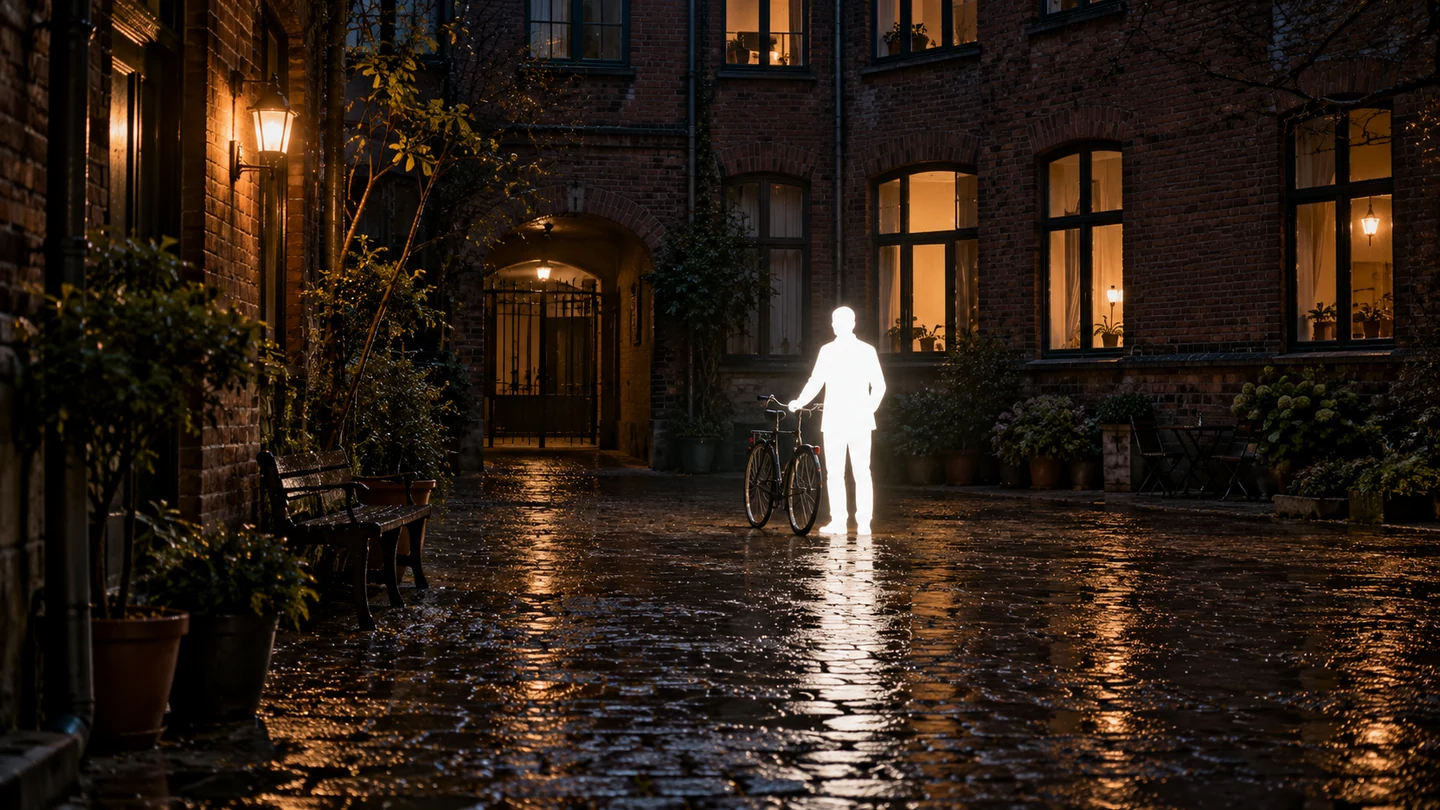
What it is, when it works, who it is for, and where it already exists.
Record 025-FL - when it works, who it is for, what it looks like
Where Flash Light came from, what makes it recognisable, and the fingerprint it leaves.
Contemporary photographic treatment · Flash photography and digital highlight clipping; no single documented origin
Flash Light names the blown-out silhouette treatment shown here, rather than flash photography as a whole. A recognizable human outline is pushed to near-white or pure white while the surrounding location retains photographic detail. The contrast between an everyday place and a figure with no readable features produces its particular unease.
The treatment can be built through selective exposure and compositing as well as photography. Highlight clipping removes tonal information; it does not automatically isolate a person. A controlled mask, believable contact with the ground and restrained bloom are usually needed to keep the figure integrated. This is a contemporary art-direction label, not a historical movement or a synonym for direct-flash editorial photography.
Research informing this technique
“The setting stays ordinary. The person becomes a hole made of light.
The visual DNA: what makes it recognisable
8-channel console with the fingerprint on its display. Save the card, or share the page

The definitive color scheme for this aesthetic
The colour of the styles sitting closest to this one
How to shoot it, how to prompt it, and how to board it.
How to shoot this aesthetic
"The setting stays ordinary. The person becomes a hole made of light."
Shot list
Lighting
Underexpose the setting enough to retain night or dusk, then clip only the subject treatment. Keep a narrow, controlled bloom at the outline.
Click any prompt row to edit. Copy uses your edited text.
Flash Light photographic treatment: an anonymous human figure rendered as a featureless clipped-white silhouette
Visual cuessurrounded by a detailed underexposed real location; preserve a clear body outline, ground contact and restrained edge bloom; no clothing or facial detail inside the silhouette; avoid ghost sheets, neon suits, holographic bodies and broad daylight overexposure
Paste as-is, or add your own subject.
Photograph: wide figure in a dark clearing with a readable tree line.
SettingSet in concrete passage. Shot wide, the whole scene with room around it, underexpose the setting enough to retain night or dusk, then clip only the subject treatment.
DetailKeep subtle edge bloom in the frame.
StyleStyle: Flash Light photographic treatment: an anonymous human figure rendered as a featureless clipped-white silhouette, surrounded by a detailed underexposed real location; preserve a clear body outline, ground contact and restrained edge bloom; no clothing or facial detail inside the silhouette; avoid ghost sheets, neon suits, holographic bodies and broad daylight overexposure.
PaletteColour palette #FFFFFF #11171B #344338 #65727B #A5A79B.
WardrobeUse a simple full-length silhouette with separated limbs; garment branding and face detail will be intentionally lost.
FrameComposed for a 16:9 landscape frame.
RulesPhotographic, not an illustration. No text, no logos, no watermark.
The whole record as a portable skill for Claude, ChatGPT, Gemini, image and video models, or a human brief
The whole record, compiled into a skill another system can work inside: lineage, axes, palettes, type, materials, photography, verdicts and a critique checklist. Nothing is generated; it is the dossier, restructured.
The record applied to your project. The record's kit is free; your brand, references and plates come with membership
01 · Hero application02 · Material and finish03 · Palette in context04 · Photography directionWhether to use it, what it costs to do properly, and where it stands right now.
Two written calls, seven meters, and when to walk away
Make the outline carry the picture. White clipping removes information, so pose, scale and ground contact have to do the work. Preserve the setting in a separate tonal range and inspect the mask edge at the final export size.
Use when anonymity or absence is part of the idea. One strong silhouette is enough; repeating glowing figures without a reason turns a specific image into a familiar effect.
Can be produced from an existing image source and a controlled digital treatment; an original shoot adds production cost.
The image needs a clear composition before the treatment is applied.
Masking, raster scale and final export need deliberate control.
A strong effect can obscure the subject and replace the creative idea.
Best considered a specialist treatment rather than a default brand language; this is an editorial assessment.
A descriptive contemporary treatment whose appeal depends on context and execution.
Can be confined to a campaign image series without rebuilding the full identity.
A Pro feature: origins, practitioners, and pitfalls
Neighbours, cross-references, blends, and the questions people ask.
Connected across the creative knowledge graph
Mix Flash Light with any style in the library, or see the pairs worth trying
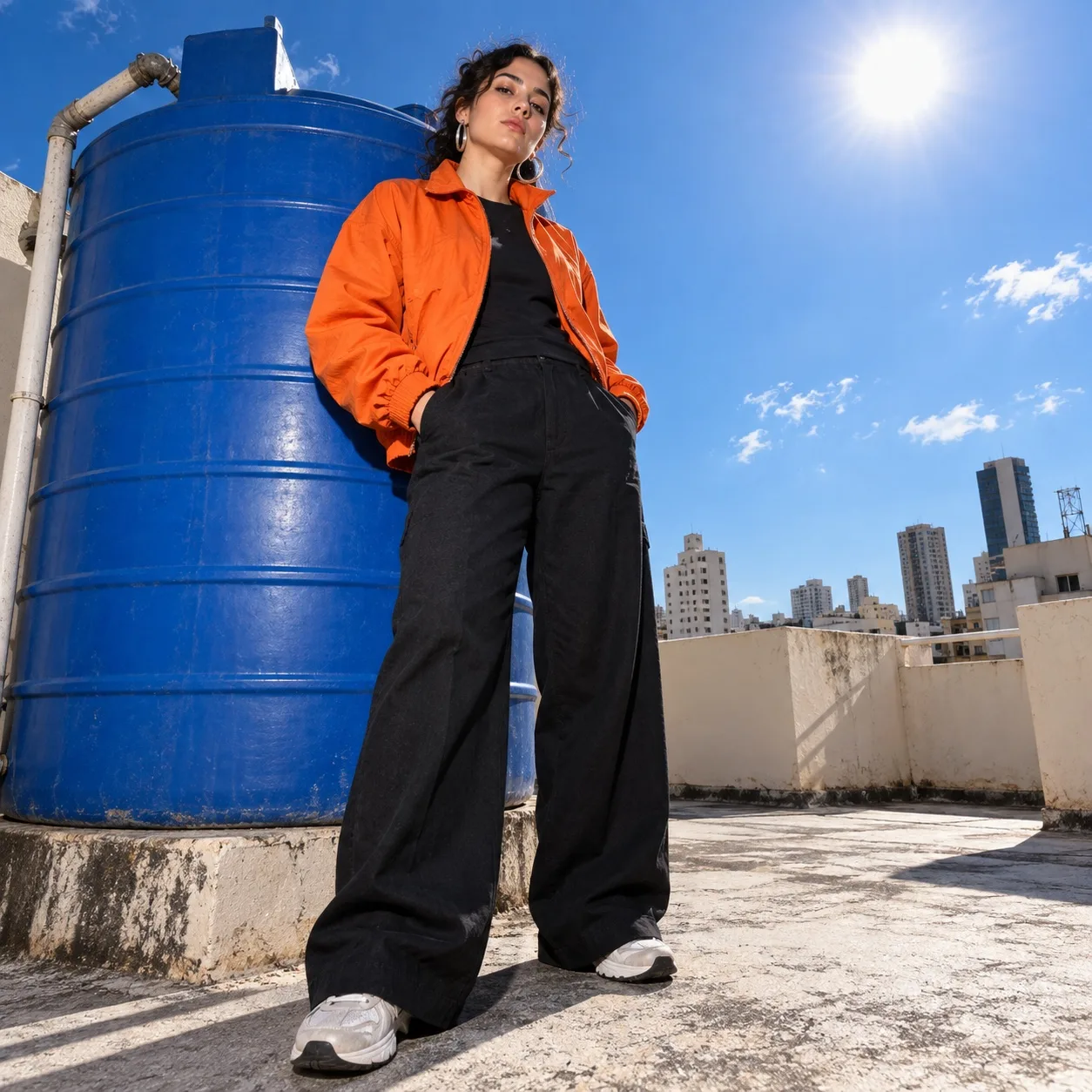 Flash Light 50%Direct Flash Editorial 50%
Merged palette
#FFFFFF
#F5661F
#11171B
#1D4FC4
#344338
Leads expressive, organic, analog
Typography · from Flash Light
Cormorant Garamond over Lora
Materials
The calls this blend forces
These two disagree on 3 things, and a blend cannot average them: you pick a side. At this mix:
Dark or Light? Flash Light is dark, Direct Flash Editorial is light. This mix lands dark.
Minimal or Maximal? Flash Light is minimal, Direct Flash Editorial is maximal. This mix lands maximal.
Cool or Warm? Flash Light is cool, Direct Flash Editorial is warm. This mix lands cool.
Use it
Create one visual direction that synthesizes Flash Light × Direct Flash Editorial. Preserve a clear hierarchy; do not make a contact sheet or a collage of unrelated styles.
Let it read as expressive, organic, analog. Resolve the strongest tensions deliberately: dark / light, minimal / maximal, cool / warm.
Use these colors as a controlled system: #FFFFFF (Clipped White) · #F5661F (Flash Orange) · #11171B (Night Ground) · #1D4FC4 (Cobalt Sky) · #344338 (Flash Grass).
Use Cormorant Garamond for display type and Lora for supporting text.
Bring in Direct on-camera flash or bare speedlight fired straight at the subject, Digital sensor highlight clipping: skin and clothing blown to pure white, Hard on-camera flash or bare speedlight, close to the lens, Colour negative or slide film, or digital with a punchy flash profile.
Keep one subject or one clear interface state in focus. Use the visual language to guide composition, lighting, spacing and material decisions.
No. Direct flash describes the light source and often preserves skin, clothing and harsh shadows. This page isolates the treatment where the person becomes a featureless white silhouette.
Keep the original perspective and ground contact, mask the subject carefully, and let a little light spill into nearby surfaces. A large glow cloud weakens the silhouette.
The plates are original generated illustrations of the treatment. They are visual references, not evidence of a particular camera or exposure setup.
Every style in the library is broken down like this one: the palette, the typography, the materials and the lineage.
Explore the style library →