When to use it
- Retro animation and character design projects
- Brand mascot and character creation
- Nostalgia-driven entertainment campaigns
- Playful product illustration and packaging
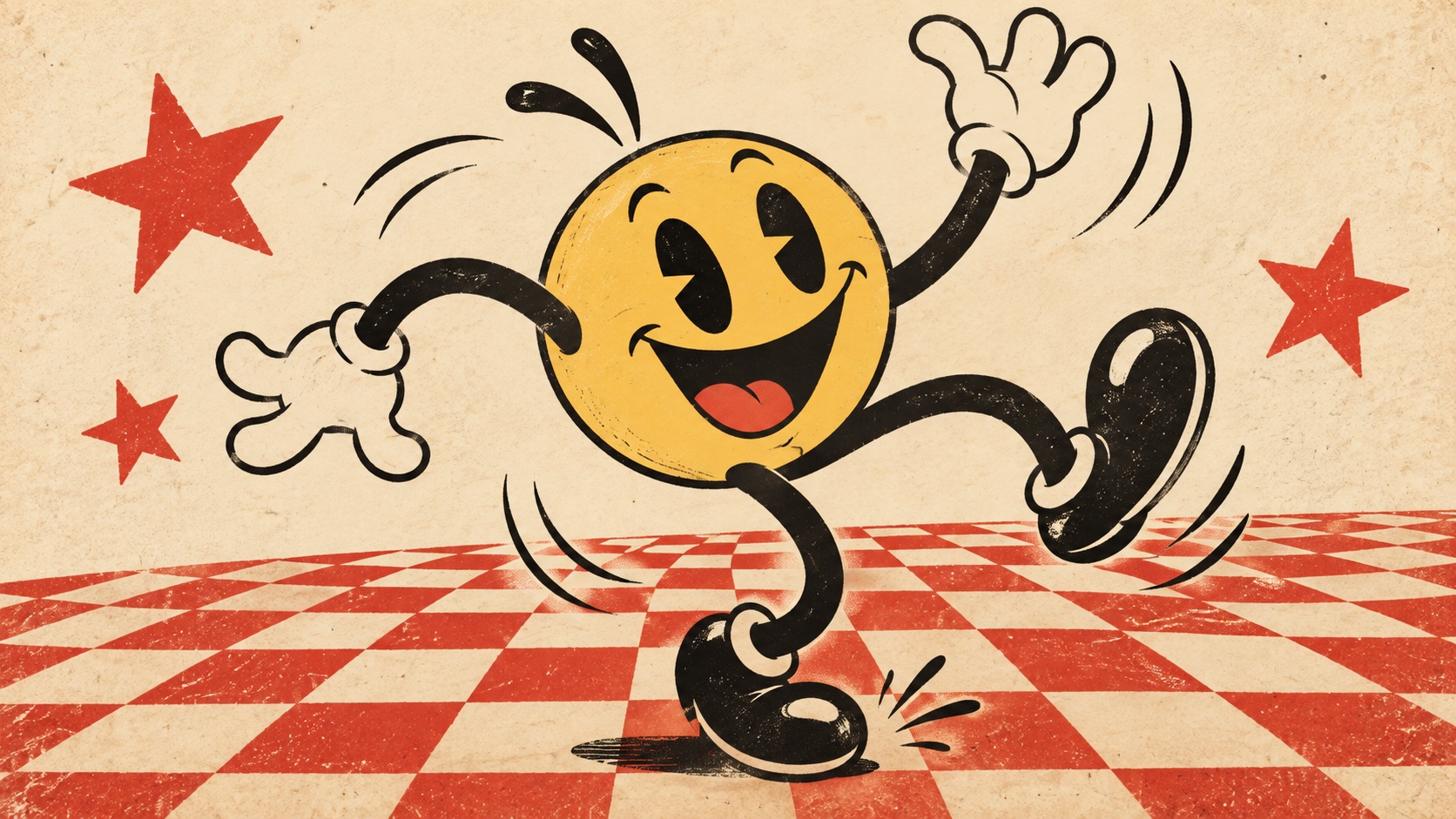
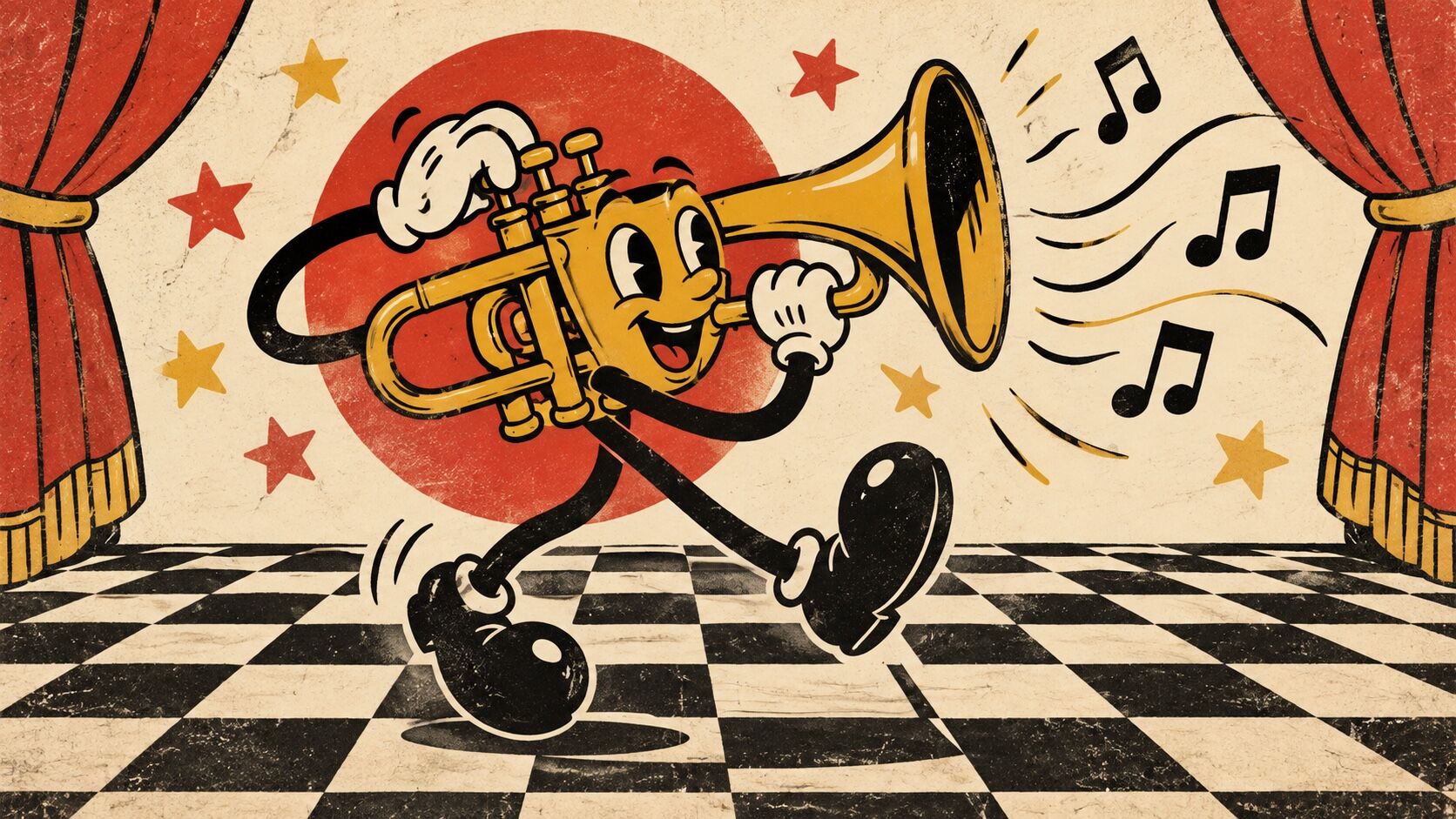
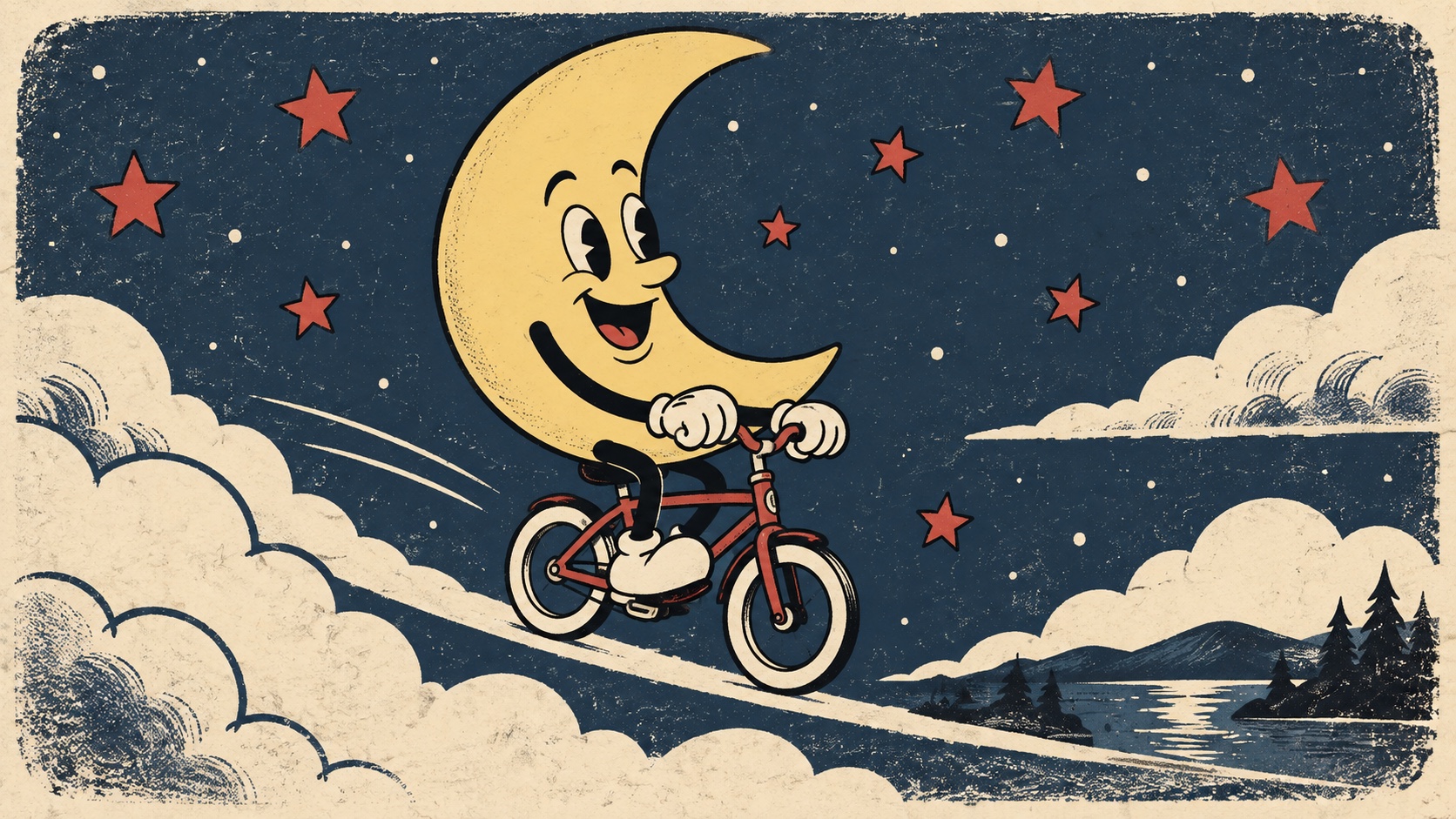
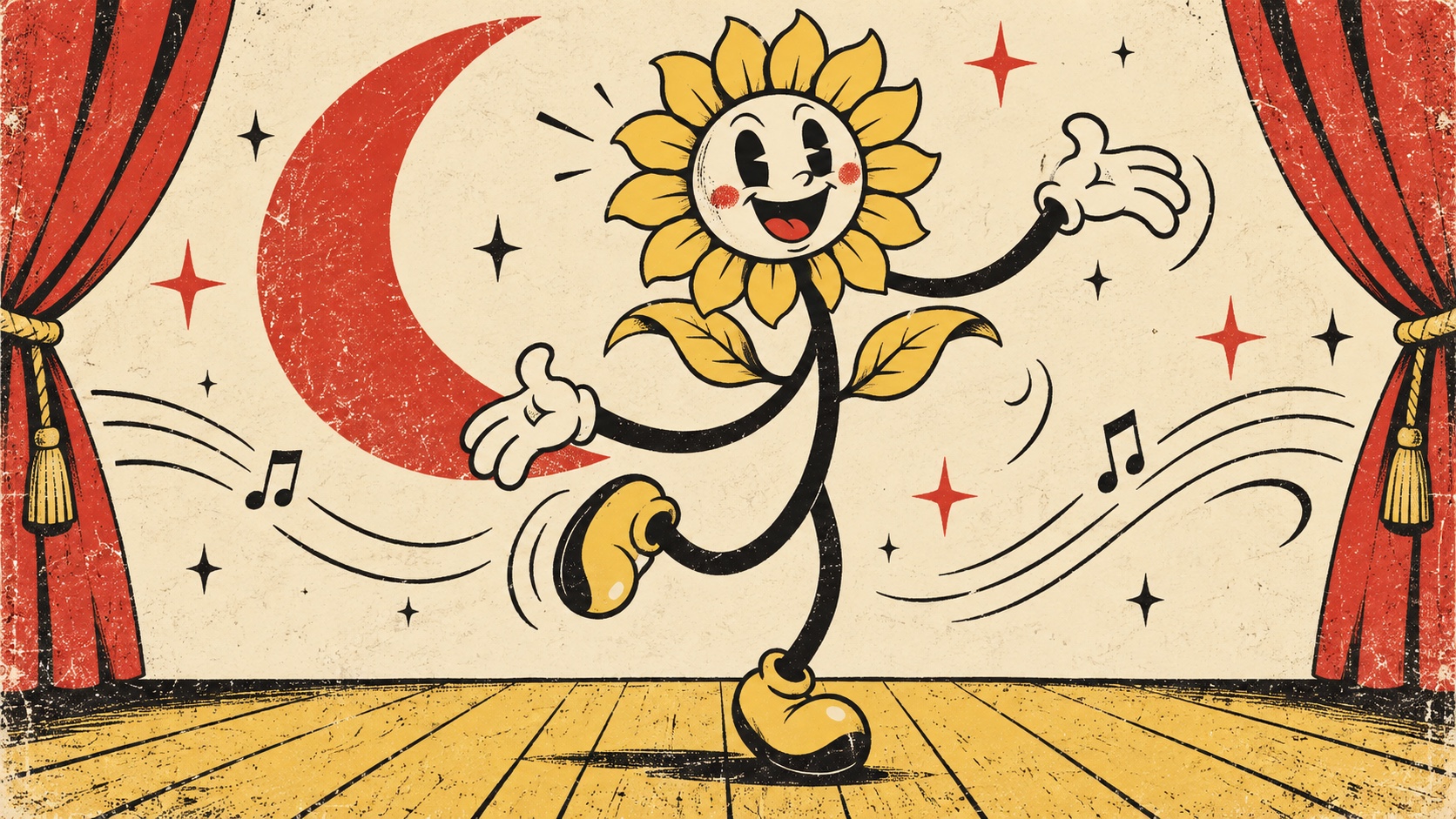
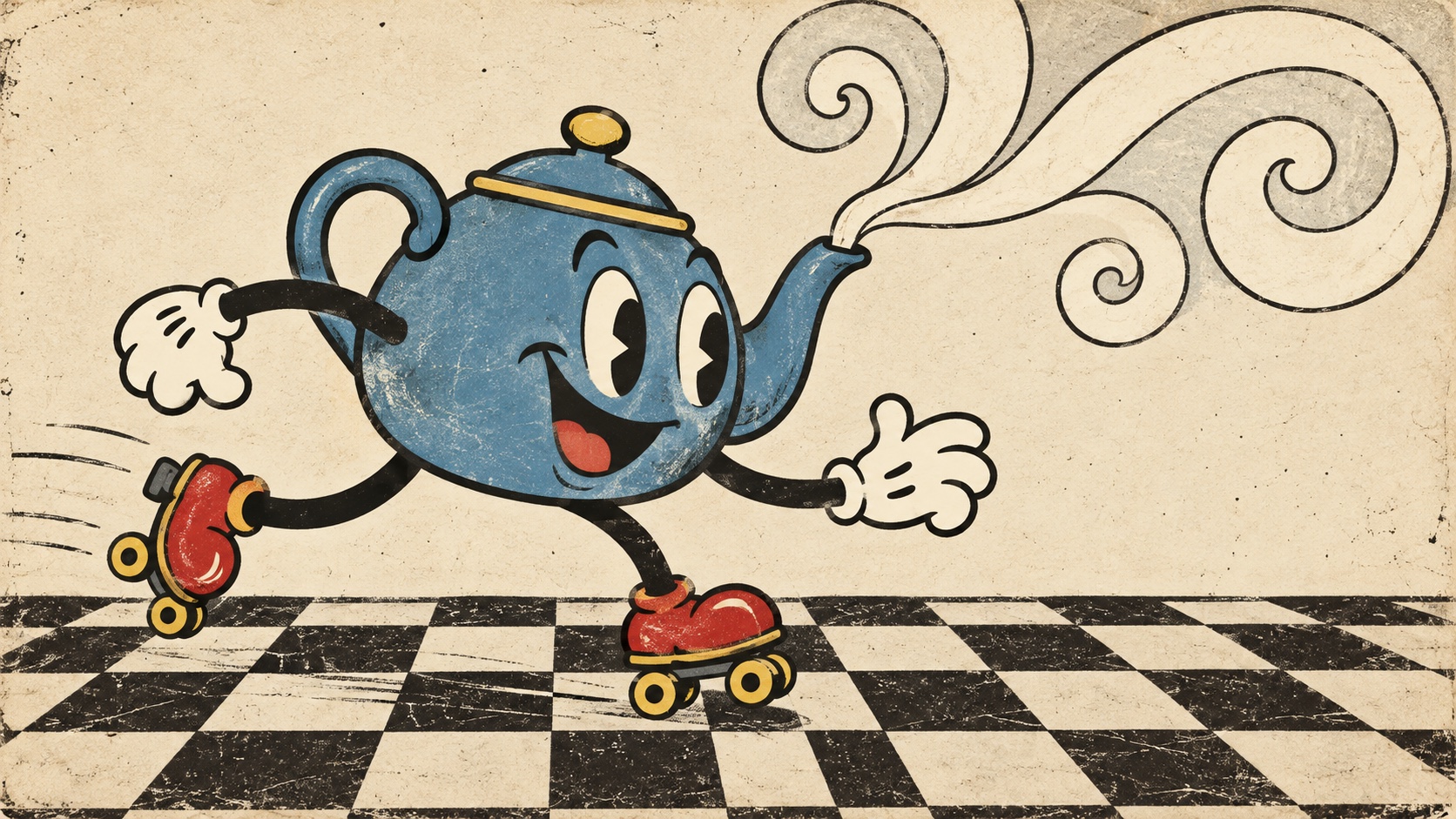
Fleischer Studios' boneless 1930s animation style - endless elastic limbs, jazz-age energy, and the joyful chaos of early American cartoons
What it is, when it works, who it is for, and where it already exists.
Record 037-RH - when it works, who it is for, what it looks like
Where this aesthetic shows up in the real world · ↗ opens the source site
Where Rubber Hose came from, what makes it recognisable, and the fingerprint it leaves.
1920–1939 (original); 2010s–present (revival) · New York City (Fleischer Studios); Hollywood (early Disney); US animation industry
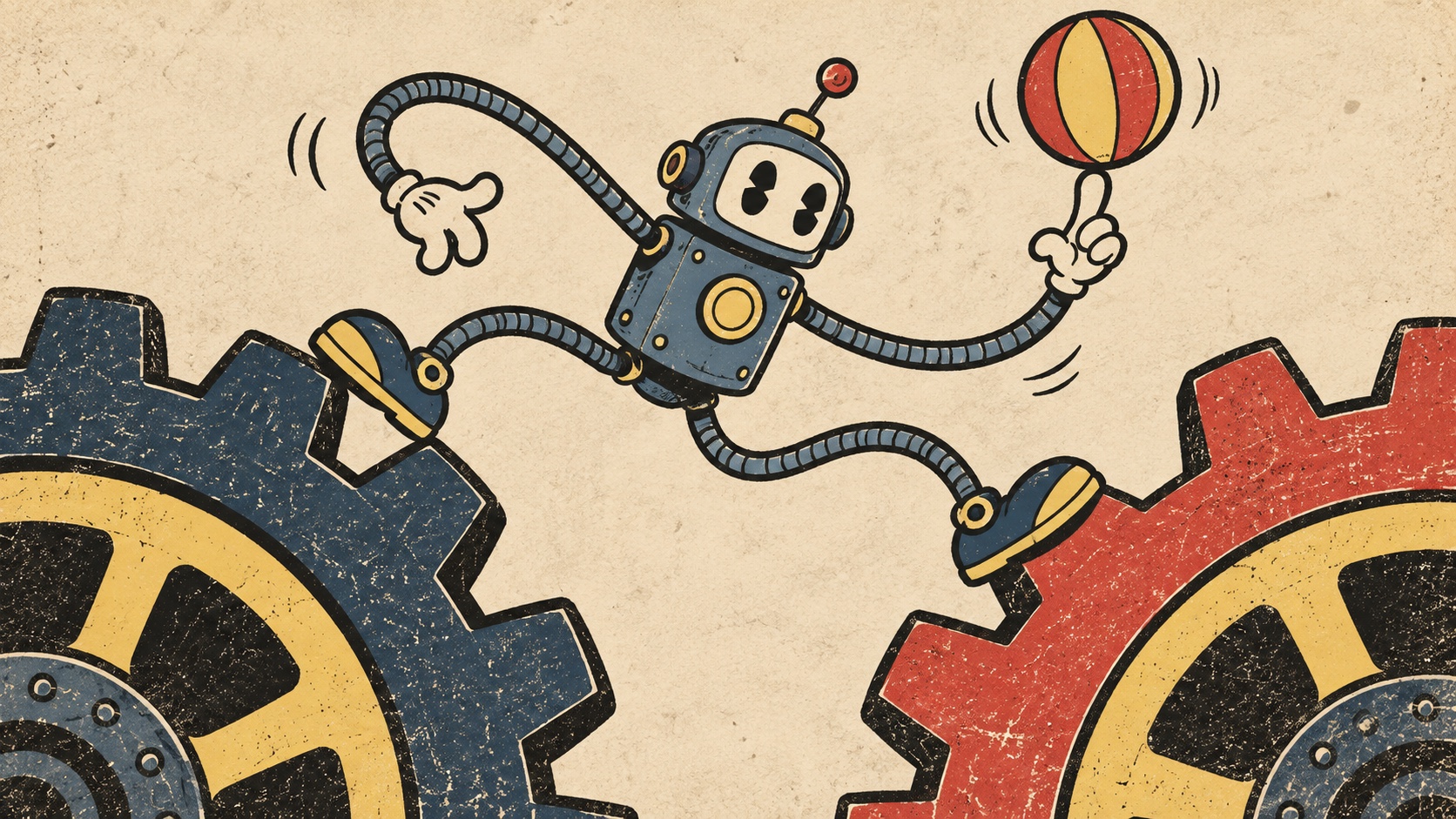
Rubber hose animation developed in the 1920s as animators discovered the conventions that made drawn movement feel fluid and expressive. Characters had no joints: their arms and legs were smooth, flexible tubes that could stretch, bounce, and curl in impossible ways. Eyes were simple circles or ovals. Hands had four fingers, shoes were massive. Mouths opened to comic extremes. Everything could move in any direction without regard for physics or anatomy.
Max Fleischer's studio (Betty Boop, Koko the Clown, Popeye) and early Walt Disney (Steamboat Willie, Mickey Mouse) refined the vocabulary into a golden age. The aesthetic was accompanied by specific musical sensibility: jazz rhythms, syncopated movement, characters that danced and bounced in sync with the soundtrack. Colors were limited by the era: black ink on white paper, with limited color palette when color became available in the mid-1930s.
Contemporary rubber hose revival appears in games (Cuphead being the landmark example), independent animation on TikTok and YouTube, and brand identities that want to signal playfulness and vintage charm. Designers appreciate the constraint: rubber hose characters are expressive and recognizable with minimal complexity, making the style well-suited to illustration, icon design, and mascot creation.
“Before anatomy, before physics: just joy, pure and bouncing.
The visual DNA: what makes it recognisable
8-channel console with the fingerprint on its display. Save the card, or share the page

4 color interpretations of this aesthetic
The colour of the styles sitting closest to this one
How to shoot it, how to prompt it, and how to board it.
How to shoot this aesthetic
"1930s animation's bounce and bend, captured in a single still frame"
Shot list
Lighting
High-contrast black-and-white lighting with minimal midtone think early animation cel's stark value separation, not naturalistic gradation
Drop this into Studio to generate in this aesthetic
Rubber hose animation aesthetic with 1930s Fleischer Studios and early Disney style, boneless limbs of uniform thickness that curve fluidly, pie-cut eyes and round button noses, white gloves and bulbous rounded bodies, high contrast black and cream or limited color palette, Betty Boop and early Mickey Mouse character design language, jazz-age swinging energy
The record applied to your project. The record's kit is free; your brand, references and plates come with membership
01 · Hero application02 · Material and finish03 · Palette in context04 · Photography directionWhether to use it, what it costs to do properly, and where it stands right now.
Two written calls, seven meters, and when to walk away
The animation principle is what defines it, not the character design. Continuous curved limbs with no joints only make sense in motion, where they bend and stretch on the beat, so a static drawing captures half the style. Keep everything on a bounce. The period sources carry racist caricature, so the reference has to be handled deliberately rather than copied wholesale.
Use it only if you will animate it properly, which Cuphead proved is possible and expensive. It was a production shortcut, limbs without joints draw faster, and the charm people find in it was originally a deadline. Anyone reviving it is expected to know that a lot of the original 1930s output carries genuinely racist imagery, which is documented.
Digital or traditional animation illustration, not a full production.
A specific 1930s animation logic, not just 'wobbly limbs.'
Consistent elastic motion across frames takes real animation craft.
Wobbly limbs without the real 1930s animation logic misses the reference.
A niche reference outside dedicated animation and nostalgia brands.
A specific animation style that's stayed charming for ninety years.
Consistent elastic motion across frames, real animation craft.
A Pro feature: origins, practitioners, and pitfalls
Neighbours, cross-references, blends, and the questions people ask.
Connected across the creative knowledge graph
Where it stands now, and what it costs you to use it
Rubber hose animation was a production solution, limbs without joints are far faster to draw, and the style people now find charming was originally about hitting a deadline.
It also carries genuinely racist imagery in a lot of the original 1930s output, which is documented and which anyone reviving it is expected to have thought about.
Cuphead proved the revival can be done at the highest level. It also proved the cost, since doing it properly means animating it properly.
Mix Rubber Hose with any style in the library
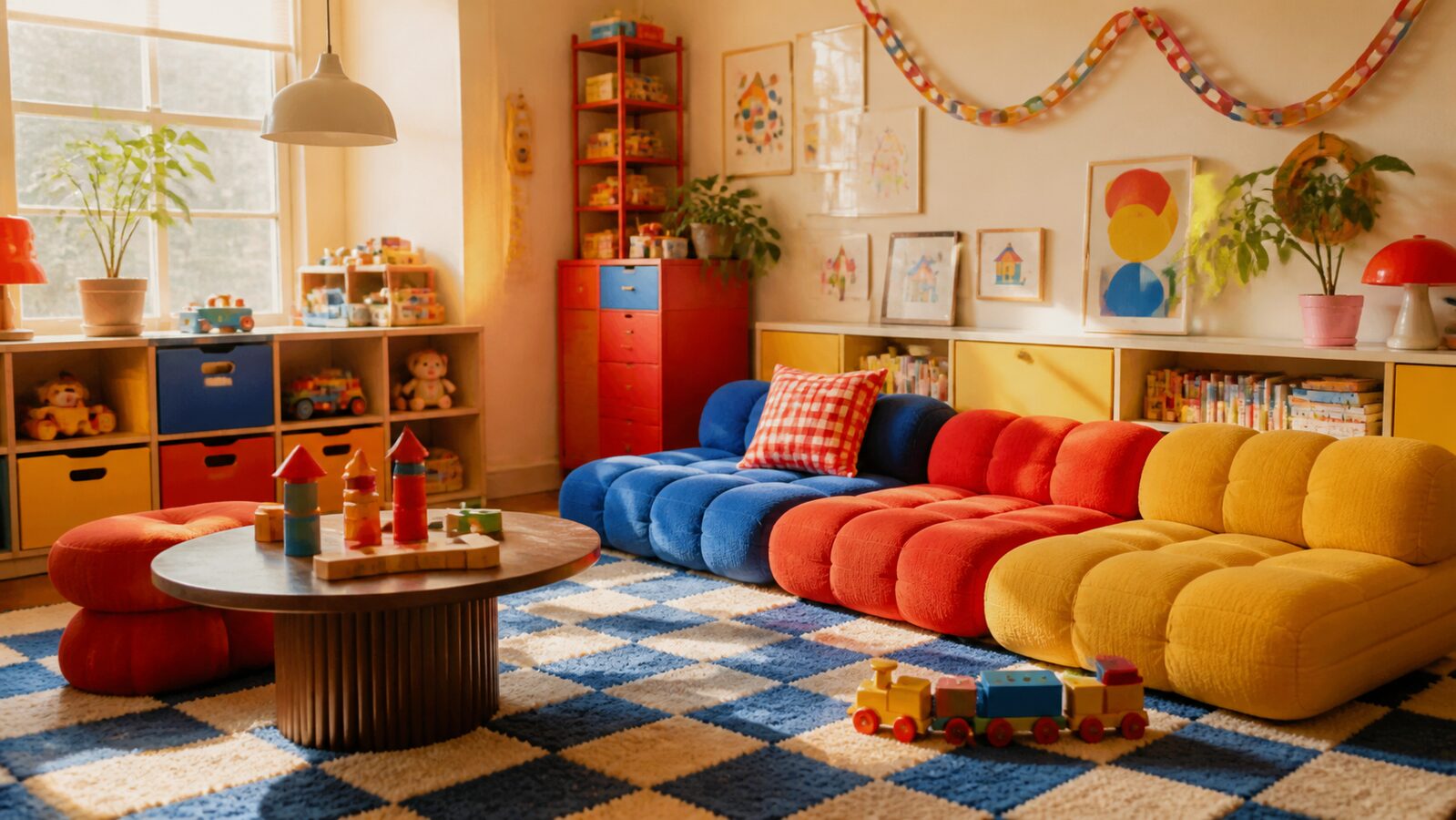 Rubber Hose 50%Kidcore 50%
Merged palette
#212121
#FF3333
#F57F17
#FFCC02
#FFFDE7
Leads expressive, nostalgic, warm
Typography · from Rubber Hose
Raleway over Merriweather
Materials
Use it
Rubber hose animation aesthetic with 1930s Fleischer Studios and early Disney style, boneless limbs of uniform thickness that curve fluidly, pie-cut eyes and round button noses, white gloves and bulbous rounded bodies, high contrast black and cream or limited color palette, Betty Boop and early Mickey Mouse character design language, jazz-age swinging energy (50%), infused with Kidcore aesthetic with 90s-2000s childhood nostalgia, Lisa Frank rainbow-and-glitter maximalism, playful chaotic joy, color palette strictly #212121 #FF3333 #F57F17 #FFCC02 #FFFDE7, overall character: expressive, nostalgic, warm
Rubber hose is the visual style of 1920s–1930s American animation (Fleischer Studios, early Disney): characters with limbless, flexible tube-like arms and legs, pie-cut eyes, and exaggerated cartoon physics. Colors are simplified primaries (red #E8312A, yellow #F0C030) against cream (#F5F0E8) and black (#1A1510). Contemporary use appears in games like Cuphead, indie illustration, and mascot design.
Rubber hose characters have no joints: limbs are smooth, springy tubes. Hands have four fingers and often wear white gloves. Mouths open to improbable extremes. Feet are enormous. Eyes are simple geometric shapes with specular highlights. Everything can stretch, squash, and bounce without anatomical limitation. The style is deliberately simple and expressive rather than realistic.
Cuphead (2017) is the most prominent contemporary rubber hose work: a video game built in authentic 1930s animation style, hand-drawn at 24 frames per second. The developers studied Fleischer Studios and early Disney films to recreate every convention: ink outlines, pie-cut eyes, white gloves, film grain, and the bouncing musicality of the era. It triggered a major revival of interest in the aesthetic.
Every style in the library is broken down like this one: the palette, the typography, the materials and the lineage.
Explore the style library →