Genre Quotation

A new image names a particular cultural source through a recognizable arrangement of visual details

Collect references in this style →
Genre Quotation visual example
Visual language · Genre Quotation

A new image names a particular cultural source through a recognizable arrangement of visual details

Key colors
Era
Film and visual culture, quoted in contemporary campaigns
Origin
Recognizable works revisited through a new composition and purpose
Typography
Name the source in a concise editorial caption, Keep campaign type distinct from any source title treatment
Best for
Travel and fashion campaigns
Explore Cinematography
Record026-GQ
AestheticGenre Quotation
ClassExpressive / Structured
StatusINGESTING
Two contemporary ferry passengers at the bow quote the outstretched-arm scene in Titanic, with a new vessel and sunrise.
Archive plate · Genre Quotation
Three friends in present-day clothing and a small dog walk a yellow brick road toward a green city, quoting The Wizard of Oz.
Dossier sceneFashion · 1/3
01
The record

What it is, when it works, who it is for, and where it already exists.

How to use it

Record 026-GQ - when it works, who it is for, what it looks like

FIELD 01

When to use it

  • A campaign needs immediate narrative atmosphere
  • A brand wants to evoke a genre without quoting a specific film
  • A sequence needs recognizable visual grammar across varied subjects
  • A contemporary subject benefits from a familiar cinematic frame
FIELD 02

Perfect for

  • Travel and fashion campaigns
  • Editorial photo essays
  • Product launch films and stills
  • Cultural posters and title sequences
FIELD 03

What it looks like

  • A modern ferry scene quoting the bow pose in Titanic (1997)
  • A footwear campaign quoting the yellow brick road in The Wizard of Oz (1939)
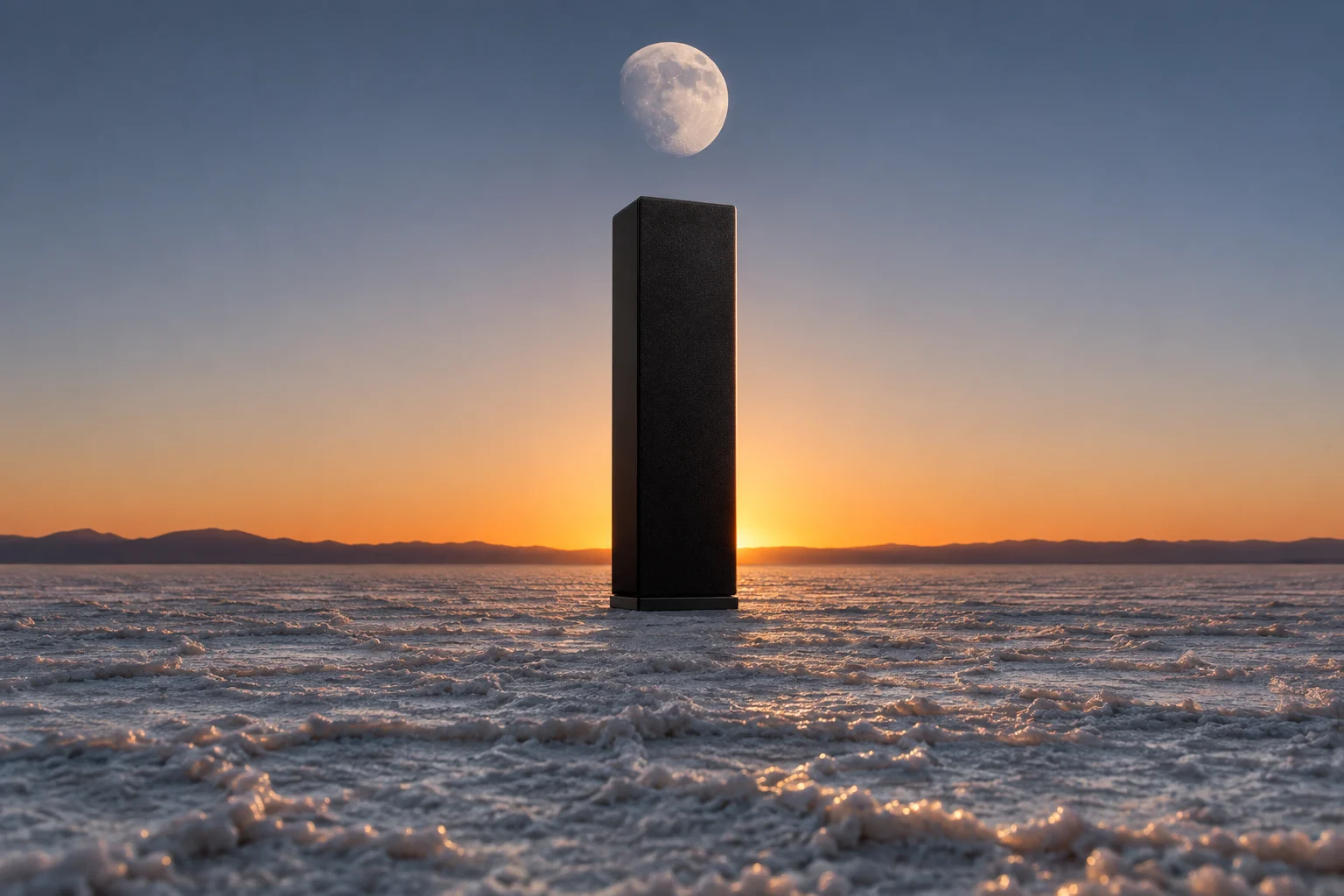
  • A home speaker campaign quoting the monolith alignment in 2001: A Space Odyssey (1968)
  • An ocean-safety image quoting the underwater viewpoint in Jaws (1975)

In the wild, Genre Quotation aesthetic real-world examples

Where this aesthetic shows up in the real world · ↗ opens the source site

Film — underwater approach referenceJaws (1975), Universal Pictures (opens in a new tab)1975
Art context — invented film referenceCindy Sherman, Untitled Film Still #60 (opens in a new tab)1980
Omoro Style GuideEvery aesthetic, every field on this page, in one PDF.
$8Get the guide →
02
The anatomy

Where Genre Quotation came from, what makes it recognisable, and the fingerprint it leaves.

History, Genre Quotation aesthetic history

Film and visual culture, quoted in contemporary campaigns · Recognizable works revisited through a new composition and purpose

A genre has shared conventions; a quotation points to something specific. A new image can quote a film scene through its camera position, a pose, a prop or a composition that viewers remember. A yellow road leading to a green destination is not merely fantasy styling: it points to The Wizard of Oz. Two figures at a ship bow with arms extended toward the horizon call up Titanic. The named source matters to the meaning.

Artists and image-makers have long worked with recognition. Cindy Sherman’s Untitled Film Stills demonstrate the adjacent idea of making a fictional scene feel like a known cinema image. Genre quotation becomes more exact when the new work preserves a distinctive arrangement from a particular source. The spectator first recognizes the reference, then compares how its subject or purpose has changed.

In these examples, a contemporary travel image quotes the bow scene from Titanic; a footwear scene follows the yellow road of The Wizard of Oz; a home speaker becomes the monolith from 2001: A Space Odyssey; and an ocean-safety image uses the submerged viewpoint of Jaws. Each new image needs both halves: enough specificity to identify the original, and a clear change that gives the quotation a reason to exist.

You recognize the scene. Then you notice what changed.

Omoro dossier · 026-GQ

Visual markers, Genre Quotation aesthetic visual markers

The visual DNA: what makes it recognisable

typography

See the fonts
  • Name the source in a concise editorial caption
  • Keep campaign type distinct from any source title treatment
  • Use consistent labels for original and quotation

grid

  • One named reference per image
  • Preserve a specific pose, prop, viewpoint or path
  • Show the changed subject or purpose clearly
  • Leave room for a source credit

materials

  • Restaged sets and props at real scale: a deck rail, a brick road, a monolith slab
  • 35mm and anamorphic film-stock look: grain, halation and widescreen framing
  • Matt black monolith surfaces against a flat, pale salt-flat ground
  • Underwater housings and split-level waterline shots for the Jaws viewpoint
  • Photographic composites and colour grades matched to the source film
  • Light borrowed from the original: golden-hour backlight, soundstage glow, murky underwater falloff

motifs

  • Outstretched arms at a ship bow
  • A yellow road and green destination
  • An upright dark slab aligned with celestial bodies
  • A threat seen from below the waterline

Aesthetic profile

8-channel console with the fingerprint on its display. Save the card, or share the page

Aesthetic Profile
Genre Quotation
Film and visual culture, quoted in contemporary campaigns · Recognizable works revisited through a new composition and purpose
Attribute console · 026-GQ
leans expressive, structured, minimal
8 CH
FIG. 1
MinimalMaximalAnalogDigitalExpressiveRestrainedWarmCoolNostalgicFuturisticStructuredChaoticLightDarkGeometricOrganic
01Minimal
Maximal20%
02Analog
Digital20%
03Restrained
Expressive50%
04Cool
WarmEVEN
05Futuristic
Nostalgic10%
06Structured
Chaotic40%
07Dark
Light10%
08Organic
Geometric10%
ExpressiveStructuredMinimal
Omoro · Attribute console · 026-GQ
omoro.io/styles/genre-quotation

Materials

Named in this style's material notes, one material the library documents

Fired BrickMasonry

Color Palettes, Genre Quotation color palettes and hex codes

The definitive color scheme for this aesthetic

Genre Quotation
#1E3245 · #DDA08A · #E8B72C · #1C1E21 · #187C94
Each quotation inherits a recognizable source color, while a restrained editorial frame keeps the set coherent.
Omoro Palette Pack575 curated palettes across every aesthetic, 5 export formats.
$8Get the palettes →

Adjacent Palettes, styles related to Genre Quotation

The colour of the styles sitting closest to this one

Cinematography
Surrealism
Conceptual Art
Form Substitution
03
The direction

How to shoot it, how to prompt it, and how to board it.

Photo Direction

How to shoot this aesthetic

"Name the source. Quote its visual signature. Change the meaning."

Shot list

  • Wide travel hero: two contemporary adults at a ferry bow, one extending both arms toward the sunrise, quoting the famous Titanic bow scene
  • Three-quarter footwear campaign: three modern friends and a small dog walk a yellow brick road toward a green city, quoting The Wizard of Oz
  • Construction detail: real yellow brick, ordinary current-day shoes and a distant green-glass skyline make the Oz reference tangible without period costume

Lighting

Make each source recognisable through its specific visual arrangement while using believable contemporary light.

Omoro Director's Briefs151 photo shot-lists like this one, ready to shoot from.
$8Get the briefs →

Prompts

Click any prompt row to edit. Copy uses your edited text.

Make
Genre Quotation · image
Style

Create an original contemporary editorial campaign image that visibly quotes one named cultural source through its identifiable pose

Visual cues

prop, framing or setting; keep the source recognizable while changing the people, product, location and purpose; no title, logo, actor likeness or exact frame copy

Paste as-is, or add your own subject.

Variant 1 of 8Same style, a different picture each time: new subject, setting, framing and light. Add a model if you want someone in the picture.
Frame
Variant 1 · image
Shot

Photograph: wide travel hero: two contemporary adults at a ferry bow, one extending both arms toward the sunrise, quoting the famous titanic bow scene.

Setting

Set in yellow pedestrian route toward a city. Shot wide, the whole scene with room around it, make each source recognisable through its specific visual arrangement while using believable contemporary light..

Detail

Keep an upright dark slab aligned with celestial bodies in the frame.

Style

Style: Create an original contemporary editorial campaign image that visibly quotes one named cultural source through its identifiable pose, prop, framing or setting; keep the source recognizable while changing the people, product, location and purpose; no title, logo, actor likeness or exact frame copy.

Palette

Colour palette #1E3245 #DDA08A #E8B72C #1C1E21 #187C94.

Wardrobe

Present-day, unbranded clothing; no actor likeness or film costume.

Frame

Composed for a 16:9 landscape frame.

Rules

Photographic, not an illustration. No text, no logos, no watermark.

Use as skill

The whole record as a portable skill for Claude, ChatGPT, Gemini, image and video models, or a human brief

The whole record, compiled into a skill another system can work inside: lineage, axes, palettes, type, materials, photography, verdicts and a critique checklist. Nothing is generated; it is the dossier, restructured.

Mood Board

The record applied to your project. The record's kit is free; your brand, references and plates come with membership

Mood board
The Genre Quotation board
8 frames · 4 selected
FIG. 4
Deck Navy1E3245Dawn RoseDDA08AYellow RoadE8B72CMonolith Black1C1E21Open Water187C94
Brand and references
IdleBrand and references open with membership
With membership: the brand's own facts and colours in every prompt, references carried into every frame, and the plates generated.
01 · Hero application
02 · Material and finish
03 · Palette in context
04 · Photography direction
05 · Pattern plate
06 · Object
07 · Environment
08 · Digital presence
Demo kit free, the rest with membershipThe record as a demo kit, free. Name a project and it is written for that
Omoro · Mood board · 026-GQ
04
The judgement

Whether to use it, what it costs to do properly, and where it stands right now.

Creative verdict, Genre Quotation feasibility and strategic recommendation

Two written calls, seven meters, and when to walk away

Creative verdict
Should Genre Quotation be the call?
7 meters
FIG. 2
Assessment

Name the source before designing. Identify the pose, prop, framing or setting that makes that work recognizable. Rebuild only those cues around a new subject, product or message. If the source cannot be named by the viewer, the quotation is too vague; if the frame is merely copied, the new work has too little to say.

Verdict

Useful when recognition of a particular source changes how the new image is read. Make the source legible, then introduce a meaningful new context. Credit the reference in editorial settings and clear rights for commercial use where needed.

Production cost
Medium

Location, lighting and wardrobe must work together, but a single carefully composed shot can carry the idea.

Creative difficulty
High

The team must select a specific recognizable source, choose its identifying cues and turn them toward a new purpose.

Execution difficulty
Medium

Cinematography, casting and grading need consistency, particularly across a series.

Risk of misuse
Medium

A weak reference is invisible, while a literal remake can feel derivative and bring rights concerns.

Prevalence
Common

Campaigns and editorial photography often borrow cinematic conventions to suggest a story quickly.

Longevity
Enduring

Audiences keep learning visual codes through film, television and photography, even as the genres evolve.

Brand investment
Medium

A coherent image depends more on art direction and cinematography than effects.

Avoid if
The source cannot be identified
If the work only feels like a broad genre, it is genre styling, not quotation. Preserve enough exact visual cues to make the reference legible.
The new image adds no point of view
A remake without a changed subject or purpose borrows recognition but contributes little meaning.
Omoro · Creative verdict · 026-GQ

Editorial Depth

A Pro feature: origins, practitioners, and pitfalls

Editorial depth
The Genre Quotation file
14 sections
FIG. 3
Context02Brands02Perception04Use04Index02
01Common MisconceptionThe principle beneath the surface
02Historical ContextOrigins, cultural moment, and reaction
03Brands That Accidentally Use This StyleNatural alignment, not category claims
04Brands That Perfectly Represent This StyleExceptional execution
05Psychological EffectHow visual decisions change perception
06Visual ChecklistInclude and avoid
07Creative FormulaThe visual system reduced to essentials
08Recognition SignalsHow to recognize it in two seconds
09When To Use This StyleContexts where the language performs
10Common Creative MistakesWhere imitation weakens the signal
11Best Brand ApplicationsIndustries with a natural advantage
12Creative Application AnalysisFit, feasibility, and production reality
13Related StylesClose languages and the key distinction
14Visual DNA SummaryThe sentence to remember

The editorial depth, with membershipOpening soon
Omoro · Editorial depth · 026-GQ
05
The index

Neighbours, cross-references, blends, and the questions people ask.

Related concepts

Connected across the creative knowledge graph

Cultural relevance, Genre Quotation cultural relevance today

Where it stands now, and what it costs you to use it

A specific visual quotation lets audiences bring their memory of an existing work into a new image. The reference is a short path to an emotion or plot expectation, but the changed context should add something of its own.

Recognition depends on cultural familiarity. State the source rather than pretending every visitor will know it, and avoid a reference whose meaning collapses for people outside one audience.

Cross-references

CinematographyThe broader craft of composing an image with film languageConceptual ArtA related practice where the idea behind an image shapes how it is readSurrealismA distinct method for making familiar imagery behave unexpectedlyForm SubstitutionAnother way to change what a familiar image means

Blend

Mix Genre Quotation with any style in the library, or see the pairs worth trying

Genre Quotation×
50%50%
78% alike
Genre Quotation referenceCinematography referenceGenre Quotation 50%Cinematography 50%

Merged palette

#1E3245

#0A0A0A

#DDA08A

#E8B72C

#4A3728

Leads expressive, structured, minimal

Typography · from Genre Quotation

Poppins over Manrope

Materials

  • Restaged sets and props at real scale: a deck rail, a brick road, a monolith slab
  • 35mm and anamorphic film-stock look: grain, halation and widescreen framing
  • 35mm motion picture film stock: Kodak Vision3 negative with visible grain structure

Use it

DIRECTION

Create one visual direction that synthesizes Genre Quotation × Cinematography. Preserve a clear hierarchy; do not make a contact sheet or a collage of unrelated styles.

CHARACTER

Let it read as expressive, structured, minimal. Resolve the strongest tensions deliberately: keep the balance coherent.

PALETTE

Use these colors as a controlled system: #1E3245 (Deck Navy) · #0A0A0A (Pure Black) · #DDA08A (Dawn Rose) · #E8B72C (Yellow Road) · #4A3728 (Warm Shadow).

TYPE

Use Poppins for display type and Manrope for supporting text.

MATERIALS

Bring in Restaged sets and props at real scale: a deck rail, a brick road, a monolith slab, 35mm and anamorphic film-stock look: grain, halation and widescreen framing, 35mm motion picture film stock: Kodak Vision3 negative with visible grain structure, Anamorphic glass with oval bokeh and horizontal streak flares.

OUTPUT

Keep one subject or one clear interface state in focus. Use the visual language to guide composition, lighting, spacing and material decisions.

Open in blends, with pairs worth trying →

About this aesthetic

What is genre quotation here?

A new image that visibly references a specific film or cultural work through an identifiable pose, prop, viewpoint or composition.

How is it different from genre styling?

Genre styling borrows conventions shared by many works. A quotation points to one named source that viewers can identify.

Does the new image need to copy a frame?

No. It should retain enough cues to identify the source while changing the people, product, setting or purpose.

Why name the source?

The comparison between source and new image is part of the idea. A source credit helps viewers understand that relationship.

Build with the genre quotation aesthetic

Every style in the library is broken down like this one: the palette, the typography, the materials and the lineage.

Explore the style library →