When to use it
- Futuristic tech branding
- Avant-garde fashion
- Automotive and industrial
- Sci-fi productions
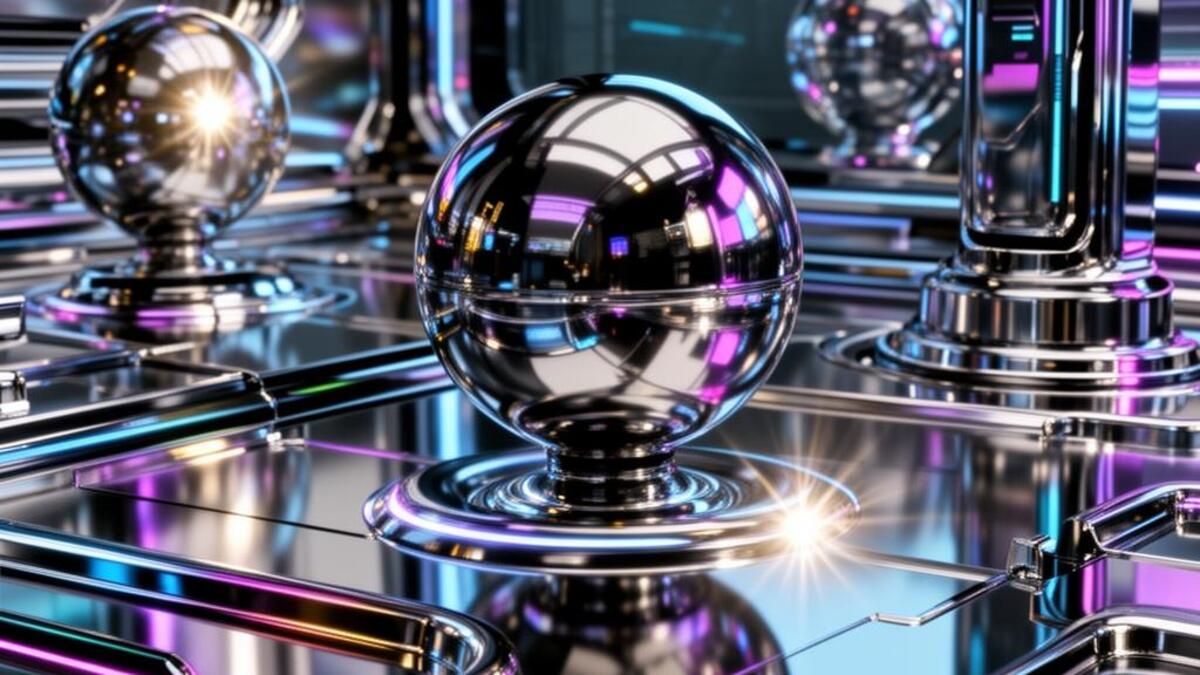
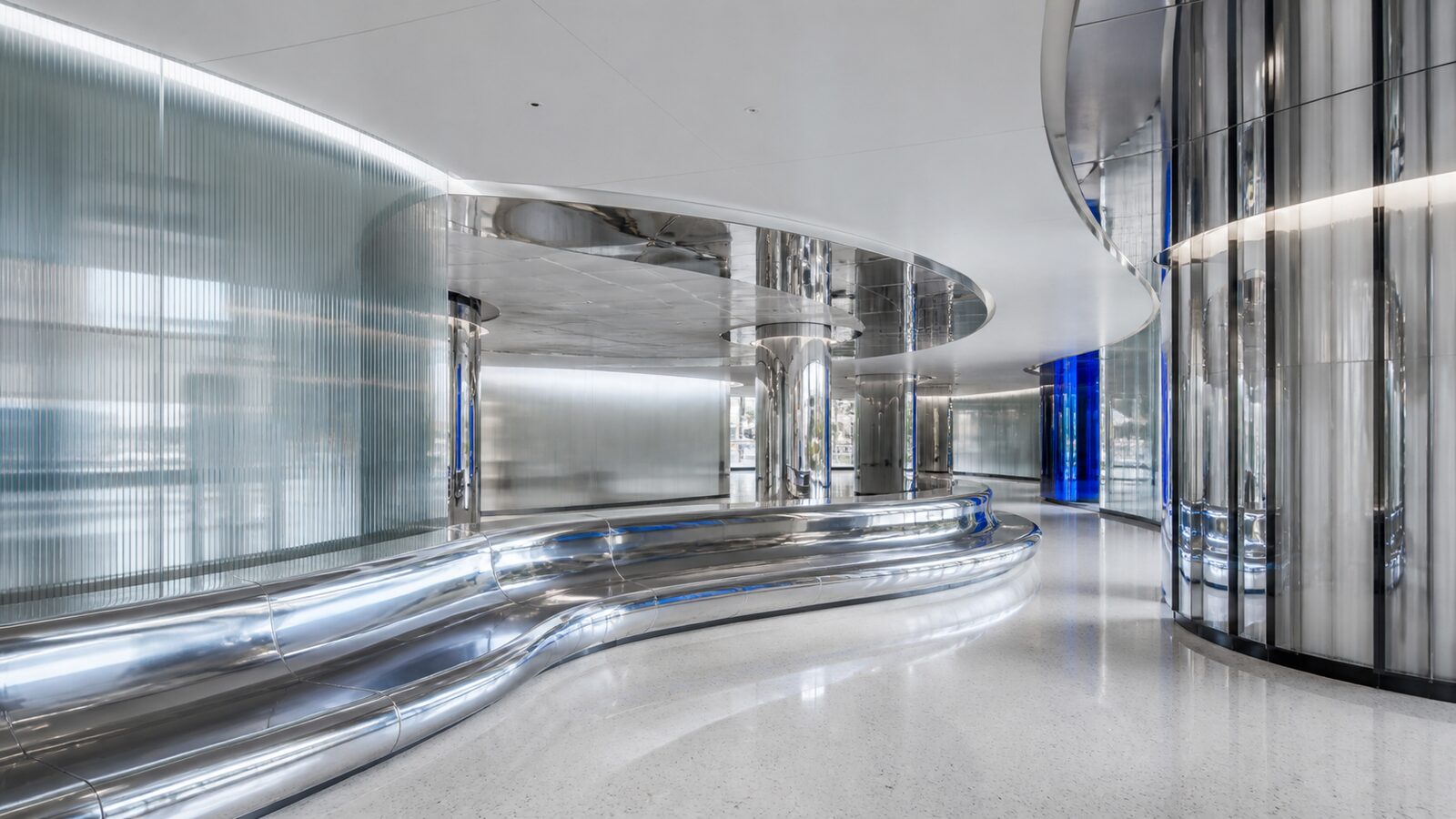
Liquid metal surfaces, reflective everything, and industrial futurism
Part of the Innovation & Progress mood, alongside Cyber Minimalism and Glassmorphism. Began in the 2020s, on the style timeline.
What it is, when it works, who it is for, and where it already exists.
Record 022-CH - when it works, who it is for, what it looks like
Where this aesthetic shows up in the real world · ↗ opens the source site
Where Chromecore came from, what makes it recognisable, and the fingerprint it leaves.
2020–present · Y2K revival aesthetics; fashion and beauty industries; CGI design communities
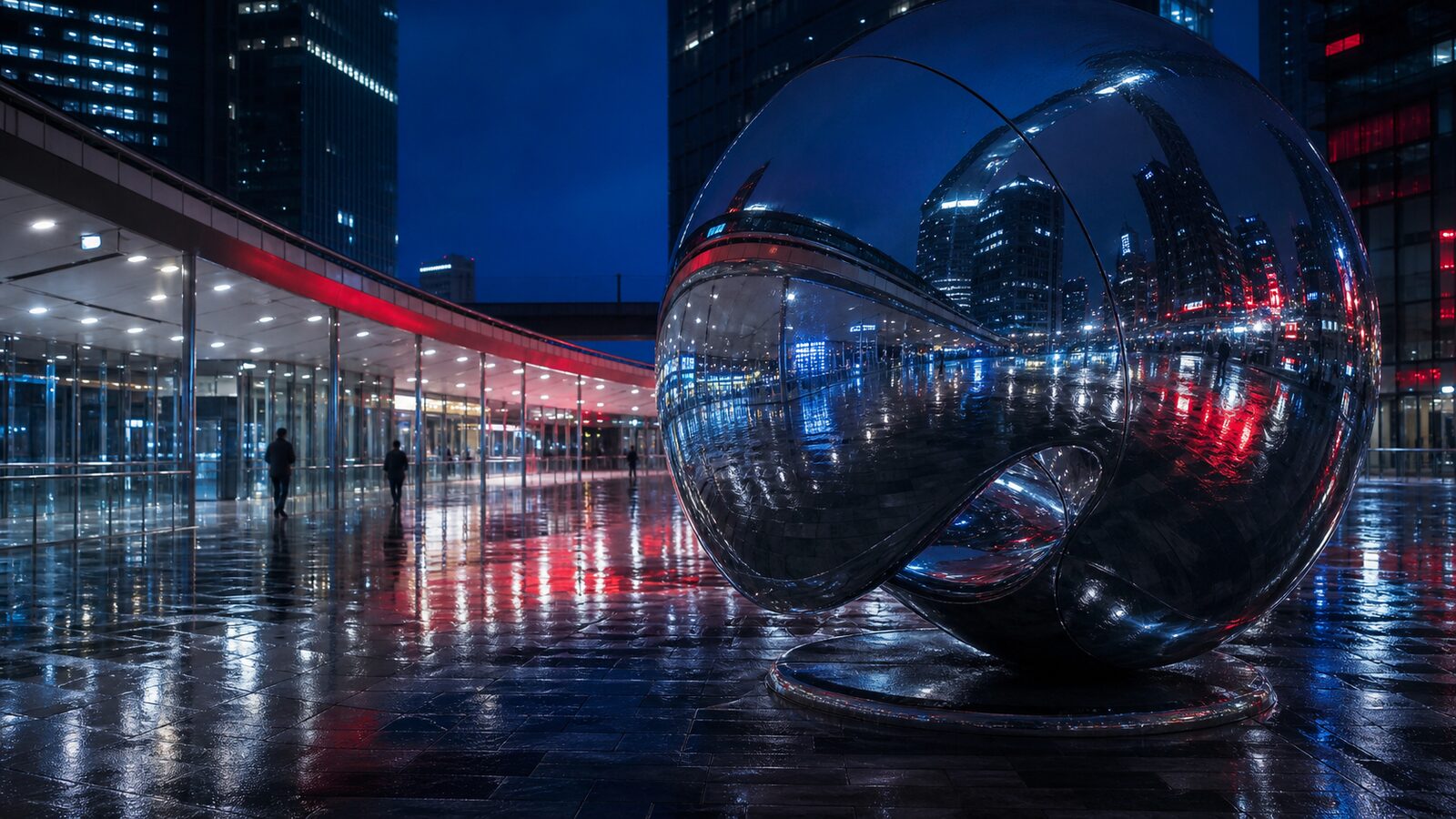
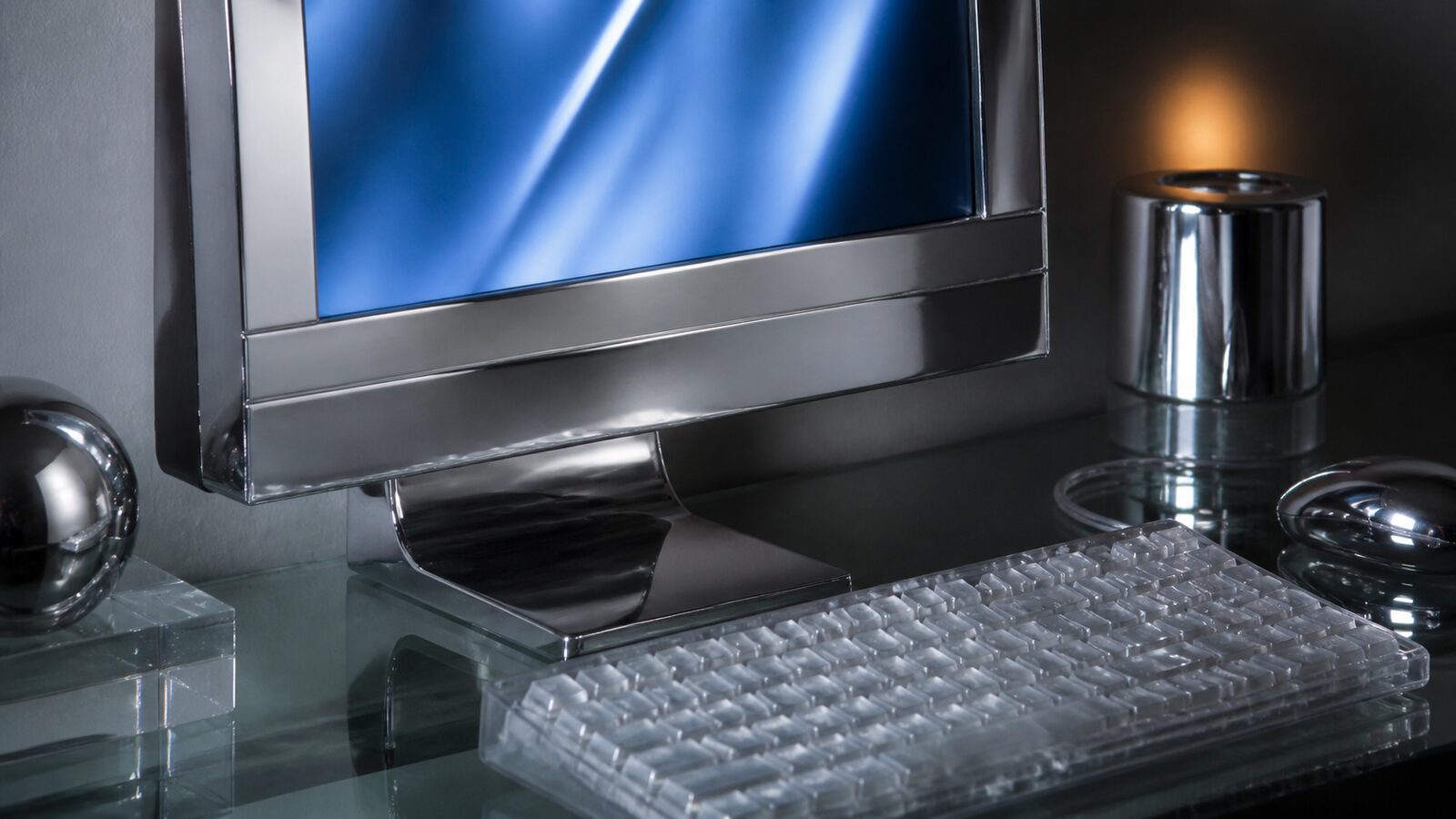
Chromecore crystallized as a named aesthetic around 2020–2021, emerging from the Y2K revival's fascination with the hyper-reflective materials of the late 1990s: chrome accessories, mirrored surfaces, and the metallic finish of early-2000s consumer electronics. Where Y2K nostalgia is broad, chromecore isolates the specific quality of mirror-polished chrome: a surface with no inherent color that captures and distorts its environment.
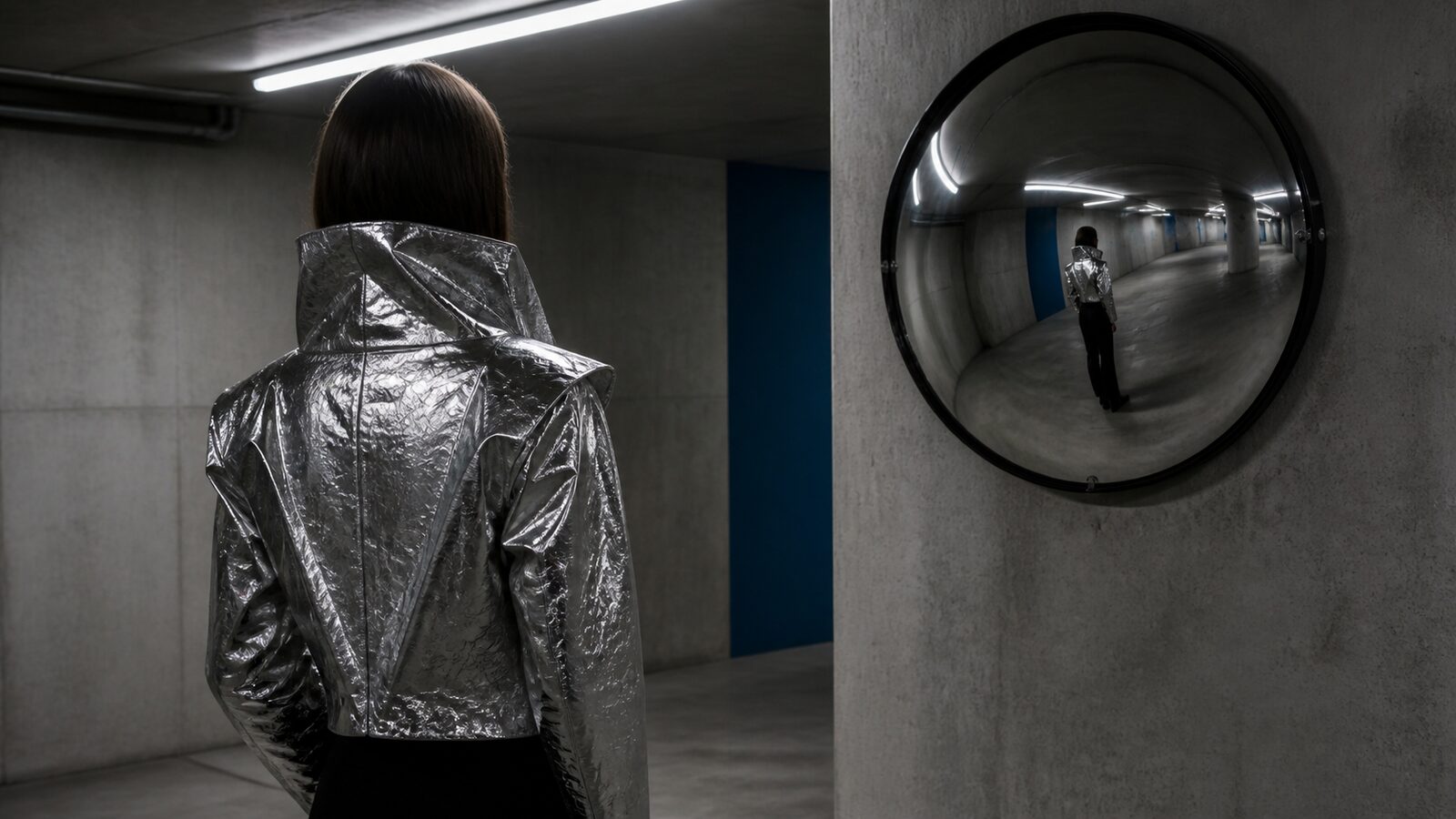
The aesthetic connects to multiple traditions: 1970s automotive chrome culture, Jeff Koons's polished stainless steel sculptures (which turned reflection into fine art subject matter), the chrome-accessorized fashion of Versace and Gianni Versace's legacy, and the contemporary beauty industry's obsession with chrome nail art, metallic lip colors, and reflective packaging. Kim Kardashian, Dua Lipa, and various K-pop artists contributed to chromecore's mainstreaming through mirror-finish fashion choices.
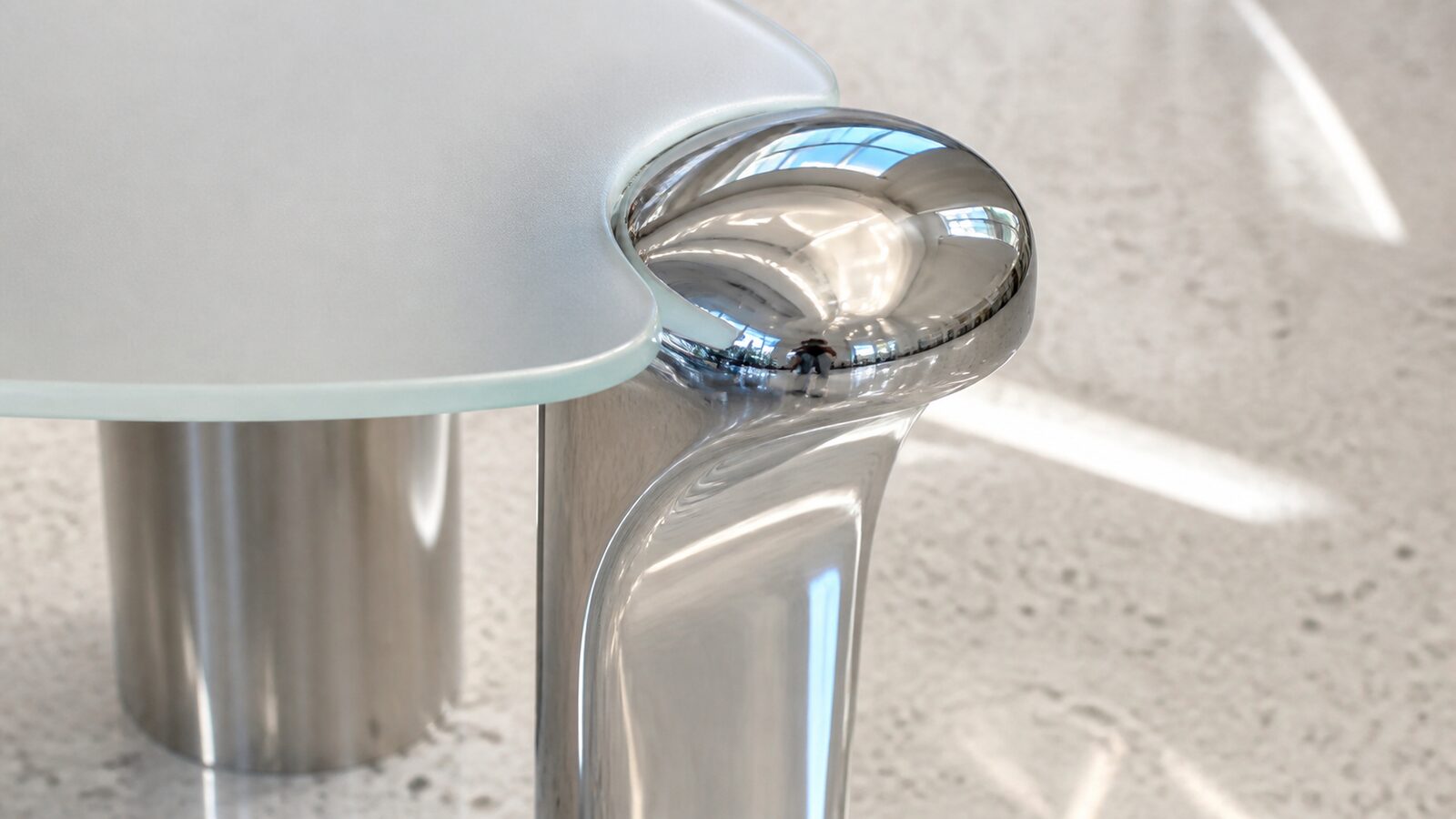
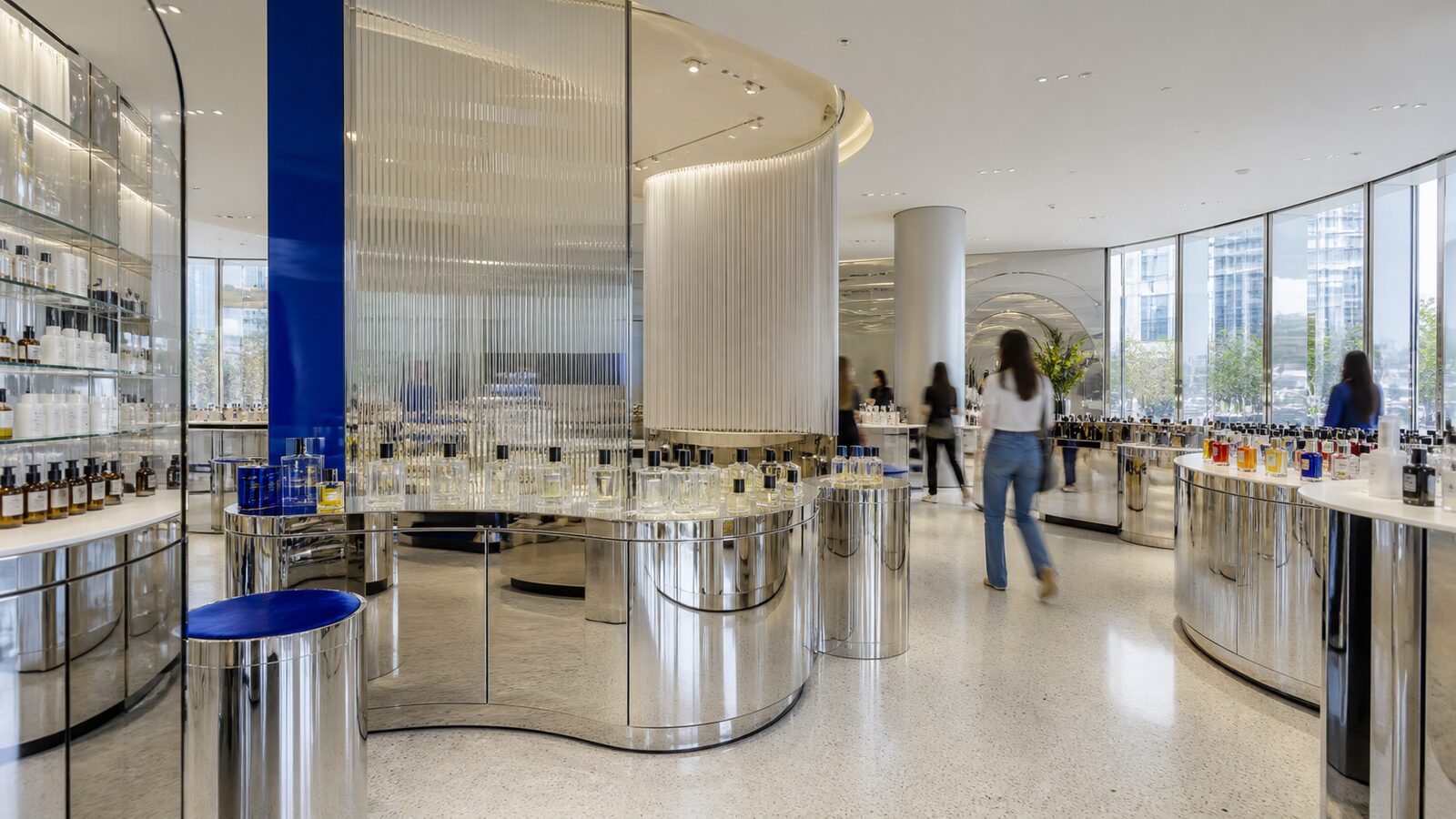
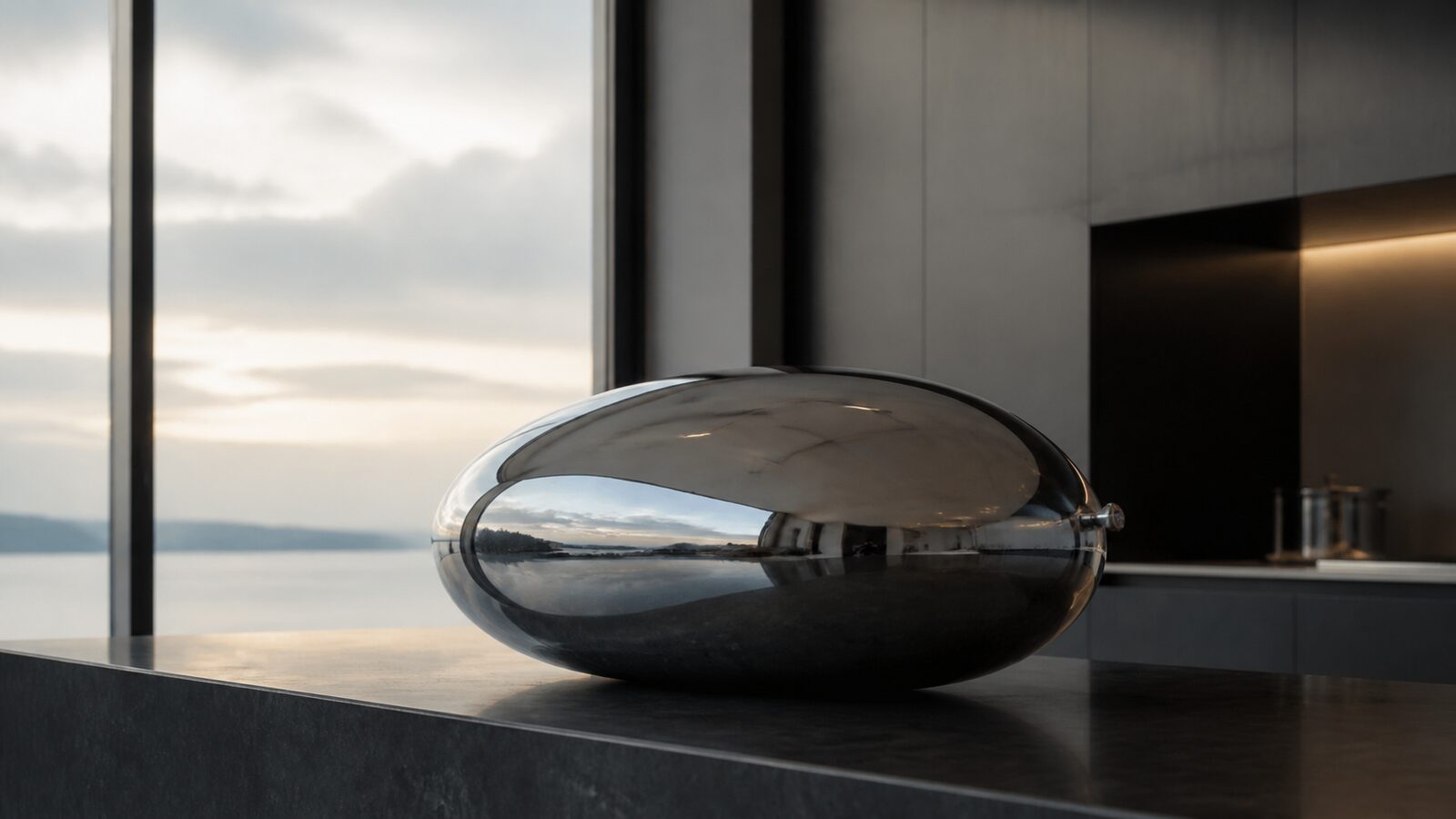
Chromecore is distinguished from generic metallic aesthetics by its specificity: it's not gold (which is warm and opaque), not silver (which is cooler and somewhat matte), but chrome: the cold, high-specular, environment-mapping material that appears differently depending on what surrounds it. A chrome surface in a blue room is blue; in a pink room, pink. This reflective instability is chromecore's defining quality.
“The material that contains no color of its own: and therefore contains all of them.
The visual DNA: what makes it recognisable
8-channel console with the fingerprint on its display. Save the card, or share the page

4 color interpretations of this aesthetic
The colour of the styles sitting closest to this one
How to shoot it, how to prompt it, and how to board it.
How to shoot this aesthetic
"The future reflected in itself: liquid metal surfaces and the aesthetics of pure material"
Shot list
Lighting
A single very hard light source bare strobe or direct HMI positioned to create maximum specular highlights on chrome surfaces; diffusion kills the reflectivity
Drop this into Studio to generate in this aesthetic
Chromecore aesthetic with liquid-metal chrome surfaces as the entire visual subject, hyper-reflective mirrored material rendering environment distortion, Y2K futurist metallic obsession, sleek alien-tech polish
The record applied to your project. The record's kit is free; your brand, references and plates come with membership
01 · Hero application02 · Material and finish03 · Palette in context04 · Photography directionWhether to use it, what it costs to do properly, and where it stands right now.
Two written calls, seven meters, and when to walk away
Reflections have to reflect something. A chrome surface with a generic studio HDRI reads as a default material, because it is one, and the environment map is where the whole look actually lives. Build or choose the reflected scene deliberately. Anisotropic brushing and edge wear turn plastic-looking chrome into metal, and they cost nothing.
Works when the surface is in motion, where the reflection changes. Static chrome is a gradient with a good reputation, and rendered chrome usually looks wrong because it is reflecting nothing. Right for product and motion work with real environments to mirror. Wrong in print and wrong at small sizes, where it compresses to grey.
Digital rendering, not physical chrome.
Reflective surfaces are a strong effect. Needs a reason beyond the shine.
Photoreal chrome rendering is genuinely difficult to get right.
Unconvincing chrome rendering looks cheap immediately.
Rising fast in beauty, tech, and fashion right now.
Part of the current metallic-surface trend cycle.
Digital rendering only.
A Pro feature: origins, practitioners, and pitfalls
Neighbours, cross-references, blends, and the questions people ask.
Connected across the creative knowledge graph
Where it stands now, and what it costs you to use it
Chromecore descends from Y2K product design, when brushed and mirrored metal signalled that an object was advanced, and it returned as a reaction to a decade of matte and soft.
Real chrome is a reflection of its environment, which is why rendered chrome so often looks wrong: it is reflecting nothing.
It works best in motion, where the reflection changes. Static chrome is a gradient with a good reputation.
Mix Chromecore with any style in the library
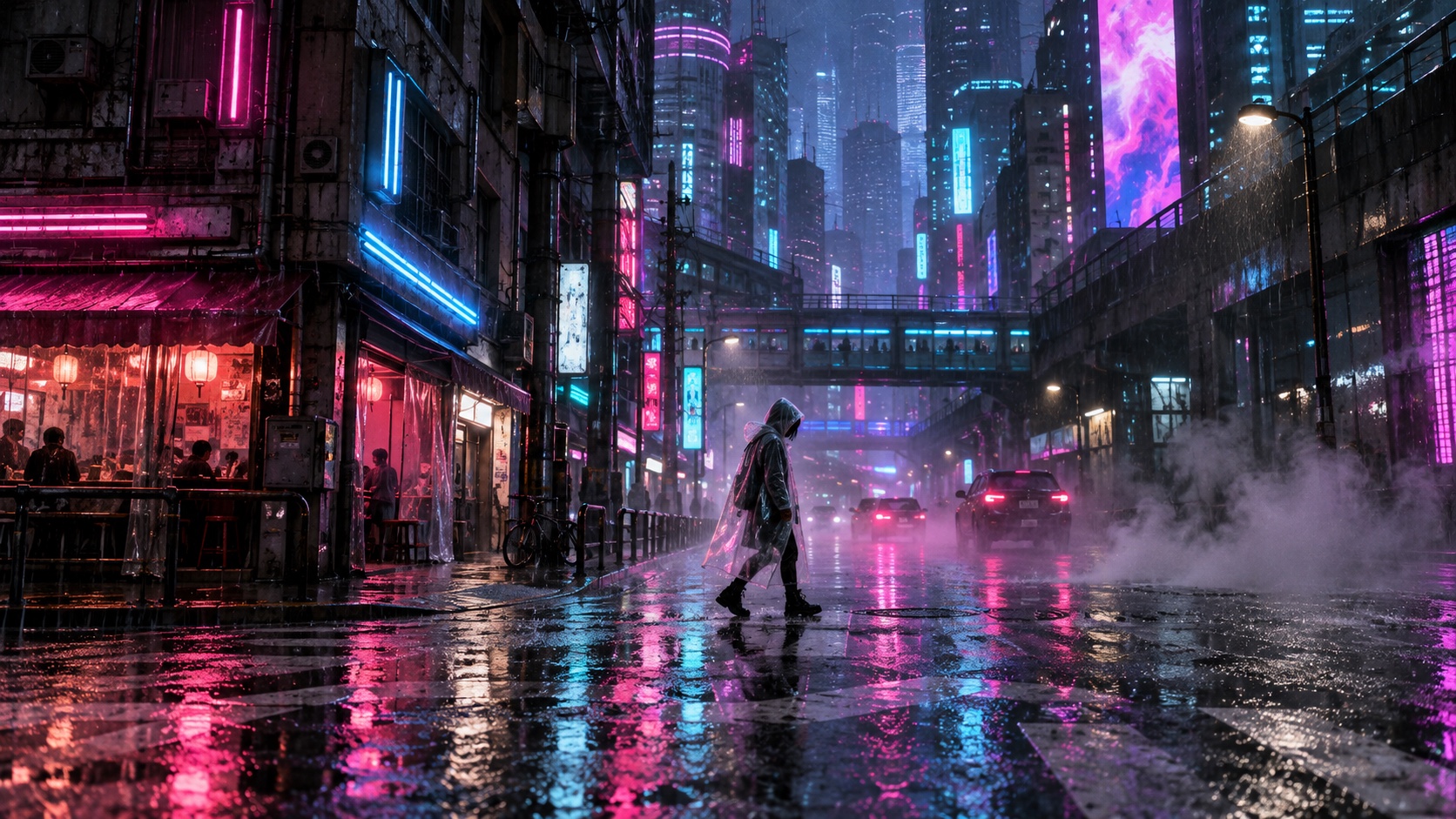 Chromecore 50%Cyberpunk 50%
Merged palette
#1A2030
#4A5568
#1A0A2E
#8090A8
#FF003C
Leads digital, futuristic, cool
Typography · from Chromecore
Orbitron over Space Grotesk
Materials
The calls this blend forces
These two disagree on one thing, and a blend cannot average them: you pick a side. At this mix:
Structured or Chaotic? Chromecore is structured, Cyberpunk is chaotic. This mix lands chaotic.
Use it
Chromecore aesthetic with liquid-metal chrome surfaces as the entire visual subject, hyper-reflective mirrored material rendering environment distortion, Y2K futurist metallic obsession, sleek alien-tech polish (50%), infused with Cyberpunk aesthetic with neon-soaked rain-slicked atmosphere, dystopian megacity mood, Blade Runner lineage by way of Ridley Scott and Denis Villeneuve, holographic advertisement clutter, moody high-contrast color grade, color palette strictly #1A2030 #4A5568 #1A0A2E #8090A8 #FF003C, leaning structured over chaotic, overall character: digital, futuristic, cool
Chromecore is an aesthetic centered on mirror-polished chrome: hyper-reflective surfaces that contain no inherent color but capture and distort their environment. Key palette: chrome silver (#C8CCCE), specular white (#F0F4F8), shadow chrome (#6A7080), against black void (#050508). Emerged from 2020–2021 Y2K revival, with influences from Jeff Koons sculpture, 1970s automotive culture, and the contemporary fashion and beauty industry's mirror-finish obsession.
Both center on highly reflective metallic surfaces, but with different qualities. Chromecore is solid, rigid, mirror-polished: the surface is stable and reflects the environment accurately (if distorted by curvature). Liquid retro is fluid, melting, in motion: the material appears to be flowing or pooling. Chromecore is the chrome bumper; liquid retro is the chrome bumper melting into mercury. Chromecore is cold; liquid retro has organic warmth.
Fashion: Versace's legacy chrome accessories, MISBHV, Marine Serre's moon print and metallic pieces. Beauty: nail art culture's chrome powder finish, Pat McGrath chrome eye makeup. Music: Dua Lipa's Future Nostalgia era, Arca's visual identity, various K-pop chrome styling. Fine art: Jeff Koons's polished stainless steel (Balloon Dog, etc.). Product design: Apple's polished stainless steel Apple Watch and iPhone band options carried chromecore aesthetics into mass consumer product.
Every style in the library is broken down like this one: the palette, the typography, the materials and the lineage.
Explore the style library →