When to use it
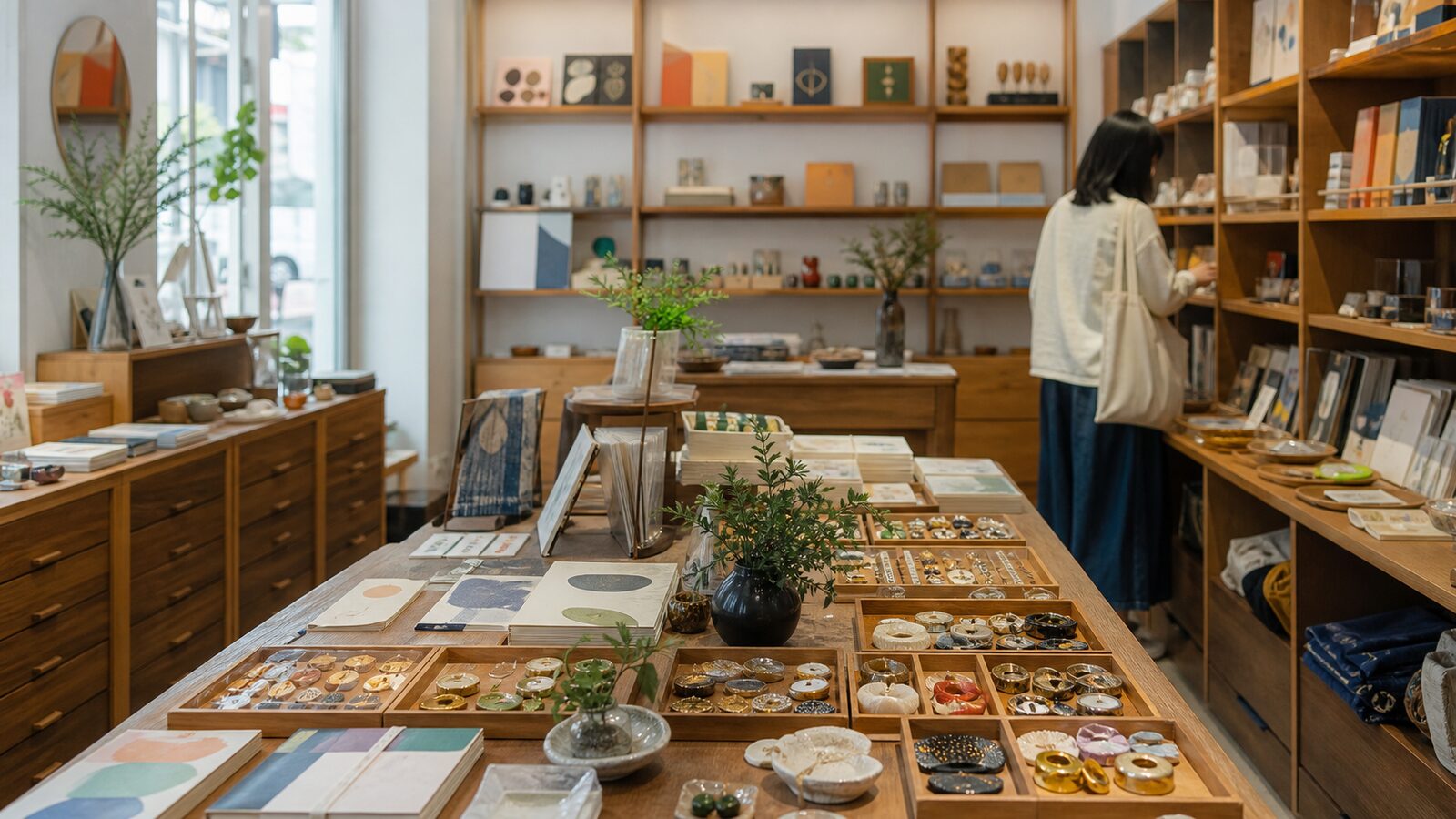
- Gift and novelty products
- Collectible merchandise
- Charm and jewelry
- Whimsical retail
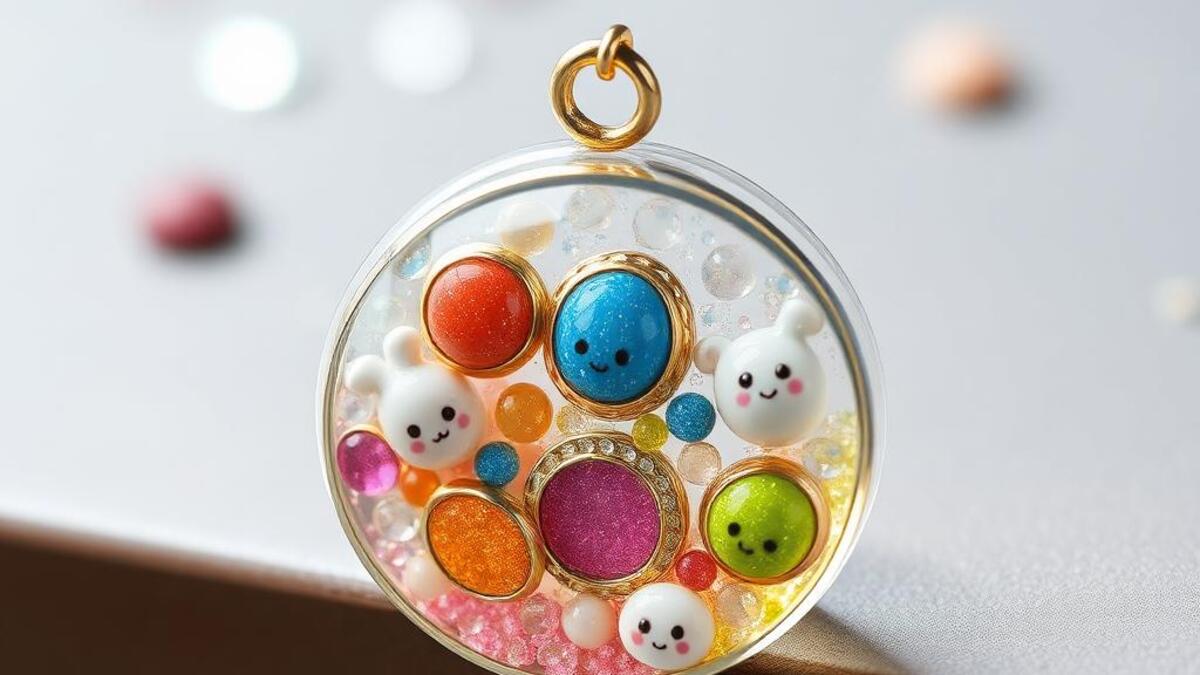
Charming small objects, collectibles, and decorative miniatures
What it is, when it works, who it is for, and where it already exists.
Record 039-TD - when it works, who it is for, what it looks like
Where this aesthetic shows up in the real world · ↗ opens the source site
Where Trinket Design came from, what makes it recognisable, and the fingerprint it leaves.
2015–present · Etsy and independent maker culture; anime merchandise; fan communities
Trinket design describes the visual aesthetic of small collectible objects: enamel pins, acrylic charms, plush keychains, sticker packs: that became a significant creative and commercial culture through Etsy, convention Artist Alleys, and independent maker communities in the 2010s. The aesthetic privileges cuteness, detail, and the specific pleasure of small-scale ornament.
The form is ancient: humans have always made small precious objects: but the contemporary iteration draws specifically from: Japanese gashapon (capsule toy) visual design, kawaii culture, fan merchandise traditions, and the maker movement's embrace of small-run production methods (vinyl cutting, enamel pin manufacturing, acrylic laser cutting). Artists who previously made fine art or illustration discovered they could manufacture editions of their work as wearable and collectible objects.
Trinket design's visual grammar is defined by constraints of the medium: enamel pin design works in flat colors with hard outlines, requires simple silhouettes that read at 1.5 inches. Acrylic charm design uses vector illustration with careful attention to how the artwork looks against different backgrounds. These constraints have produced a recognizable aesthetic: clean outlines, limited flat color palettes, and characters that are legible at very small scale.
“The aesthetic philosophy of the object that exists purely to be adored.
The visual DNA: what makes it recognisable
8-channel console with the fingerprint on its display. Save the card, or share the page
4 color interpretations of this aesthetic
The colour of the styles sitting closest to this one
How to shoot it, how to prompt it, and how to board it.
How to shoot this aesthetic
"Miniature worlds where every detail was decided with maximum affection"
Shot list
Lighting
Macro ring light for detail shots of small objects the even illumination from all sides eliminates shadow that would obscure detail at miniature scale
Drop this into Studio to generate in this aesthetic
Trinket design aesthetic with charming collectible miniature-object styling, kawaii-adjacent small-scale preciousness, glossy enamel-pin or figurine rendering, playful pastel-and-gloss material quality, shelf-display curated cuteness
The record applied to your project. The record's kit is free; your brand, references and plates come with membership
01 · Hero application02 · Material and finish03 · Palette in context04 · Photography directionWhether to use it, what it costs to do properly, and where it stands right now.
Two written calls, seven meters, and when to walk away
Scale and manufacture decide everything. A design that reads at screen size can be an illegible blob at 30mm in moulded plastic, so proof at final size on day one. Respect draft angles and minimum wall thickness. Charm comes from a specific object idea, not from shrinking an existing logo and adding a keyring hole.
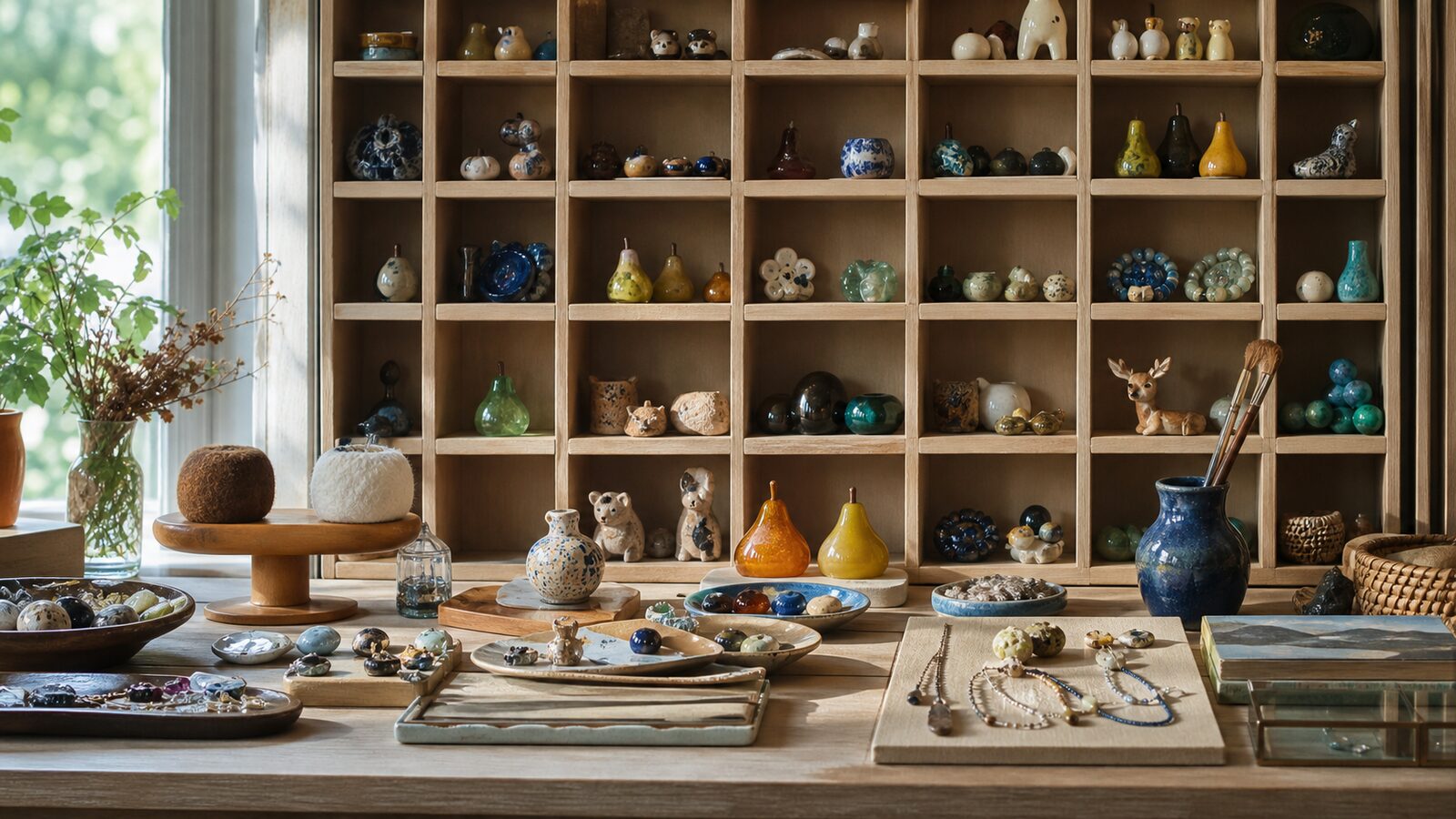
Right when the objects are genuinely accumulated rather than curated, because the appeal is the accumulation and its history. A manufactured collection is the opposite of a collected one and photographs that way. Warm and effective when real. The failure mode is styling it into evenness, which strips out exactly the history the objects are supposed to carry.
Real fabrication and materials if the objects are physical.
Charm is easy to fake and easy to spot when it's fake.
Small-scale detail work is unforgiving of clumsy hands.
Fake charm is easy to spot and reads as cheap merchandise.
A niche presence outside dedicated collectible and gift brands.
Small charming objects have always had a market.
Real fabrication if the objects are physical.
A Pro feature: origins, practitioners, and pitfalls
Neighbours, cross-references, blends, and the questions people ask.
Connected across the creative knowledge graph
Where it stands now, and what it costs you to use it
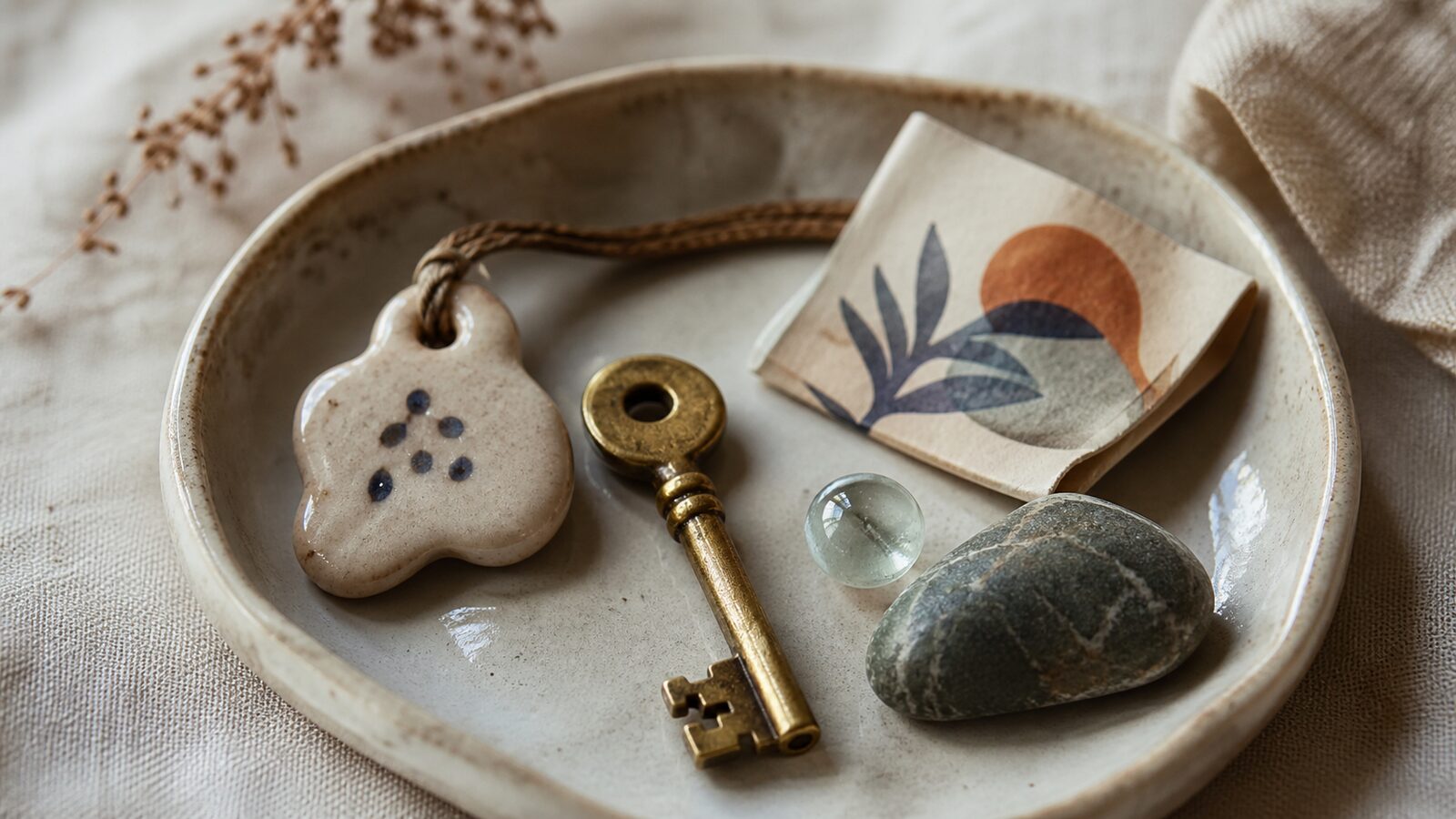
Trinket and charm aesthetics come out of a real behaviour, the accumulation of small objects with personal meaning, and the appeal is the accumulation rather than any single piece.
Manufactured collections miss it entirely, because a curated set of charms is the opposite of a collected one.
It photographs well and it is genuinely warm. The failure mode is styling it into evenness, which removes the history the objects are supposed to carry.
Mix Trinket Design with any style in the library
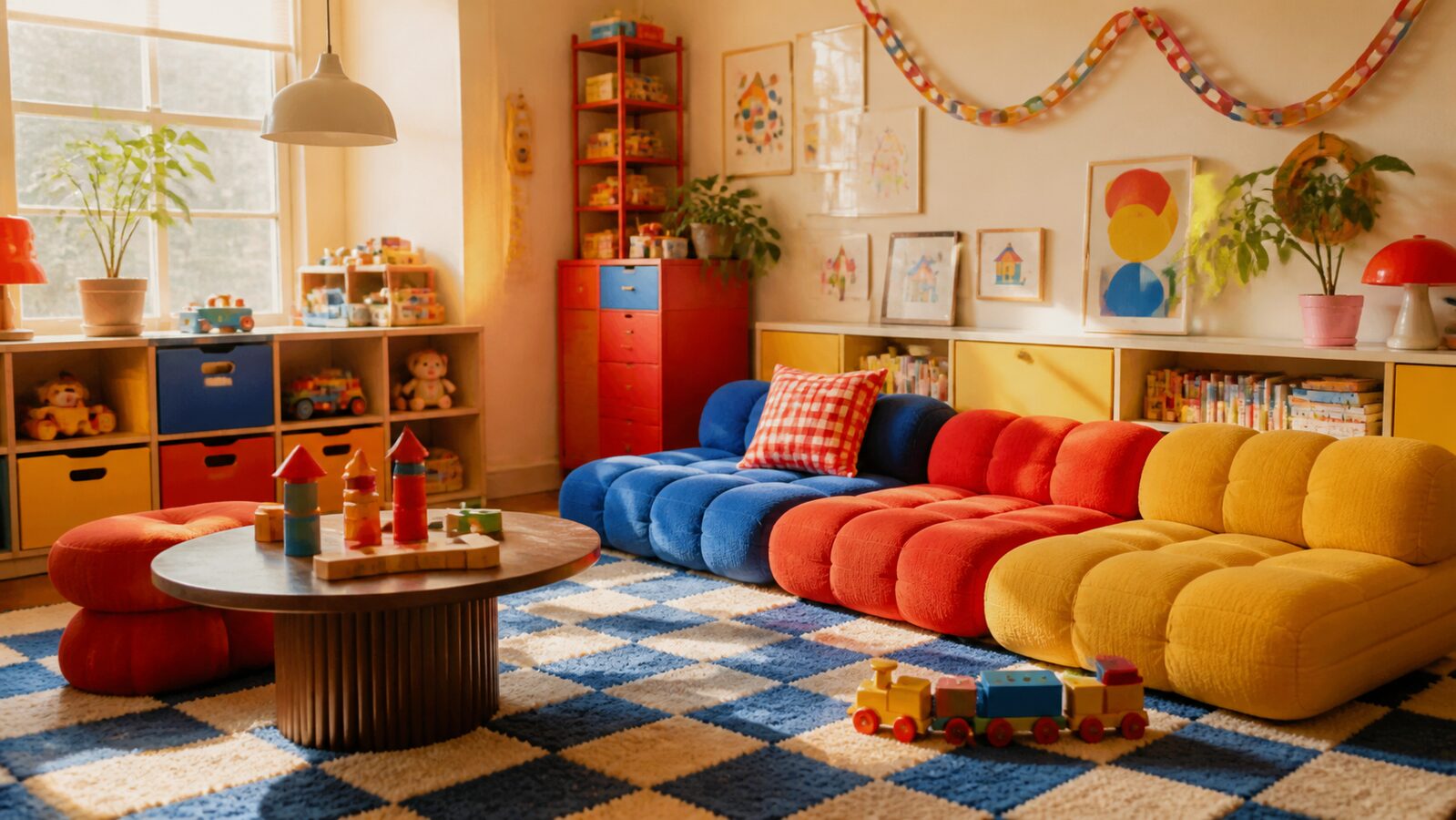 Trinket Design 50%Kidcore 50%
Merged palette
#2A1A08
#FF3333
#C84B1A
#FF9900
#8B6914
Leads light, maximal, expressive
Typography · from Trinket Design
Raleway over Merriweather
Materials
Use it
Trinket design aesthetic with charming collectible miniature-object styling, kawaii-adjacent small-scale preciousness, glossy enamel-pin or figurine rendering, playful pastel-and-gloss material quality, shelf-display curated cuteness (50%), infused with Kidcore aesthetic with 90s-2000s childhood nostalgia, Lisa Frank rainbow-and-glitter maximalism, playful chaotic joy, color palette strictly #2A1A08 #FF3333 #C84B1A #FF9900 #8B6914, overall character: light, maximal, expressive
Trinket design is the visual aesthetic of small collectible objects: enamel pins, acrylic charms, sticker packs: defined by clean outlines, flat color palettes, cute characters, and designs that read clearly at 1–2 inch scale. Palette: pastel rainbow (lavender #C8A8E8, mint #A8E8C8, peach #F0C8A8) with gold/silver and vivid accent colors. Emerged from Etsy maker culture, convention Artist Alleys, and Japanese kawaii merchandise traditions.
Design for enamel pins requires: clean vector outlines (minimum 1mm at final scale), limited flat colors (enamel pin manufacturers typically support 8-12 colors per design), simple silhouettes with high recognition value, and avoidance of fine details that disappear at small scale. Test your design at 1:1 print size. Designs that rely on texture, gradients, or complex line work generally fail: the medium rewards boldness and simplicity.
Kawaii (Japanese for 'cute') is the broader aesthetic philosophy of maximizing adorability and approachability in characters and objects. Trinket design draws heavily from kawaii principles: simplified character faces with large eyes, rounded shapes, pastel palettes, and subjects (food, animals, plants) chosen for their inherent charm. Most contemporary enamel pin and acrylic charm design is kawaii-influenced, though the trinket format also appears in horror, gothic, and other aesthetics that apply cute visual language to non-cute subjects.
Every style in the library is broken down like this one: the palette, the typography, the materials and the lineage.
Explore the style library →