When to use it
- Gen-Z beauty and fashion
- Playful product launches
- Pop culture and entertainment
- Candy and confectionery
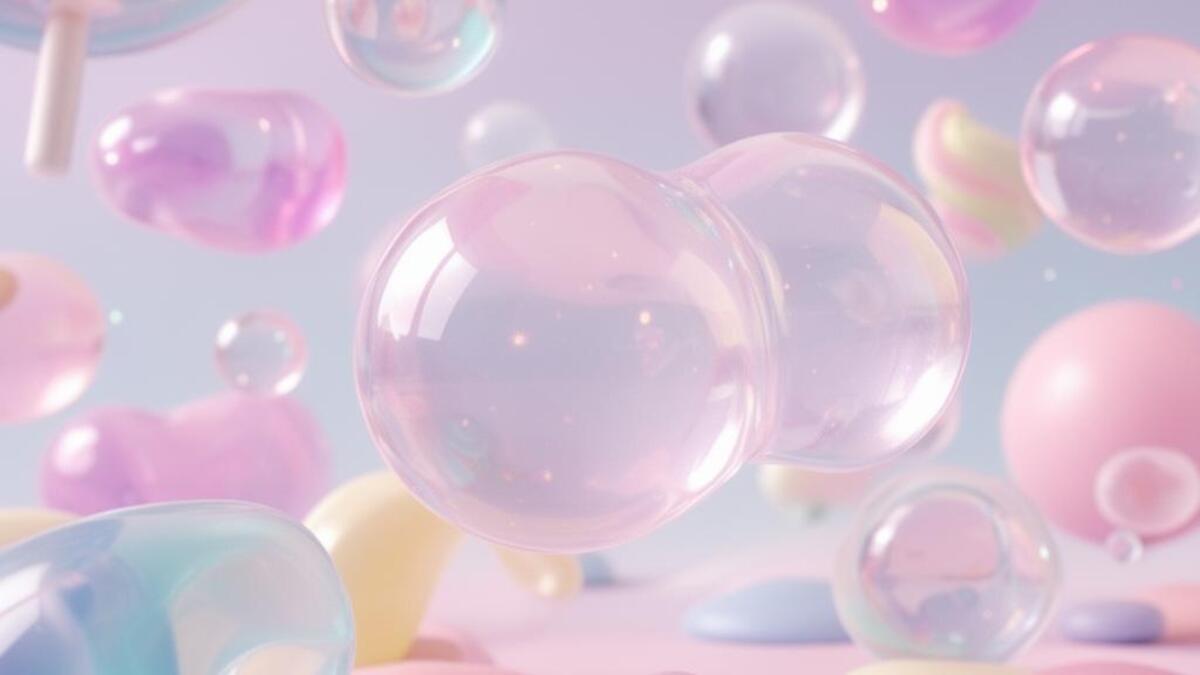
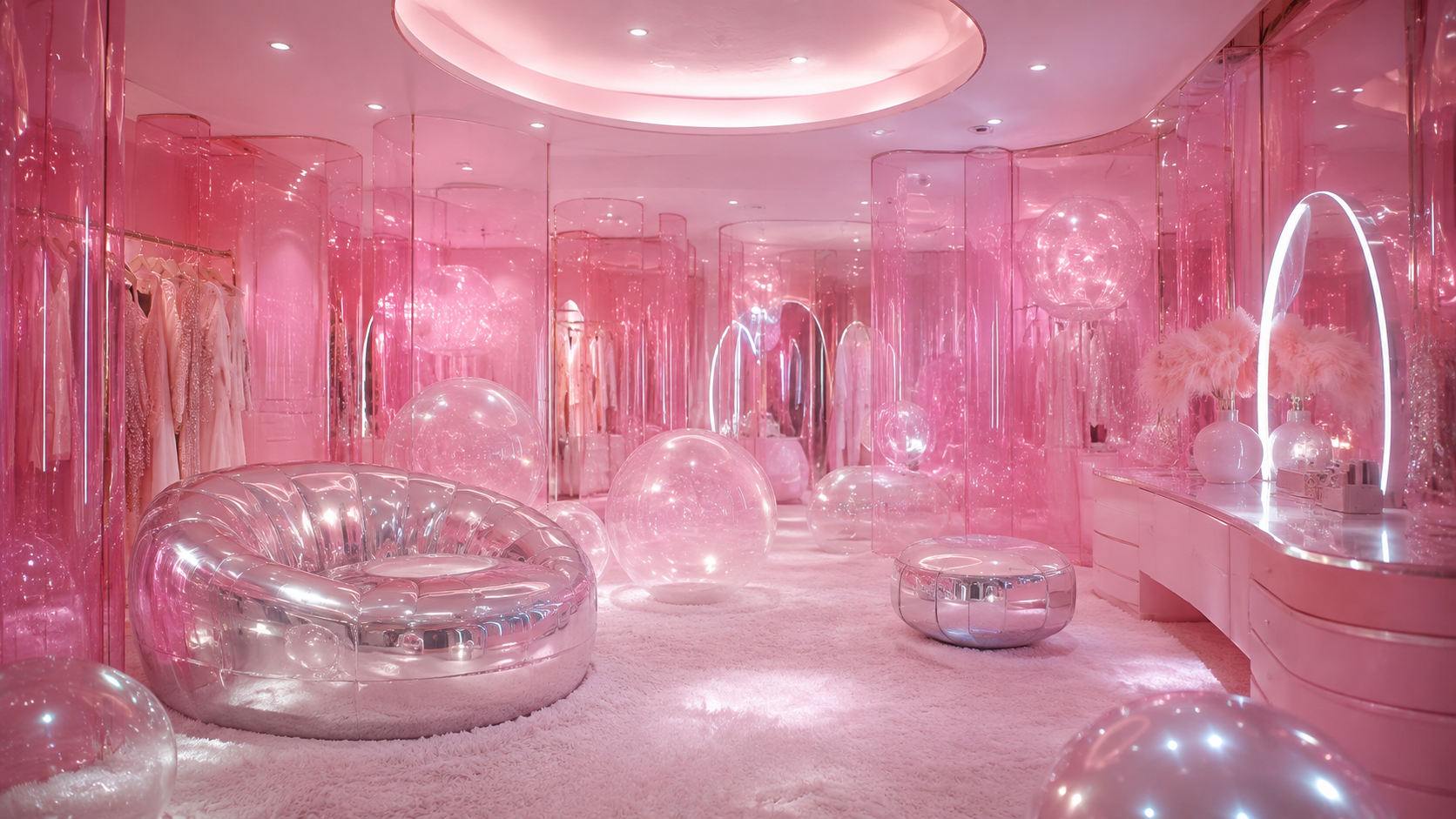
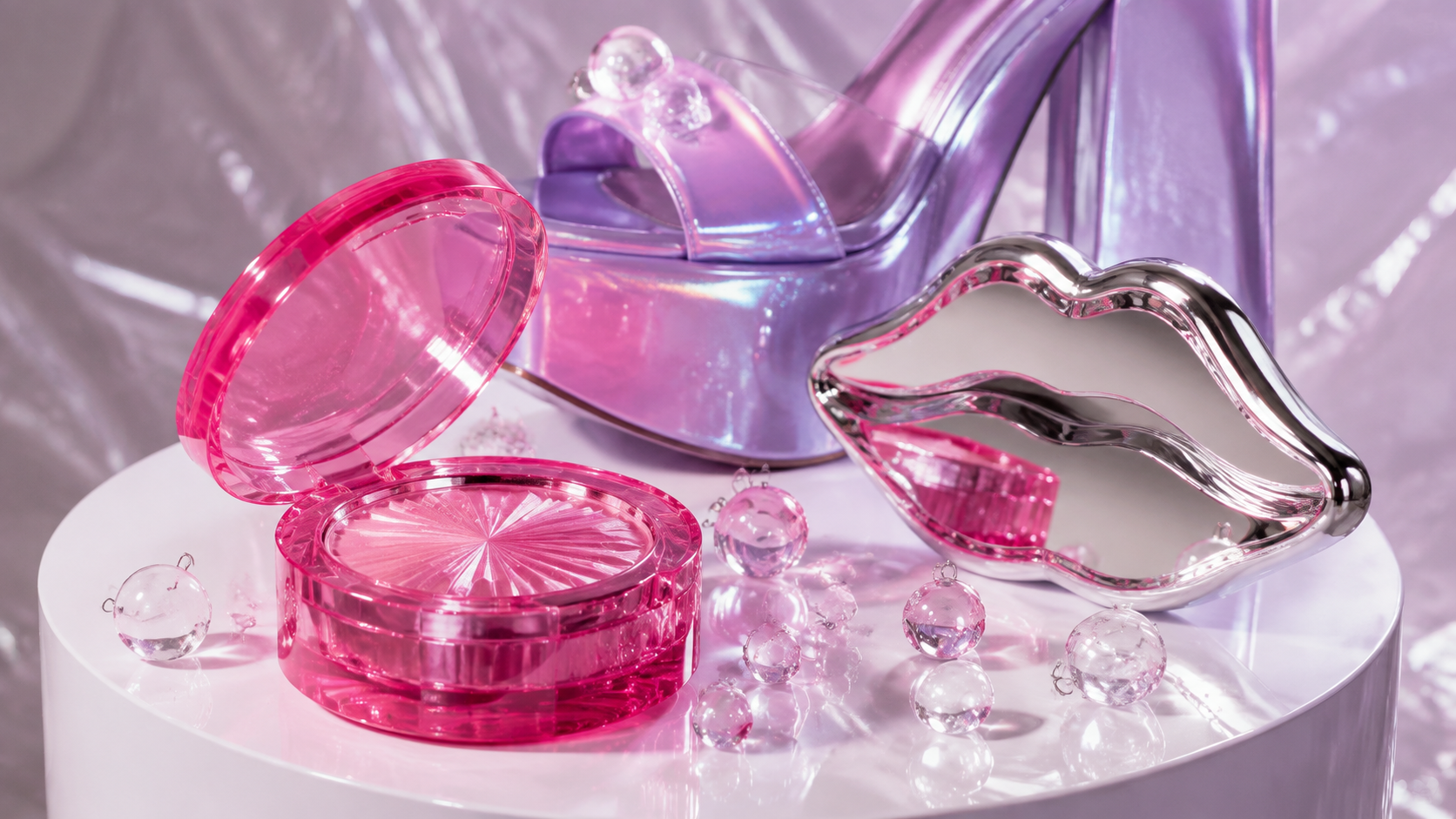
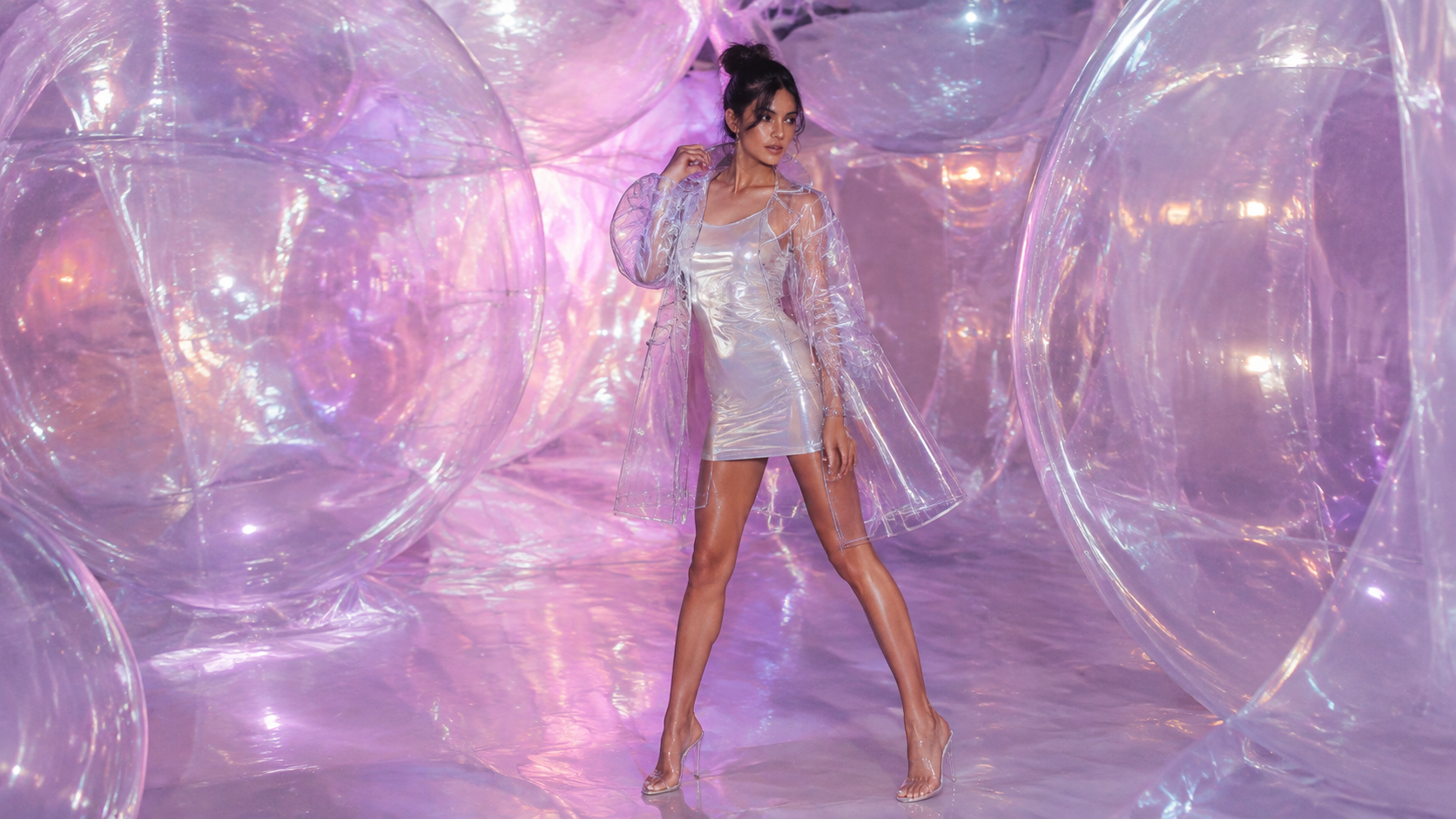
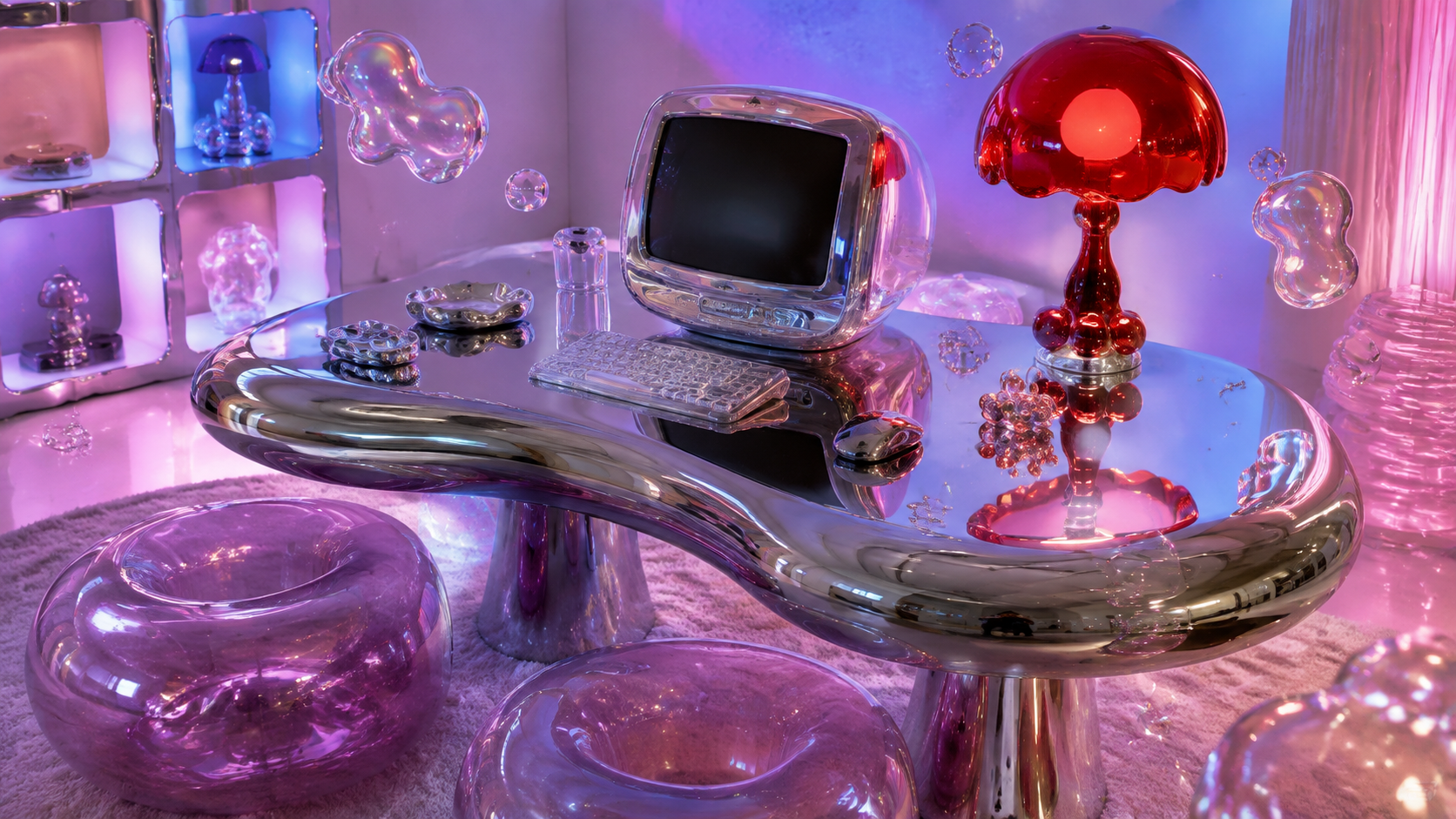
Inflated, glossy surfaces with candy colors and soft maximalism
Part of the Playfulness & Joy mood, alongside Kidcore and Memphis. Began in the 2010s, on the style timeline.
What it is, when it works, who it is for, and where it already exists.
Record 021-BU - when it works, who it is for, what it looks like
Where this aesthetic shows up in the real world · ↗ opens the source site
Where Bubbleglam came from, what makes it recognisable, and the fingerprint it leaves.
2019–present (roots in Y2K 1998–2004) · Internet, global; beauty, fashion, and pop music visual culture
Bubbleglam is a 2020s aesthetic revival drawing from the hyper-glossy visual culture of Y2K-era pop: Paris Hilton, Juicy Couture, and the era's obsession with shiny plastic surfaces and saturated pastels. What distinguishes bubbleglam from generic Y2K revival is its embrace of 3D rendering: inflated objects, chrome bubbles, and glossy spheres rendered with ambient light and reflective material.
The aesthetic was catalyzed by the availability of 3D tools to non-technical designers: Blender's becoming free and powerful, Cinema 4D tutorials proliferating on YouTube, and the spread of 3D workflows through Instagram and TikTok aesthetic communities. A bubbleglam image is characterized by objects that appear inflated to bursting: soft, round, impossible objects that look like they'd squeak if you touched them.
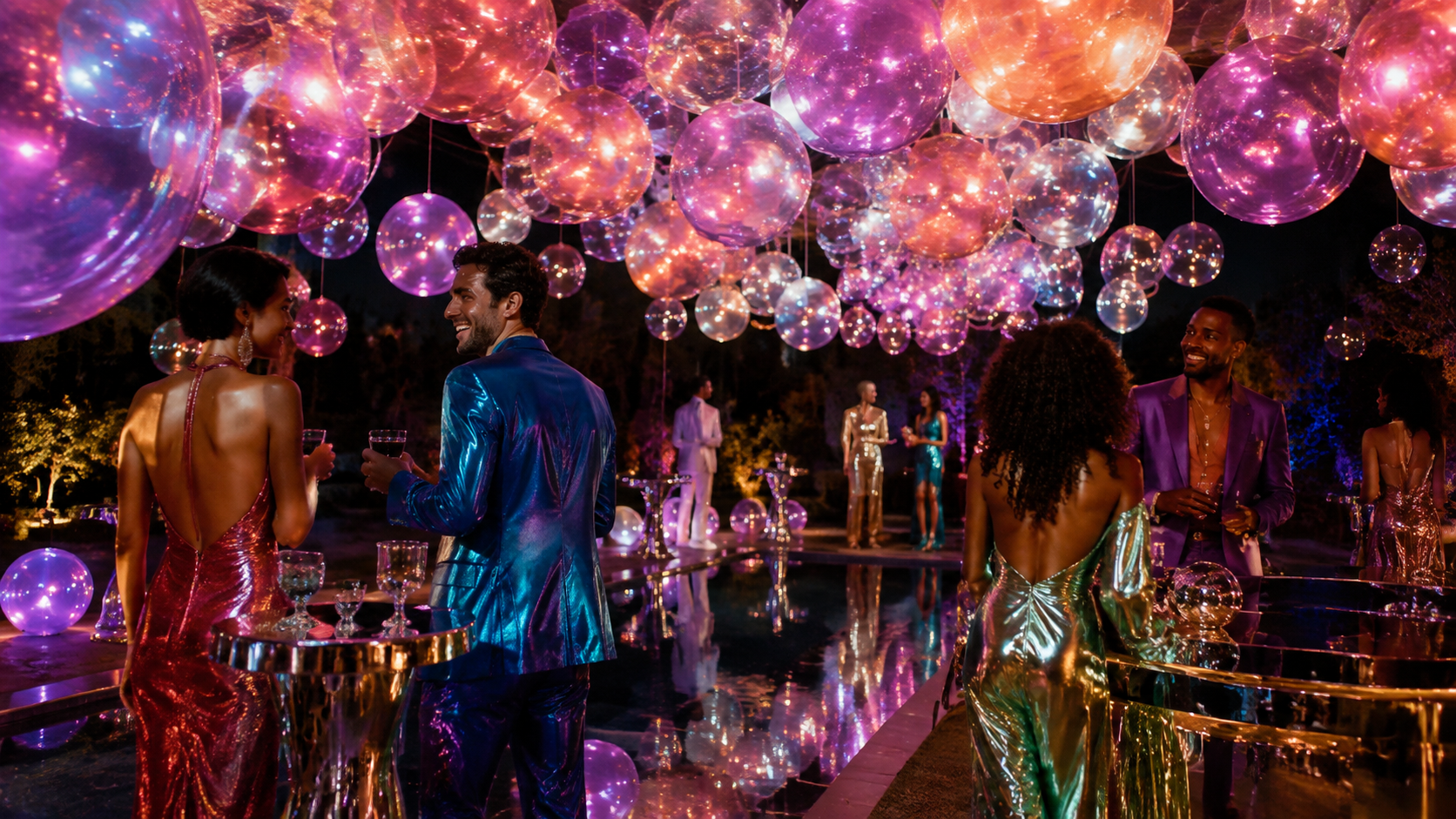
Bubbleglam occupies the same cultural space as maximalism and kidcore but with a specific emphasis on luxury markers: the glossiness of expensive packaging, the softness of expensive fabric, the shiny excess of celebrity culture. It's post-ironic: you're allowed to want it unironically, to find it genuinely beautiful.
“The aesthetic of wanting everything to look like lip gloss.
The visual DNA: what makes it recognisable
8-channel console with the fingerprint on its display. Save the card, or share the page
4 color interpretations of this aesthetic
The colour of the styles sitting closest to this one
How to shoot it, how to prompt it, and how to board it.
How to shoot this aesthetic
"Candy-colored excess, inflated and impossibly glossy: softness as a power statement"
Shot list
Lighting
Large octabox directly overhead for that even, shadowless, 'inside a pearl' quality; add a kicker from behind in a soft pastel gel for separation
Drop this into Studio to generate in this aesthetic
Bubbleglam aesthetic with glossy inflated 3D bubble forms, Y2K-adjacent candy-shiny surfaces, iridescent soap-bubble sheen, playful rounded maximalist glamour, high-shine reflective plastic material quality
The record applied to your project. The record's kit is free; your brand, references and plates come with membership
01 · Hero application02 · Material and finish03 · Palette in context04 · Photography directionWhether to use it, what it costs to do properly, and where it stands right now.
Two written calls, seven meters, and when to walk away
Candy colour alone is generic, so the form has to carry it. Inflated, soft-bodied shapes with real subsurface scatter separate this from a pink flat illustration, and that is a rendering decision, not a palette one. Keep the highlights wet. Without a specific subject the sweetness has nothing to attach to and reads as a stock gradient.
Right when the brand can commit fully to loud and femme, because half-measures read as a client compromise. Taking it seriously is part of the point: aesthetics coded feminine get dismissed as unserious by default. Wrong for anything muted or restrained, and wrong where the team will lose their nerve at the saturation slider.
Digital rendering, not physical production.
Candy colors alone read as generic without a specific idea.
Convincing gloss and inflation takes real render skill.
Candy colors without a real idea underneath read as empty decoration.
Growing in beauty and lifestyle branding, not yet everywhere.
Part of the same maximalist-nostalgia wave as y2k and won't outlast it.
Digital rendering only, no physical commitment.
A Pro feature: origins, practitioners, and pitfalls
Neighbours, cross-references, blends, and the questions people ask.
Connected across the creative knowledge graph
Where it stands now, and what it costs you to use it
Bubbleglam is unapologetically maximal, pink and femme, and it emerged partly as a rejection of the muted, tasteful minimalism that dominated the previous decade.
Taking it seriously is part of the point, since aesthetics coded feminine have historically been dismissed as unserious by default.
It is loud and it commits. Half-measures read as a client compromise, which is worse than not doing it.
Mix Bubbleglam with any style in the library
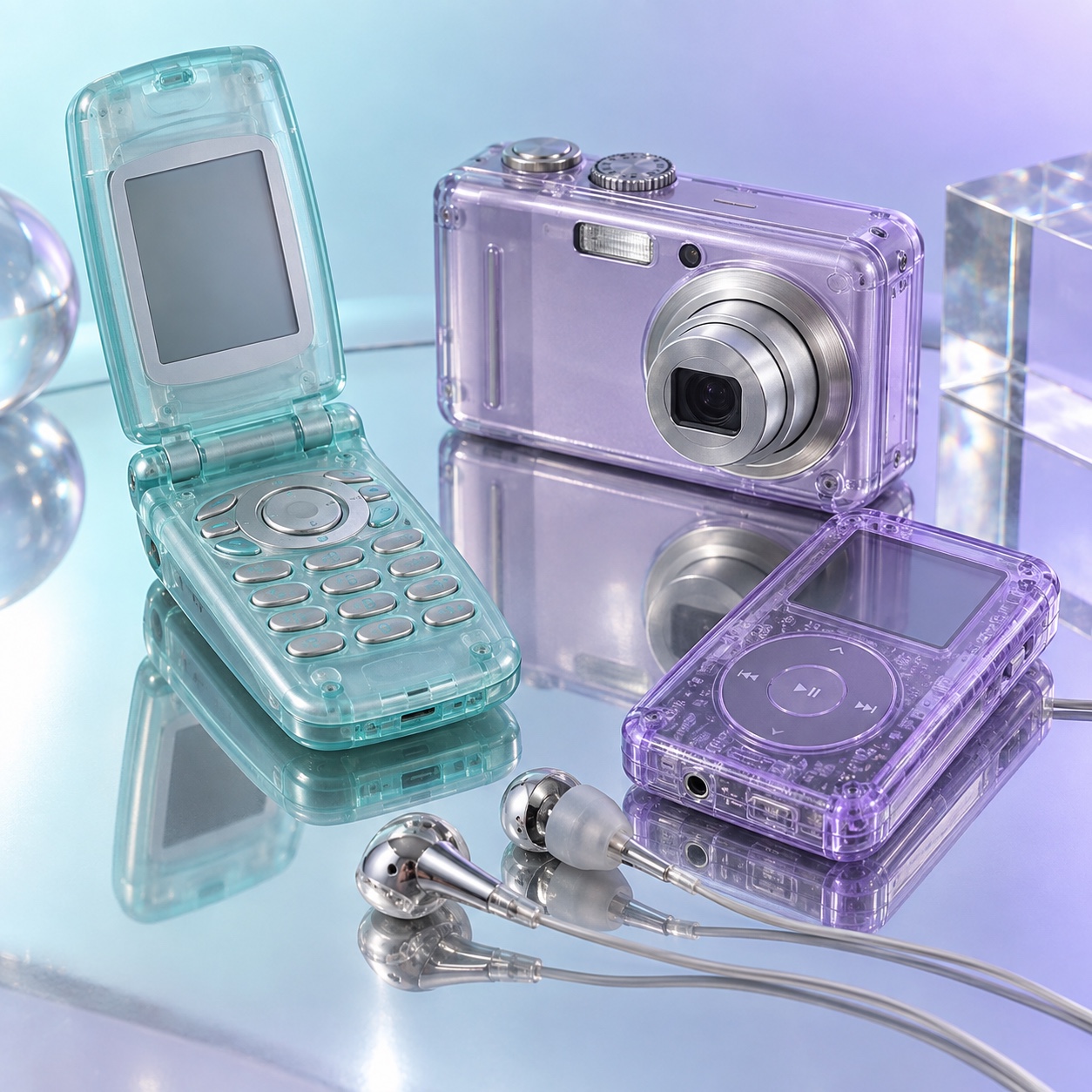 Bubbleglam 50%Y2K 50%
Merged palette
#FFB3DE
#C0D8F0
#B3D9FF
#00CCFF
#E8B3FF
Leads maximal, digital, expressive
Typography · from Bubbleglam
Orbitron over Space Grotesk
Materials
Use it
Bubbleglam aesthetic with glossy inflated 3D bubble forms, Y2K-adjacent candy-shiny surfaces, iridescent soap-bubble sheen, playful rounded maximalist glamour, high-shine reflective plastic material quality (50%), infused with Y2K aesthetic with millennium futurism, Paris Hilton and early Beyoncé-era cultural touchstone, butterfly motifs, bedazzled maximalism, candy-pastel and metallic color mood, color palette strictly #FFB3DE #C0D8F0 #B3D9FF #00CCFF #E8B3FF, overall character: maximal, digital, expressive
Bubbleglam is a hyper-glossy 2020s aesthetic combining Y2K-era pastel pop luxury with 3D rendering: inflated objects, chrome surfaces, candy pastels (baby pink, lavender, chrome silver), and the maximalist excess of early-2000s celebrity culture. It emerged from Instagram and Behance's 3D design communities around 2019–2021 and appears in beauty branding, pop music visuals, and fashion.
Bubbleglam palette: baby pink (#FFB6C1), lavender (#D8B4FE), candy blue (#87CEEB), chrome silver (#E8E8E8), and white (#FFFFFF). Often combined with metallic gold (#FFD700) or rose gold (#B76E79). The palette is always soft, always highly saturated, always glossy: matte colors don't exist in bubbleglam.
Y2K aesthetic refers broadly to visual culture from 1997–2004: butterfly clips, low-rise jeans, aughts nostalgia across fashion and design. Bubbleglam is a specific visual sub-language within that: the hyper-glossy, inflated, candy-colored 3D-rendered subset. All bubbleglam is Y2K-influenced, but Y2K includes grittier, more lo-fi textures (pixelated graphics, chrome lettering, digital glitch) that bubbleglam doesn't.
Every style in the library is broken down like this one: the palette, the typography, the materials and the lineage.
Explore the style library →