When to use it
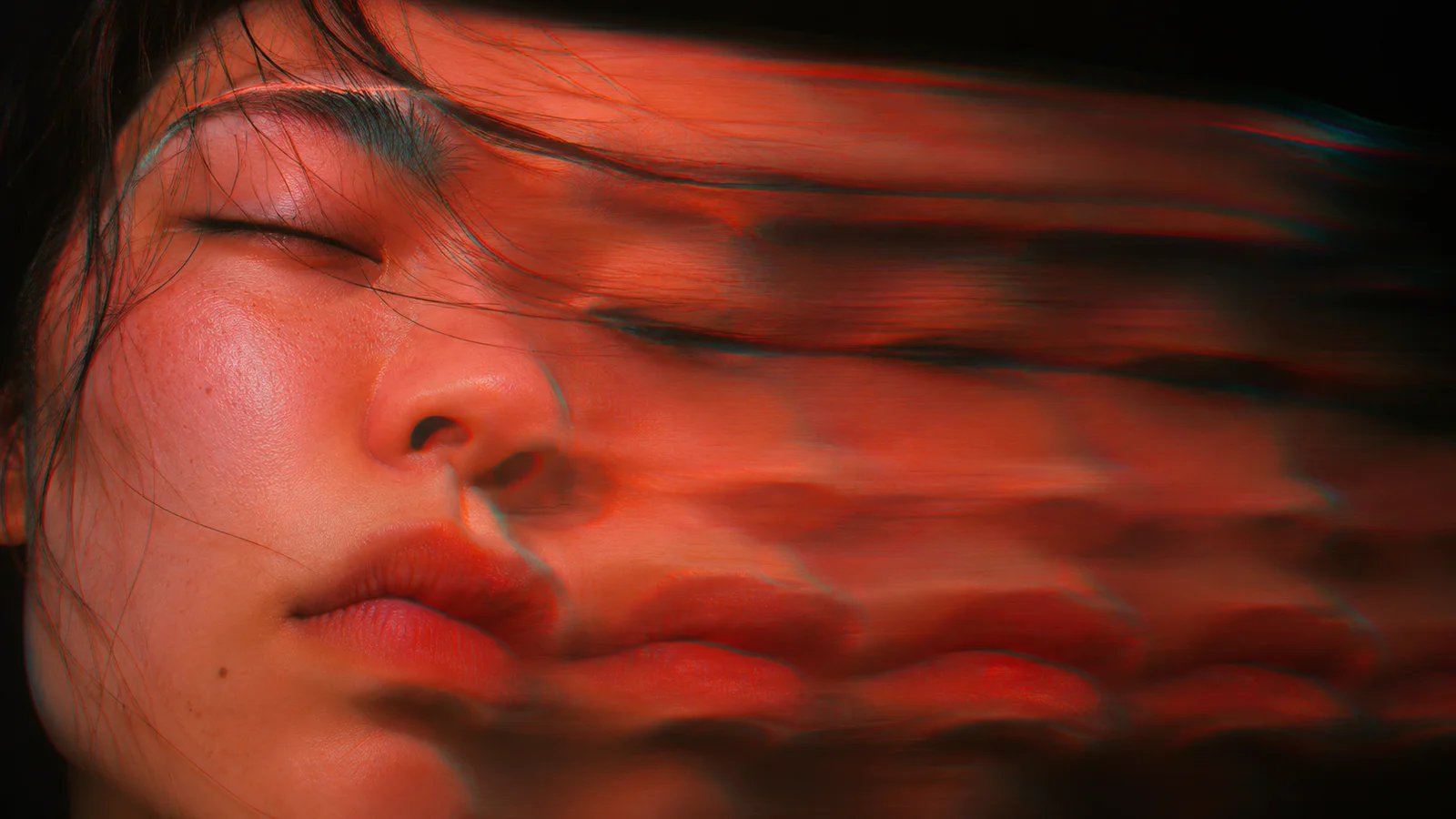
- A portrait needs physical intimacy and distortion
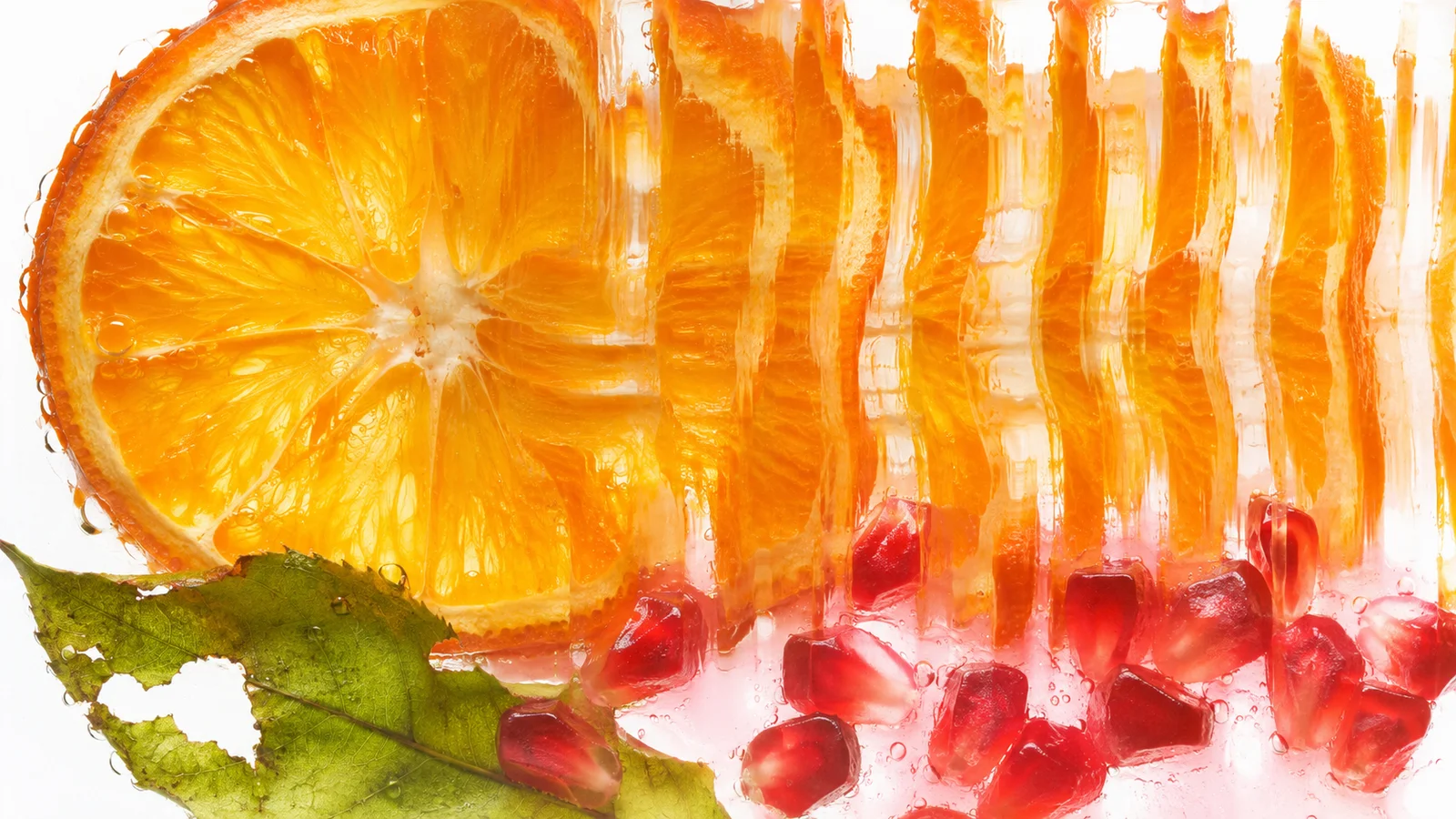
- An object study should reveal unexpected surface detail
- An editorial concept explores time and touch
Flatbed-scanner image-making combines sharp contact detail, shallow focus, close crops and time-based distortion as objects move across the glass.
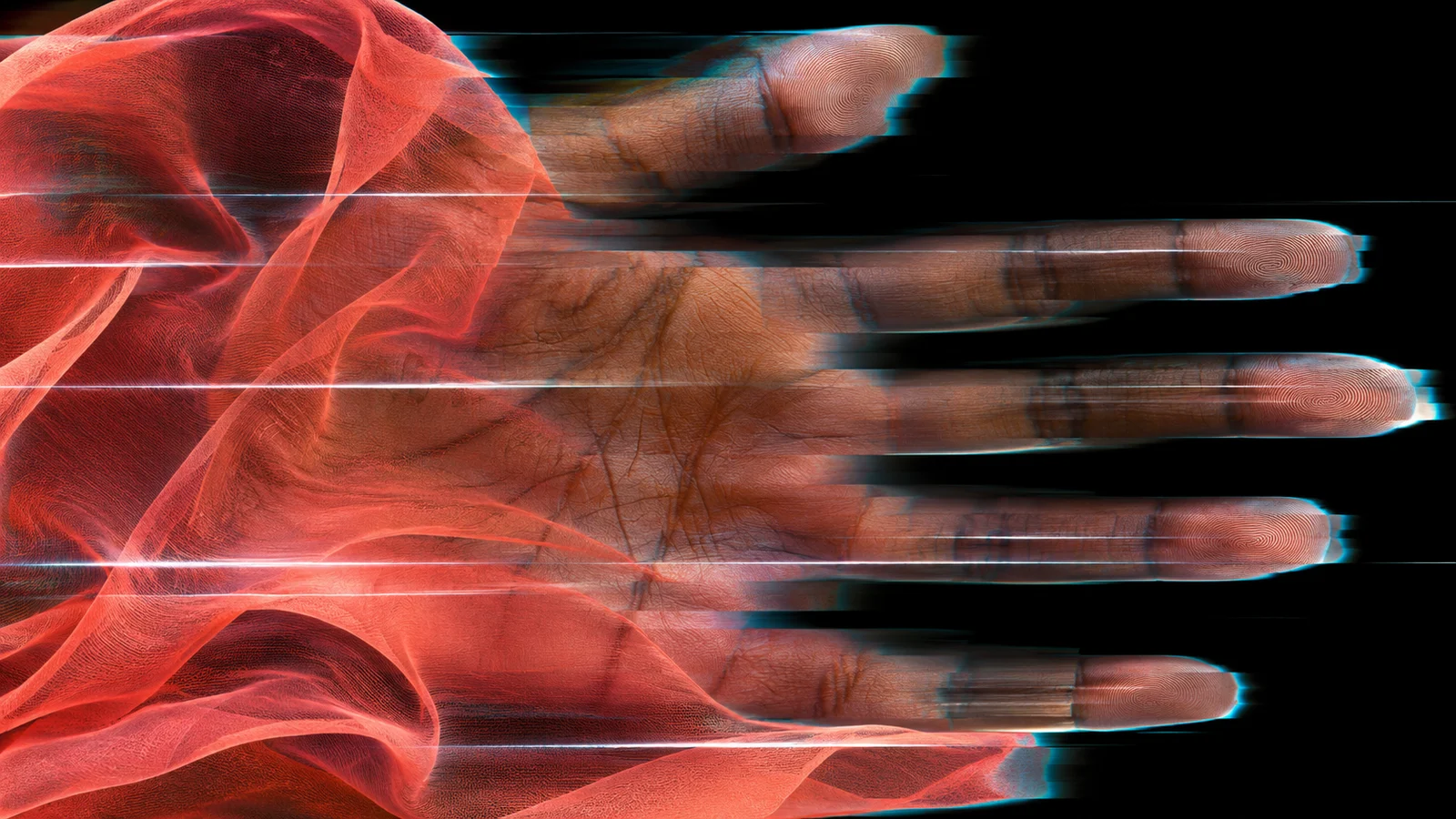
Flatbed-scanner image-making combines sharp contact detail, shallow focus, close crops and time-based distortion as objects move across the glass.

What it is, when it works, who it is for, and where it already exists.
Record 038-SC - when it works, who it is for, what it looks like
Where Scanography came from, what makes it recognisable, and the fingerprint it leaves.
1990s onward · Artist experimentation with flatbed scanners
Scanography, also called a scannergram, makes images by placing objects directly on a flatbed scanner. As color scanners became more accessible during the 1990s, artists explored their detailed contact rendering and very shallow zone of focus.
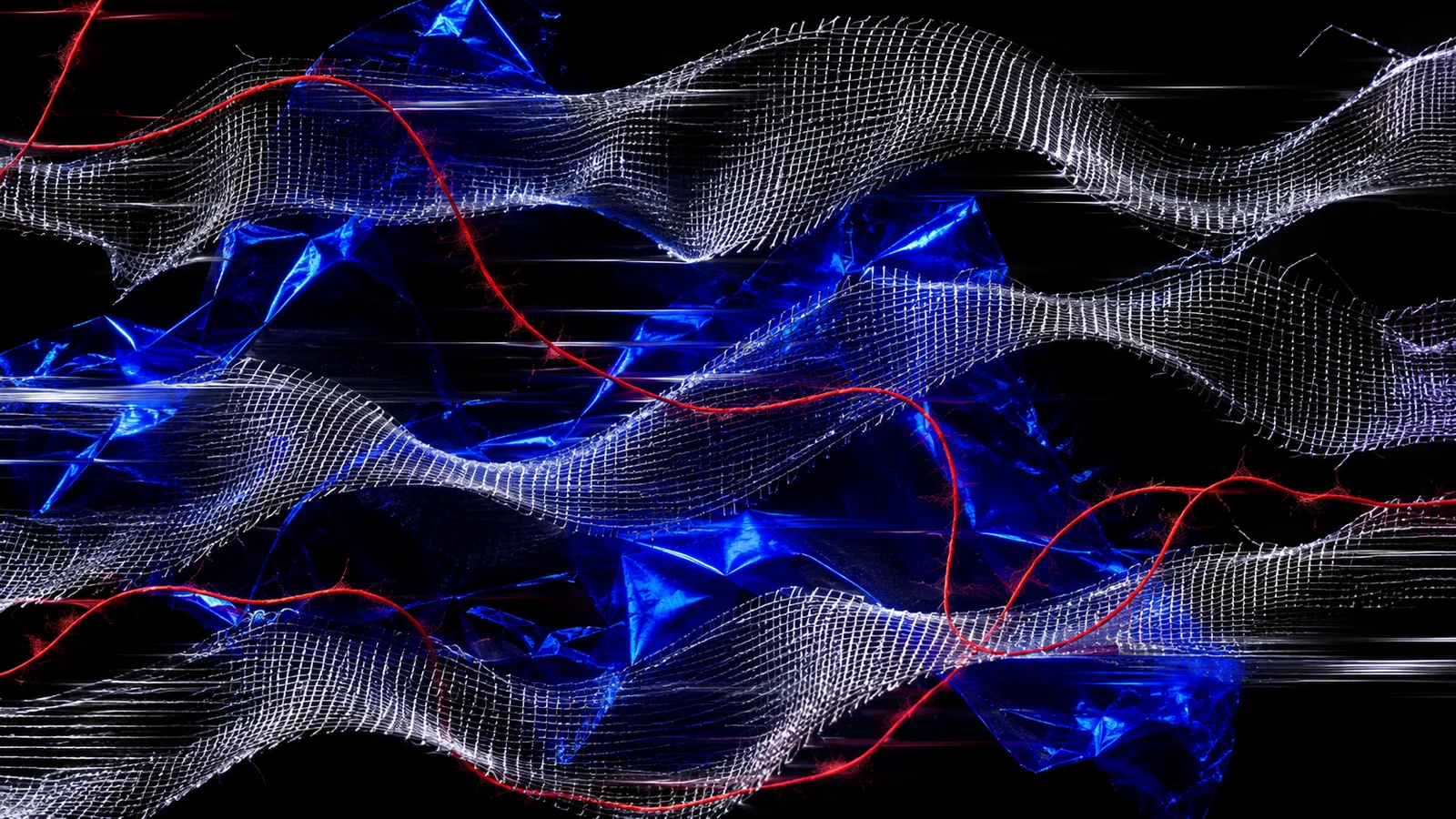
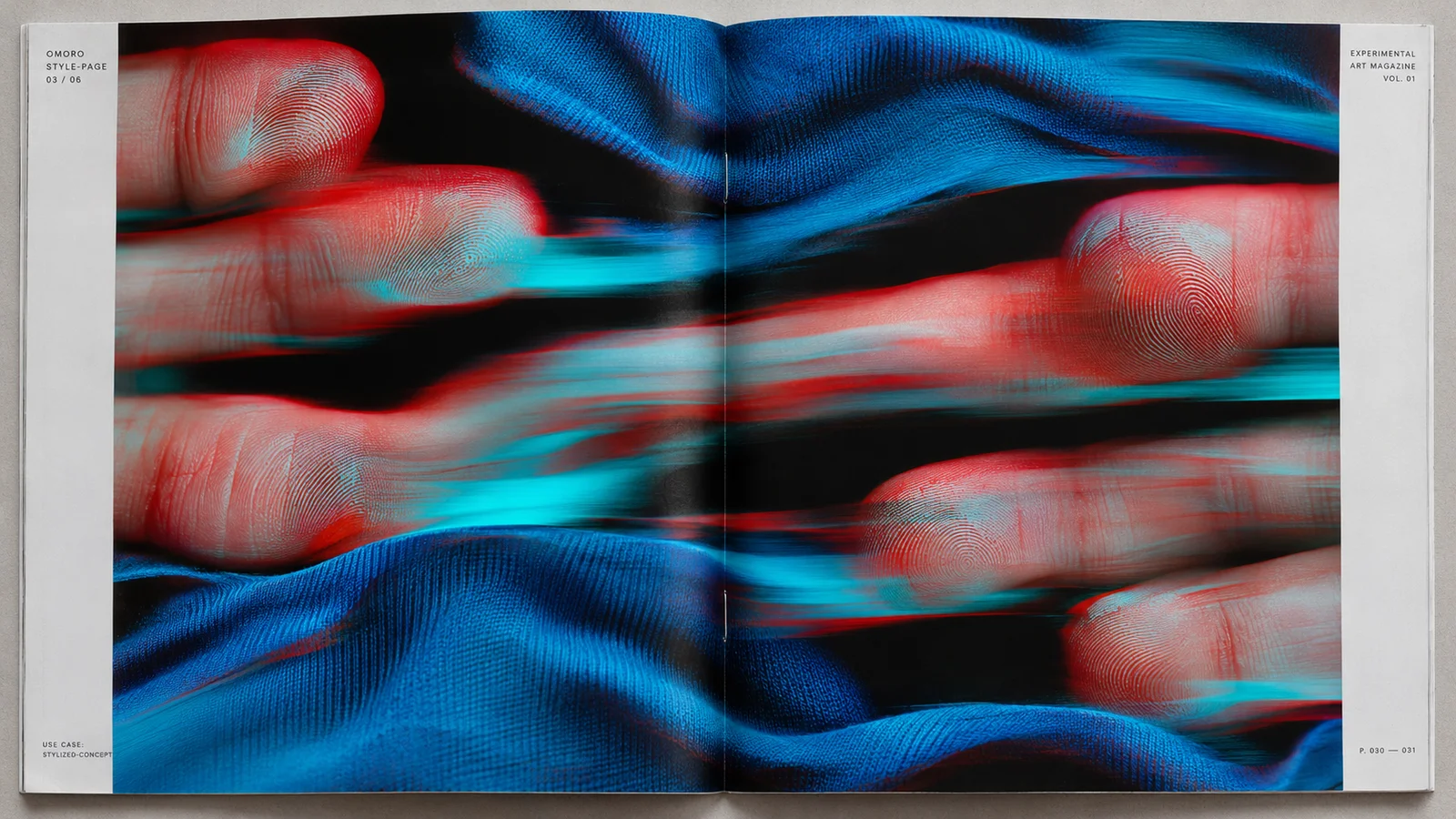
A scanner builds an image progressively. Moving an object during the pass can stretch, repeat or displace its form. Still specimens can be equally effective: a leaf against the glass may remain crisp while raised edges disappear into darkness. The images on this page are original AI-generated visual studies of that language, rather than documentation of physical scanner sessions.
Research informing this technique
“The image records contact and time, one strip at a time.
The visual DNA: what makes it recognisable
The definitive color scheme for this aesthetic
The colour of the styles sitting closest to this one
Click any prompt row to edit. Copy uses your edited text.
Original scanography-inspired image: objects flattened against scanner glass
Visual cuesextremely sharp contact detail, abrupt shallow focus and close cropping. Introduce deliberate temporal stretching or repeated bands along one scanning axis when movement serves the idea. Black void or bright open-lid background. Avoid ordinary lens bokeh, arbitrary glitch overlays and floating CGI objects.
Paste as-is, or add your own subject.
Photograph: elongated fingers, filling the frame.
SettingSet in a setting of fabric. Shot wide, the whole scene with room around it, in the style's own light, as the brief describes it.
DetailKeep repeated bands in the frame.
StyleStyle: Original scanography-inspired image: objects flattened against scanner glass, extremely sharp contact detail, abrupt shallow focus and close cropping. Introduce deliberate temporal stretching or repeated bands along one scanning axis when movement serves the idea. Black void or bright open-lid background. Avoid ordinary lens bokeh, arbitrary glitch overlays and floating CGI objects..
PaletteColour palette #101114 #E96556 #82D3DC #F2EAE1 #595CC5.
FrameComposed for a 16:9 landscape frame.
RulesPhotographic, not an illustration. No text, no logos, no watermark.
The whole record as a portable skill for Claude, ChatGPT, Gemini, image and video models, or a human brief
The whole record, compiled into a skill another system can work inside: lineage, axes, palettes, type, materials, photography, verdicts and a critique checklist. Nothing is generated; it is the dossier, restructured.
The record applied to your project. The record's kit is free; your brand, references and plates come with membership
01 · Hero application02 · Material and finish03 · Palette in context04 · Photography direction
Whether to use it, what it costs to do properly, and where it stands right now.
Two written calls, seven meters, and when to walk away
Make a still scan first, then change one motion during capture. Let contact and timing create the distortion.
Make a still scan first, then change one motion during capture. Let contact and timing create the distortion.
A flatbed scanner and accessible objects can support small practical experiments.
Subject choice and movement must work with progressive capture rather than a camera viewpoint.
Contact, exposure and movement timing need controlled repeated trials.
Temporal movement and contact can change anatomy and object shape.
A specialist visual direction rather than a default identity treatment.
The underlying composition and material techniques can be renewed without copying a fixed surface.
A flatbed scanner and accessible objects can support small practical experiments.
A Pro feature: origins, practitioners, and pitfalls
Neighbours, cross-references, blends, and the questions people ask.
Connected across the creative knowledge graph
The object is captured against scanner glass with very shallow focus, and the image is assembled progressively. That combination produces distinctive contact detail and motion deformation.
No. Stationary flowers, textiles and objects can reveal extraordinary texture. Movement is one technique, not a requirement.
No. These are original AI-generated studies illustrating scanner-like contact detail, cropping and temporal distortion.
Every style in the library is broken down like this one: the palette, the typography, the materials and the lineage.
Explore the style library →