Analog carries the trace of a hand; digital carries the precision of a system. It is usually the first thing a viewer clocks about how something was made. High-Tech Architecture leans digital, Brutalist Architecture stays closer to analog.
Futuristic points forward; nostalgic points to a specific remembered moment. One promises what is next, the other that something familiar is still true. Brutalist Architecture leans nostalgic, High-Tech Architecture stays closer to futuristic.
Restrained holds its cards close; expressive puts everything on the table. The gap here is how much emotion the work is willing to show. Brutalist Architecture leans expressive, High-Tech Architecture stays closer to restrained.
Light opens a space up; dark gives it weight and drama. This is rarely neutral: it sets the mood before anyone reads a word. High-Tech Architecture leans light, Brutalist Architecture stays closer to dark.
High-Tech Architecture vs Brutalist Architecture: 69% affinity (Partial overlap)
Where they split: High-Tech Architecture leans digital, Brutalist Architecture stays closer to analog. Also diverging: Futuristic vs Nostalgic (30% gap), Restrained vs Expressive (25% gap), Dark vs Light (25% gap). Where they agree: both lean geometric, structured, cool.
Blend with intent: High-Tech Architecture and Brutalist Architecture share real ground, but the gaps above need a deliberate choice, not an accident.
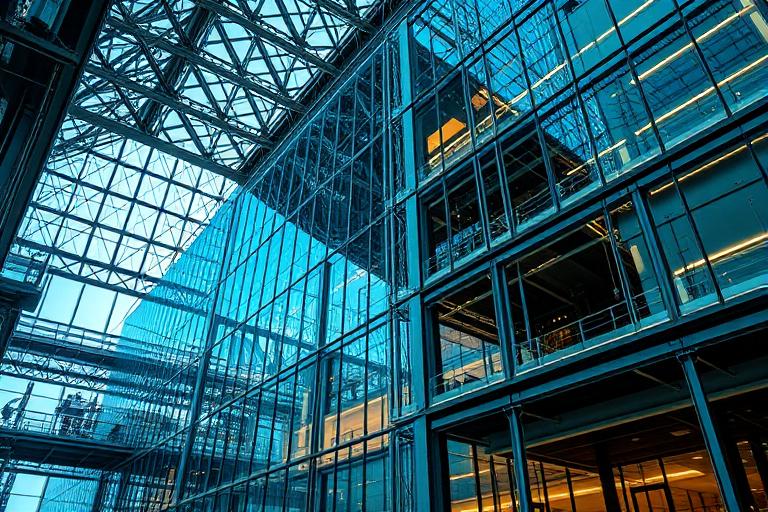
Structure and services made visible and celebrated - High-Tech turned buildings inside out, exposing steel trusses, ducts, and circulation in bright industrial colour, from the Pompidou Centre to Lloyd's of London and Foster's HSBC tower.
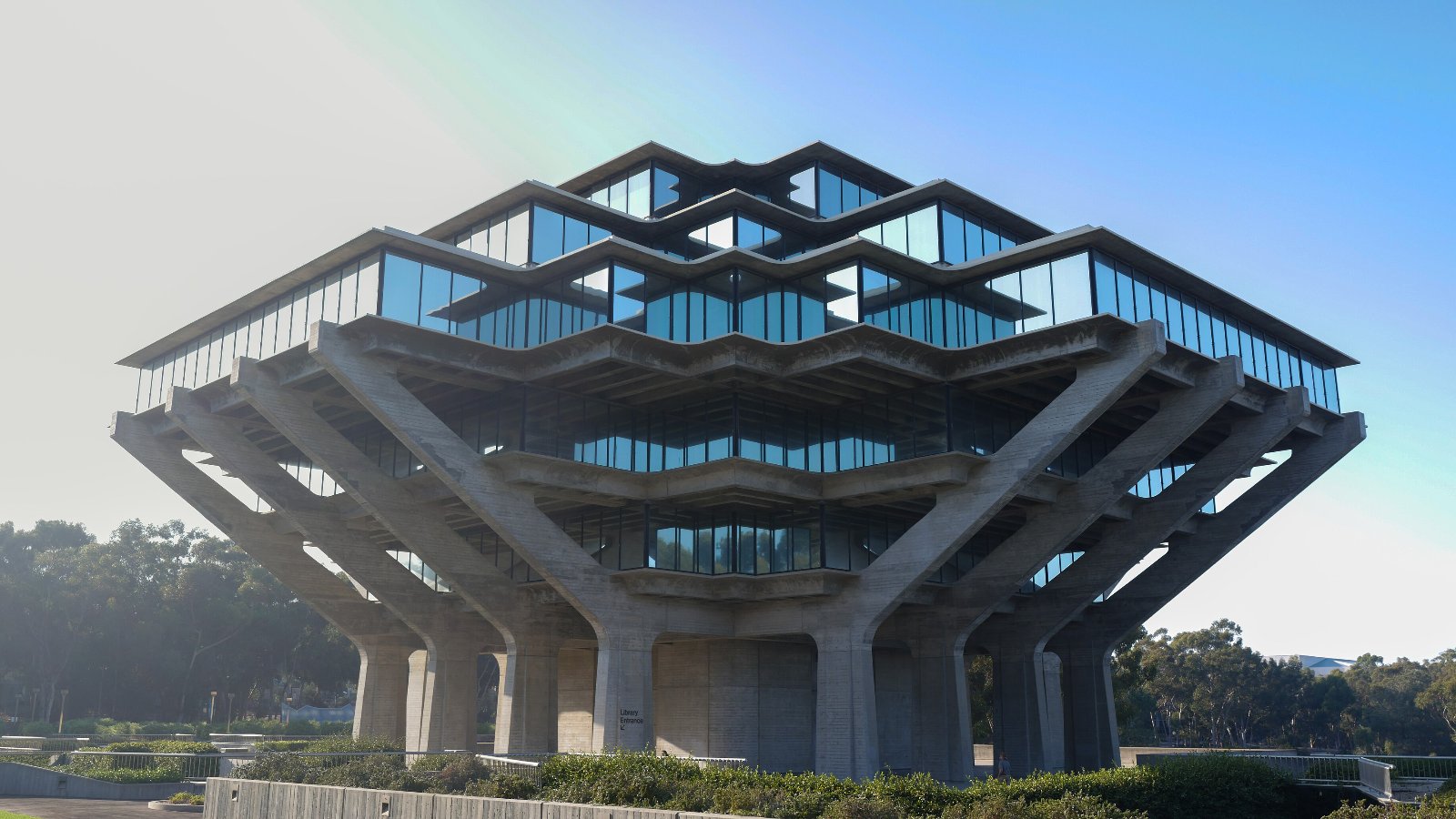
Full style guide →Raw concrete as conviction - Brutalism treated exposed béton brut as an honest material statement, from Paul Rudolph's corrugated towers to Moshe Safdie's Habitat 67 stacked modules and Marcel Breuer's Whitney Museum.
Full style guide →