PC-98

Late-1980s and 1990s Japanese computer-game imagery: compact pixel clusters, expressive character art and deliberate raster dithering

Collect references in this style →
PC-98 visual example
Visual language · PC-98

Late-1980s and 1990s Japanese computer-game imagery: compact pixel clusters, expressive character art and deliberate raster dithering

Key colors
Era
1980s–1990s
Origin
Japan; NEC PC-9801 computer culture
Typography
Compact bitmap lettering and pixel-aligned interface labels, Japanese kana and kanji treated as part of the screen layout
Best for
Adventure games and visual-novel inspired campaigns
Explore Pixel Art
Record035-PC
AestheticPC-98
ClassNostalgic / Digital
StatusINGESTING
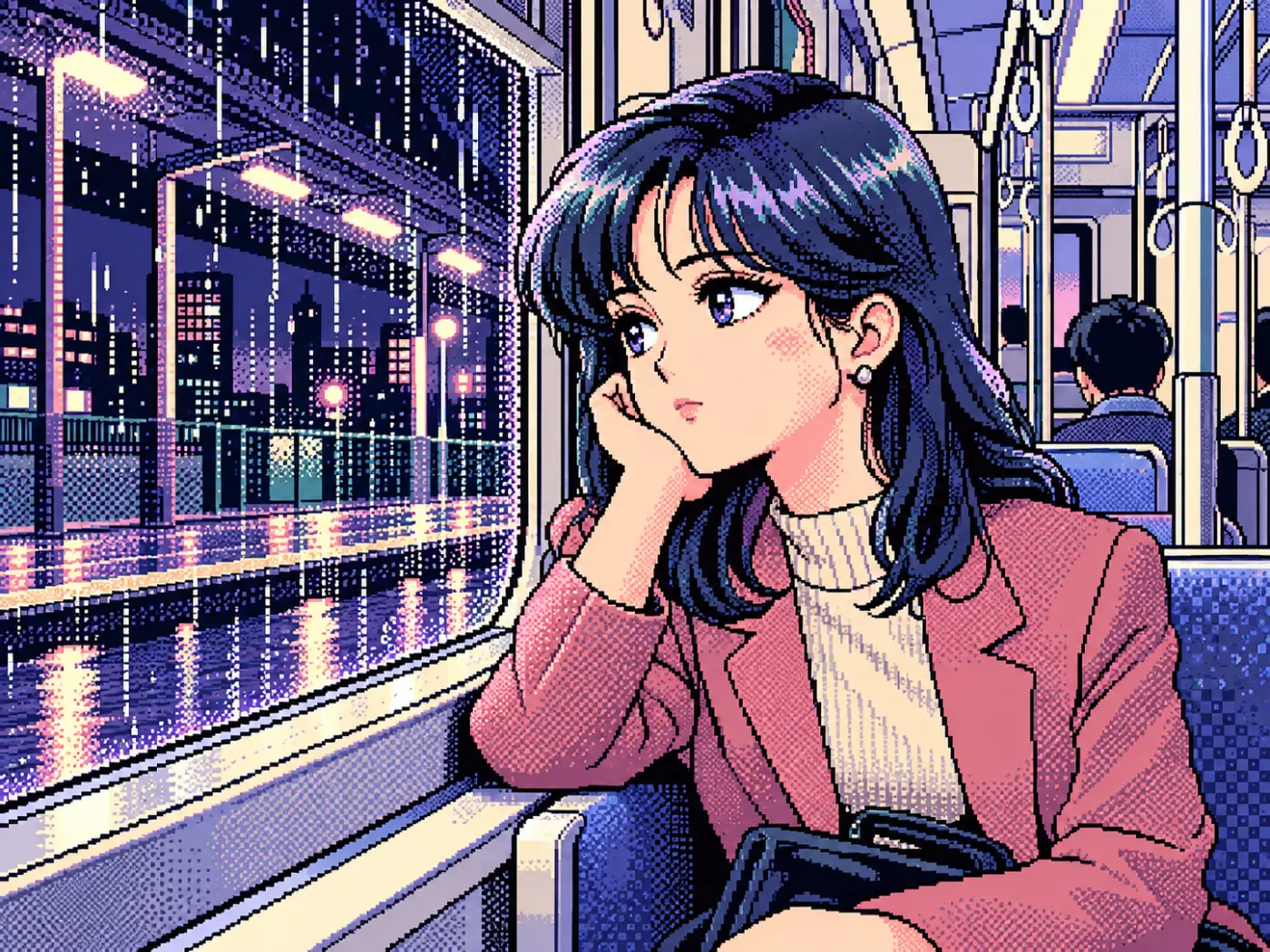
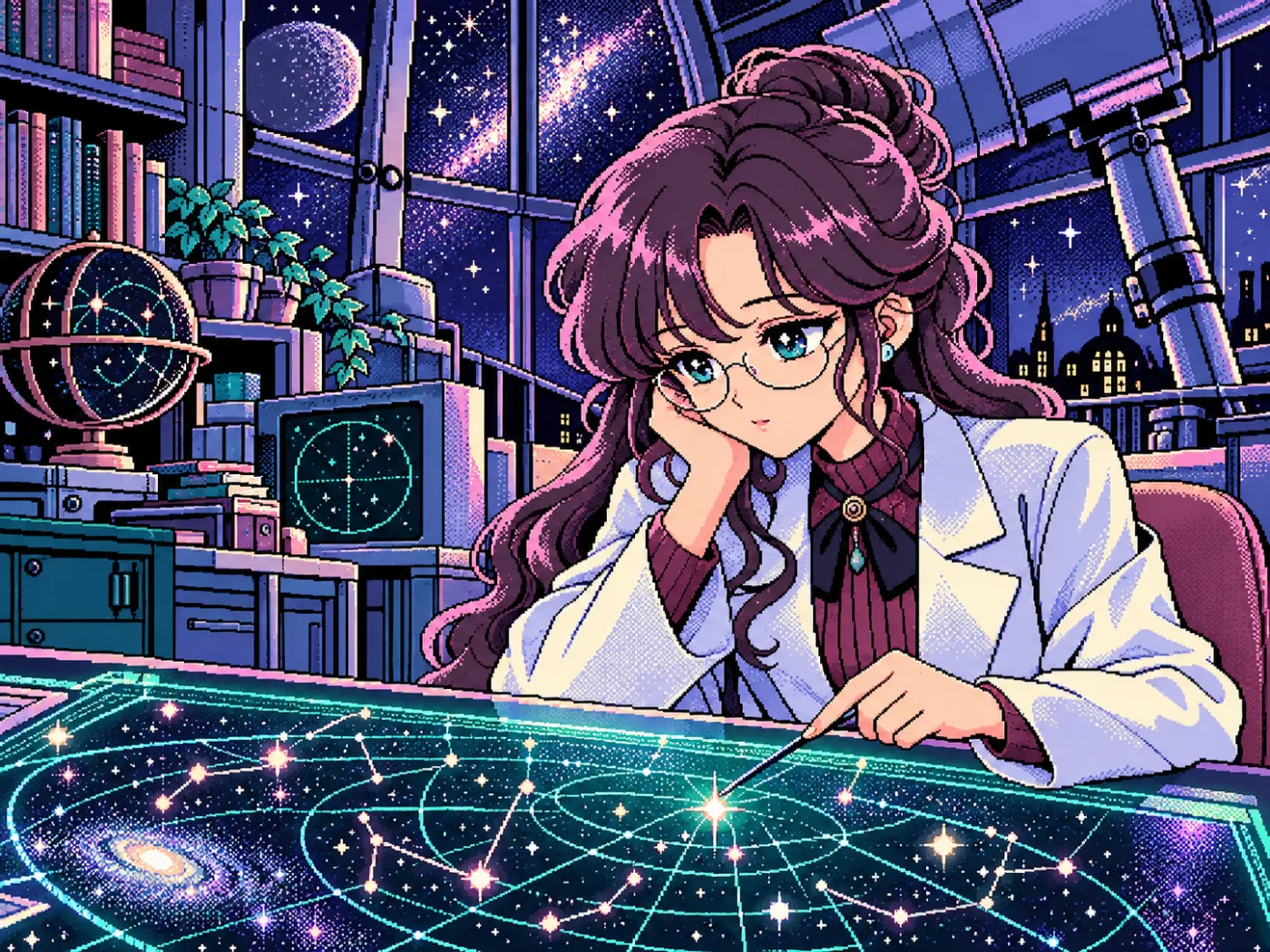
An original Japanese retro game portrait rendered in visible pixels, with lavender, teal and rose dithering.
Archive plate · PC-98
A fully clothed adult commuter sits by a rain-lit train window in Japanese PC-98-era pixel art.
Dossier scenePortrait · 1/5
01
The record

What it is, when it works, who it is for, and where it already exists.

How to use it

Record 035-PC - when it works, who it is for, what it looks like

FIELD 01

When to use it

  • Game art that wants the texture of early Japanese computer graphics
  • Character-led narratives with a nostalgic digital register
  • Music and editorial projects drawing on vintage game culture
  • Pixel-art scenes where limited color is part of the composition
FIELD 02

Perfect for

  • Adventure games and visual-novel inspired campaigns
  • Album covers, posters and collectible art
  • Indie games with a distinctly Japanese retro palette
  • Character portraits and atmospheric scene backgrounds
FIELD 03

What it looks like

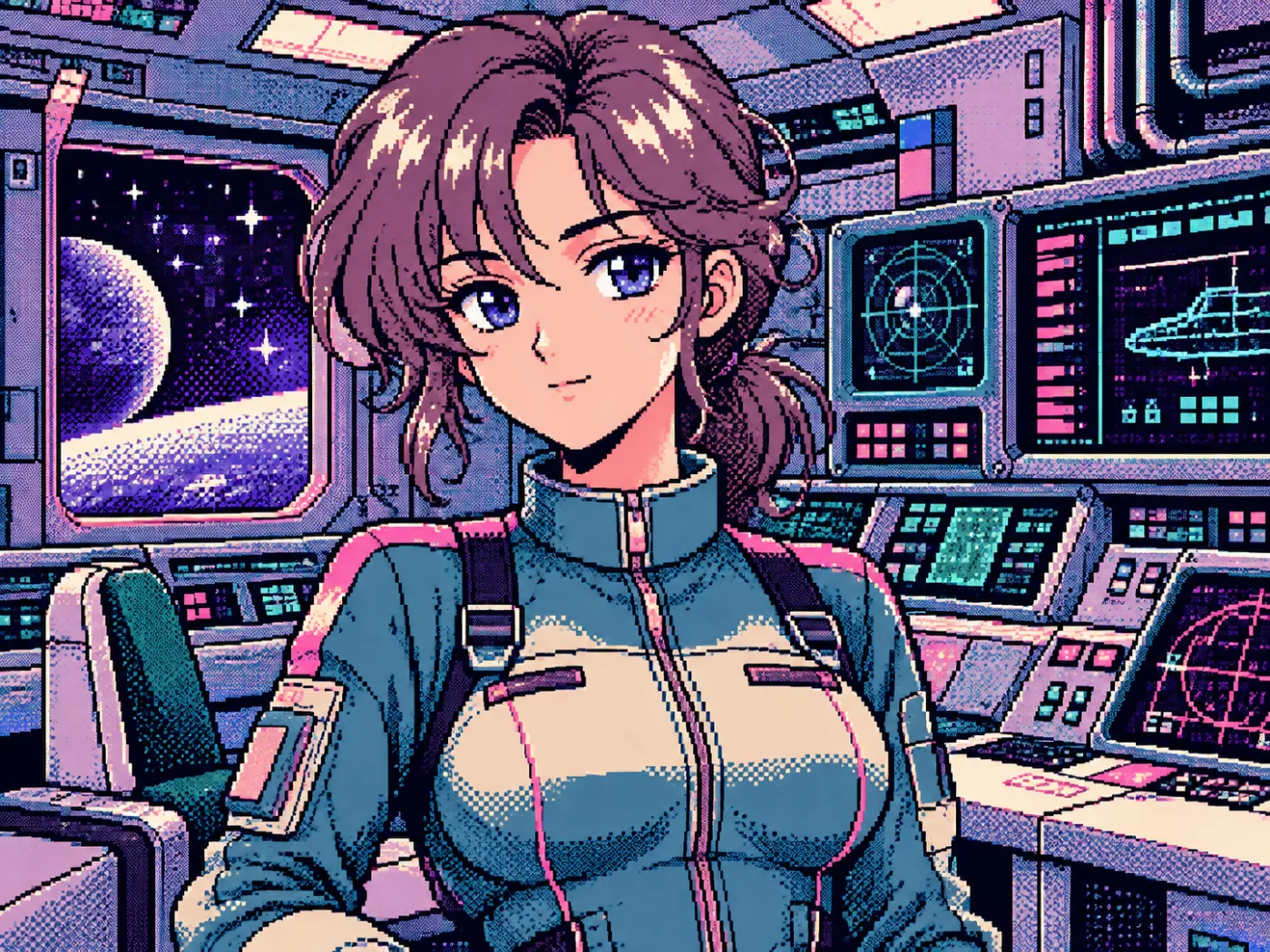
  • Expressive anime portraits rendered in visible pixel clusters
  • Full-body character sprites against a single-color field
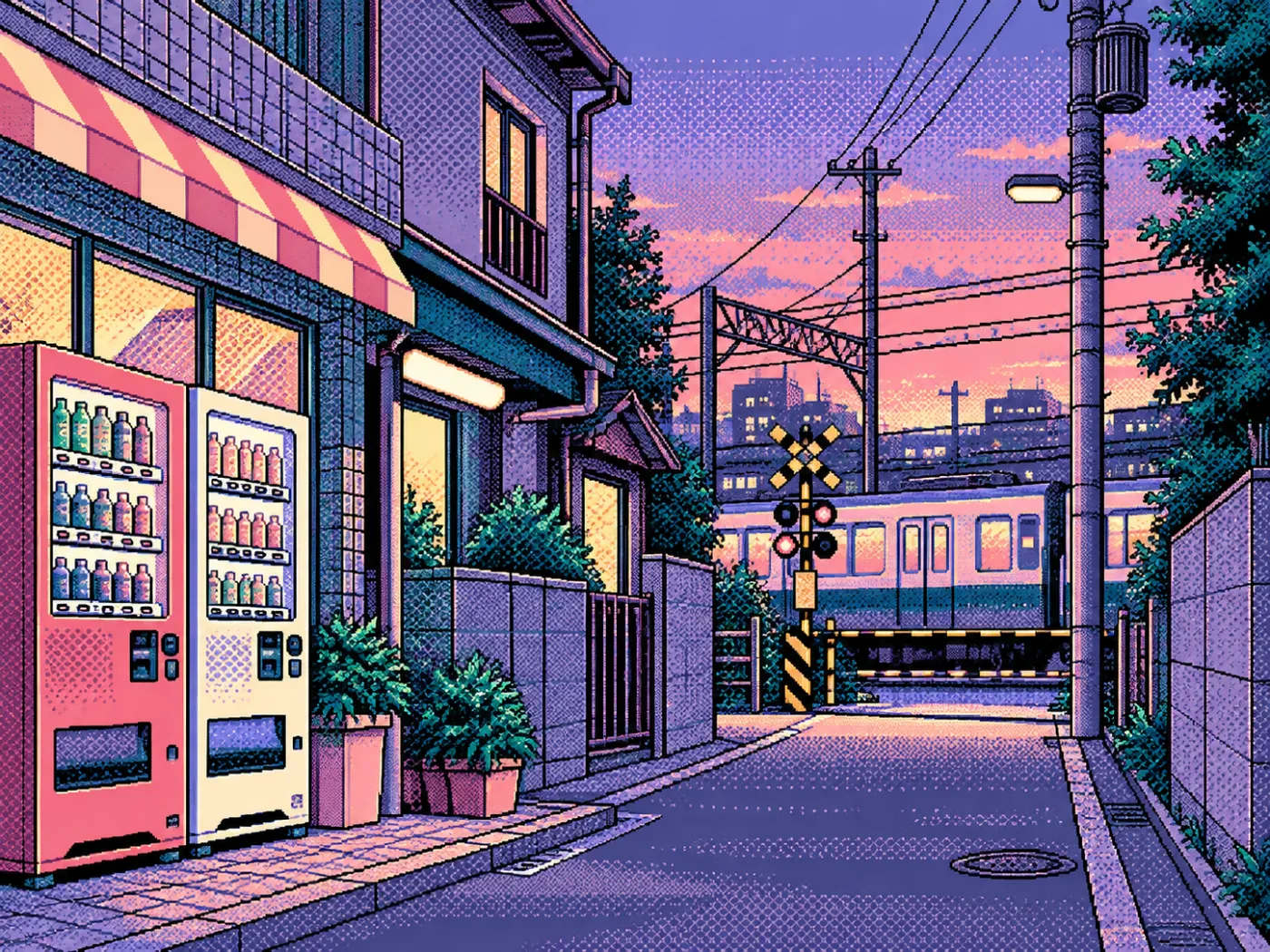
  • Train and city scenes assembled from a limited raster palette
  • Checkerboard dithering that shades rather than decorates
Omoro Style GuideEvery aesthetic, every field on this page, in one PDF.
$8Get the guide →
02
The anatomy

Where PC-98 came from, what makes it recognisable, and the fingerprint it leaves.

History, PC-98 aesthetic history

1980s–1990s · Japan; NEC PC-9801 computer culture

PC-98 refers to NEC's PC-9801 line of personal computers, which became a major platform for Japanese games and creative software. Across the late 1980s and 1990s, illustrators and game artists built expressive images within the constraints of the hardware: restricted color modes, compact screens and pixels that remained visible as part of the image.

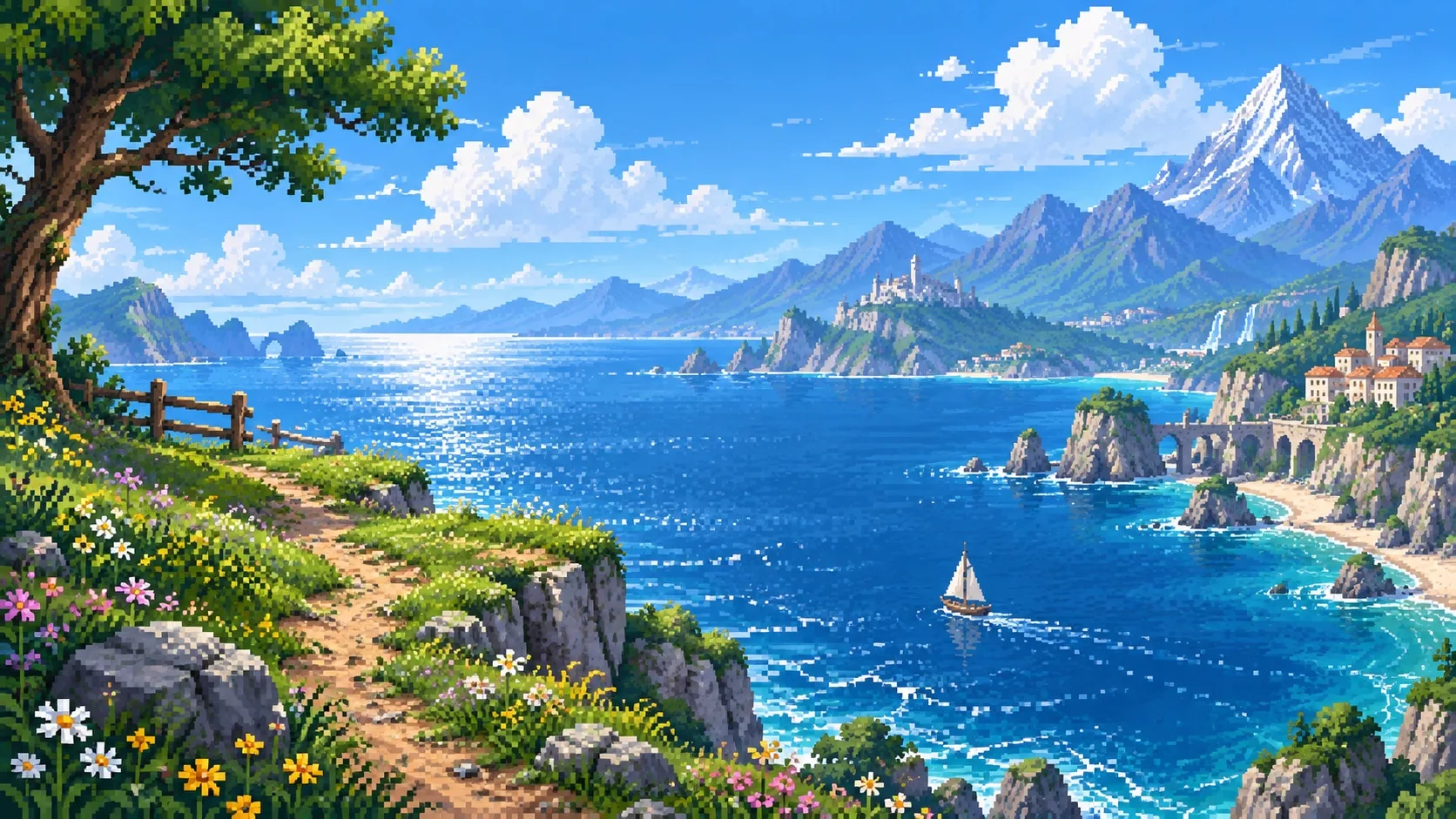
The visual language moved between character portrait and environment. Anime-influenced faces used carefully placed highlights and strong contours; backgrounds established mood through tiled interiors, train cars, city streets and science-fiction rooms. Dithering was not a generic retro texture: it created intermediate tones and gave limited-color scenes depth.

PC-98 art is often flattened into a broad nostalgia filter. The more specific reference is a combination of raster craft and narrative pacing: the face held close, the scene with enough detail to suggest a larger world, and the pause between images that made an adventure or visual novel feel intimate.

A small palette, a sharp pixel, a world held in memory.

Omoro dossier · 035-PC

Visual markers, PC-98 aesthetic visual markers

The visual DNA: what makes it recognisable

typography

See the fonts
  • Compact bitmap lettering and pixel-aligned interface labels
  • Japanese kana and kanji treated as part of the screen layout
  • Sparse text panels that preserve room for the illustration

grid

  • Screen-based framing with clear portrait and background regions
  • Pixel clusters aligned to a deliberate raster scale
  • Limited-color areas balanced by dithered transitions

materials

  • NEC PC-9801 640x400 raster: 16 colours chosen from a 4096-colour palette
  • Visible square pixels with crisp, non-antialiased contours
  • Checkerboard and ordered dithering standing in for extra colours
  • Hand-placed pixel art drawn tile by tile in paint software
  • Phosphor CRT glass with slight bloom and scanline gaps
  • Emitted screen light: flat, saturated and held to the palette steps

motifs

  • Expressive anime character portraits and full-body sprites
  • Train interiors, control rooms and quiet city scenes
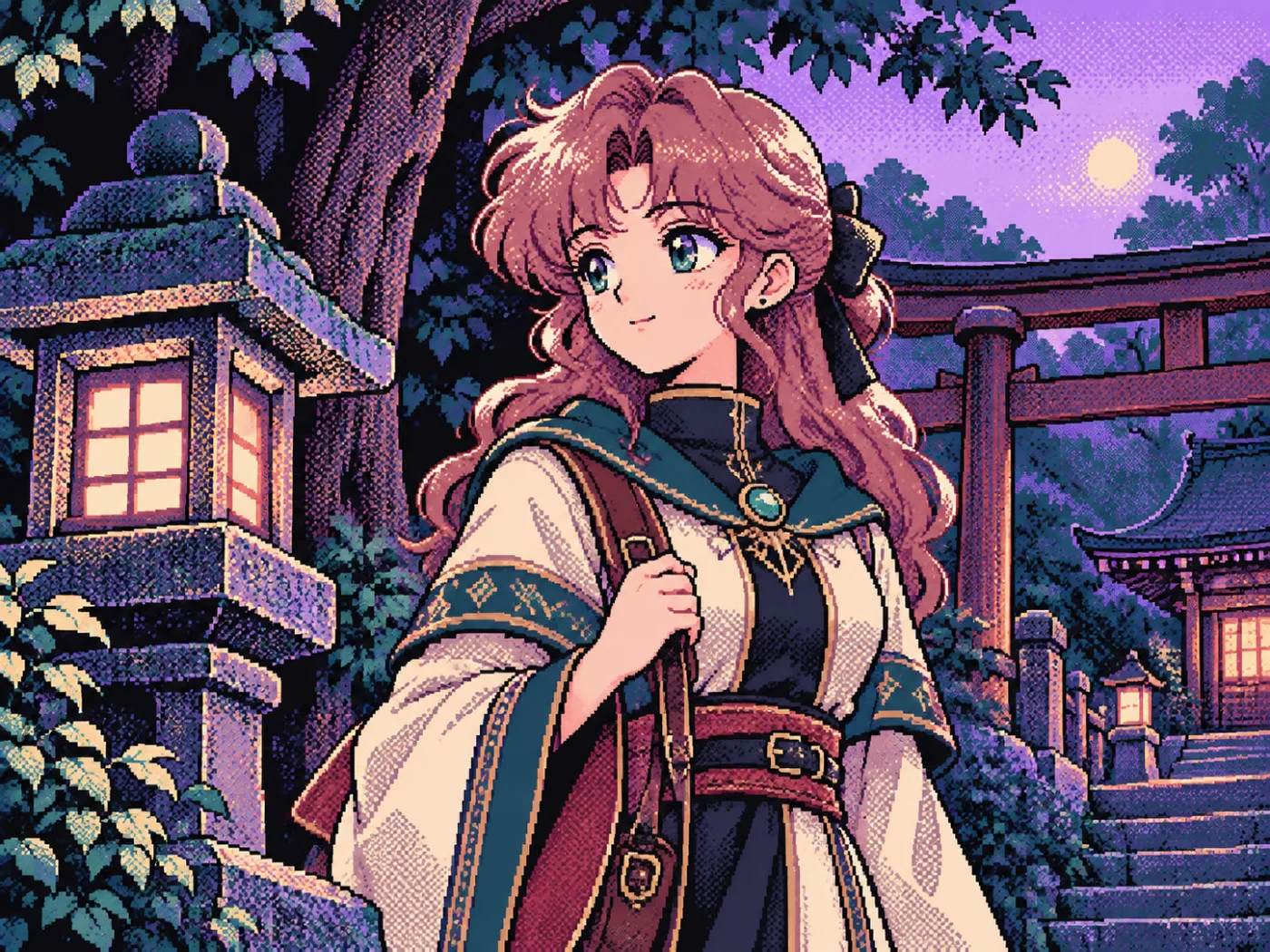
  • Fantasy and science-fiction environments built from compact pixel clusters

Aesthetic profile

8-channel console with the fingerprint on its display. Save the card, or share the page

Aesthetic Profile
PC-98
1980s–1990s · Japan; NEC PC-9801 computer culture
Attribute console · 035-PC
leans nostalgic, digital, expressive
8 CH
FIG. 1
MaximalMinimalDigitalAnalogExpressiveRestrainedCoolWarmNostalgicFuturisticChaoticStructuredDarkLightGeometricOrganic
01Minimal
Maximal20%
02Analog
Digital80%
03Restrained
Expressive60%
04Cool
Warm10%
05Futuristic
Nostalgic90%
06Structured
Chaotic10%
07Dark
Light20%
08Organic
Geometric50%
NostalgicDigitalExpressive
Omoro · Attribute console · 035-PC
omoro.io/styles/pc98

Color Palettes, PC-98 color palettes and hex codes

The definitive color scheme for this aesthetic

PC-98
#928DE3 · #438C73 · #E9A5C2 · #F1D878 · #222035
A compressed screen-world of dusk lavender, teal pixel clusters, warm cream and ink-dark outlines
Omoro Palette Pack575 curated palettes across every aesthetic, 5 export formats.
$8Get the palettes →

Adjacent Palettes, styles related to PC-98

The colour of the styles sitting closest to this one

Pixel Art
Cyberpunk
Retrofuturism
03
The direction

How to shoot it, how to prompt it, and how to board it.

Photo Direction

How to shoot this aesthetic

"Pixel portraits from a late-night monitor."

Shot list

  • A character portrait with strong rim light and clear silhouette, ready to be pixelated
  • A train or city-night scene with simple, readable shapes and a limited palette
  • A still life of a beige computer, floppy disks and a CRT glow

Lighting

Bold, simple key light with distinct shadow shapes; avoid gradients and soft haze that dithering can't hold.

Omoro Director's Briefs151 photo shot-lists like this one, ready to shoot from.
$8Get the briefs →

Prompts

Click any prompt row to edit. Copy uses your edited text.

Make
PC-98 · image
Style

PC-98-era Japanese computer-game pixel art from the late 1980s and 1990s: crisp visible square pixels

Visual cues

deliberately limited raster palette, hard one-pixel contours, purposeful checkerboard dithering, expressive anime-influenced character illustration and atmospheric computer-game backgrounds; preserve a screen-native composition and avoid modern antialiasing

Paste as-is, or add your own subject.

Variant 1 of 8Same style, a different picture each time: new subject, setting, framing and light. Add a model if you want someone in the picture.
Frame
Variant 1 · image
Shot

Photograph: a character portrait with strong rim light and clear silhouette, ready to be pixelated.

Setting

Set in commuter train interior. Shot wide, the whole scene with room around it, bold, simple key light with distinct shadow shapes; avoid gradients and soft haze that dithering can't hold..

Detail

Keep fantasy and science-fiction environments built from compact pixel clusters in the frame.

Style

Style: PC-98-era Japanese computer-game pixel art from the late 1980s and 1990s: crisp visible square pixels, deliberately limited raster palette, hard one-pixel contours, purposeful checkerboard dithering, expressive anime-influenced character illustration and atmospheric computer-game backgrounds; preserve a screen-native composition and avoid modern antialiasing.

Palette

Colour palette #928DE3 #438C73 #E9A5C2 #F1D878 #222035.

Wardrobe

School uniforms, casual 90s Japanese streetwear and simple solid colours.

Frame

Composed for a 16:9 landscape frame.

Rules

Photographic, not an illustration. No text, no logos, no watermark.

Use as skill

The whole record as a portable skill for Claude, ChatGPT, Gemini, image and video models, or a human brief

The whole record, compiled into a skill another system can work inside: lineage, axes, palettes, type, materials, photography, verdicts and a critique checklist. Nothing is generated; it is the dossier, restructured.

Mood Board

The record applied to your project. The record's kit is free; your brand, references and plates come with membership

Mood board
The PC-98 board
8 frames · 4 selected
FIG. 4
Raster Lavender928DE3CRT Teal438C73Sprite RoseE9A5C2Pixel GoldF1D878Screen Ink222035
Brand and references
IdleBrand and references open with membership
With membership: the brand's own facts and colours in every prompt, references carried into every frame, and the plates generated.
01 · Hero application
02 · Material and finish
03 · Palette in context
04 · Photography direction
05 · Pattern plate
06 · Object
07 · Environment
08 · Digital presence
Demo kit free, the rest with membershipThe record as a demo kit, free. Name a project and it is written for that
Omoro · Mood board · 035-PC
04
The judgement

Whether to use it, what it costs to do properly, and where it stands right now.

Creative verdict, PC-98 feasibility and strategic recommendation

Two written calls, seven meters, and when to walk away

Creative verdict
Should PC-98 be the call?
7 meters
FIG. 2
Assessment

Set the raster scale and palette before drawing, then shade with purposeful pixel clusters and selective dithering. Keep the silhouette readable at native size and design the background as a game scene, not a texture plate. Smooth gradients and automatic pixel filters erase the craft this reference depends on.

Verdict

Reach for PC-98 when the project can give the screen a story. A portrait, room or street scene carries more than a pixelated logo because the era's character came from narrative framing as much as raster technique. Use the historical reference with care; a modern homage is not an original game artifact.

Production cost
Medium

A small palette saves colors, not the time needed for deliberate pixel-level illustration.

Creative difficulty
Medium

The hardware reference is narrow, but scene selection and narrative framing require judgment.

Execution difficulty
High

Pixel clusters, contours and dither patterns need consistent raster discipline at every scale.

Risk of misuse
Medium

A generic pixel filter misses the era-specific palette, raster composition and hand-built pixel clusters.

Prevalence
Rare

The reference is specific to Japanese computer-game culture and remains niche outside game and design audiences.

Longevity
Enduring

The original hardware constraints and screen compositions remain visually distinctive beyond nostalgia cycles.

Brand investment
Medium

Authentic-looking raster art takes deliberate palette and pixel-level craft.

Avoid if
The art must remain legible at many modern screen sizes
A fixed raster scale and compact palette are central to the visual language.
The project needs historically exact game assets
Newly made homage imagery should not be presented as archival PC-98 material.
Omoro · Creative verdict · 035-PC

Editorial Depth

A Pro feature: origins, practitioners, and pitfalls

Editorial depth
The PC-98 file
14 sections
FIG. 3
Context02Brands02Perception04Use04Index02
01Common MisconceptionThe principle beneath the surface
02Historical ContextOrigins, cultural moment, and reaction
03Brands That Accidentally Use This StyleNatural alignment, not category claims
04Brands That Perfectly Represent This StyleExceptional execution
05Psychological EffectHow visual decisions change perception
06Visual ChecklistInclude and avoid
07Creative FormulaThe visual system reduced to essentials
08Recognition SignalsHow to recognize it in two seconds
09When To Use This StyleContexts where the language performs
10Common Creative MistakesWhere imitation weakens the signal
11Best Brand ApplicationsIndustries with a natural advantage
12Creative Application AnalysisFit, feasibility, and production reality
13Related StylesClose languages and the key distinction
14Visual DNA SummaryThe sentence to remember

The editorial depth, with membershipOpening soon
Omoro · Editorial depth · 035-PC
05
The index

Neighbours, cross-references, blends, and the questions people ask.

Related concepts

Connected across the creative knowledge graph

Cross-references

Pixel Artthe broader raster medium PC-98 game art made culturally specificCyberpunkshares the electronic settings and nocturnal city imageryRetrofuturismrevisits the imagined futures of its own computer era

Blend

Mix PC-98 with any style in the library, or see the pairs worth trying

PC-98×
50%50%
93% alike
PC-98 referencePixel Art referencePC-98 50%Pixel Art 50%

Merged palette

#928DE3

#1565C0

#438C73

#43A047

#E9A5C2

Leads nostalgic, digital, geometric

Typography · from PC-98

Press Start 2P over IBM Plex Mono

Materials

  • NEC PC-9801 640x400 raster: 16 colours chosen from a 4096-colour palette
  • Visible square pixels with crisp, non-antialiased contours
  • The square pixel grid itself: every mark placed by hand at native scale

Use it

DIRECTION

Create one visual direction that synthesizes PC-98 × Pixel Art. Preserve a clear hierarchy; do not make a contact sheet or a collage of unrelated styles.

CHARACTER

Let it read as nostalgic, digital, geometric. Resolve the strongest tensions deliberately: keep the balance coherent.

PALETTE

Use these colors as a controlled system: #928DE3 (Raster Lavender) · #1565C0 (Sky Blue) · #438C73 (CRT Teal) · #43A047 (World Green) · #E9A5C2 (Sprite Rose).

TYPE

Use Press Start 2P for display type and IBM Plex Mono for supporting text.

MATERIALS

Bring in NEC PC-9801 640x400 raster: 16 colours chosen from a 4096-colour palette, Visible square pixels with crisp, non-antialiased contours, The square pixel grid itself: every mark placed by hand at native scale, Hardware palettes and sprite limits of NES, Game Boy and 16-bit consoles.

OUTPUT

Keep one subject or one clear interface state in focus. Use the visual language to guide composition, lighting, spacing and material decisions.

Open in blends, with pairs worth trying →

About this aesthetic

What does PC-98 mean in visual design?

PC-98 refers to the Japanese NEC PC-9801 computer platform and the game and illustration culture built around it. The aesthetic is associated with visible pixels, limited palettes, deliberate dithering and expressive character art.

Is PC-98 art the same as pixel art?

PC-98 art is one historically specific branch of pixel art. It is tied to Japanese computer games of the late 1980s and 1990s, with distinctive screen compositions, palette constraints and anime-influenced illustration.

What makes PC-98 pixel art look authentic?

Use purposeful pixel clusters, crisp contours and dithering that creates tone rather than a generic noise overlay. Keep the palette compact and design the image around a readable screen composition.

Build with the pc-98 aesthetic

Every style in the library is broken down like this one: the palette, the typography, the materials and the lineage.

Explore the style library →