
OmoroShoot briefRoll 042Ser.05
Wabi-Sabi aesthetic photography reference
RecTC 00:00:00:00

Wabi-Sabi

The beauty of the imperfect, impermanent, and incomplete: nothing is finished, everything is enough

Roll 0425 frames0 / 5 shot
Frames00/05
wabi sabi
SET

The setup

Shoot briefHD[wabi sabi     ]00:00:00:00Stop ■
Brief Int(wabi-sabi___.BRF)

Wabi-Sabi

01 LightSoft, raking window light from north or east, never direct sun; the light should reveal texture without dramatizing it; color temperature between 5000–5500K for clean accuracy
02 WardrobeNatural, undyed, or naturally dyed textiles in linen, cotton, silk; visibly handmade, slightly irregular; nothing symmetrical or machine-finished in appearance
03 LocationJapanese farmhouse or machiya townhouse
04 Palette
DIR

Director's note

Remove every manufactured element from the background before shooting the presence of any mass-produced object, however small, breaks the wabi-sabi register completely, because the aesthetic is specifically about objects that are the product of time and individual attention

All 151 director’s notes, printable: Director’s Briefs, $8
VF

Viewfinder

Live

Four controls on the brief's own plate · the meter is real, so you can blow a frame

Wabi-Sabi reference frame
Standby50mmf/5.6 · 1/125 · ISO 400

Running the list sets the camera for every shot in turn. Load your own photo to light and expose a frame you actually shot.

LGT

Light the set

3 lamps

Drag a lamp and watch the frame above change. The brief's own note is the preset

KeyThe light that makes the pictureMediumEye level
FillHow far into shadow you can seeMediumEye level
BackRound at the front, where it is just another fillOffEye level
On the brief
CS

Contact sheet

00 / 12

Nothing on the sheet yet. Set the camera, then take a frame.

SEQ

Shot list

00 / 05

Tap a pad to mark the frame shot · saved on this device

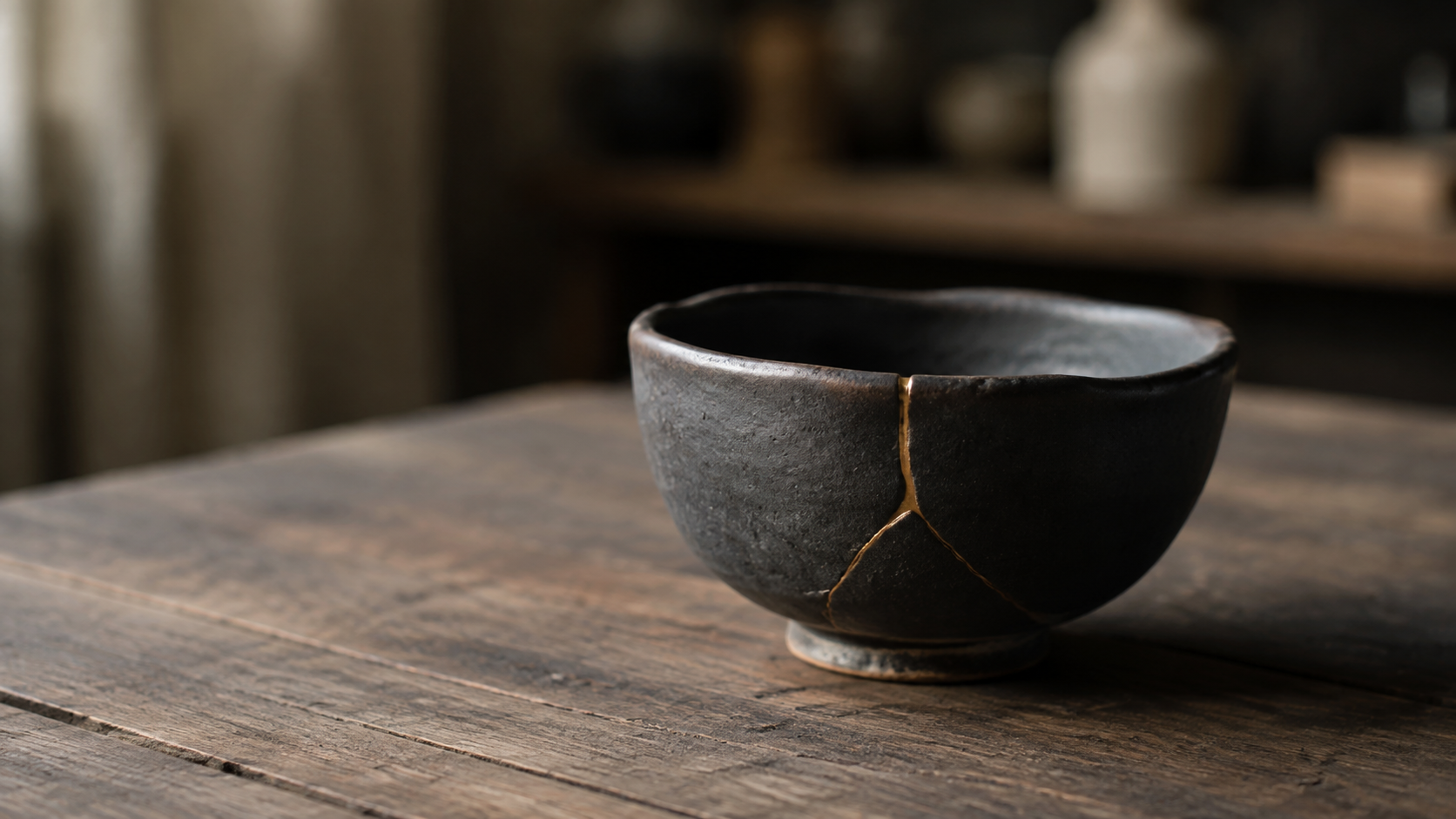
Close detail of a fired ceramic object with intentional crack, wabi-sabi glaze, or asymmetry, lit to reveal texturedetail100mm
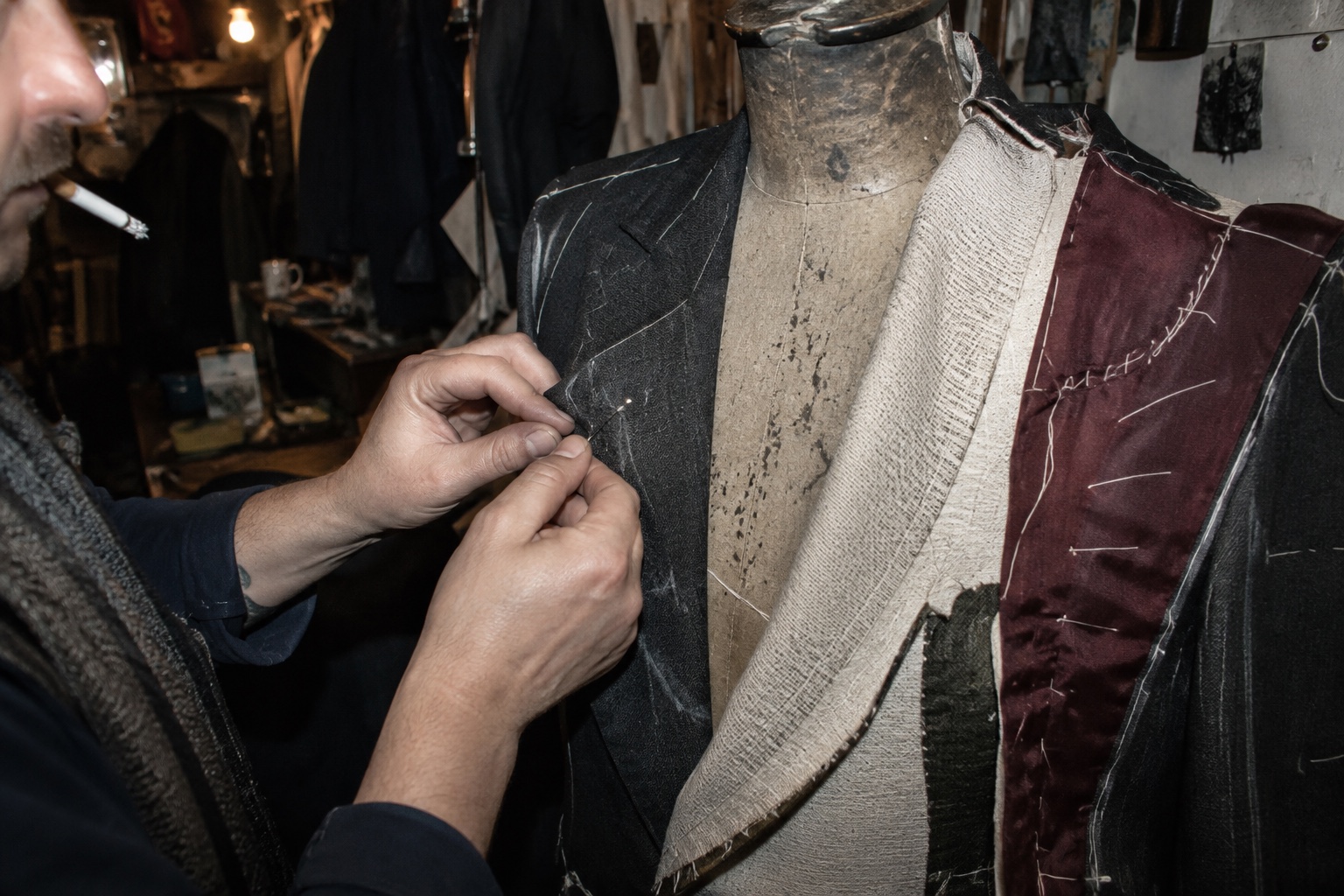
Portrait of a craftsperson with weathered hands holding an object with visible age and useportrait85mm
Environmental shot of a space that shows time peeling paint, moss on stone, worn wooden floorsenvironment35mm
Close-up of a single seasonal element a frost-damaged leaf, a partially opened bud that holds its own completenessdetail100mm
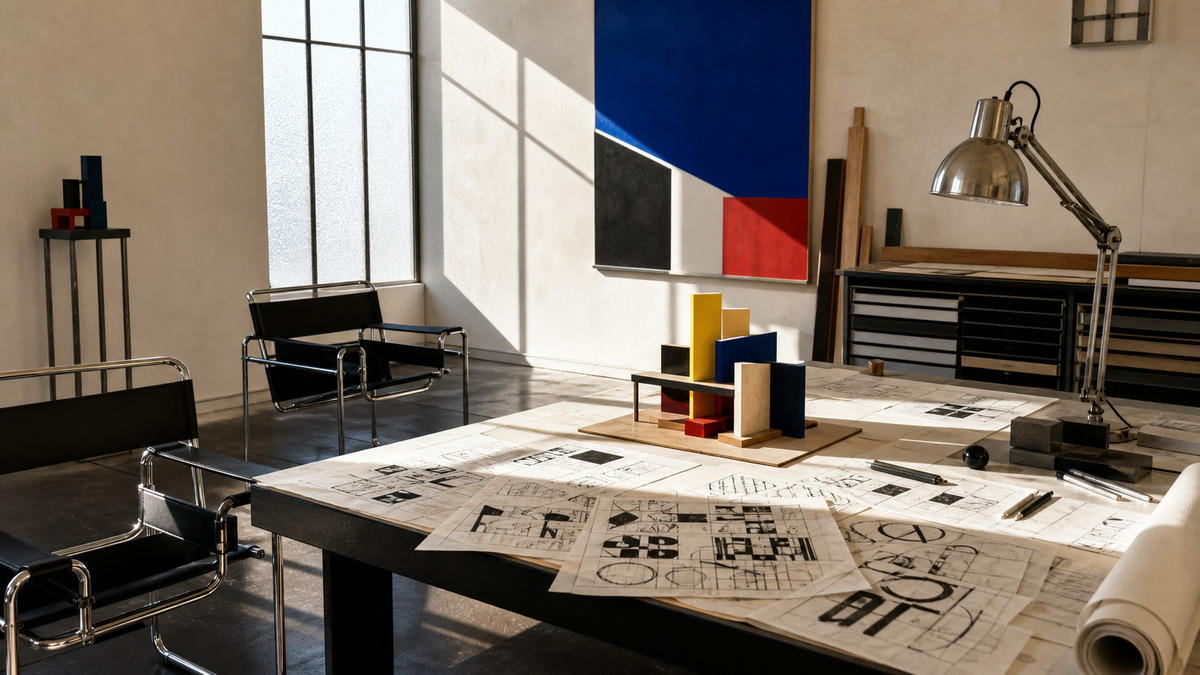
Wide shot of a Japanese-influenced interior where simplicity and imperfection are the decorative languagewide24mm
Rolling
Take it to set: all 151 briefs as one PDF · $8
LOC

Locations

04
Japanese farmhouse or machiya townhouseCeramics studio with aged kiln and work surfacesRock garden or moss gardenCoastal or forest location with weathered natural elements
REF

Explore the aesthetic

Part of the Luxury & Prestige mood, alongside Luxury Minimal and Art Deco.

Style guideColor palette
DOC

About this brief

How do I photograph the Wabi-Sabi aesthetic?

The beauty of the imperfect, impermanent, and incomplete: nothing is finished, everything is enough.

Remove every manufactured element from the background before shooting the presence of any mass-produced object, however small, breaks the wabi-sabi register completely, because the aesthetic is specifically about objects that are the product of time and individual attention

Director's note

What shots should I get for a Wabi-Sabi photo shoot?

Leave with every frame on this list.

Shot list

  1. Close detail of a fired ceramic object with intentional crack, wabi-sabi glaze, or asymmetry, lit to reveal texture
  2. Portrait of a craftsperson with weathered hands holding an object with visible age and use
  3. Environmental shot of a space that shows time peeling paint, moss on stone, worn wooden floors
  4. Close-up of a single seasonal element a frost-damaged leaf, a partially opened bud that holds its own completeness
  5. Wide shot of a Japanese-influenced interior where simplicity and imperfection are the decorative language
What lighting works for Wabi-Sabi photography?

Soft, raking window light from north or east, never direct sun; the light should reveal texture without dramatizing it; color temperature between 5000–5500K for clean accuracy

Light

Where should I shoot Wabi-Sabi photography?

Scout these before anything else.

Locations

  1. Japanese farmhouse or machiya townhouse
  2. Ceramics studio with aged kiln and work surfaces
  3. Rock garden or moss garden
  4. Coastal or forest location with weathered natural elements
What wardrobe works for Wabi-Sabi photography?

Natural, undyed, or naturally dyed textiles in linen, cotton, silk; visibly handmade, slightly irregular; nothing symmetrical or machine-finished in appearance

Wardrobe

Omoro Studio · Creative System

Generate shoot references in the Wabi-Sabi style

Omoro reads your visual references and generates images in your exact aesthetic. Build a mood board before the shoot or create composite references for your client.

Join the waitlist