When to use it
- Hardware product reveals
- Technical documentation
- Engineering aesthetics
- Precision branding
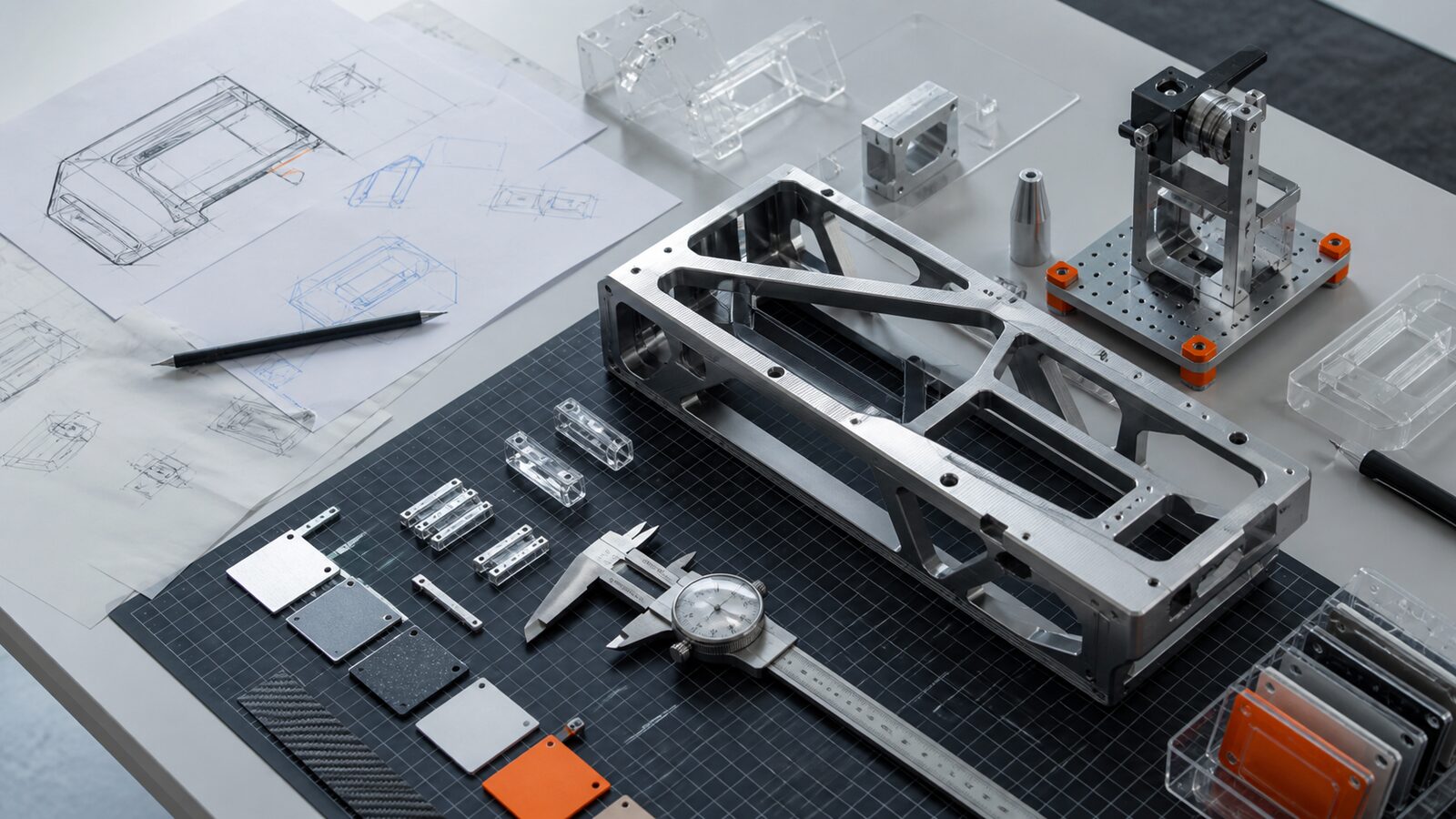
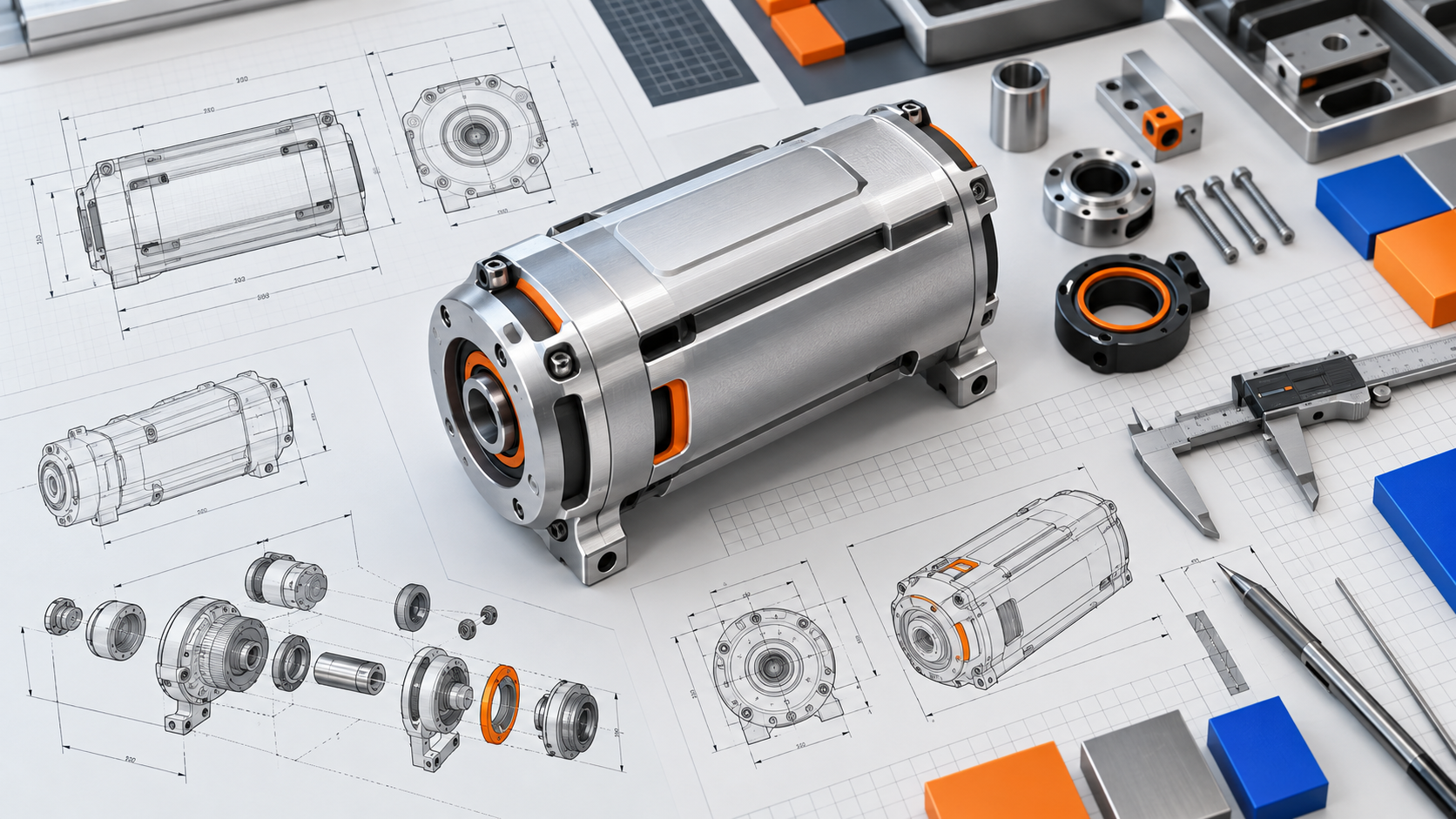
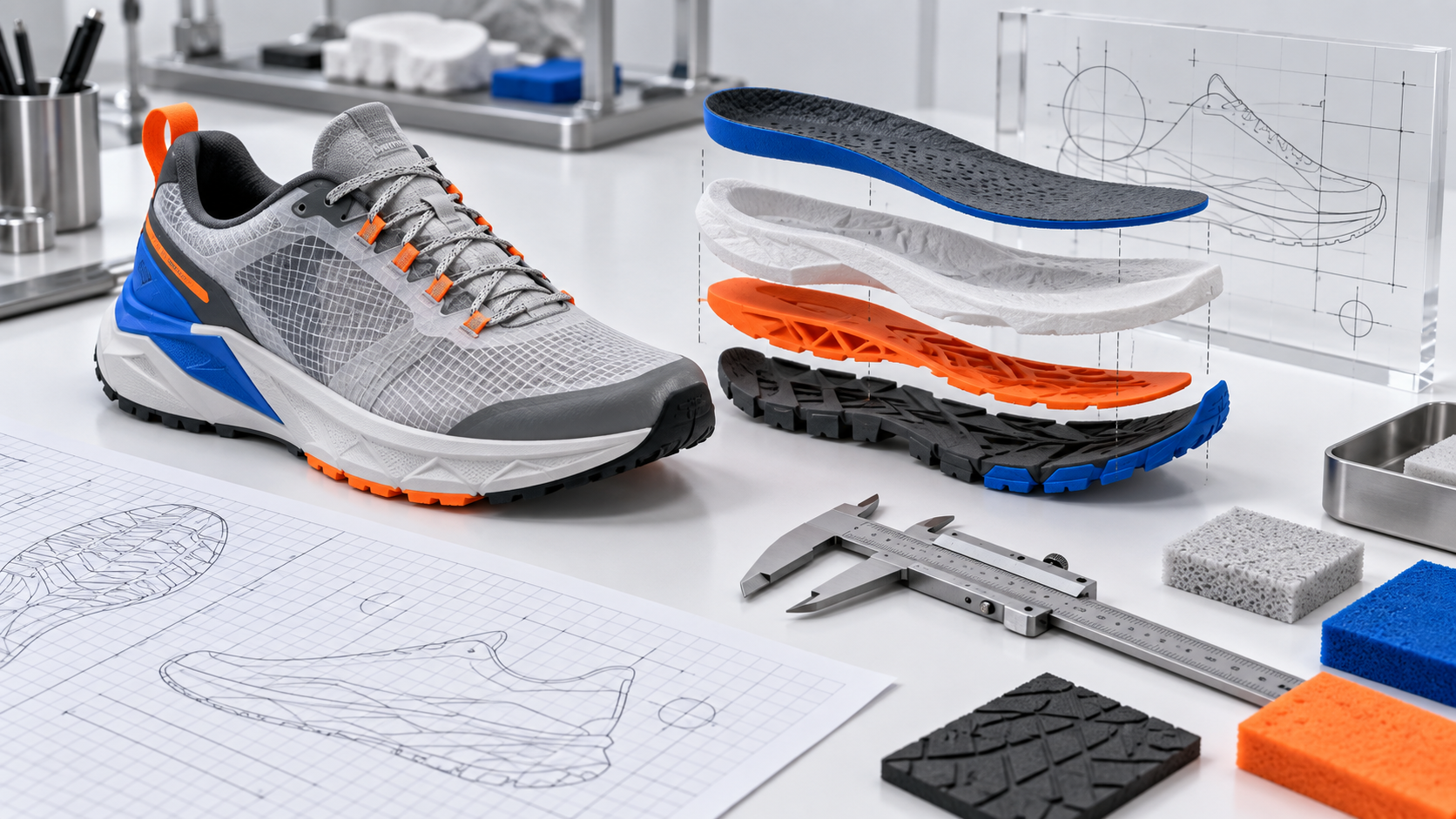
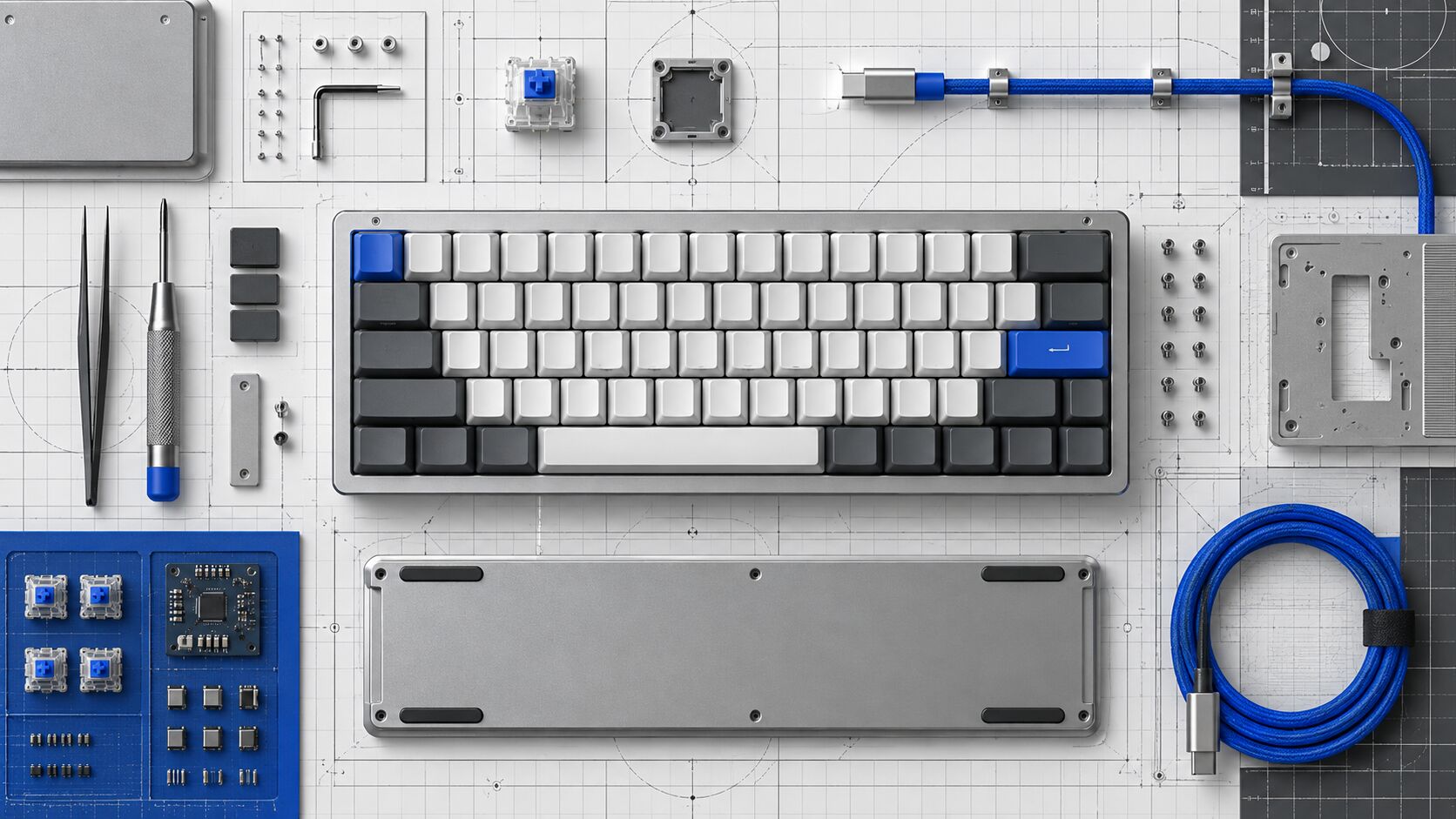
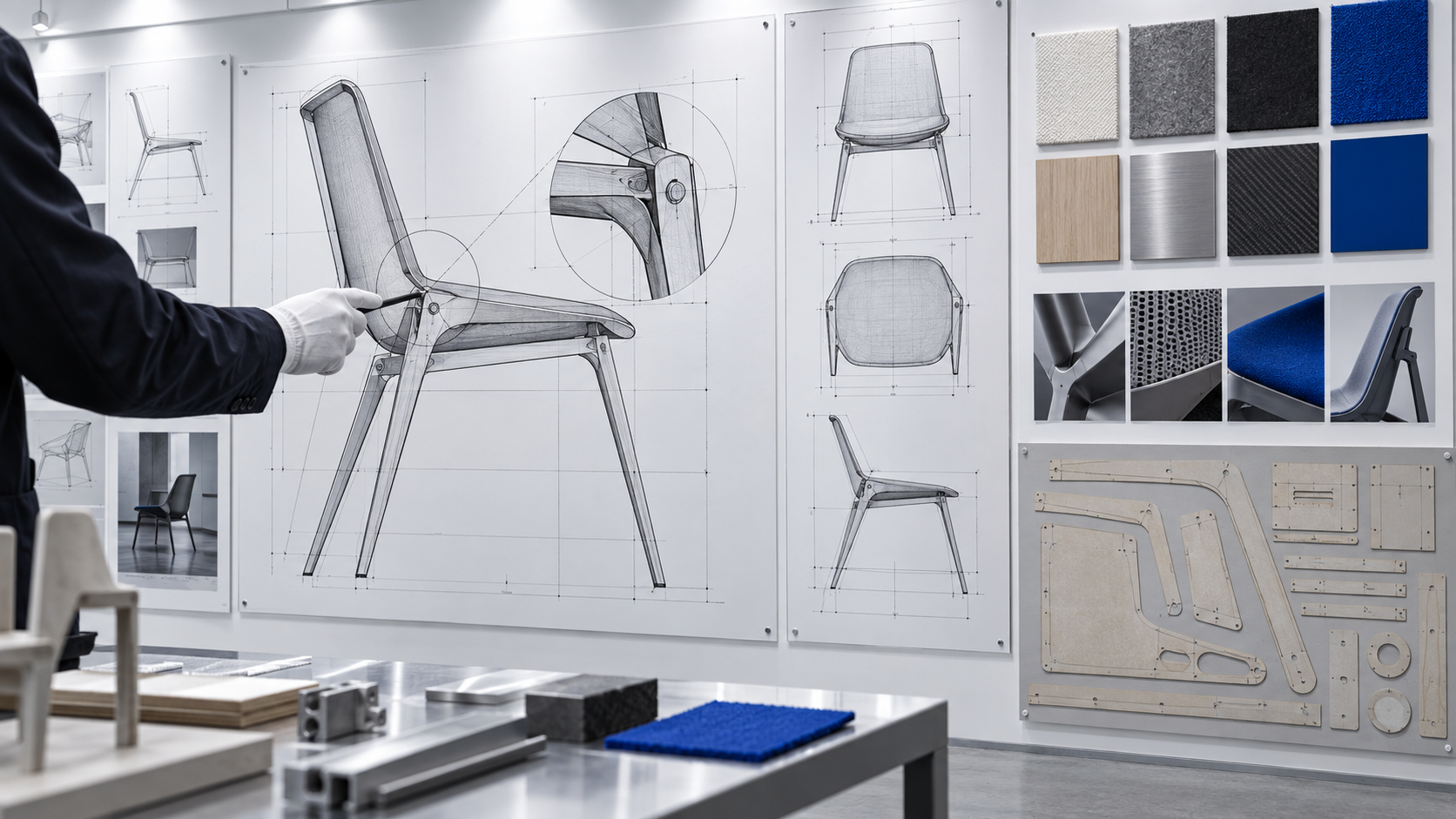
Technical documentation aesthetics with diagrams, specifications, and schematics
Part of the Trust & Reliability mood, alongside Swiss / International and Blueprint. Began in the 2010s, on the style timeline.

What it is, when it works, who it is for, and where it already exists.
Record 039-TS - when it works, who it is for, what it looks like
Where this aesthetic shows up in the real world · ↗ opens the source site
Where Tech Spec came from, what makes it recognisable, and the fingerprint it leaves.
Industrial age–present; design appropriation from 2010s · Engineering and technical documentation; NASA, aerospace, military design systems
Technical specification drawing: the blueprint, the schematic, the engineering diagram: developed in parallel with modern industrial manufacturing from the mid-19th century onward. The system of orthographic projection (showing an object from multiple fixed viewpoints simultaneously), standardized line weights (thick for visible edges, thin for hidden edges, dashed for center lines), and annotation conventions (dimension lines, tolerance callouts, material specifications) created a visual language of extreme precision that was entirely functional. The aesthetic quality of technical drawings: their geometric clarity, the purity of white lines on blue ground, the information density achieved without decoration: was incidental to their purpose.
The appropriation of technical drawing aesthetics into design began in earnest with the space program visual culture of the 1960s–1970s. NASA's technical publications, with their engineering diagrams of rockets and spacecraft, developed a visual language that combined the precision of technical drawing with the drama of cutting-edge technology. The NASA 'worm' logotype (1975) and the overall visual identity of Apollo-era publications influenced a generation of designers toward the beauty of technical precision.
Contemporary tech-spec design appears in automotive and aerospace branding (every car advertisement now features exploded-view diagrams), technology product marketing (Apple's technical animations of chip architecture), industrial design portfolios, and the broader aesthetic of 'precision as luxury' that uses technical drawing conventions to signal intelligence, complexity, and exactitude. The blueprint aesthetic is also widely used as a decorative surface for wallpaper, textiles, and product packaging.
“The beauty hidden in the tolerance and the callout.
The visual DNA: what makes it recognisable
8-channel console with the fingerprint on its display. Save the card, or share the page

4 color interpretations of this aesthetic
The colour of the styles sitting closest to this one
How to shoot it, how to prompt it, and how to board it.
How to shoot this aesthetic
"Product truth rendered in dimension, callout, and the cold precision of the engineering drawing"
Shot list
Lighting
Tent lighting (a translucent tent surrounding the product from three sides) to create the even, shadowless, fully-revealing light of product specification photography
Drop this into Studio to generate in this aesthetic
Tech spec diagram aesthetic with precise exploded-view product illustration, dimension callouts and material annotations, clean technical vector linework, keynote-grade product-reveal clarity, engineering-precise white-background presentation
The record applied to your project. The record's kit is free; your brand, references and plates come with membership
01 · Hero application02 · Material and finish03 · Palette in context04 · Photography directionWhether to use it, what it costs to do properly, and where it stands right now.
Two written calls, seven meters, and when to walk away
Everything on the page has to be plausibly true. Fake measurements, arbitrary callout numbers and nonsense units are noticed by exactly the audience this appeals to, so derive the data from something real. Keep line weights to two, hairline and label. Monospace, tight leading and generous margins do the work; any decorative flourish breaks the register.
Use it only when the data is real, because the credibility is borrowed from documents that had to be correct and it is spendable exactly once. Fake callouts pointing at nothing are the fastest way to lose a technical audience, who spot them immediately. When the numbers on the page are true, this does something no amount of styling can fake.
Vector and layout work, nothing physical.
Needs to look like it actually documents something, not just decorate.
Sloppy line weights and spacing give away a fake schematic instantly.
Sloppy line weights give away a fake schematic instantly.
A niche reference outside tech and product-forward brands.
The technical-diagram look has stayed useful for decades.
Vector and layout work only.
A Pro feature: origins, practitioners, and pitfalls
Neighbours, cross-references, blends, and the questions people ask.
Connected across the creative knowledge graph
Where it stands now, and what it costs you to use it
The technical-specification look borrows its credibility from documents that had to be correct, engineering drawings, data sheets, flight manuals, where every mark existed because something depended on it.
That credibility is spendable and non-renewable. Fake callouts pointing at nothing are the fastest way to lose it, and technical audiences spot them immediately.
It works best when the data is real. If the numbers on the page are true, the aesthetic does something no amount of styling can fake.
Mix Tech Spec with any style in the library
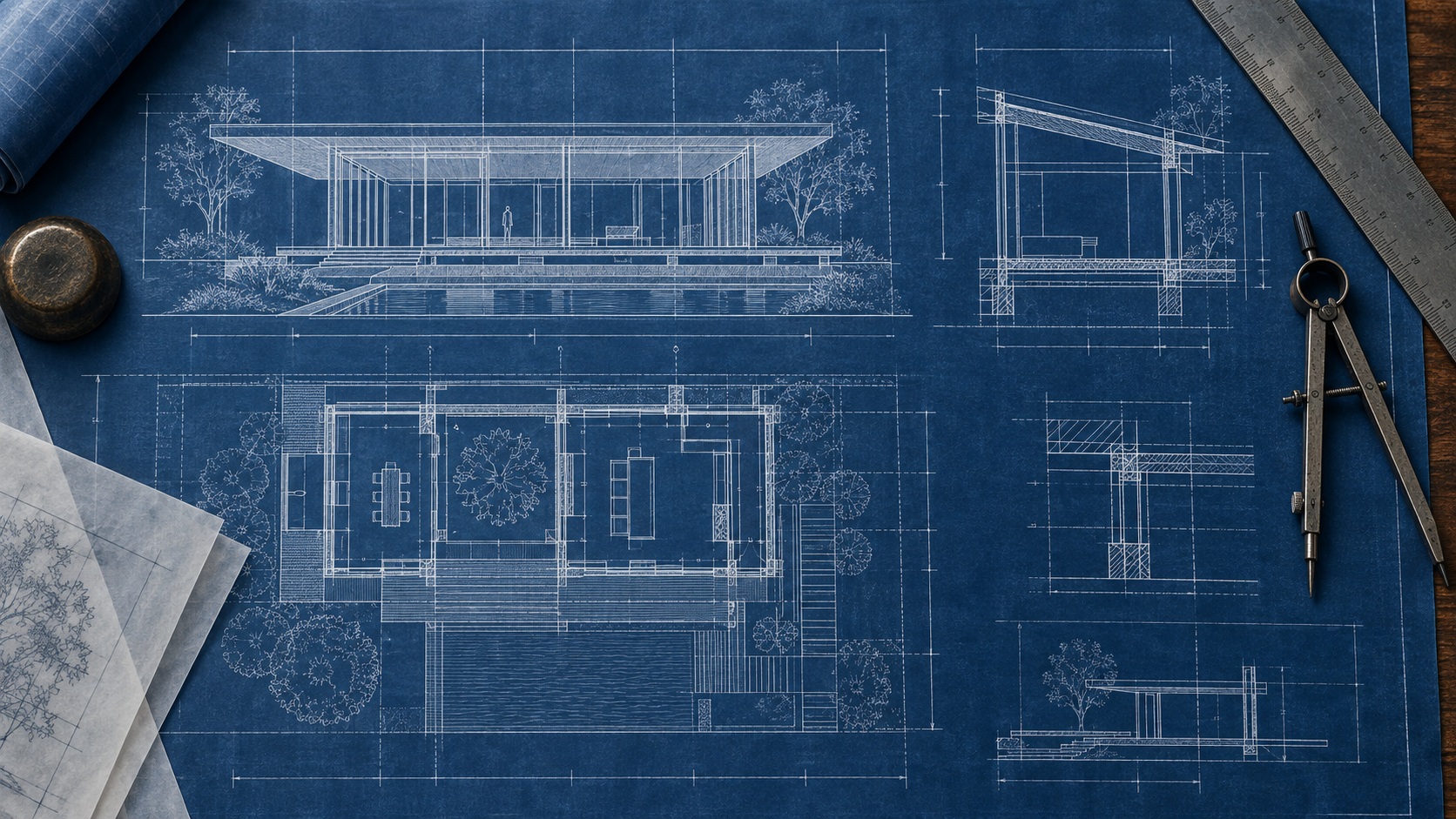 Tech Spec 50%Blueprint 50%
Merged palette
#0A0A0F
#0A2A4A
#1E3A5F
#1565C0
#2E86AB
Leads structured, geometric, restrained
Typography · from Tech Spec
IBM Plex Sans over IBM Plex Mono
Materials
Use it
Tech spec diagram aesthetic with precise exploded-view product illustration, dimension callouts and material annotations, clean technical vector linework, keynote-grade product-reveal clarity, engineering-precise white-background presentation (50%), infused with Blueprint technical-drawing aesthetic with white linework on cyanotype-blue ground, precise architectural or engineering annotation, dimension lines and callout labels, grid-paper structure, draftsman's technical precision translated into art, color palette strictly #0A0A0F #0A2A4A #1E3A5F #1565C0 #2E86AB, overall character: structured, geometric, restrained
Tech spec aesthetic appropriates the visual conventions of engineering documentation: blueprints, technical drawings, schematic diagrams, monospaced annotation type: as a design choice that signals precision, intelligence, and engineering authority. It appears in automotive, aerospace, and technology branding that wants to communicate technical complexity as a form of luxury.
Traditional blueprints used the cyanotype photochemical process, producing white line drawings on Prussian blue (#003366) backgrounds. Modern technical drawing conventions use either blue-on-white or white-on-dark-blue. In contemporary tech-spec design: dark navy or near-black backgrounds (#0A1428, #0D0D1A) with electric blue (#00A8FF) or white lines, sometimes with orange or red dimension callouts.
Tech spec aesthetic communicates precision, technical depth, and engineering authority. Apply it through: technical drawing-style line graphics (cross-sections of products, exploded views), monospaced typography for specifications and data, blueprint-palette color schemes, and annotation-style callouts labeling product features. Works best for: automotive, aerospace, audio equipment, and technology brands.
Every style in the library is broken down like this one: the palette, the typography, the materials and the lineage.
Explore the style library →