When to use it
- An invitation that should feel personally addressed
- A participatory creative exchange
- An editorial story told through accumulated traces
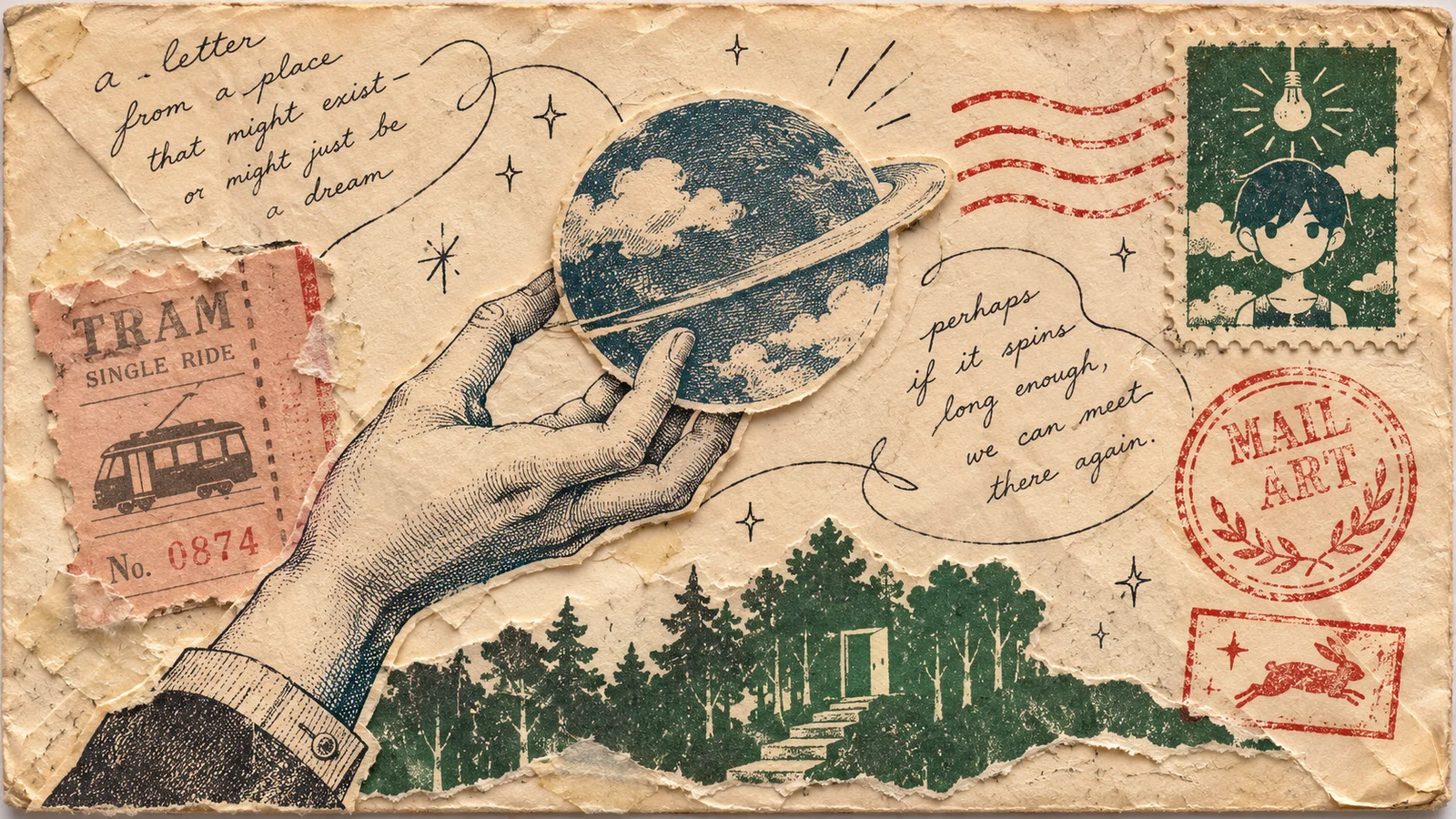
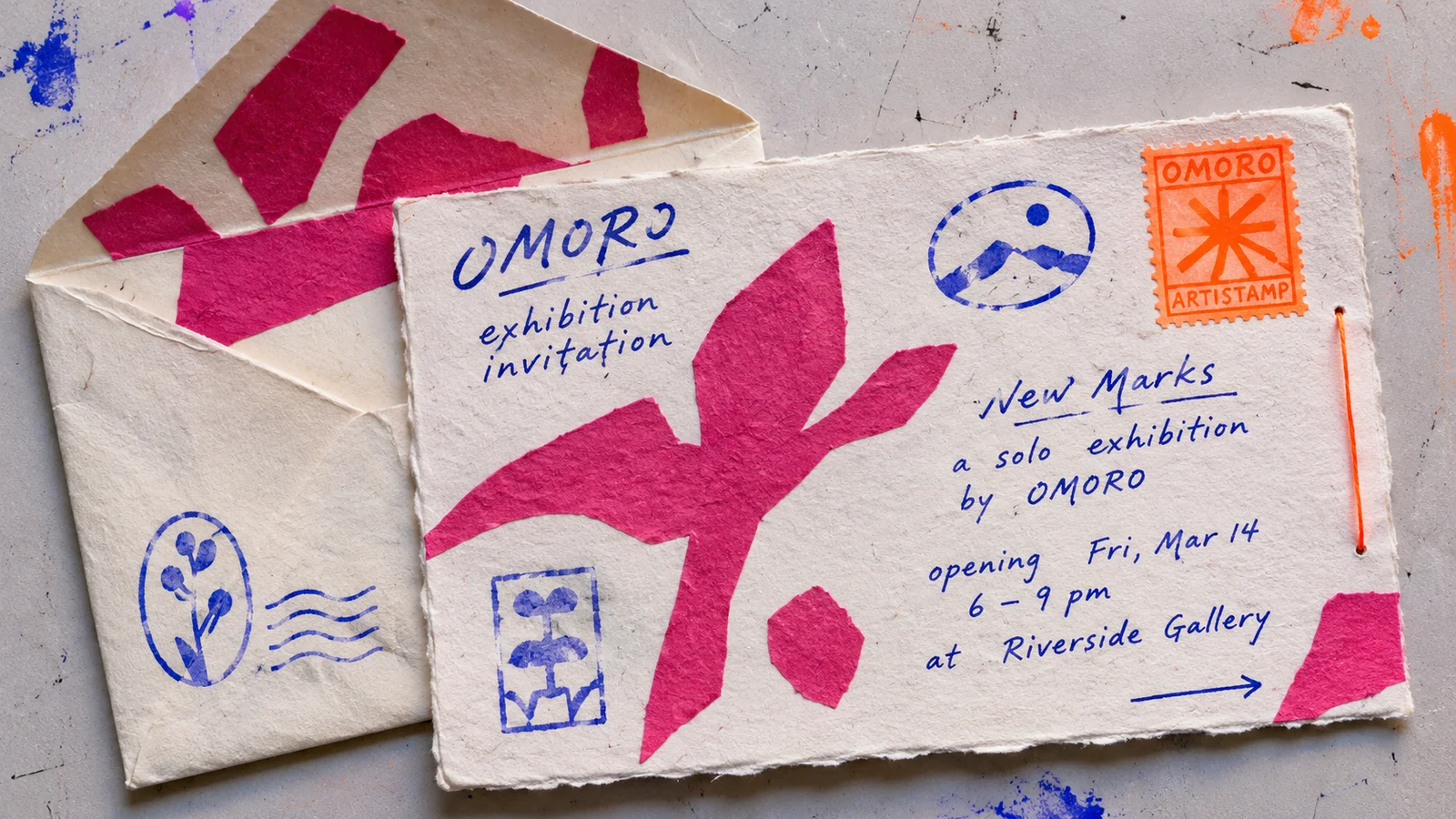
Handmade correspondence becomes the artwork through artistamps, handwriting, postal traces, found paper and collage built for exchange.
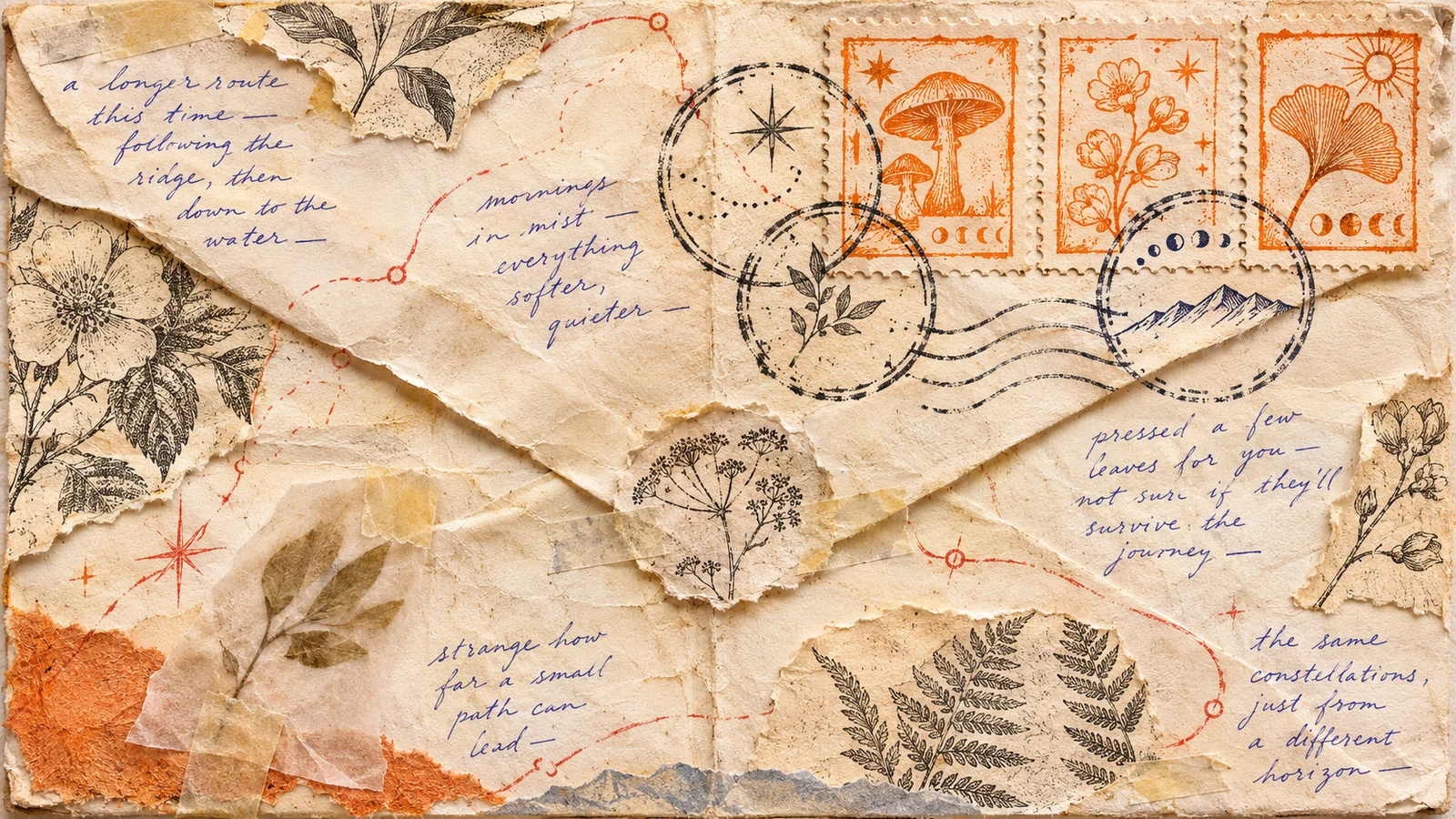
Handmade correspondence becomes the artwork through artistamps, handwriting, postal traces, found paper and collage built for exchange.
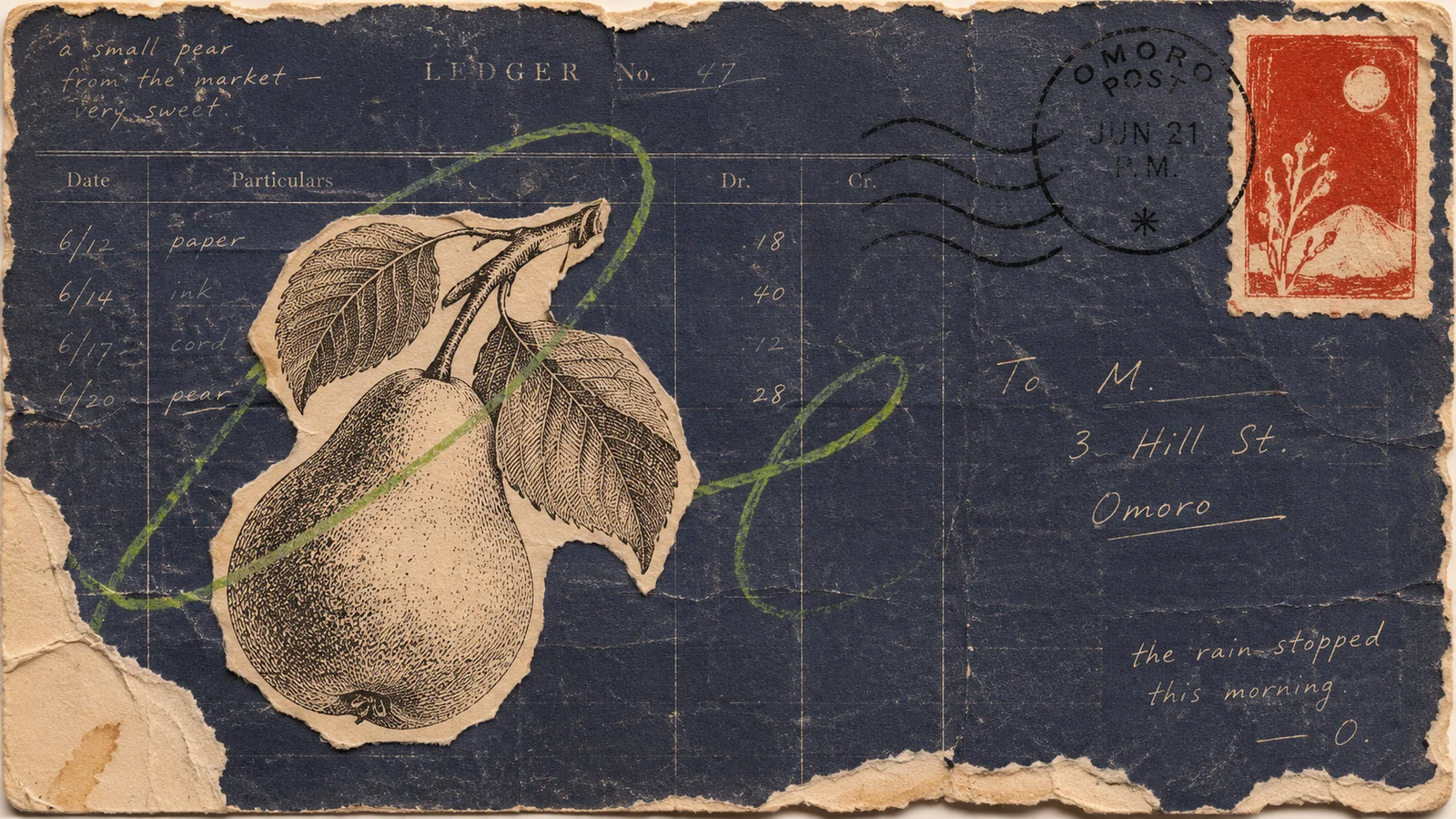
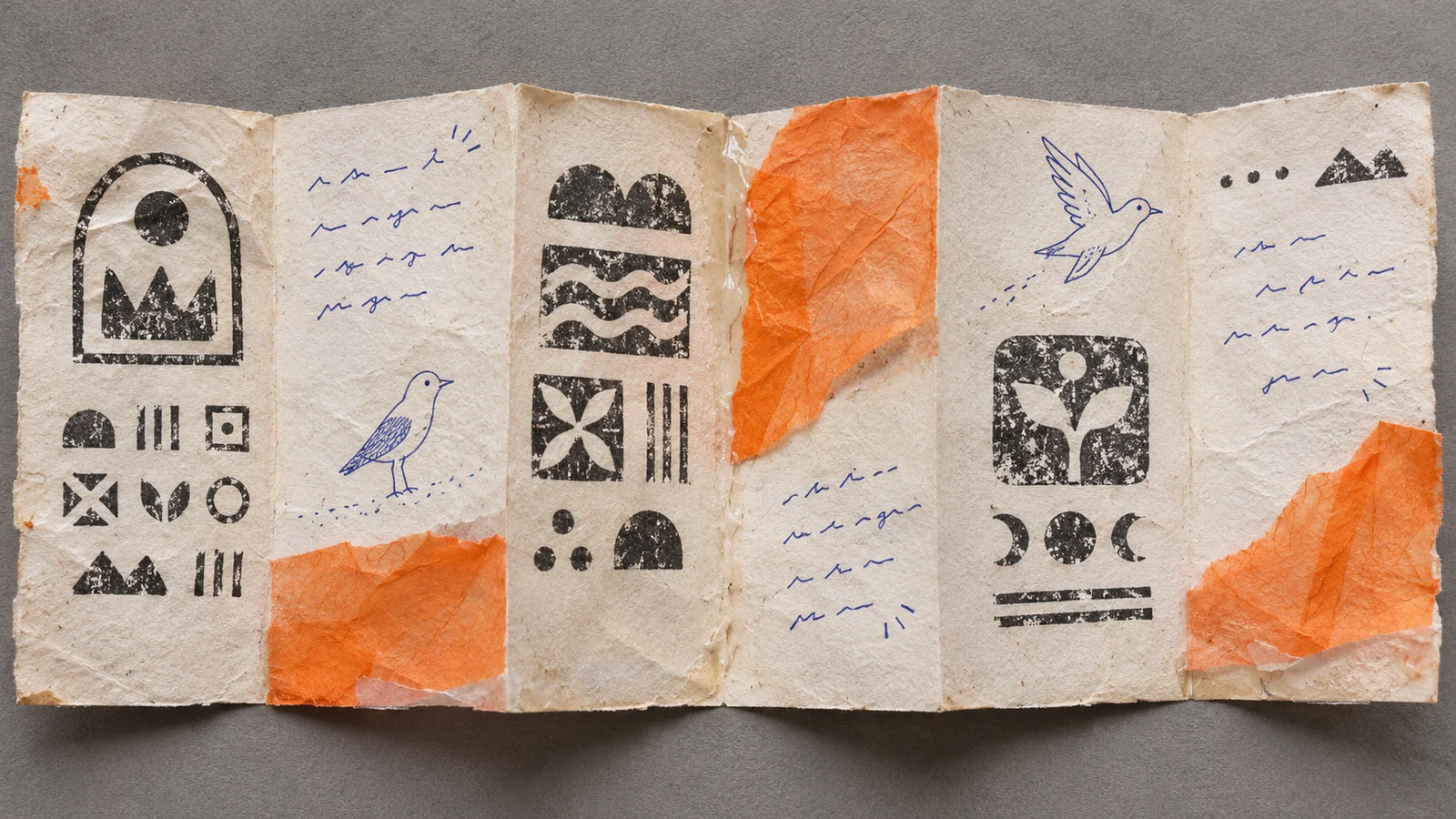
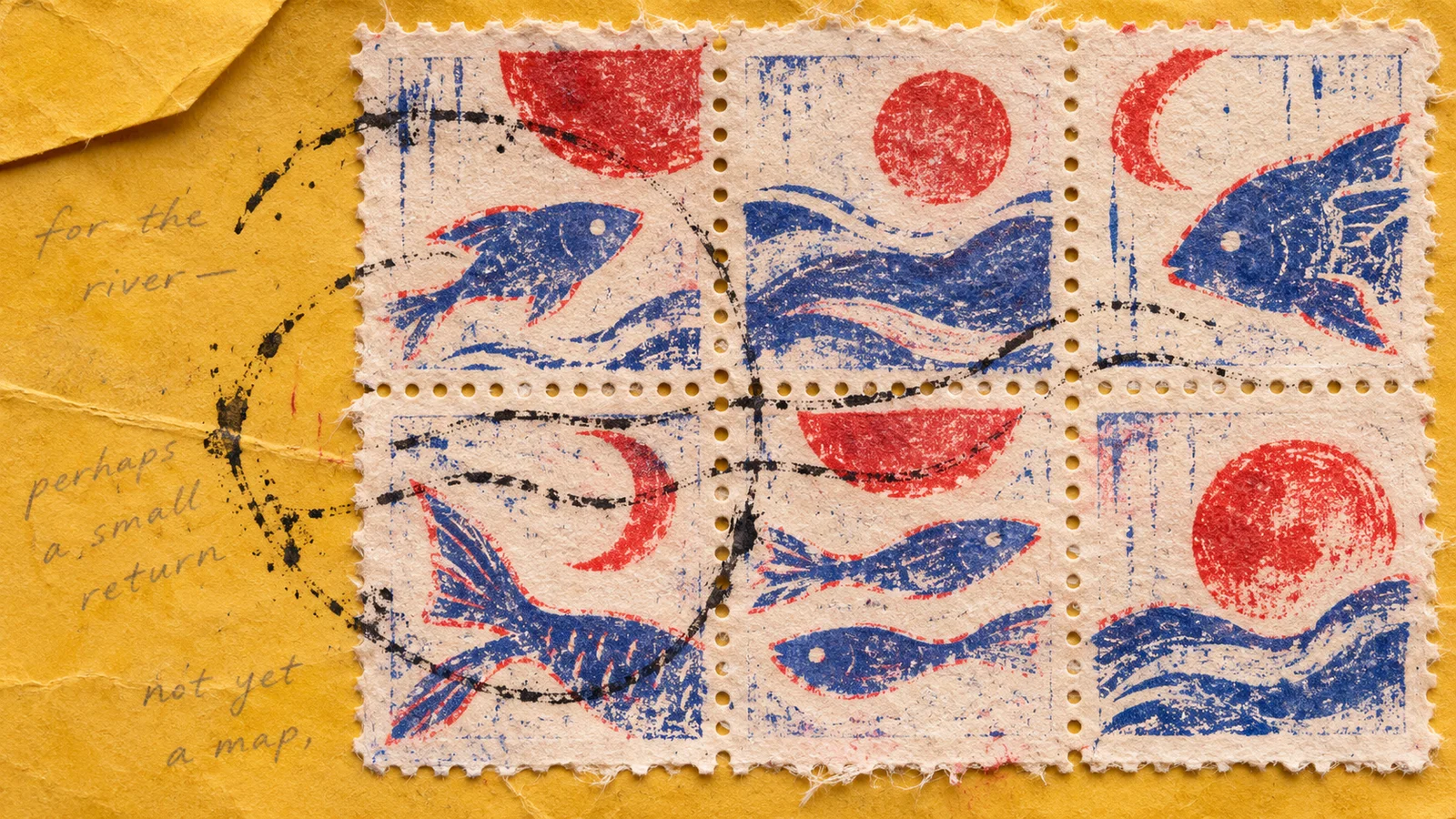
What it is, when it works, who it is for, and where it already exists.
Record 032-MA - when it works, who it is for, what it looks like
Where Mail Art came from, what makes it recognisable, and the fingerprint it leaves.
1950s onward · International correspondence networks
Mail Art uses postal exchange as an artistic medium. Ray Johnson was a key figure in its development, circulating small works and invitations to alter, return or forward them. The practice links the physical object to a network of participants.
Collage, handwriting, rubber stamps and artist-made stamps give correspondence its visual vocabulary. This is broader than a vintage-paper look: contemporary mail art can be brightly colored, spare or conceptual. A mailed work carries evidence of handling and exchange, while a commercial invitation borrows that language for a different purpose.
Research informing this technique
“The journey and the reply become part of the work.
The visual DNA: what makes it recognisable
The definitive color scheme for this aesthetic
The colour of the styles sitting closest to this one
Click any prompt row to edit. Copy uses your edited text.
Original handmade correspondence artwork: found-paper collage
Visual cuespersonal handwriting, invented artistamps, imperfect rubber-stamp cancellations, meaningful folds and tape. Build around one personal gesture and evidence of exchange. Keep paper scale believable. Avoid copied artworks, real private addresses, generic scrapbook templates and uniform sepia aging.
Paste as-is, or add your own subject.
Photograph: invented artistamps, filling the frame.
SettingSet in a setting of found paper. Shot wide, the whole scene with room around it, in the style's own light, as the brief describes it.
DetailKeep folded messages in the frame.
StyleStyle: Original handmade correspondence artwork: found-paper collage, personal handwriting, invented artistamps, imperfect rubber-stamp cancellations, meaningful folds and tape. Build around one personal gesture and evidence of exchange. Keep paper scale believable. Avoid copied artworks, real private addresses, generic scrapbook templates and uniform sepia aging..
PaletteColour palette #EDE1C8 #243E64 #BE4B36 #5C7554 #292722.
FrameComposed for a 16:9 landscape frame.
RulesPhotographic, not an illustration. No text, no logos, no watermark.
The whole record as a portable skill for Claude, ChatGPT, Gemini, image and video models, or a human brief
The whole record, compiled into a skill another system can work inside: lineage, axes, palettes, type, materials, photography, verdicts and a critique checklist. Nothing is generated; it is the dossier, restructured.
The record applied to your project. The record's kit is free; your brand, references and plates come with membership
01 · Hero application02 · Material and finish03 · Palette in context04 · Photography direction
Whether to use it, what it costs to do properly, and where it stands right now.
Two written calls, seven meters, and when to walk away
Write or draw something specific for one recipient, then build around it. Keep the correspondence legible beneath the collage.
Write or draw something specific for one recipient, then build around it. Keep the correspondence legible beneath the collage.
Found paper, envelopes and simple drawing tools are inexpensive.
The fragments need a personal relationship rather than arbitrary accumulation.
Believable scale, layering and ink variation require careful assembly and scanning.
Individual assembly and variation are central to its appeal.
A specialist visual direction rather than a default identity treatment.
The underlying composition and material techniques can be renewed without copying a fixed surface.
Found paper, envelopes and simple drawing tools are inexpensive.
A Pro feature: origins, practitioners, and pitfalls
Neighbours, cross-references, blends, and the questions people ask.
Connected across the creative knowledge graph
No. Postal exchange, participation and correspondence are central to the practice. A decorated envelope can be part of it, but the relationships and journey matter as much as the surface.
No. Fresh paper, bright inks and contemporary subjects are equally valid. Avoid applying sepia aging to every piece; let real folds, handwriting and handling supply the texture.
Every style in the library is broken down like this one: the palette, the typography, the materials and the lineage.
Explore the style library →