When to use it
- Restaurant, café and bakery identities, menus and websites
- Cookbooks, recipe sites and food editorial
- Packaging and campaigns for food and drink brands
- Social content that has to make someone hungry in one scroll
Food made irresistible in a photograph: honest light, real texture and the traces of eating, from the cookbook plate to the overhead shared table
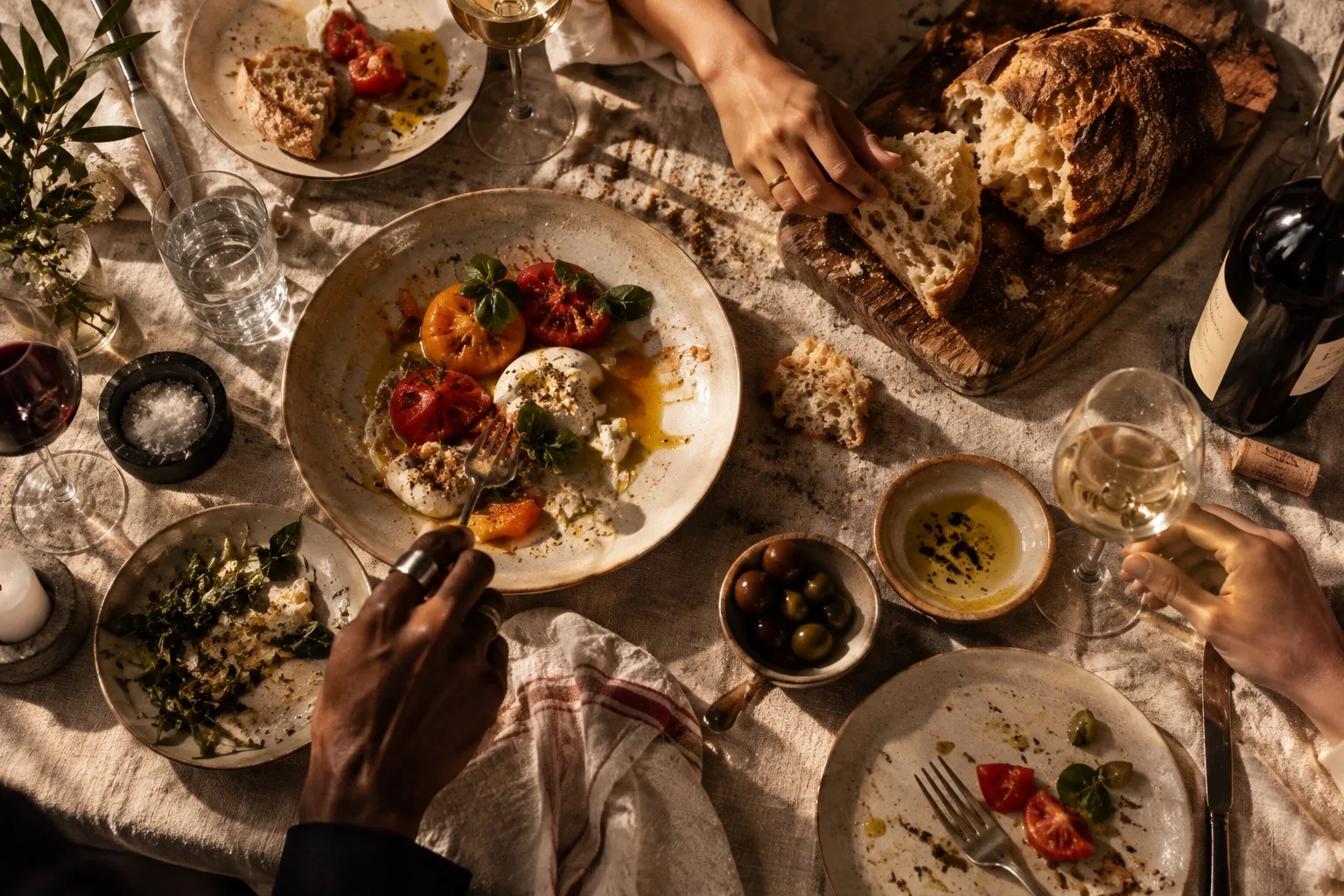
Food made irresistible in a photograph: honest light, real texture and the traces of eating, from the cookbook plate to the overhead shared table
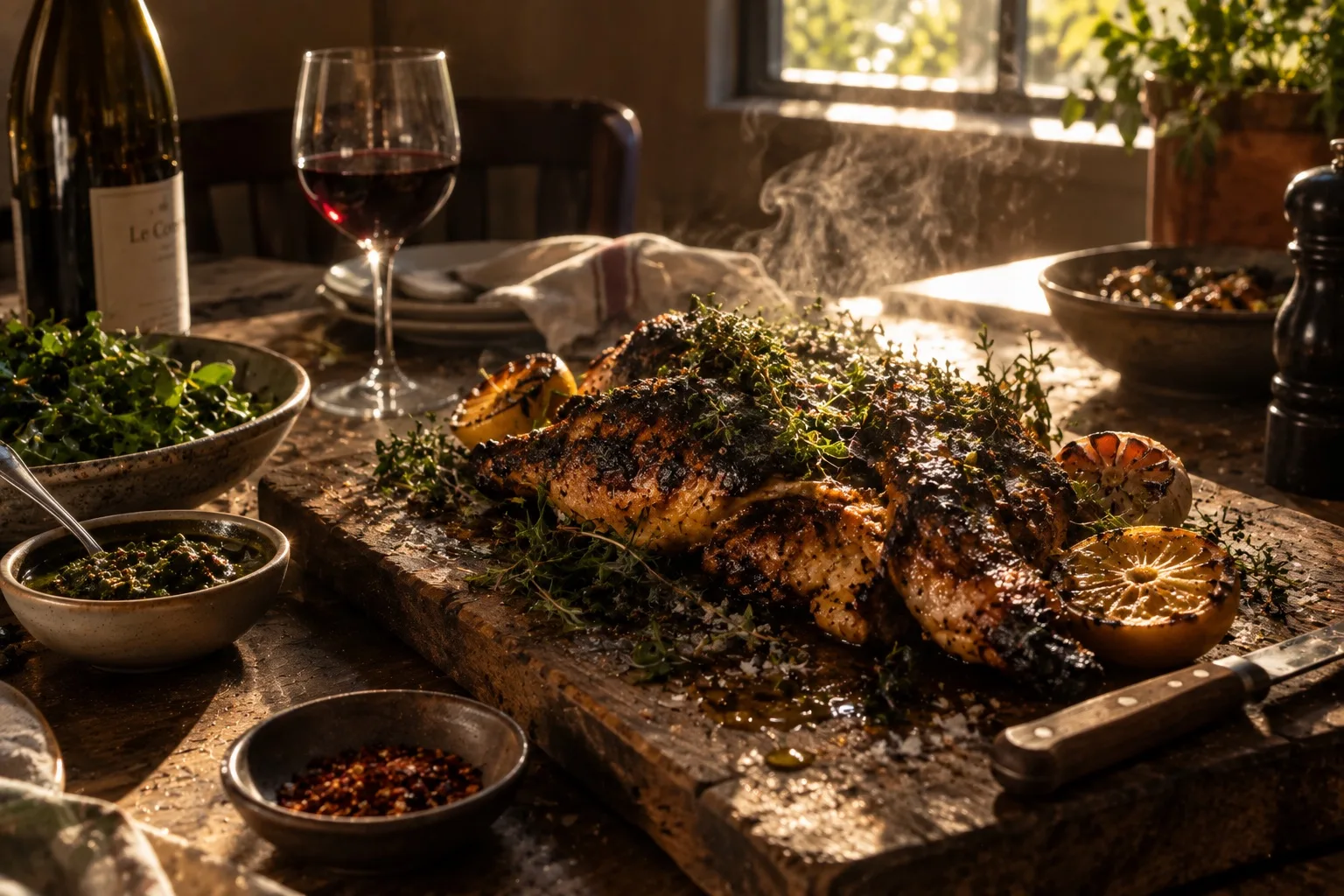
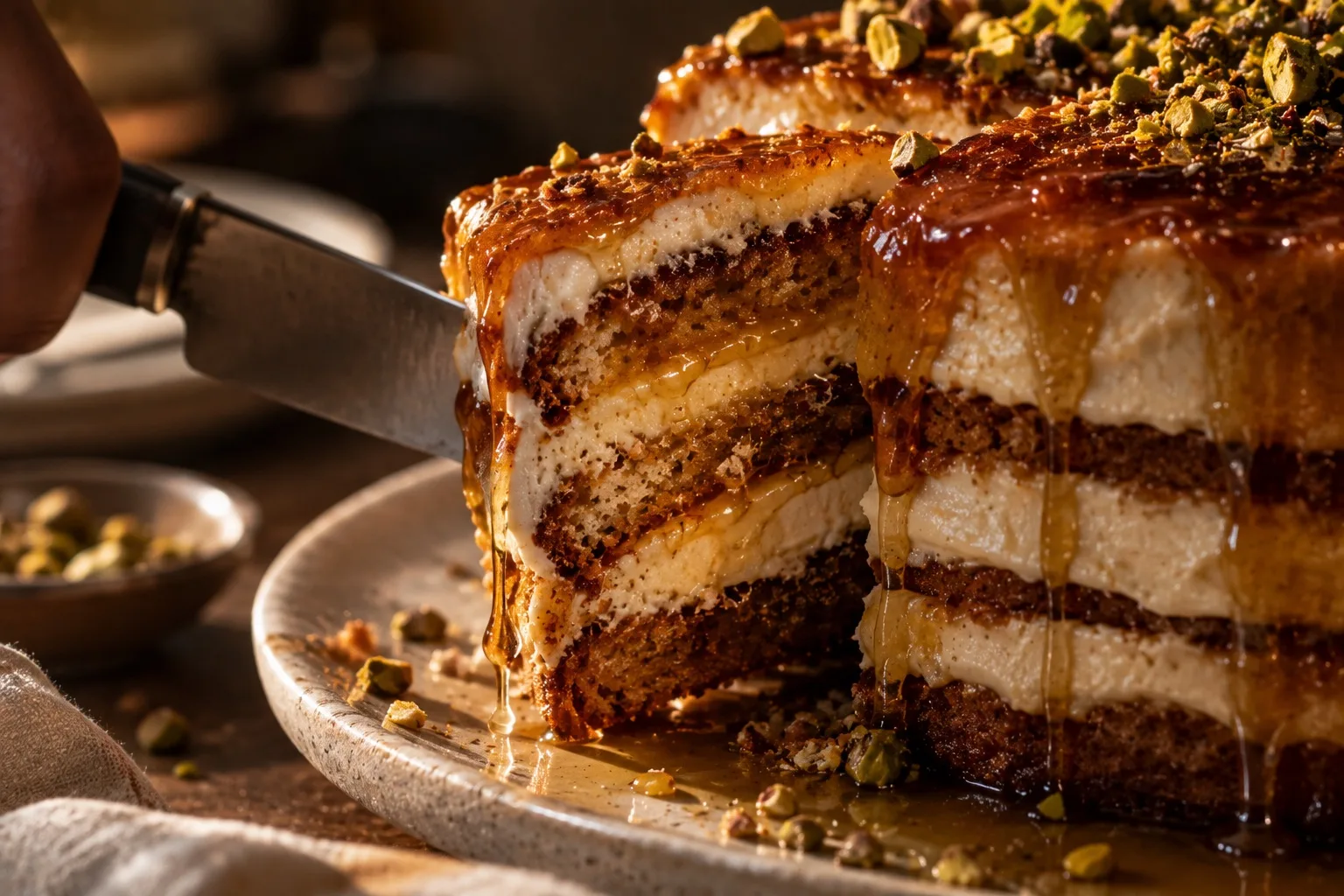
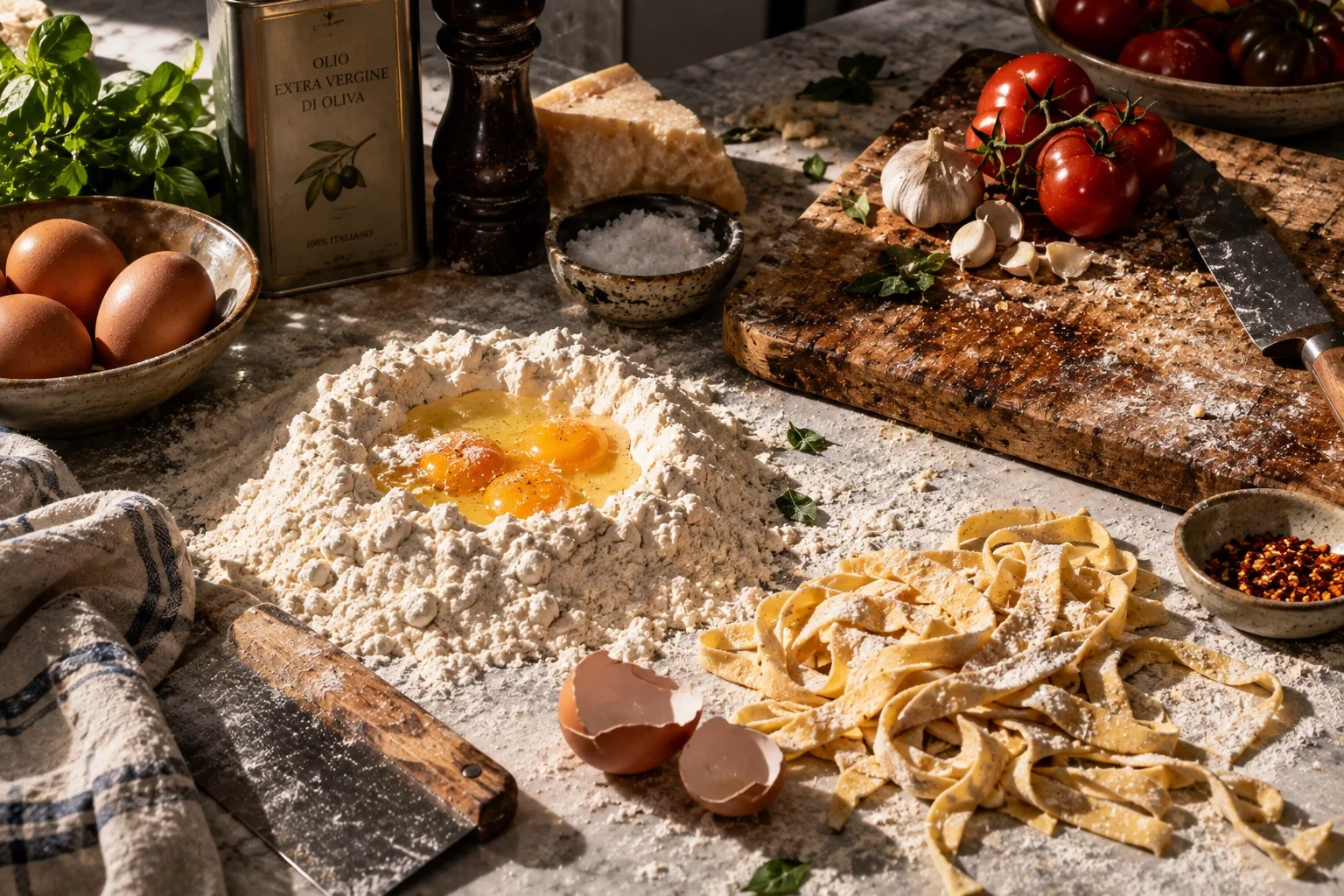
What it is, when it works, who it is for, and where it already exists.
Record 025-FP - when it works, who it is for, what it looks like
Where this aesthetic shows up in the real world · ↗ opens the source site
Where Food Photography came from, what makes it recognisable, and the fingerprint it leaves.
1860s–present · Still-life photography, cookbooks and food magazines
Photographers turned to food almost as soon as exposures were short enough to allow it. Roger Fenton's still lifes of fruit and flowers around 1860 borrowed directly from Dutch painting: heaped abundance, a draped cloth, light raking from one side. For most of the next century food pictures did what the painted ones had done, showing plenty rather than inviting anyone to eat.
Colour printing changed the job. Magazines and cookbooks needed dishes to look delicious on the page, and a trade grew around that need: photographers such as Nickolas Muray shooting colour food for McCall's, and the food stylist, whose tricks kept a dish looking fresh under hot studio lights for hours. Irving Penn took the subject into the studio as fine art, and Martin Parr later turned a hard flash on the food people actually eat.
The contemporary look came back to the table. Food journals such as The Gourmand, and then social media, made the overhead shot, window light and visible mess the common language: a meal in progress rather than a dish on a pedestal. The strongest current work keeps that honesty and adds a point of view, where the light, the props and the crumbs all say something about the cook and the place.
“Appetite, made visible.
The visual DNA: what makes it recognisable
8-channel console with the fingerprint on its display. Save the card, or share the page

Named in this style's material notes, 4 materials the library documents
The definitive color scheme for this aesthetic
The colour of the styles sitting closest to this one
How to shoot it, how to prompt it, and how to board it.
How to shoot this aesthetic
"Shoot it while it is still hot: appetite first, perfection second"
Shot list
Lighting
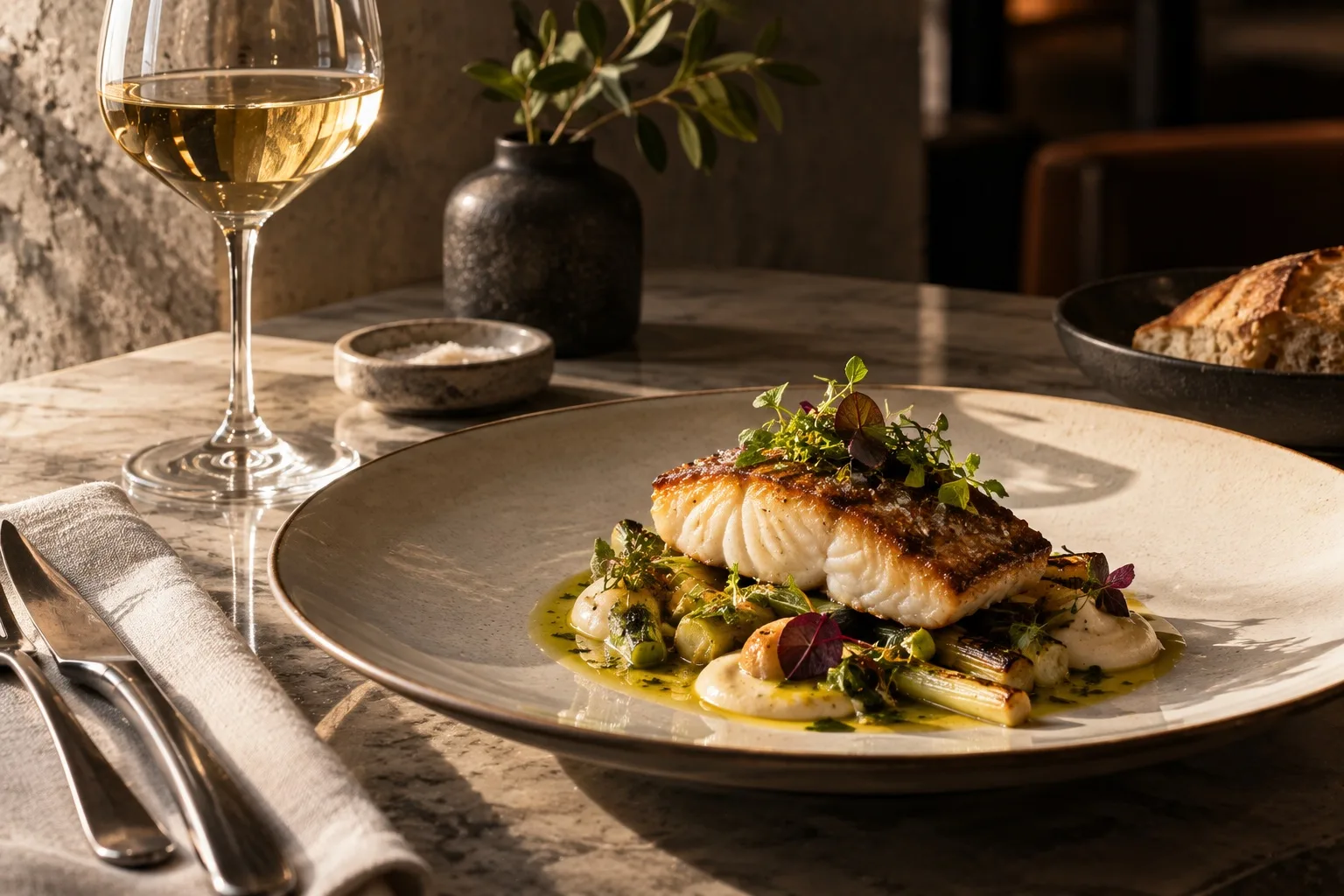
One large window as backlight or sidelight, a white card to lift the front and a black card to keep the shadows deep. For a harder, more contemporary look use a single direct flash and let the shadow fall. Never light food flat from the front.
Click any prompt row to edit. Copy uses your edited text.
Food photography with honest natural window light or a single hard flash
Visual cuesreal texture you can almost taste: crust, crumb, glaze and drip, warm browns against linen white with one ripe colour, hand-thrown ceramics and worn wooden boards, traces of eating left in the frame, appetite before perfection
Paste as-is, or add your own subject.
Photograph: overhead of the shared table mid-meal, hands reaching in and plates half finished.
SettingSet in farmhouse table beside a big window. Shot wide, the whole scene with room around it, one large window as backlight or sidelight, a white card to lift the front and a black card to keep the shadows deep.
DetailKeep steam, a pour or a cut caught mid-motion in the frame.
StyleStyle: Food photography with honest natural window light or a single hard flash, real texture you can almost taste: crust, crumb, glaze and drip, warm browns against linen white with one ripe colour, hand-thrown ceramics and worn wooden boards, traces of eating left in the frame, appetite before perfection.
PaletteColour palette #F3EDE3 #C8963E #8A4B24 #C2402E #26211D.
WardrobeHands and forearms rather than faces: bare wrists, rolled linen sleeves, a worn apron.
FrameComposed for a 16:9 landscape frame.
RulesPhotographic, not an illustration. No text, no logos, no watermark.
The whole record as a portable skill for Claude, ChatGPT, Gemini, image and video models, or a human brief
The whole record, compiled into a skill another system can work inside: lineage, axes, palettes, type, materials, photography, verdicts and a critique checklist. Nothing is generated; it is the dossier, restructured.
The record applied to your project. The record's kit is free; your brand, references and plates come with membership
01 · Hero application02 · Material and finish03 · Palette in context04 · Photography directionWhether to use it, what it costs to do properly, and where it stands right now.
Two written calls, seven meters, and when to walk away
Light from the side or behind, never the front. A window, a white card and a black card do more than any strobe kit. Set the frame with a stand-in plate, then bring the hero dish in hot and shoot fast. Leave the crumbs, the drip and the bite taken; perfection looks like plastic.
Right for any business where somebody has to want to eat or drink the thing: restaurants, bakeries, grocers, food and drink brands, cookbooks. The difference between good and generic is honesty. Shoot real food at its best moment, keep the crumbs and the steam, and never let a filter do the work of the light.
Photographer, stylist, props and ingredients; a hero dish is often cooked several times.
The subject is familiar, so a real point of view is what separates the work from stock.
Food changes by the minute under light: steam fades, herbs wilt, sauces skin over.
Over-styled, over-lit plates look like stock and make real food look less appetising, not more.
Every restaurant, grocer and food brand needs it, so the generic version is everywhere.
People choose food with their eyes first, and always will.
A photographer, a food stylist and a day of real cooking; the food is the cost that recurs.
A Pro feature: origins, practitioners, and pitfalls
Neighbours, cross-references, blends, and the questions people ask.
Connected across the creative knowledge graph
Where it stands now, and what it costs you to use it
Food photography carries more commercial weight than almost any other genre: menus, delivery apps and grocers depend on it, and a poor photograph visibly costs orders.
The glossy, perfect plate now reads as advertising and gets scrolled past. What works is a picture that feels as if it was taken just before eating, with the light, the mess and the setting of a real meal.
Mix Food Photography with any style in the library, or see the pairs worth trying
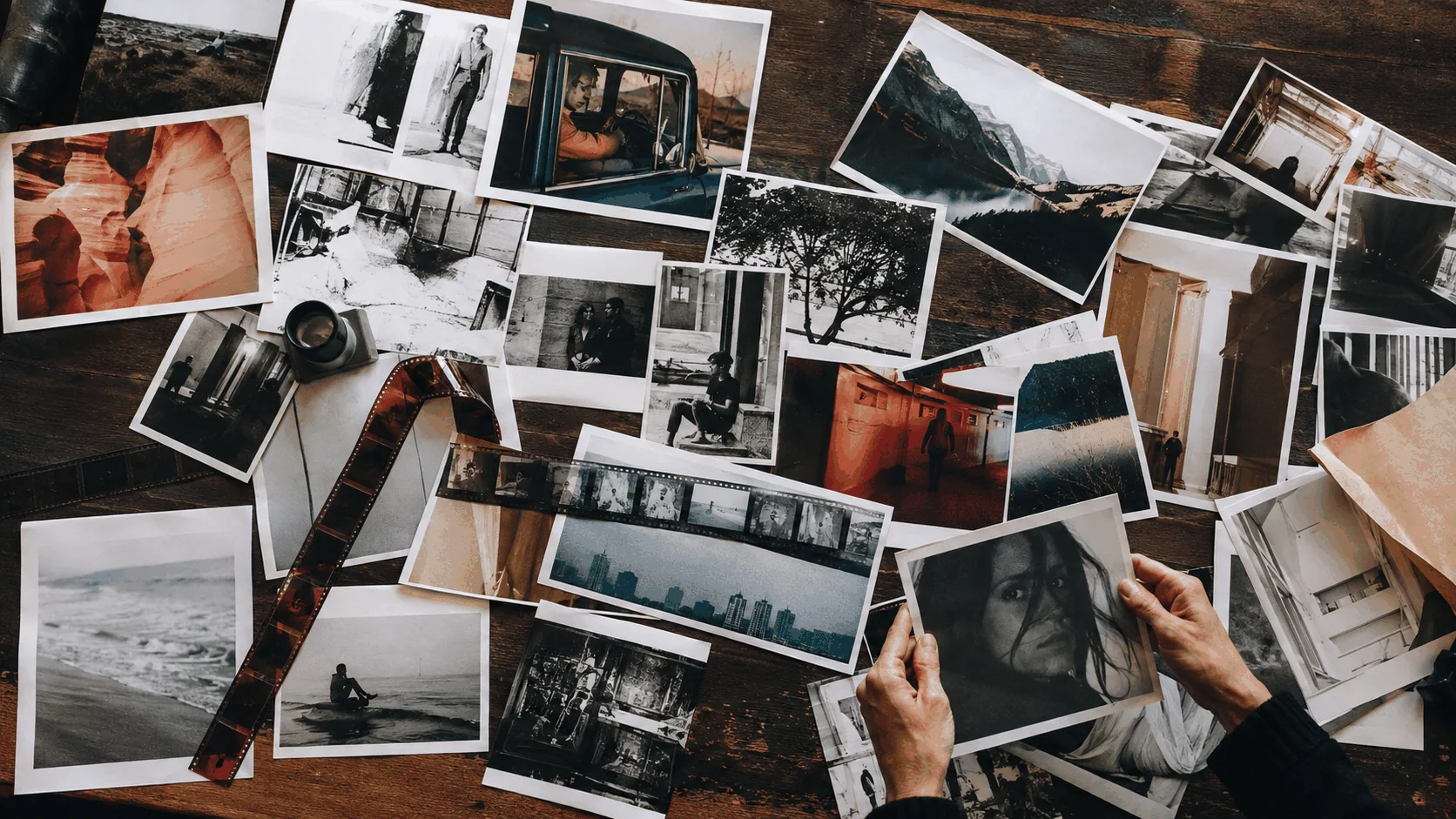 Food Photography 50%Photography 50%
Merged palette
#F3EDE3
#1C1A18
#C8963E
#4A4640
#8A4B24
Leads organic, warm, expressive
Typography · from Food Photography
Raleway over Merriweather
Materials
Use it
Create one visual direction that synthesizes Food Photography × Photography. Preserve a clear hierarchy; do not make a contact sheet or a collage of unrelated styles.
Let it read as organic, warm, expressive. Resolve the strongest tensions deliberately: keep the balance coherent.
Use these colors as a controlled system: #F3EDE3 (Linen) · #1C1A18 (Shadow) · #C8963E (Olive Oil) · #4A4640 (Dark Tone) · #8A4B24 (Crust).
Use Raleway for display type and Merriweather for supporting text.
Bring in Linen and cotton napkins, crumpled rather than pressed, Stoneware, enamel and hand-thrown ceramics with matt glazes, Silver-halide film: Tri-X, Portra and Velvia, each with its own grain and cast, Gelatin silver prints on fibre-based paper, toned and air-dried.
Keep one subject or one clear interface state in focus. Use the visual language to guide composition, lighting, spacing and material decisions.
A single soft source from the side or behind, usually a large window, with white card to open the front and black card to keep shape in the shadows. Light from behind makes steam, glaze and liquids glow. Flat light from the front flattens texture and is best avoided, unless a hard, direct flash look is the point.
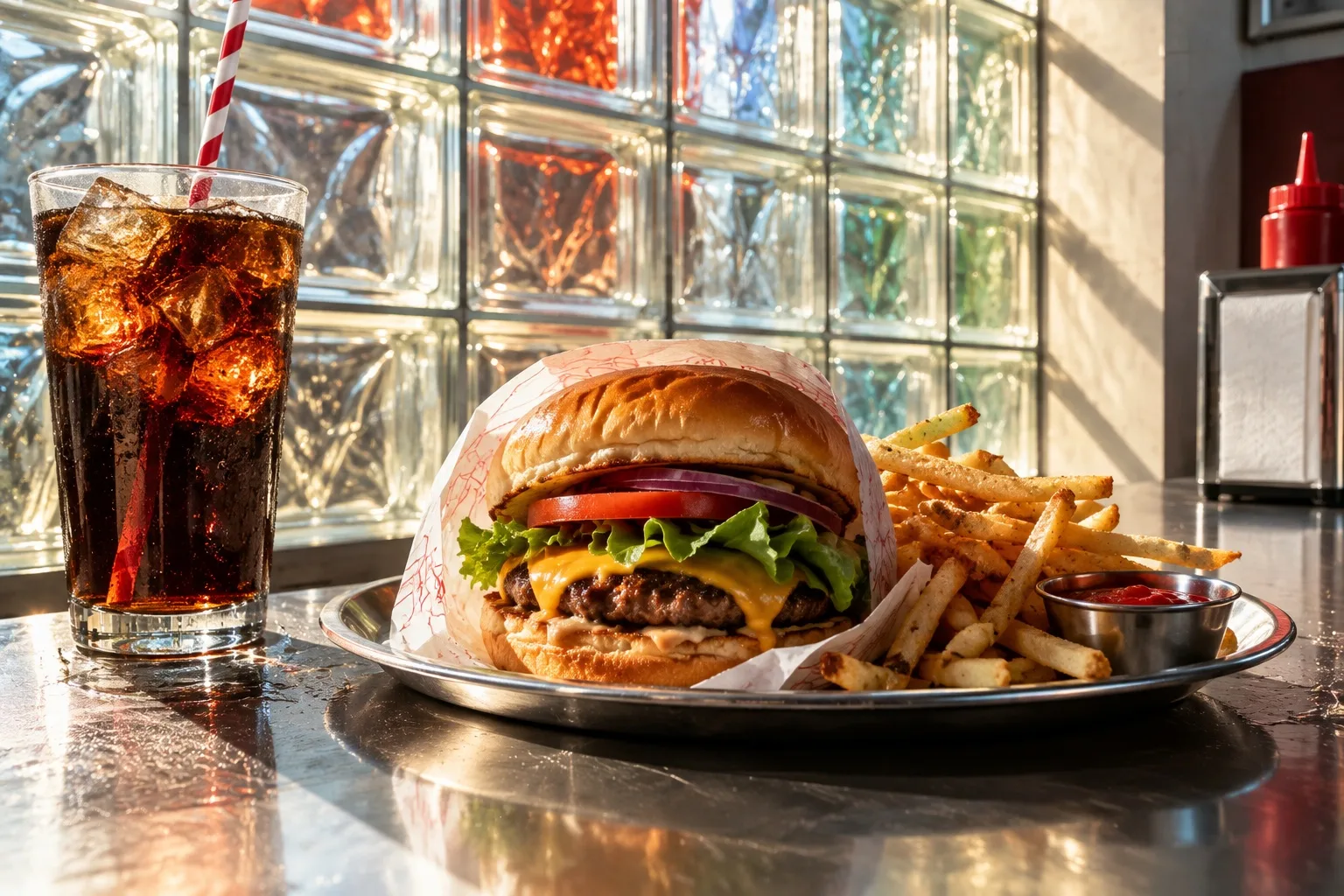
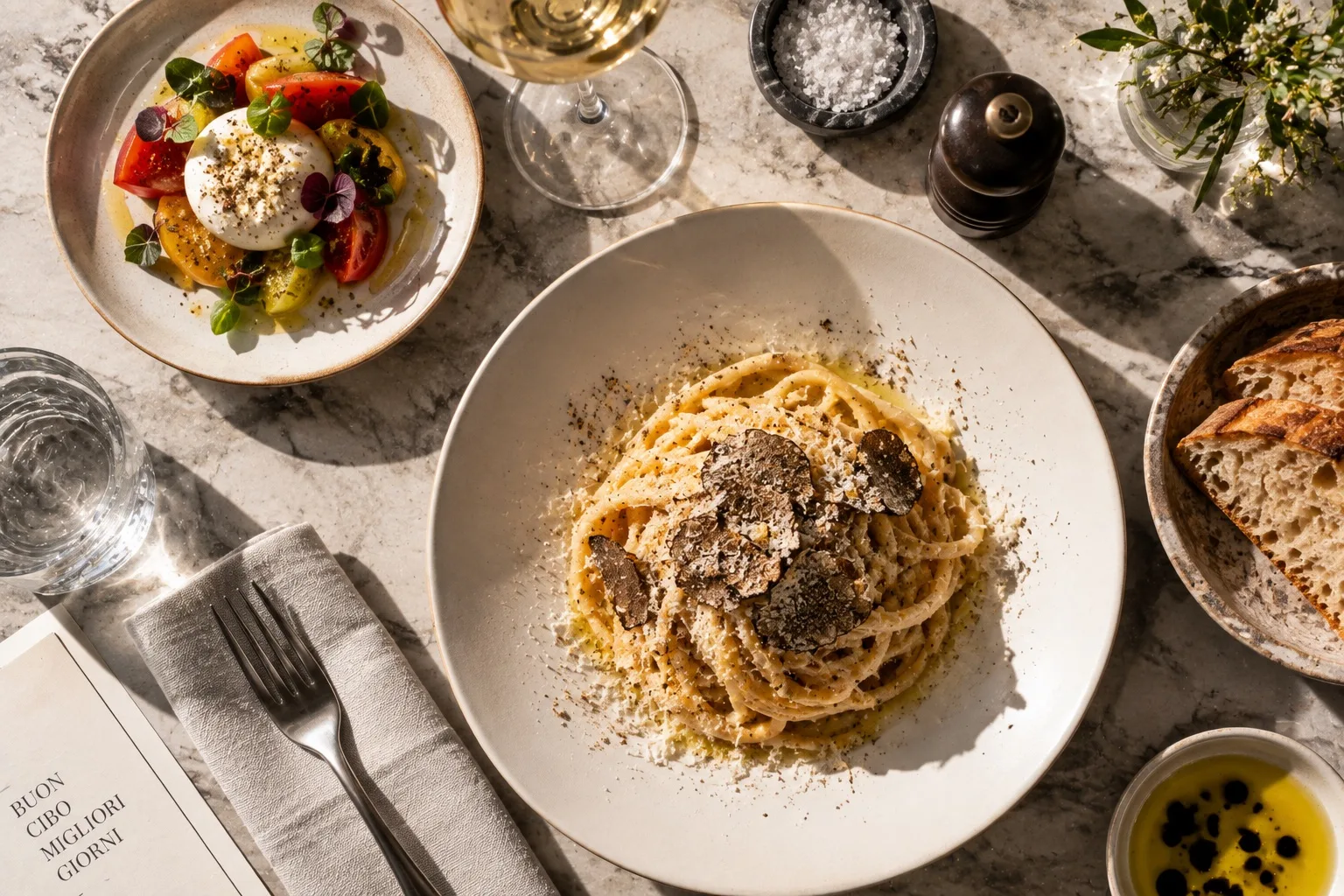
Overhead suits flat dishes and whole tables, where the arrangement is the picture: pizzas, spreads, a shared meal. An angle around forty-five degrees suits food with height or layers, such as burgers, cakes and drinks, where the side of the dish carries the appetite.
Every style in the library is broken down like this one: the palette, the typography, the materials and the lineage.
Explore the style library →